When We Can Get There
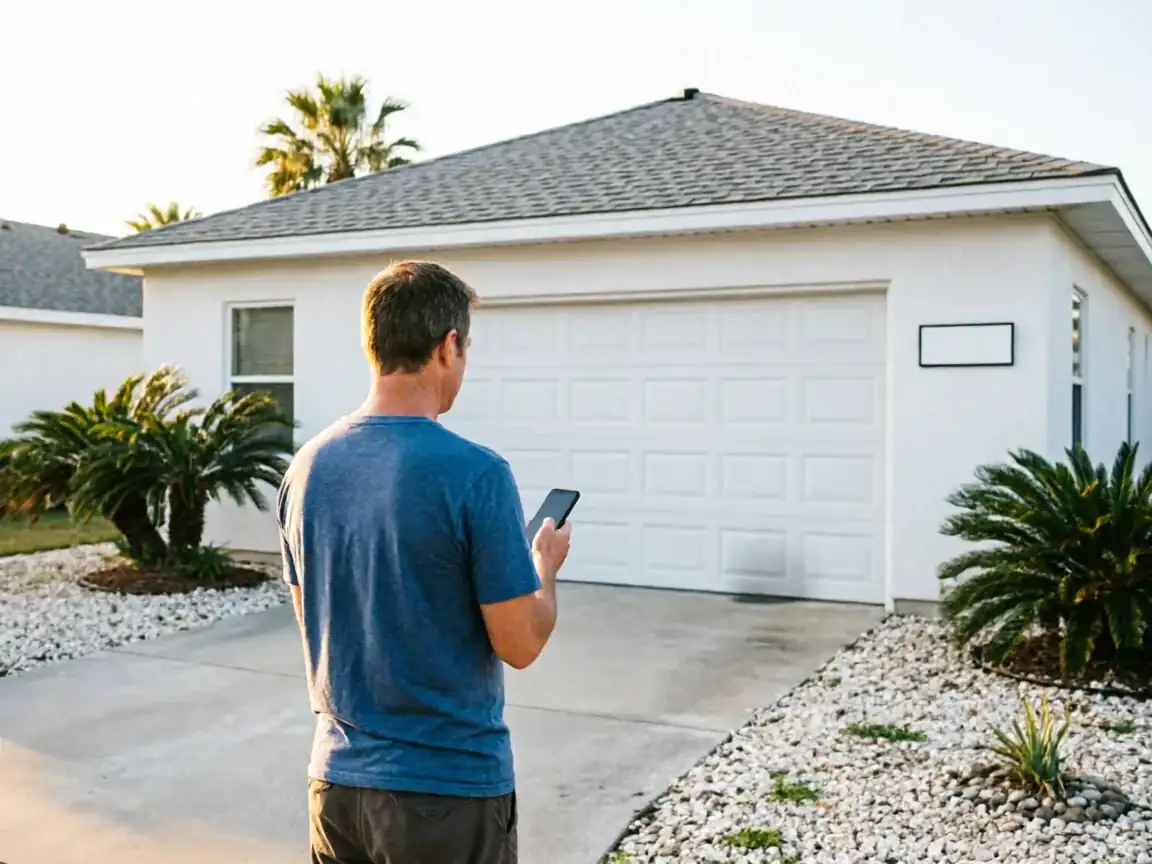
We run out of Homestead, and Princeton sits about 6 miles from our base - one of the shorter runs in our coverage area. We don't keep a depot or a crew stationed in Princeton itself, so we can't promise a same-hour window the way a shop sitting on your street could. What we can tell you is that the drive is short enough that Princeton jobs fit easily into a normal route day without the kind of cross-county haul that eats a morning.
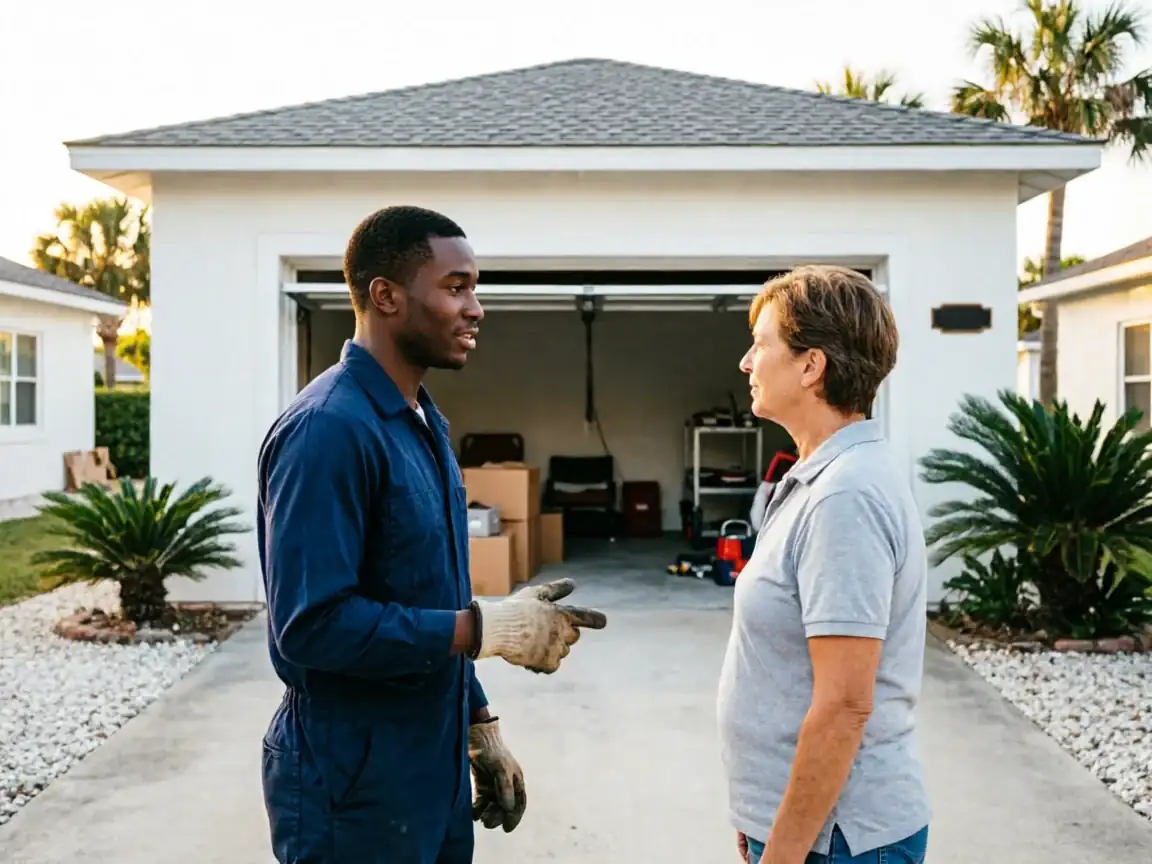
We don't invent a response-time number here because we don't have one to give you that's specific to this stretch of road. If timing matters for your call - a door stuck open overnight, a spring that let go with the car trapped inside - say so when you call and we'll tell you honestly where you fall in the day's schedule rather than guess at a figure that sounds good on a page.
Princeton's household count sits around 11,947, smaller than some of the named areas further up our coverage list, which means fewer calls competing for the same route on any given day. That's a practical detail, not a promise, but it's the real reason a Princeton call doesn't usually sit at the bottom of the list.
The Houses Here
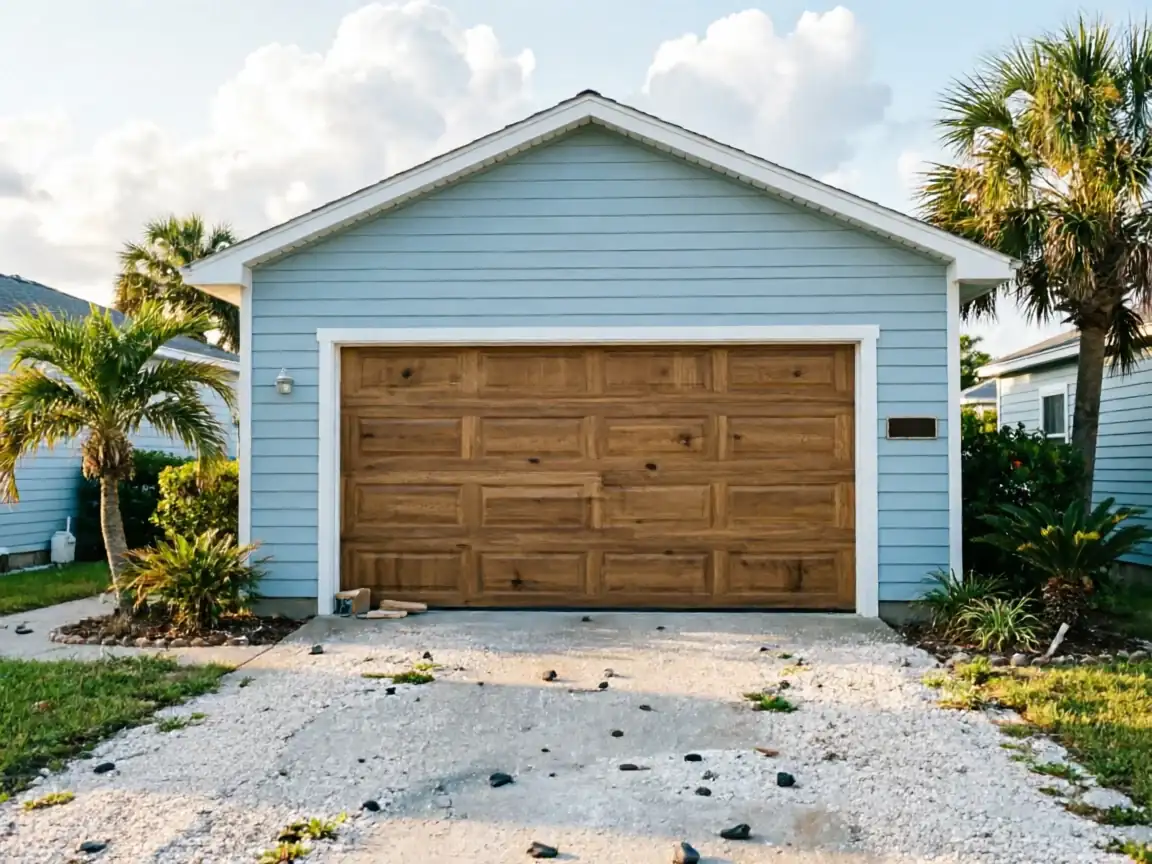
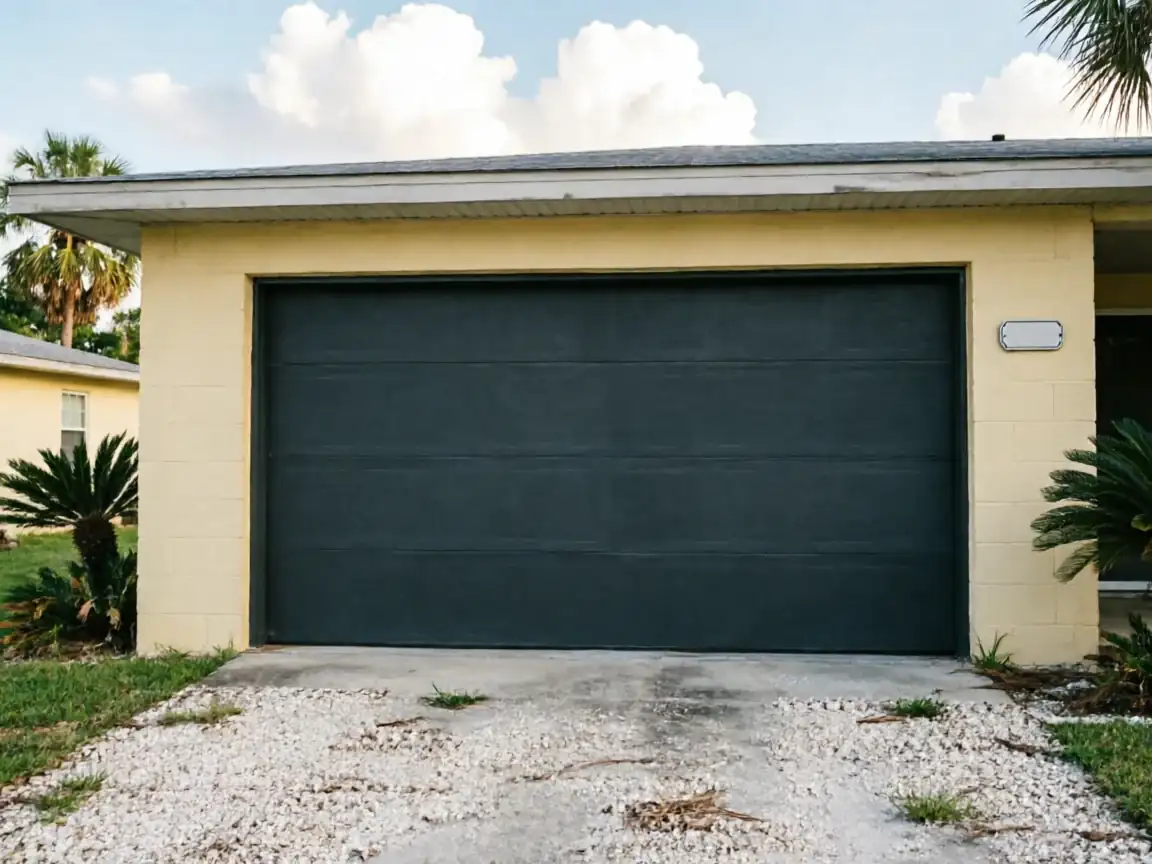
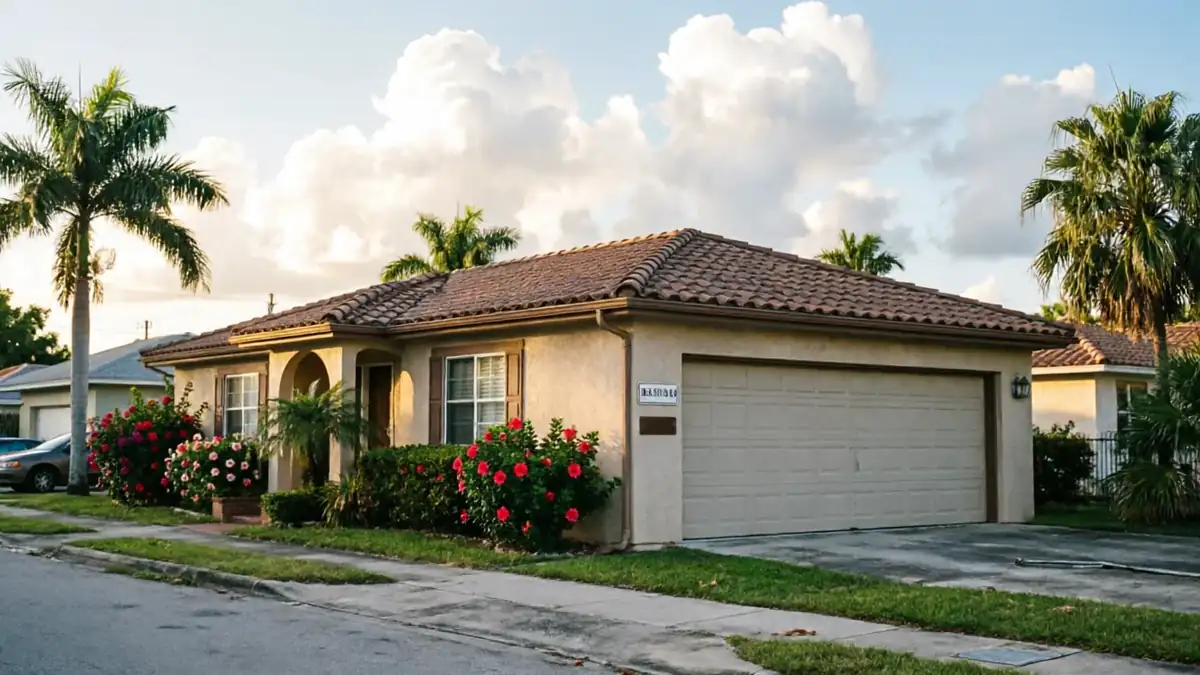
This is the section where Princeton actually looks different from the rest of the service area, and it's worth saying plainly: Princeton's housing stock runs newer. The median build year here is 2008, decades past the 1979 median that describes the wider area, where most houses went up through the 1960s and 70s. If you bought in Princeton, there's a real chance your house is younger than the garage door company working on it.
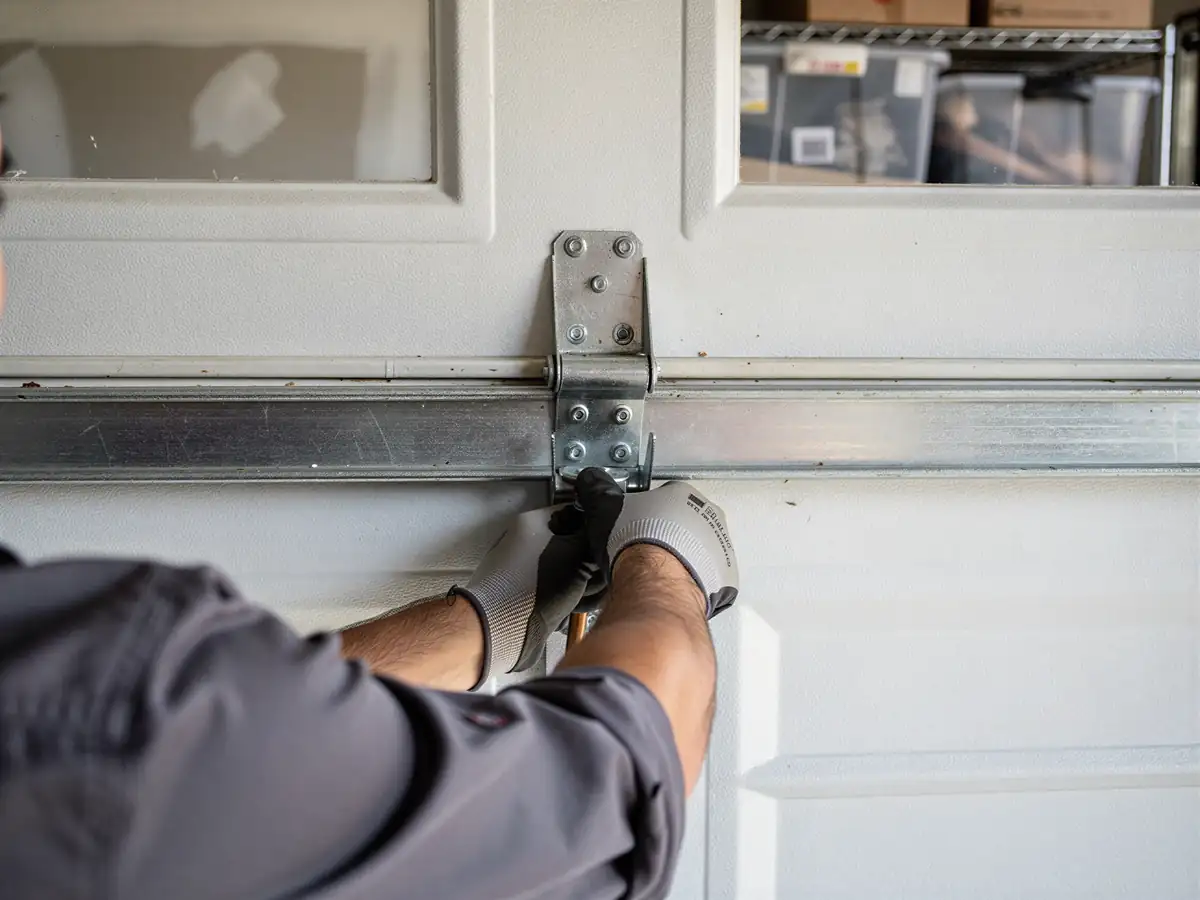
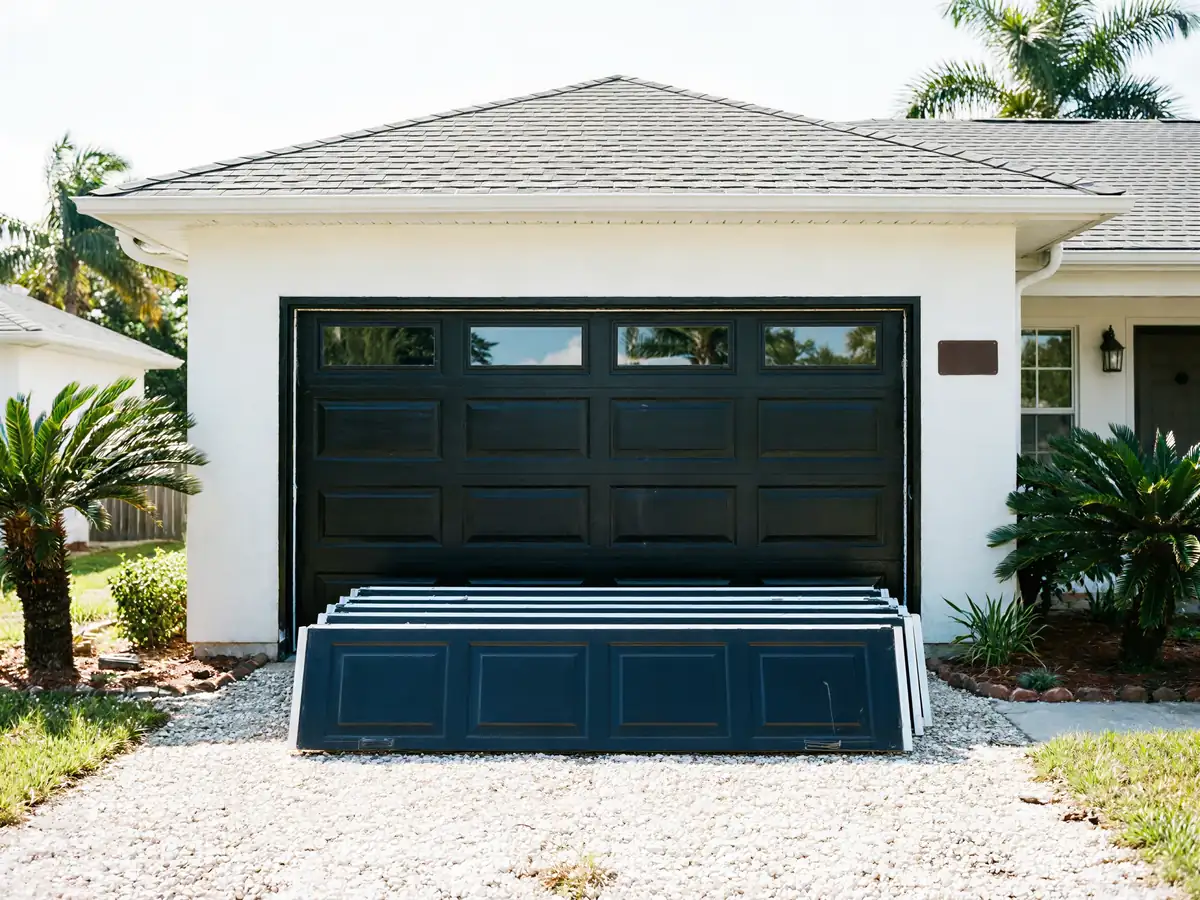
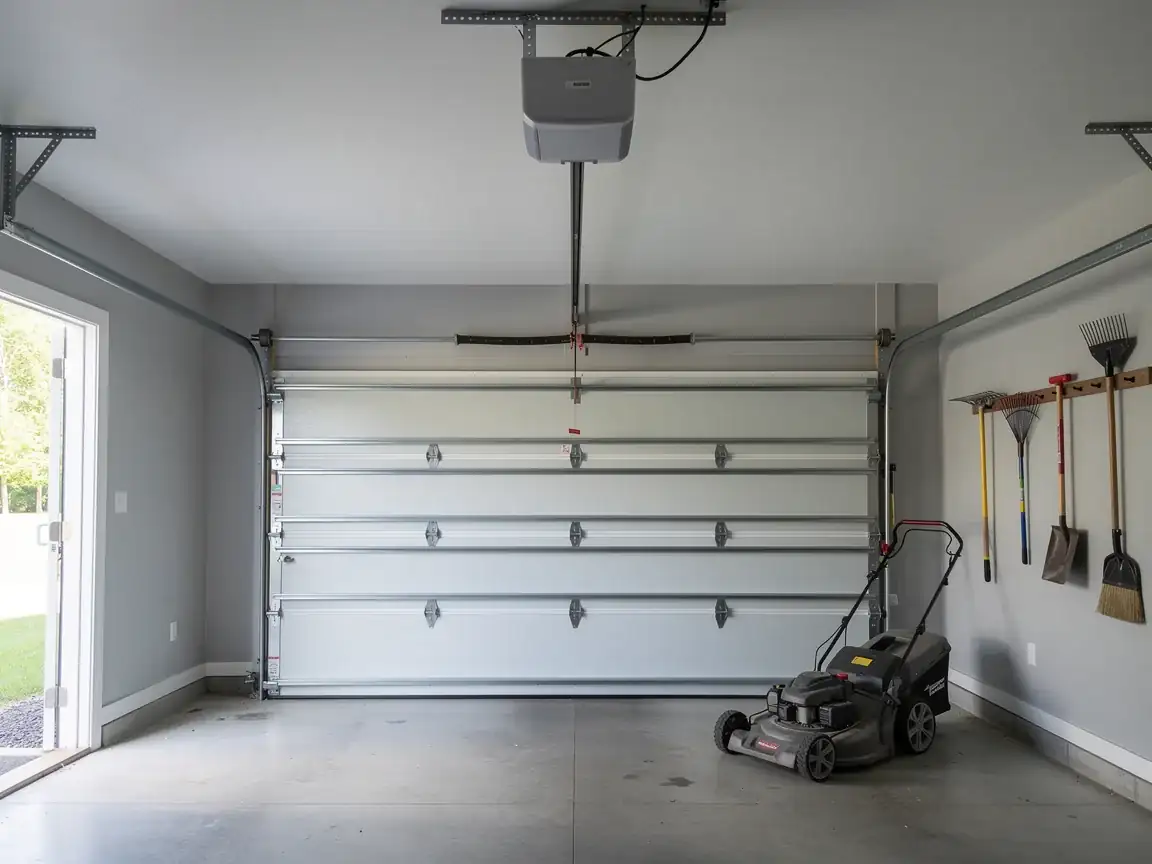
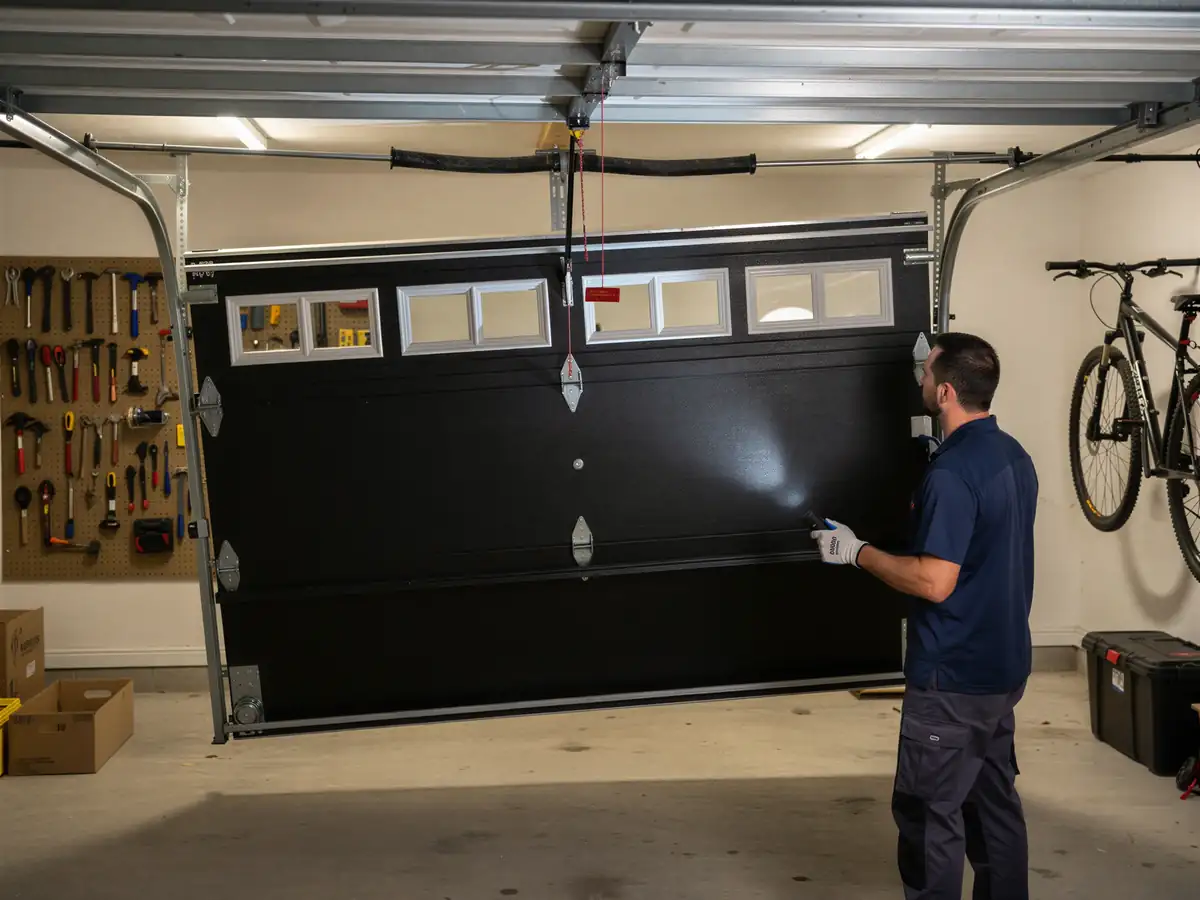
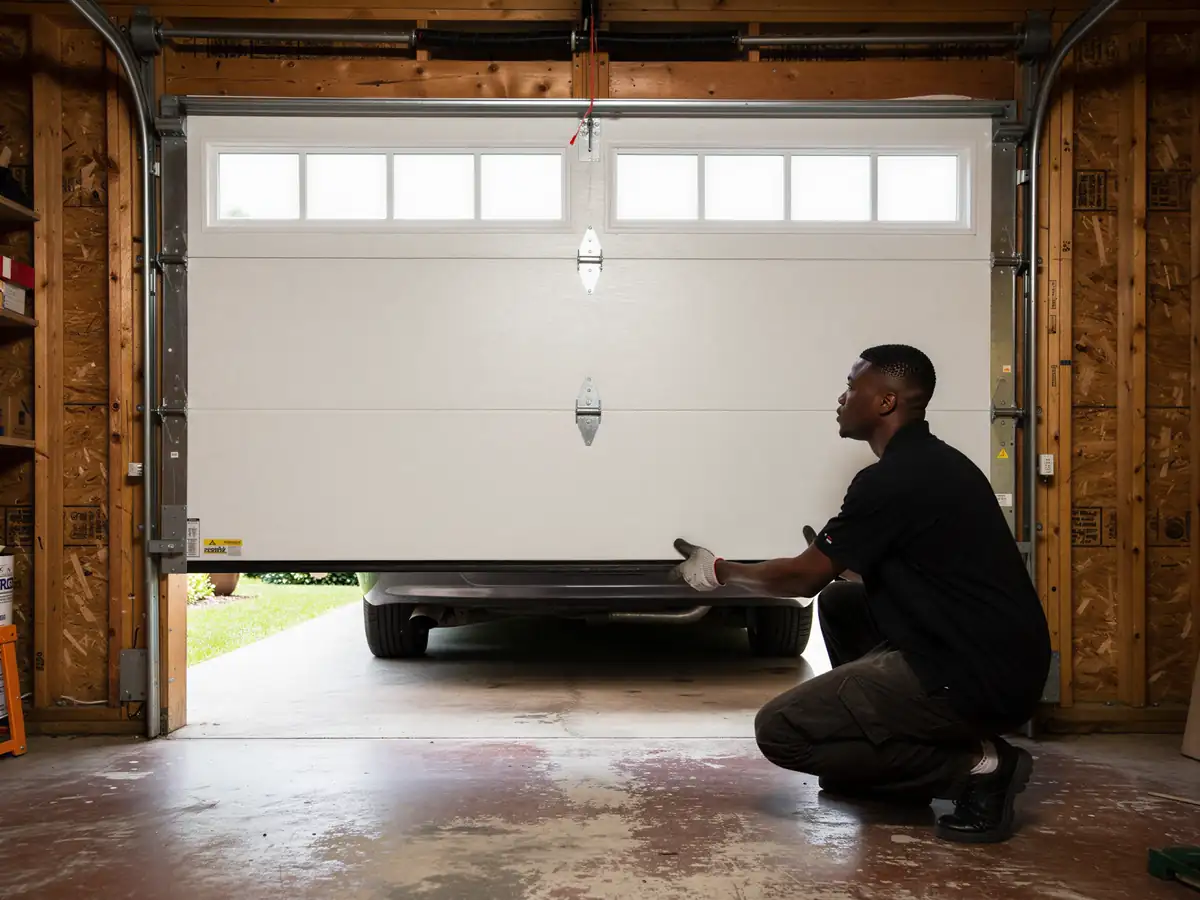
That matters more than it sounds like it should. Newer construction generally means newer door hardware to start with - steel sectional doors on torsion springs built to current wind-load code rather than the one-piece doors and side-mounted torsion setups common on older stock elsewhere in our coverage area. It also means less of the galvanic corrosion and worn jamb hardware that comes with forty-plus years of South Florida humidity sitting on the same tracks.
Median household income in Princeton runs about $82,130, close to the area-wide figure of $82,726, which tells us most Princeton calls are about keeping a working door working, not replacing something that was already failing when the owner bought the house. None of this means nothing breaks - it means what breaks, and when, looks different from a 1965 house three miles away.
What People Here Ring About
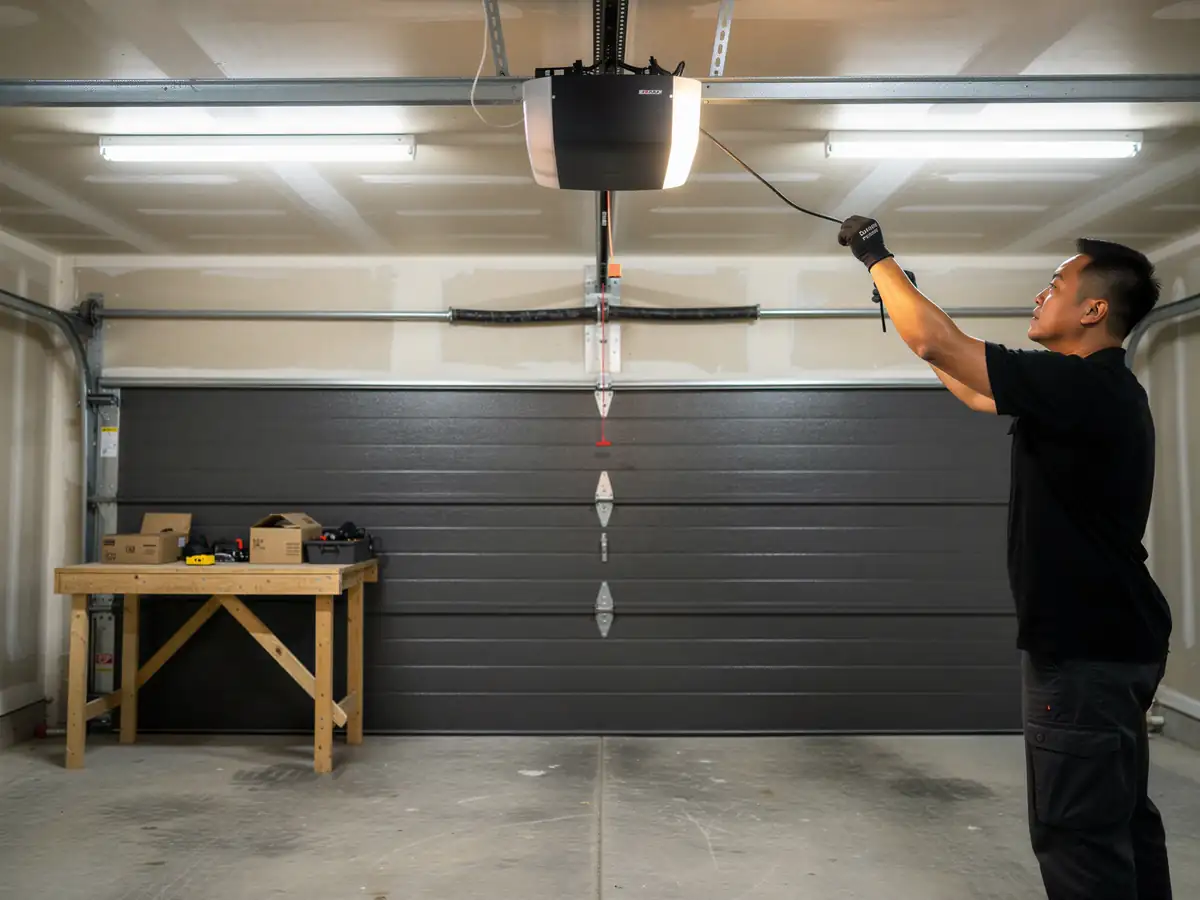
Because Princeton skews newer, the calls we get skew toward opener electronics and roller wear rather than the spring and hinge failures that dominate older stock
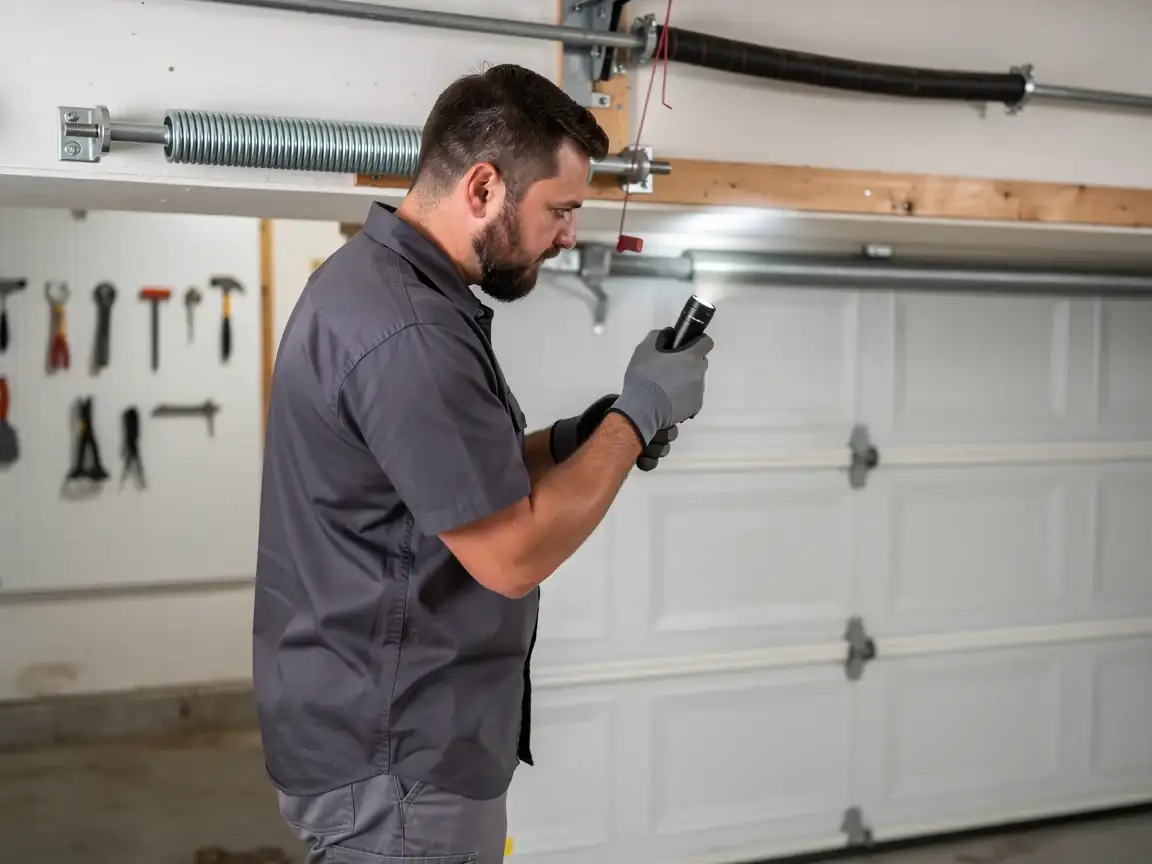
A door that reverses for no reason, a remote that stopped pairing, a track that's slightly out of plumb from settling rather than decades of slack - these show up more in houses built after 1990 than the torsion-spring snaps we see constantly on older housing.
The mild temperate climate across the service area means Princeton doors aren't fighting frozen tracks or ice-jammed openers
But that doesn't mean the climate is free. Humidity and heat still work on steel hardware and rubber seals over time, just more slowly on a 2008-built door than on something installed when Nixon was in office.
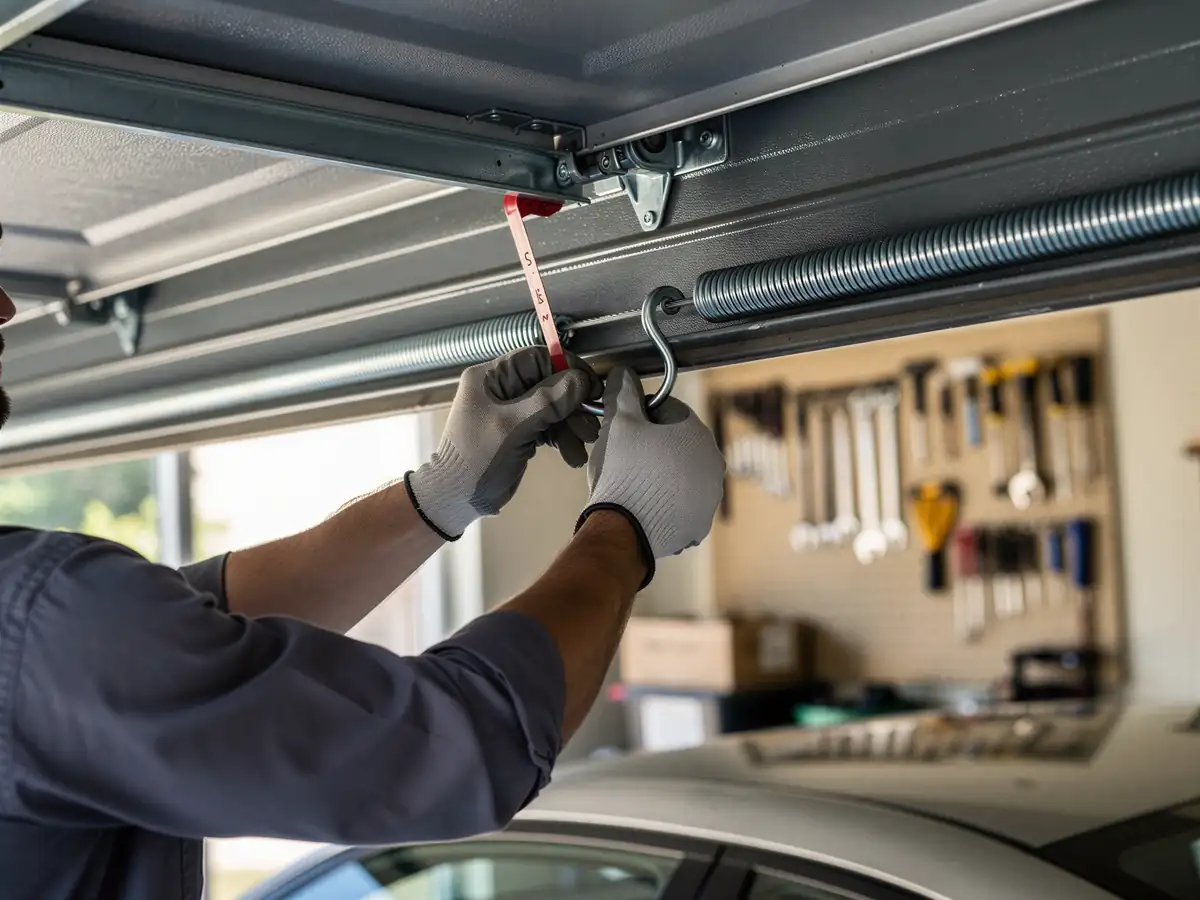
We still see the occasional broken spring or snapped cable here
Newer doesn't mean new, and a door installed in 2008 has had plenty of years of daily cycles. But the mix of calls is different enough from the older parts of our coverage area that it's worth saying out loud instead of pretending every call in the territory looks the same.
What the Housing Means for Your Door
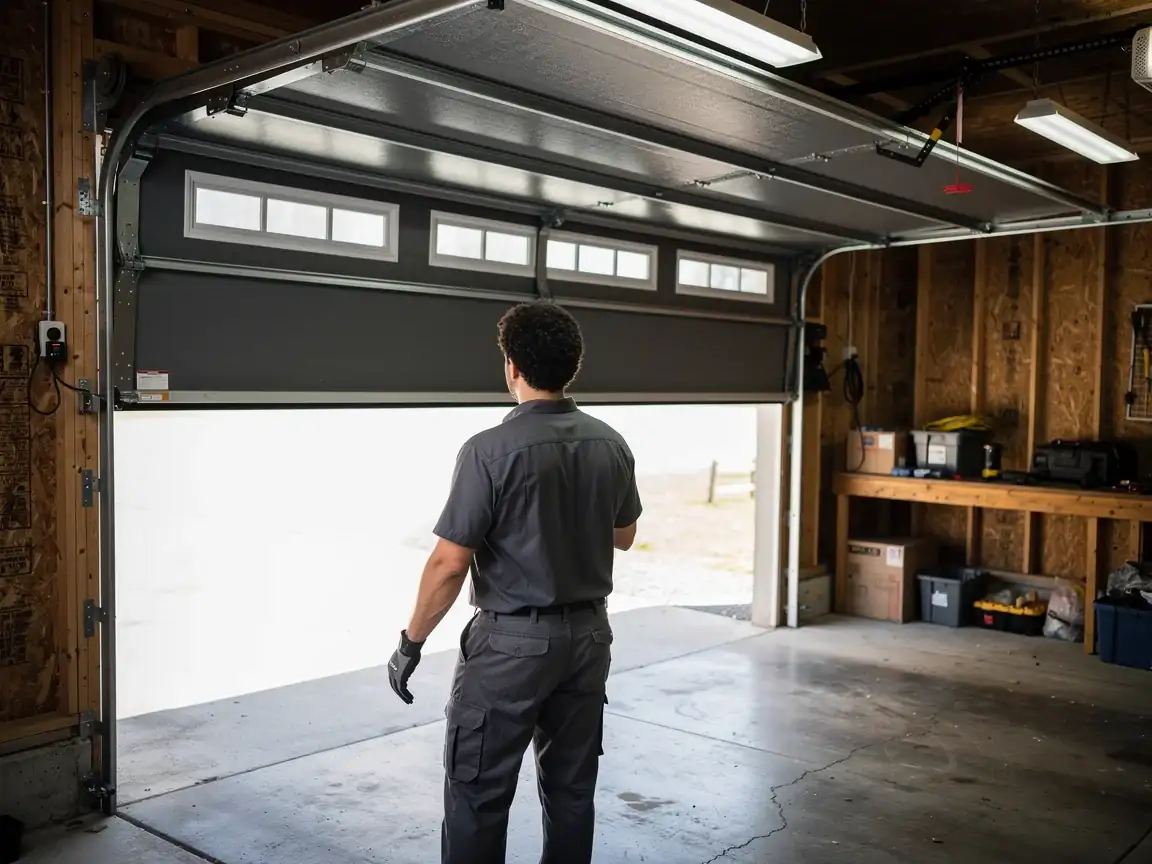
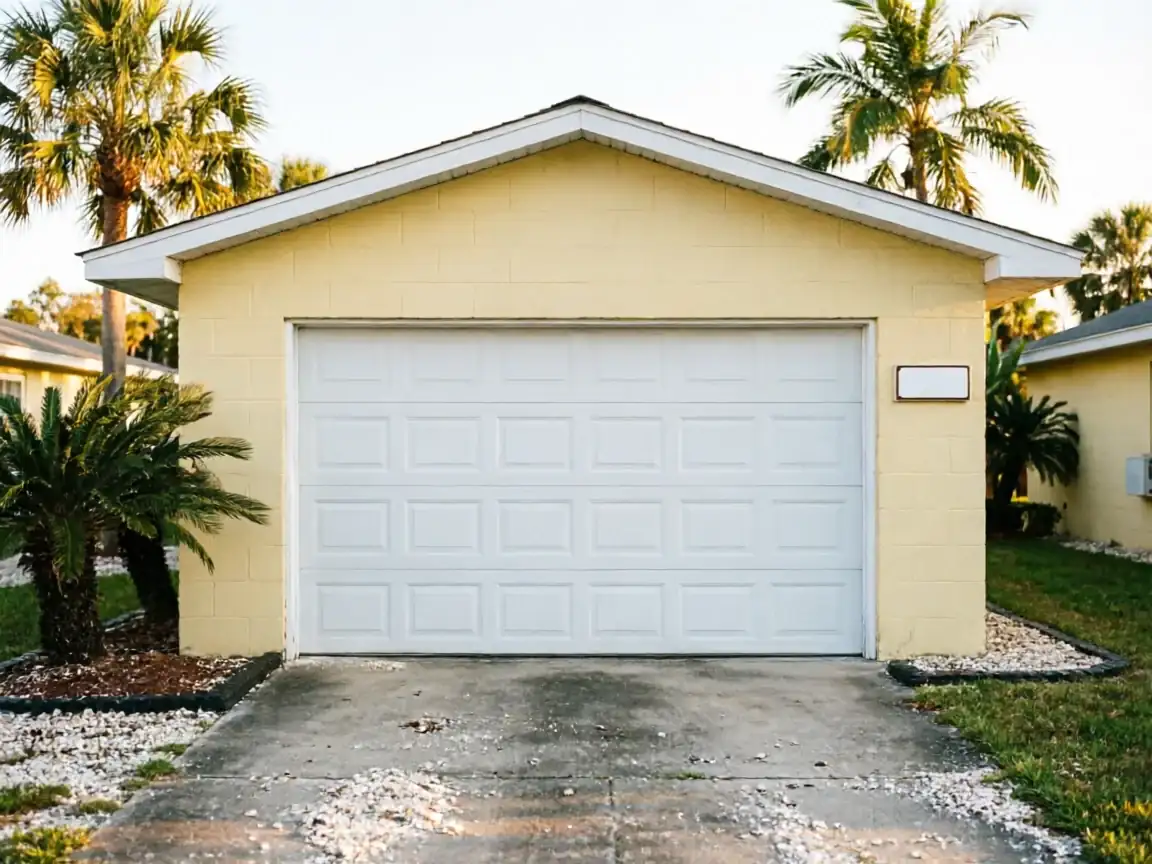
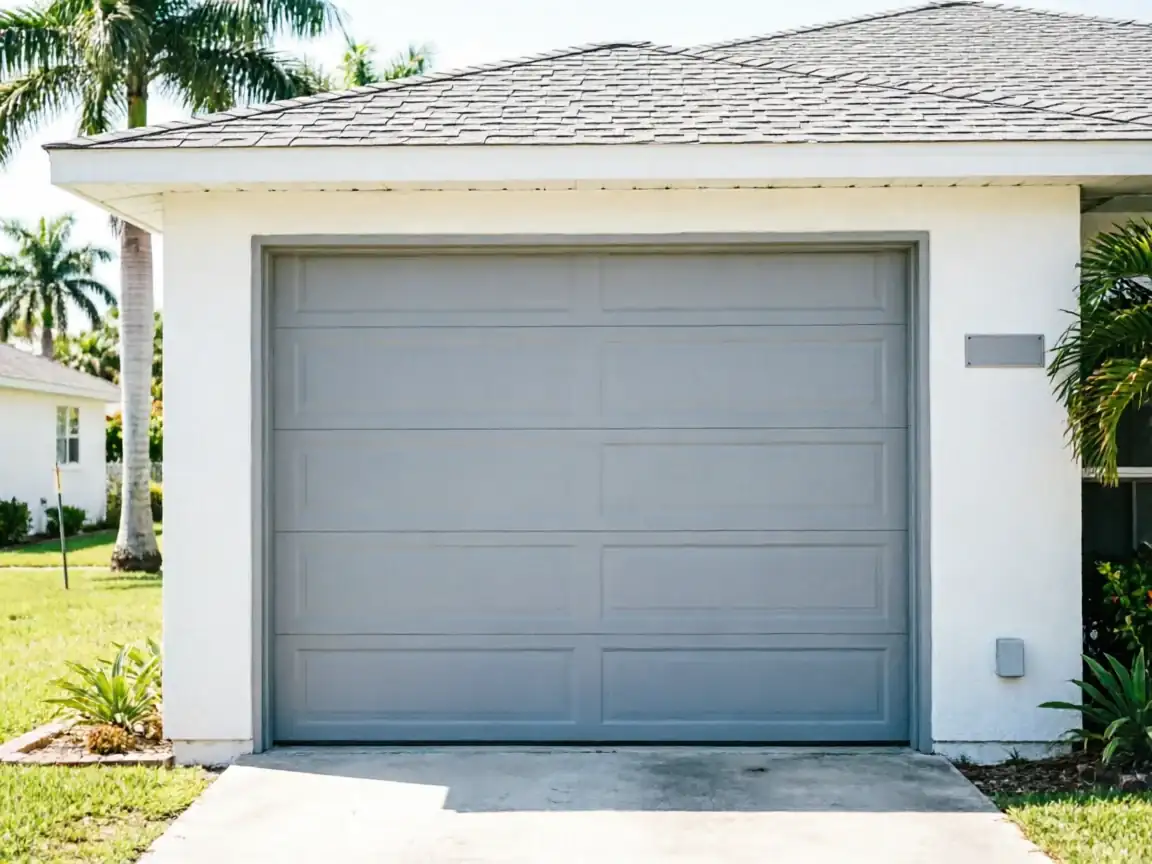
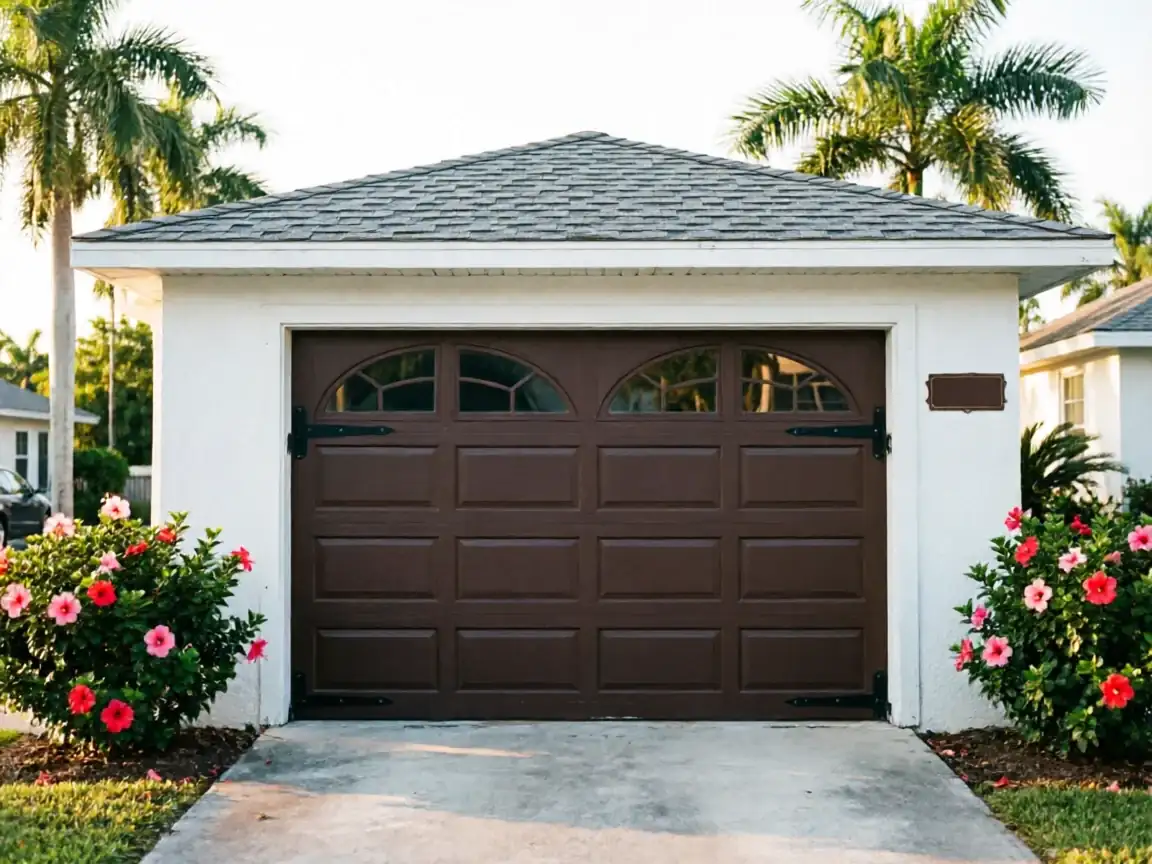
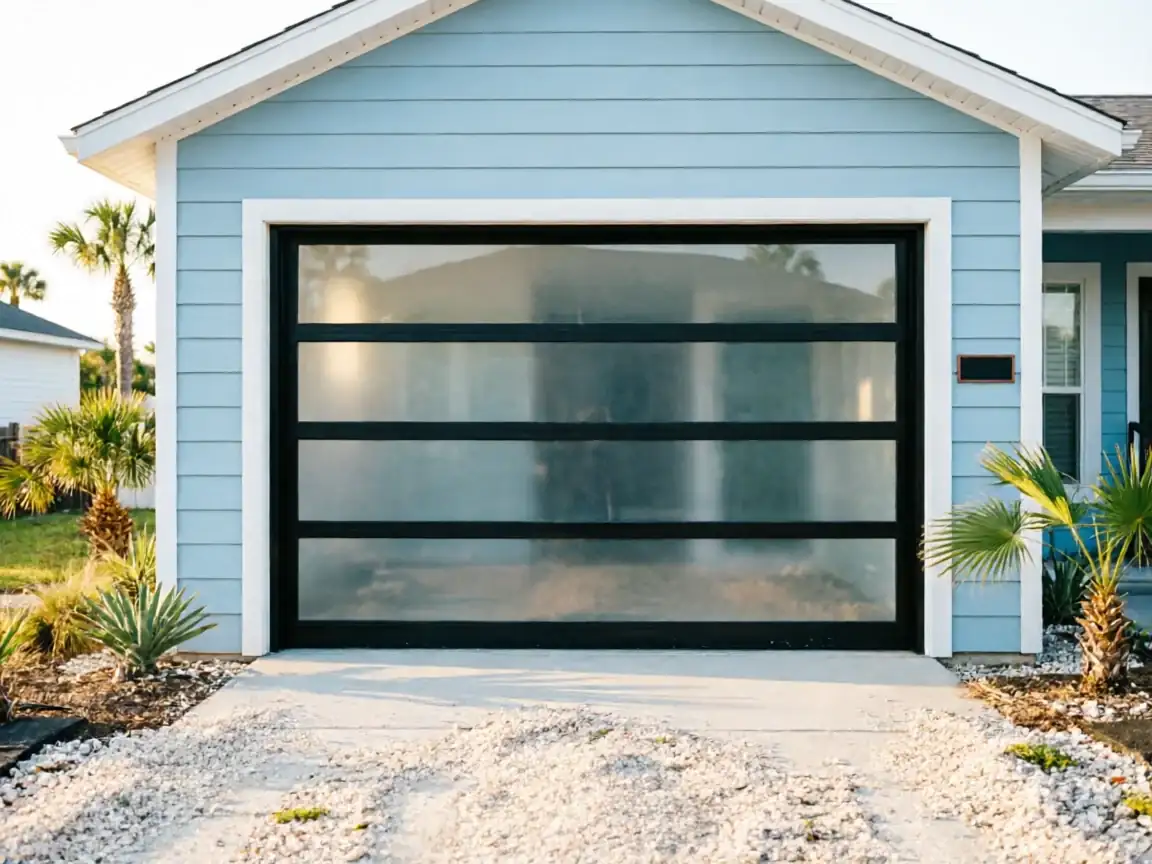
If your house in Princeton was built anywhere near the 2008 median, your door hardware is probably standard sectional steel on torsion springs rated to current code - which is good news for parts availability. We're not chasing down obsolete one-piece door tracks or side-mount torsion hardware that nobody stocks anymore, which is a real problem on the older stretches of our coverage area built in the 1960s and 70s.
The honest limitation: if your Princeton house is one of the older ones that predates that median, the calculus flips, and you're closer to the older-stock problems than the newer-stock ones. We size up what you've actually got before we talk about parts, not what the neighborhood average suggests.
For most Princeton homeowners, this means repair makes more sense than replacement more often than it does three or four miles closer to the coast - newer hardware is usually worth fixing rather than tearing out. We'll tell you straight when a door's cheaper to replace than keep patching, but on newer stock like this, that conversation comes up less.