Serving Homestead, FL & nearby
(786) 592-4013
Homestead, FL

Is Your Homestead Garage Door Worth Fixing, or Done

Homestead homes mostly date 1957-2008, median 1979. Here's how to tell if your original door and hardware are worth repairing or past it, given our mild climate.

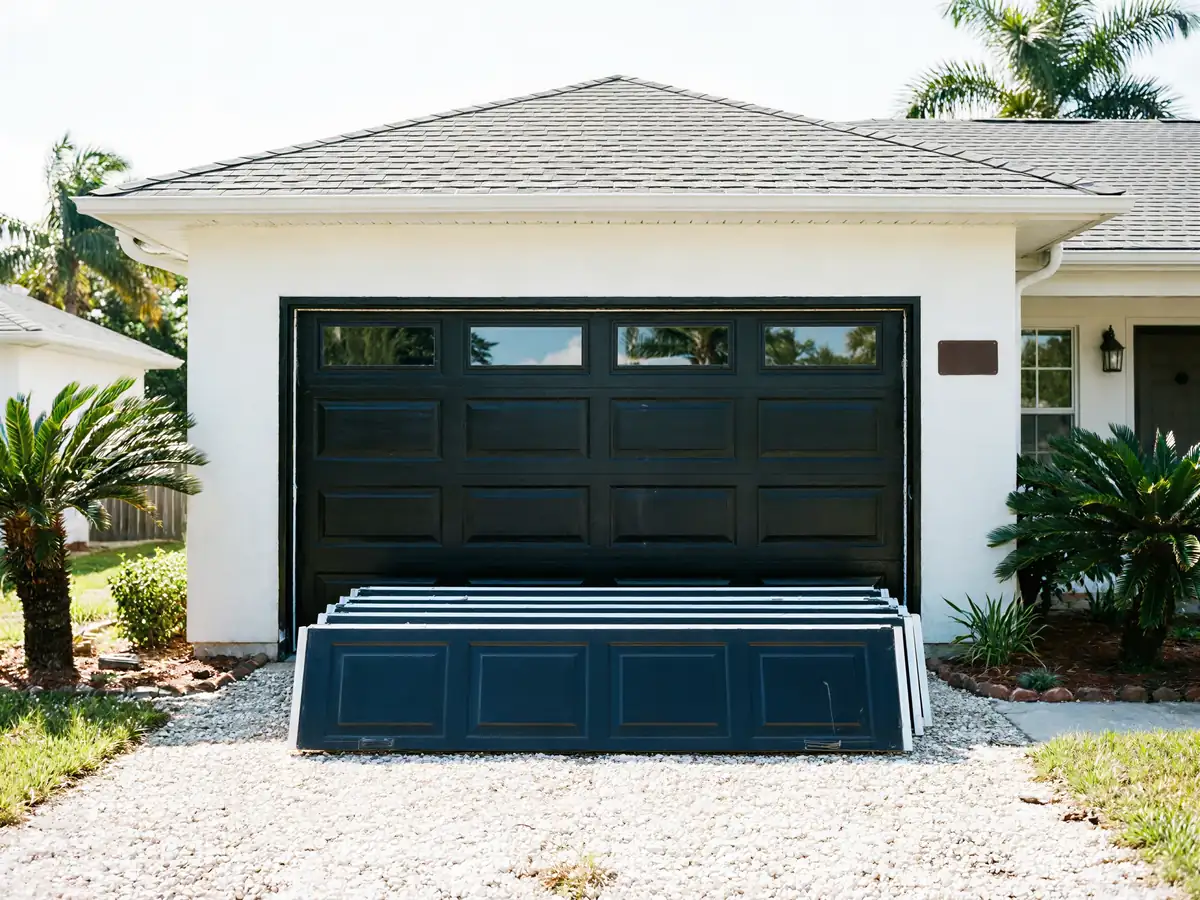
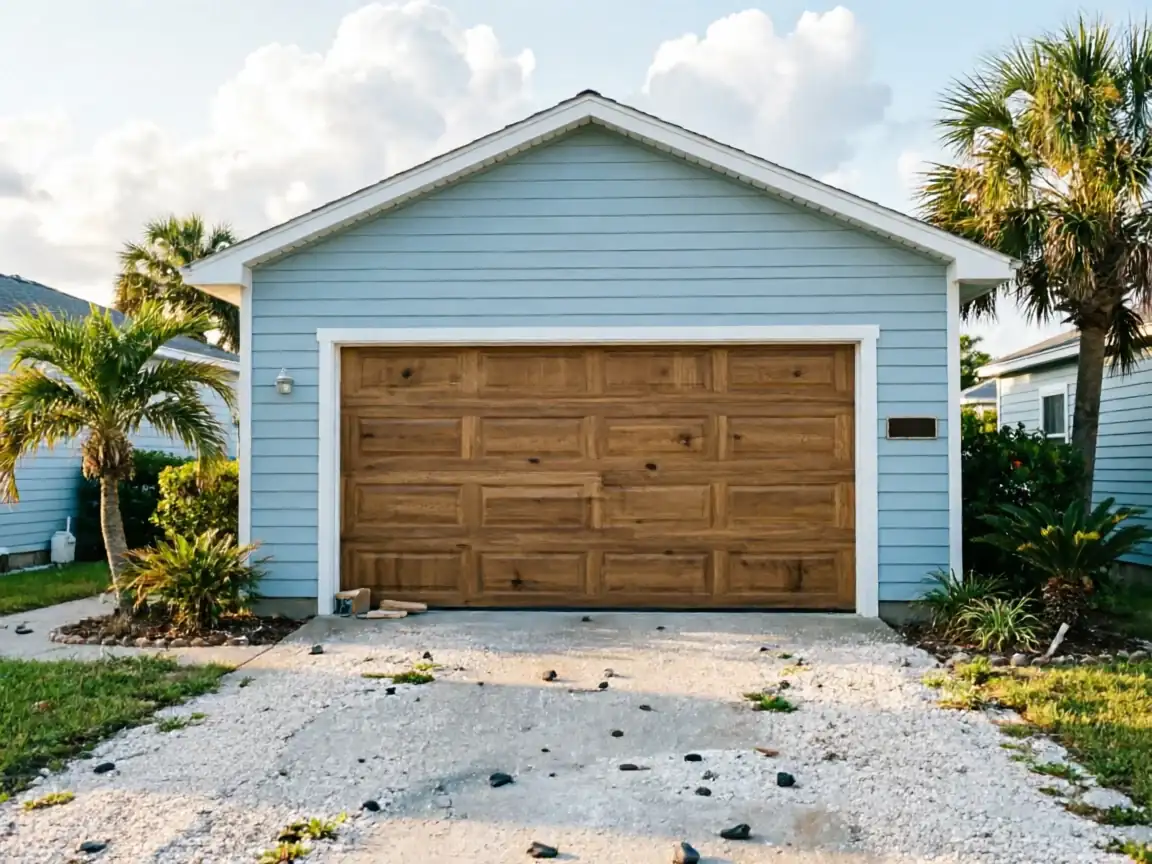
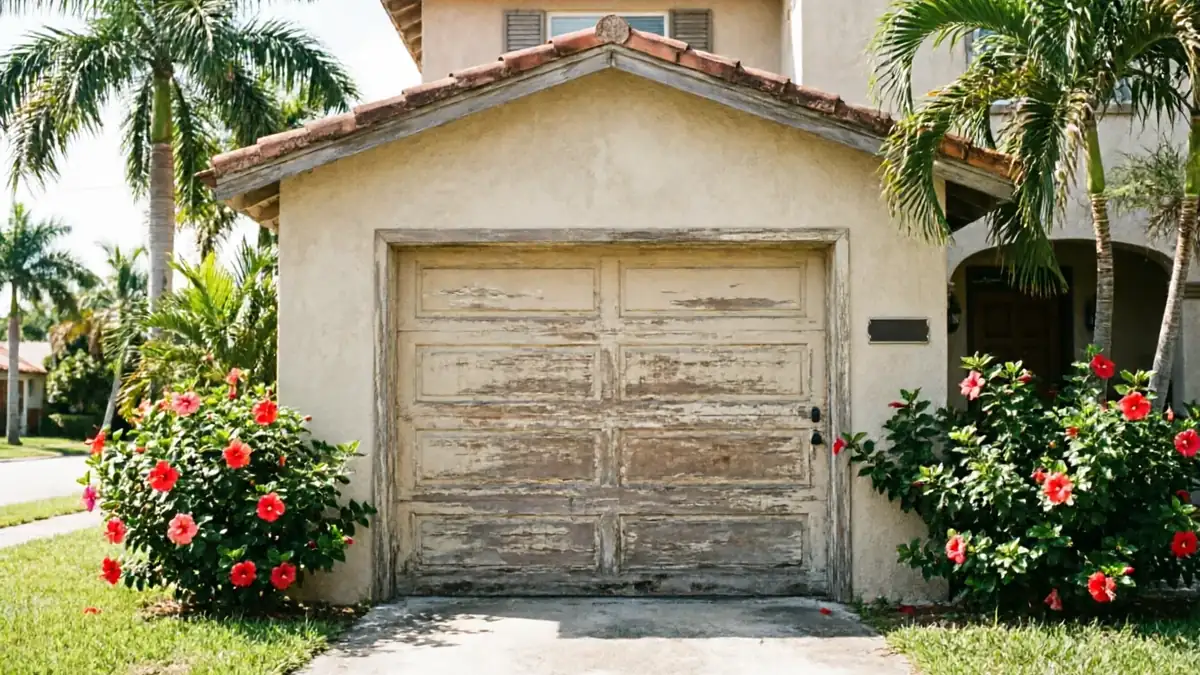
The garage door is old and peeling, with red flowers and palm trees nearby.

What Changes With the Season

Homestead doesn't get the freeze-thaw cycles that crack panels and seize hardware up north, and that matters for how you judge an old door here. Our climate band is mild temperate, so a door that's been sitting since the 1970s or 80s hasn't been fighting ice in the tracks or snow load on the springs. What it has been fighting is humidity and UV. Steel skins on older doors built during the 1957-2008 construction run common across this area pit and rust from the inside out, especially at the bottom panel where condensation sits. Wood doors from the same era check and swell with the wet season, then shrink back down in the dry months, which loosens hinge screws year after year. There's no hard seasonal swing that forces a repair window the way cold climates see every January. That's actually the reason a lot of original hardware around here lasts longer than people expect - the springs and rollers aren't being stressed by temperature extremes. What ages them instead is just time and salt-air humidity, which is a slower, steadier wear pattern.

The Problem

A big share of Homestead's housing stock was built in the 1960s and 70s, with the broader range running 1957 to 2008 and a median year of 1979. That means a lot of doors on the market right now are original or close to it - 45 to 65 years old. The hardware on those doors is often side-mounted torsion or extension spring setups that newer manufacturers don't stock replacement parts for in the same sizes. The track gauge is lighter than what's used today, and the drums and cables were sized for a lighter, thinner door panel than what's sold now. So when a spring breaks or a cable frays, the honest question isn't just "can this be fixed" - it's whether the replacement parts for that specific vintage hardware still exist, and whether patching one component just means the next one goes in six months. We won't pretend every 1970s door is a lost cause. Plenty are solid. But the math on labor versus a straight swap changes fast once you're sourcing obsolete parts instead of standard stock.

Where People Go Wrong

The mistake we see most is treating a stuck or noisy door like it's one part away from fine, when the real issue is the whole system has aged together. Across the 28 named communities in this service area, the housing stock mostly dates to the 1960s and 70s, which means a lot of these doors share the same age-related wear: dry-rotted weatherstripping, rollers worn oval instead of round, and a spring that's been overcompensating for both for years. Replace just the spring on a door like that and you've fixed the symptom, not the door. The other error is assuming a repair saves money because the door itself still looks fine. A steel panel with surface rust can look serviceable from the driveway and still be thin enough at the seams that a new spring puts more stress on the track than the mounting bolts can hold. We'll tell you straight when a repair is the right call versus when you're paying twice - once now, once again in a year.

How Local Conditions Play In

With median household income at $82,726 across the service area and a large share of owner-occupied houses among the roughly 240,889 households counted here, a lot of homeowners are weighing a real repair-versus-replace decision rather than defaulting to new. That's a fair question to ask, and the mild climate works in your favor either way - there's no frost heave or ice damming forcing an early replacement the way colder regions see. What does push the decision is the age of the hardware itself. If your house falls in that 1957-2008 build window, and especially if it's closer to the 1979 median, the torsion spring and track hardware are old enough that sourcing an exact match part can take longer than the repair itself. We'll look at the door in front of us - not a general rule - because a well-maintained door from that era can still have another decade in it, and a neglected one from the same year might not be worth the labor.
How it works

From “it’s stuck” to “it’s fixed”

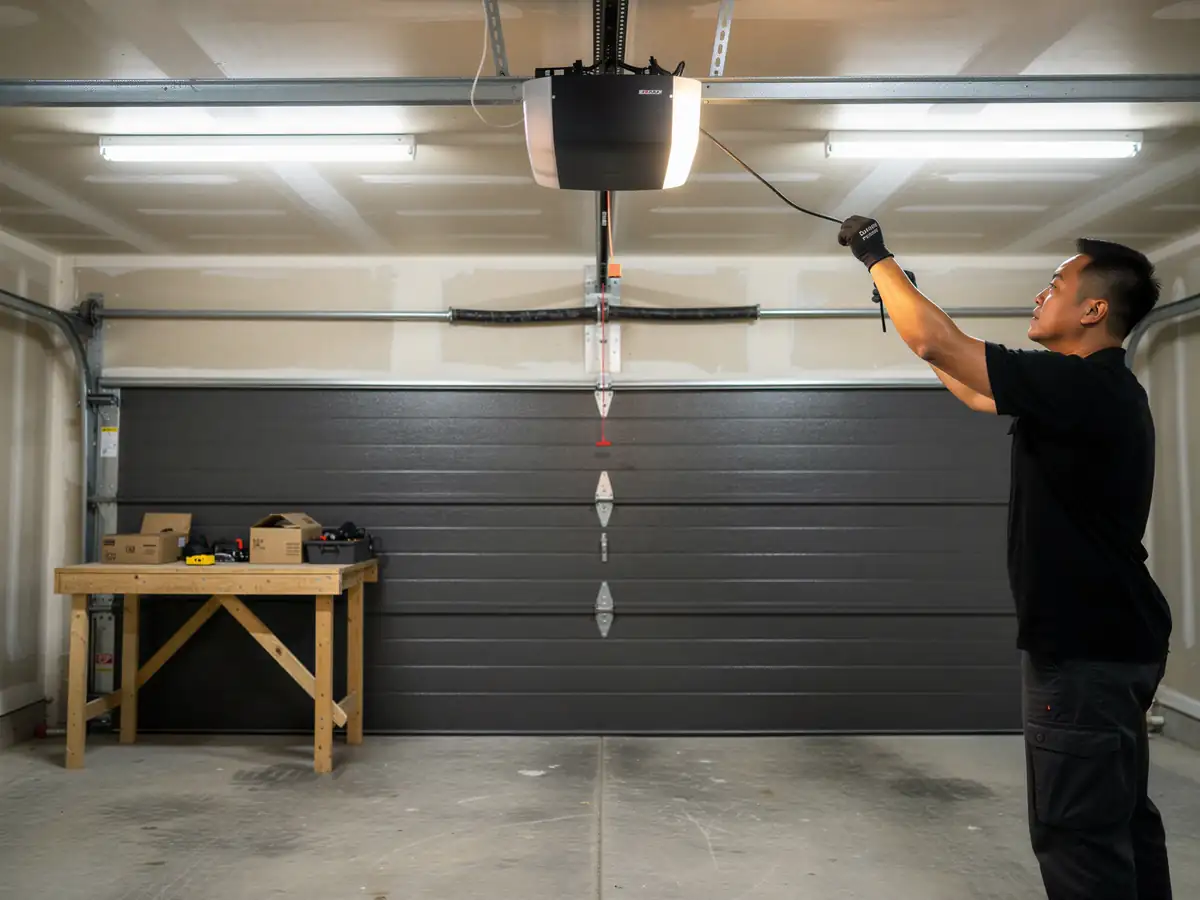
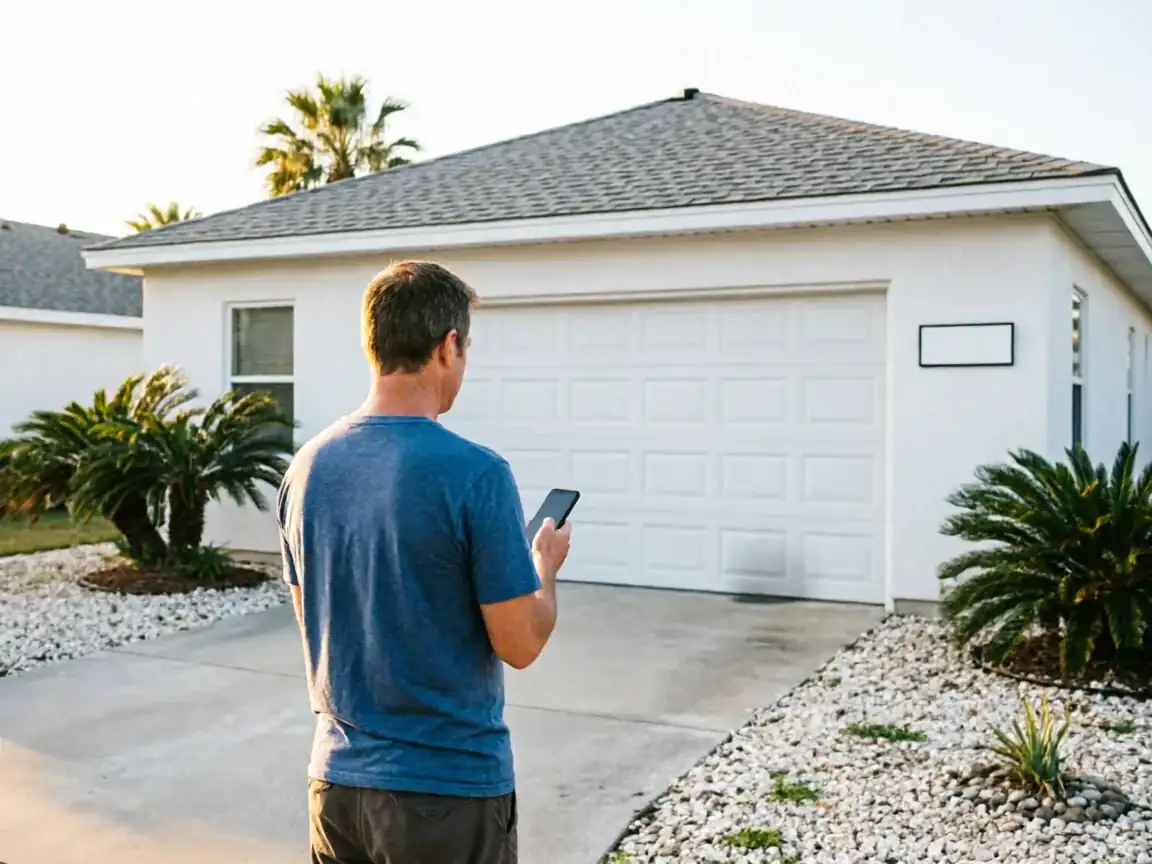
A man stands in a driveway looking at his phone in front of a white garage door.

Tell us what’s wrong

Describe the symptom - won’t open, loud bang, opener runs but the door won’t move.

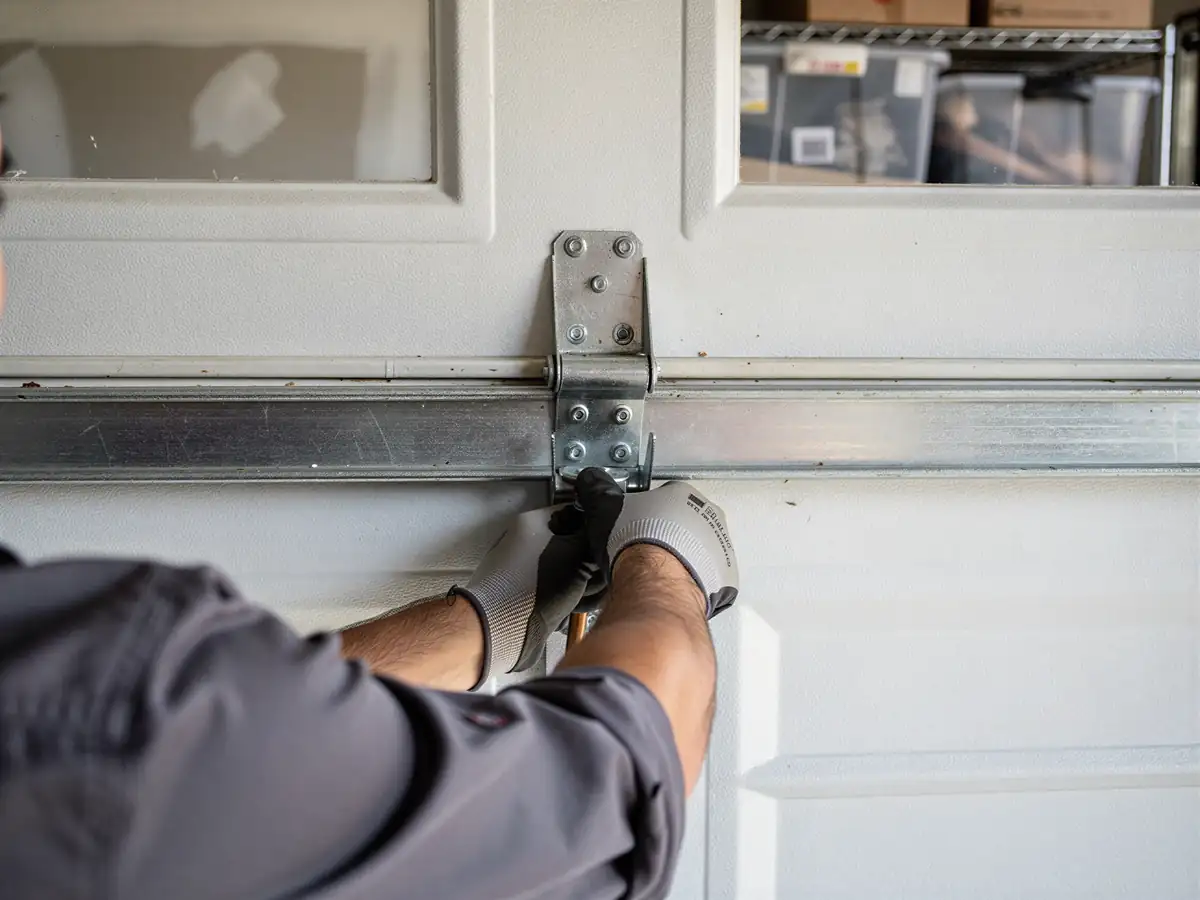
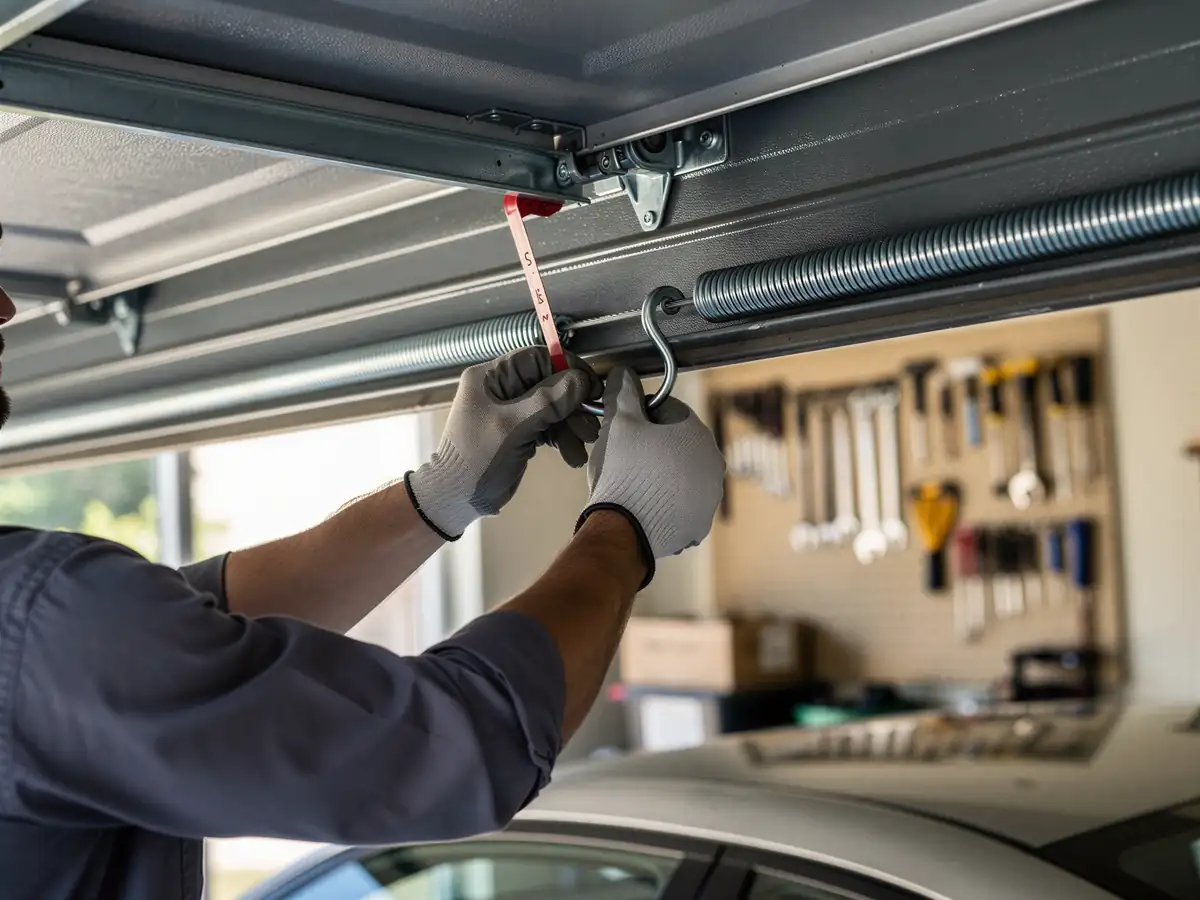
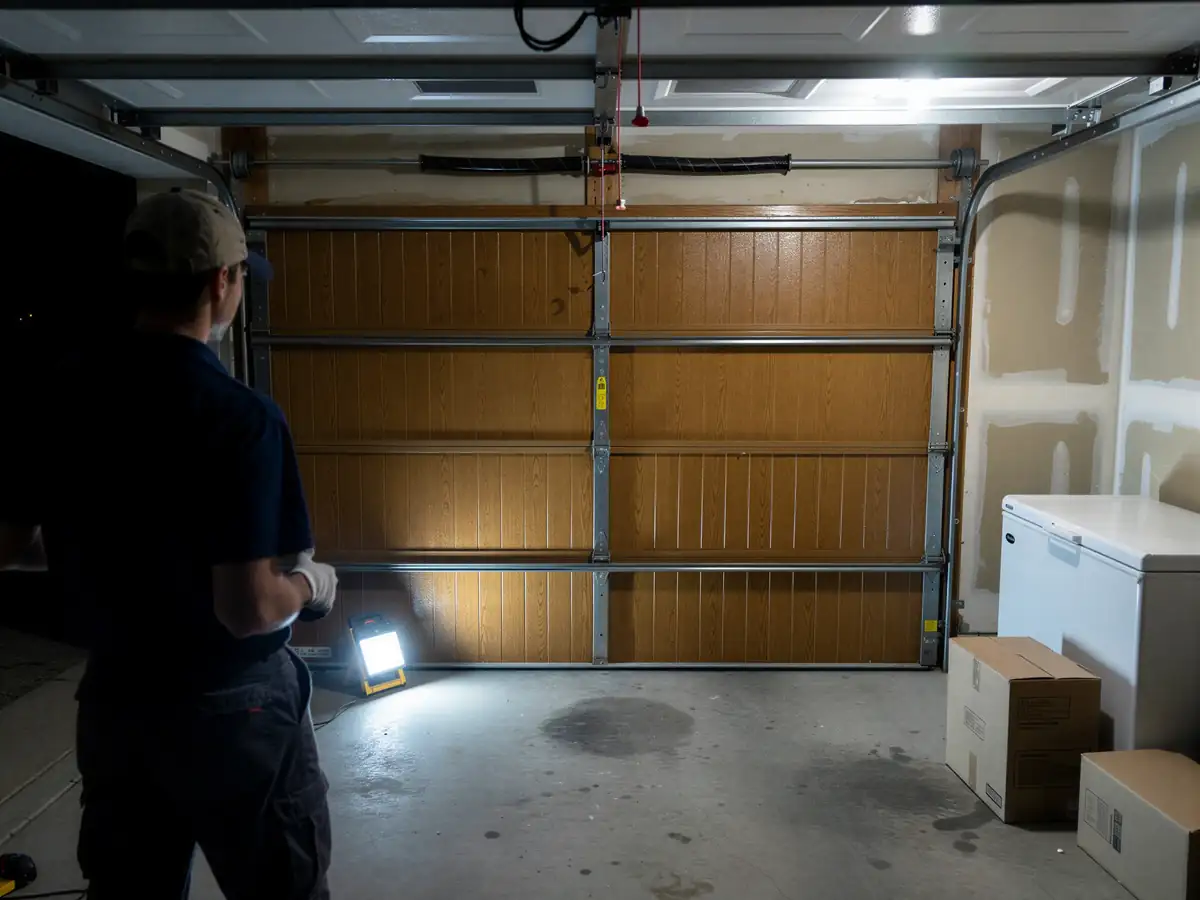
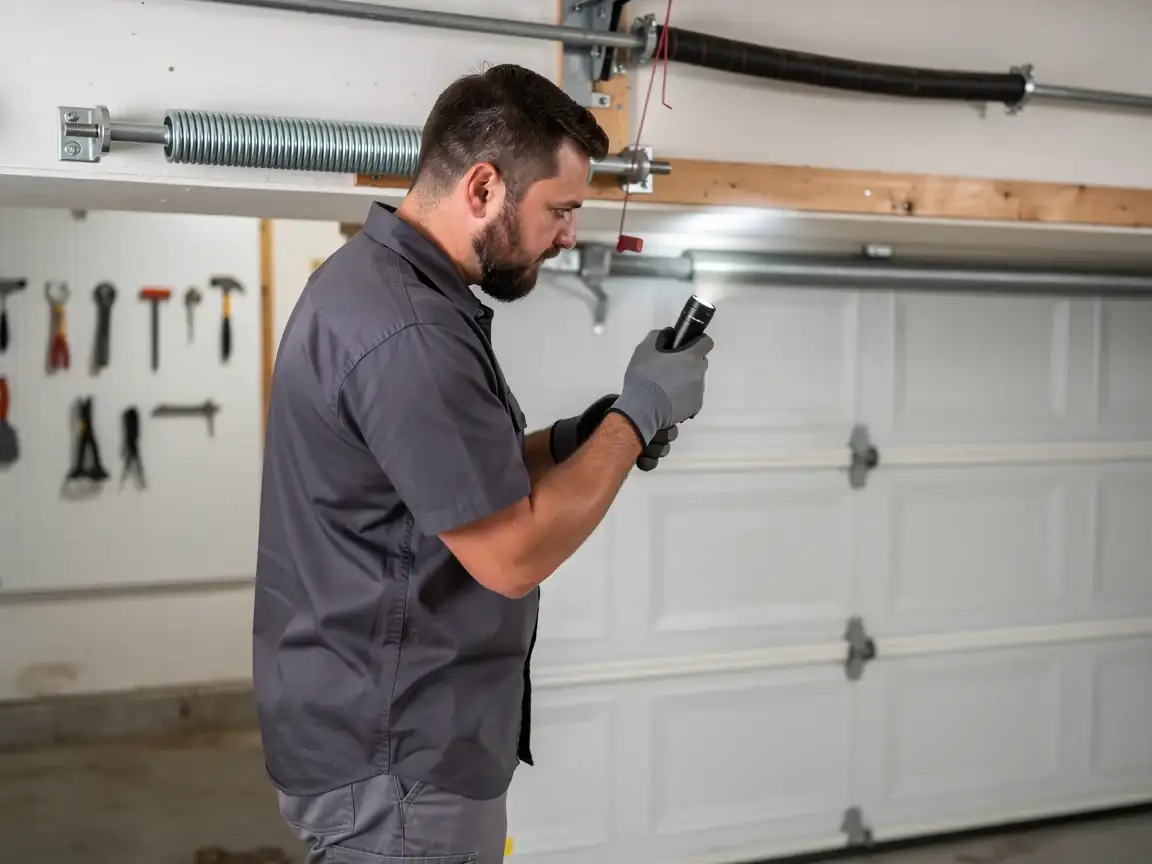
A technician shines a flashlight on a white garage door and springs.

On-site diagnosis

A technician tests the door under power and by hand and finds what actually failed.

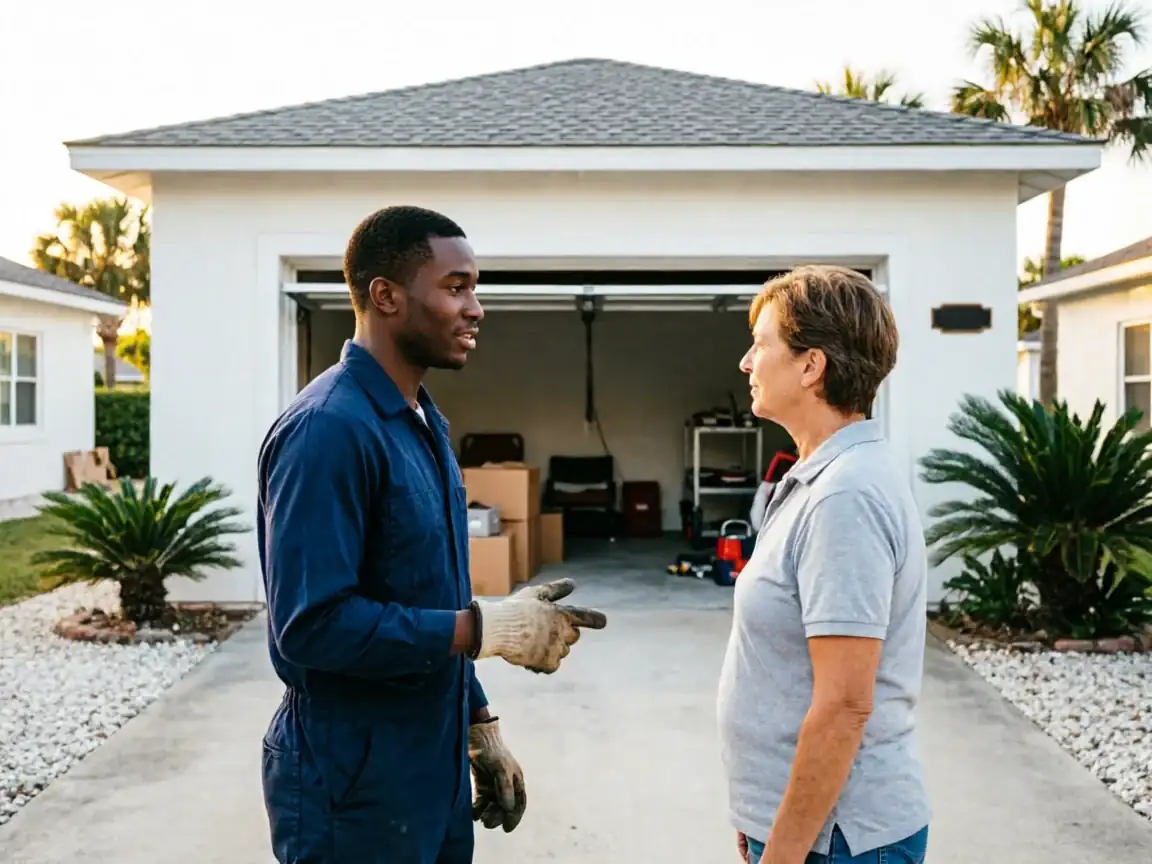
A technician in a blue jumpsuit talks to a woman in front of a garage.

Clear, up-front plan

You get the fix that’s needed and what drives the cost - before any work starts.

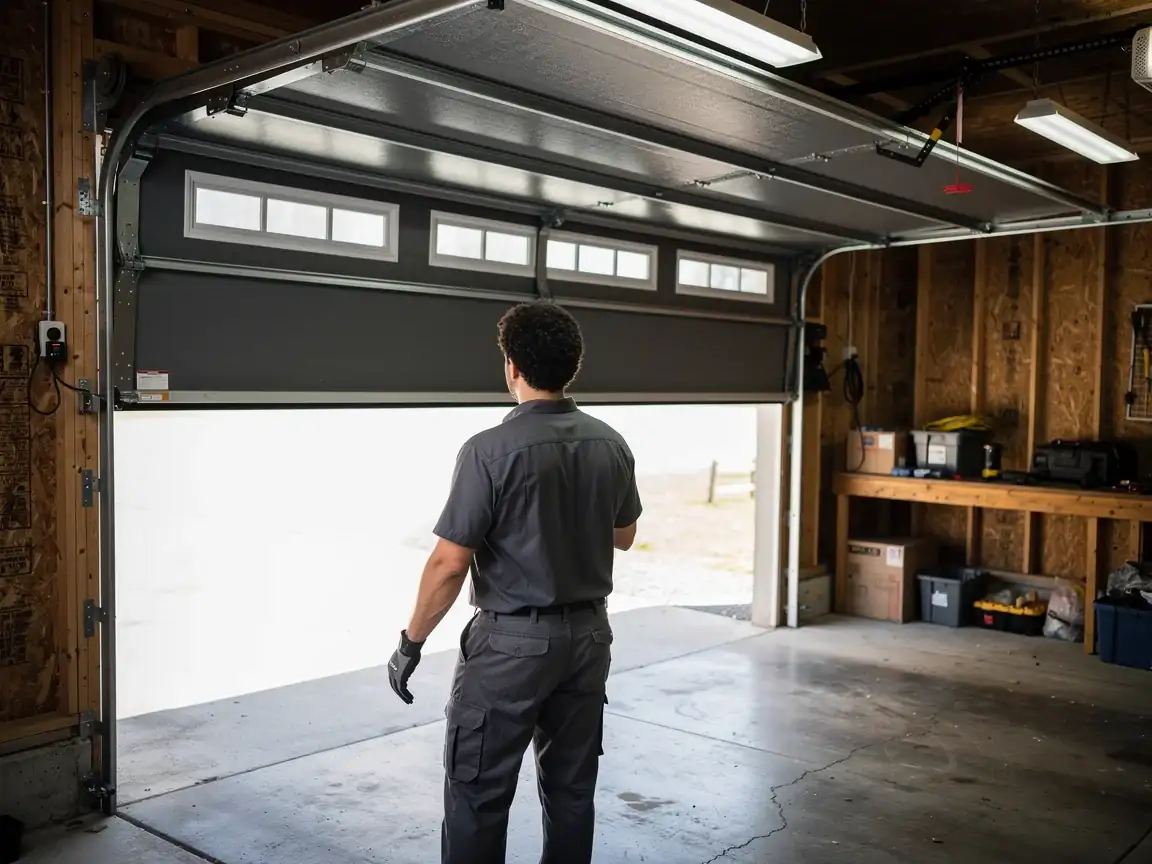
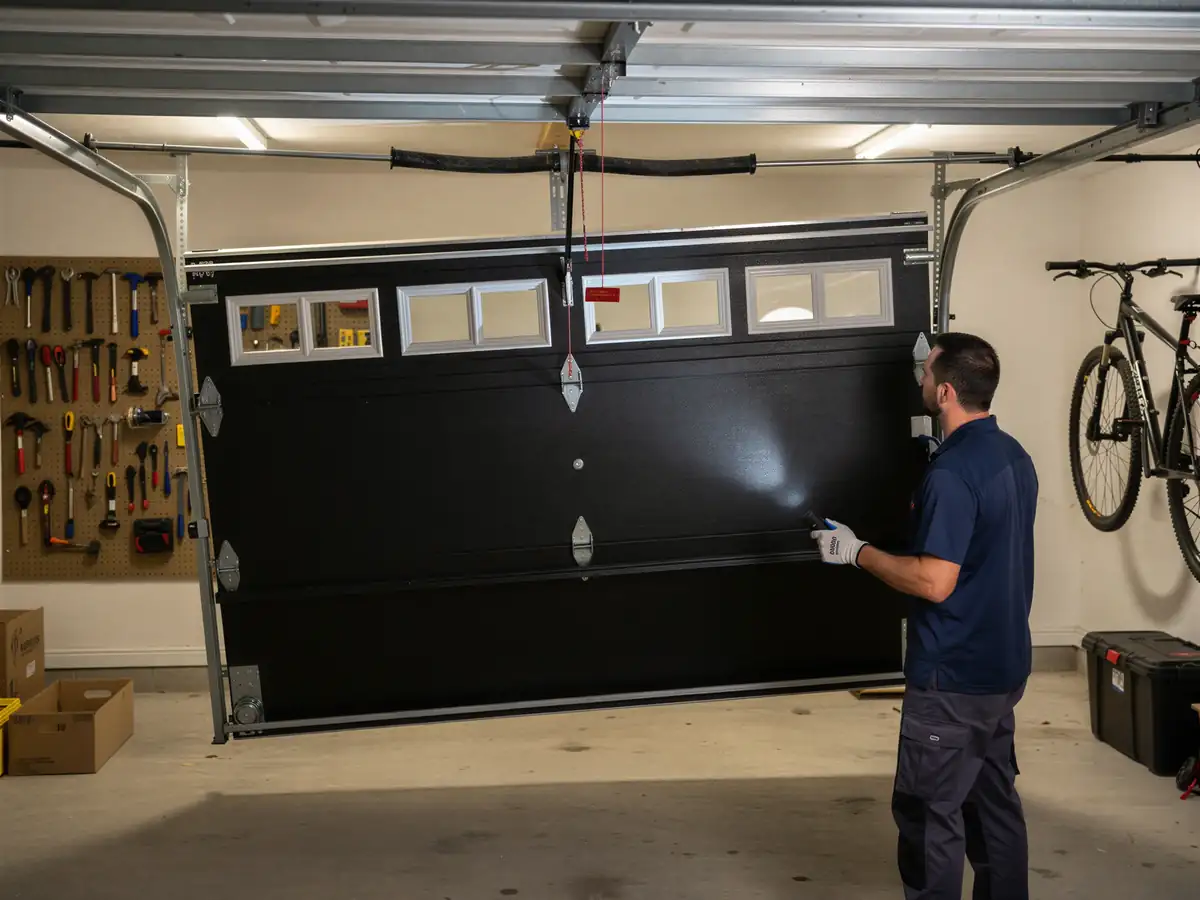
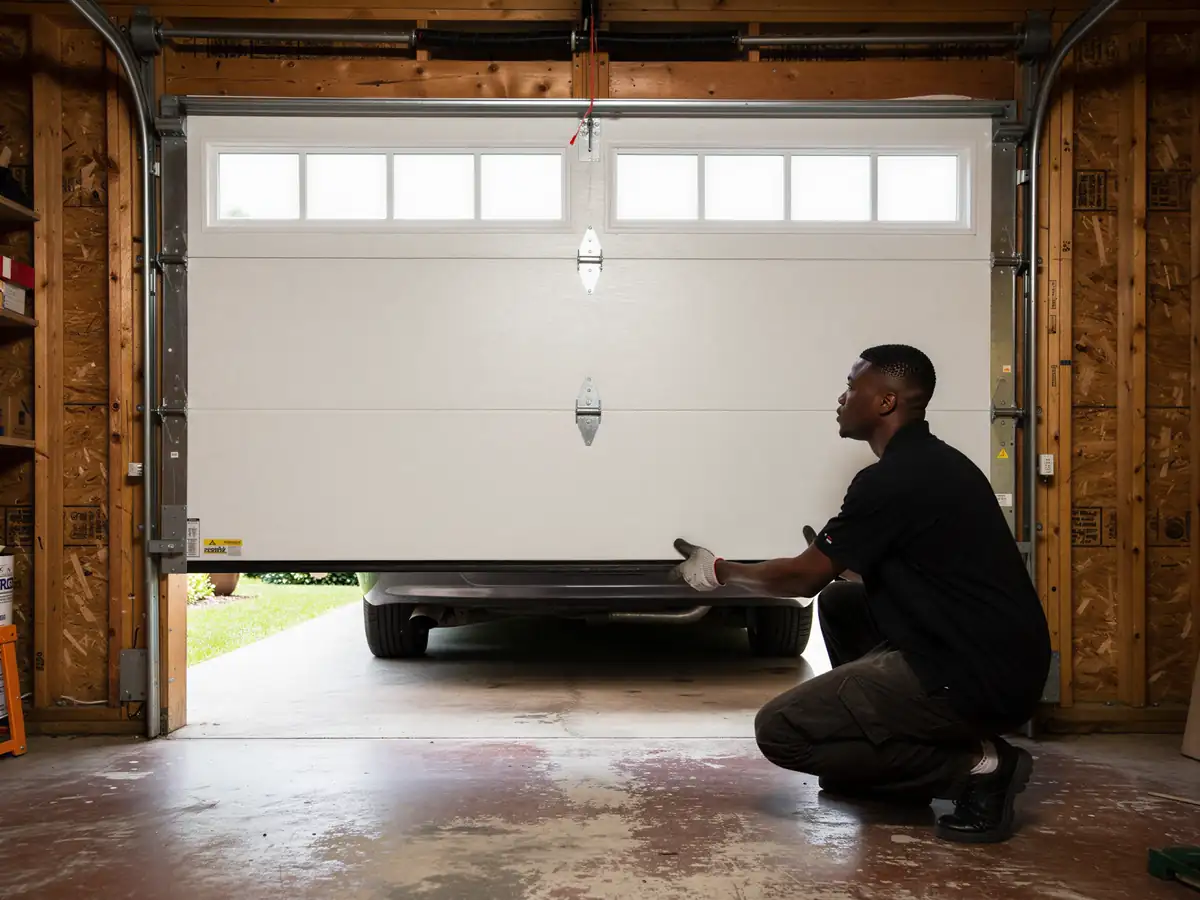
A technician stands in a garage looking at a partially open garage door.

Repaired & tested

The repair is done, the door is set true and tested, and the work area left clean.

Not sure which repair your door needs in Homestead, FL? Describe what it’s doing - every job starts with a diagnosis.

How we work

What to expect

Diagnosis firstEvery visit starts by finding what actually failed - not a pre-written parts list.
The right part for the doorSprings and openers matched to the door’s weight and age, so the fix holds up.
Straight answersWhen a repair makes more sense than a replacement - or the reverse - you hear it plainly.
Clean, careful workTension released safely, hardware set true, the door tested under power before we leave.
What we do

Garage Door Services

Repair and installation work for Homestead homes and businesses.

Questions

Frequently asked

Straight answers about garage door repair in Homestead. Still unsure? Ask us directly.

How do I know if my garage door is original to the house?

If your Homestead house was built in the 1960s or 70s, which covers a lot of this area, check the spring mount - side-mounted torsion or extension springs instead of a single center-mounted torsion bar usually means original hardware. We can confirm on a visit and tell you what parts situation you're in before any work starts.

Does Homestead's climate wear out garage doors faster?

Not in the way cold climates do. We don't get freeze-thaw cycles here, so springs and tracks aren't stressed by temperature swings. The wear we see is steadier - humidity and UV on steel panels and wood doors over decades, which tends to show up as rust and swelling rather than sudden cracking.

Is it cheaper to repair an old door than replace it?

It depends on what's actually worn. A single part failure on an otherwise sound door is often worth fixing. But if the hardware is original to a 1970s-era house and multiple components are aging together, repeated repairs can cost more over time than one replacement. We'll look at the specific door and tell you which situation you're in.

What's the one thing you won't do on an older door?

We won't put a brand-new heavy-duty spring on track hardware that's rated for a much lighter, decades-old panel just to save a visit. That mismatch strains the mounting points and can fail worse than the original problem. If the hardware can't safely take the fix, we'll say so.

Ready to get your garage door sorted?

Tell us what it’s doing and where you are in Homestead - we’ll take it from there.

Request a QuoteCall