When We Can Get There
We run out of Homestead, about 10 miles from Richmond West, so we're not sitting around the corner. We don't claim a depot here and we won't pretend we can beat a crew that's actually based in the neighborhood. What we can tell you is that the drive is a known quantity for us - Richmond West sits in the same general stretch as Cutler Bay and South Miami Heights, areas we're already routing through on a normal day. Call ahead and we'll give you a window instead of a guess.
The practical upshot: if your spring snaps on a Tuesday morning, we're not going to beat someone who parks five minutes away. If you can plan the call - a noisy opener, a door that's started sagging on one side - that's where the distance stops mattering. Emergency same-hour work from 10 miles out isn't something we promise, and we'd rather say that now than after you've waited on us.
The Houses Here
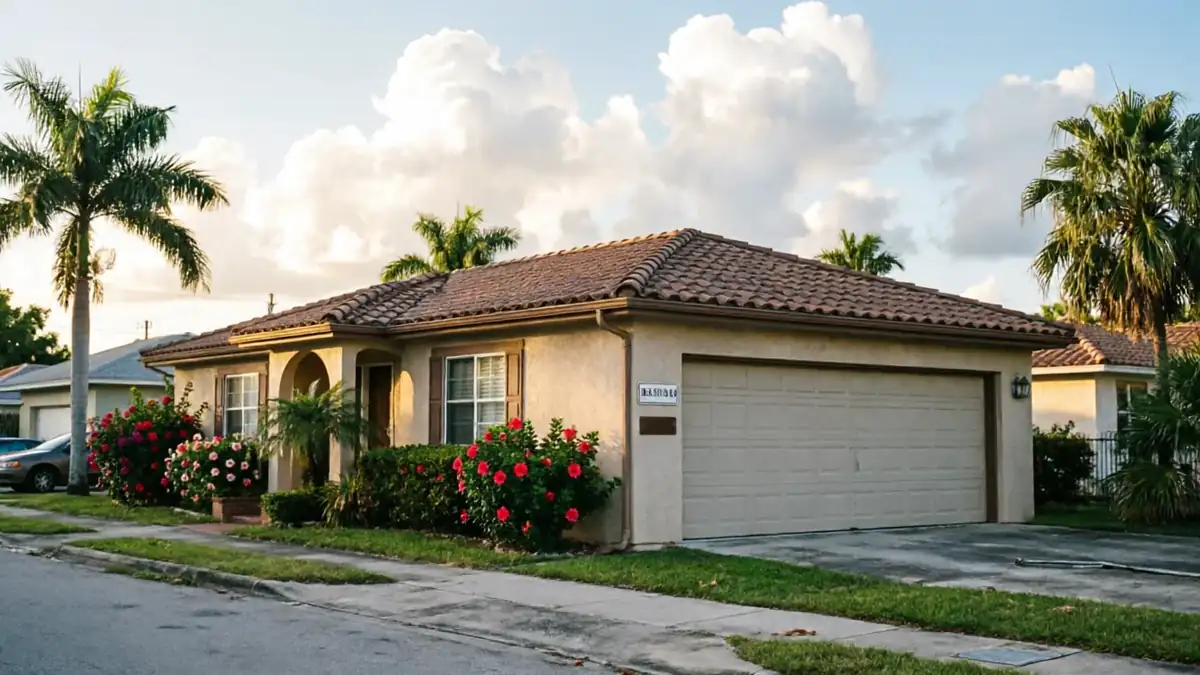
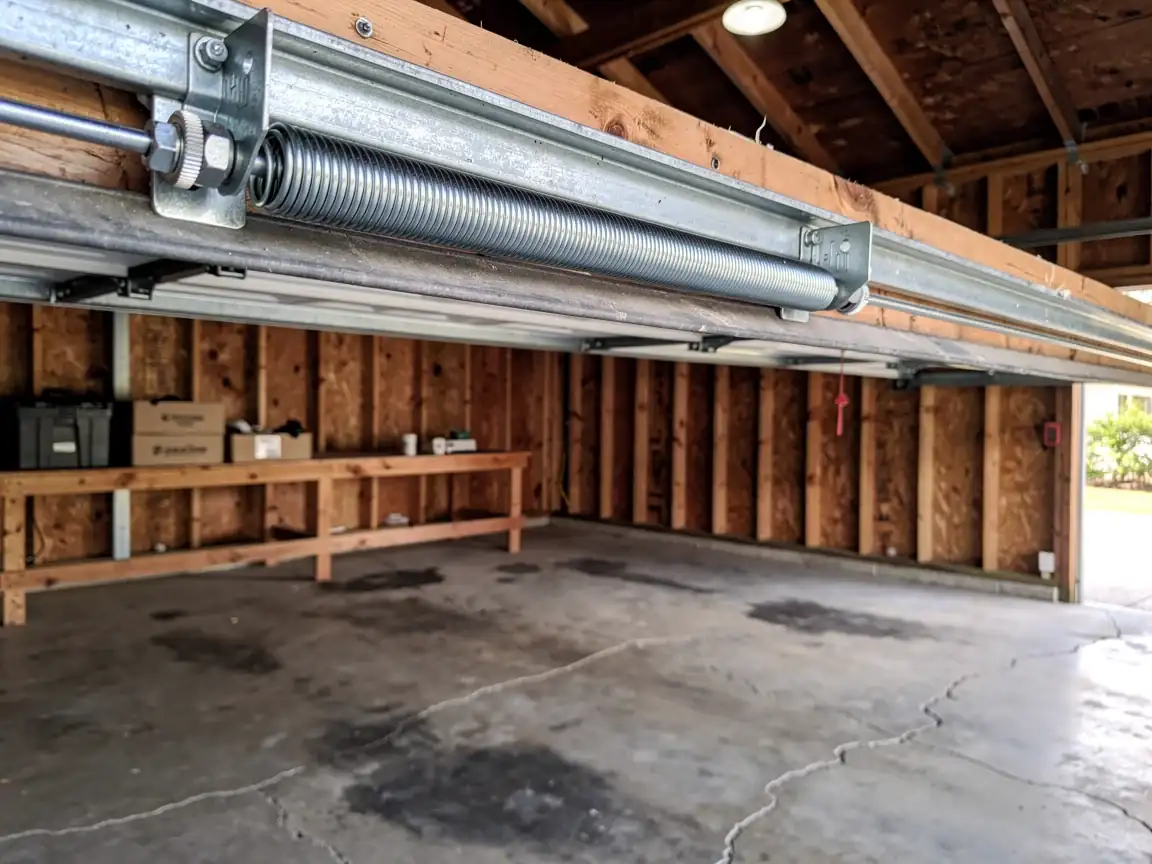
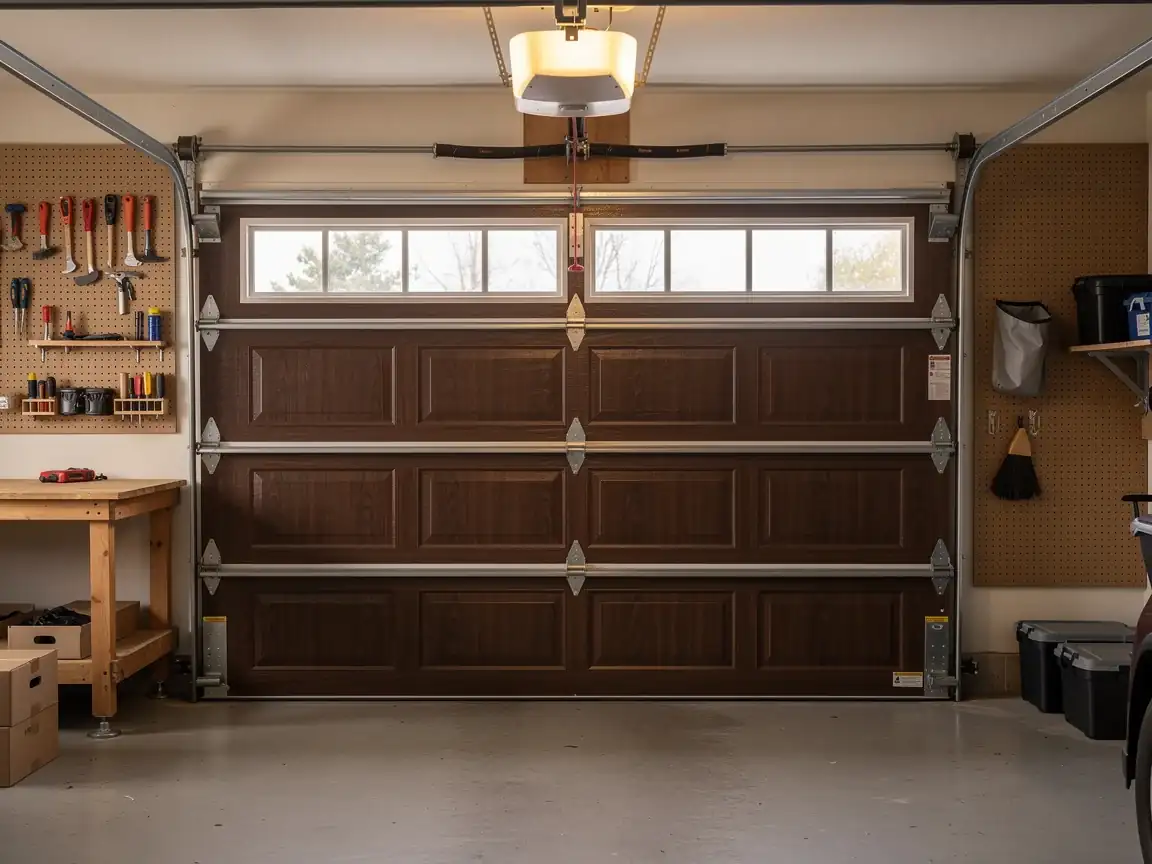
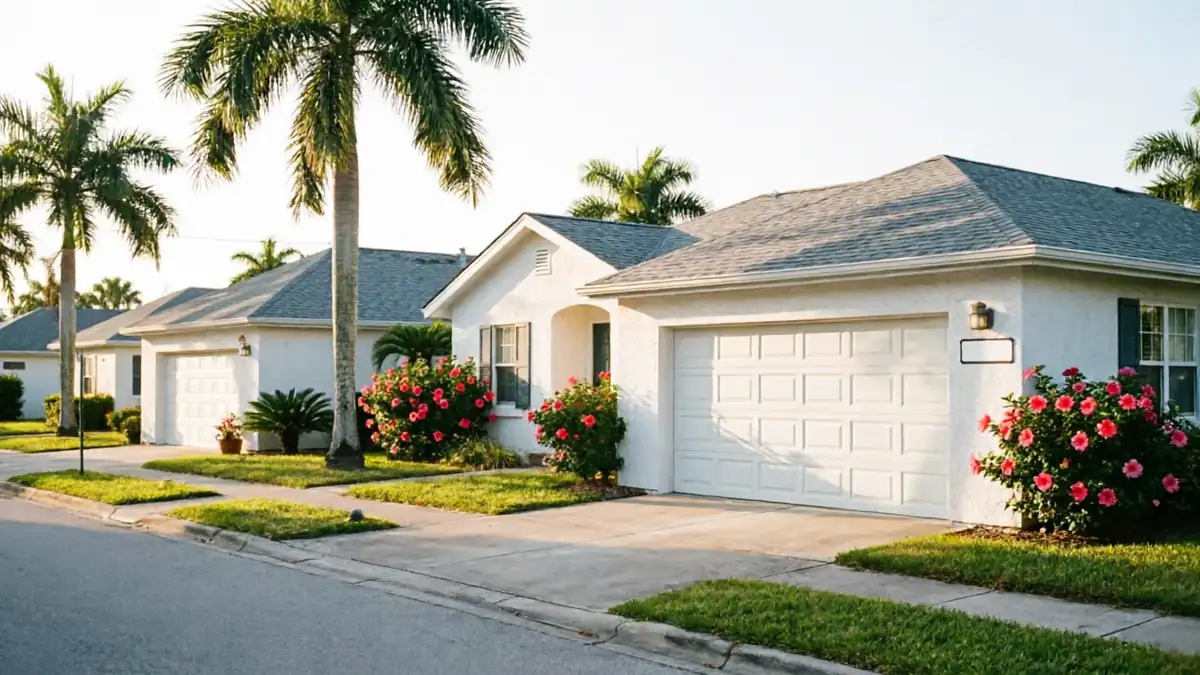
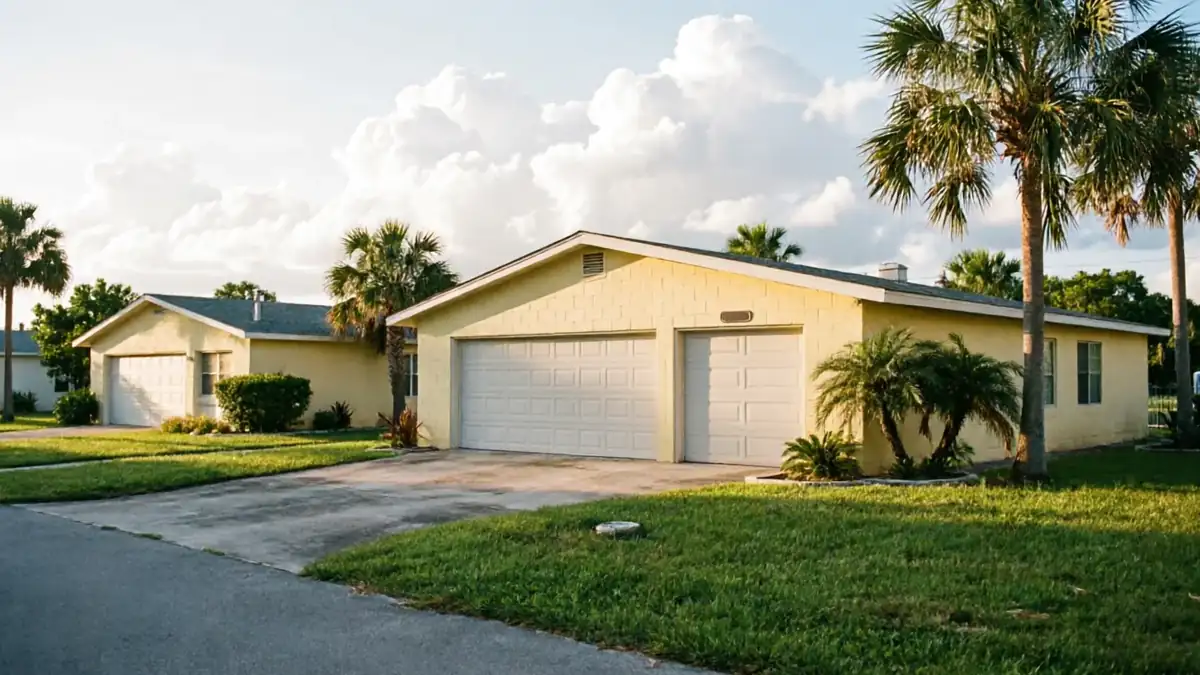
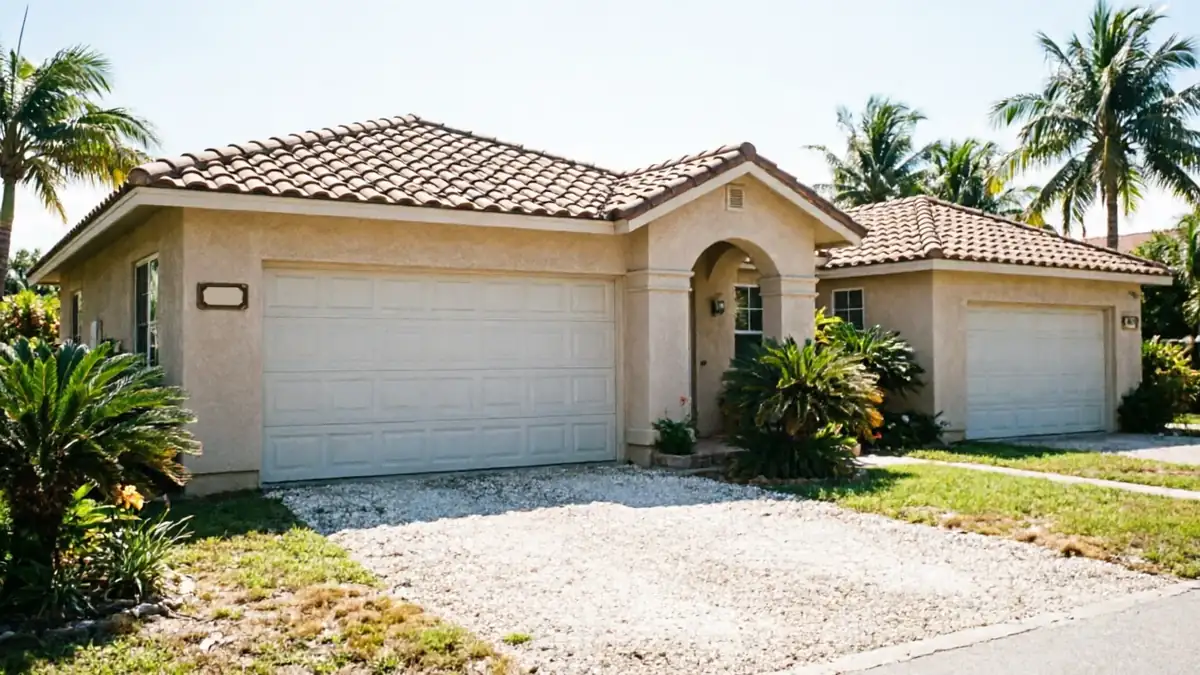
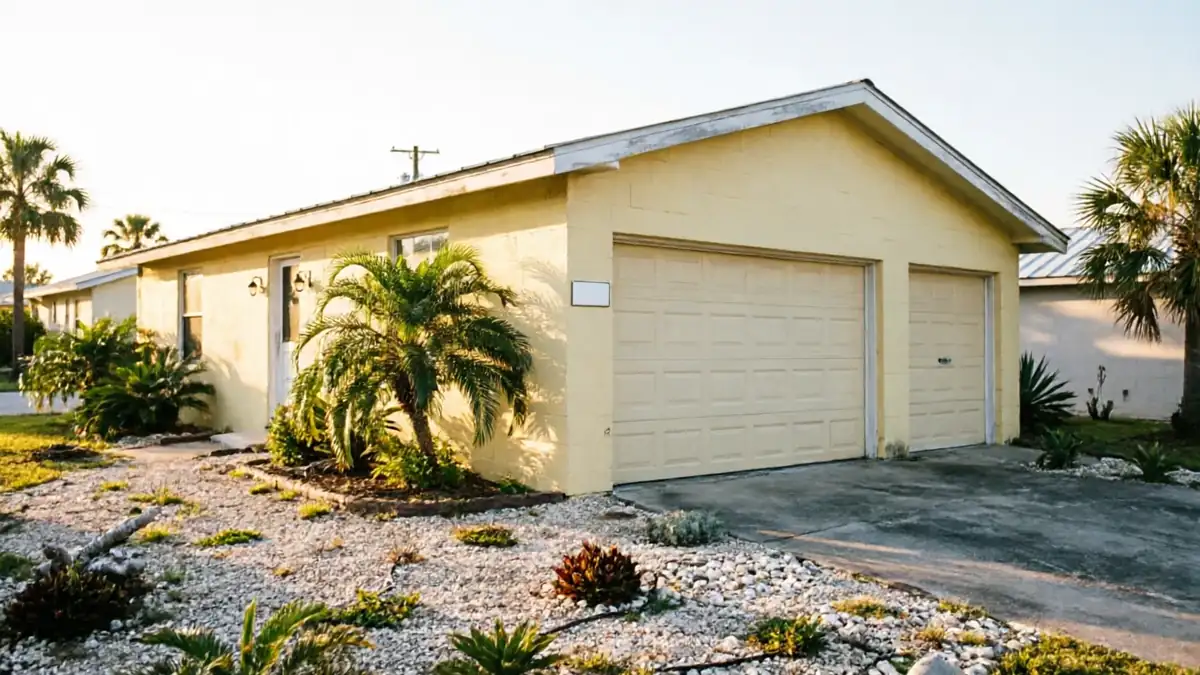
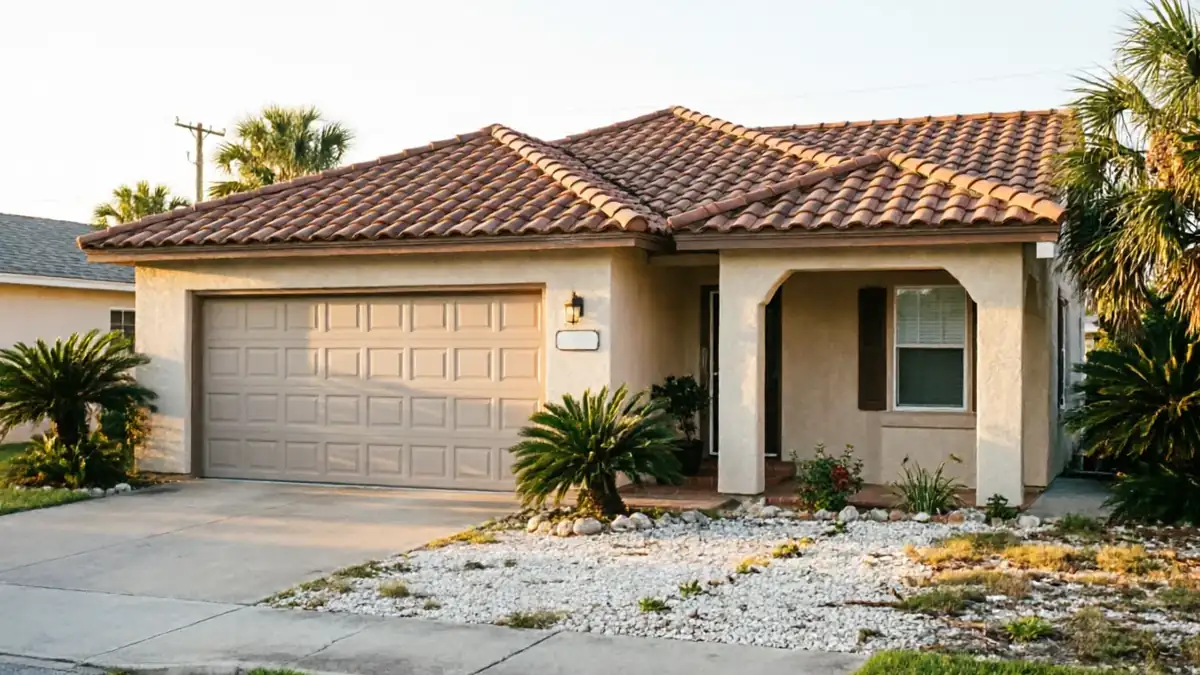
Richmond West is newer than most of what we see closer to Homestead. The typical house here went up around 1996, which puts it well past the older torsion and extension setups that dominate a lot of the service area - that older stock across the broader area runs 1957 to 2008 with a median closer to 1979, mostly 1960s-70s builds. Richmond West skipped most of that. A house built in '96 usually came with a steel sectional door, a chain or belt-drive opener already wired to code, and standard torsion springs mounted on a center shaft rather than the side-mounted setups you find on older one-piece doors.
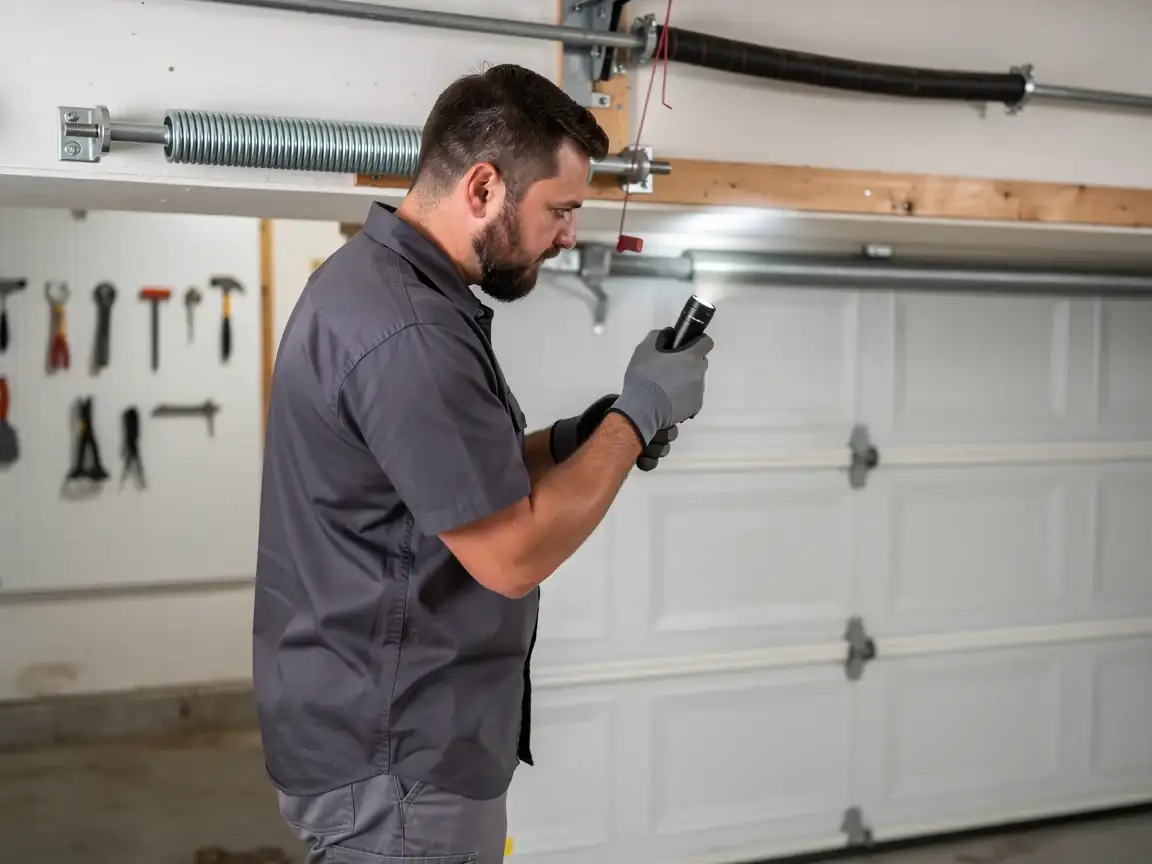
That matters for parts. Hardware from a mid-90s build is still common - it's not the obsolete stuff we sometimes have to hunt down on an older job. Most of what fails here is wear, not obsolescence: a spring that's done its 10,000 cycles, rollers that have gone from nylon-and-steel to just steel-on-steel, an opener logic board aging out after two decades of Florida humidity.
What People Here Ring About
The calls we get from newer-build areas like this one skew toward openers more than they do toward door panels
The opposite of what we see in older housing stock. A 1996-era opener is now well past its expected service life, and a lot of these calls are a motor that's started grinding, a remote that stopped pairing, or a door that reverses halfway up for no clear reason, which is usually a sensor alignment issue, not the motor itself.
We also see spring failures, same as everywhere
But with Richmond West's household income running around $96,282 - noticeably above the roughly $82,726 median across the wider service area - we get more calls asking for a full opener swap rather than a patch repair. That's a homeowner choice, not something we push. A $40 sensor realignment fixes plenty of 'the door won't close' calls that people assume need a new unit.
What the Housing Means for Your Door
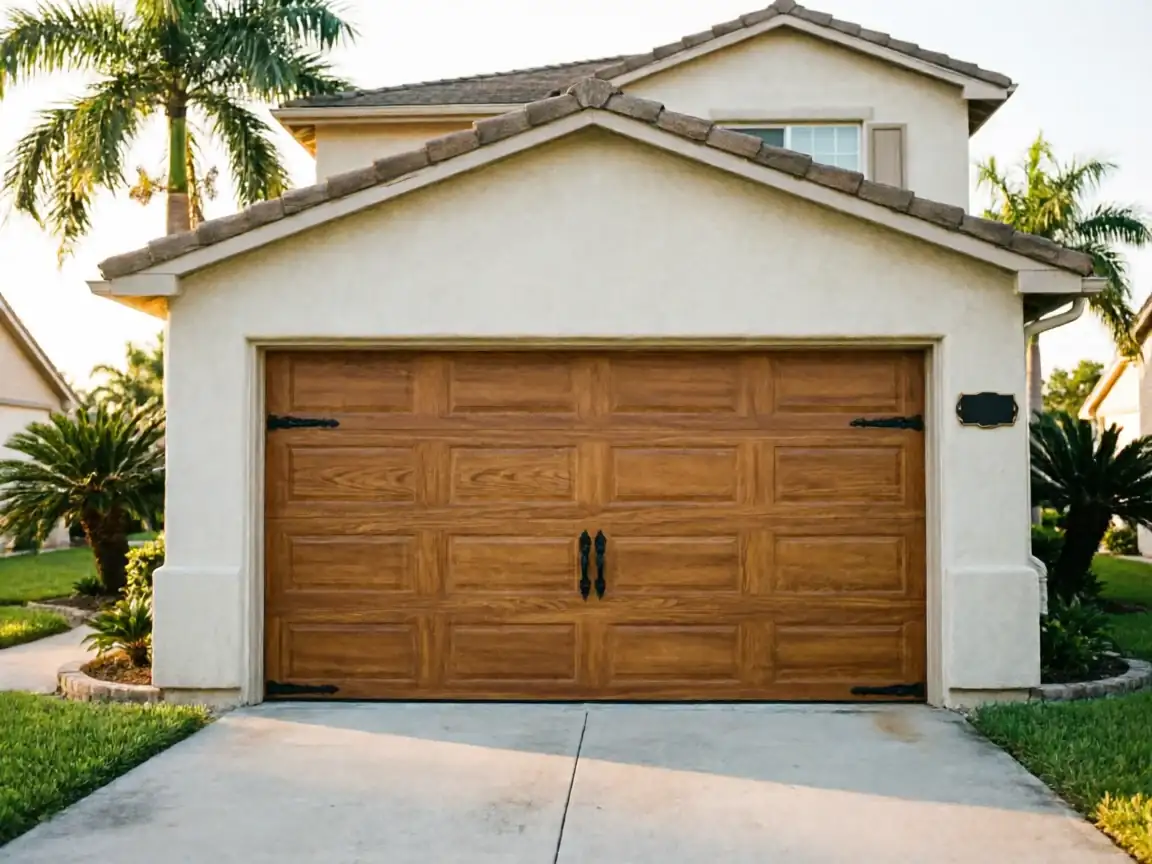
Because Richmond West houses are mostly under 30 years old, you're not dealing with the warped wood panels or odd-size door openings that come with pre-1980 construction. What you are dealing with is a wave of hardware hitting the same age at roughly the same time - a lot of these doors and openers were installed within a few years of each other, so a spring or opener failure in one house often means a neighbor's is close behind.
Mild, temperate weather here means we're not fighting the frozen-track issues or the extreme heat-cycling that wrecks hardware faster elsewhere. That's one thing working in your favor - the mechanical wear you get is closer to what the manufacturer rated the parts for, not accelerated by climate. It's a straightforward maintenance profile: springs, rollers, and openers aging out on a normal schedule, not fighting bad housing stock or bad weather.