What Changes With the Season
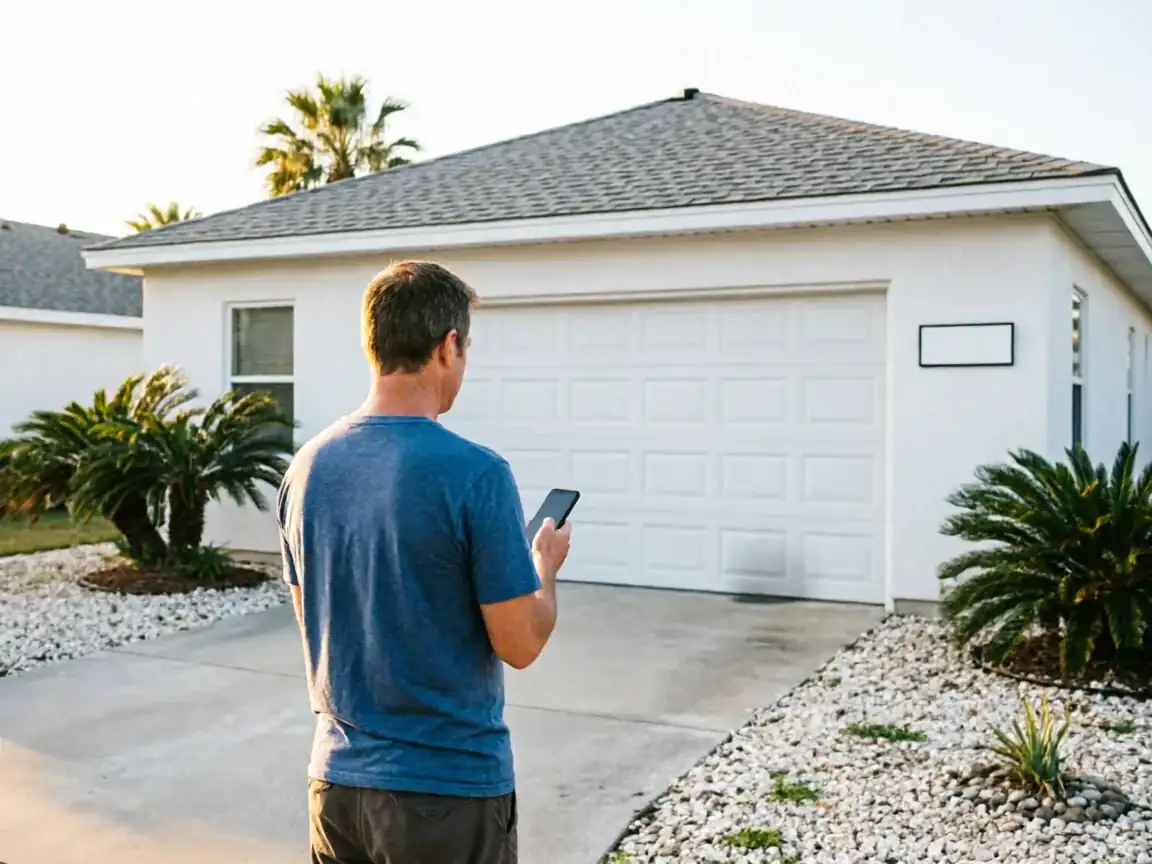
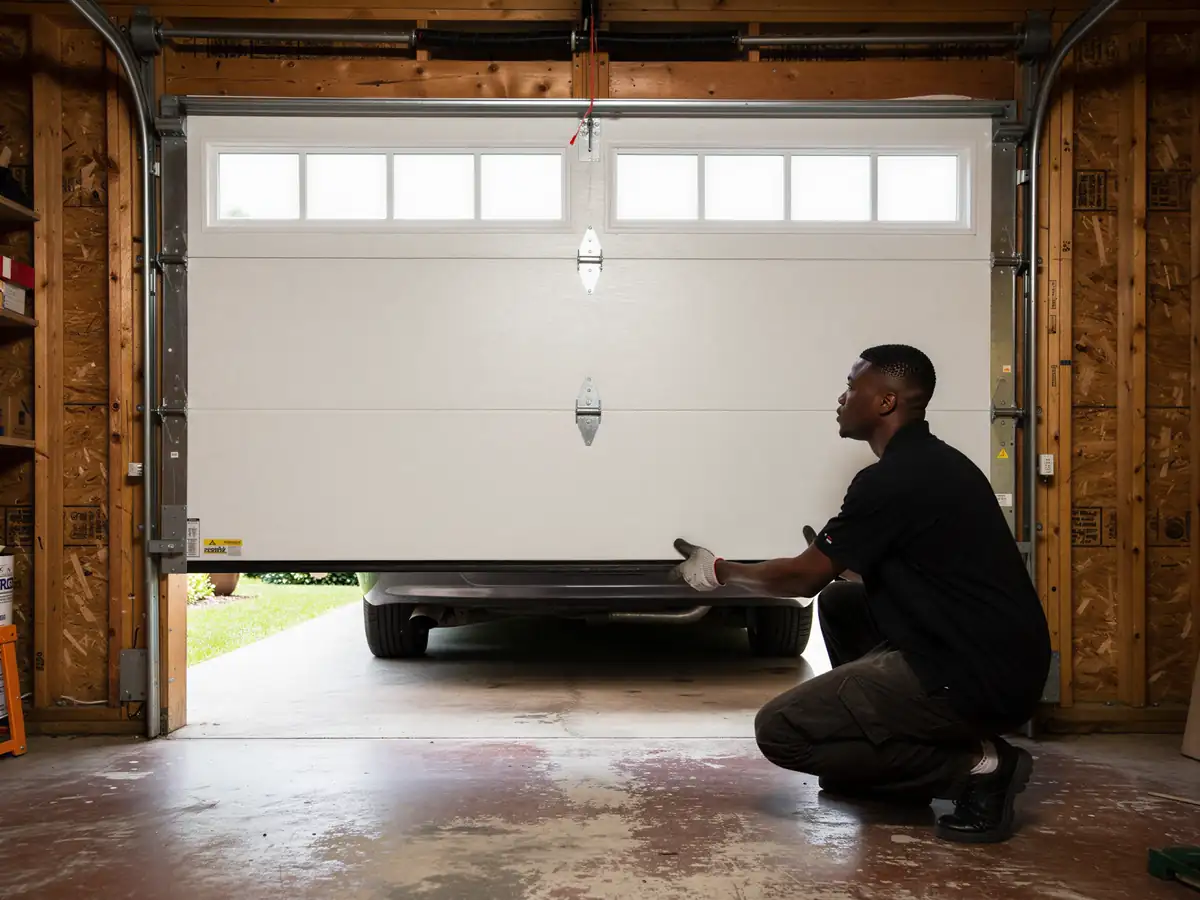
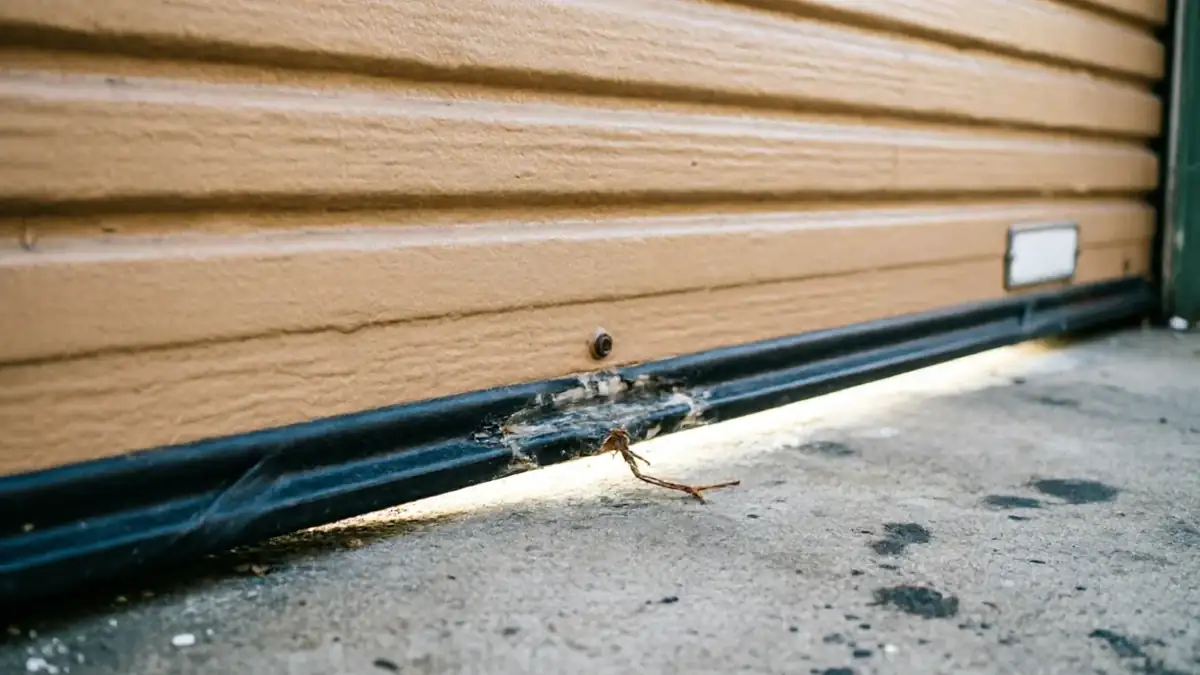
Homestead sits in a mild temperate band, so you're not dealing with freeze-thaw cycles that crack concrete slabs or shrink wood jambs the way colder regions see. What you do get is steady humidity and heat that doesn't let up for long stretches, and that's harder on rubber and vinyl seals than most owners expect. The bottom seal on a garage door is usually the first casualty - it sits against concrete that holds moisture, and over years that constant damp exposure makes the rubber go stiff, then brittle, then cracked at the corners. Unlike a northern climate where seals fail from cold-snap contraction, here they fail from slow chemical breakdown in sustained warmth. You won't notice it happen in one season. You'll notice it as a gap you can see daylight through, usually at a bottom corner, after a few years of no attention. Because the temperature swings are mild rather than extreme, the failure is gradual - which means it's also easy to ignore until the draught and the water intrusion are both noticeable on a wet afternoon.
The Problem
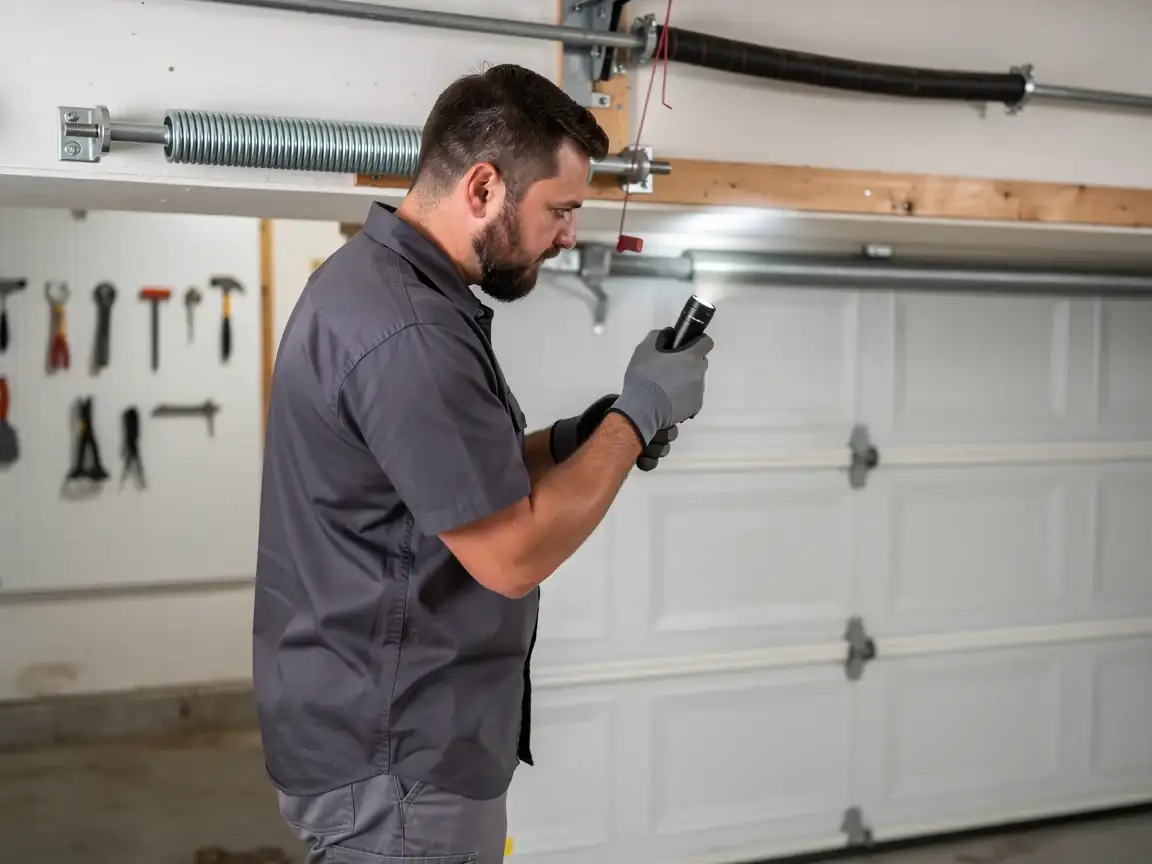
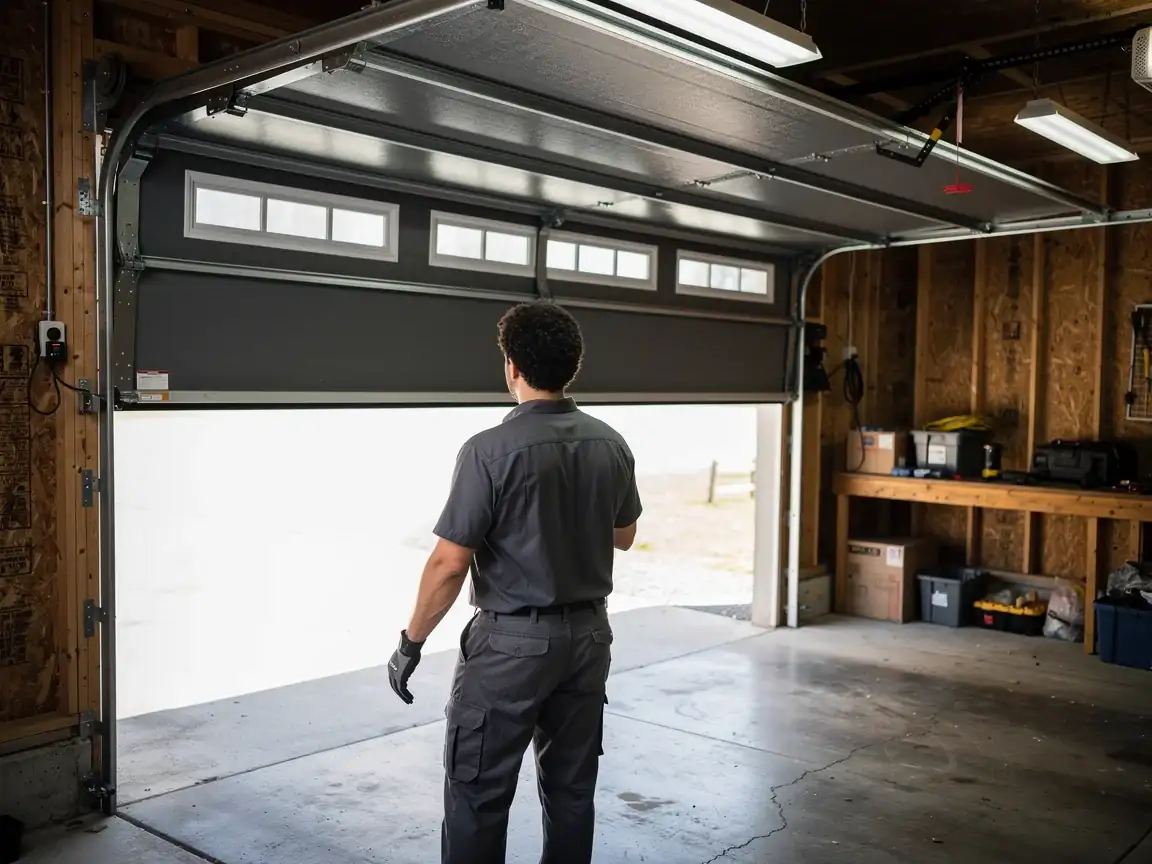
A lot of the housing in this area went up between 1957 and 2008, with the median build year around 1979, and most of what you'll find across the named neighborhoods nearby - Leisure City, Naranja, Princeton, Goulds, and the rest - is 1960s and '70s stock. Doors and track hardware installed or replaced during that era weren't built with today's weatherstripping standards. The jamb seals on a lot of these older openings are a basic foam or vinyl strip nailed into wood trim that's now 40-plus years old and has shifted with the house. That shift creates uneven gaps - not a straight line of daylight, but a wavy one that's wider at the top corners than the middle. A draught through an uneven gap is harder to seal with a single retrofit strip because the strip can't flex to match a jamb that's bowed over decades. This is the actual mechanical problem, not a vague seasonal one: old track alignment plus old jamb material plus a mild but humid climate that slowly degrades rubber from the inside out, not from weather shock.
How Local Conditions Play In
Because this area doesn't get hard freezes, you're not racing a cold front to get a seal fixed before pipes or openers fail outright - the urgency here is different. Sustained heat and moisture mean rubber seals have a shorter working life than they would somewhere drier and cooler, even though nothing dramatic ever happens to them day to day. On a median-income household in this area, that often means a seal replacement is a smaller, more frequent job rather than one big emergency call, and that's worth planning for rather than waiting on. One limitation worth saying plainly: if the jamb wood itself has warped from decades of humidity, a new seal alone won't stop the draught - that's a carpentry fix first, seal fix second, and we'll tell you that straight rather than sell you rubber that won't hold.