When We Can Get There
Three Lakes sits about 12 miles from our shop in Homestead, which puts it on the longer end of our regular run but still well inside the area we work every week. We don't keep a crew stationed in Three Lakes, so a same-day call depends on how the truck's schedule is running that morning, not on distance alone. When you call, ask where the truck is before you ask when it can be there - that's the honest answer, not a promise we can't back up.
The drive out passes through a mix of older Homestead streets and newer subdivisions, and Three Lakes is on the newer side of that mix. That matters more than the mileage does, because what we load on the truck before we leave depends on what kind of door and opener we expect to find waiting.
The Houses Here
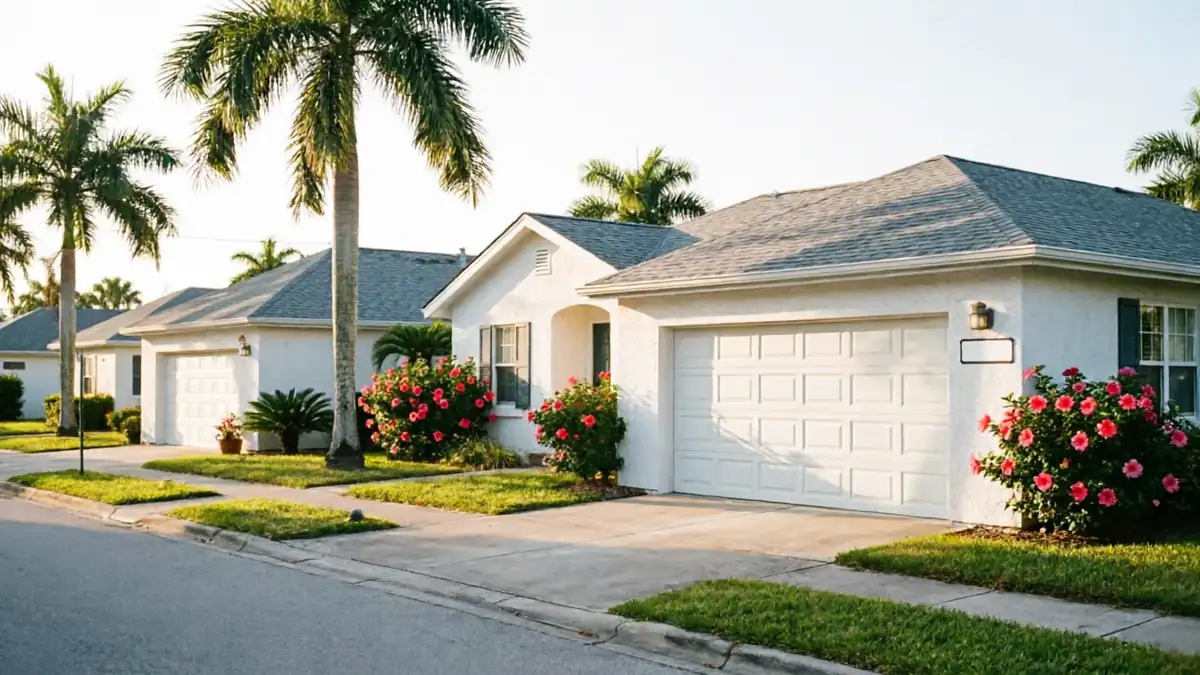
This is where Three Lakes breaks from the rest of our coverage area. Across the wider service territory the typical house went up between 1957 and 2008, with a lot of that stock dating to the 1960s and 70s. Three Lakes itself has a median build year around 1997 - a good 18 years newer than the area median. With 5,316 households and a median income of $91,364, this is a newer, better-off pocket than most of what surrounds it.
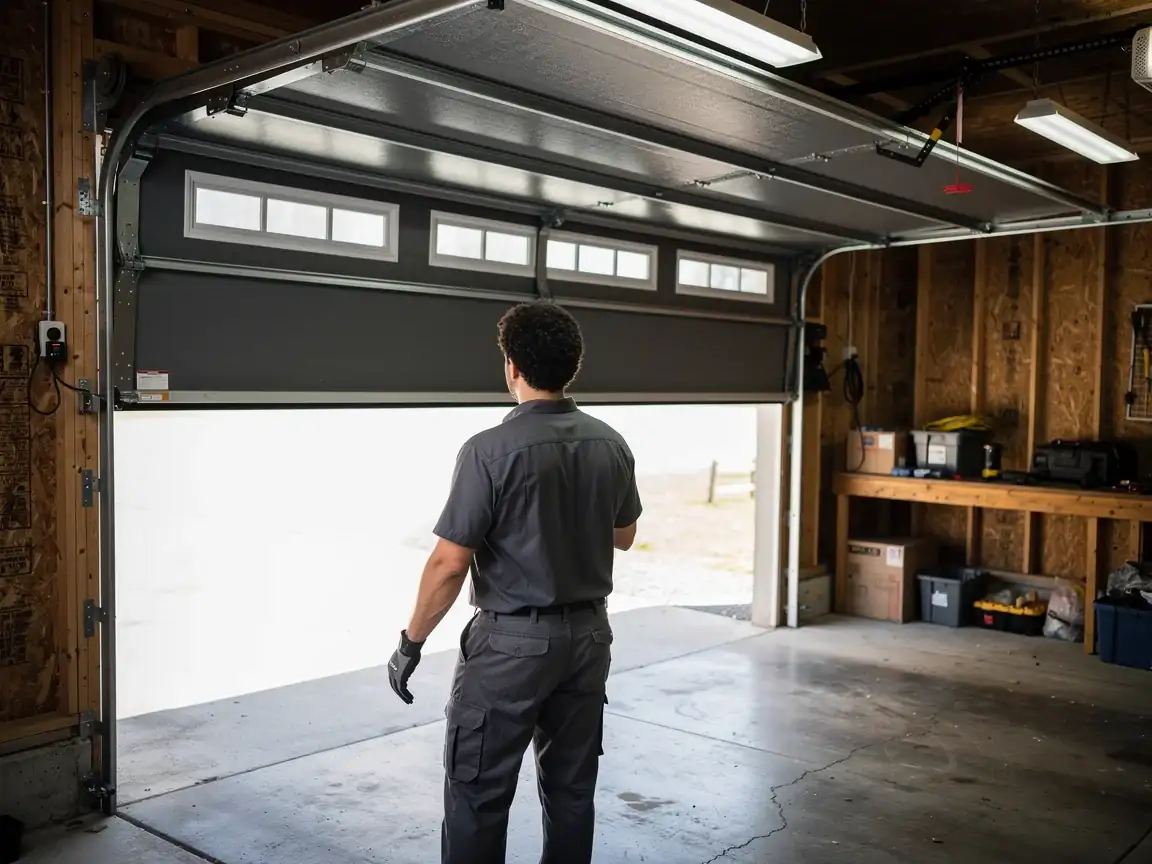
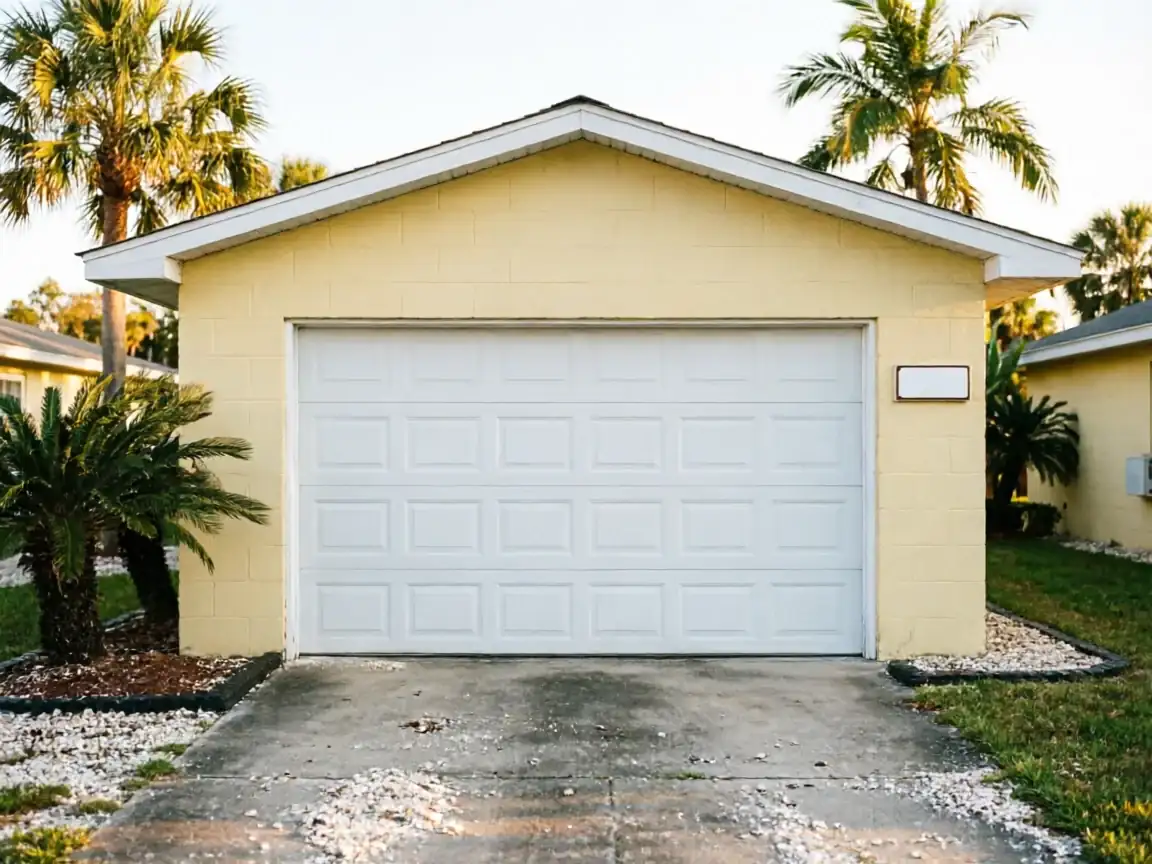
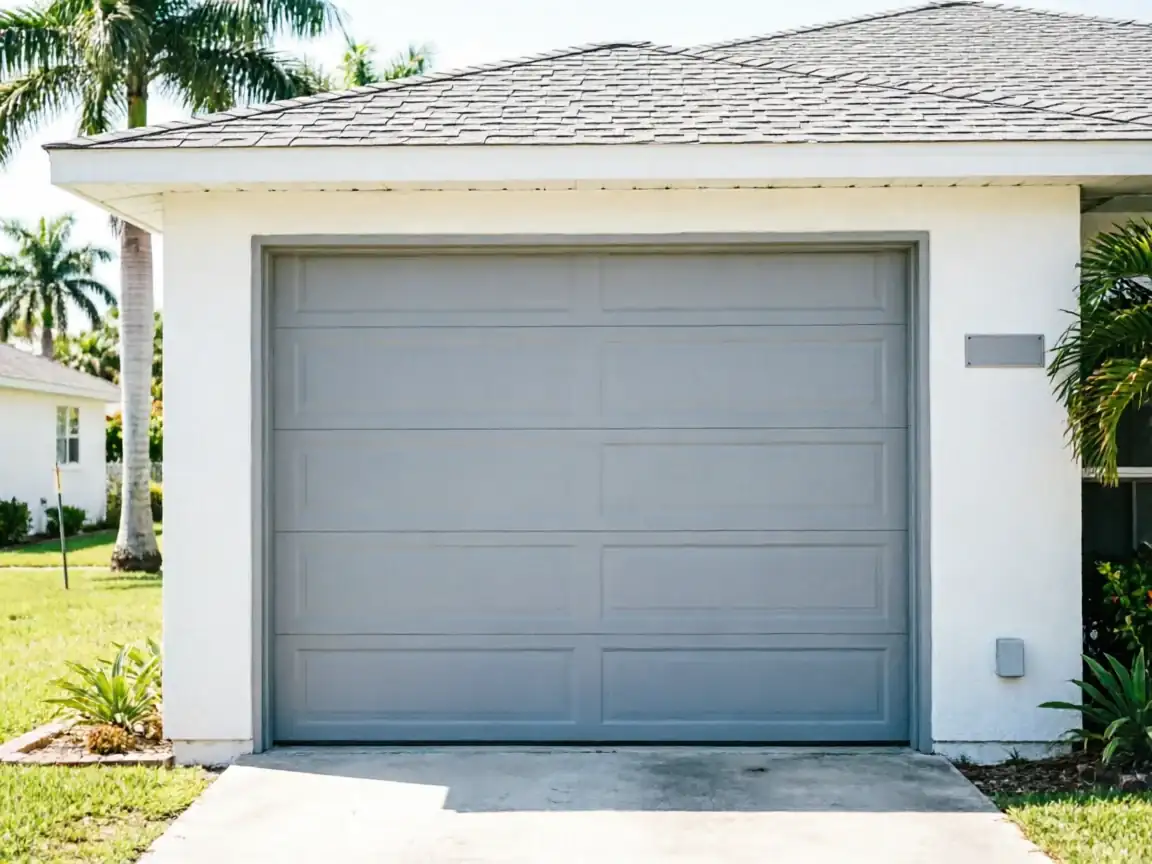
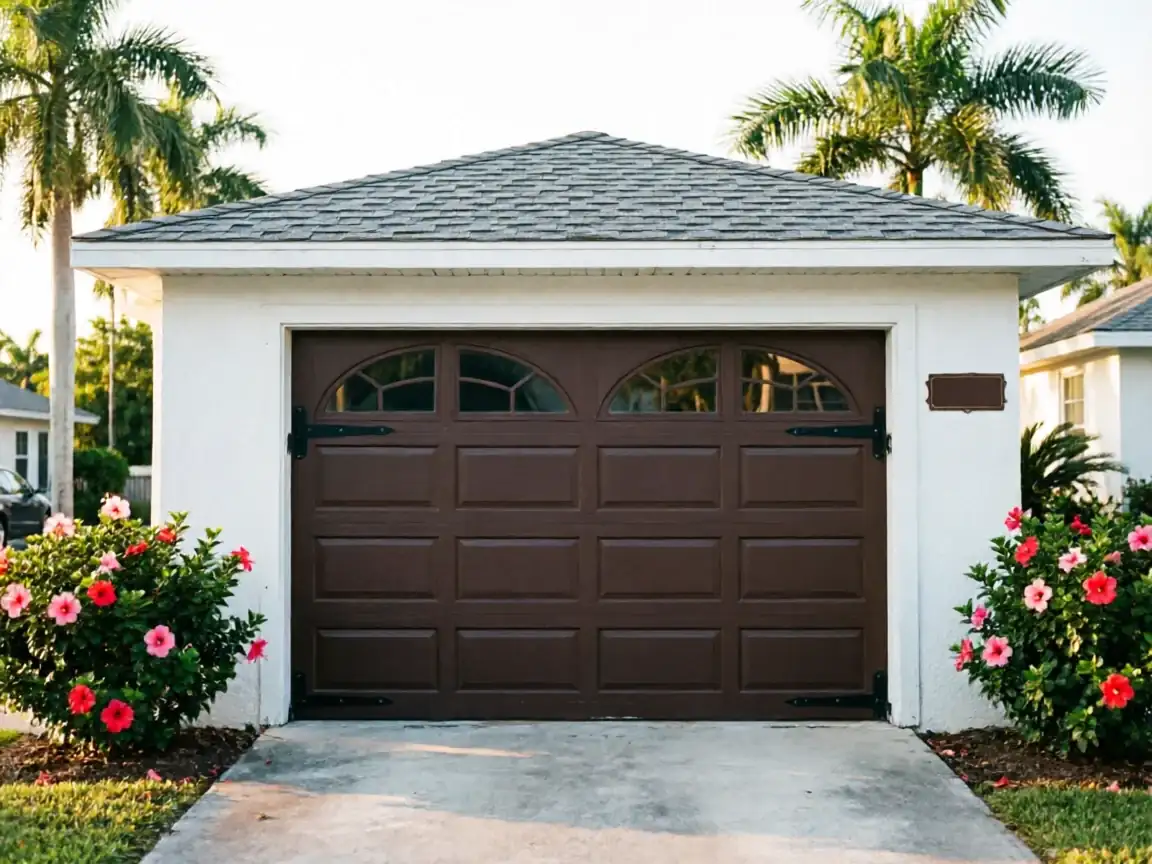
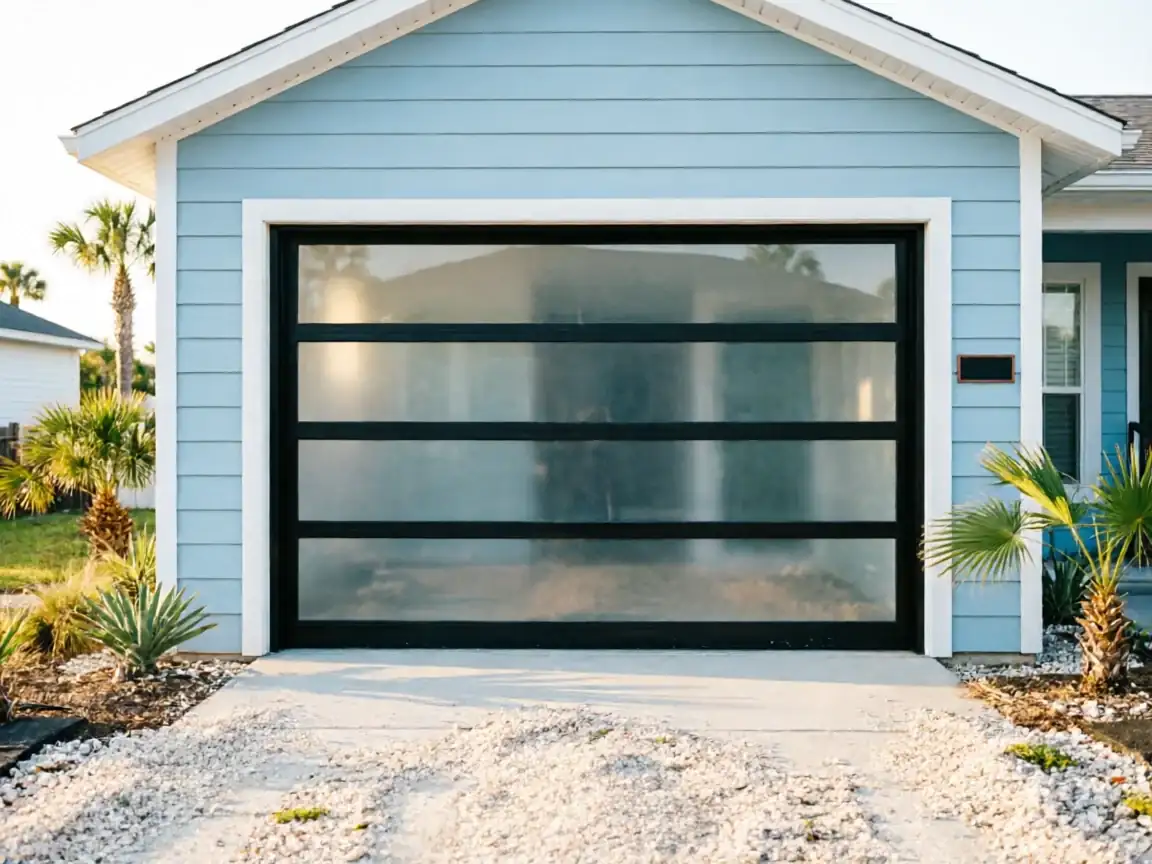
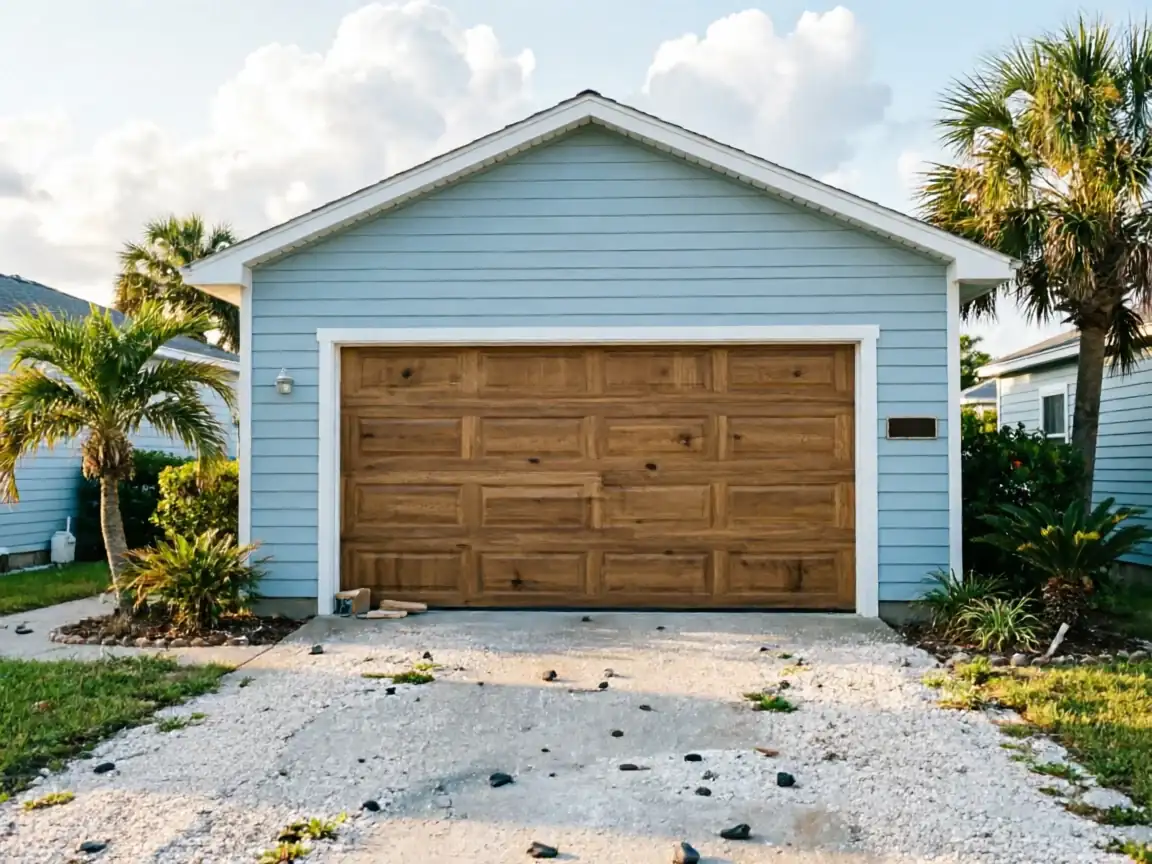
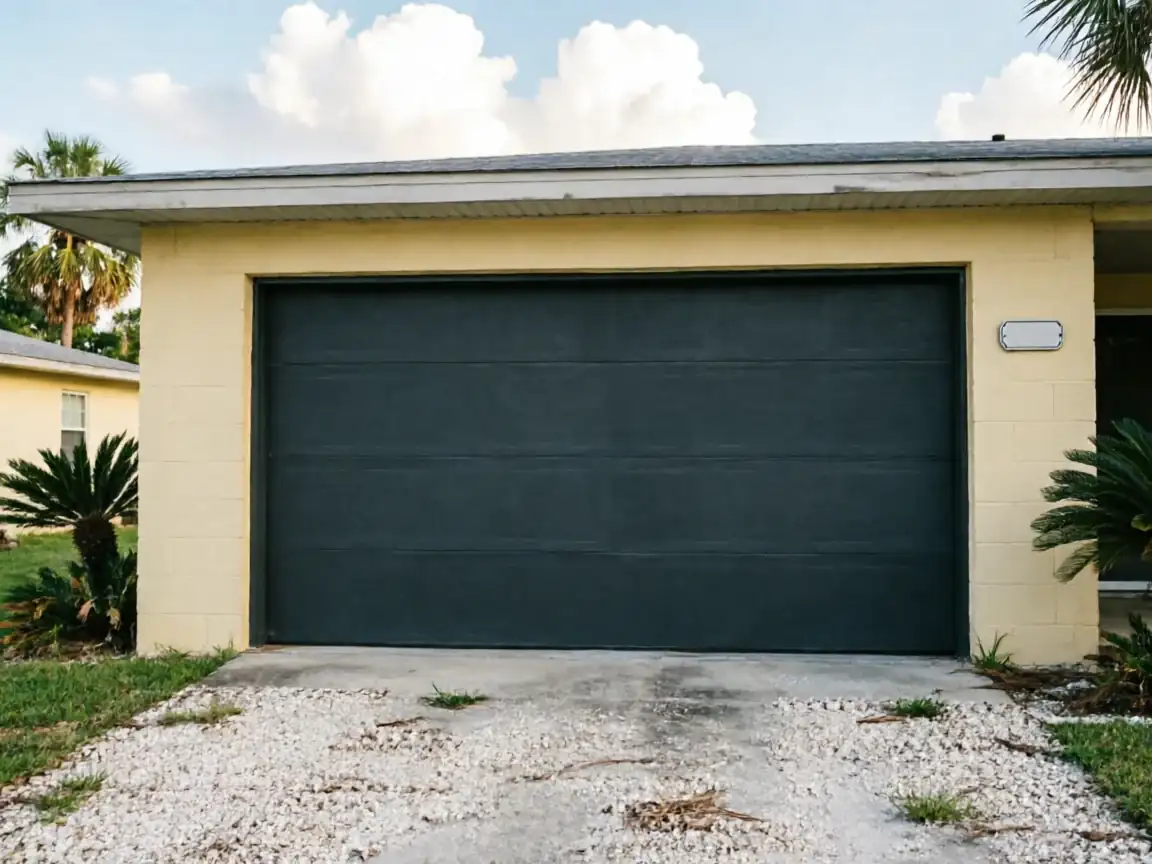
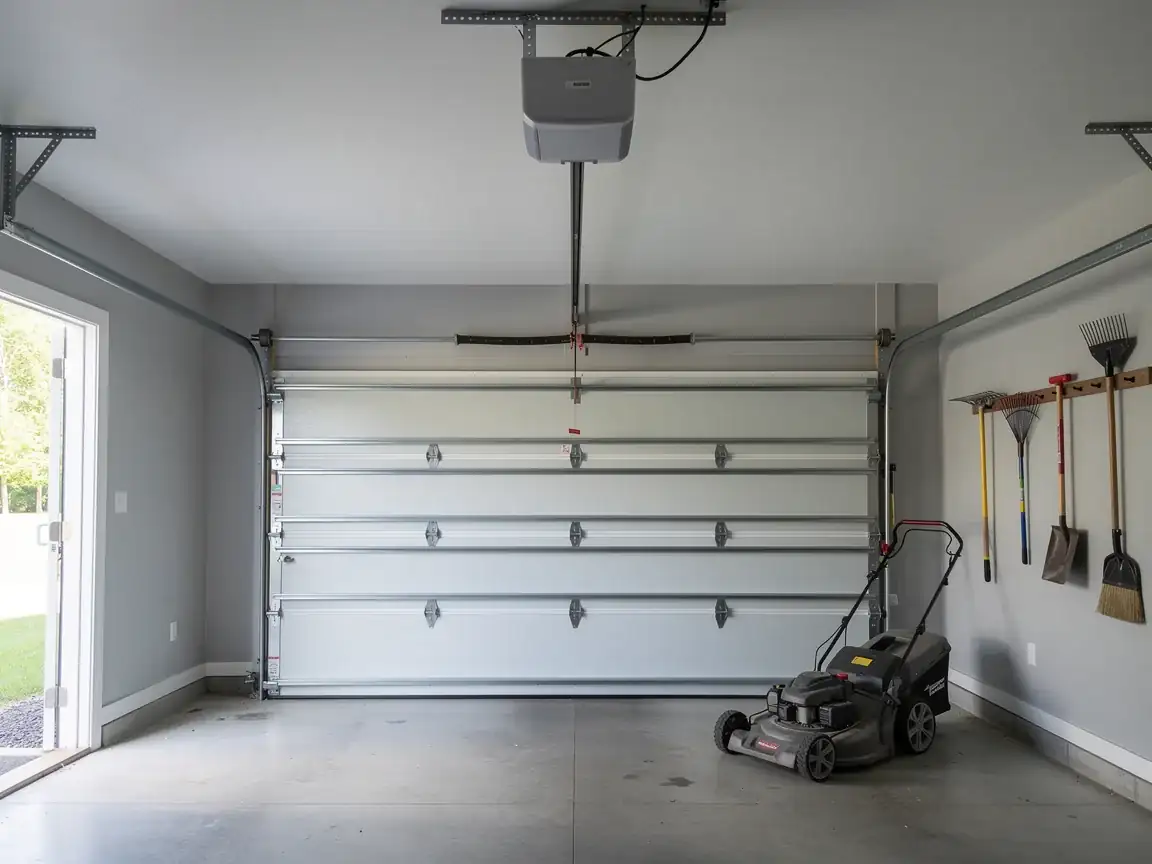
That later build date means Three Lakes garages were framed to codes and opener standards that didn't exist yet when the older 1960s subdivisions nearby went up. Most doors here are steel sectional panels on standard torsion springs, not the one-piece or extension-spring setups we still pull parts for in older neighborhoods. The openers are more likely to have safety-reversal sensors built in from the start rather than bolted on later. If your house here is one of the older outliers built before the 1990s wave, the door and opener may still be original - but the odds favor newer gear than you'd find a few miles closer to Homestead.
What People Here Ring About
With newer construction comes a different set of calls than we get from older stock
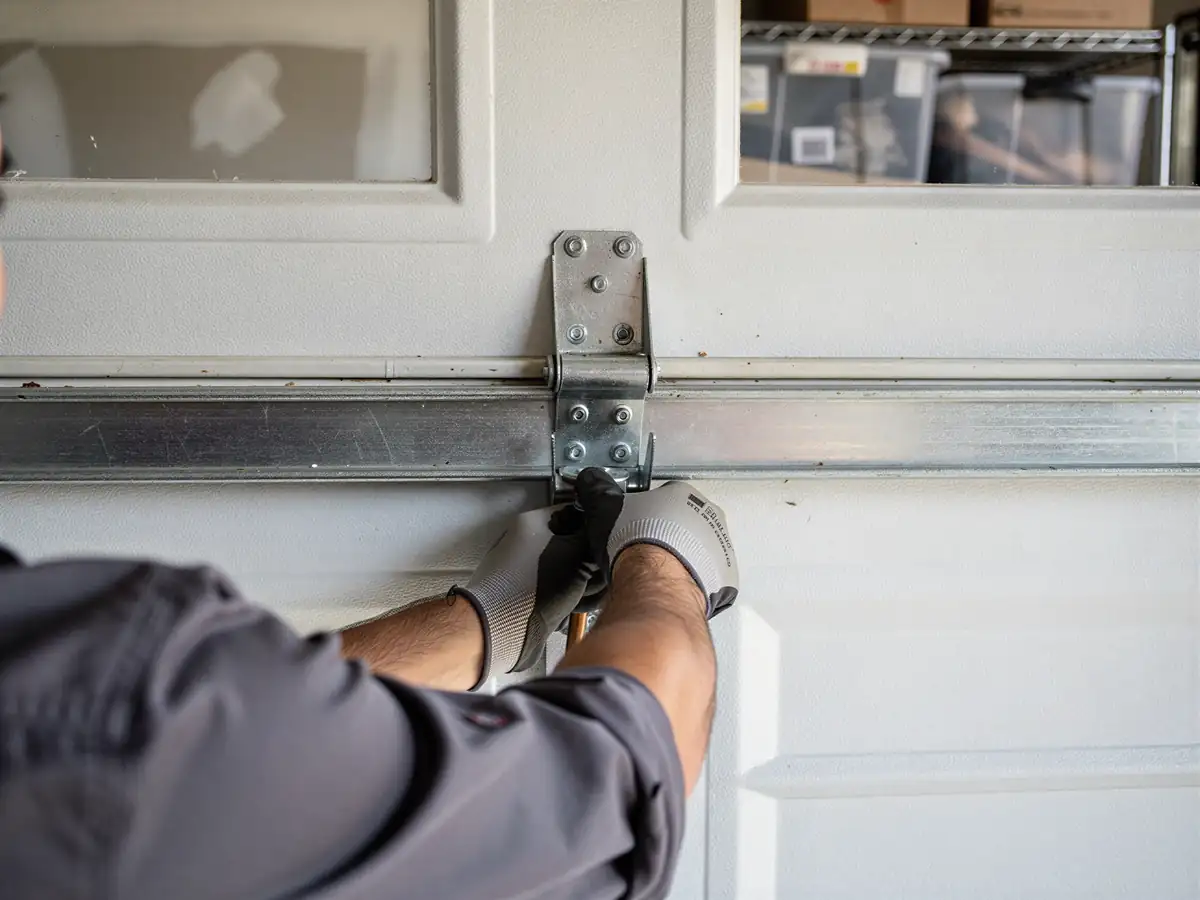
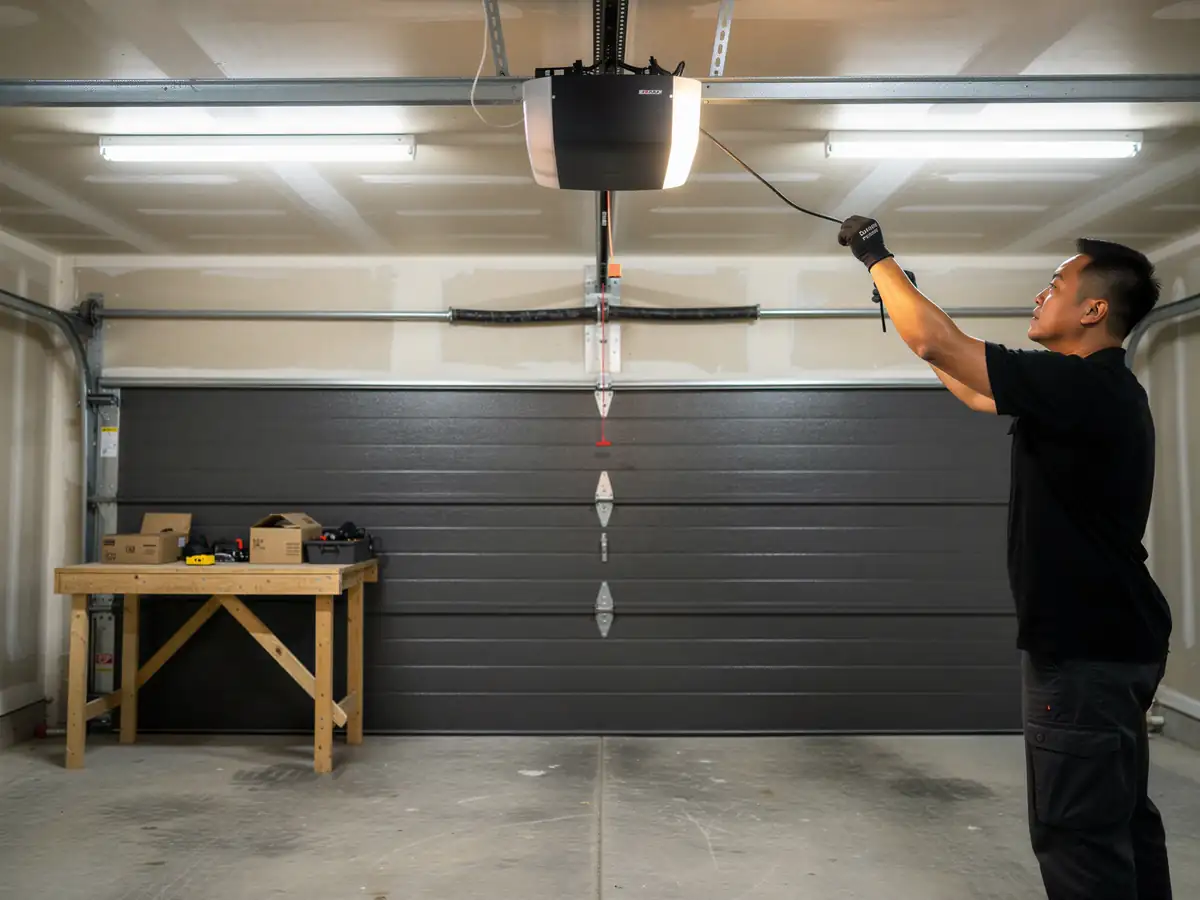
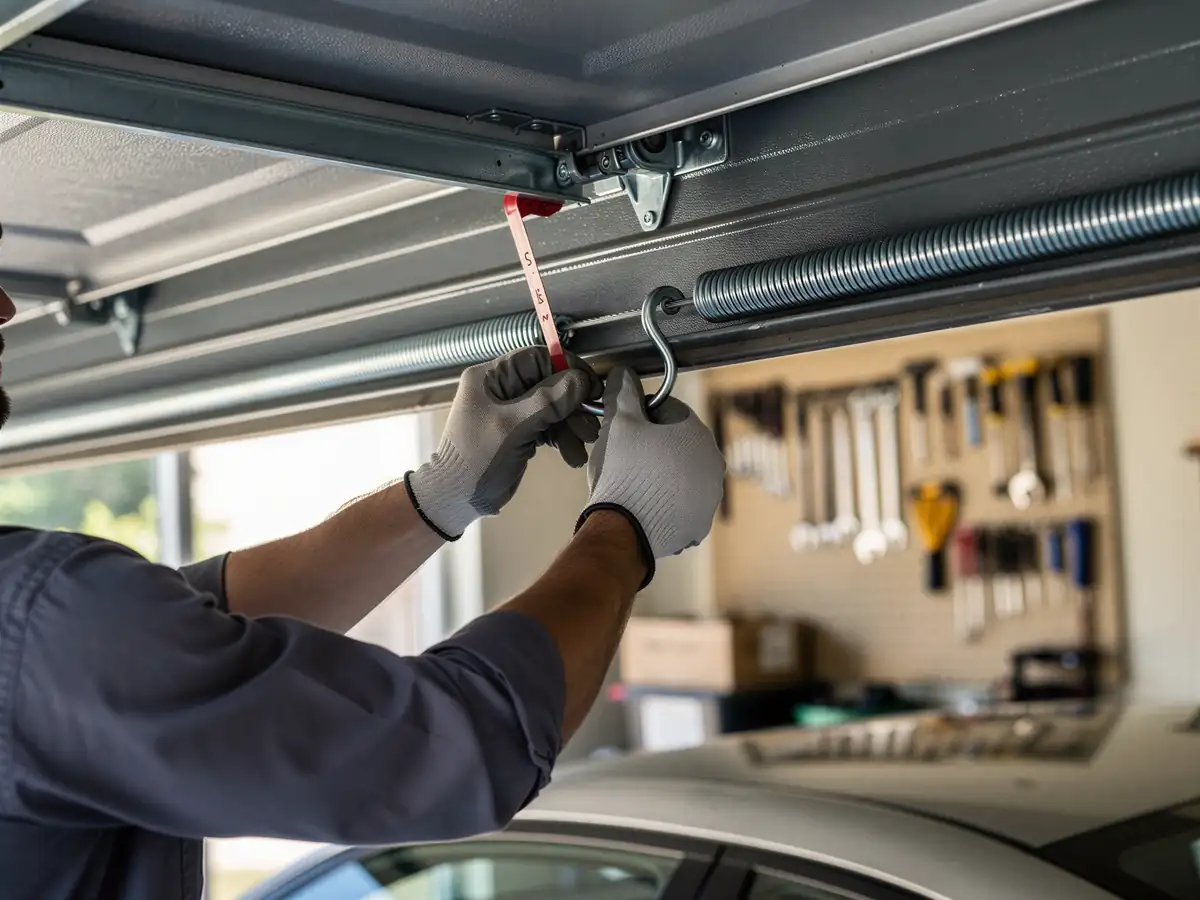
Fewer people in Three Lakes are dealing with a seized original spring from the 1970s; more are dealing with a mid-life failure on a door and opener system that's now 15 to 25 years old depending on when their section of the subdivision went in. That's opener logic boards going bad, worn rollers on nylon-wheel setups, and torsion springs reaching the end of a normal 7-to-10-year cycle rather than a 40-year one.
- 25 years
The mild, humid South Florida climate doesn't spare newer doors either
It just attacks different parts. Galvanized spring coating and nylon rollers hold up fine against the humidity itself, but the track alignment and weatherstripping take a beating from sun and moisture cycling, which shows up as noise and drag more than outright failure. We also get calls about keypads and remotes losing sync, which is more common on the newer opener electronics that dominate this area than on the mechanical-only setups in older sections.
What the Housing Means for Your Door
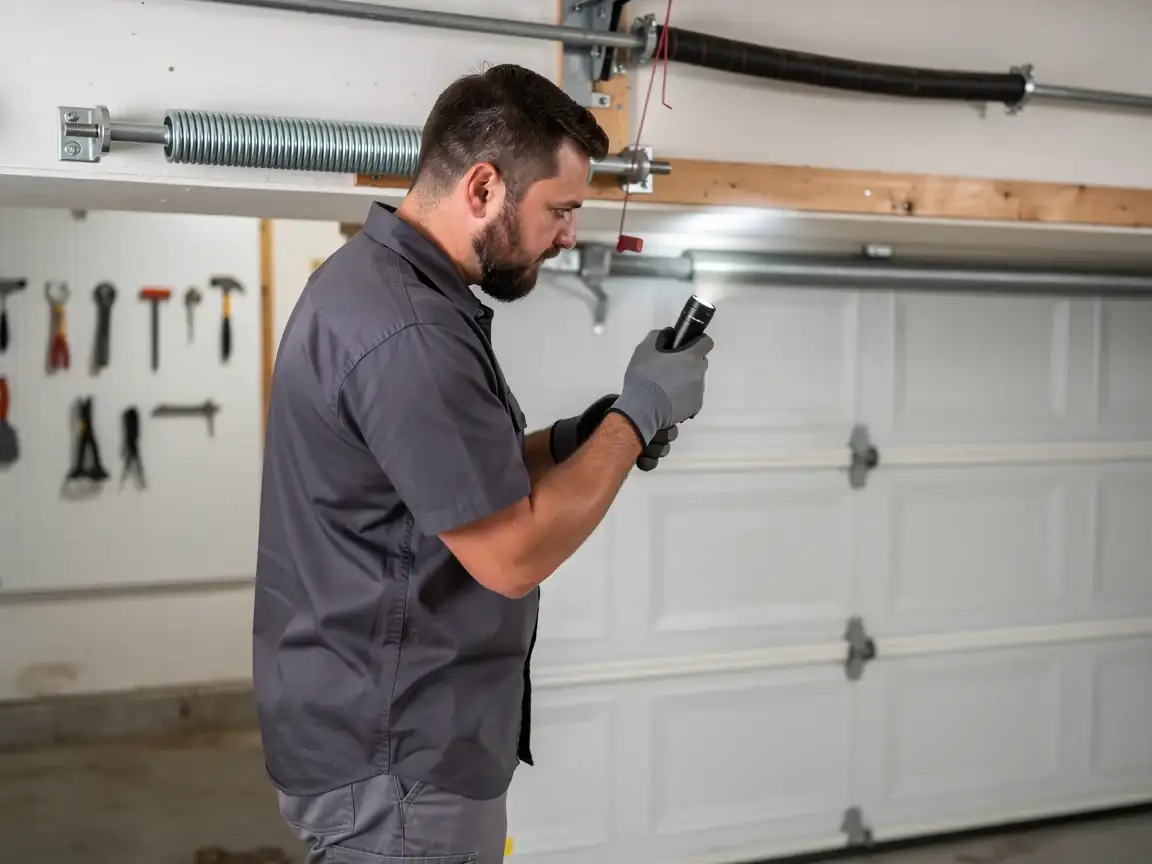
Because Three Lakes skews newer, we bring different stock on the truck for calls out here than we would for a 1960s block closer to Homestead. Standard torsion springs sized for sectional steel doors, common opener circuit boards, and nylon rollers cover most of what we find. We're less likely to need the odd-size extension springs or side-mount torsion hardware that older original installations require.
One honest limitation: if your opener or logic board needs a part that's been discontinued by the manufacturer, we may have to source it or recommend a full opener swap rather than a same-visit fix. That's rarer here than in the older sections of our coverage area, but it does happen on mid-90s units nearing the end of their production run.