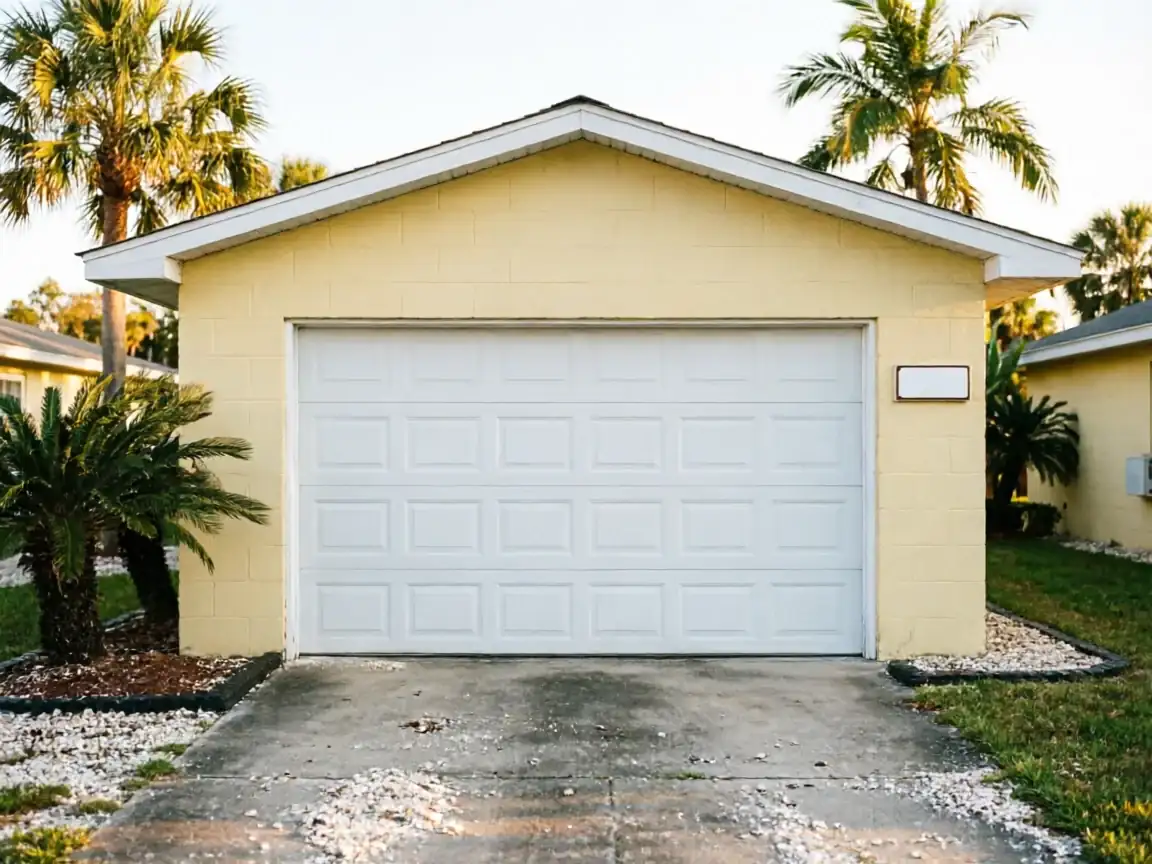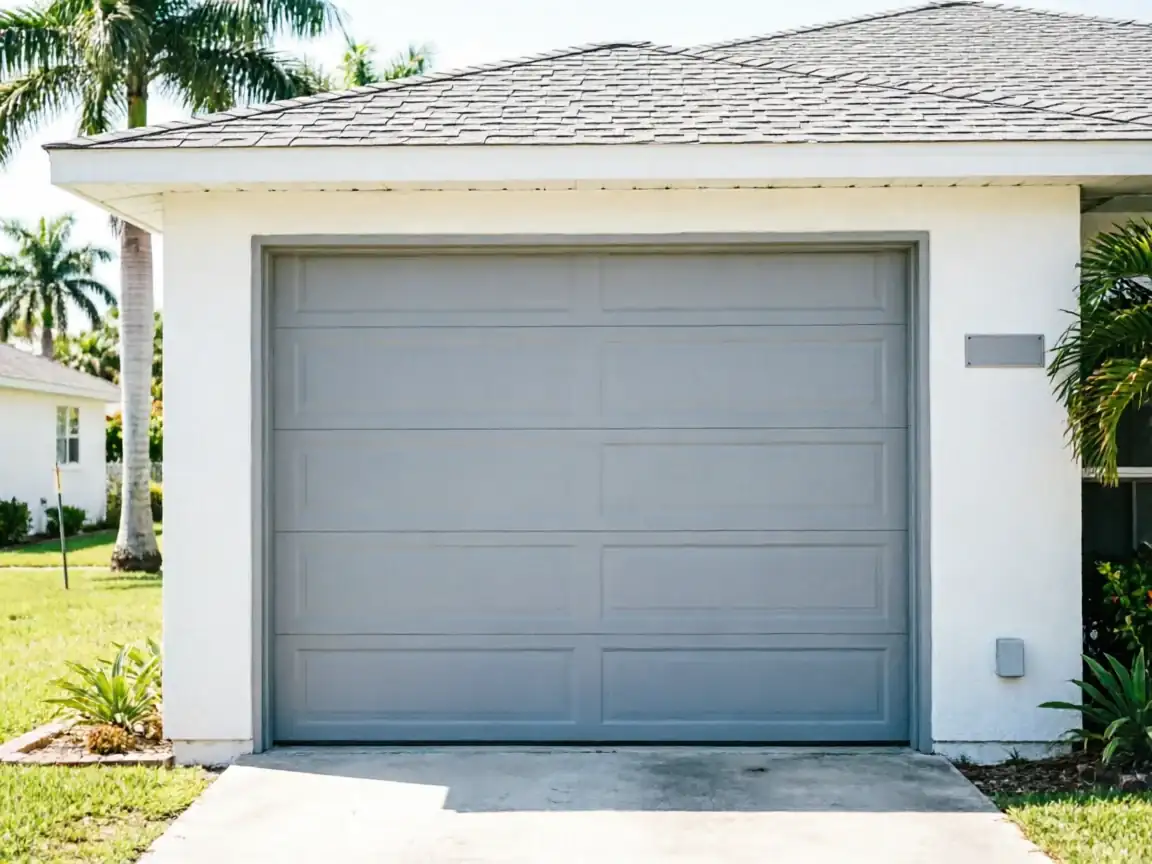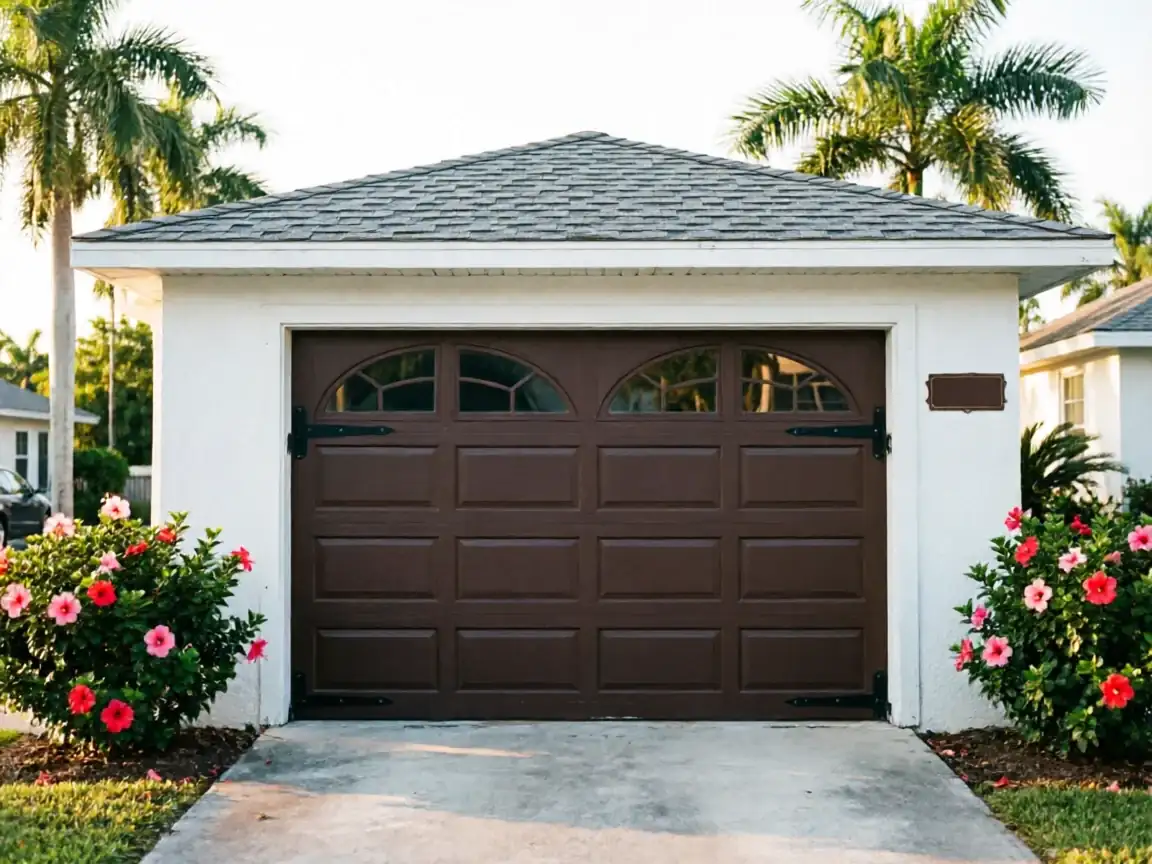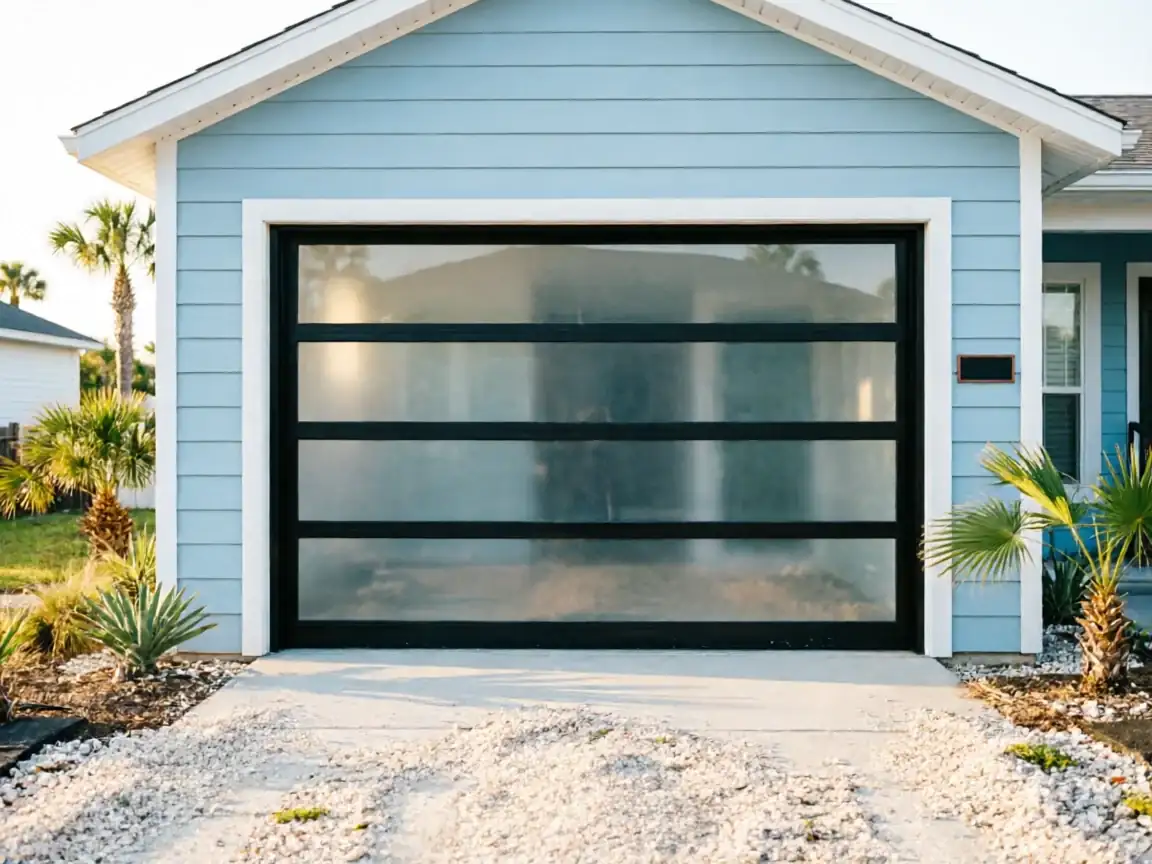
How We Fix It
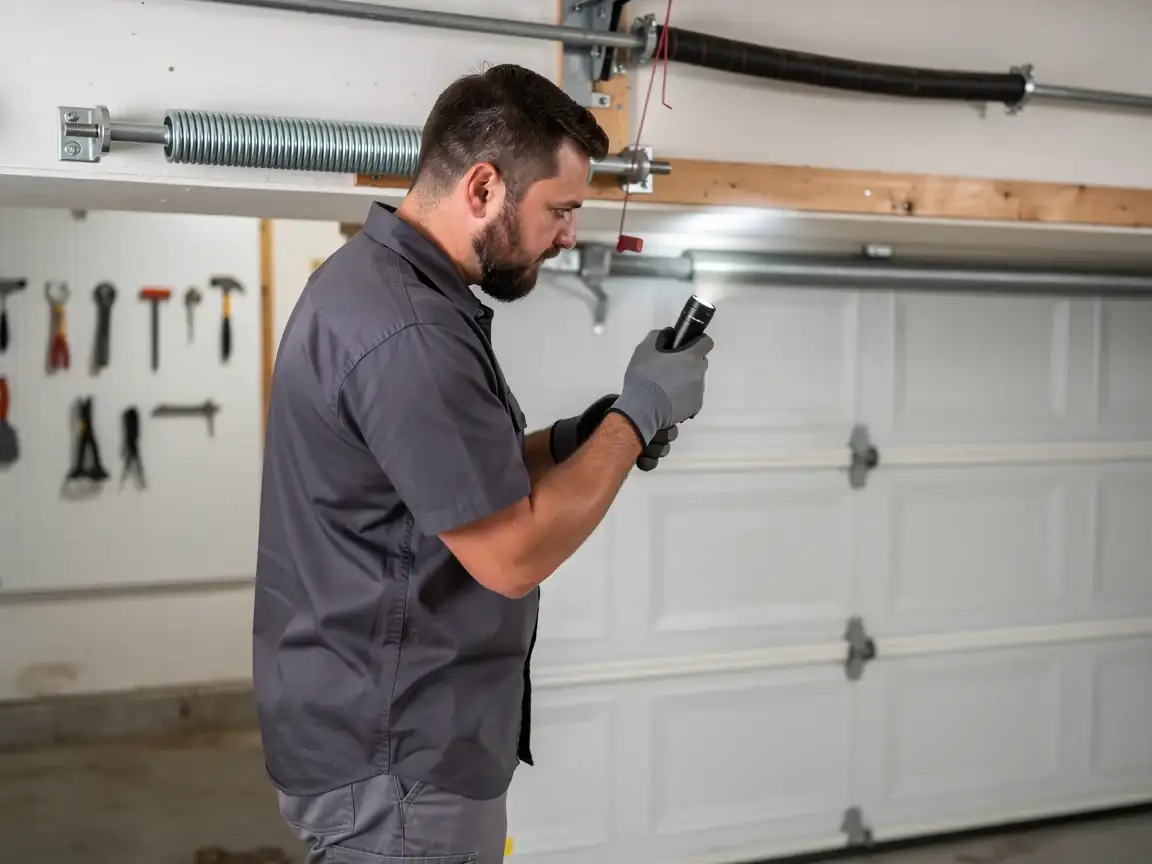
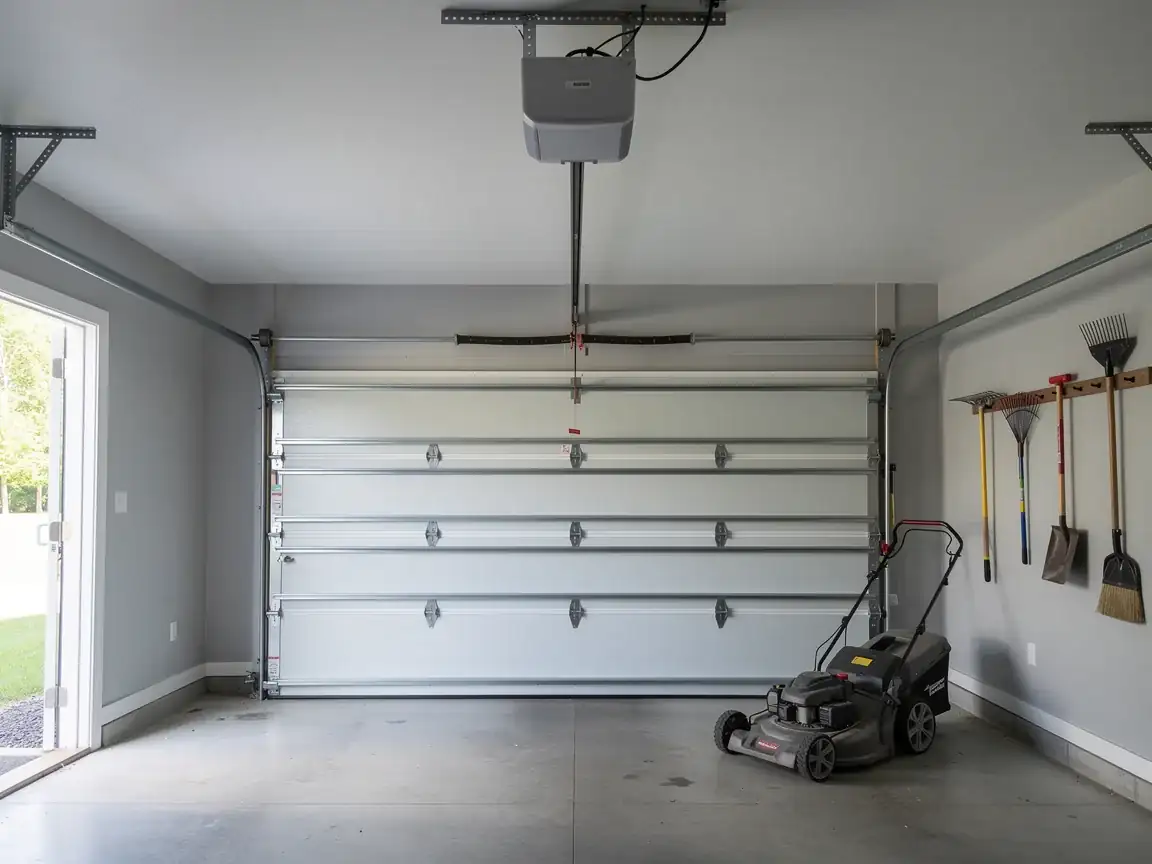
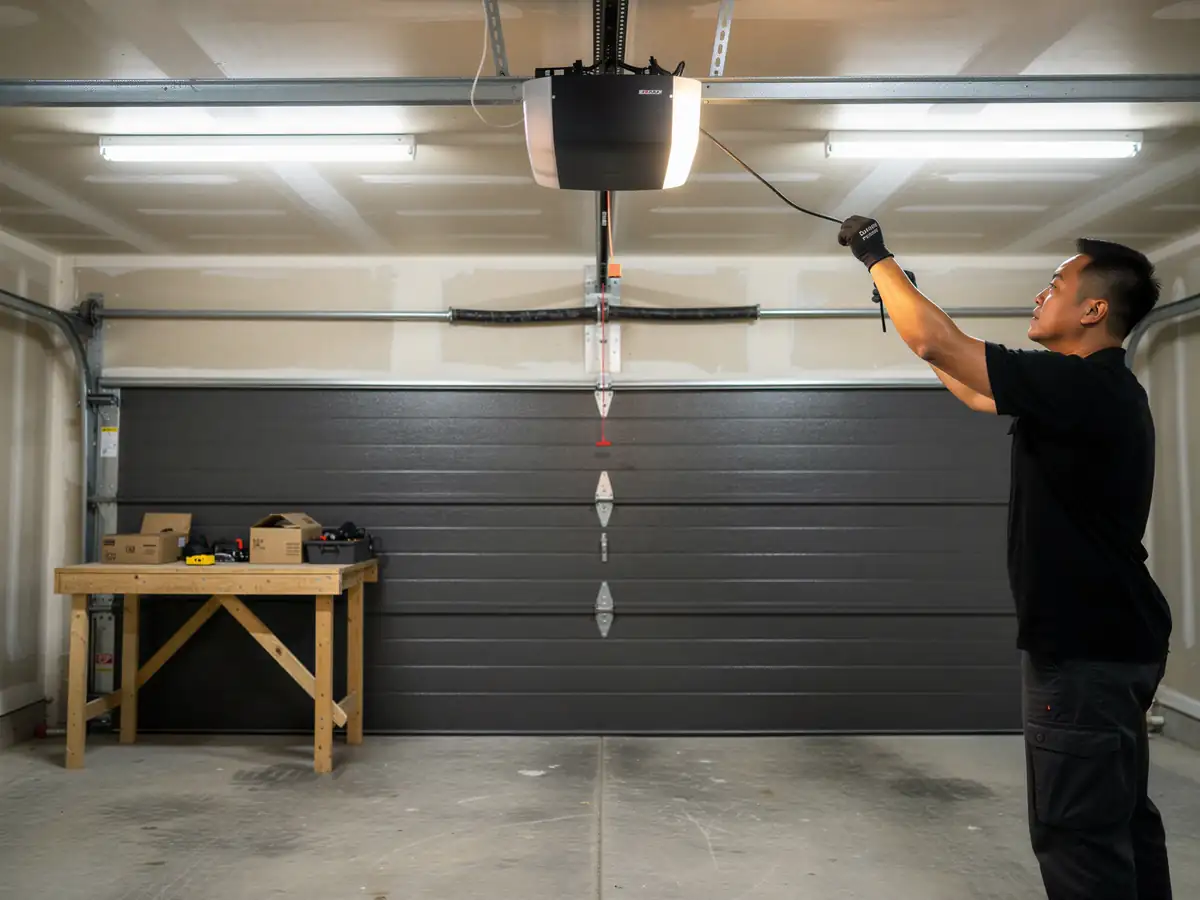
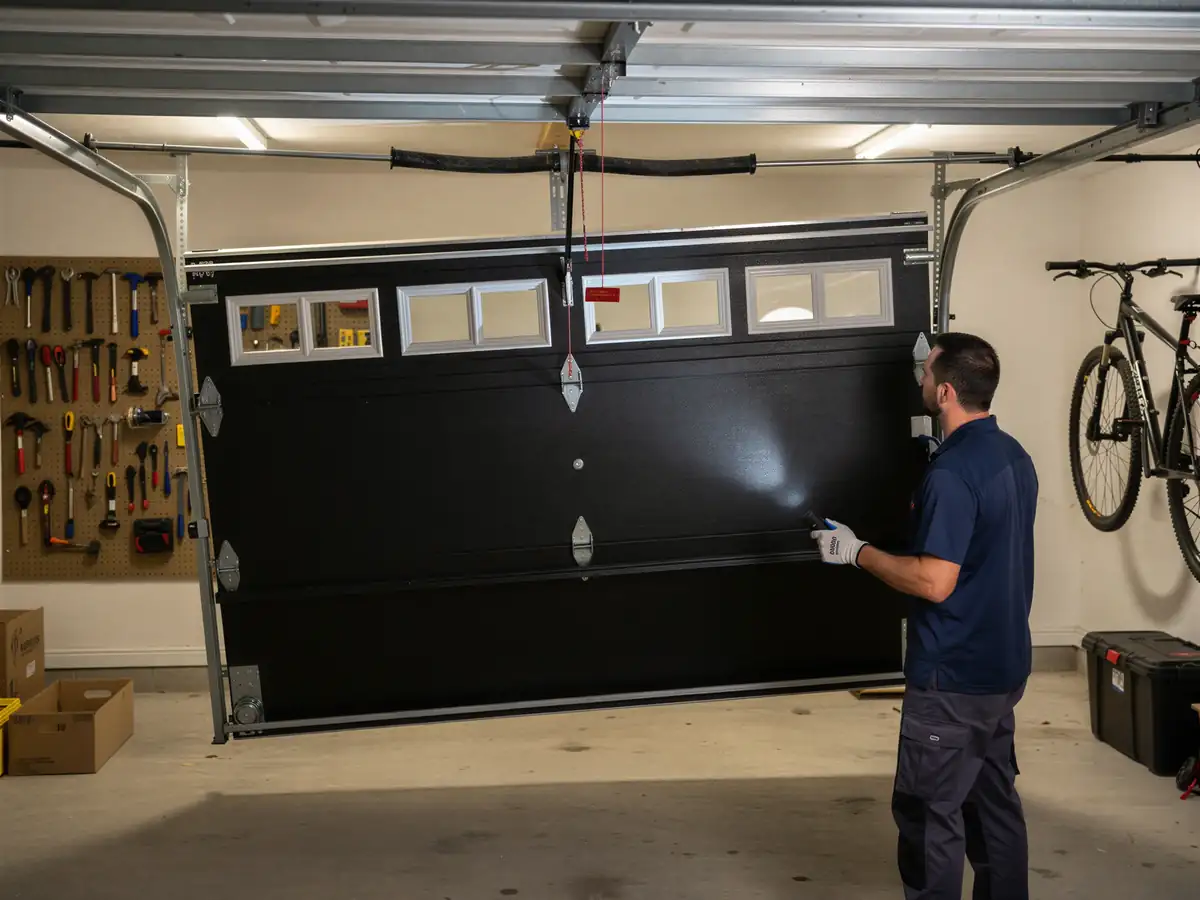
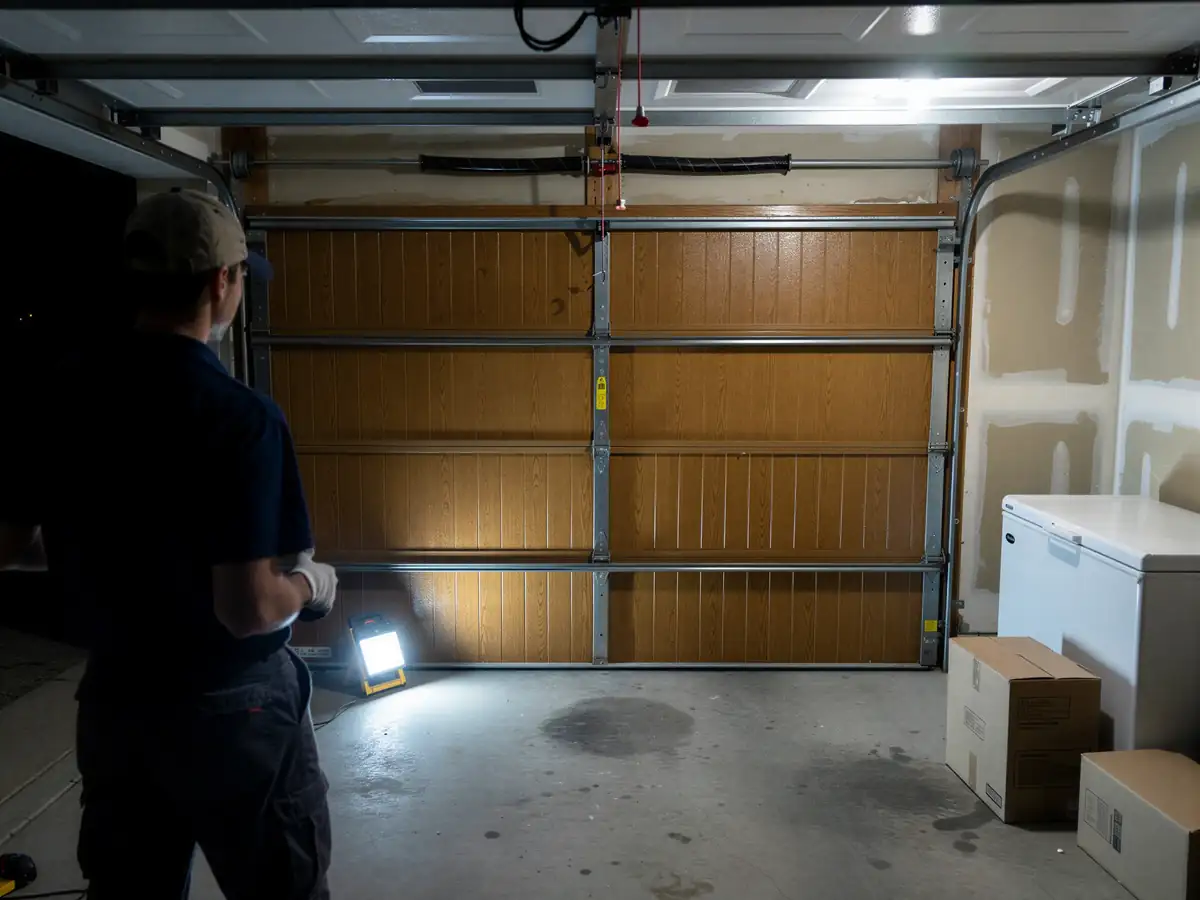
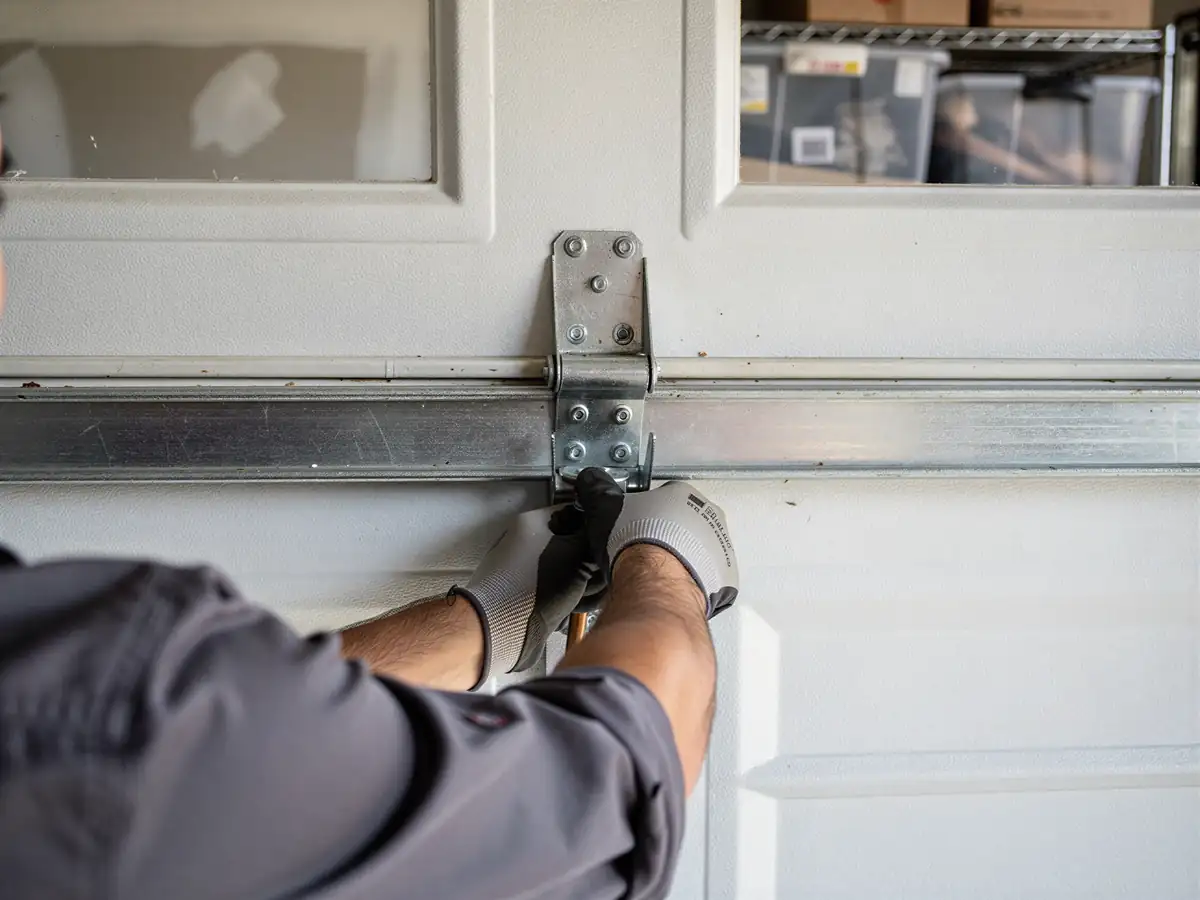
Three Lakes sits about 12 miles from our Homestead base, which is enough distance that we don't treat a call here like a quick run across town. We build the truck for the job before we leave, which means whoever picks up the phone needs to tell us what the door is doing - won't open, stuck halfway, grinding, cable hanging loose - so the right spring size, the right opener logic board, or the right roller set is already loaded when the truck pulls out. That 12-mile drive is also why we don't quote a same-day window here the way a shop sitting inside the neighborhood might; we tell you honestly when we can get there, and we stick to it. Once we're on site, the diagnosis is the same process anywhere: check the springs under tension first, check the track alignment, check the opener's travel limits and safety sensors, then fix what's actually broken instead of replacing parts that are fine. Homes in this part of the service area were mostly built later than the older 1960s-70s stock common elsewhere nearby, so the hardware we're usually pulling off the wall here is newer-generation gear, not the original equipment some older neighborhoods still carry.
What You Are Seeing
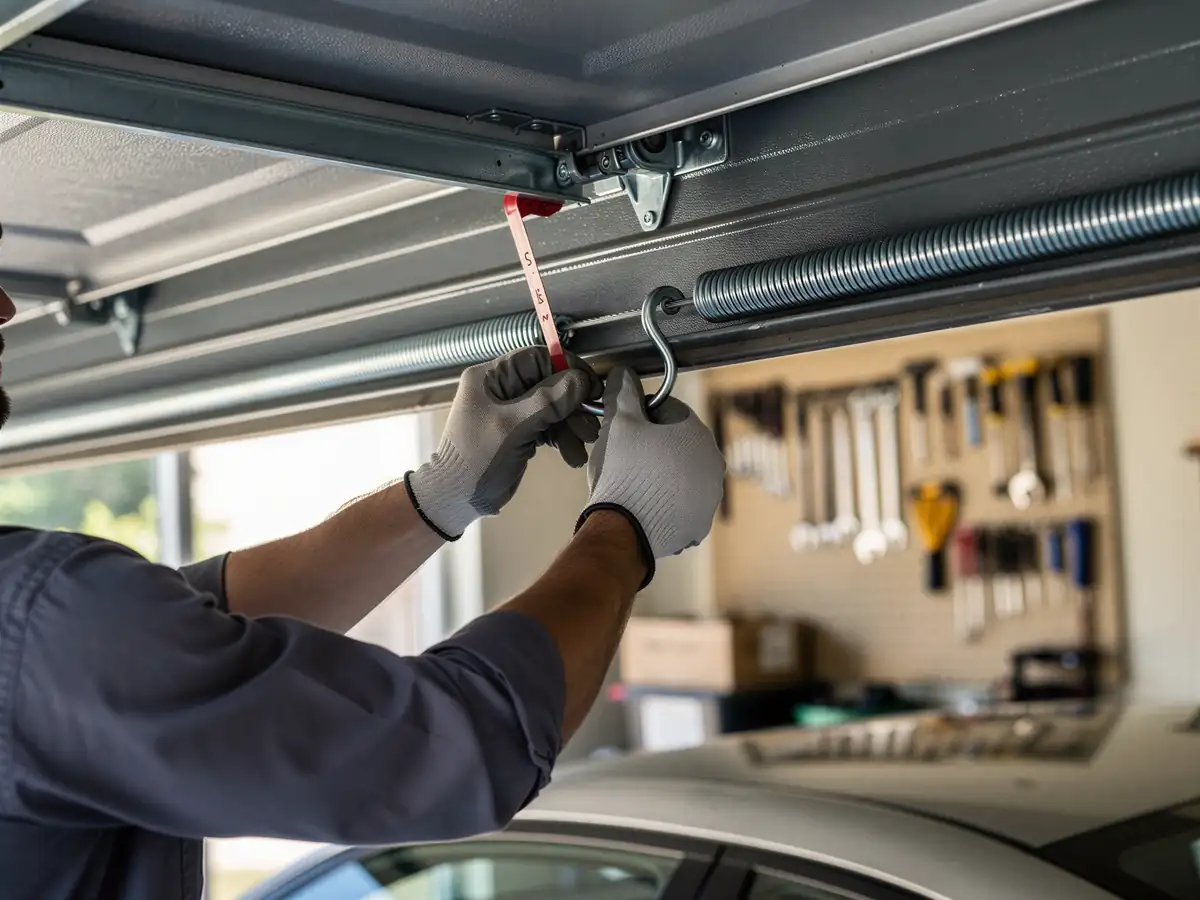
Three Lakes homes carry a median construction year of 1997, which puts most garage doors and openers here well past the oldest torsion setups we see in the 1960s and 70s stock that makes up a lot of the broader Homestead service area. That later build date usually means a factory torsion spring system rather than the side-mounted extension springs common on older houses, and an opener that already has photo-eye safety sensors built in from the start rather than retrofitted later. What actually fails tends to be wear, not age-of-design: a torsion spring that's done its 10,000-cycle run, a slipped cable, a roller that's worn its track groove uneven, or a logic board that's lost sync with the remote. The mild coastal climate out here doesn't put the same stress on hardware that freeze-thaw regions deal with, so when something breaks in a Three Lakes garage it's almost always cycle wear or a one-time impact, not weather damage to the door itself.
What Is on the Truck
Because the drive out to Three Lakes is a planned trip and not a five-minute hop, we stock the truck for what the area's housing age actually needs before we leave Homestead: torsion springs sized for the heavier sectional doors common on homes built after the late 1980s, opener logic boards and sensor kits for the generation of openers that shipped with safety photo-eyes as standard, and standard roller and cable stock that covers most residential doors regardless of era. What we don't carry is every obsolete part for pre-1980s hardware, since that's a smaller share of what we see out this way compared to some of the older neighborhoods closer to Homestead. If a job needs something unusual - an odd-width custom panel or a discontinued opener model - we'll tell you that on site rather than make a second trip look like the plan all along.
How Long It Takes
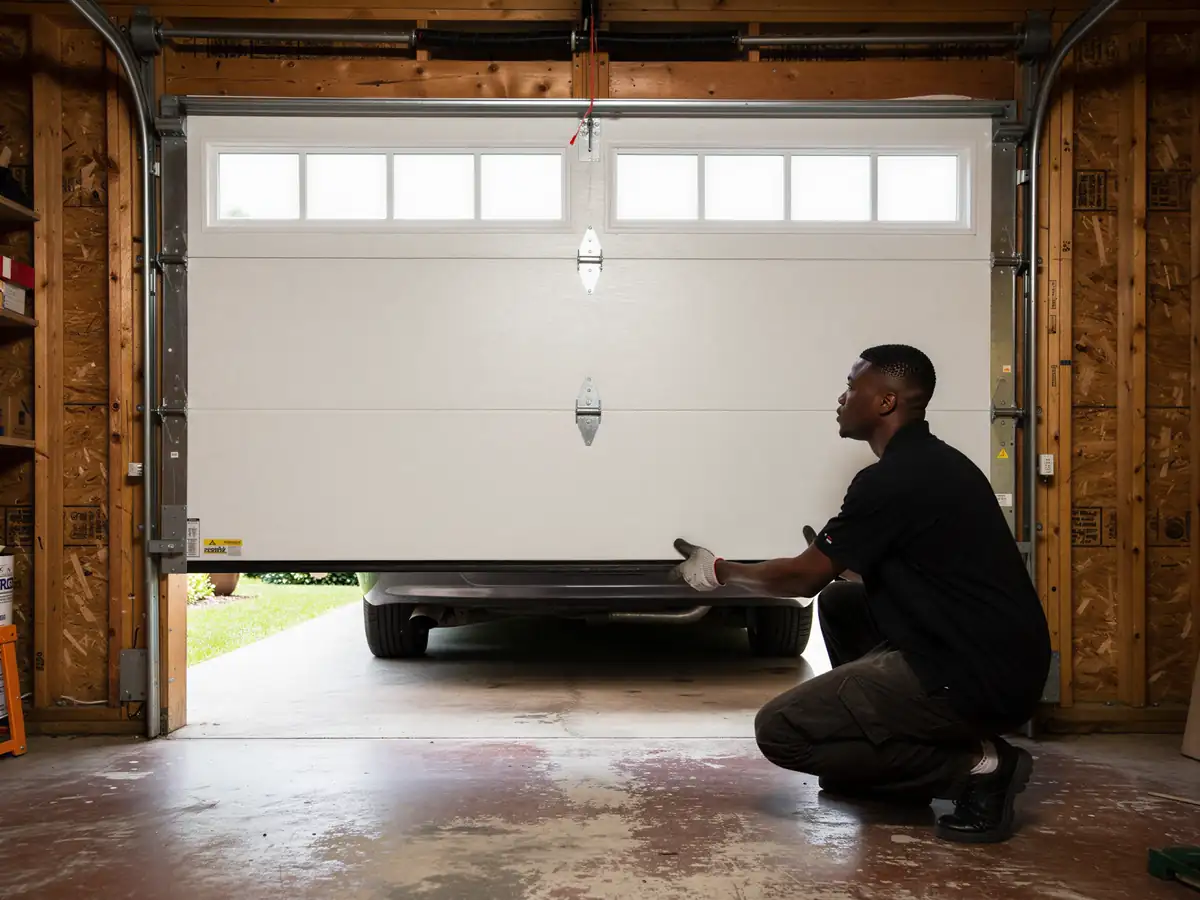
Most single-door spring or cable repairs run under two hours once the truck is on site, and that's consistent whether we're working in Three Lakes or anywhere else in the service area - the variable here isn't the repair, it's the 12-mile drive getting us there and back. Opener board or sensor replacements usually run similar time since the work is mostly diagnostic. What takes longer is anything needing a part we don't carry stock of, which means a second visit once it's ordered in. We'd rather tell a Three Lakes homeowner upfront that a part needs ordering than stretch a first visit out pretending we can finish it that day.