What Changes With the Season
Homestead sits in a mild temperate band, which means a garage door here isn't fighting the kind of freeze-thaw cycle that cracks panels and seizes springs up north. That's the good news. The steel on a door doesn't contract hard overnight and expand hard by noon, so you don't get the same seasonal pattern of sudden spring failures tied to temperature swings.
What doesn't change is time. A door installed when the house was built in, say, 1968 or 1979 has been opening and closing on the same torsion spring and the same rollers for decades regardless of season, and a mild climate doesn't slow that wear down, it just means the failure shows up as fatigue rather than as a cold-snap snap.
We don't have storm or humidity data to point to here, so we won't pretend to know how a named weather event affects your door. What we do know is the housing stock, and that's the bigger factor in most of the calls we get.
The Problem
Most houses in this part of the county went up between 1957 and 2008, with the bulk of that stock dating to the 1960s and 70s across the named areas nearby. That means a lot of doors, tracks, and openers still in service were sized and mounted to specs that nobody manufactures to anymore - narrower track widths, different hinge spacing, spring wind ratios that don't match a big-box replacement spring off the shelf.
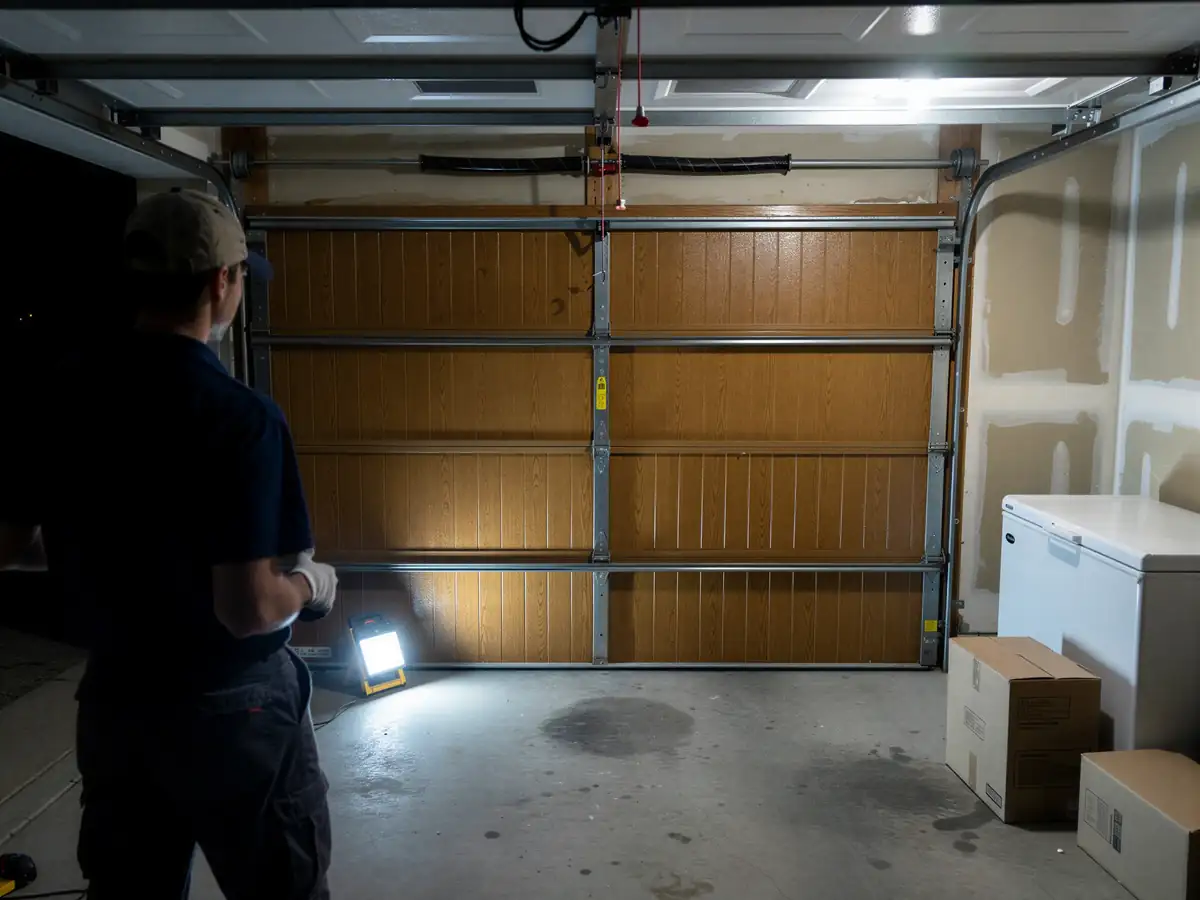
When one of those original setups fails, the fix isn't always a straight swap. A torsion spring rated for a door built in 1971 doesn't always match what's sold today as a universal replacement, and a track bracket mounted to a stud pattern from that era can fight a modern roller.
This is the honest limitation: if your door and opener are both original to a house from that window, parts can take longer to source than a same-day call implies, and sometimes replacing the whole unit is simpler than chasing down a match for forty-year-old hardware.
Where People Go Wrong
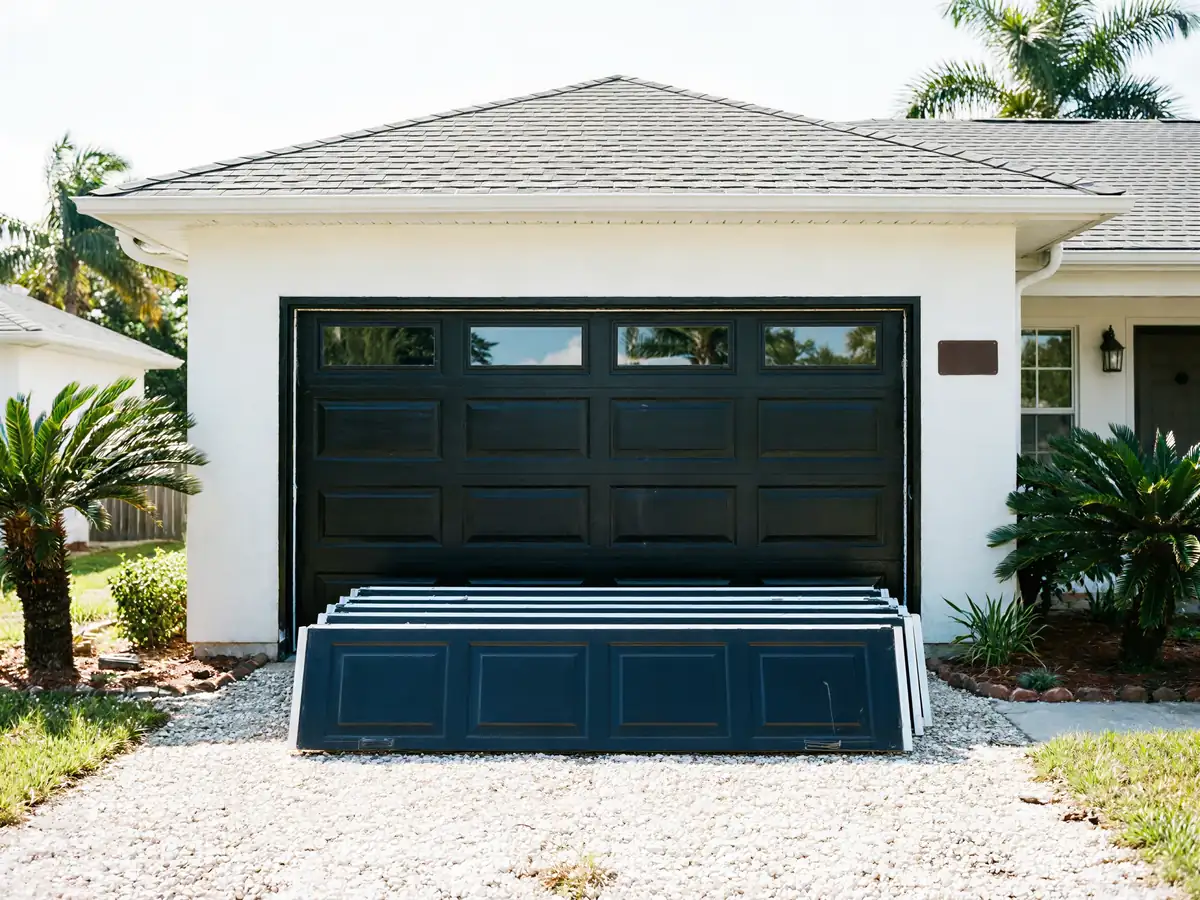
The most common mistake we see is someone replacing just the door panel on a house from the 1960s or 70s stock without checking whether the existing track and spring setup still matches
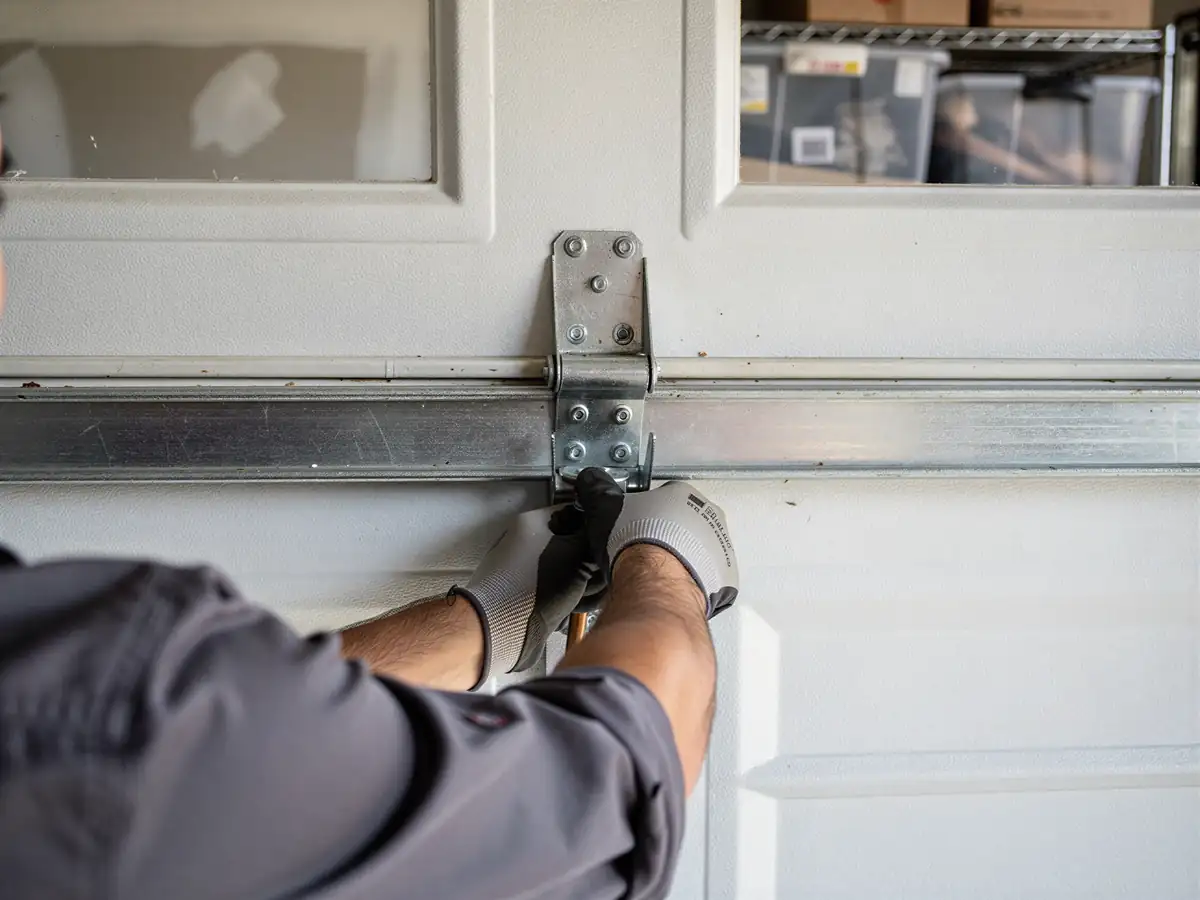
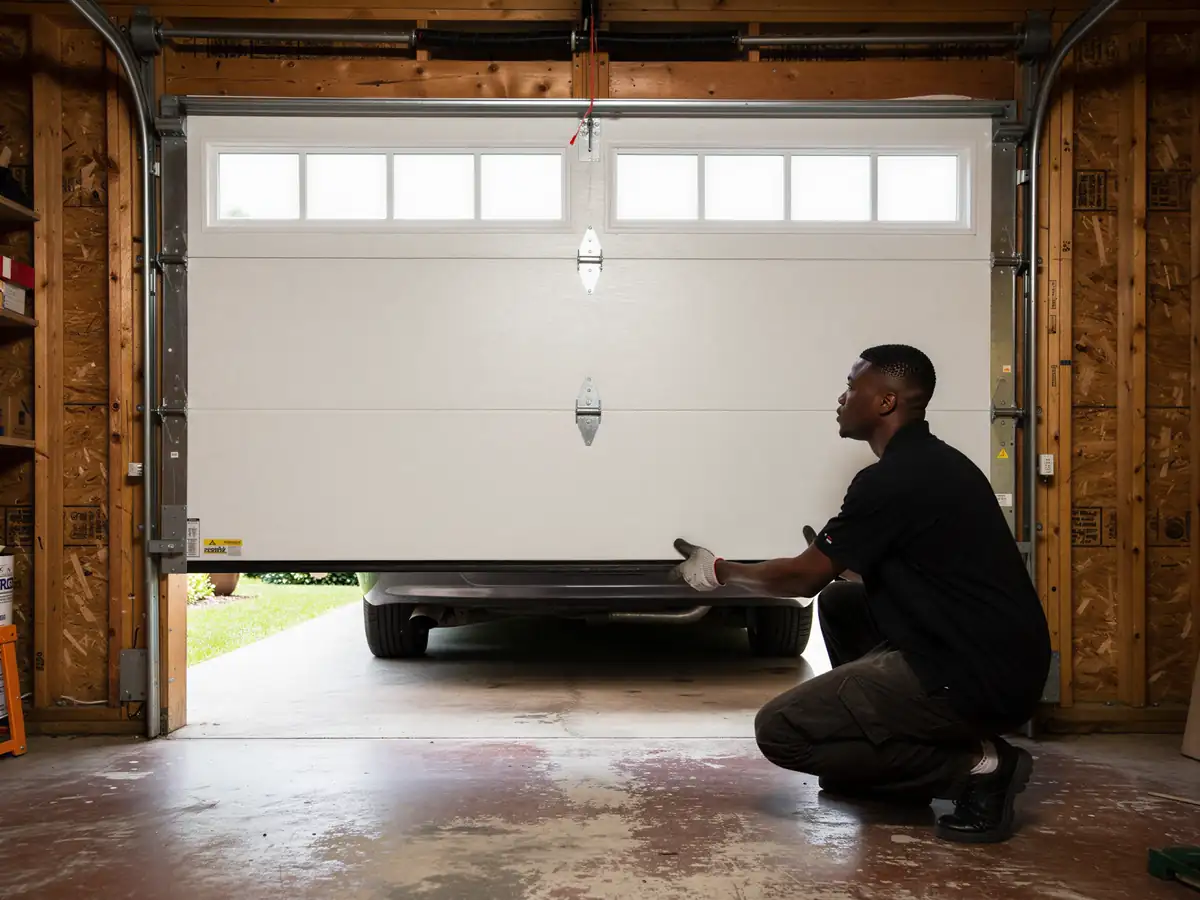
A new door bought off the shelf is built to current standard widths and hinge points; an original track from that era frequently isn't, and forcing the two together strains the opener and the rollers within months.
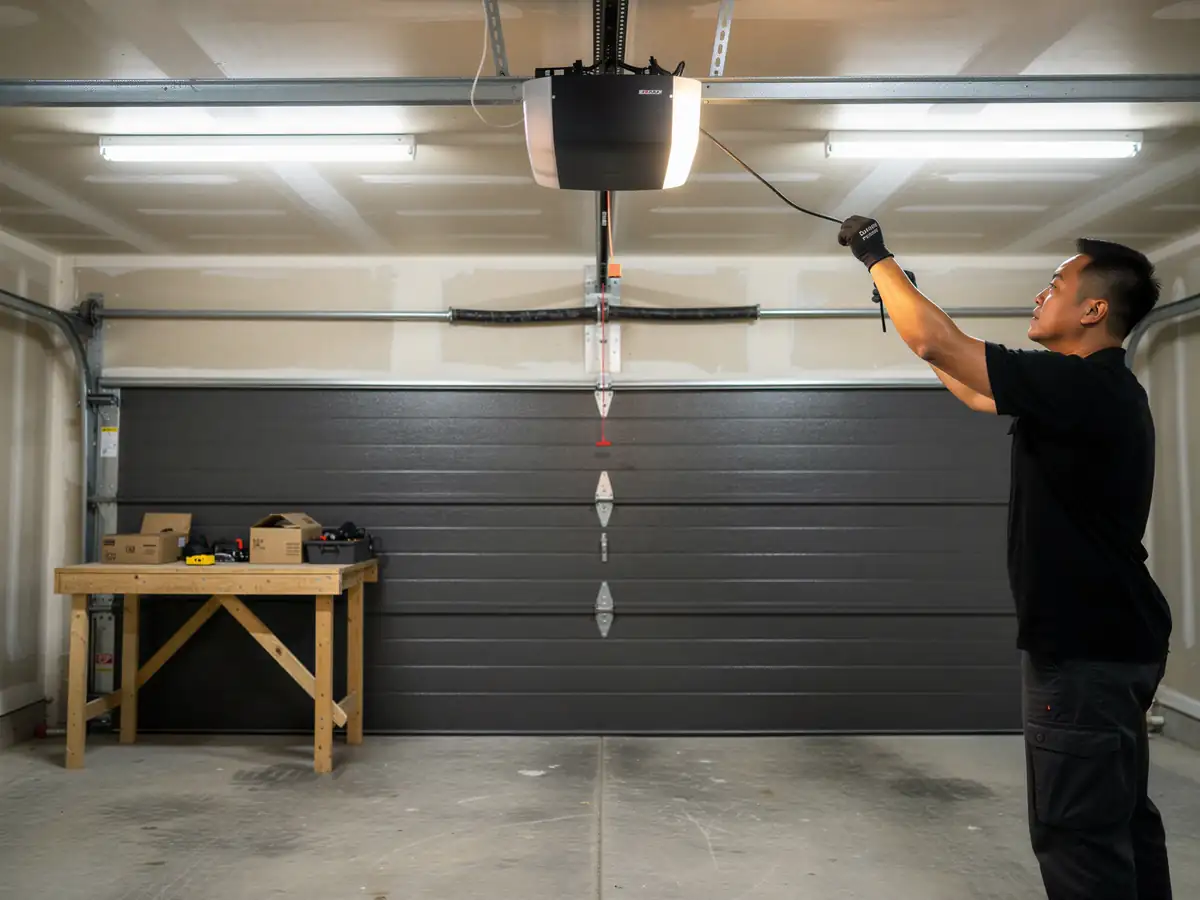
The second mistake is assuming an opener problem is the opener
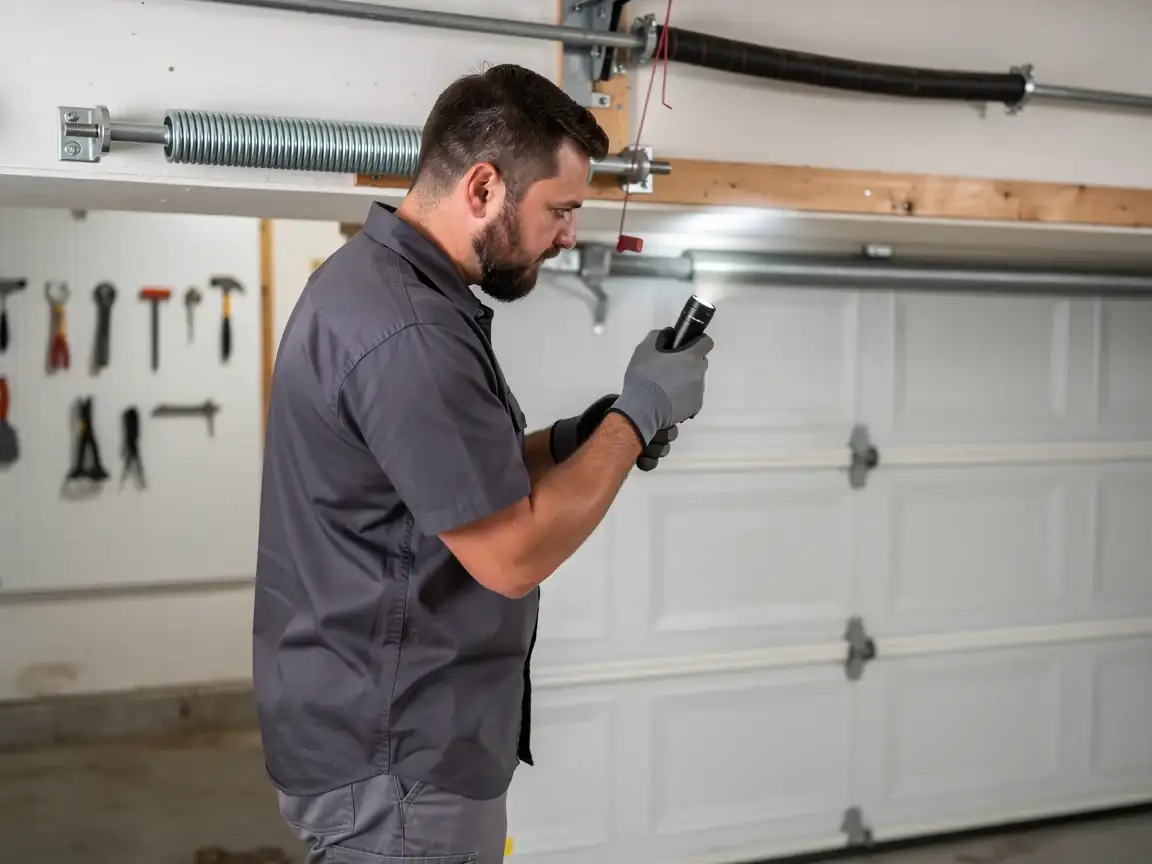
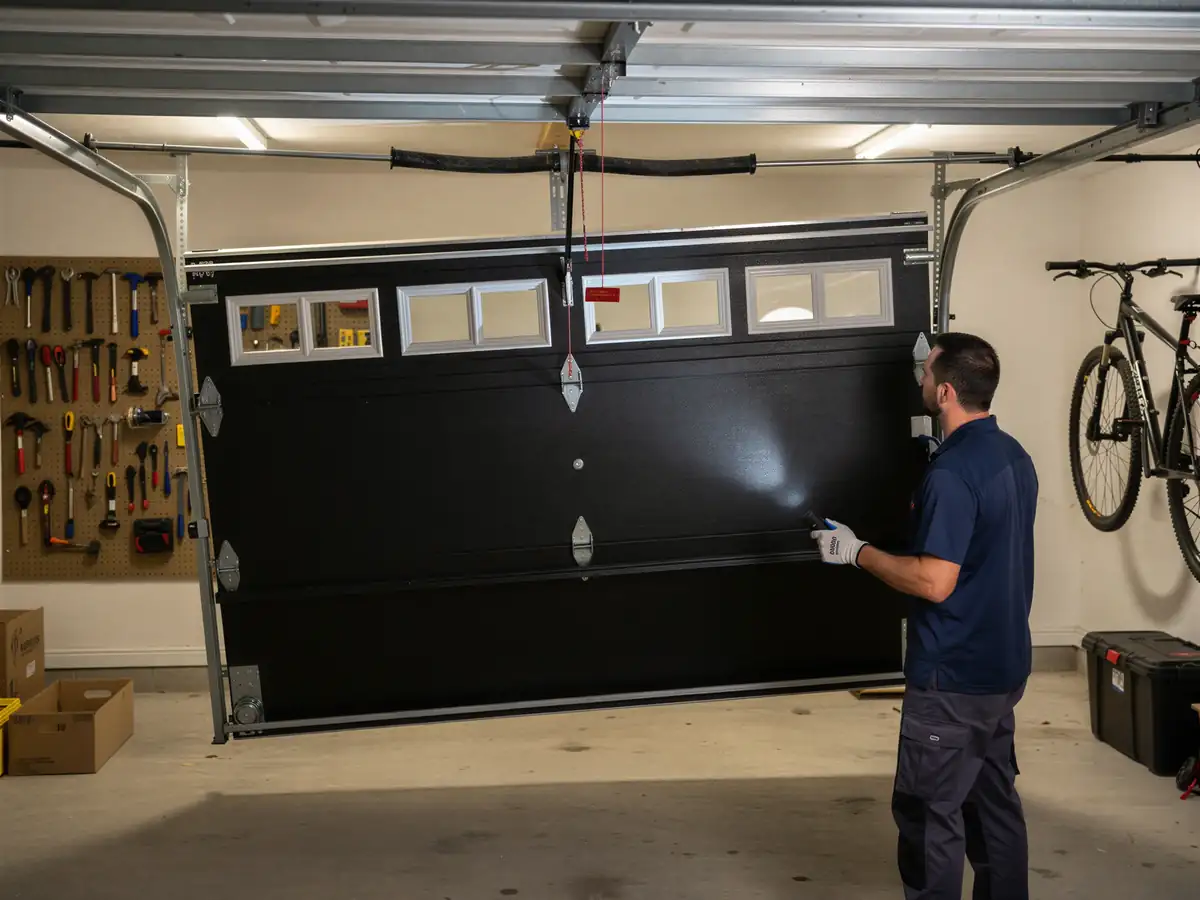
On a lot of these older setups, a failing capacitor or a sagging spring makes the opener motor work harder, and it looks like the opener is dying when the real load is coming from hardware that's been carrying the door since the house was built.
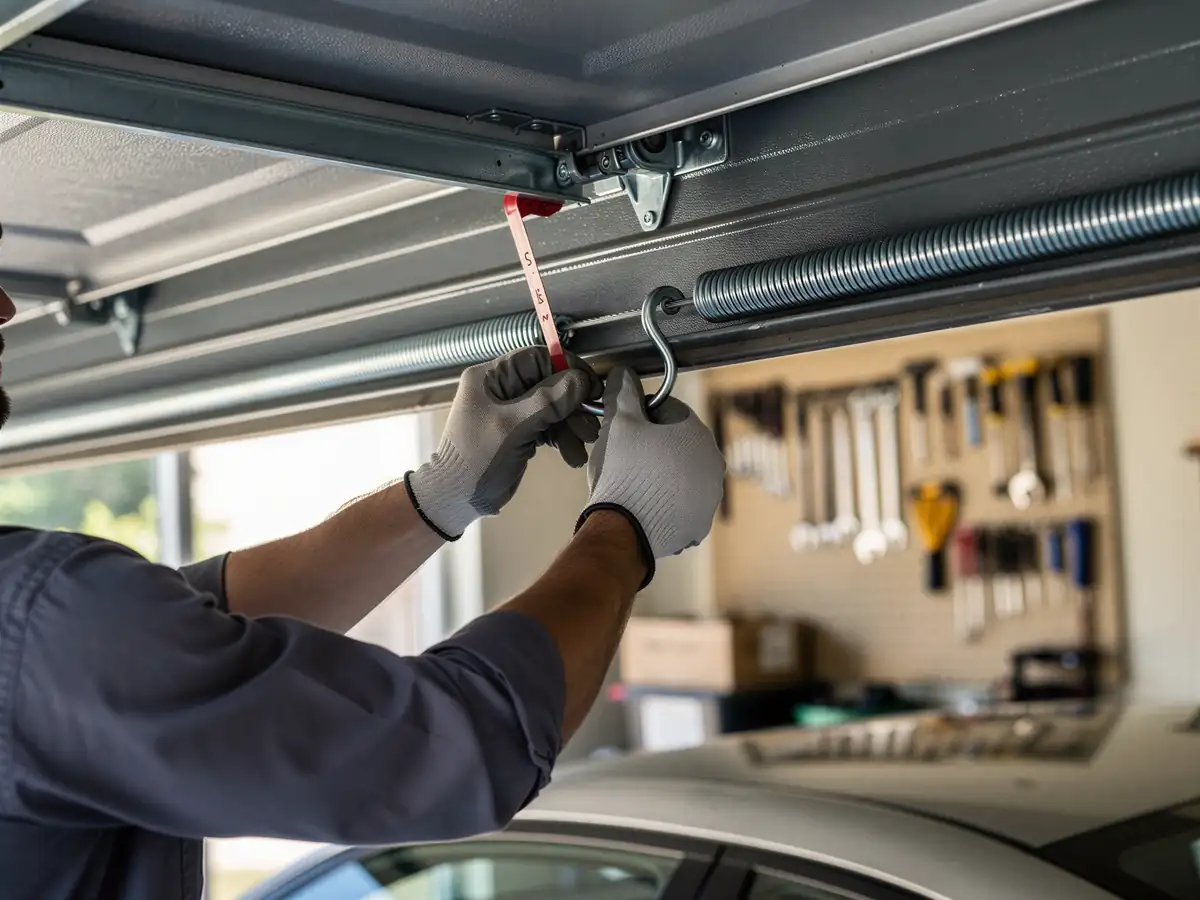
People also tend to delay once they notice the door is heavier to lift by hand
That's almost always a spring losing tension, not something that gets better with WD-40 and waiting. On original 1960s-70s hardware, that's the point to call, not after the cable snaps.
How Local Conditions Play In
The area runs through a stretch of close-in neighborhoods - Leisure City and Florida City both about two miles out, Naranja and Homestead Base around four, Princeton at six - and the housing in that stretch mostly tracks the same build era, 1957 to 2008 with a concentration in the 60s and 70s. That consistency matters for parts: a tech working this ground sees the same track widths and spring types repeatedly rather than a random mix.
Across the broader service area, there are 240,889 households and 97,913 owner-occupied houses, and median household income sits at $82,726. That combination tends to push the repair-versus-replace decision one way: owners here are often better served putting money into a full opener and spring replacement rather than patching a forty-year-old unit piece by piece, since the parts bill for chasing down obsolete components can rival the cost of a new setup.
The mild climate doesn't add urgency the way a harsh winter would, but decades of use on original hardware does, and that's the local condition that actually drives most of the calls we take.