What Changes With the Season
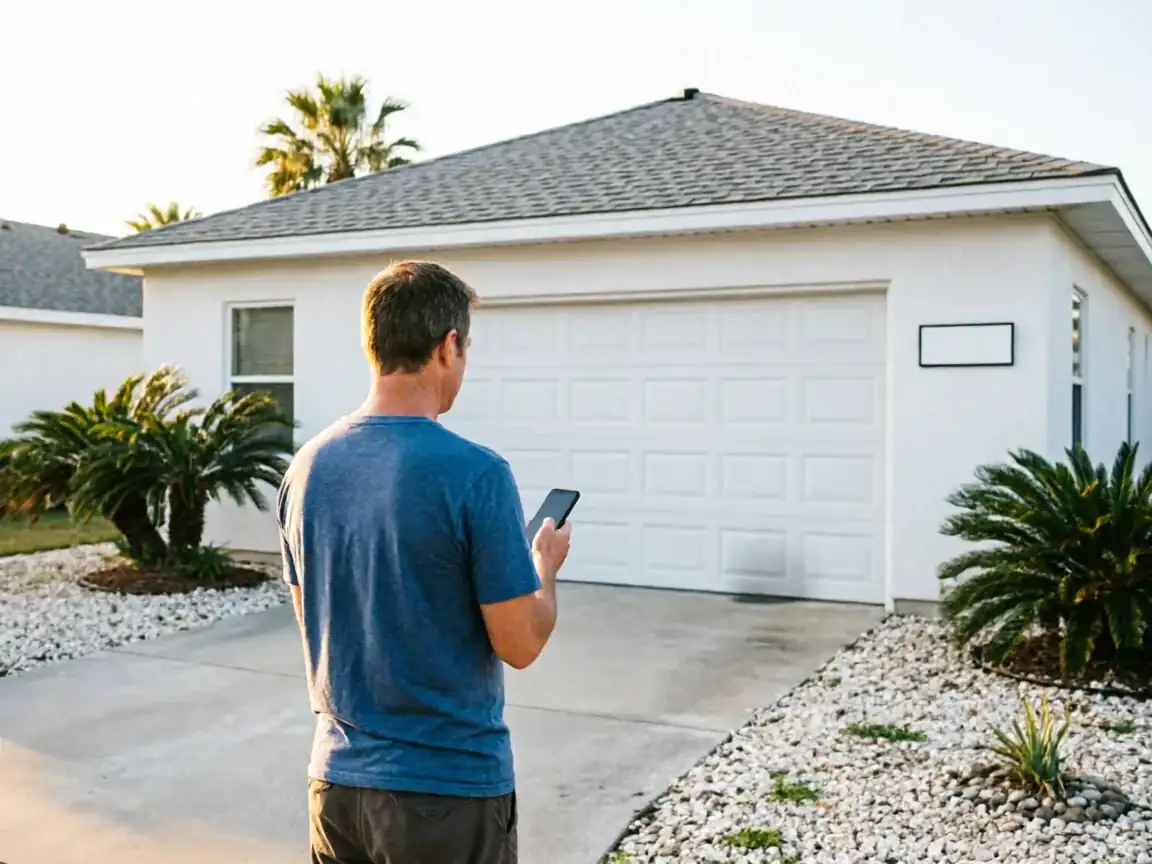
Homestead sits in a mild temperate band, so you're not dealing with the freeze-thaw cycle that cracks gears and seizes bearings up north. That's one less thing to worry about. But mild doesn't mean static - openers here run year-round without the winter downtime that gives a unit in a colder climate a rest. A chain-drive or worm-gear opener installed when a house was built in, say, 1979 (the median build year across this service area) has been cycling on the same motor and gear set for close to half a century if nobody's touched it. The seasonal story in a lot of places is about cold snapping parts. Here it's steady wear with no break, which shows up the same way: a gear that strips, a motor that hums but doesn't lift, a logic board that finally quits. The symptoms look identical to storm damage but they're really just mileage. If your opener is original to the house, the season doesn't change much for it - it's been working the whole time, and that's the issue.
The Problem
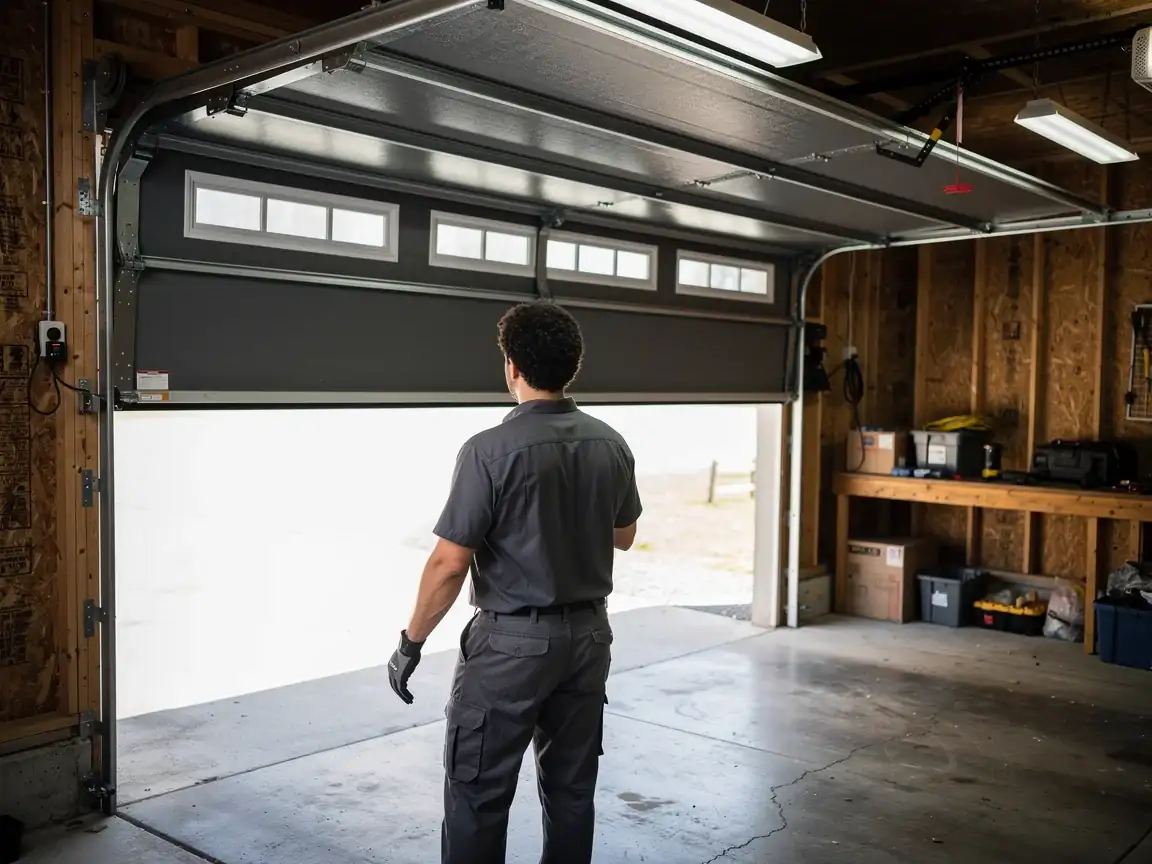
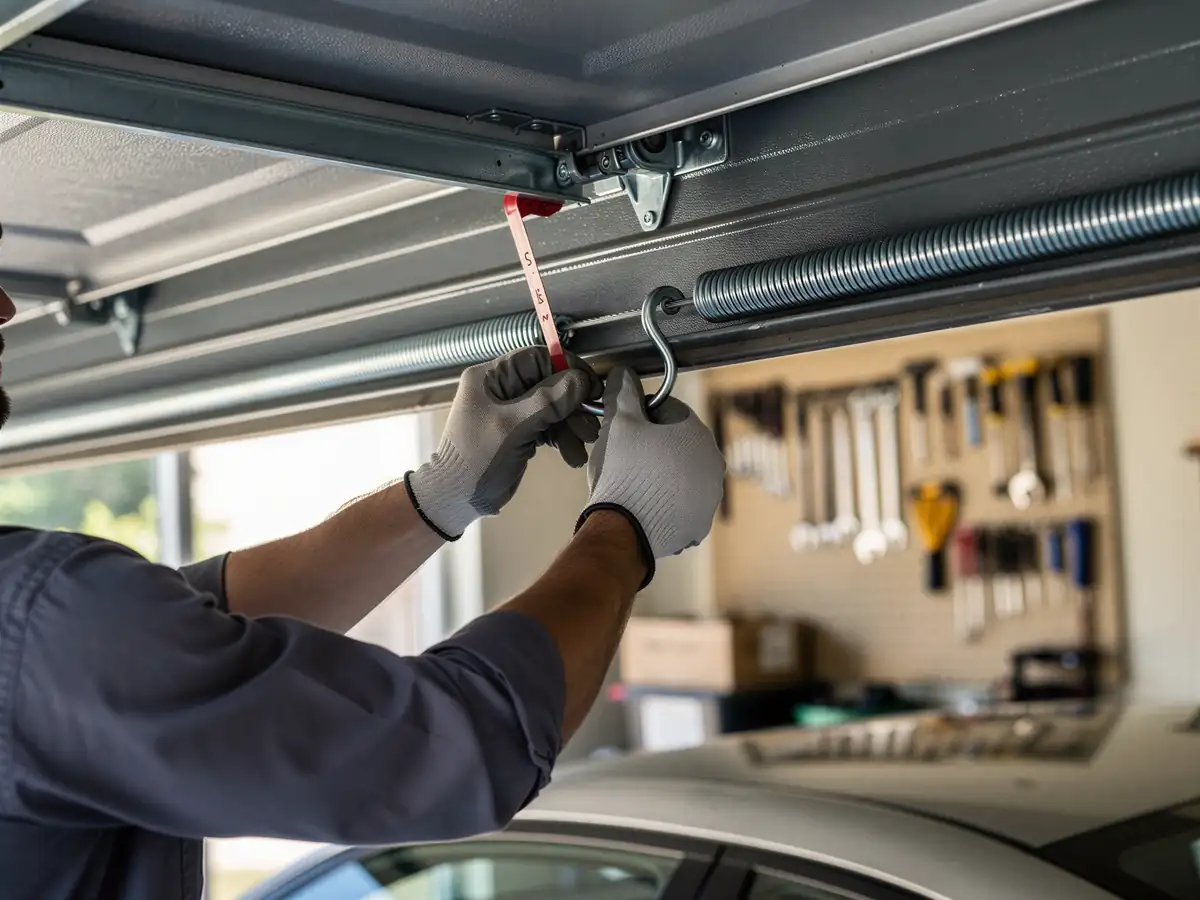
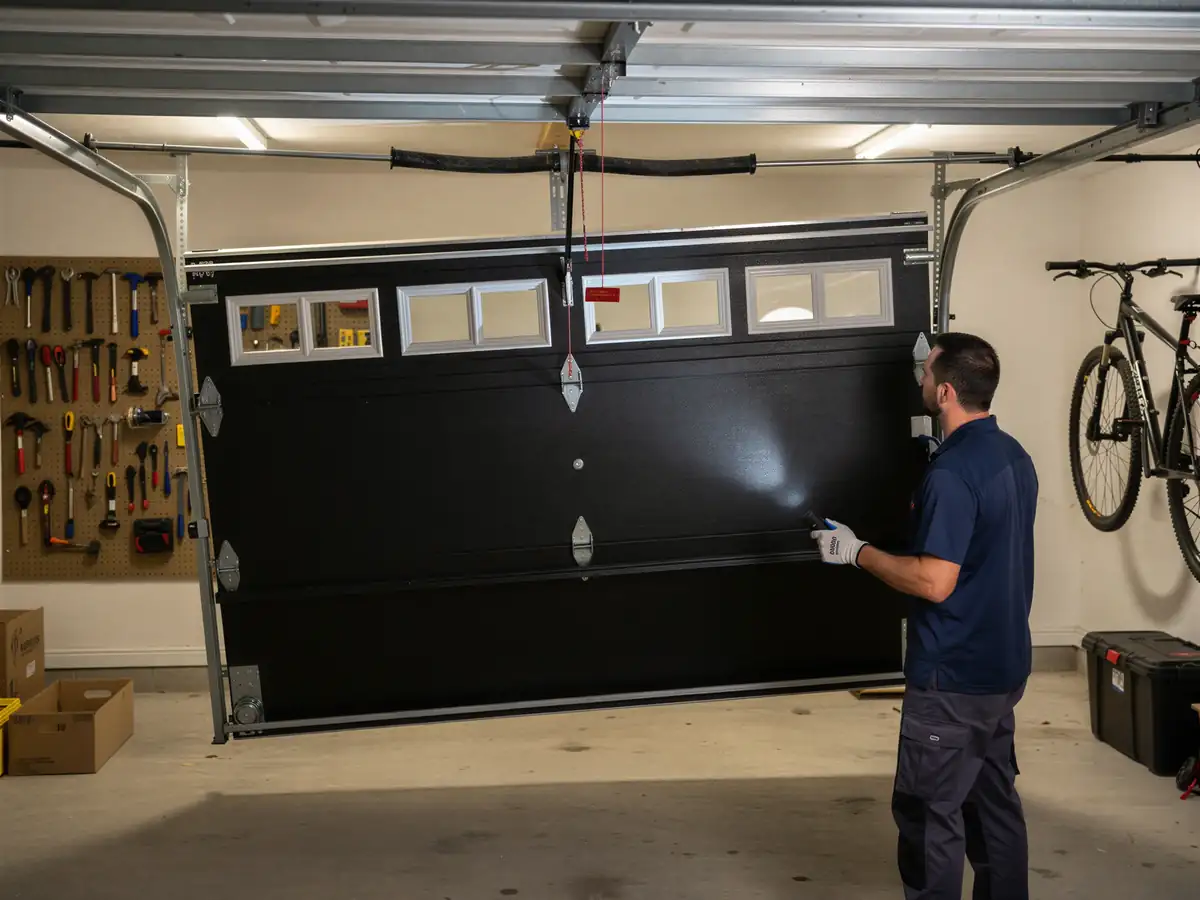
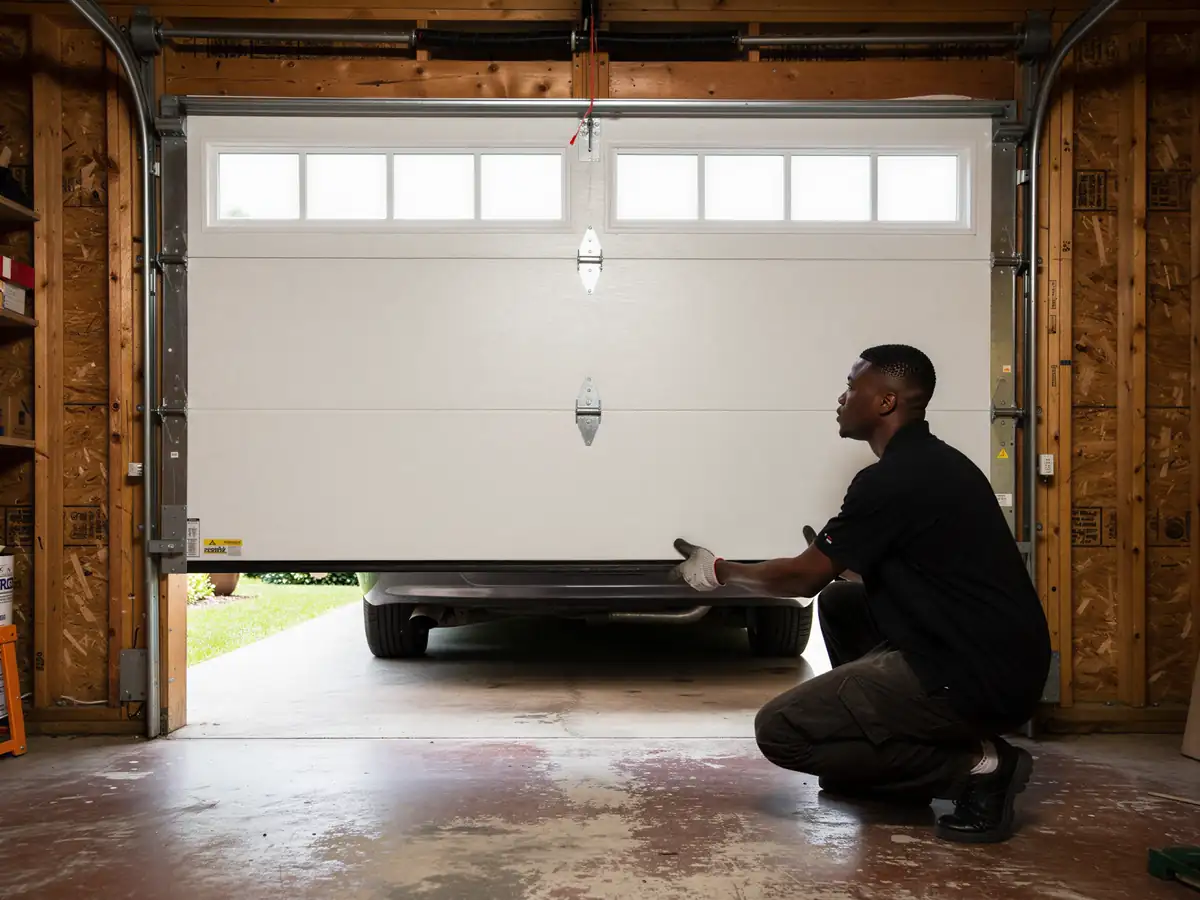
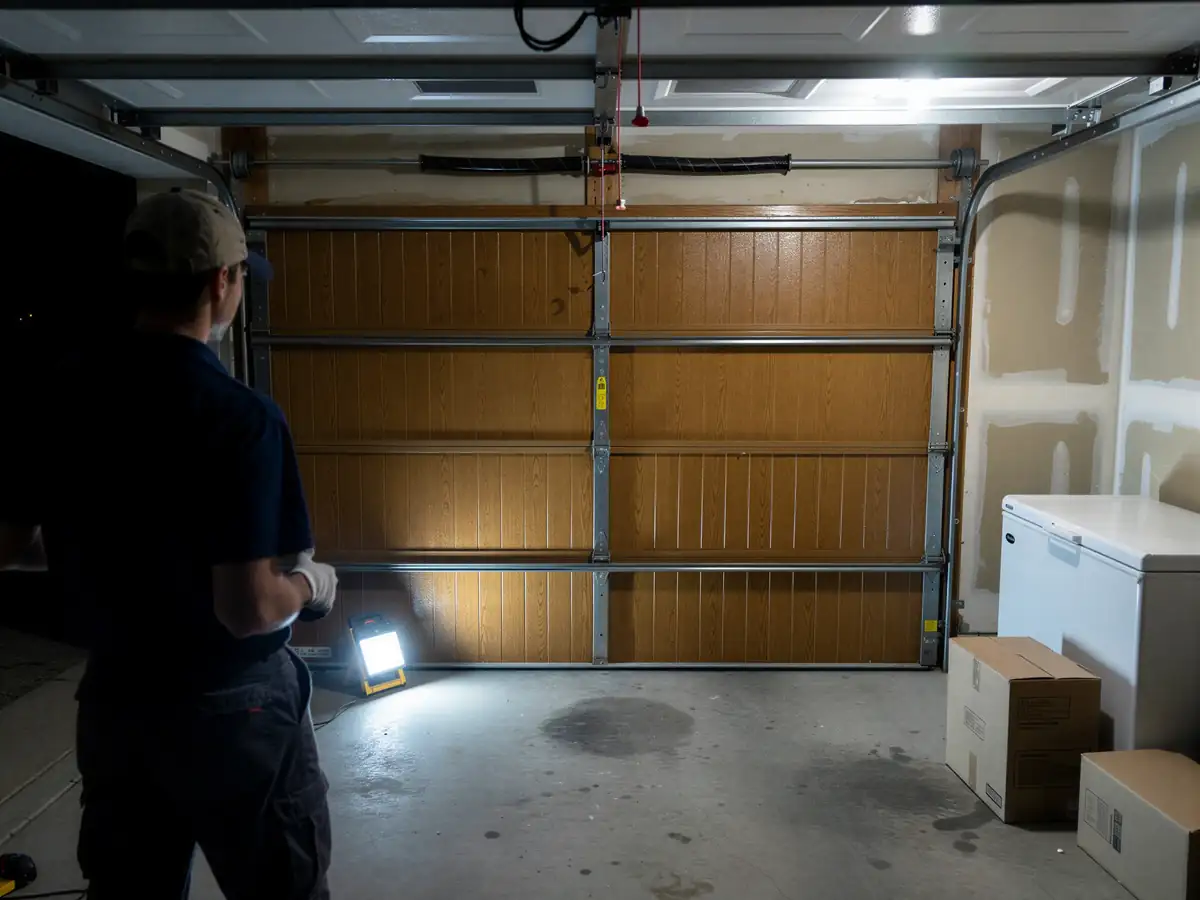
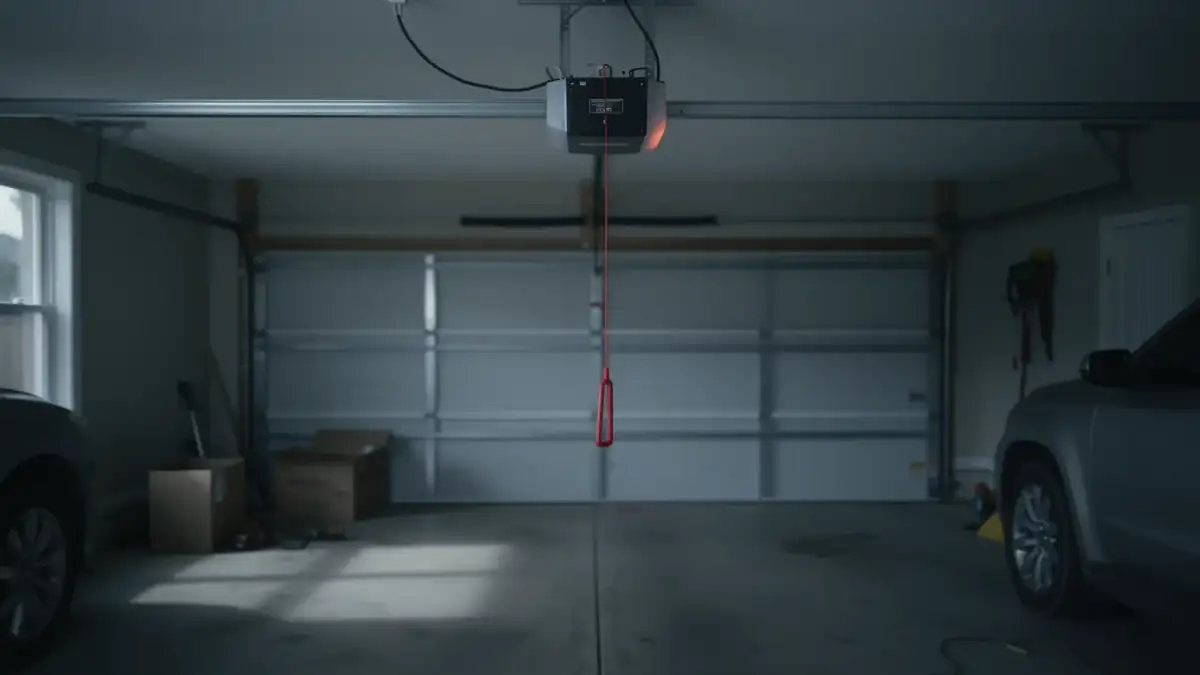
Housing across this area went up mostly between 1957 and 2008, with the bulk of it in that 1960s-70s wave repeated across the 28 named communities we see - the stock in Leisure City two miles out looks a lot like the stock in West Perrine eleven miles north. A big share of those openers are original or close to it, and original means no battery backup, because battery backup in garage door openers is a feature that came later. So when the power cuts, an original 1970s or 80s unit just stops. No standby, no slow-close on a cable release, nothing. The door is stuck wherever it was when the power dropped, and the only way in or out is the manual release cord, assuming the homeowner knows it's there and can reach it. This isn't a storm problem specifically - it's an age-of-the-opener problem that any outage, long or short, exposes. With 97,913 owner-occupied houses in this service area, that's a lot of garages running hardware that was never built to handle a dead grid gracefully.
How Local Conditions Play In
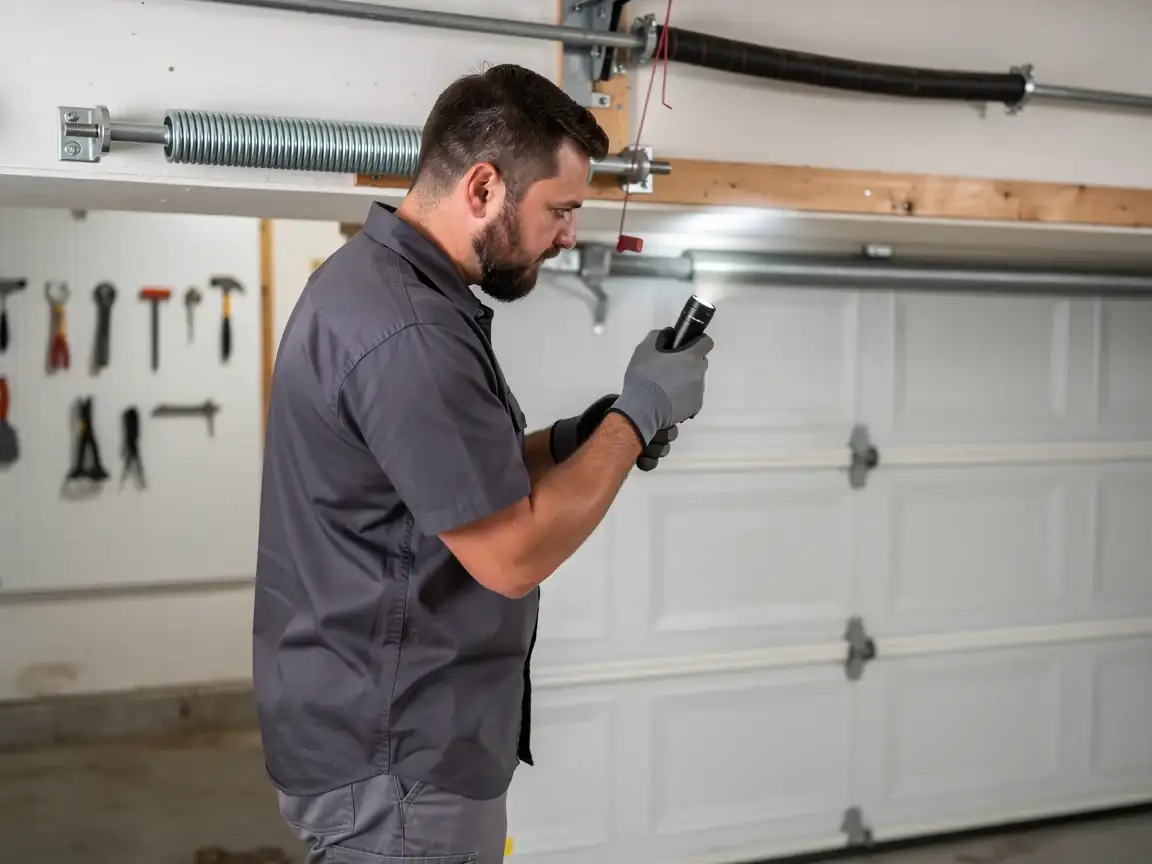
Mild temperate conditions mean the door and track aren't fighting ice or extreme heat swings, so when something fails here, it's almost never a weather-stress failure - it's an age failure, and the age is set by when the house was built. Across the service area, from Florida City and Naranris near Homestead Base out to places eighteen and nineteen miles off like Coral Gables and South Miami, the housing wave is the same: 1957 to 2008, median 1979. That consistency is actually useful - it means we're usually looking at the same handful of failure points no matter which of these 28 areas the call comes from. A power cut doesn't create a new problem; it just finds the opener that was already on its way out. The honest limit here: we can tell you an opener's likely age from the house, but we can't diagnose a specific unit's condition without seeing it. A quick look at the motor, the gear, and the manual release tells us more than any guess based on the build year alone.