The DIY Question
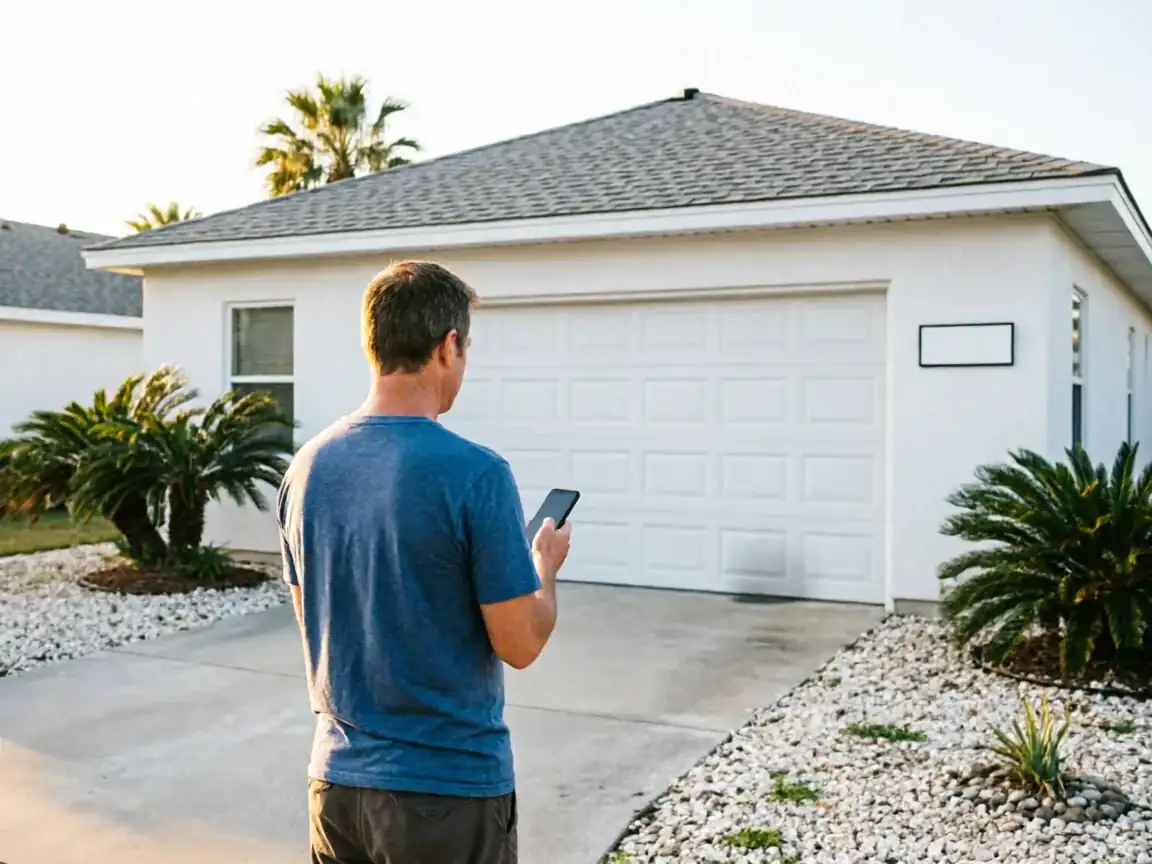
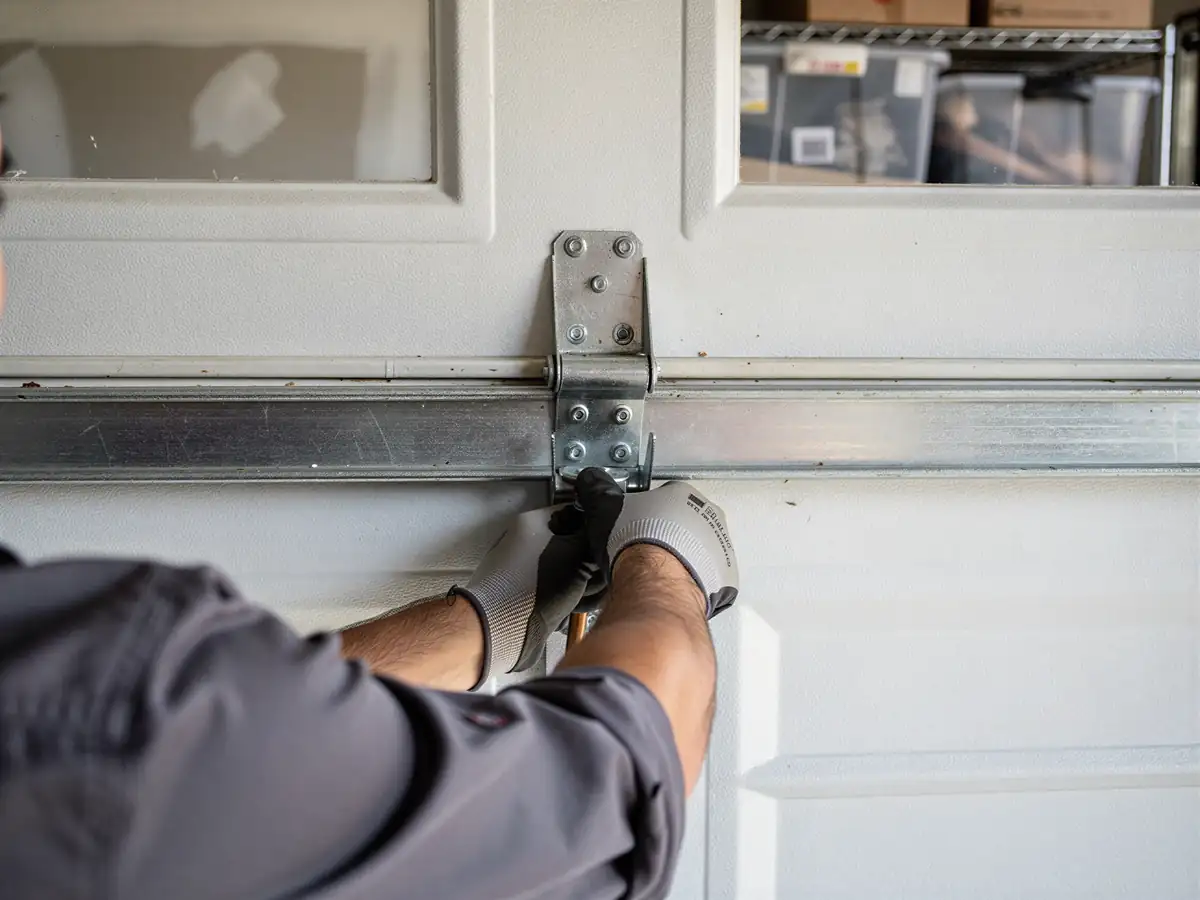
A lot of Homestead owners start with a YouTube video and a trip to the hardware store. For small stuff - a loose roller, a sensor that needs wiping down, a track bolt that walked itself loose - that's fine. Do it yourself and save the call.
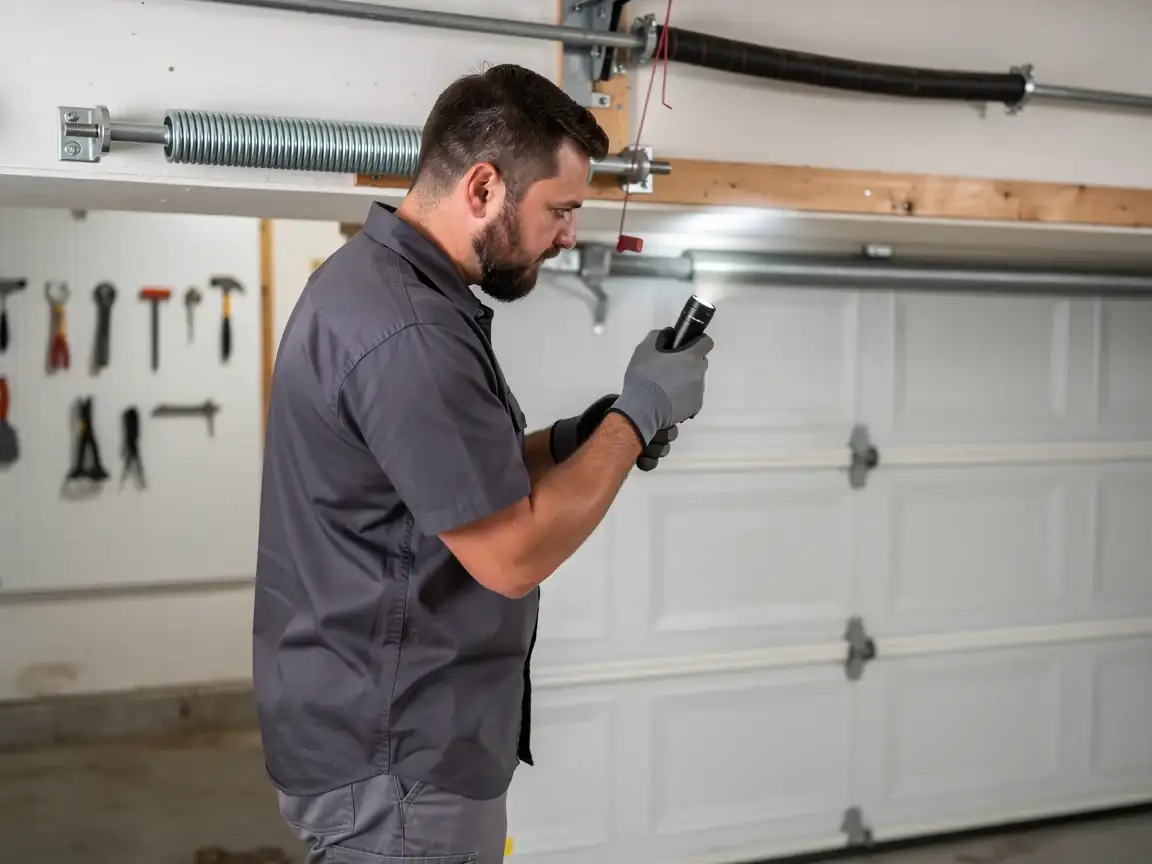
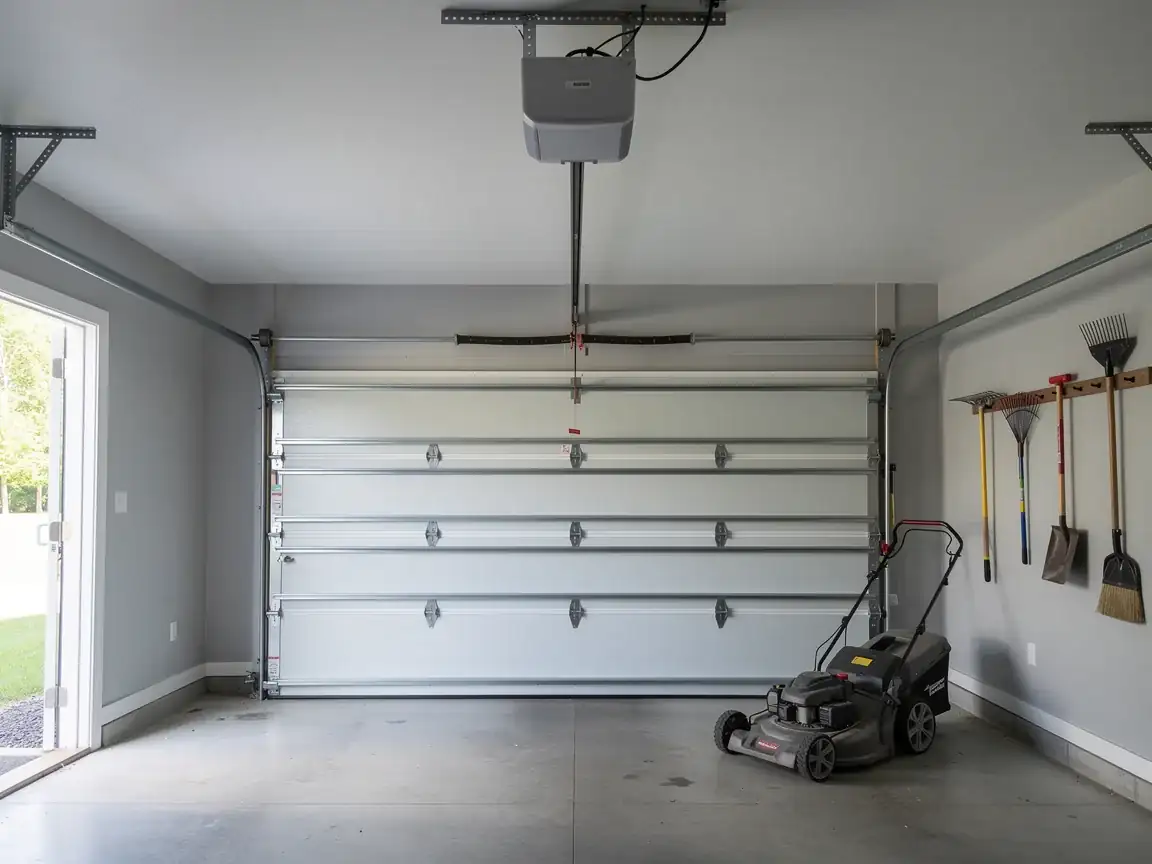
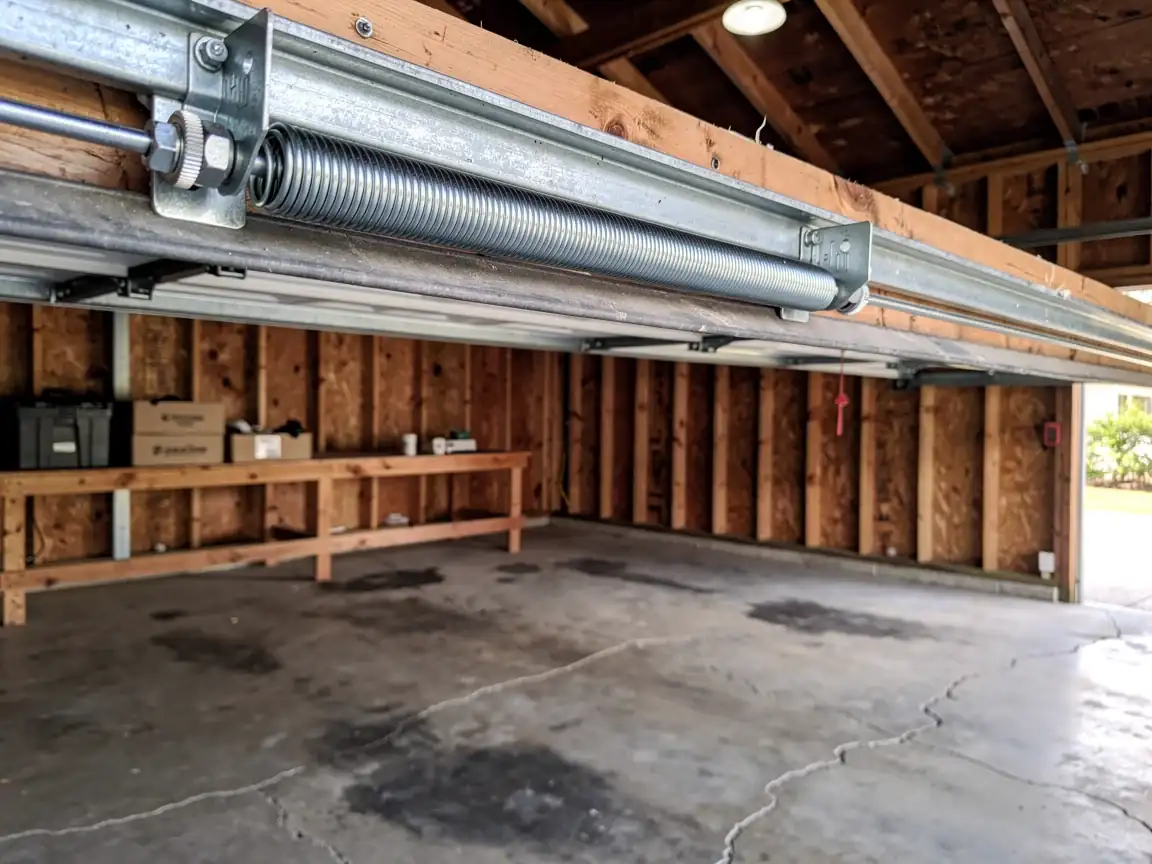
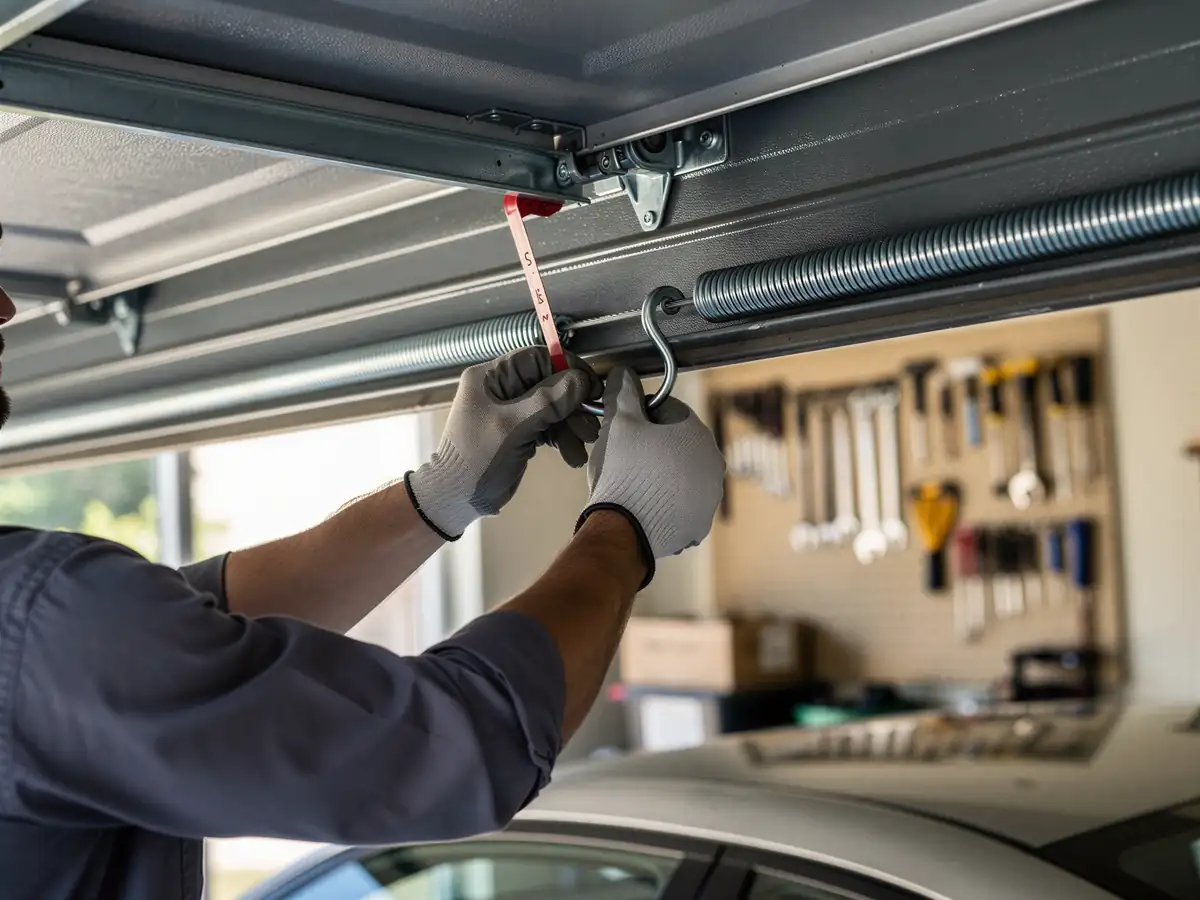
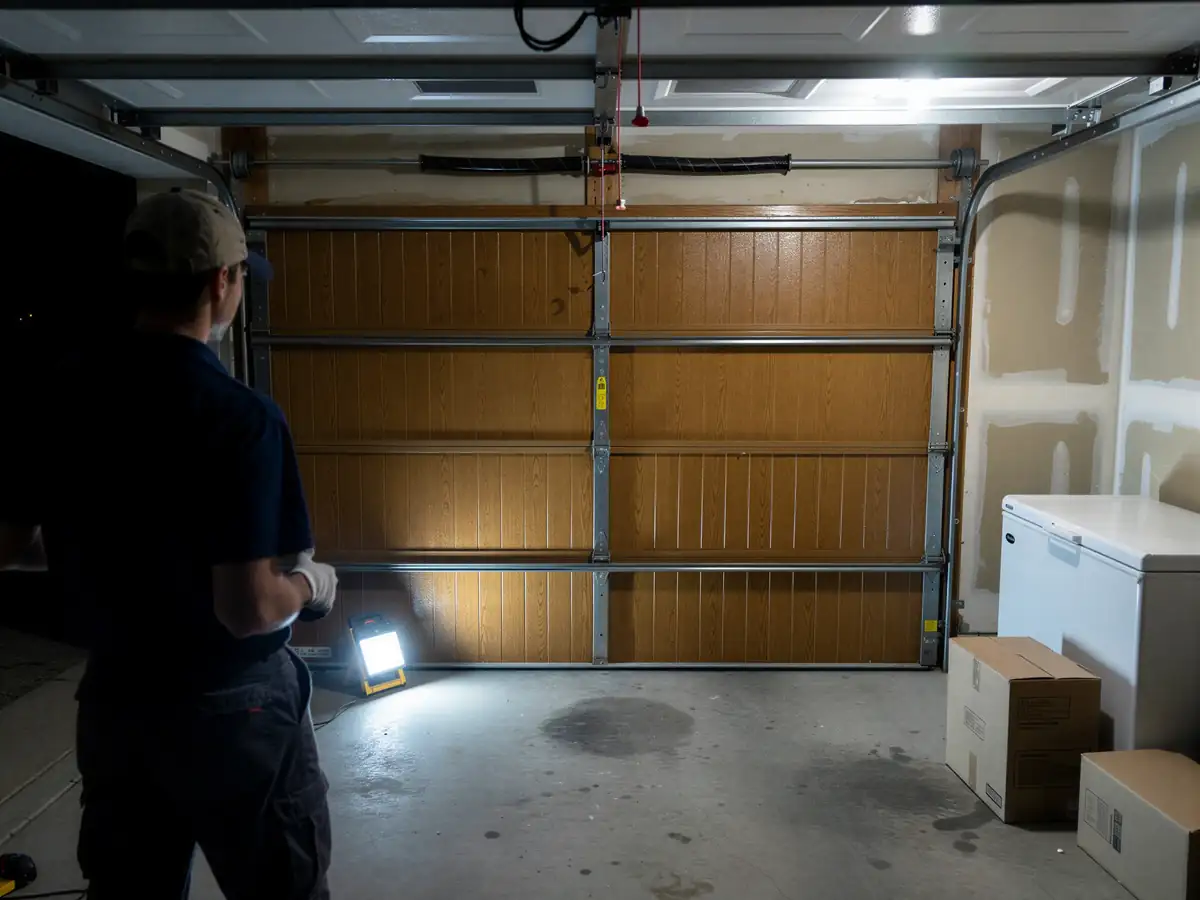
Torsion springs are where that plan stops making sense. A door in this area typically runs a single or double torsion spring under heavy tension, and the winding bars and cable drums involved aren't forgiving of a first attempt. Same goes for anything that involves disconnecting the opener arm while the spring is still loaded. We're not saying this to upsell a visit - we're saying it because the failure mode on a mis-wound spring is a trip to the ER, not a redo.
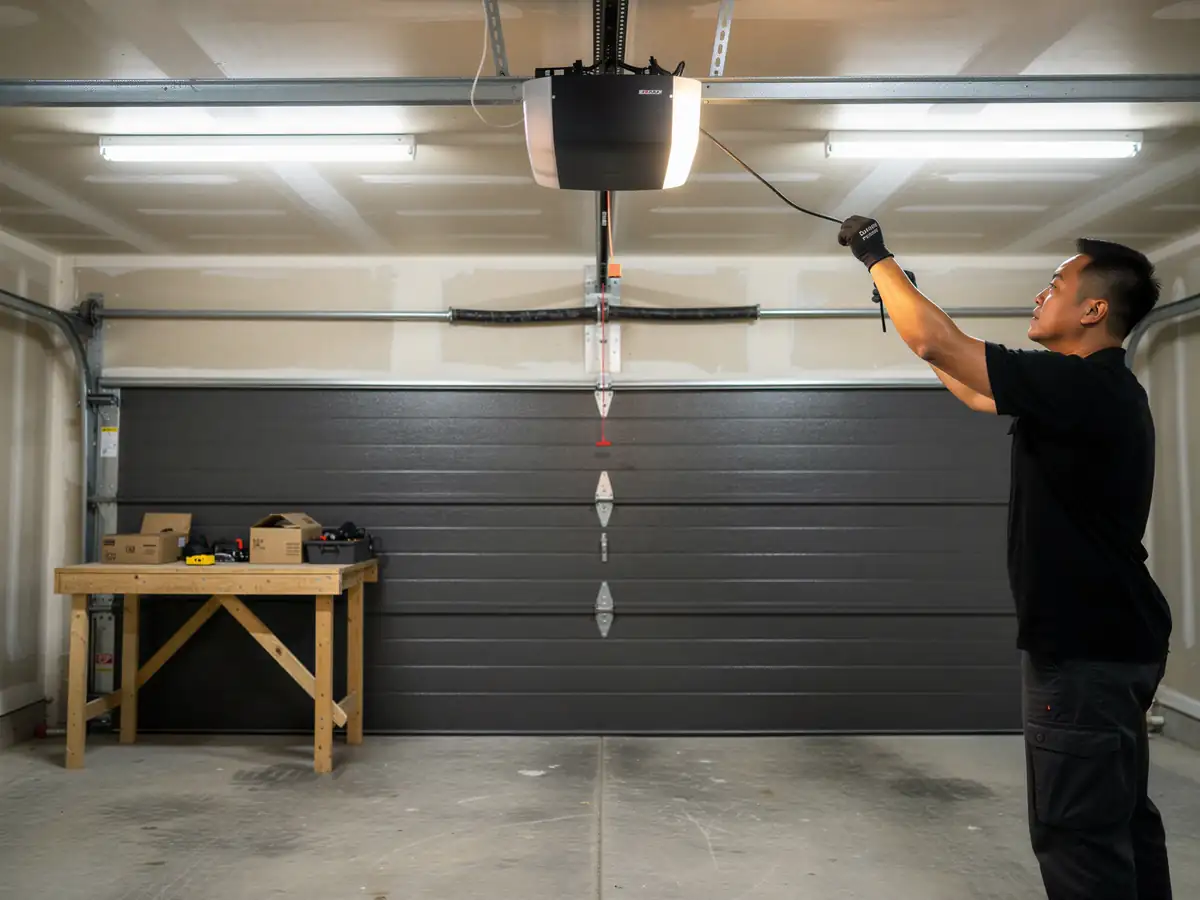
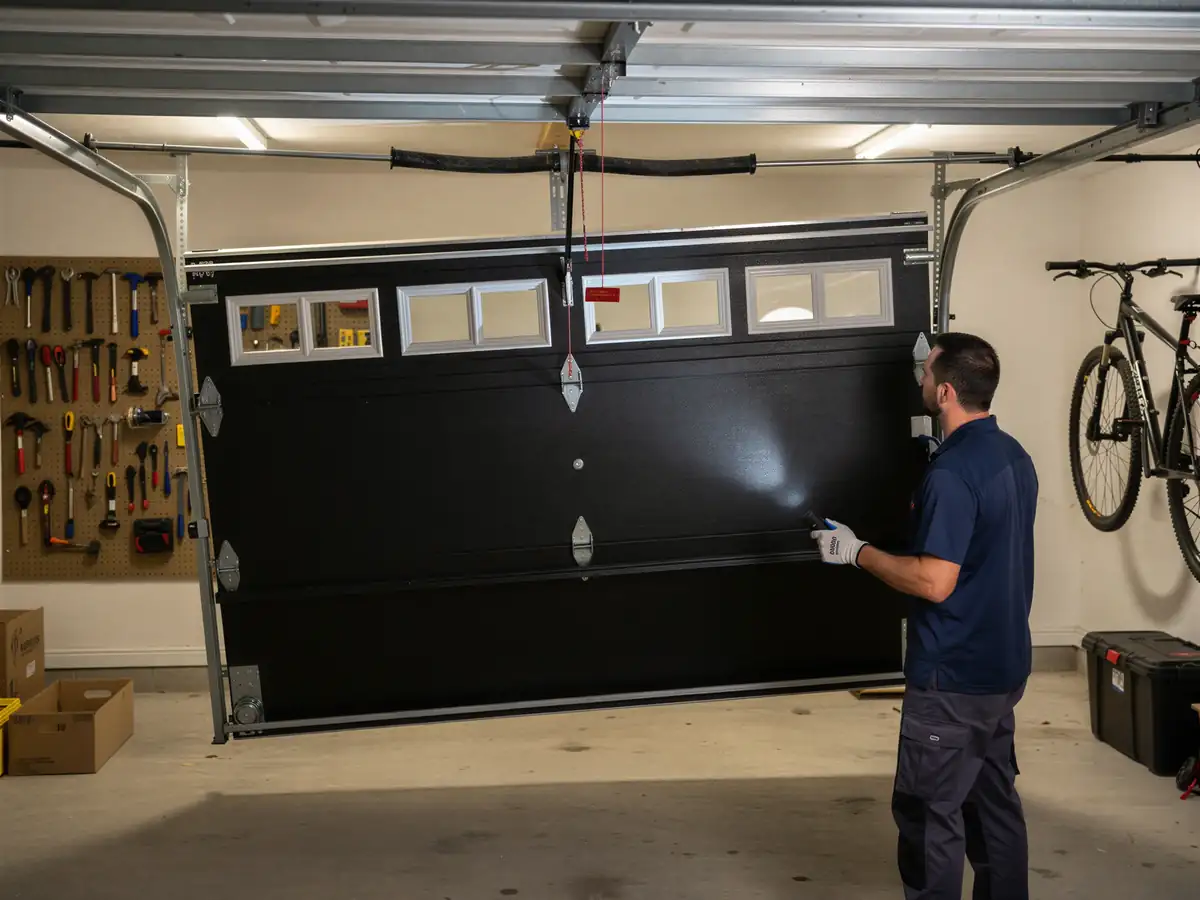
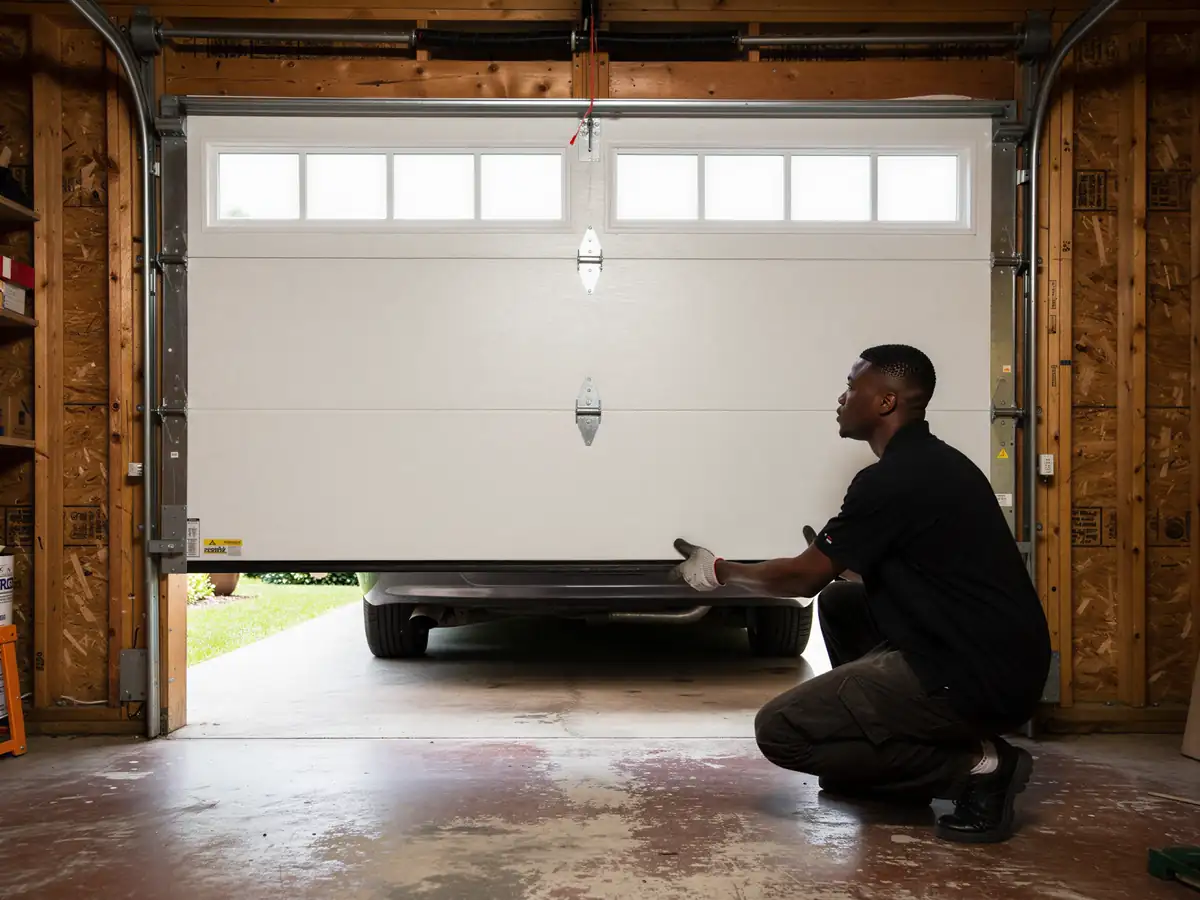
What you can safely check yourself: the photo-eye sensors near the floor, whether the door is balanced (pull the release, lift it halfway, see if it holds), and whether the weep holes on the track are clogged with the usual yard debris. If the door won't hold at half-travel, that's a spring question, not a lubricant question, and it's past the DIY line.
What You Are Seeing
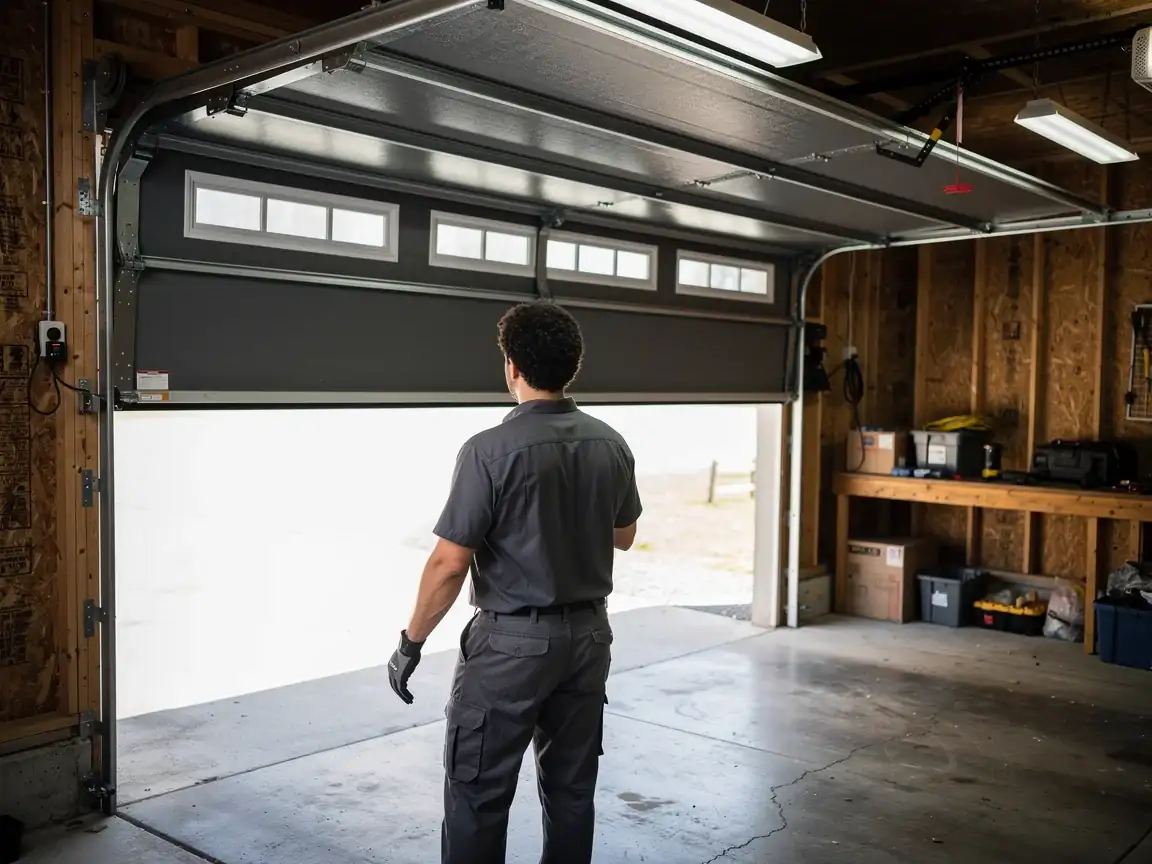
Most of the calls we get in Homestead fall into a short list. A door that's suddenly heavy to lift by hand, or won't stay up on its own, usually means a torsion spring has lost tension or snapped outright. A door that reverses right after it starts closing is almost always the photo-eye sensors, misaligned or sun-glared. A door that shudders, bangs, or jumps the track partway down points to a bent track or worn rollers, more common on homes with the older steel rollers from original builds.
Opener issues show up differently: a motor that hums but doesn't move the door, a remote that works intermittently, or a unit that runs but the door doesn't fully seat at the floor. On Homestead's older housing stock, we also see drums and cables that have simply worn past service life - nothing dramatic, just years of cycles catching up with the hardware.
If your door is making a grinding noise specifically on the way down, not the way up, that's worth paying attention to before it becomes a stuck door. It's usually a roller or a drum, and it doesn't get better on its own.
Why This Fails Locally
Homestead's housing stock runs 1957 to 2008
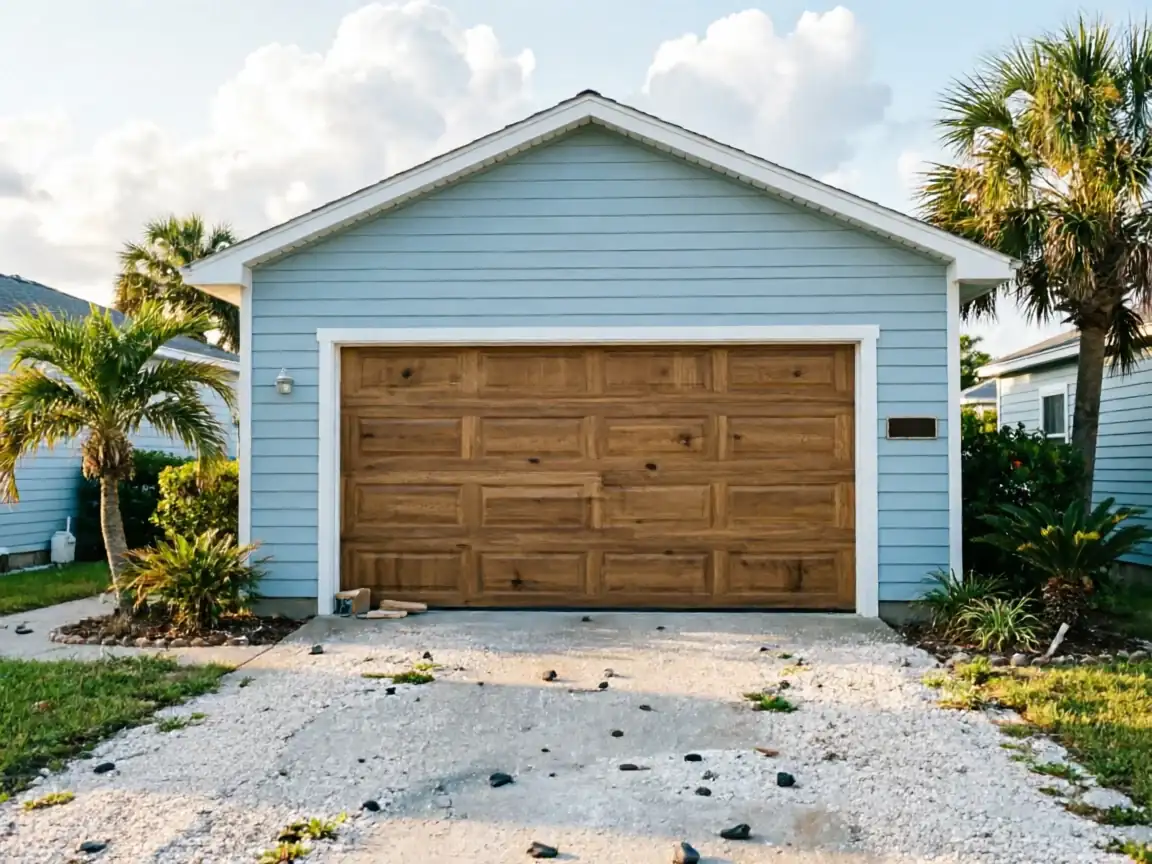
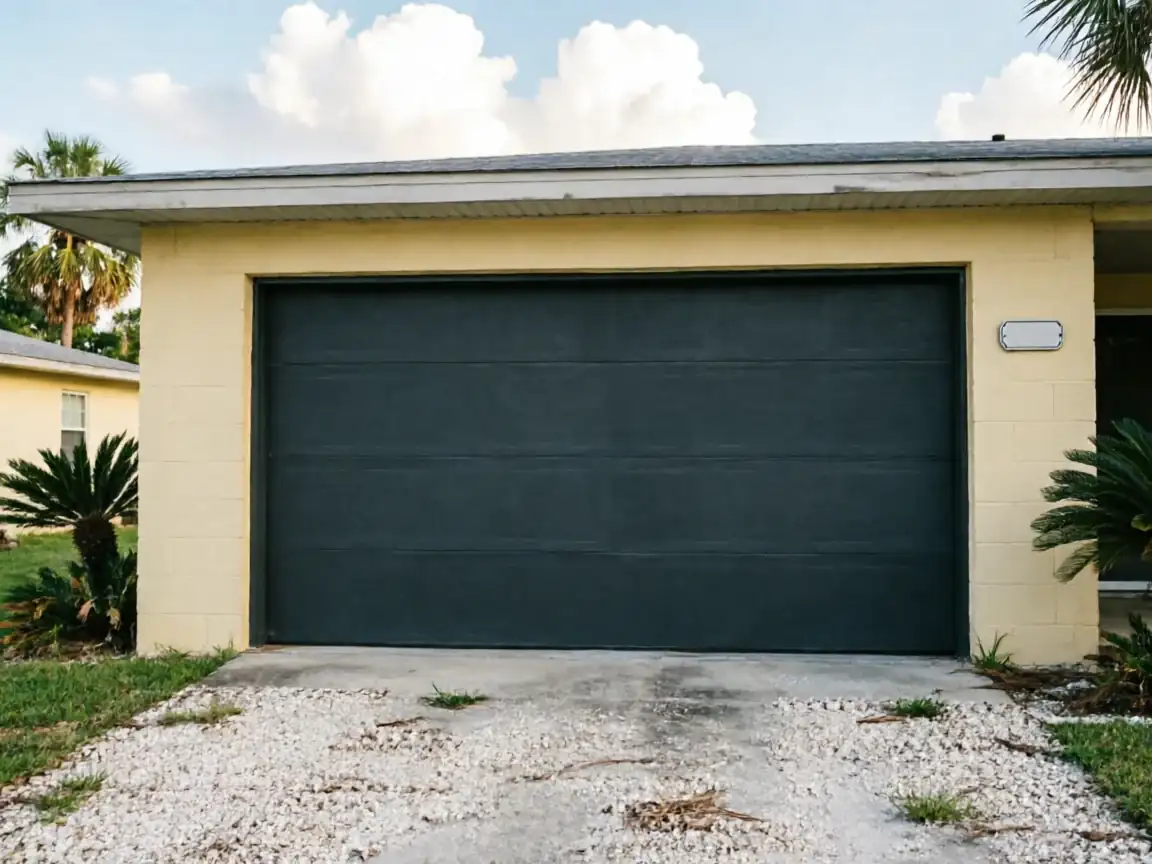
With a lot of it built in the 1960s and 70s across the area's 28 named neighborhoods - which means a large share of doors and openers out there are original to houses that are now 50-plus years old, or they're a first replacement from decades back. Original one-piece and early sectional doors here often ran lighter-gauge steel and smaller-diameter torsion springs than what gets installed today, so when that spring finally gives out, it's not a like-for-like swap - the hardware has to be matched to a door frame design that isn't current.
The mild, temperate climate here doesn't put the extreme freeze-thaw stress on hardware that you'd see further north
So metal fatigue tends to be slower and more gradual - but it doesn't disappear. Humidity and consistent heat still dry out lubricant faster than owners expect, and galvanized springs on older homes corrode quietly from the inside of the coil, which is why a spring can look fine right up until it snaps. On a lot of these houses, the opener has also been swapped once already over the decades, which means the spring, the drums, and the opener may not have been serviced as a matched system in years.
Booking a Visit
We work across the Homestead area, including Leisure City, Florida City, Naranja, and Homestead Base close by, out through Princeton, Goulds, and South Miami Heights, and into the Kendall-area communities further out. If you're not sure whether your address falls in range, just ask when you call.
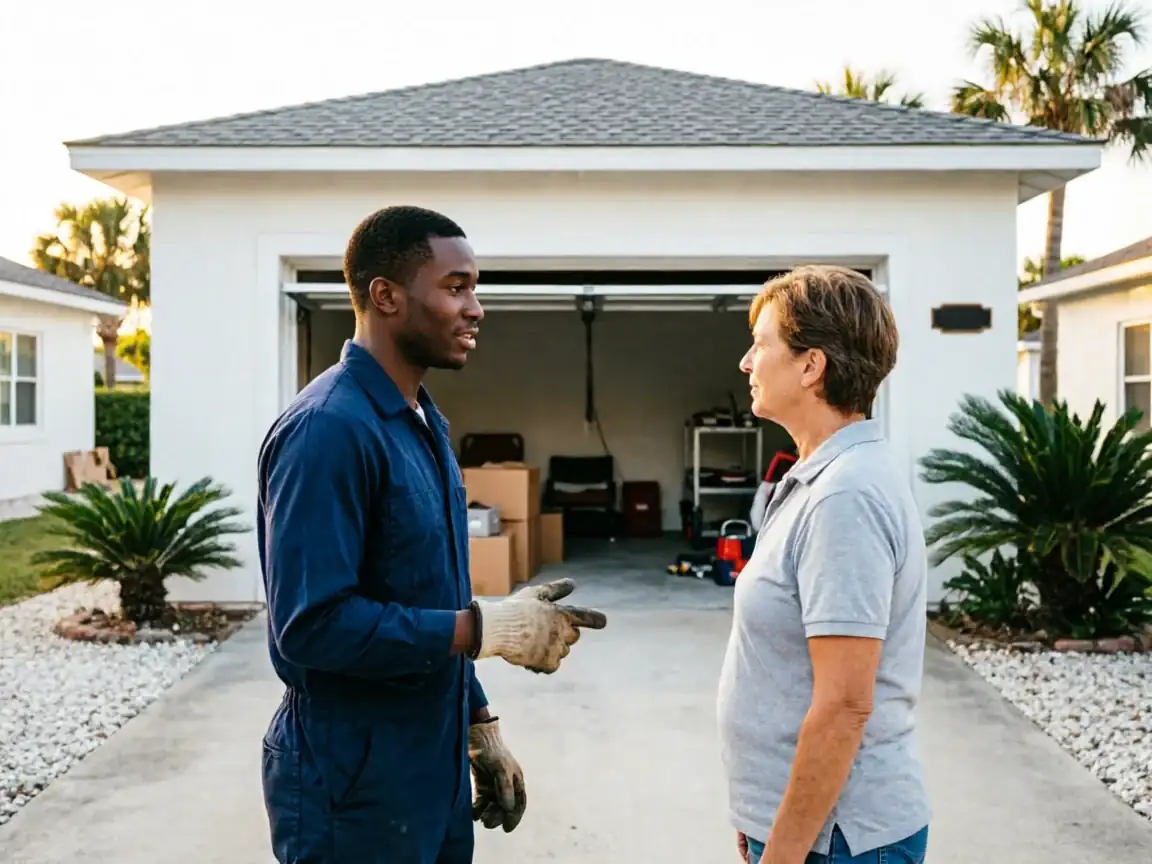
Before we come out, it helps to know roughly what's going on: does the door move at all, does it move but sound wrong, or has it stopped responding completely. That lets us bring the right spring size or roller stock on the first trip instead of a second one.
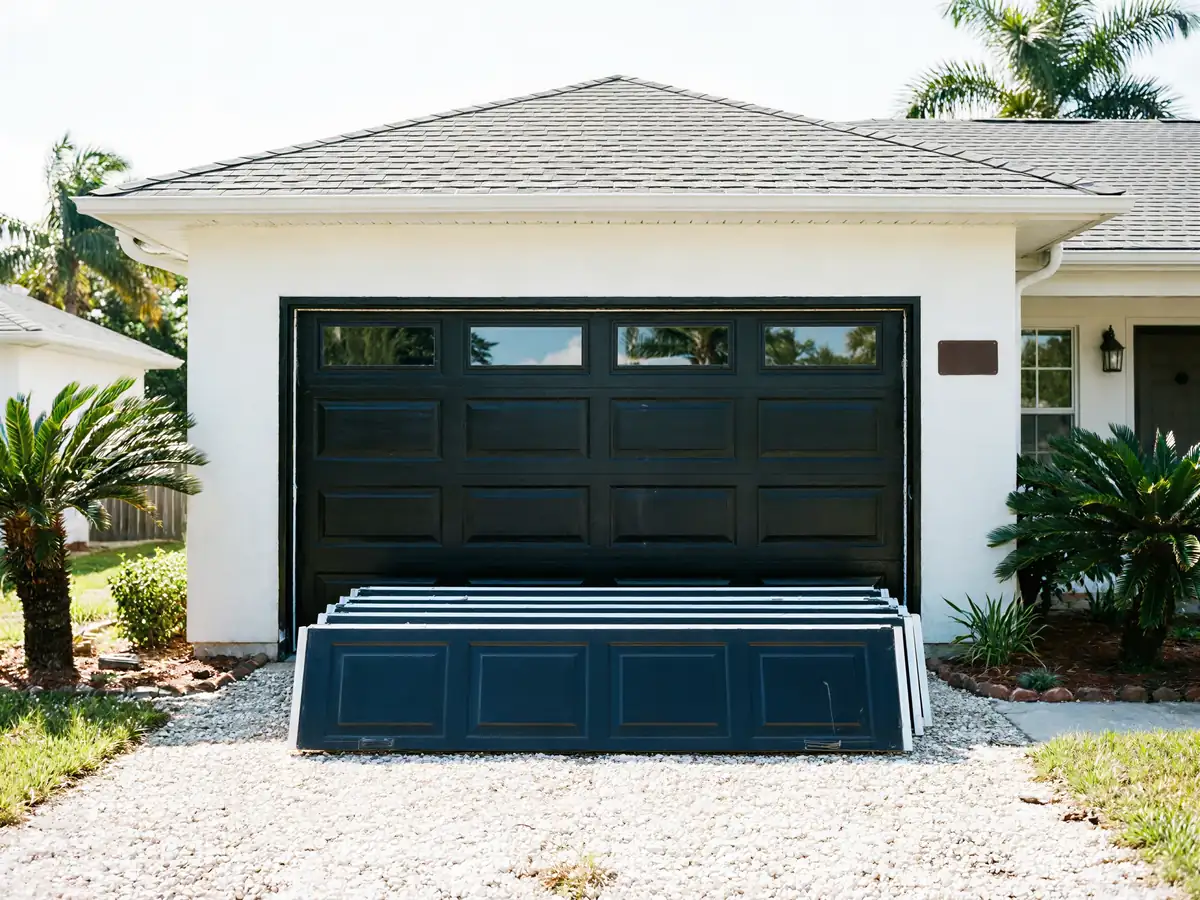
One limit worth being upfront about: if your opener or spring is a discontinued model from an original 1960s or 70s installation, matching parts can take longer to source than a standard modern unit. We'll tell you that on-site before any work starts, not after. For everything else - torsion springs, openers, track, rollers, cables - we handle it as a same-visit job whenever the parts are in the truck.