What Changes With the Season
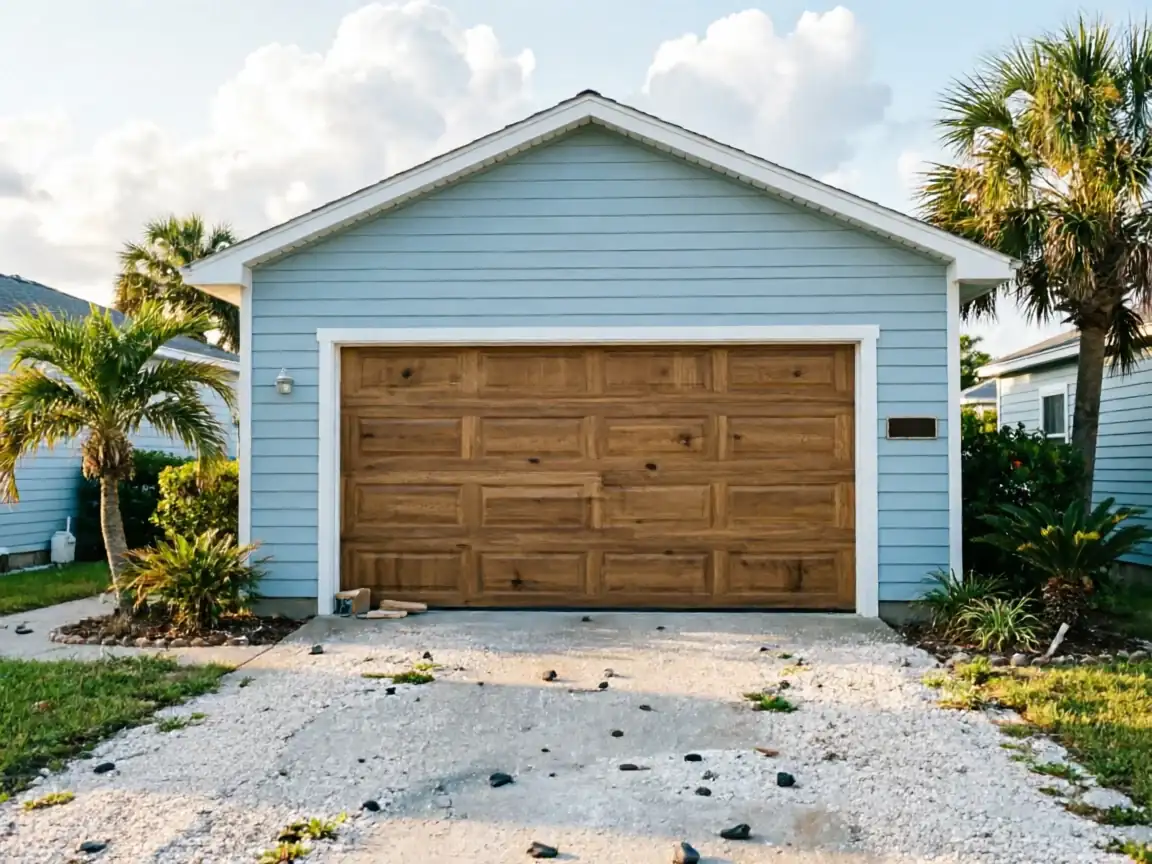
Homestead sits in a mild temperate band, so you're not dealing with hard freezes that crack seals or seize hardware the way colder regions do. What you do get is steady heat and humidity that swing with the wet and dry parts of the year, and that cycling matters more than people think on a door that's been hanging in the same opening since the 1960s or 70s. Steel panels expand and contract, lubricant on tracks and hinges breaks down faster in sustained heat, and wood trim around older openings swells and shrinks with moisture rather than freezing. Most of the housing across this service area went up between 1957 and 2008, with the bulk of it concentrated in that 60s-70s window, so a lot of doors and openers are working through their third or fourth decade of these cycles. The failures you see aren't dramatic weather events. They're slow: a spring that's lost tension from years of heat exposure, rollers that have dried out and started chattering, a sensor alignment that's drifted because the frame itself has moved slightly over fifty-plus years. None of that shows up as an emergency until the day it does.
The Problem
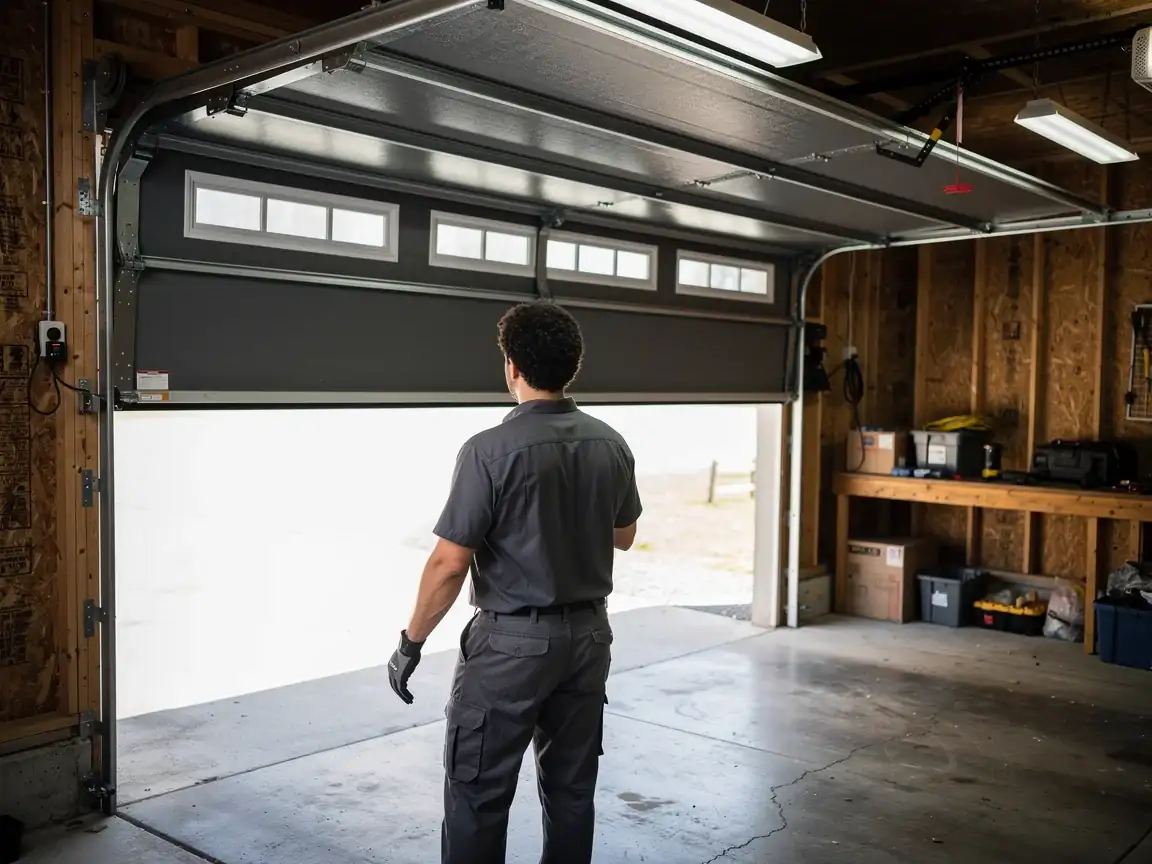
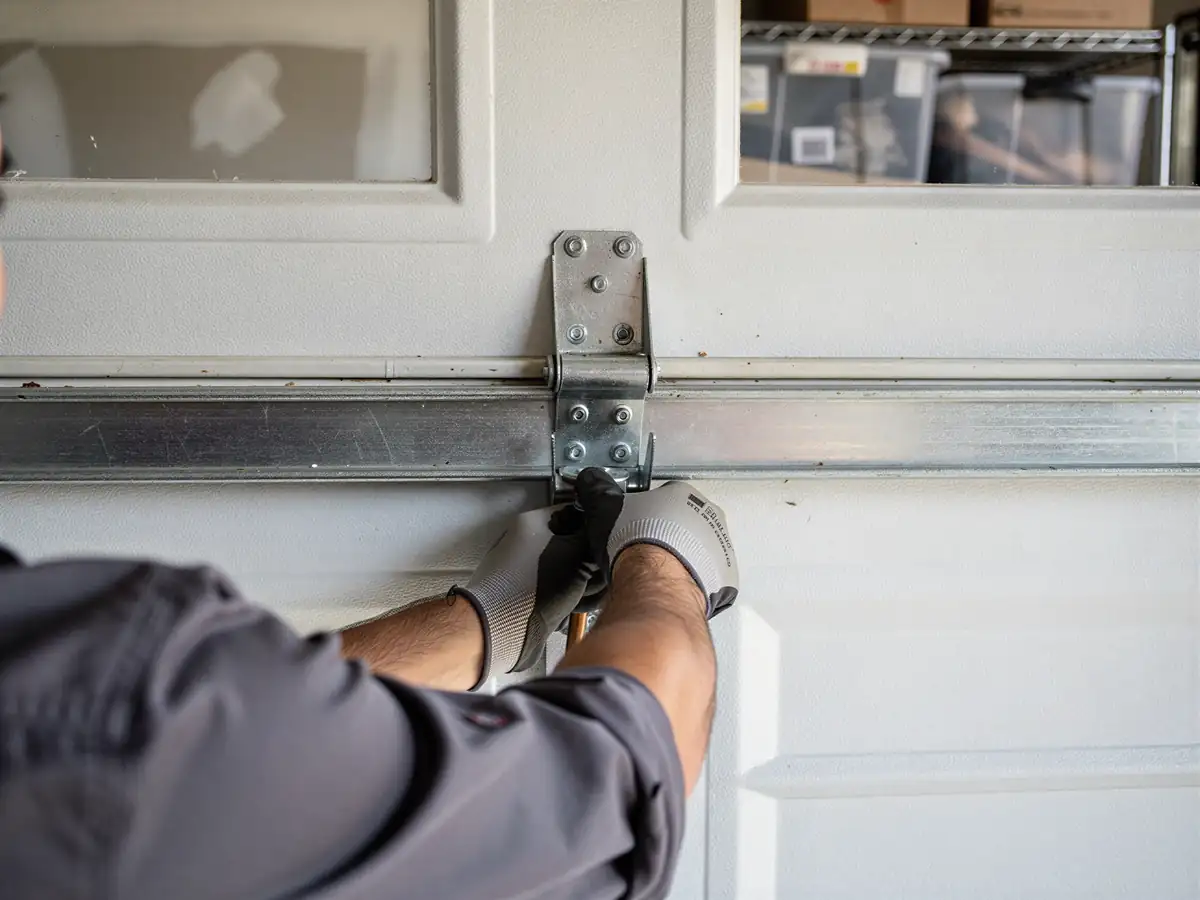
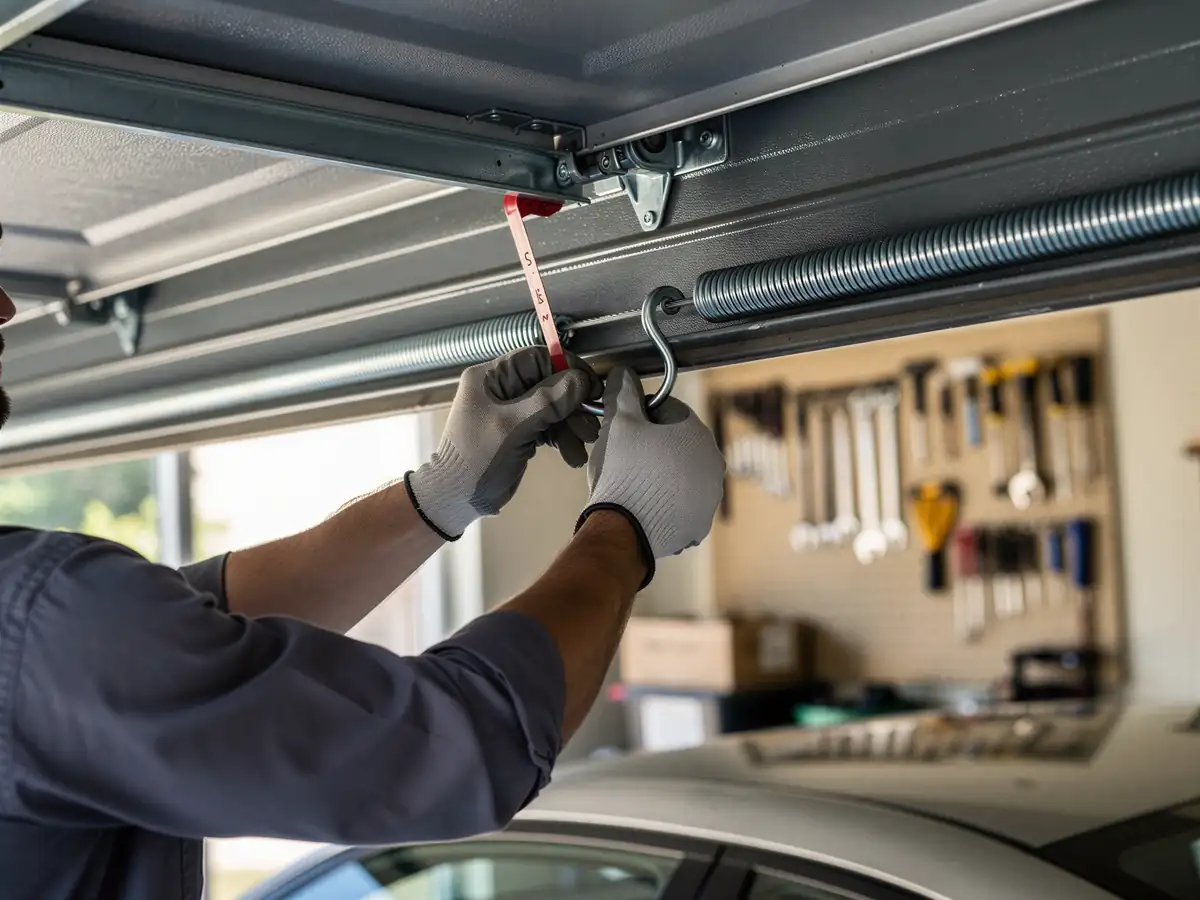
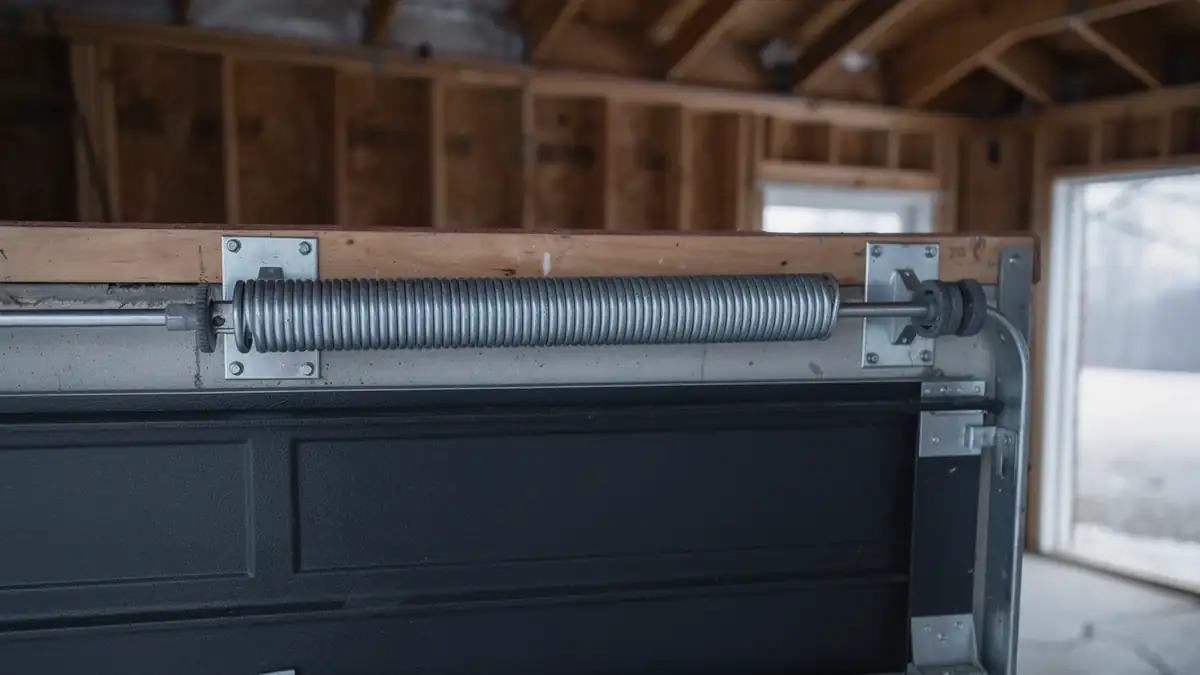
The problem with a mild climate is that it doesn't force maintenance. There's no first-frost reminder to check your weatherstripping, no blizzard that makes you think about your opener battery backup. So doors from the 1960s and 70s stock common across this area just keep running until something gives, often a torsion spring that's been quietly weakening for years under heat cycling rather than cold. On a double door that spring failure can happen with no warning at all. Owners in homes built during that median 1979 window are also living with original hardware specs that don't match what's sold today - a replacement spring or a track bracket bought off a shelf often isn't a direct fit, and that mismatch is one of the more common causes of a repair that looked simple on paper but took an extra trip and an extra part.
How Local Conditions Play In
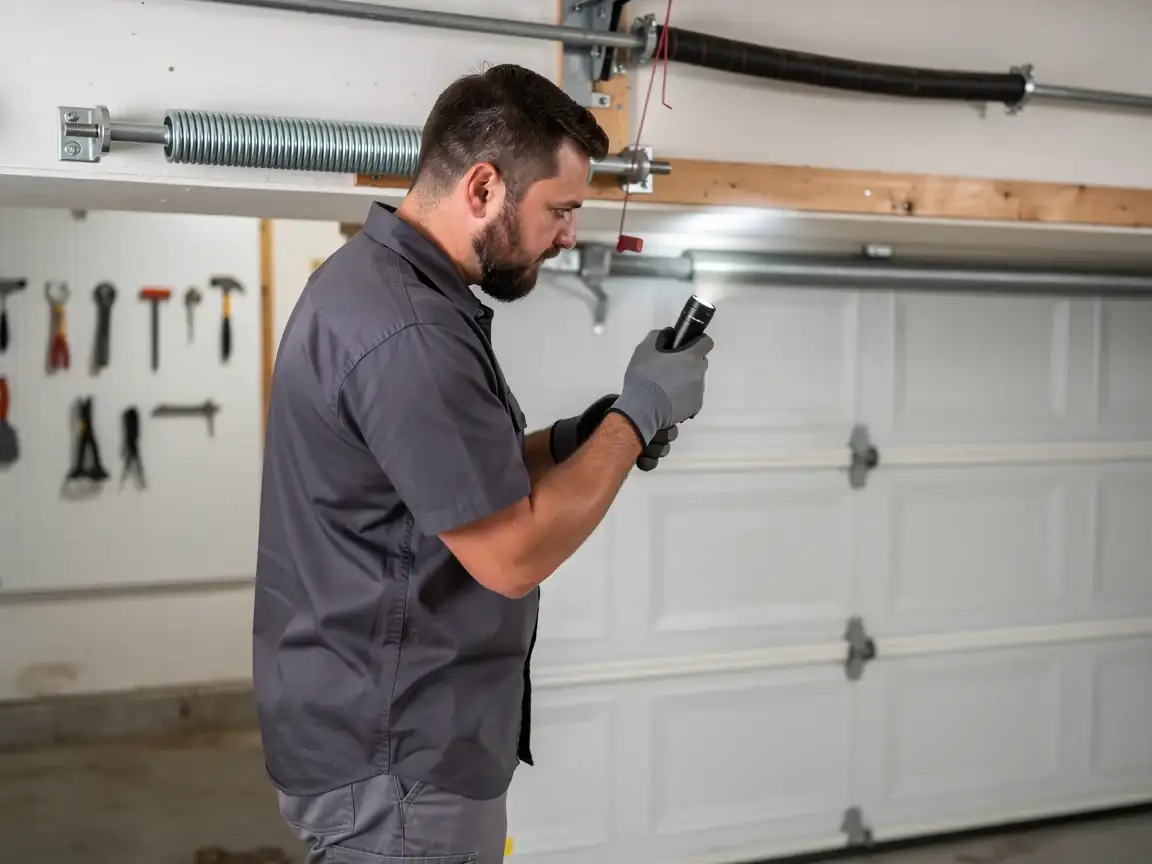
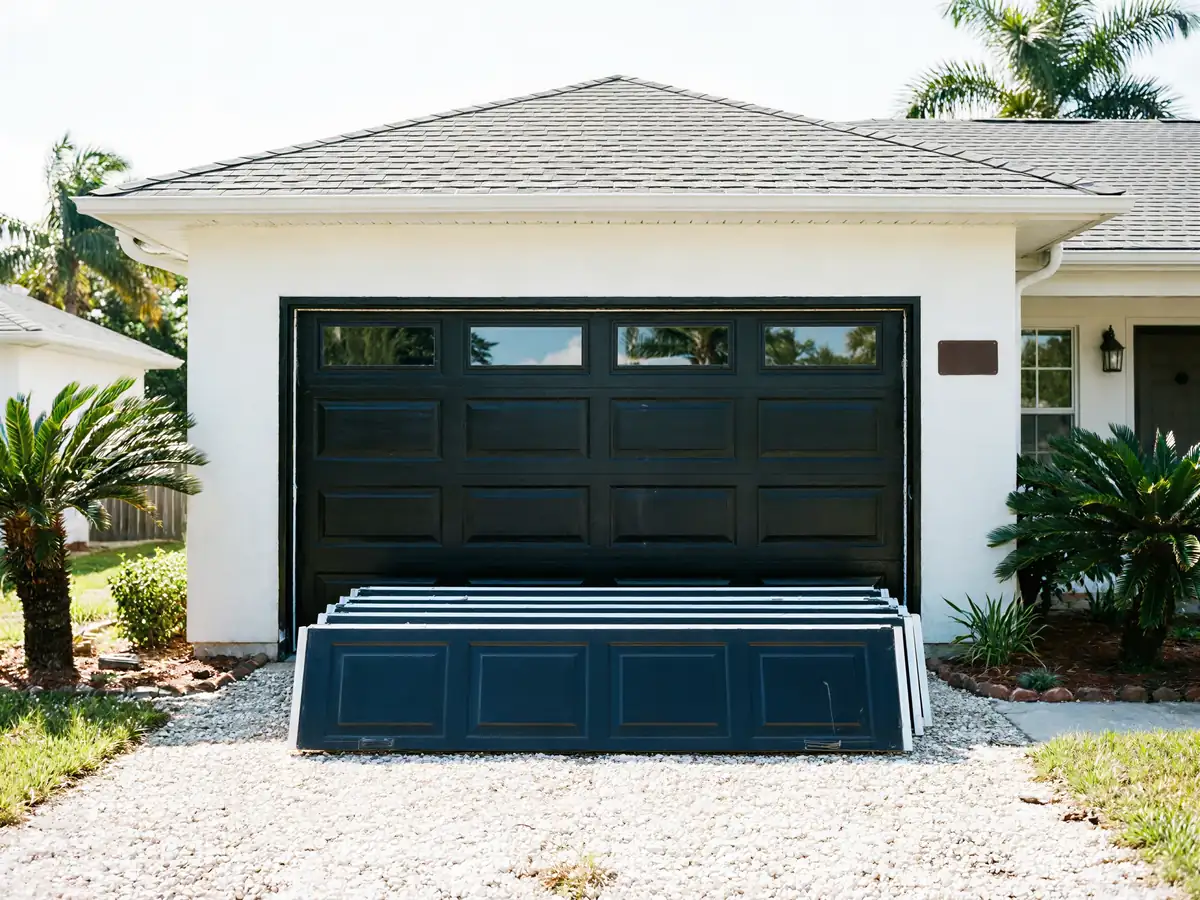
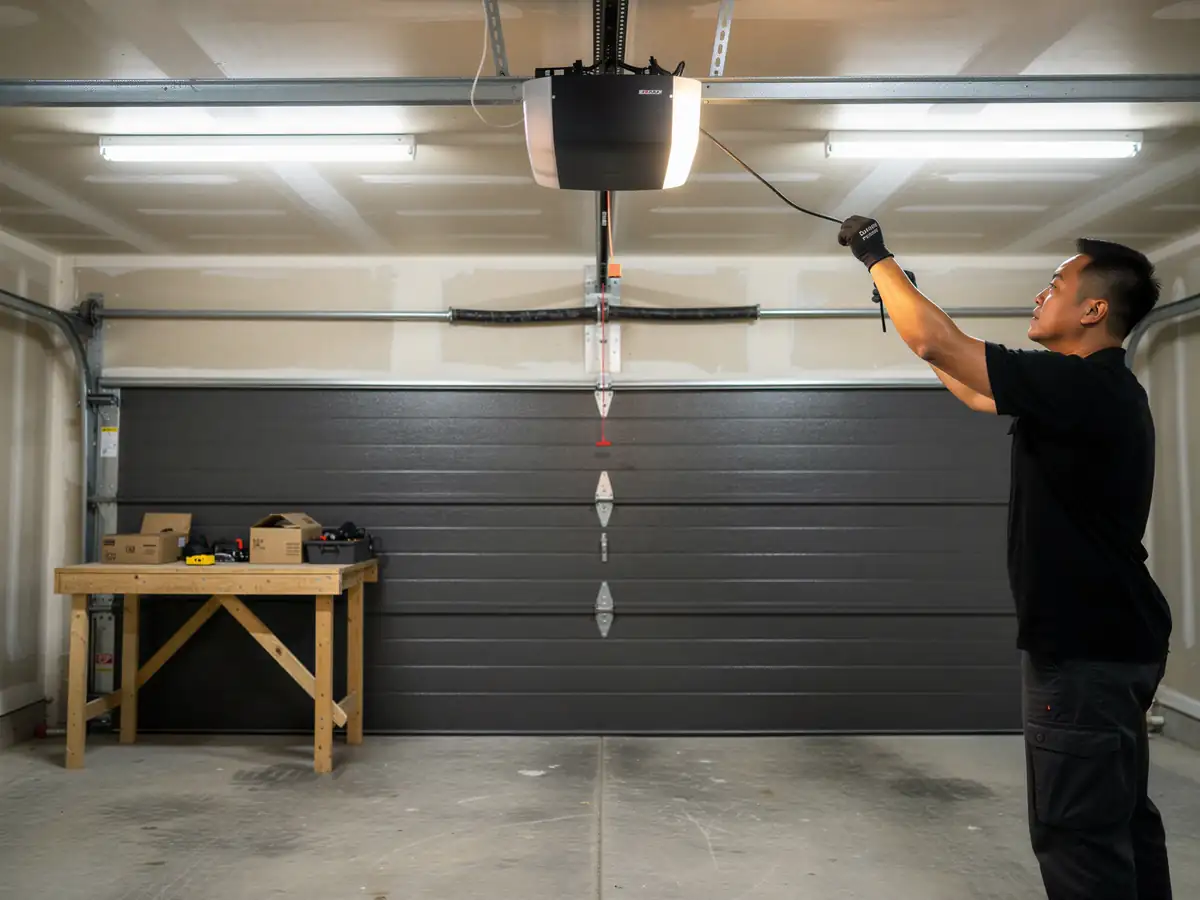
Because the climate here stays mild rather than swinging to extremes, the wear on a garage door is gradual and cumulative instead of sudden. That's actually good news if you catch it early: a once-a-year look at spring tension, roller condition, and track alignment catches most of what would otherwise turn into a stuck or jammed door. It's worth saying plainly that not every old door is worth saving. If the panels are original to a house built in the 1957-2008 range and the steel has pitted or the insulation (if there is any) has failed, a repair can cost most of what a new door runs, and at that point replacement is the honest answer, not another patch. We'd rather tell an owner that upfront than keep billing for repairs on a door that's past the point of being worth it.