The DIY Question
A torsion spring holds enough tension to put someone in the hospital. We're not going to pretend otherwise, and we're not going to walk you through winding one in a YouTube-style guide. If you've already opened your garage and seen a spring snapped in two, the honest answer is: call someone. That's not a sales pitch, it's the same thing a tradesperson would tell their own neighbor.
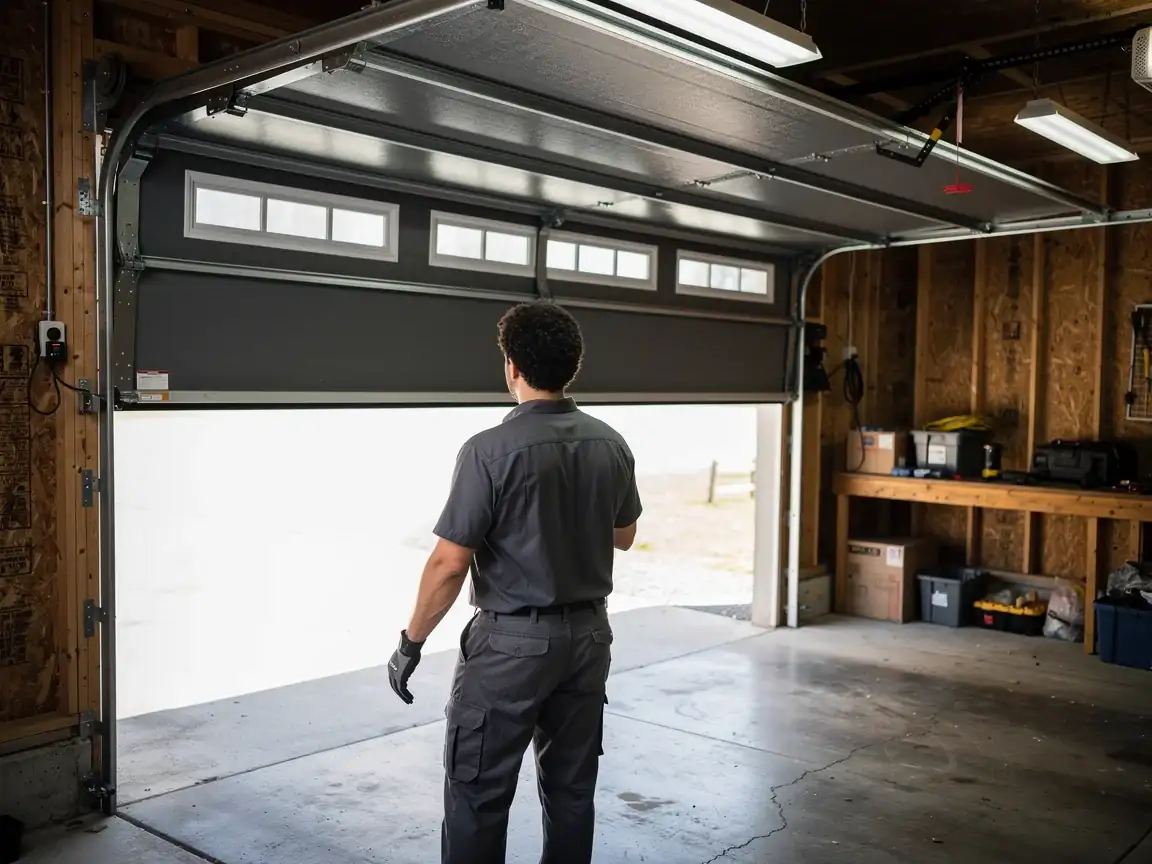
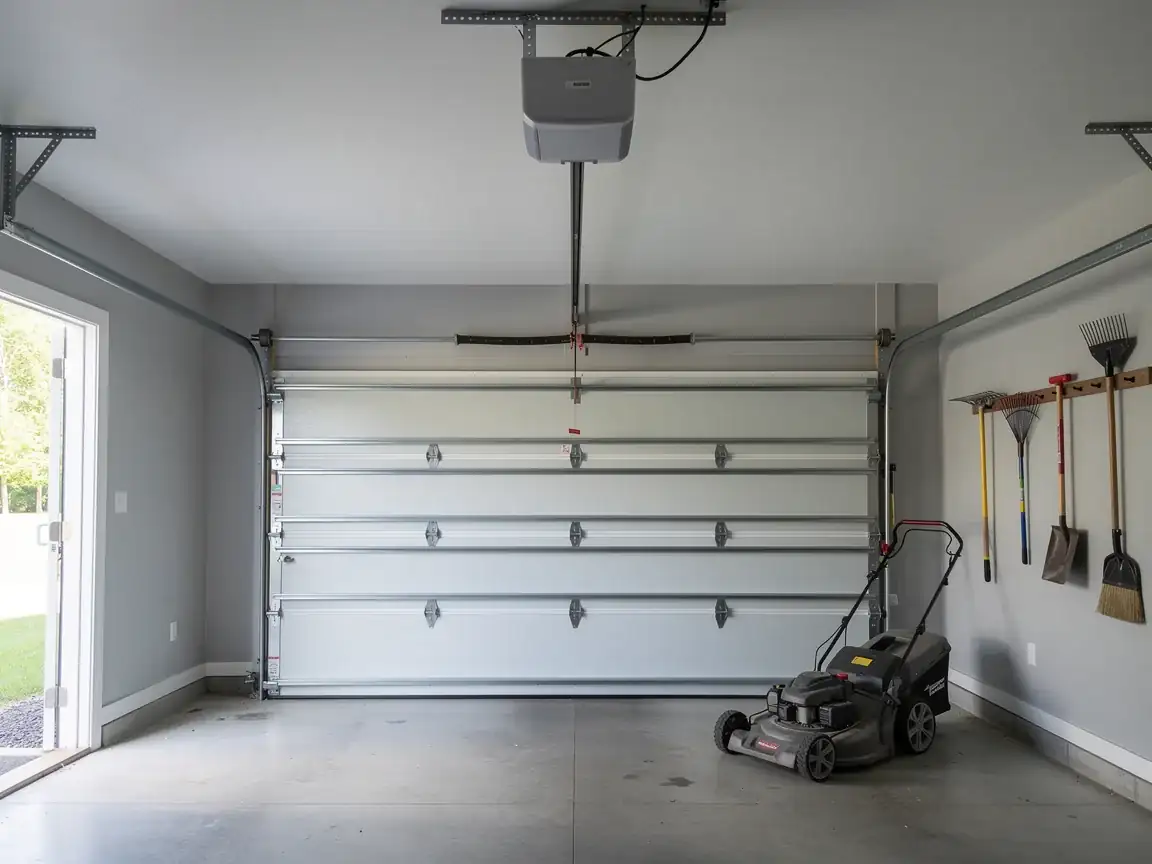
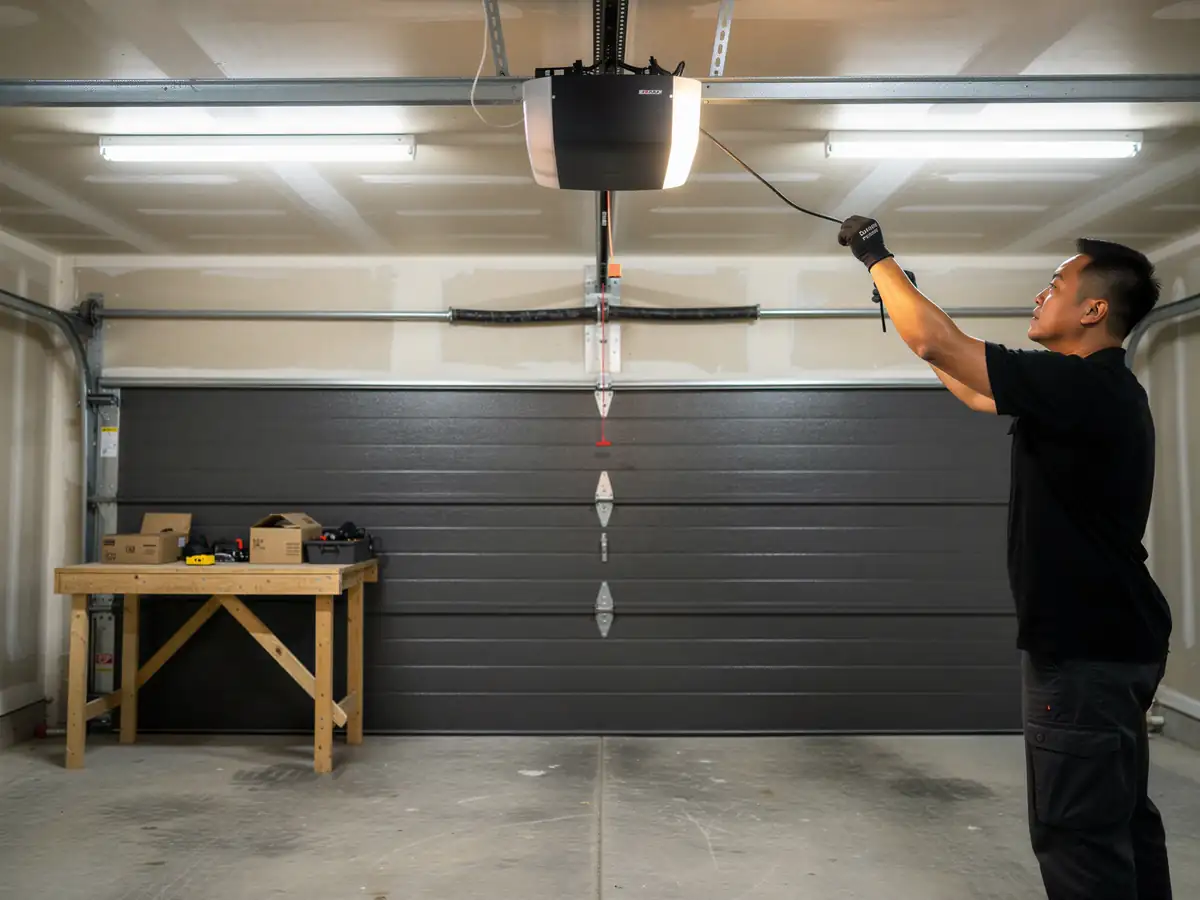
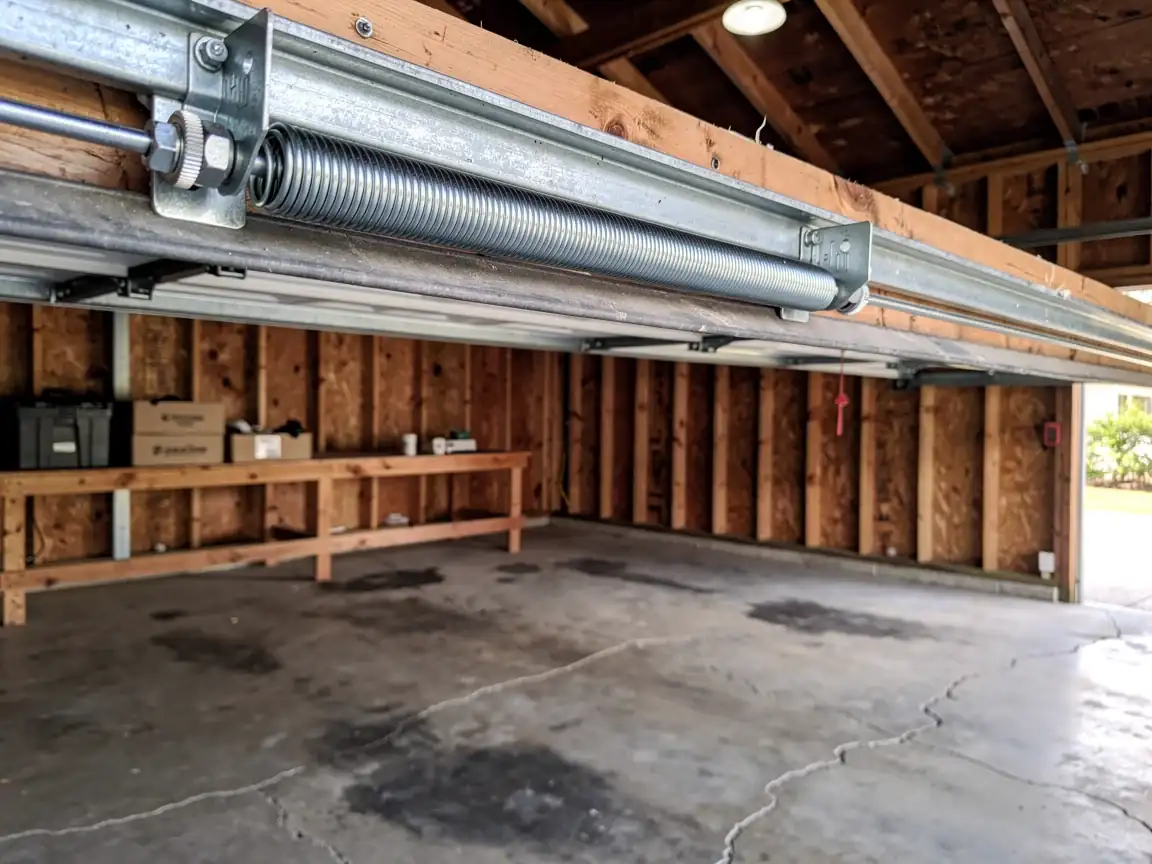
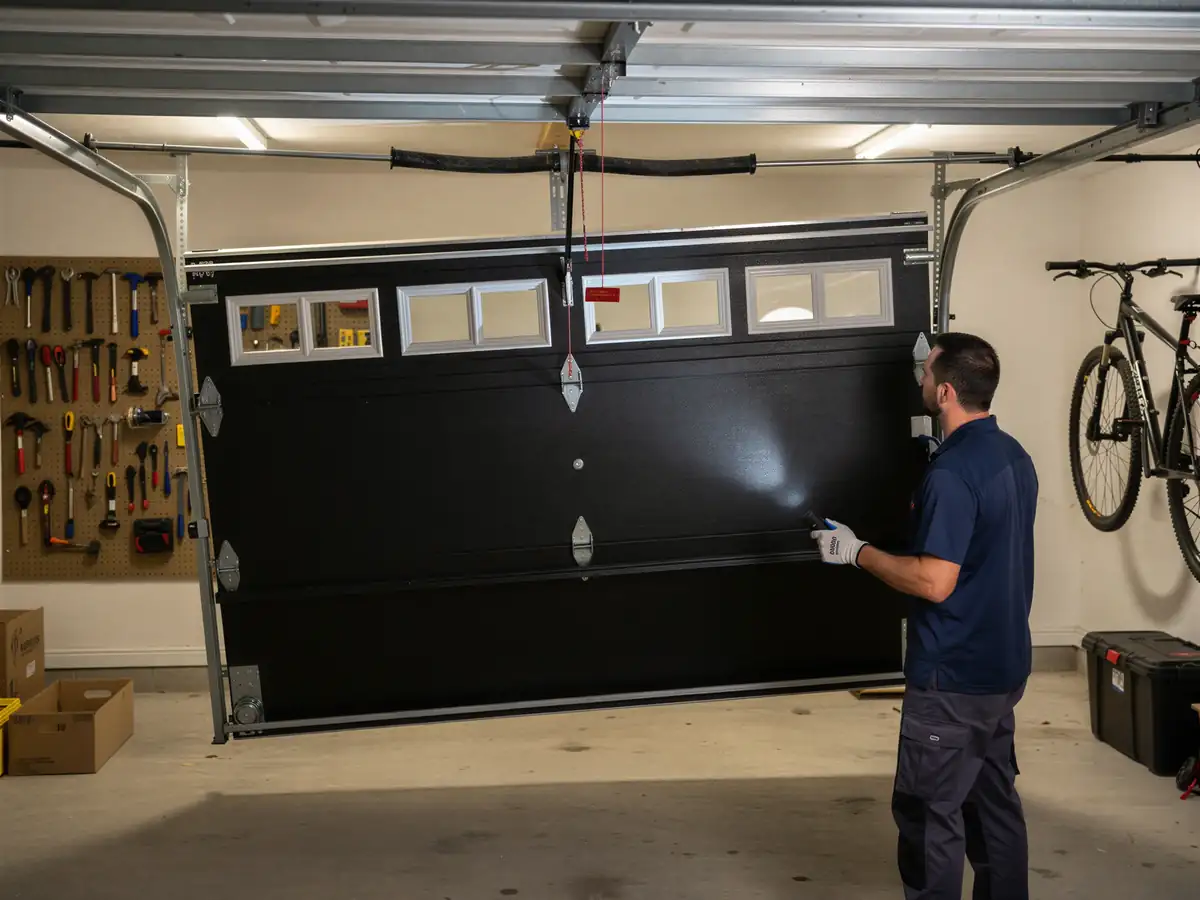
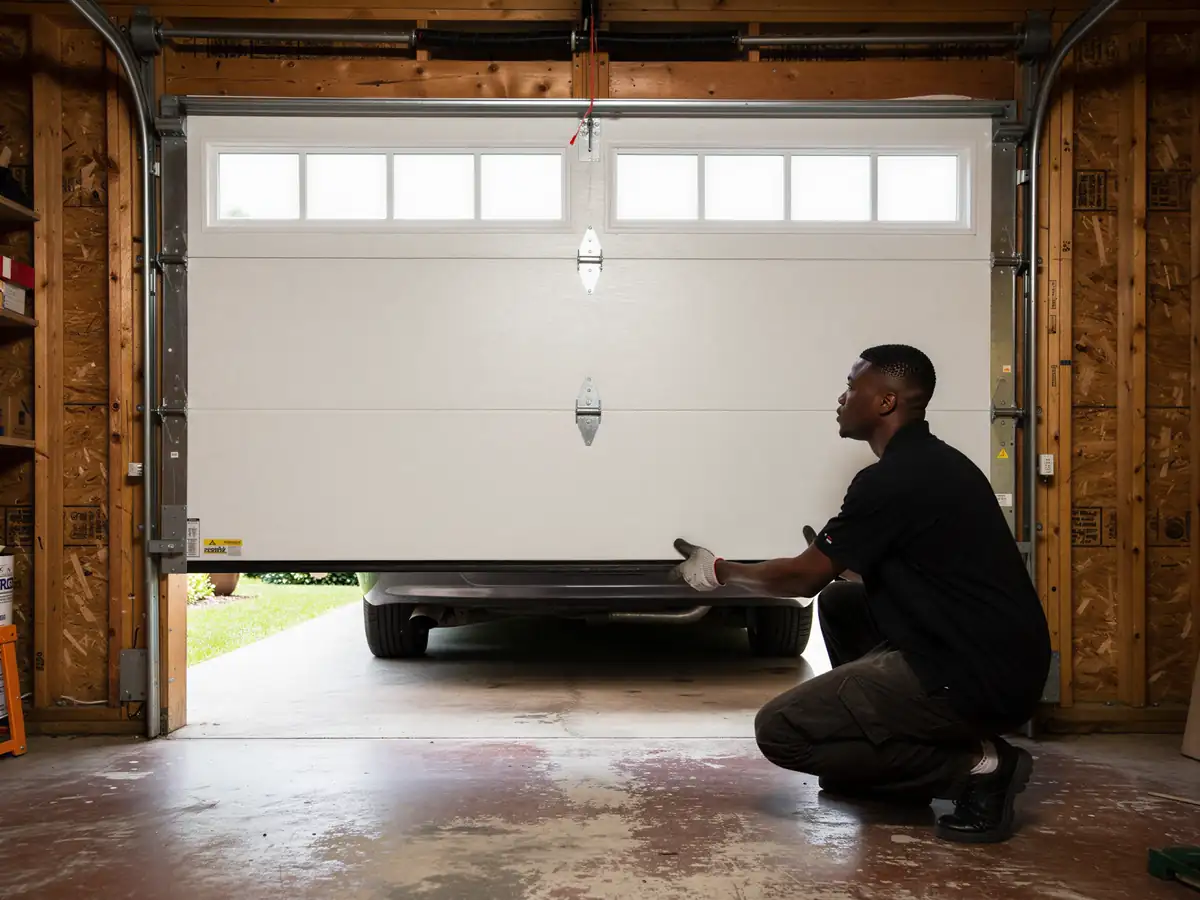
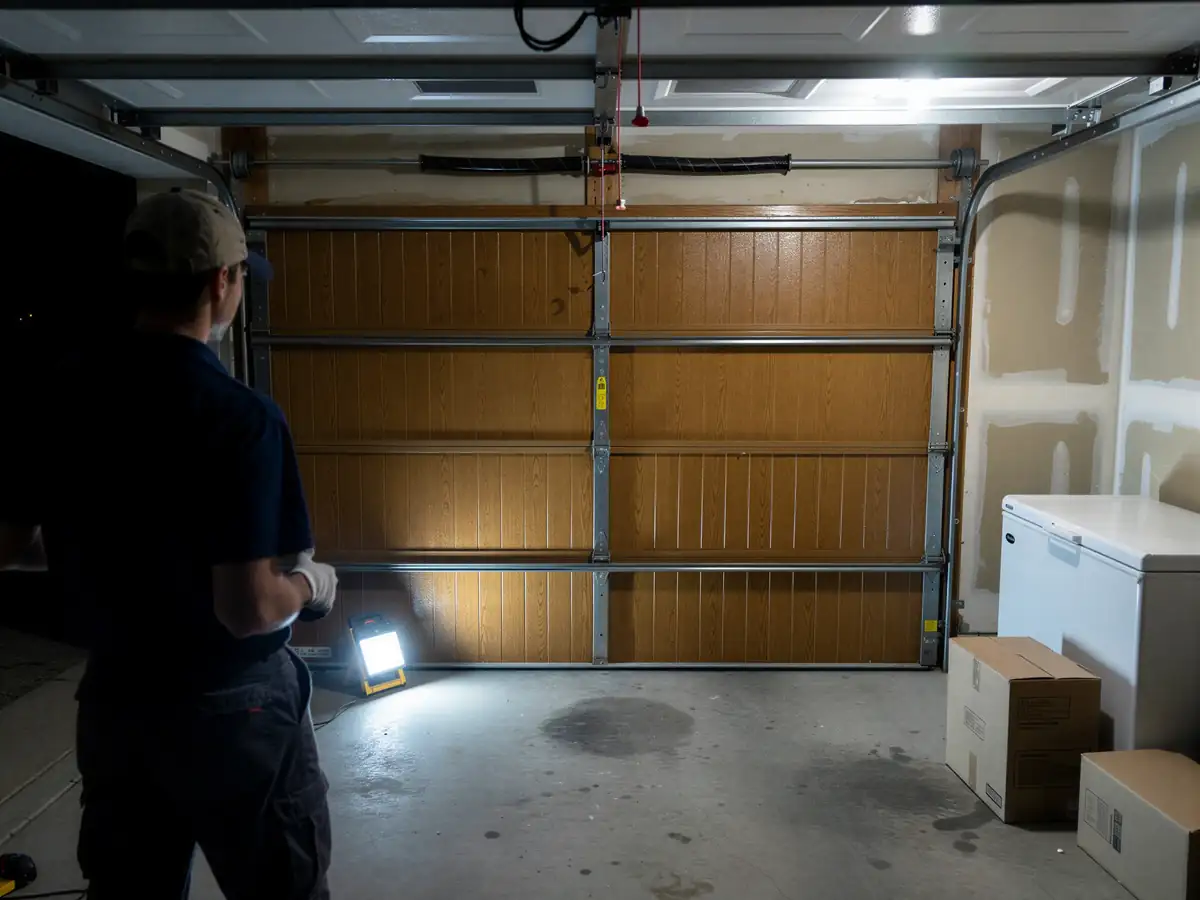
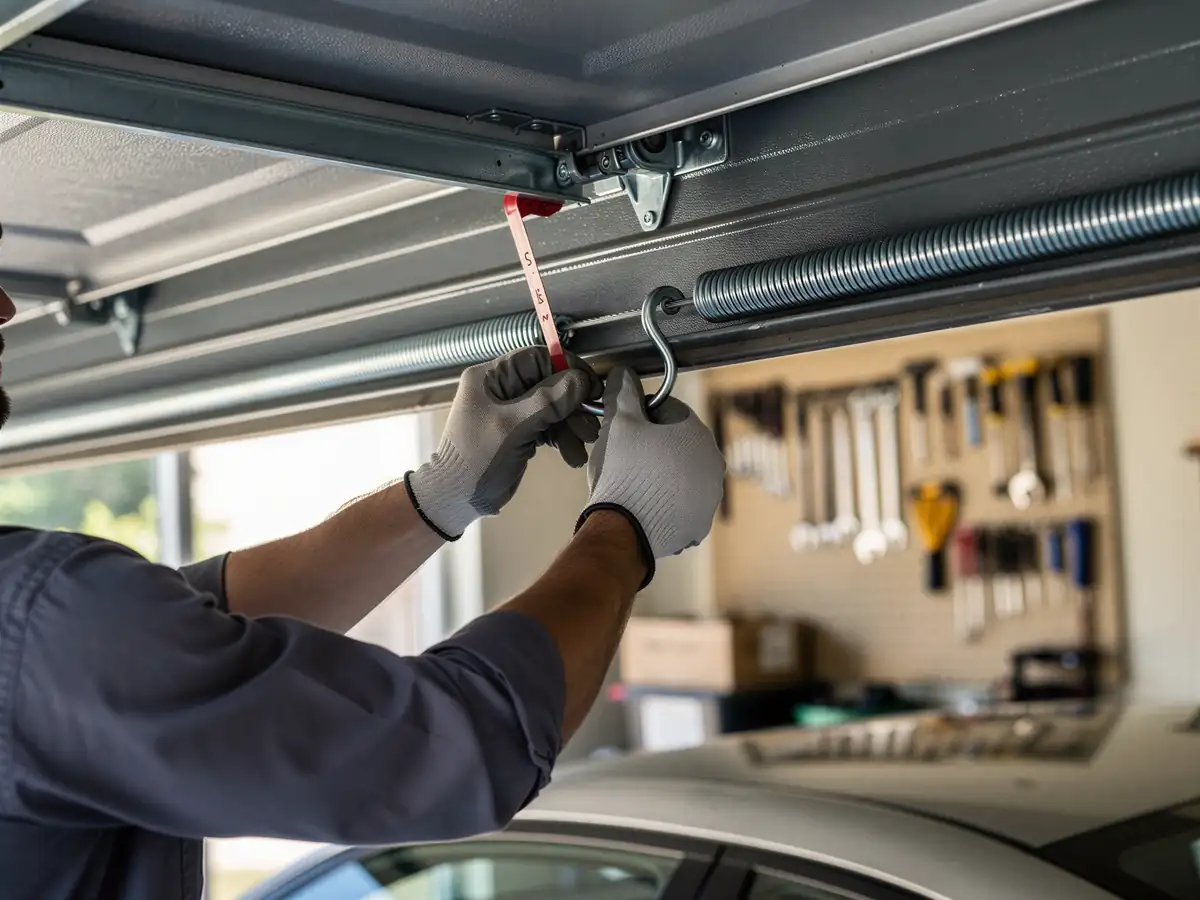
What you can safely do yourself is diagnose. Pull the release cord, try to lift the door by hand. If it feels like dead weight or one side drops faster than the other, that's spring failure, not opener failure. Check whether you've got one spring or two above the door - most houses in this area built from the 1960s through the 1970s run a single spring sized for a lighter door, and that matters for what replacement part fits.
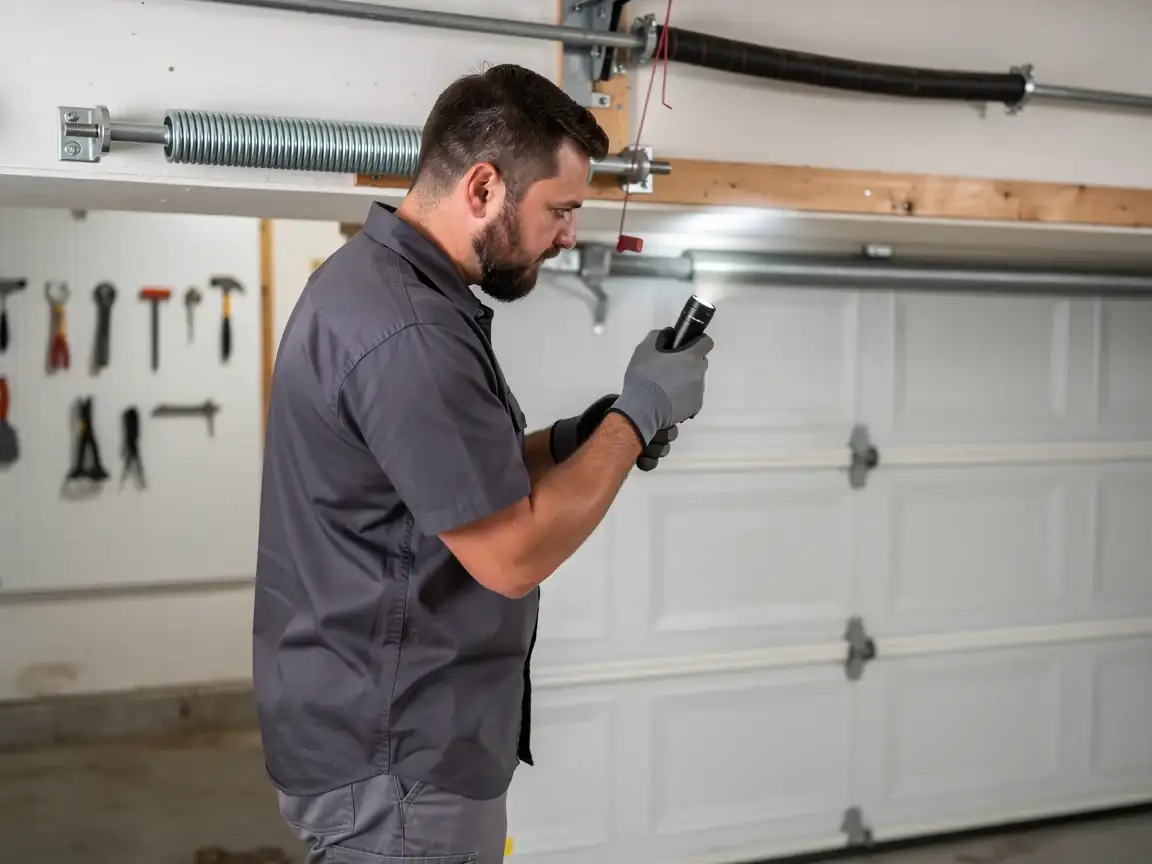
The one thing worth doing yourself: look at the spring itself before you call. A clean break, a stretched coil, or a spring that's visibly unwound tells a tech what to bring on the truck instead of making two trips. Beyond that, leave the bar and the winding cones alone.
What You Are Seeing
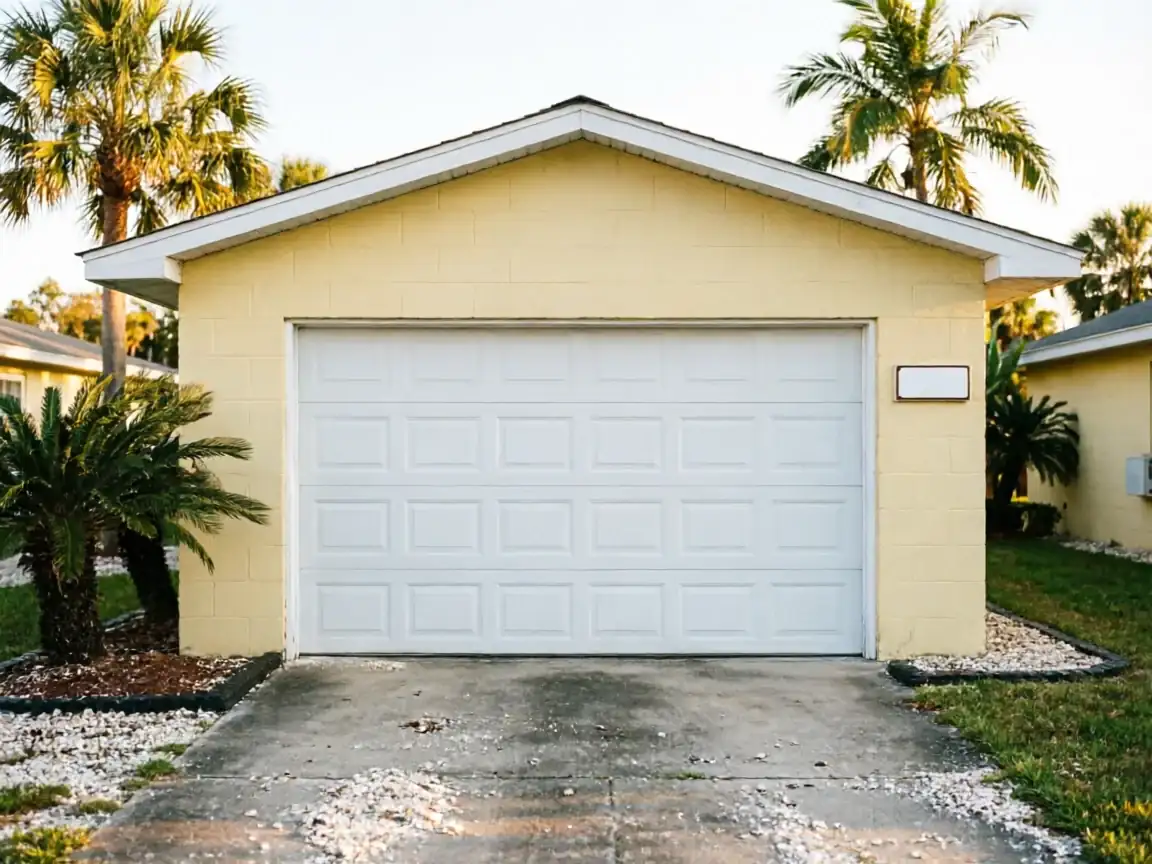
Homestead-area housing runs from 1957 to 2008, with a median build year of 1979, and the bulk of it across the 28 named communities we work in dates to the 1960s and '70s. That means a lot of original or first-replacement torsion hardware that's now 45 to 60 years old. Springs have a cycle life - they're rated for a number of open-close cycles, not a number of years - and a spring installed when a house was built in 1968 has almost certainly outlived its rated cycles twice over.
What you're usually seeing is one of three things: a clean snap (the coil separates, door won't budge), a slow stretch (door gets harder to lift over months, opener strains and groans), or a cable derail that looks like a spring problem but isn't. On older torsion setups common to this housing stock, the stationary cone or the center bracket can also fatigue at the same time as the spring, so a spring-only fix sometimes isn't the whole job.
If your opener is grinding, reversing, or tripping its breaker when the door tries to lift, that's the motor compensating for a spring that's no longer doing its share of the work.
Why This Fails Locally
This area sits in a mild temperate climate band
No hard freeze-thaw cycle, no deep winter cold snap that typically shortens spring life elsewhere. That's actually good news for the steel itself; corrosion from temperature swings isn't the main driver here the way it is up north.
What drives failure here is simpler
Age and cycle count on hardware installed decades ago, on housing stock with a median build year of 1979. A spring sized correctly in 1979 for a lighter wood or early steel door is often still in service on a door that's been replaced once or twice since, with hardware that was never resized to match. Mismatched spring tension on an updated door is one of the most common things we find on service calls across these 28 communities.
- 28 communities
The mild climate also means doors here get used year-round without a seasonal slowdown
No months where the garage sits closed under snow. More cycles, same old spring, no cold-weather excuse for the wear. That's the local math: not weather damage, just hardware that's done more work than it was built for.
Booking a Visit
We cover the Homestead service area and the surrounding communities - Leisure City, Florida City, Naranja, Princeton, Goulds, and the rest of the named areas out to about 19 miles - and spring repair is a same-visit job in most cases once we've seen the door and confirmed what's actually broken.
One limitation worth saying plainly: if the spring failure has also bent a track or cracked a panel from the door dropping unevenly, that's not a one-part fix, and we'll tell you that on site rather than quote a spring job and surprise you later. We also won't wind a spring on a door we haven't physically inspected - tension specs vary enough by door weight and age that a phone estimate on this particular repair isn't honest.
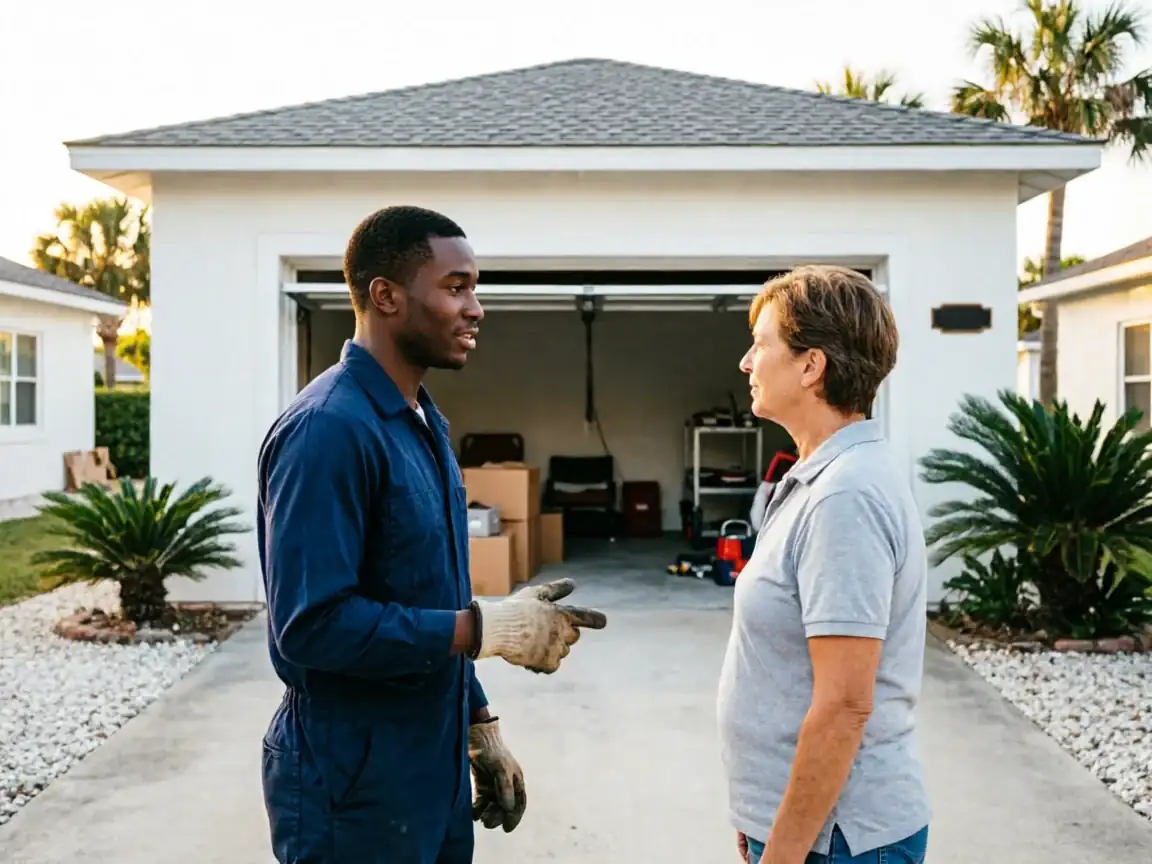
To book, call or use the contact link on our site and describe what you're seeing - one spring or two, clean break or slow sag, opener grinding or dead quiet. That tells us what to load on the truck before we arrive.