What Changes With the Season
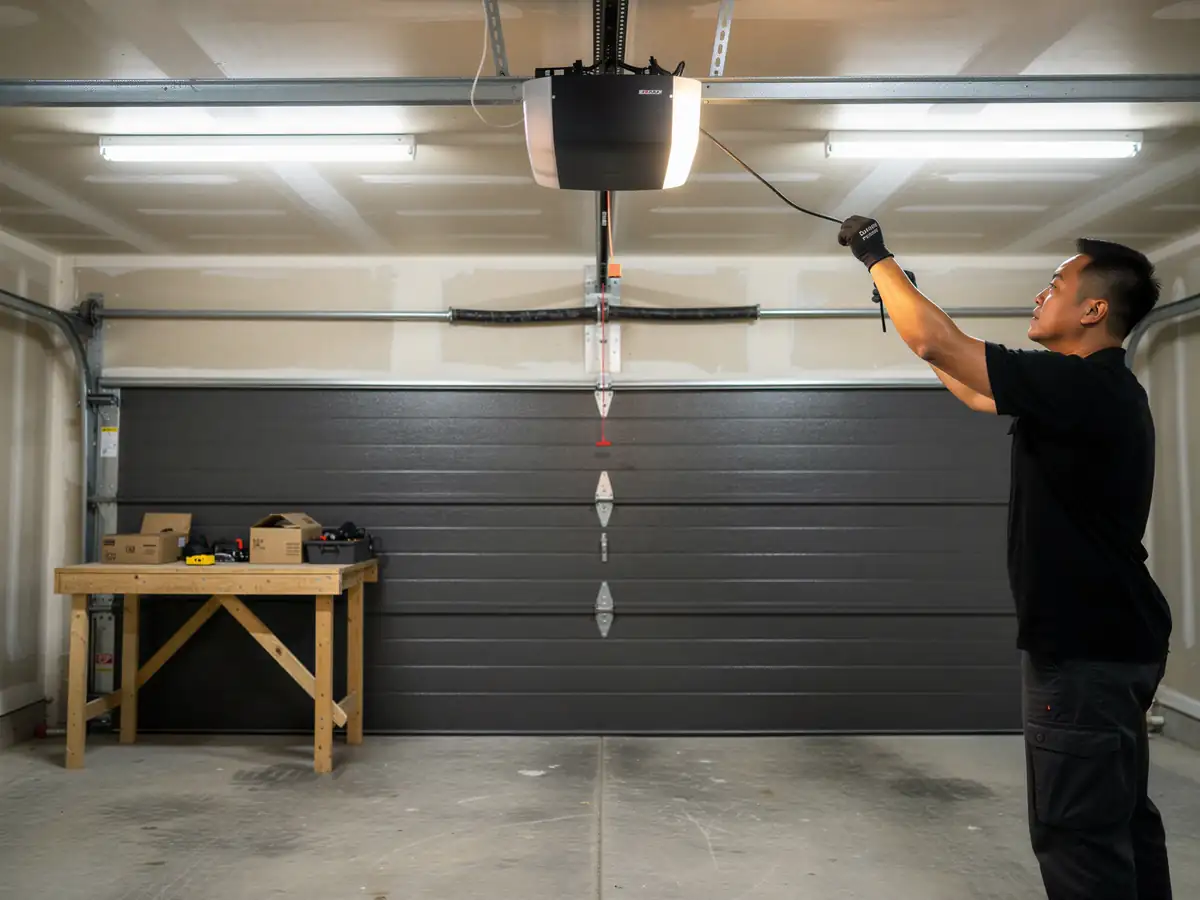
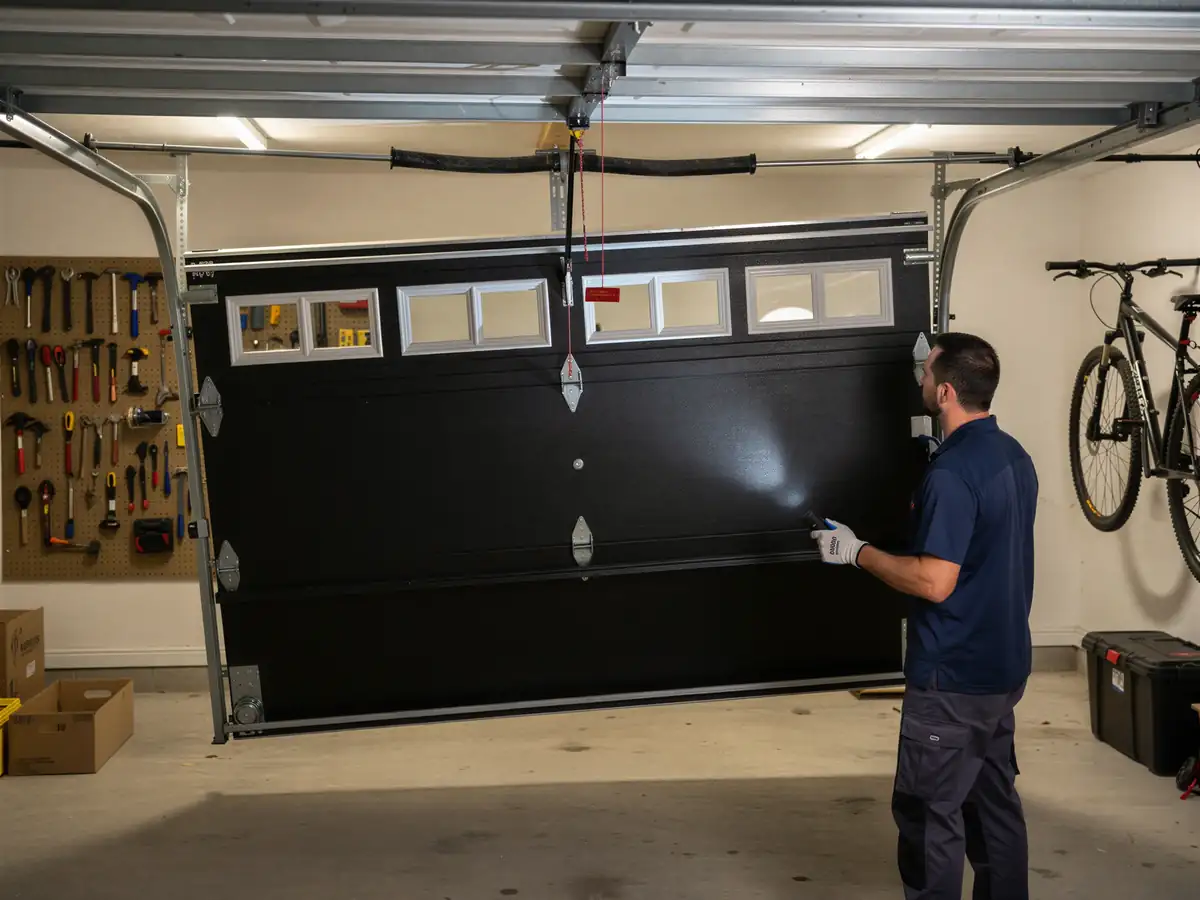
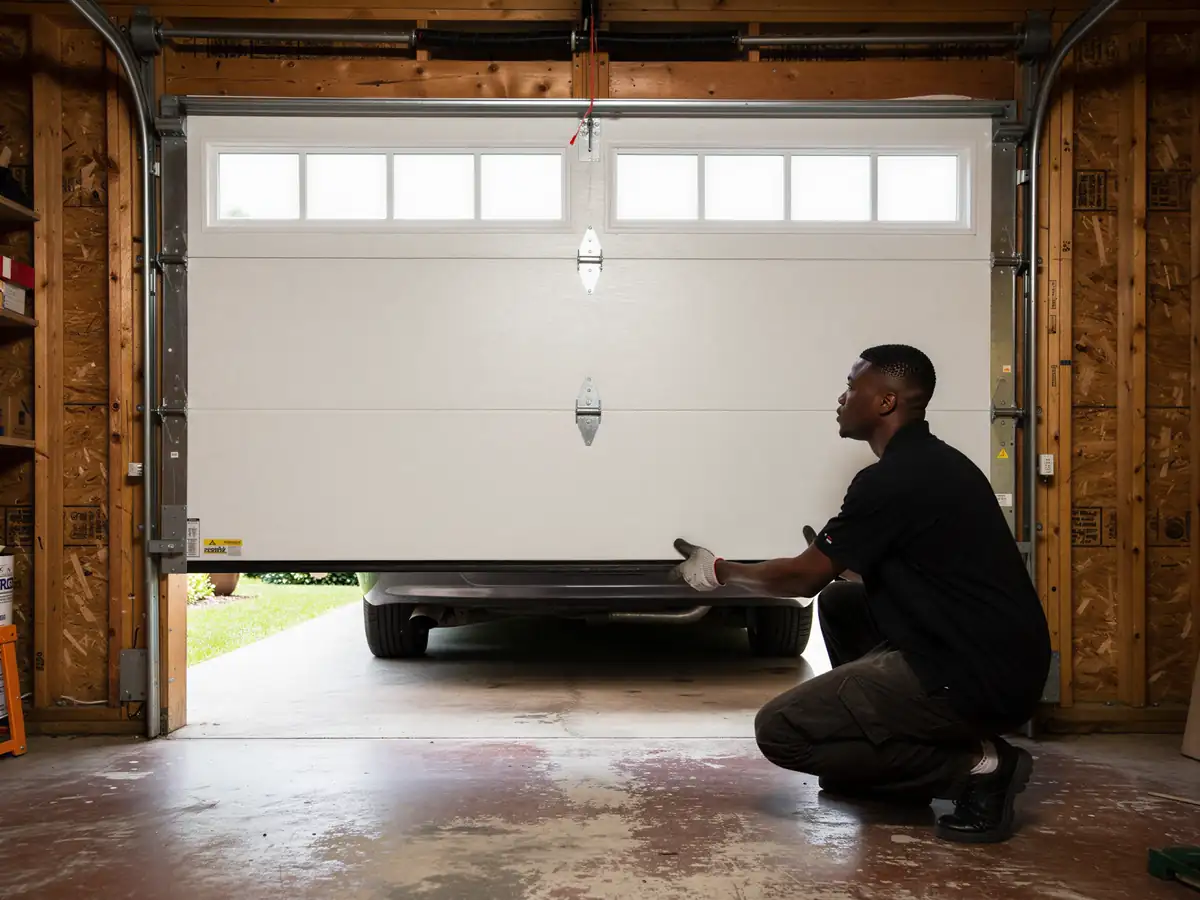
Homestead sits in a mild temperate band, so we don't get the hard freeze-thaw cycles that crack springs up north. What we do get is steady humidity that doesn't let up much from month to month. On a service call that changes what we're looking for first: moisture working into wood-composite panels, rust creeping along hinge pins and roller shafts, and lubricant on tracks turning gummy instead of drying out. We check the bottom seal for compression loss, because a door that's never fought ice still fights standing water after heavy rain. We also run the opener's force settings - a door that's gained a few ounces of swollen panel weight over a humid season can start closing harder than the safety reversal should allow, and that's a check we do every visit, not just when something's already broken. There's no section of the year here where the door suddenly needs attention it didn't need the month before. The wear is gradual and constant, which is actually easier to plan around than a town with real winters - but it means skipping a season of lubrication shows up as cumulative drag, not a sudden failure.
The Problem
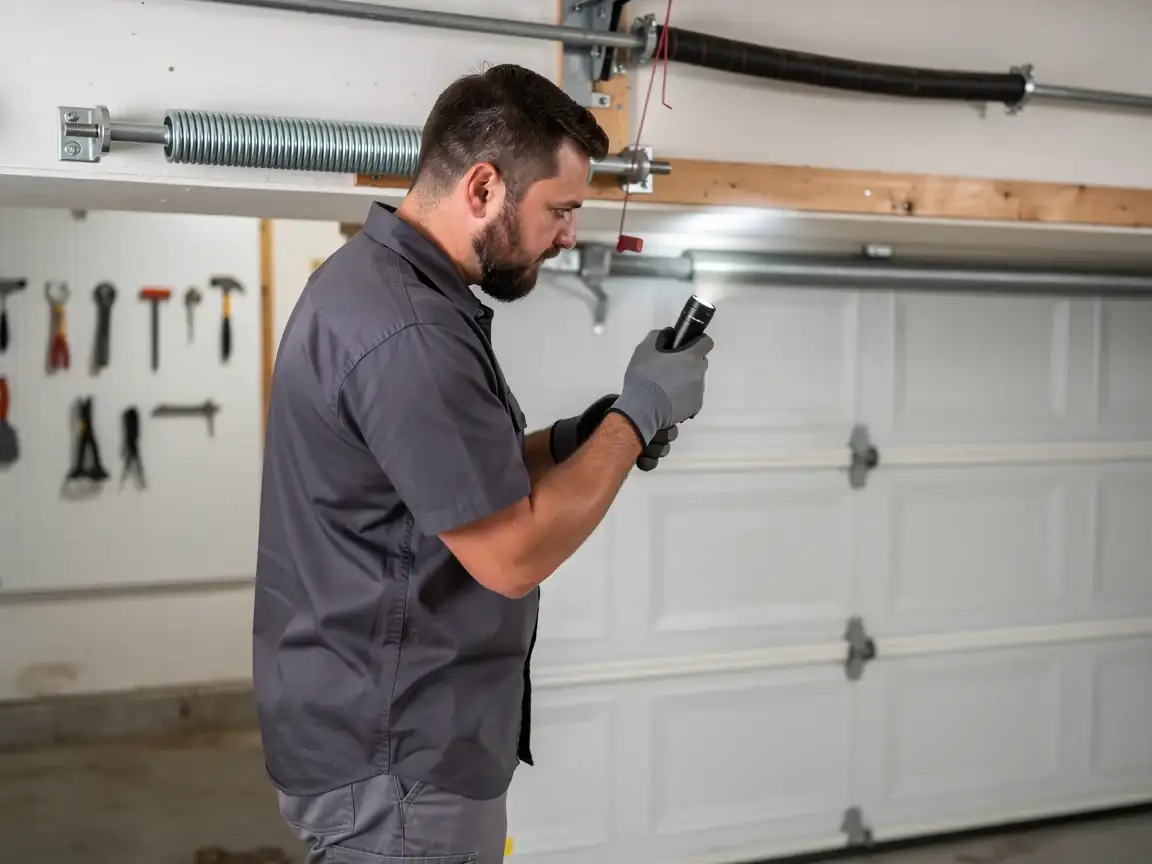
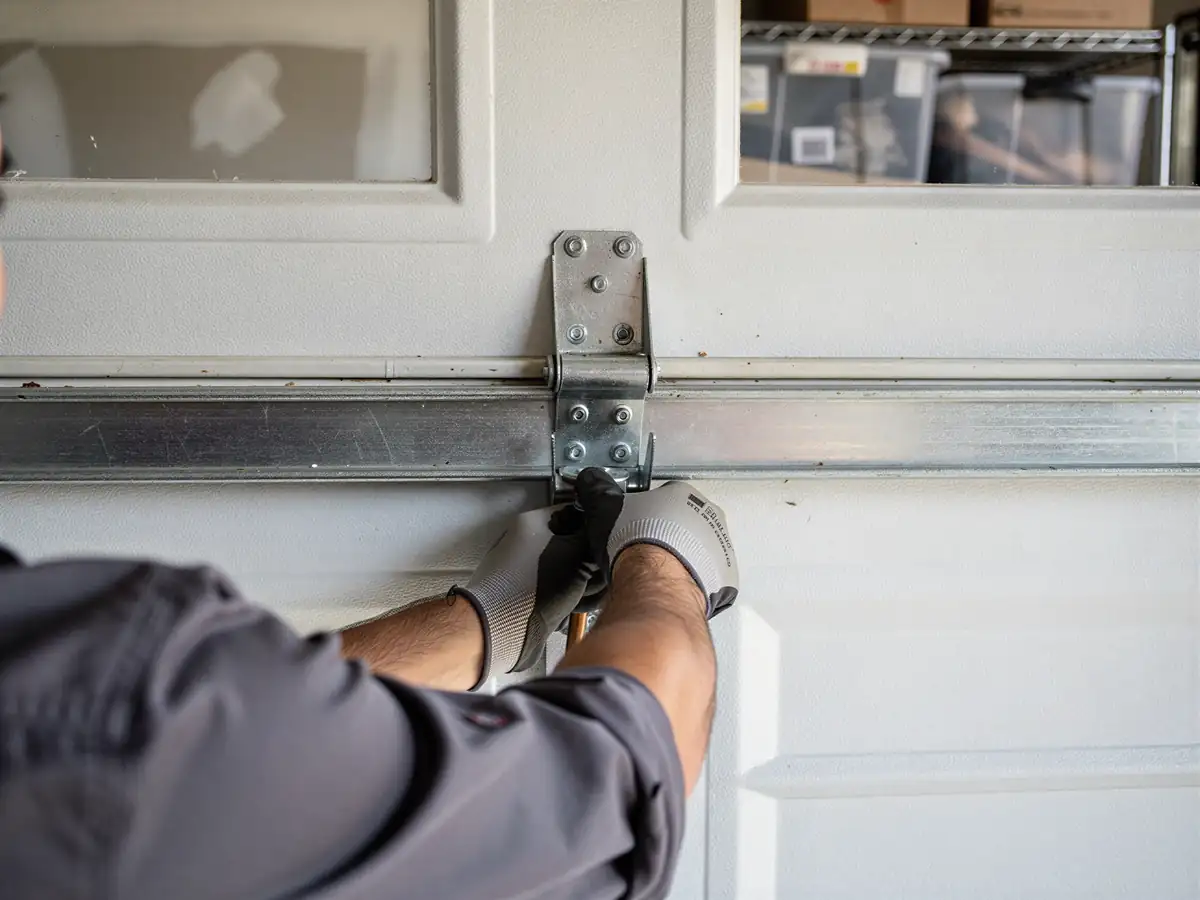
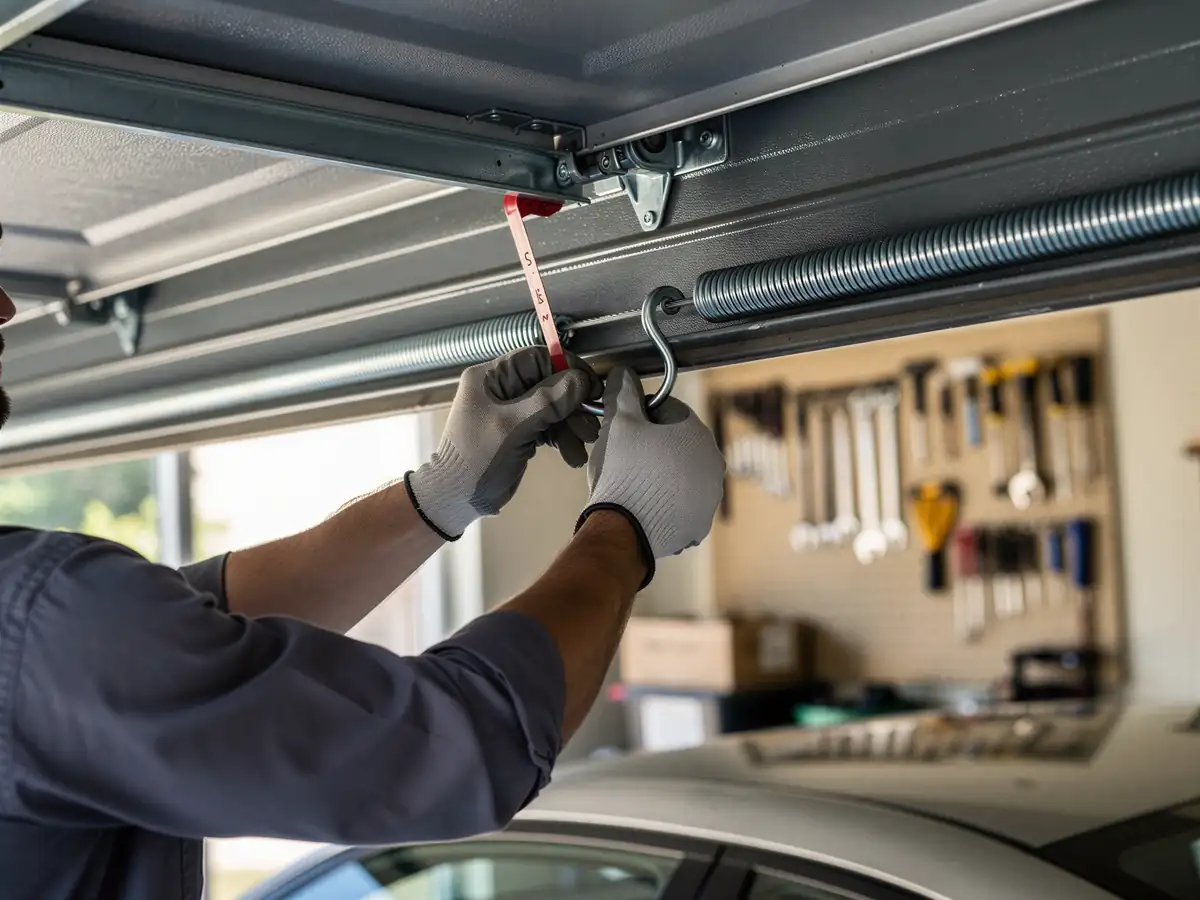
Most of the housing stock across Homestead and the named areas nearby was built between 1957 and 2008, with the bulk going up in the 1960s and 70s. That median build year of 1979 matters on a service call because it tells us what hardware is probably still on the door before we even open the truck. A lot of these houses never had their original torsion spring system upgraded - same cable routing, same single bottom bracket, same opener mounted mid-rail instead of on a jackshaft. On a call like that, the job isn't just "fix what's broken." It's figuring out whether the rest of the hardware on a 40-to-60-year-old header is worth building around, or whether the next failure is six months out regardless of what we repair today. We tell owners that straight. A service call on a house this old covers the spring, the cable, the rollers, the track alignment, and the opener's force and limit settings - and it includes telling you if one of those parts is original and near the end of its working life, even if it isn't what you called about.
How Local Conditions Play In
We run calls across a service area that includes Leisure City and Florida City, both about two miles out, Naranja and Homestead Base around four miles, and out past Princeton, Goulds, and Cutler Bay to communities fifteen to nineteen miles away like Kendall, Pinecrest, and Coral Gables. Across that whole radius the housing era and the climate don't change much - it's the same mild temperate band and largely the same 1960s-through-2000s build-out, which is part of why the service checklist doesn't vary by neighborhood the way it might in a region with sharper seasonal swings or a wider mix of housing ages. With 240,889 households and 97,913 owner-occupied houses across that area, we see a real mix of long-term owners and rental or HOA-managed properties, and the service call differs slightly for each - HOA properties often come with panel-color and hardware restrictions we have to work around. One honest limit: on older torsion systems with obsolete bracket sizes, we sometimes have to order a part rather than carry it on the truck, and that can push a same-day fix into a two-visit job.