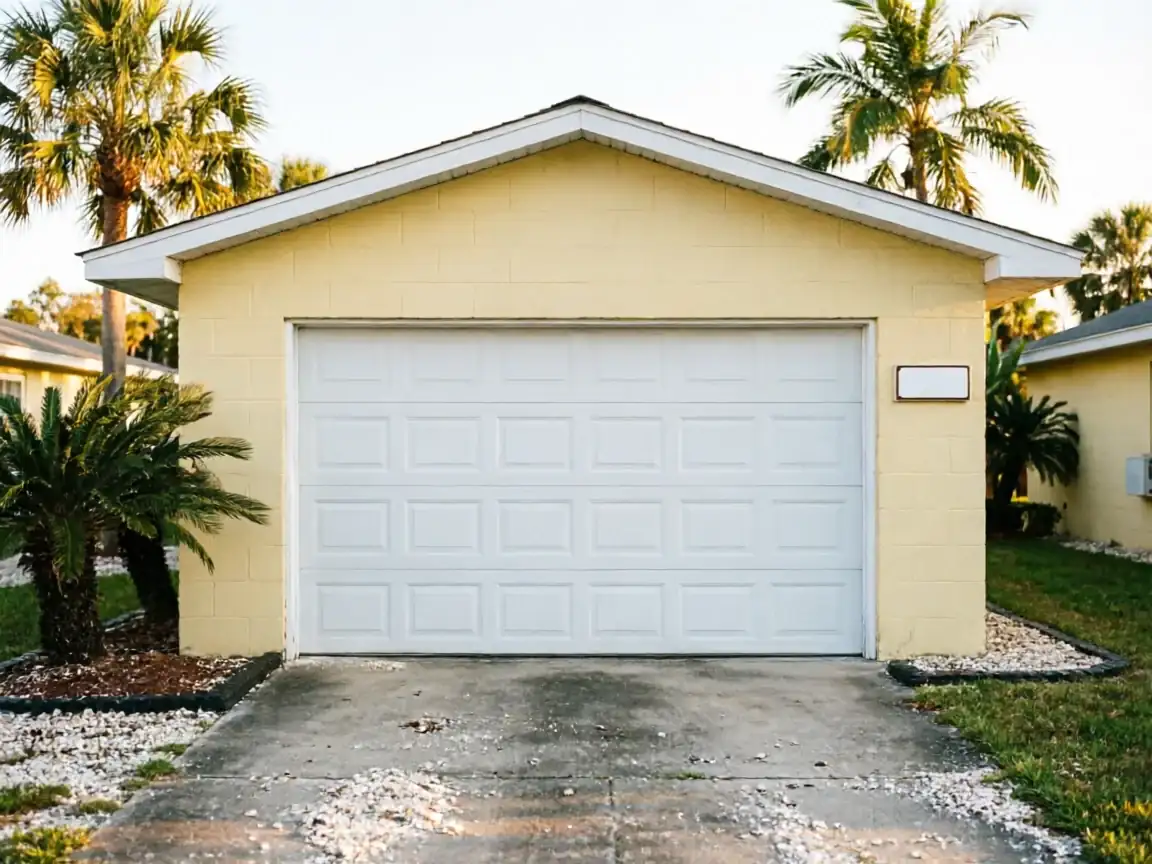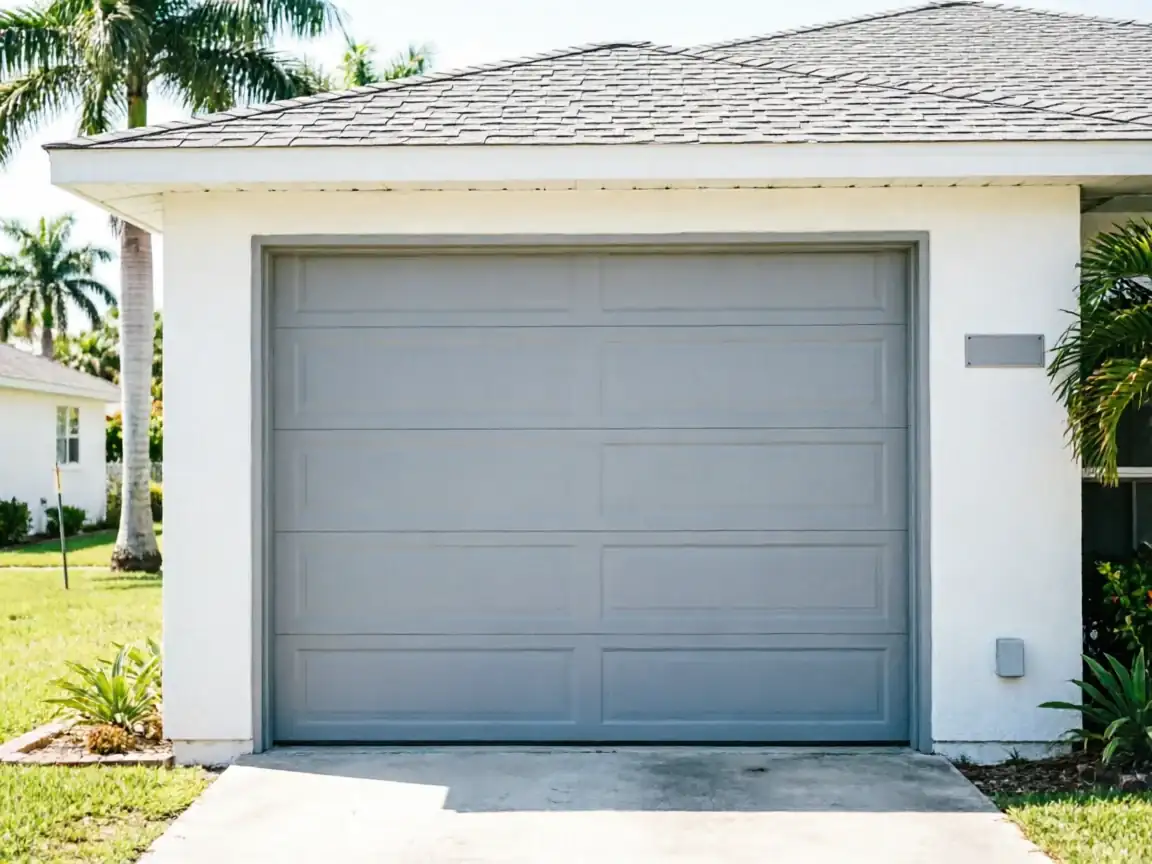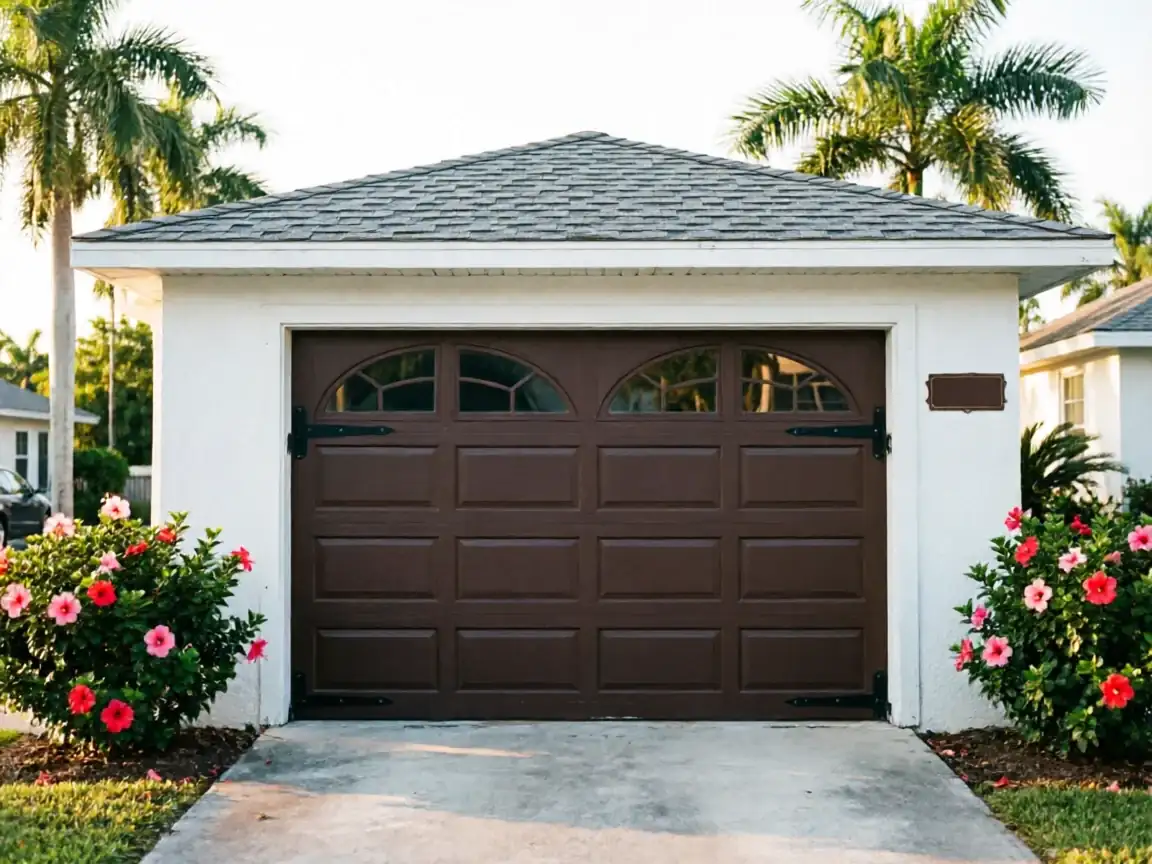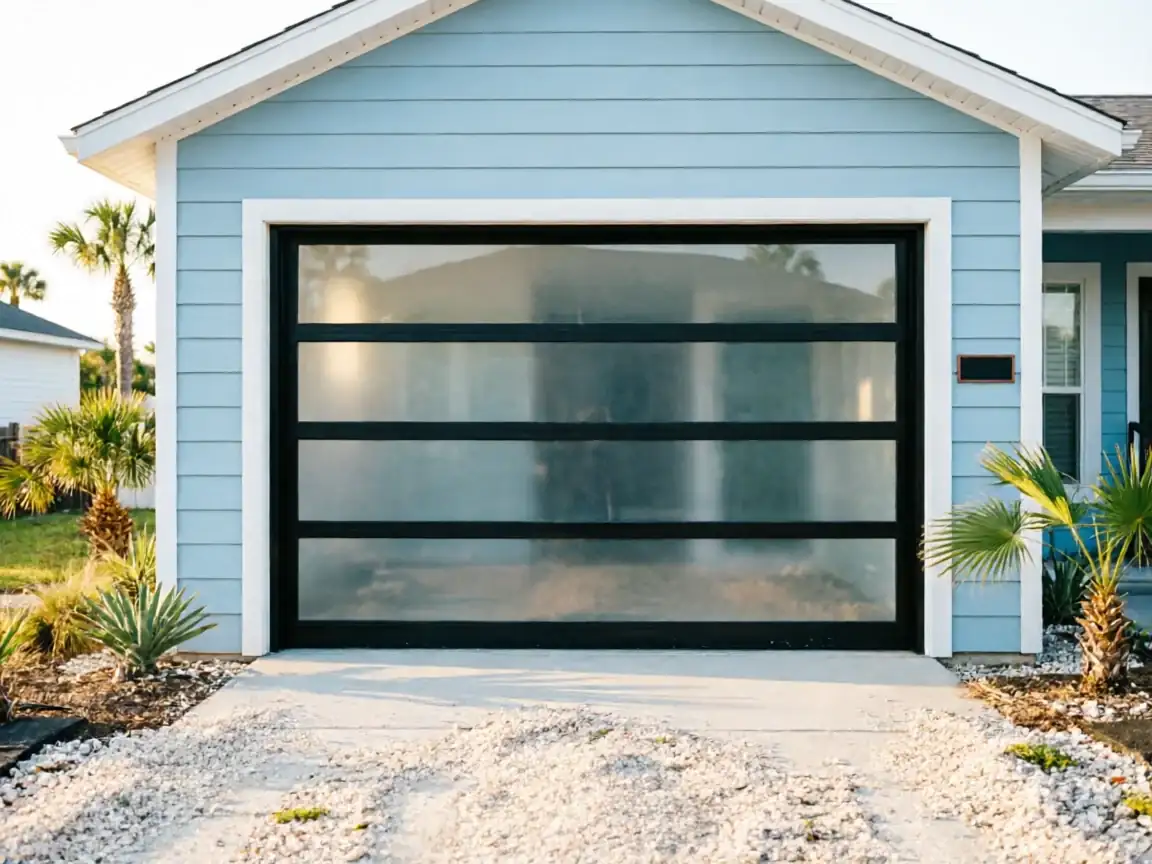
The DIY Question
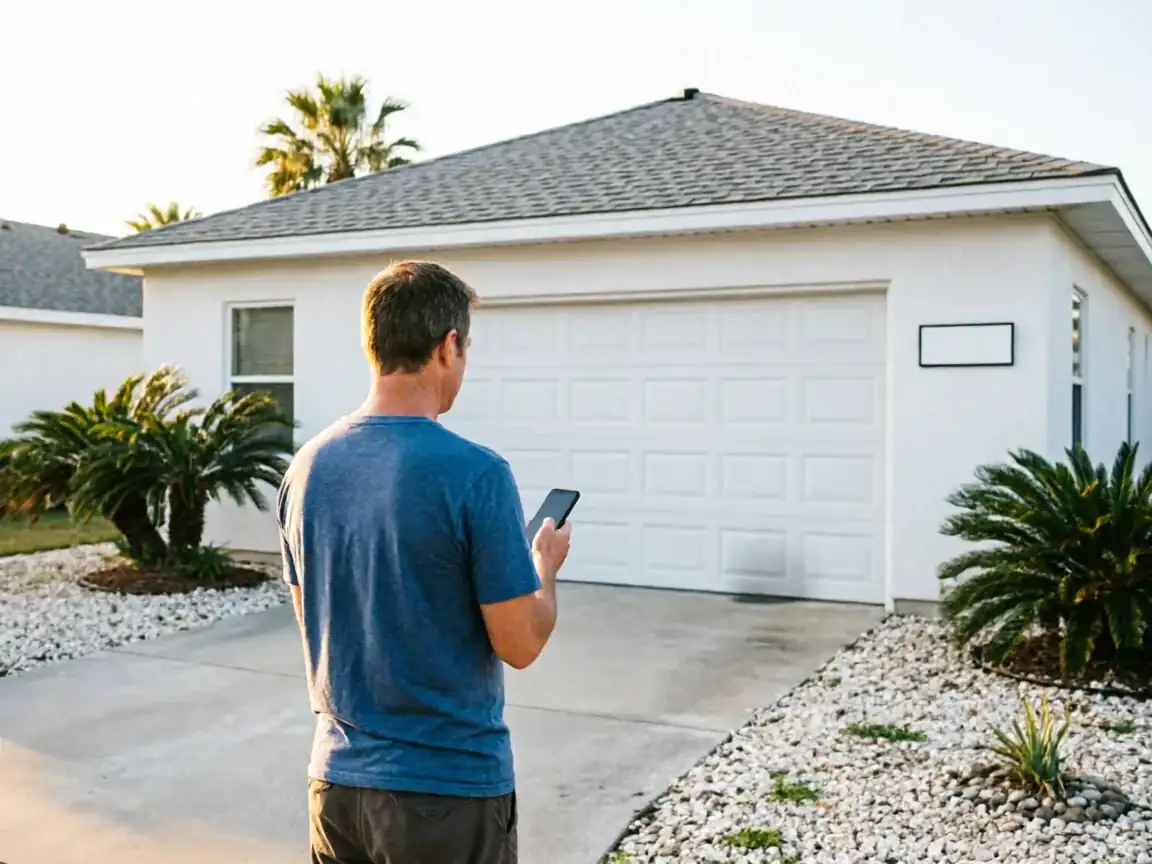
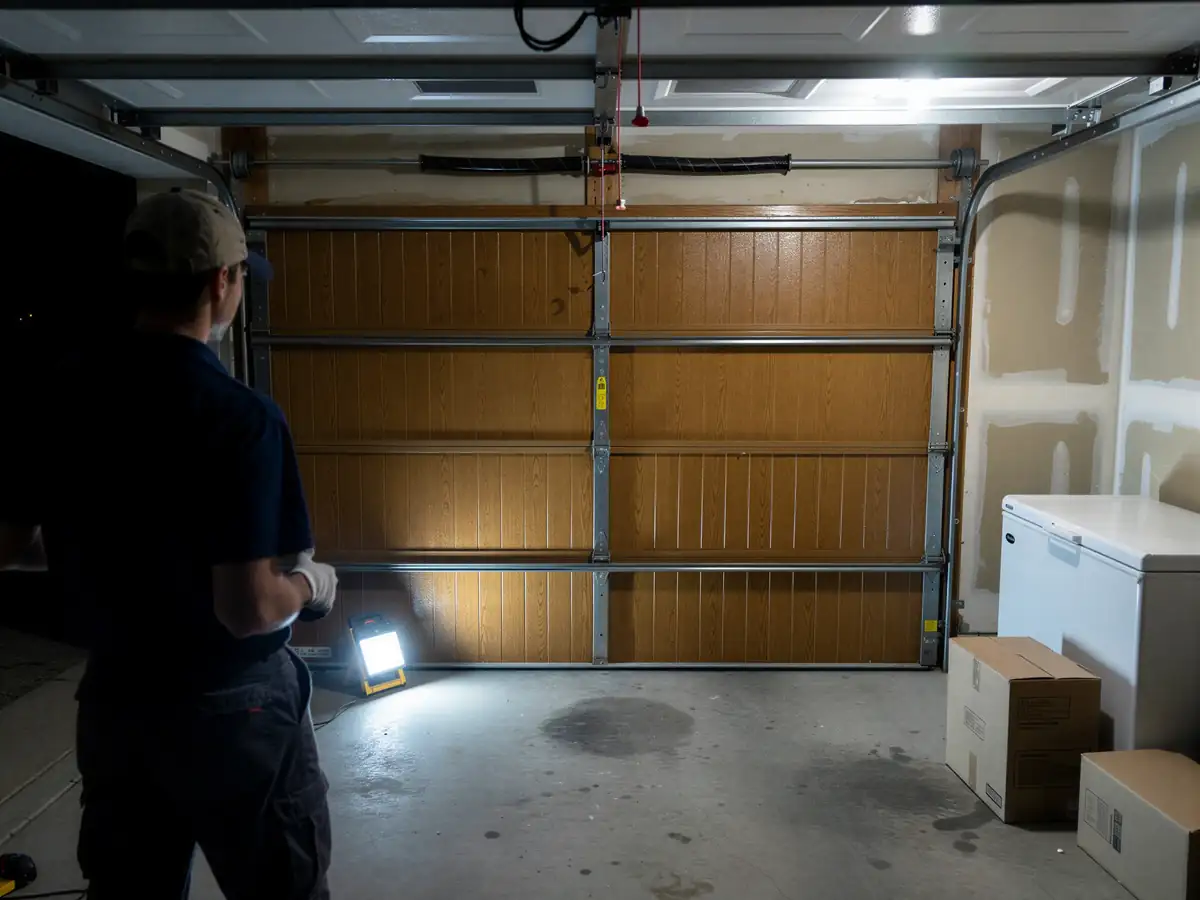
A dead opener or a door that won't budge at 6 a.m. makes you want to fix it yourself before work. Some of that is fine - you can check the wall switch, the breaker, and whether the photo-eye sensors at the bottom of the track are lined up and clean. Those three things solve more "broken door" calls than people expect.
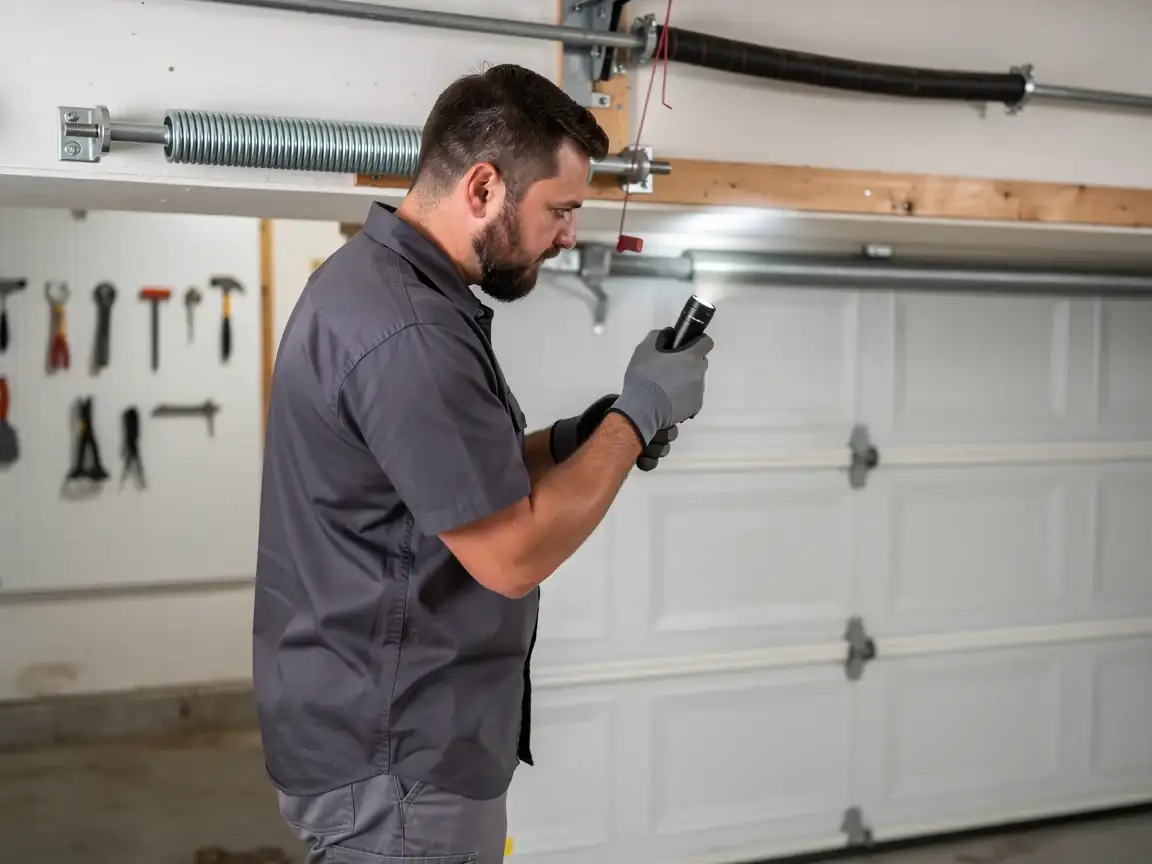
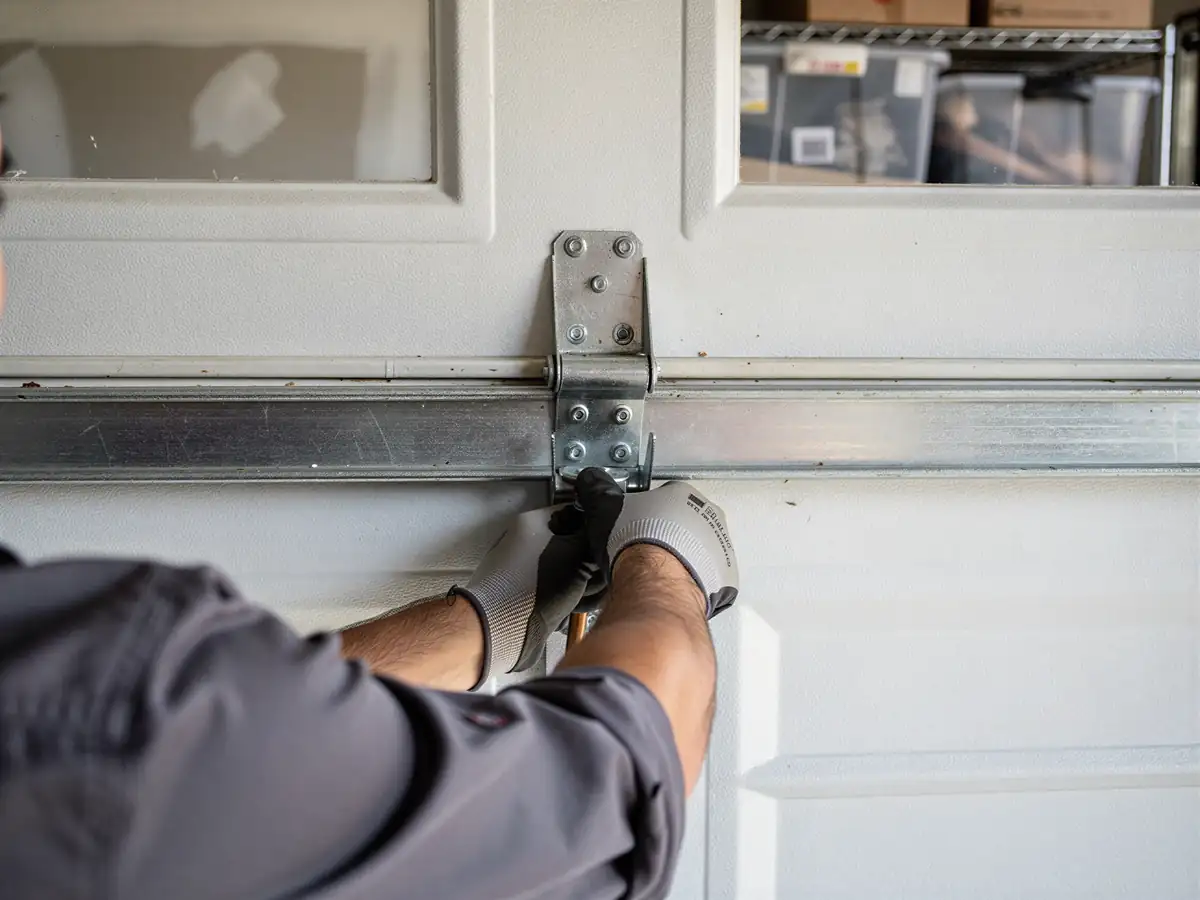
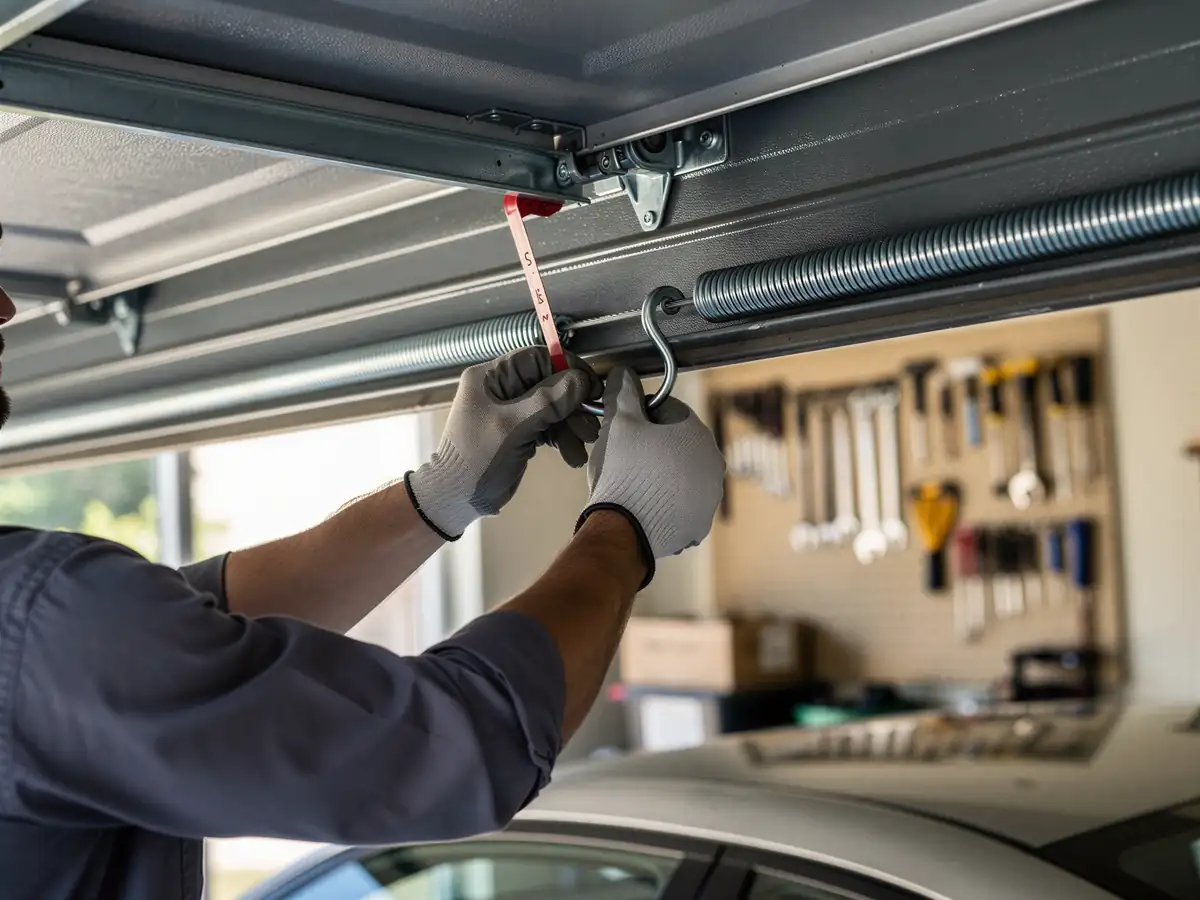
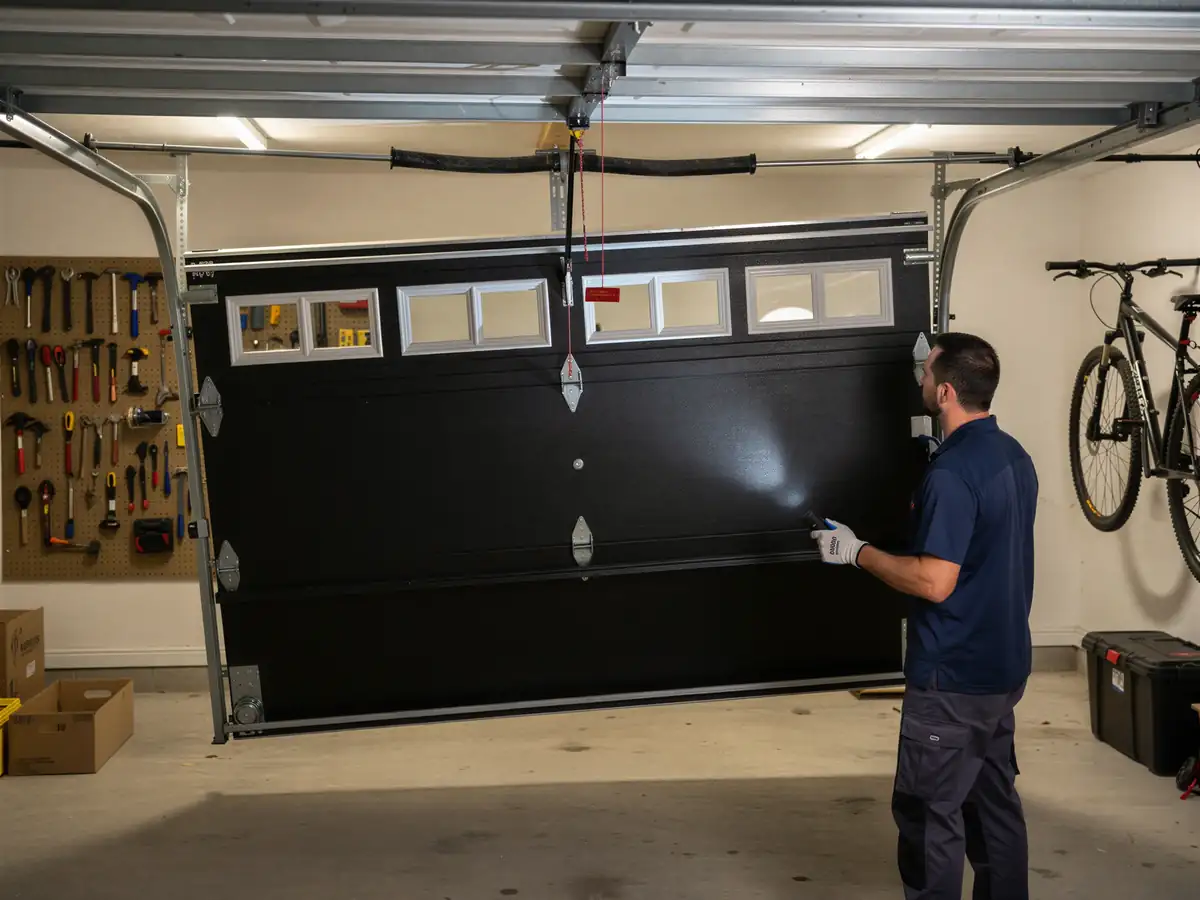
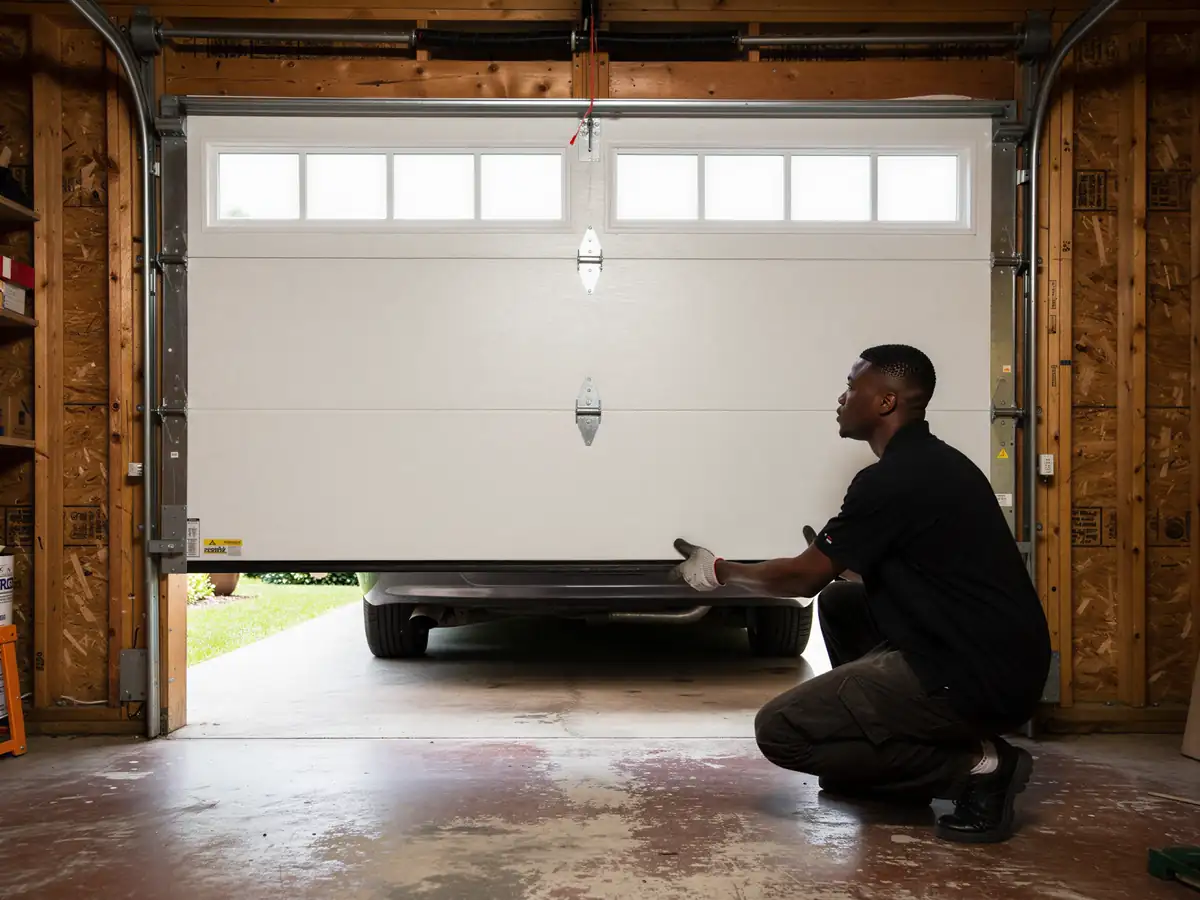
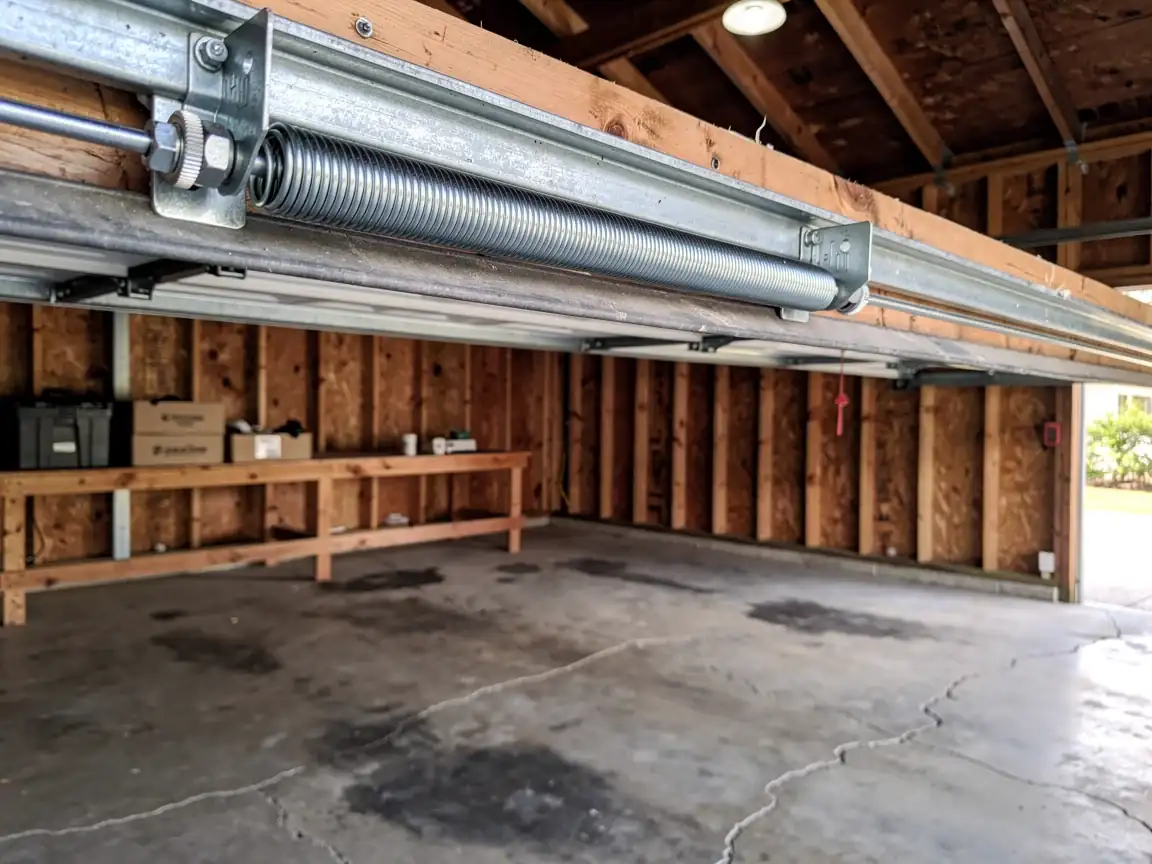
What isn't fine is opening the torsion spring assembly above the door yourself. That spring holds the full weight of the door under tension, and a slipped winding cone has put people in the hospital. If the door is off its tracks, if a cable has snapped, or if the spring itself is visibly separated, stop there and call. The repair itself usually takes less time than the trip to a hardware store for the wrong part.
One honest limit: if a part has to be special-ordered - an odd-size panel, a discontinued opener logic board - we can't make that part appear faster than the manufacturer ships it. We'll tell you that on the phone rather than let you wait on a promise we can't keep.
What You Are Seeing
Across the Homestead service area, the two calls we get most are a snapped torsion spring (door won't lift, or lifts a few inches and stops) and an opener that runs but the door doesn't move (usually a stripped gear or a disconnected trolley). Both show up more in houses built in a specific window, and that window matters.
Housing in this area runs from 1957 through 2008, with a median build year of 1979. A lot of that stock is original 1960s-70s construction with the hardware that came with it - steel torsion springs rated for 10,000 cycles that have long since passed that number, and openers from an earlier generation that weren't built for today's cycle counts. When a spring from a 1970s build finally lets go, it's not a surprise failure, it's a scheduled one that nobody scheduled.
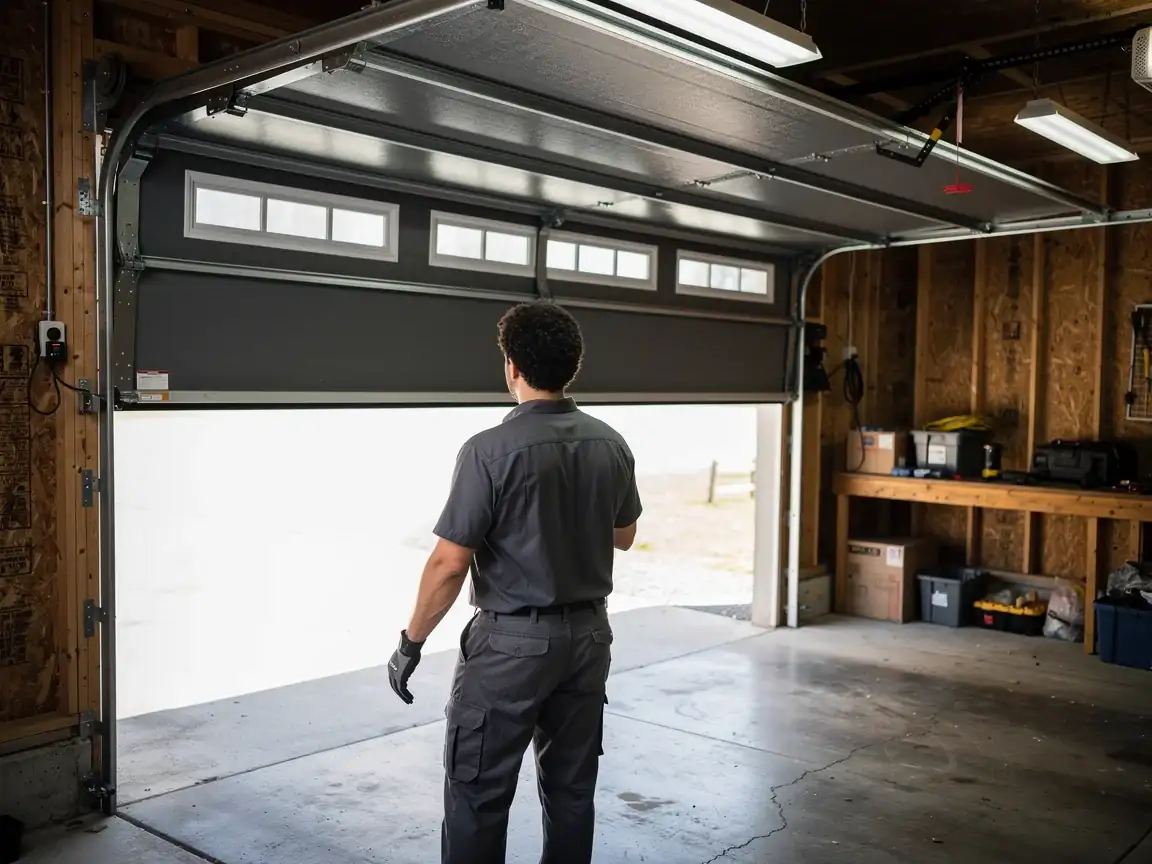
You'll also see rollers that have gone oval instead of round, tracks that have pulled slightly from the frame, and bottom seals that have hardened and cracked. None of these are rare. They're what 40-60 year old hardware does on a timeline, and the timeline is the same for most houses in this area regardless of which street they're on.
Why This Fails Locally
The climate band here is mild temperate
No deep freeze, no heavy snow load, nothing that stresses hardware the way a northern winter does. That sounds like an advantage, and for the door panel itself it mostly is. But mild and humid year-round is its own kind of wear: galvanized spring coils and cable strands corrode slowly instead of cracking suddenly, which means a spring can look fine the week before it snaps. There's no hard freeze to force an early replacement conversation, so springs and cables often run well past their rated life simply because nothing forced the issue.
Combine that with the age of the housing stock and you get the pattern we actually see on service calls
Original or first-replacement hardware, 30 to 60 years old, failing without the obvious warning signs a harsher climate would have produced years earlier. It's not that Homestead-area doors fail more often - it's that they fail later and with less notice, because nothing has been pushing them to fail sooner.
- 60 years
Booking a Visit
We cover Homestead and the surrounding service area, including Leisure City and Florida City about 2 miles out, Naranja and Homestead Base around 4 miles, and towns further out like Cutler Bay, Palmetto Bay, and Kendall within roughly a 10 to 17 mile radius. That's a large area with 240,889 households and 97,913 owner-occupied houses, and a median household income of $82,726 - which is to say, a lot of houses with very similar 1960s-80s garage door hardware in them.
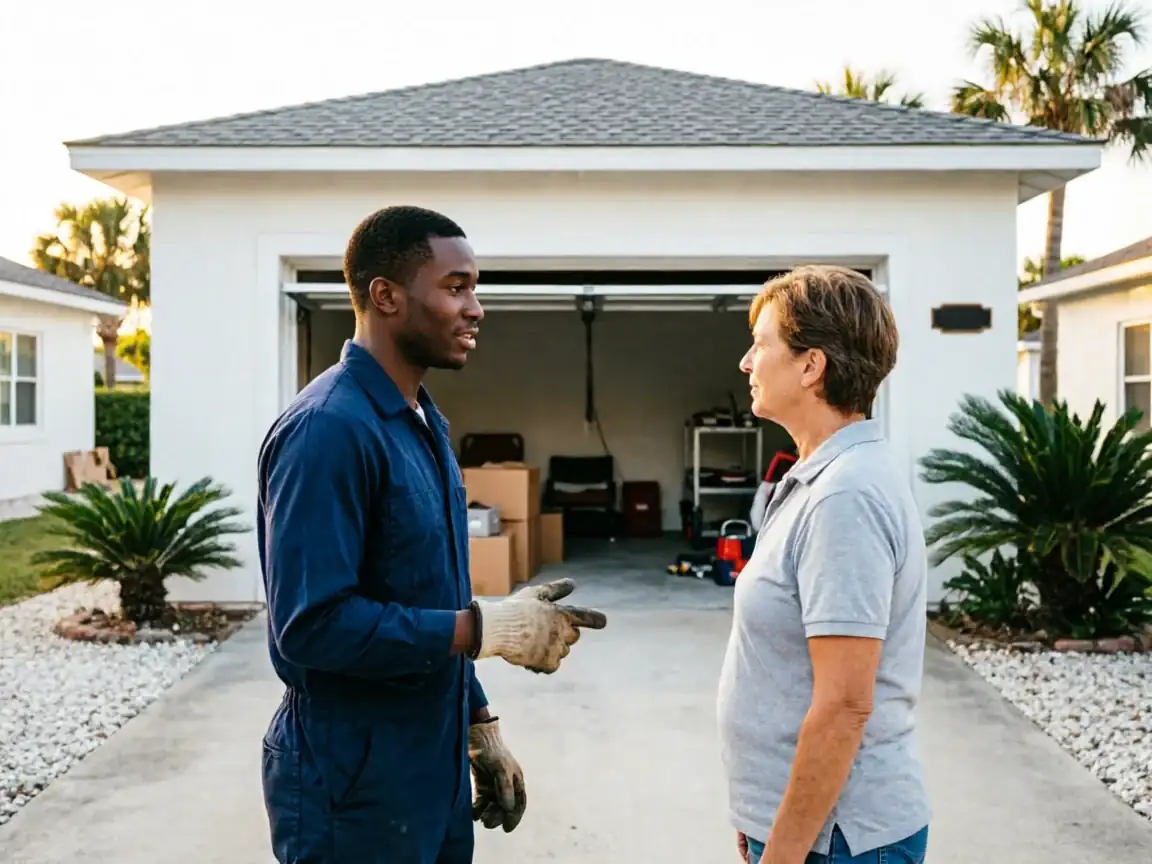
When you call, tell us what the door is doing: won't move, moves partway, makes a bang, runs but doesn't lift. That tells us which parts to bring on the truck so the first visit is the only visit. If it's a spring job, we bring both springs on a double-spring door even if only one broke - the other one is usually close behind it anyway.