When We Can Get There
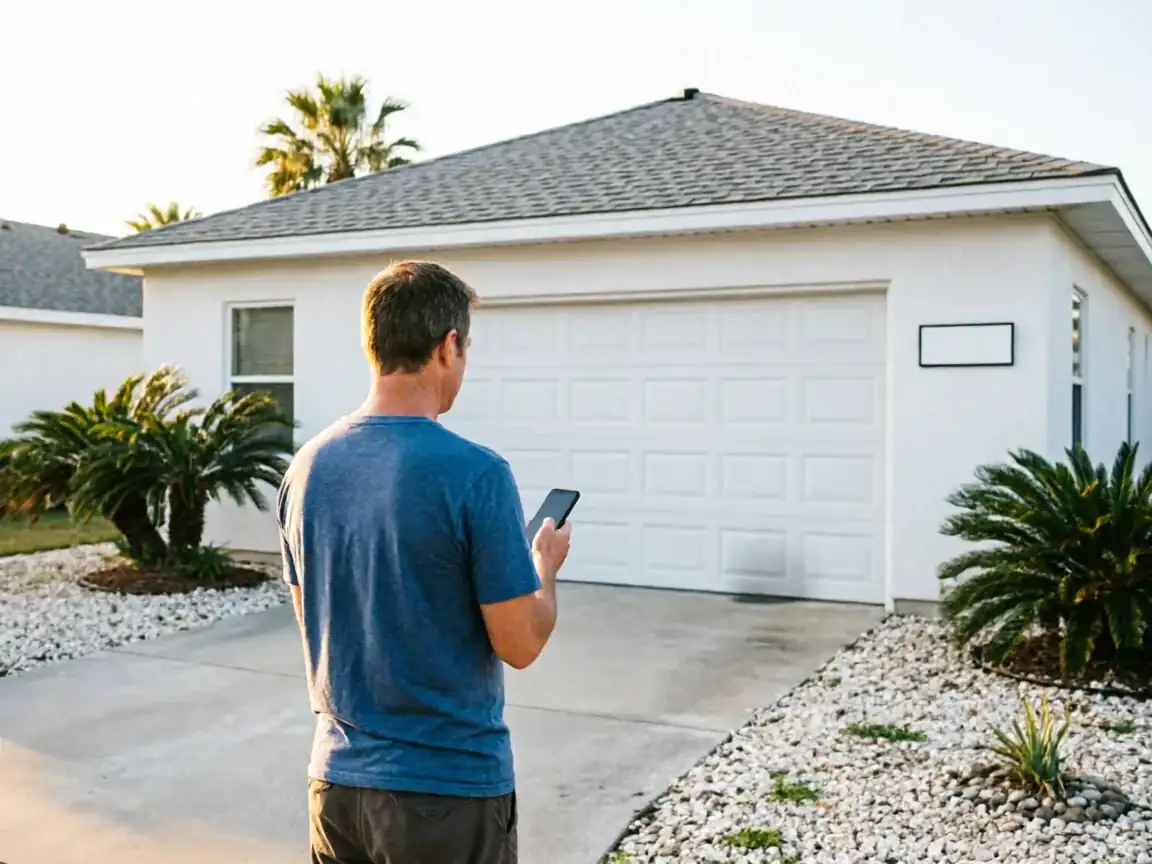
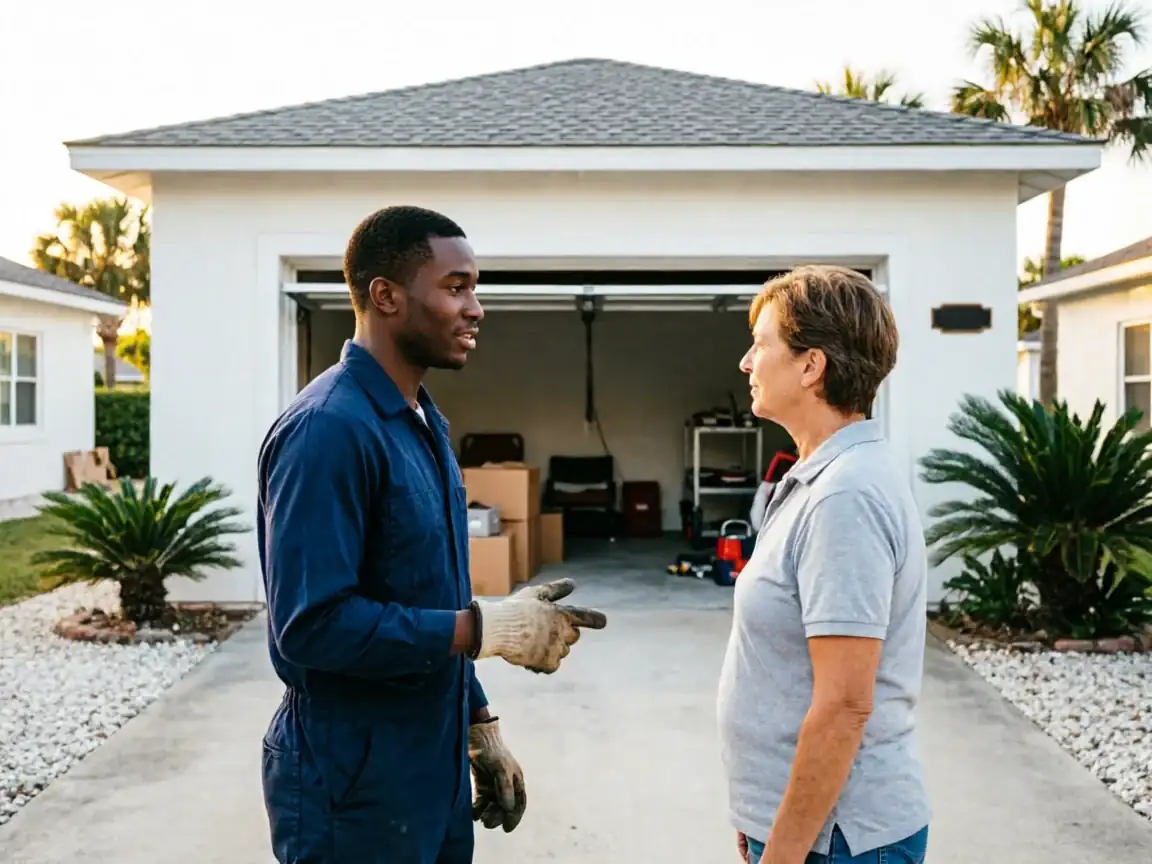
We run out of Homestead, and South Miami Heights sits about 9 miles up the road from there. That's a short enough run that it doesn't change how we schedule a day, but we're not based in the neighborhood and we don't want to pretend we are. We work this area alongside a wide stretch of the county listed in our coverage map, so if you call, we'll give you a straight answer on when a truck can actually get to your driveway rather than a canned promise.
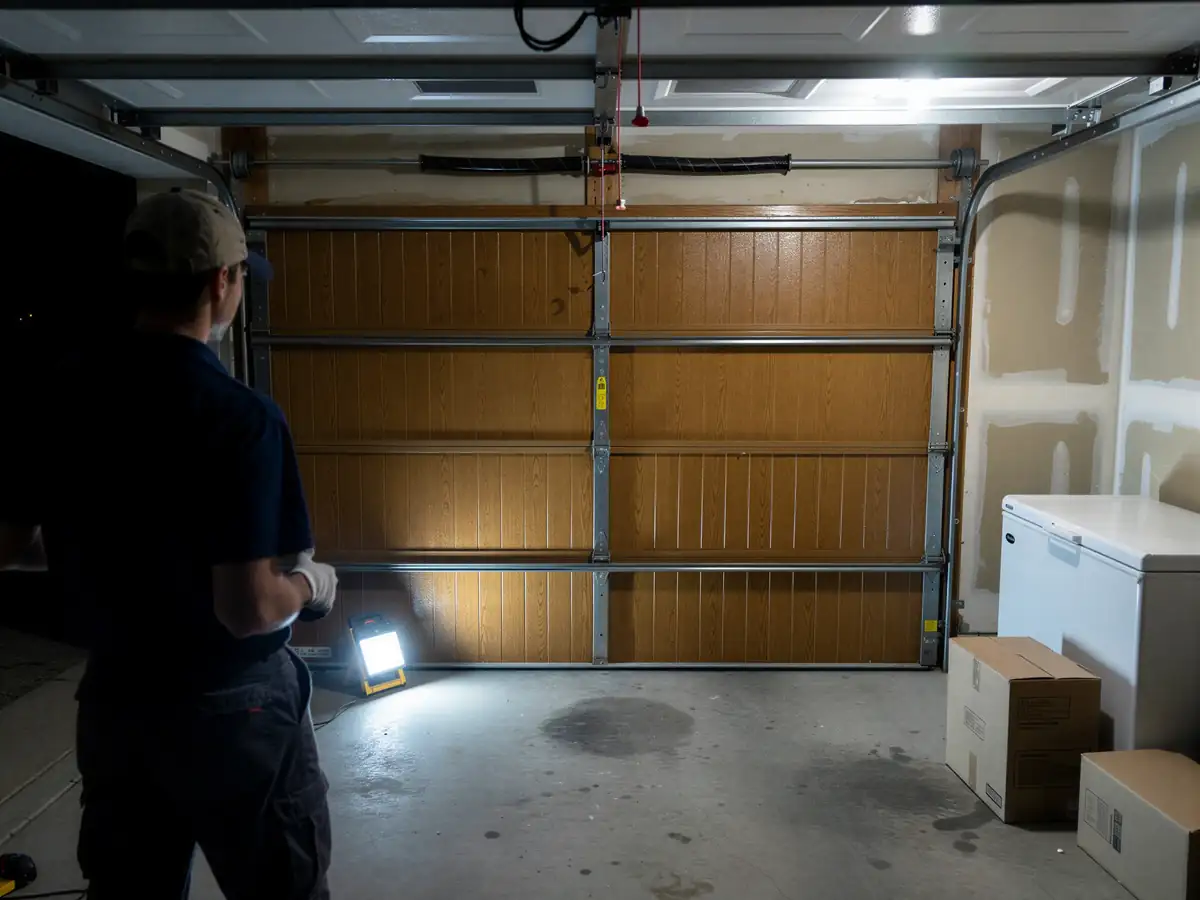
What we can tell you is that the drive itself isn't the bottleneck on most jobs - parts availability is, especially on older torsion hardware, which we get into below. If you need same-day attention for a door that won't close, say so when you call. If it's a spring or cable that's already let go, that's the kind of job we try to fit in ahead of routine maintenance calls.
The Houses Here
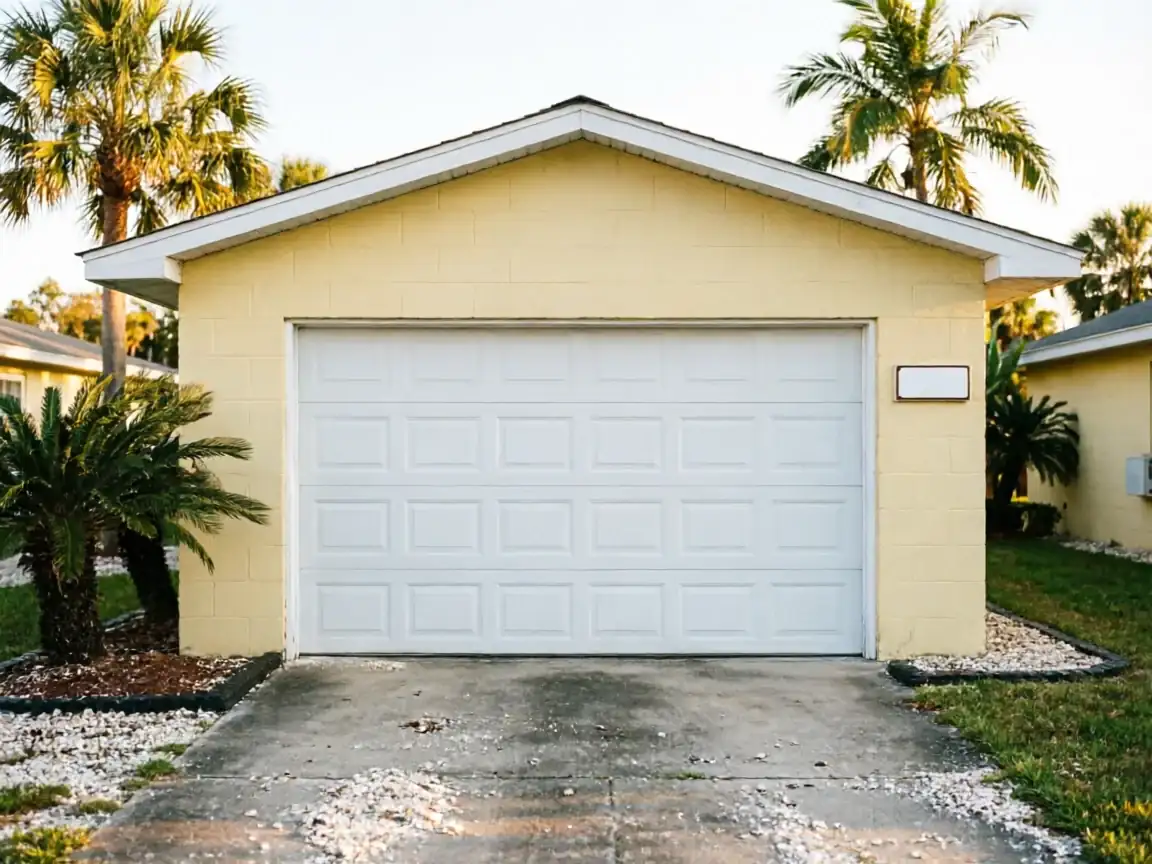
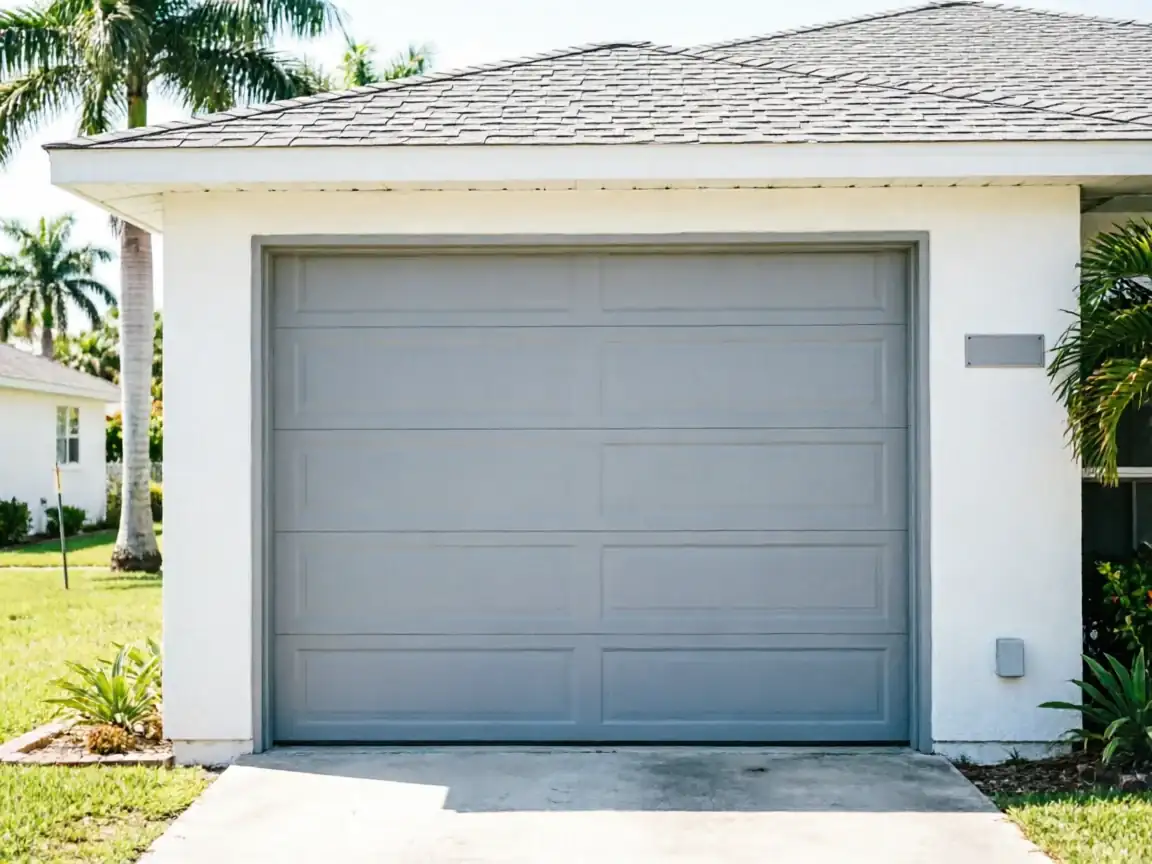
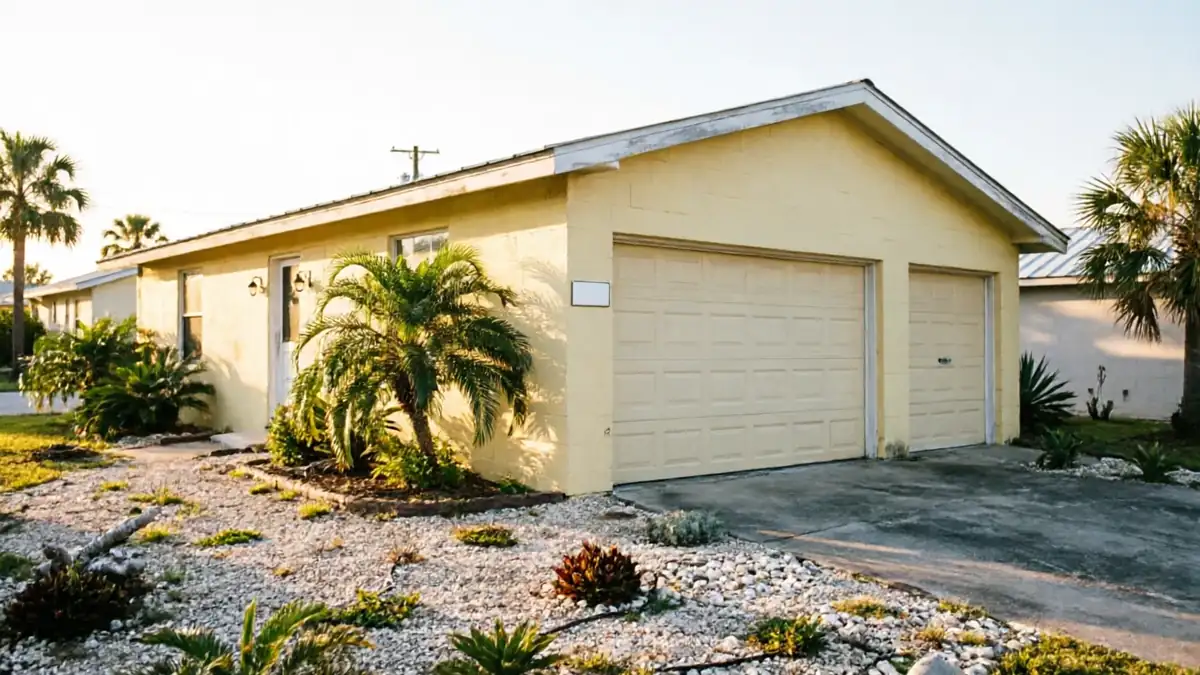
South Miami Heights' housing stock centers on a median build year of 1979, which puts most of the neighborhood squarely in that late-1970s wave that shows up across a lot of this part of the county - homes built between roughly 1957 and 2008 overall, with the bulk of that stretch in the 1960s and 70s. That's an important number, because a house built in 1979 was built to a different garage door spec than one built in 2005, and the hardware on it has usually never been swapped for anything newer.
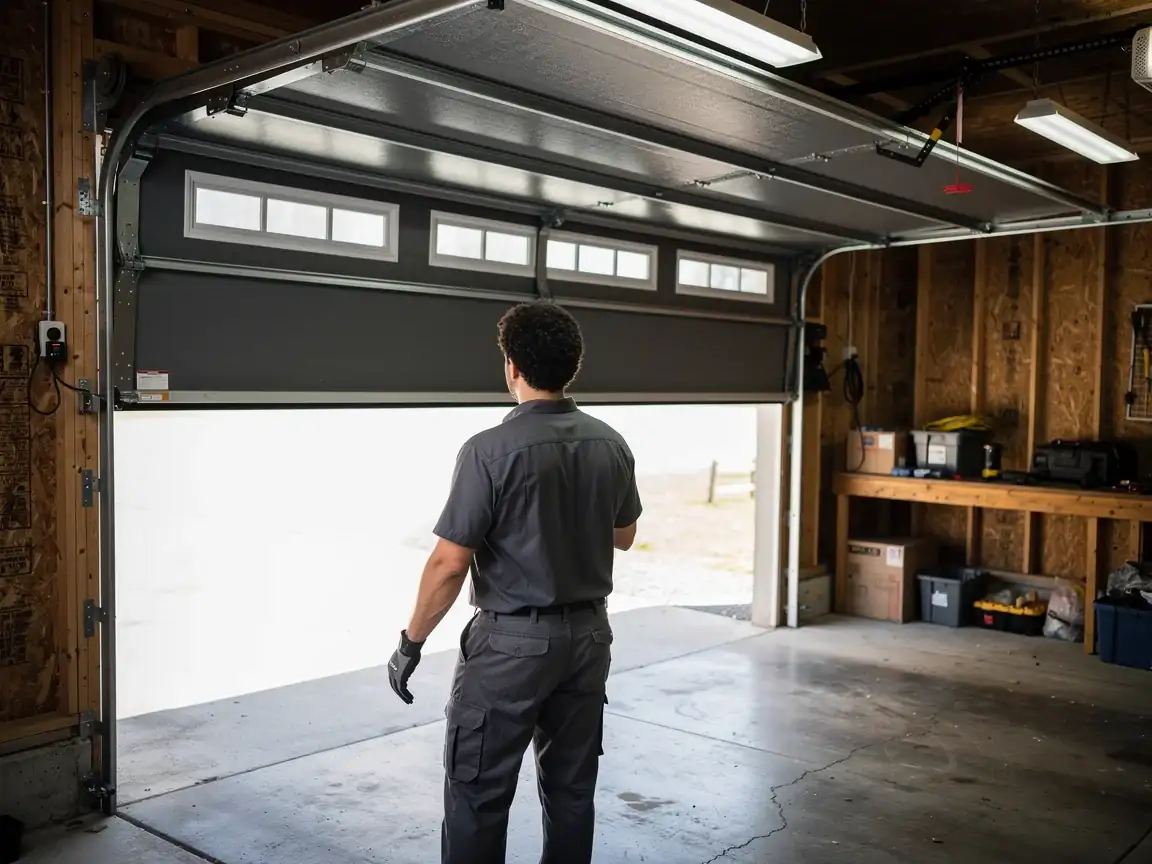
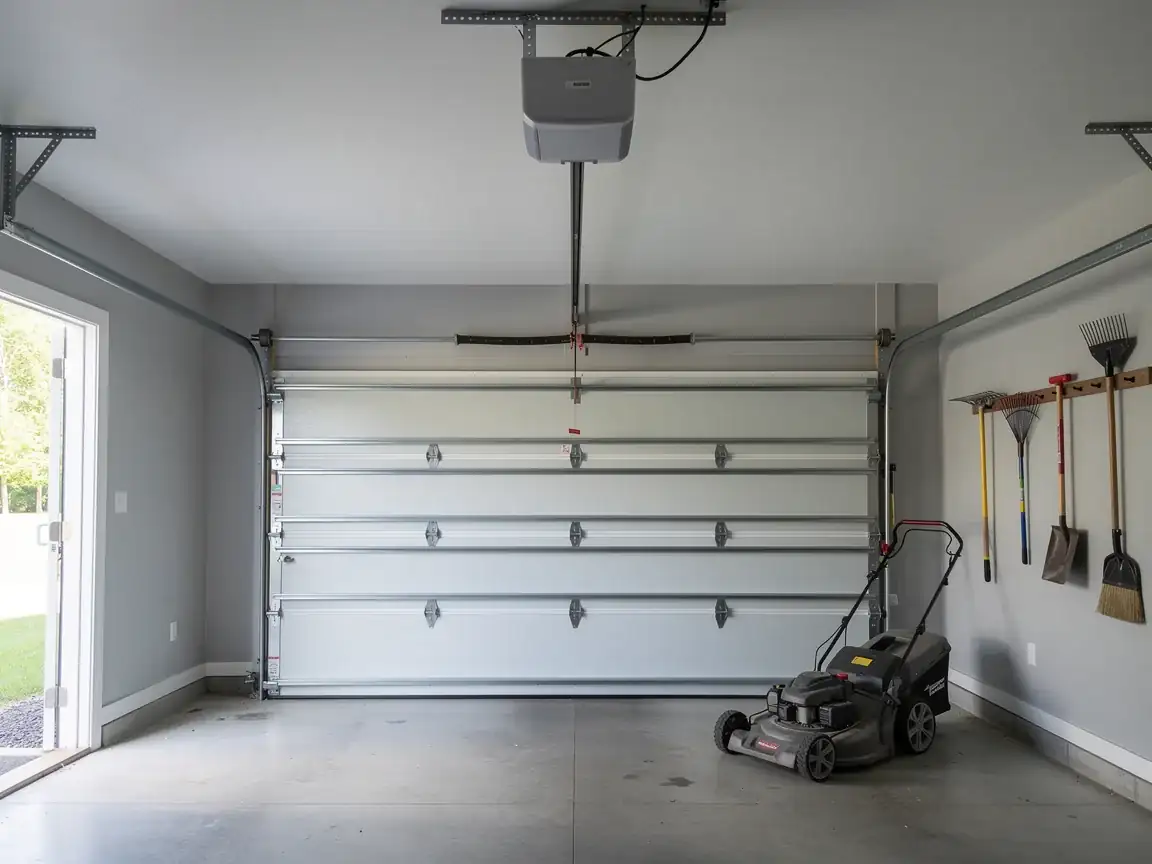
The climate here is mild temperate, so you're not dealing with the freeze-thaw cycles that crack springs up north, but you are dealing with decades of humidity and salt air working on steel. On a lot of these 1970s-era doors, the springs and rollers are original or close to it, and the opener - if one was ever added - is often a retrofit bolted onto track that predates it by twenty years. That mismatch is the single most common thing we find once we're actually looking at the door.
What People Here Ring About
The calls from this part of the service area follow a pattern tied directly to that 1979 median build year
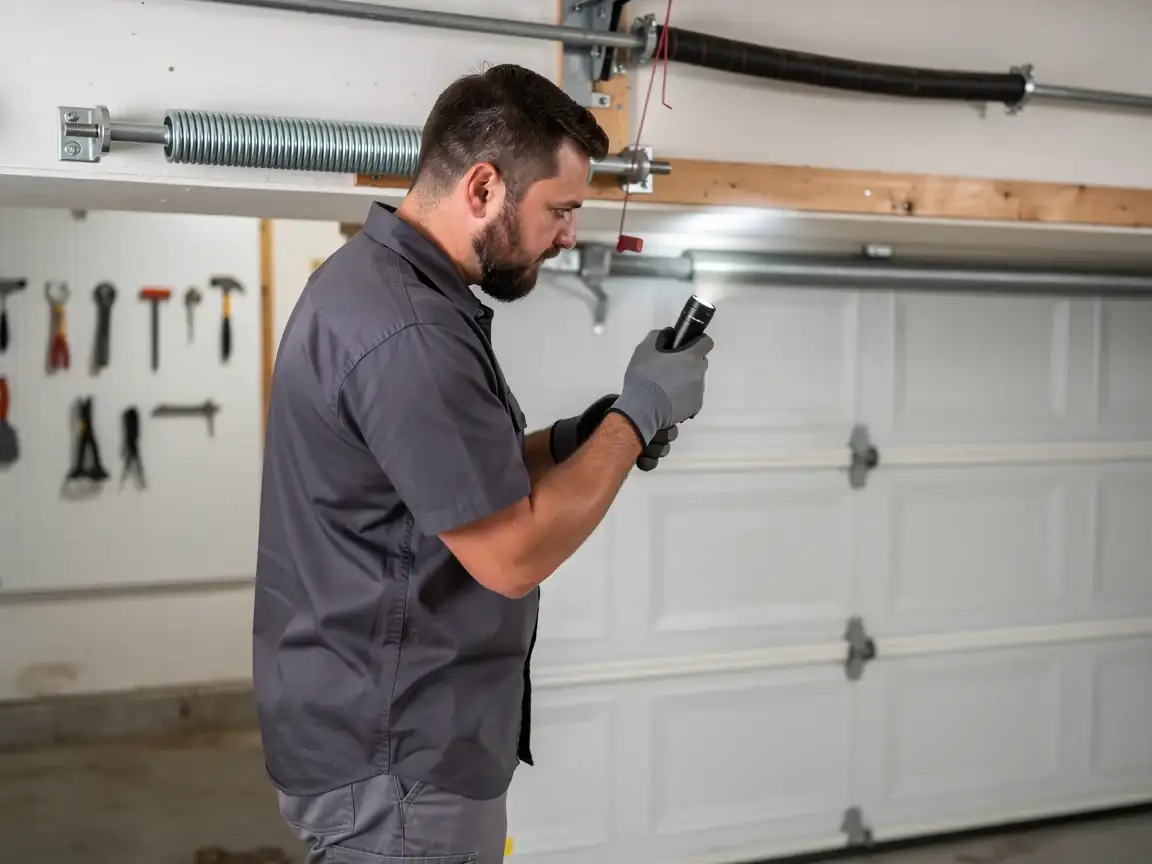
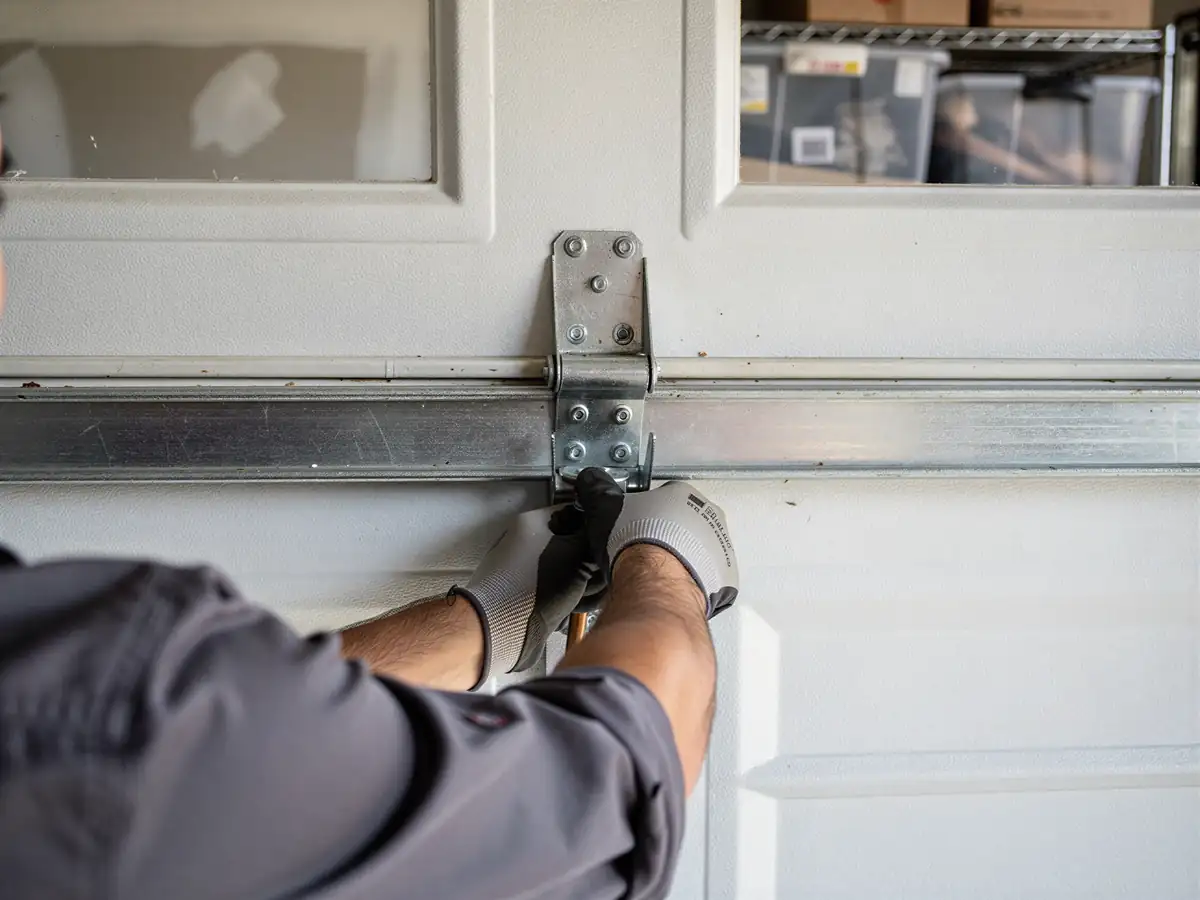
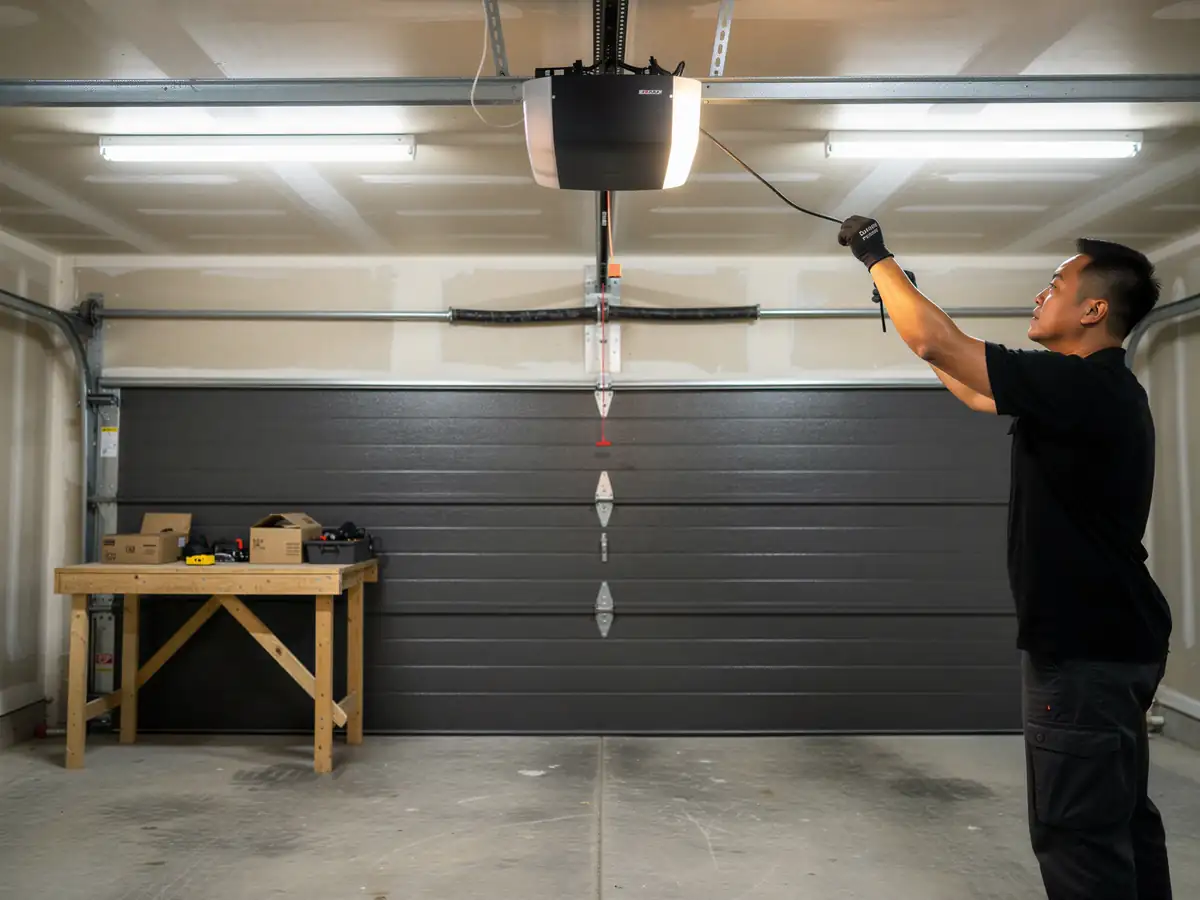
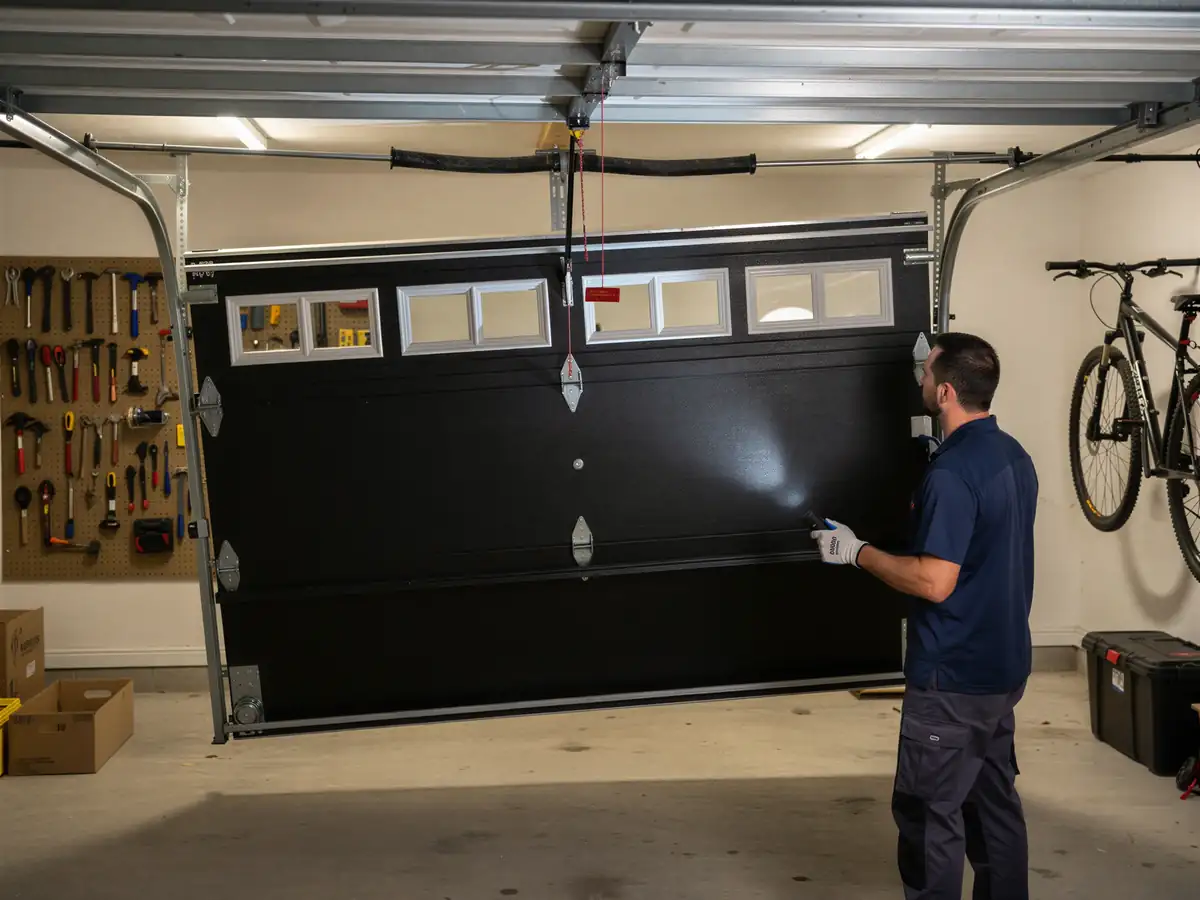
Torsion springs on doors this old are well past any reasonable service life, and when one goes, it usually takes a cable or a bottom bracket with it. We also see a fair number of openers that were added to original hardware sometime in the 80s or 90s - that combination throws error codes and random reversals that have nothing to do with the opener itself and everything to do with worn track and rollers it was never designed to work with.
Rust on the bottom panel and hinges shows up too
More from decades of exposure than any one storm. It's steady wear, not sudden damage, which is actually good news: most of it is fixable without replacing the whole door, provided the track and frame are still square.
What the Housing Means for Your Door
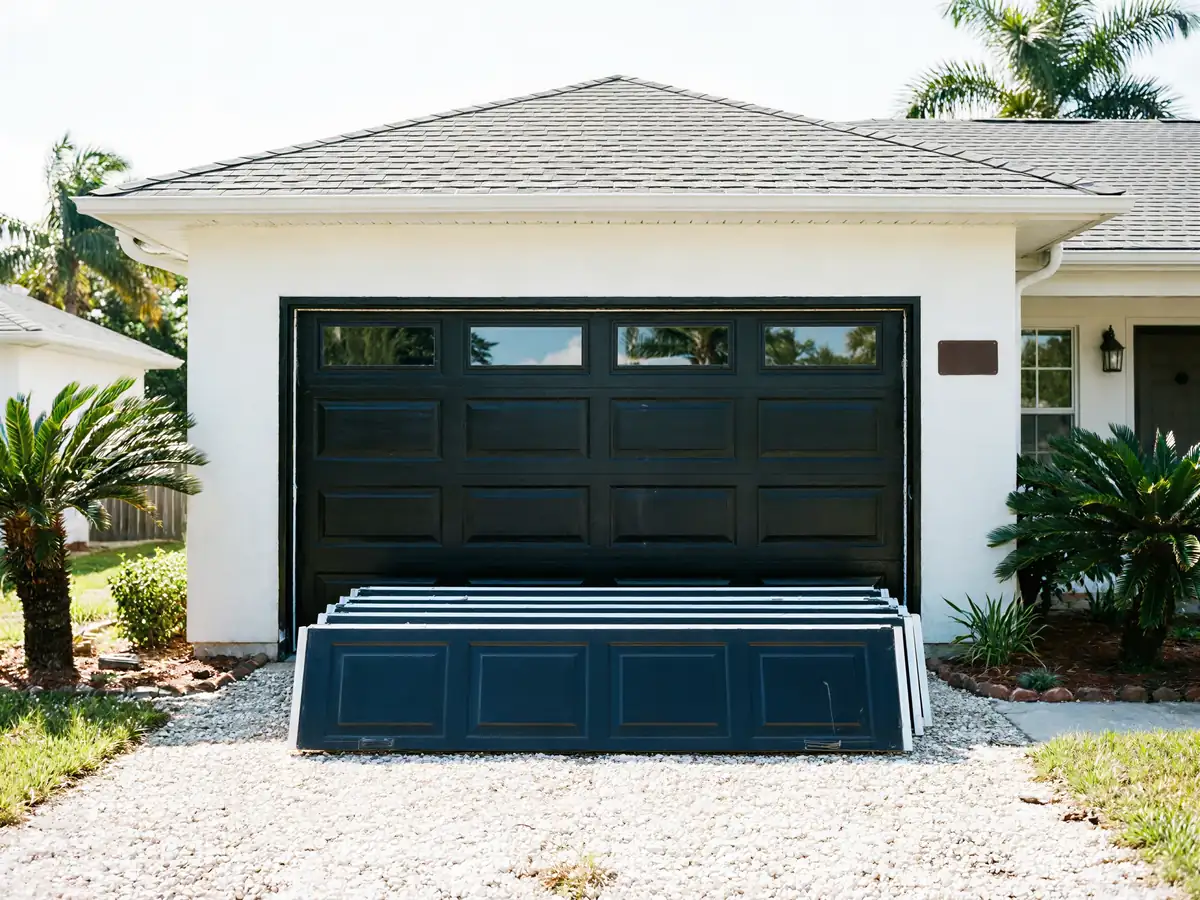
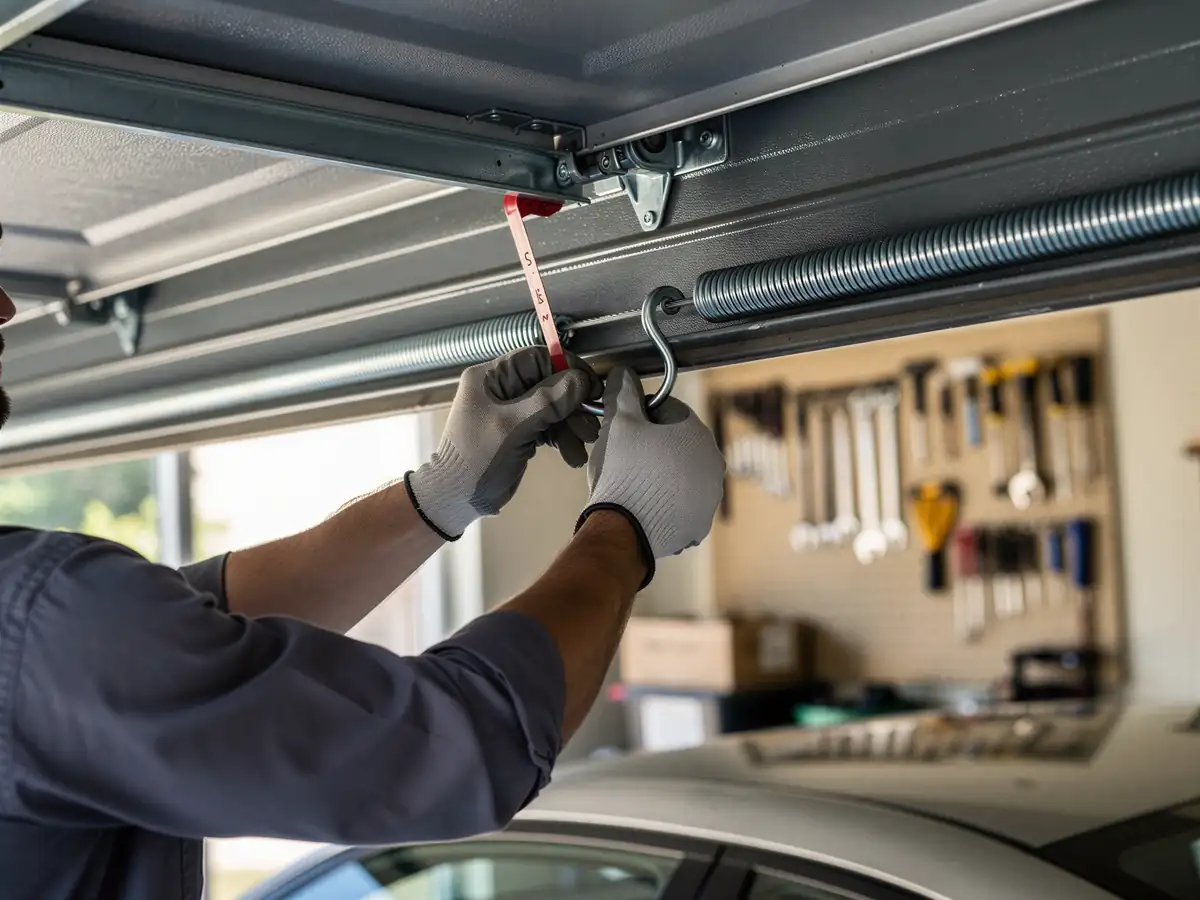
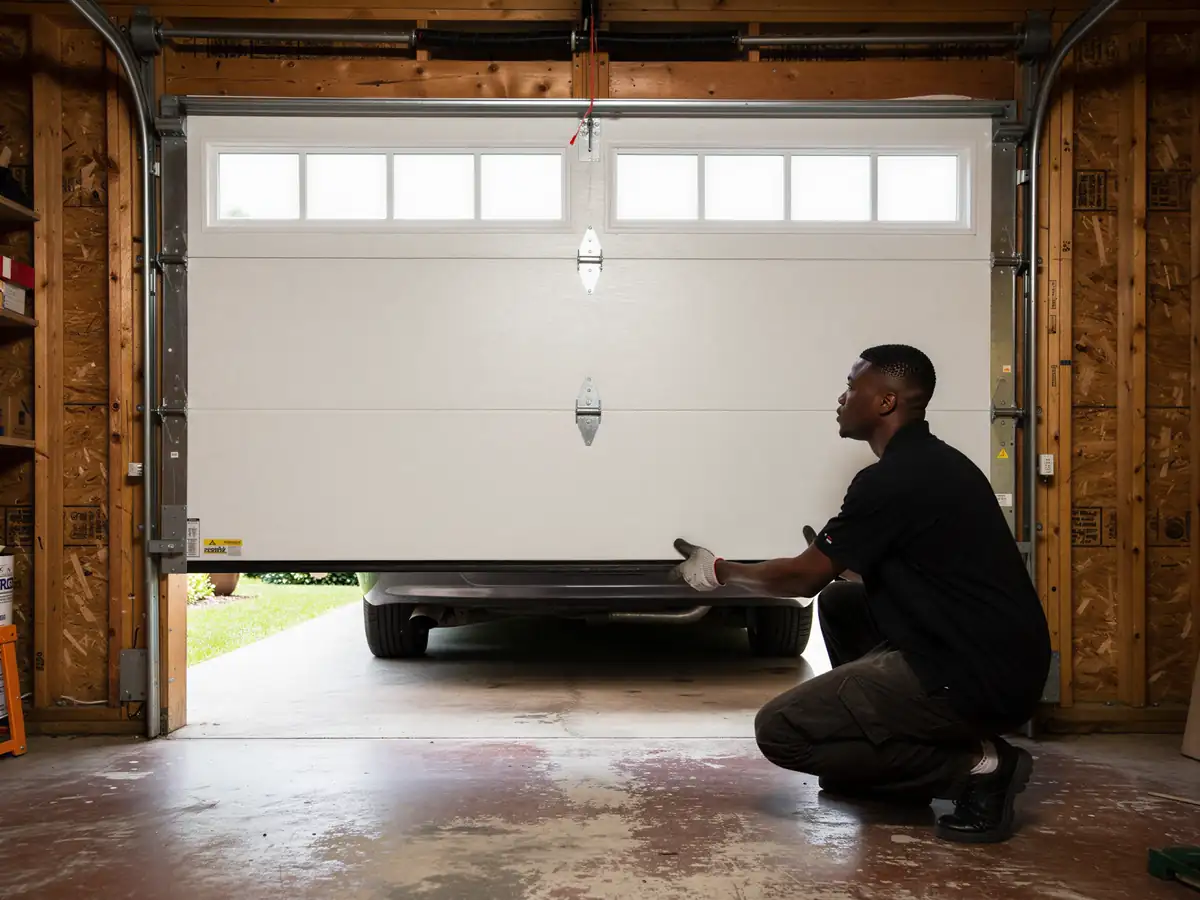
Because so much of South Miami Heights was built around the same era, the fixes repeat. A broken torsion spring on a double door from this period is the single most common service call we'd expect out of this neighborhood, and it's usually paired with rollers that are long overdue for replacement. We carry standard spring sizes for this, but we'll be honest: on a handful of older one-piece or side-mounted setups, the exact hardware isn't something we stock on the truck, and that job may need a short lead time to source the right part rather than a same-visit fix.
If your door is original to a house built in that late-70s window, it's worth having the torsion spring and cable checked before one fails on its own schedule, usually at the worst possible time. A full replacement only makes sense once the track and frame have gone out of square - until then, most of these doors are worth repairing, not replacing.