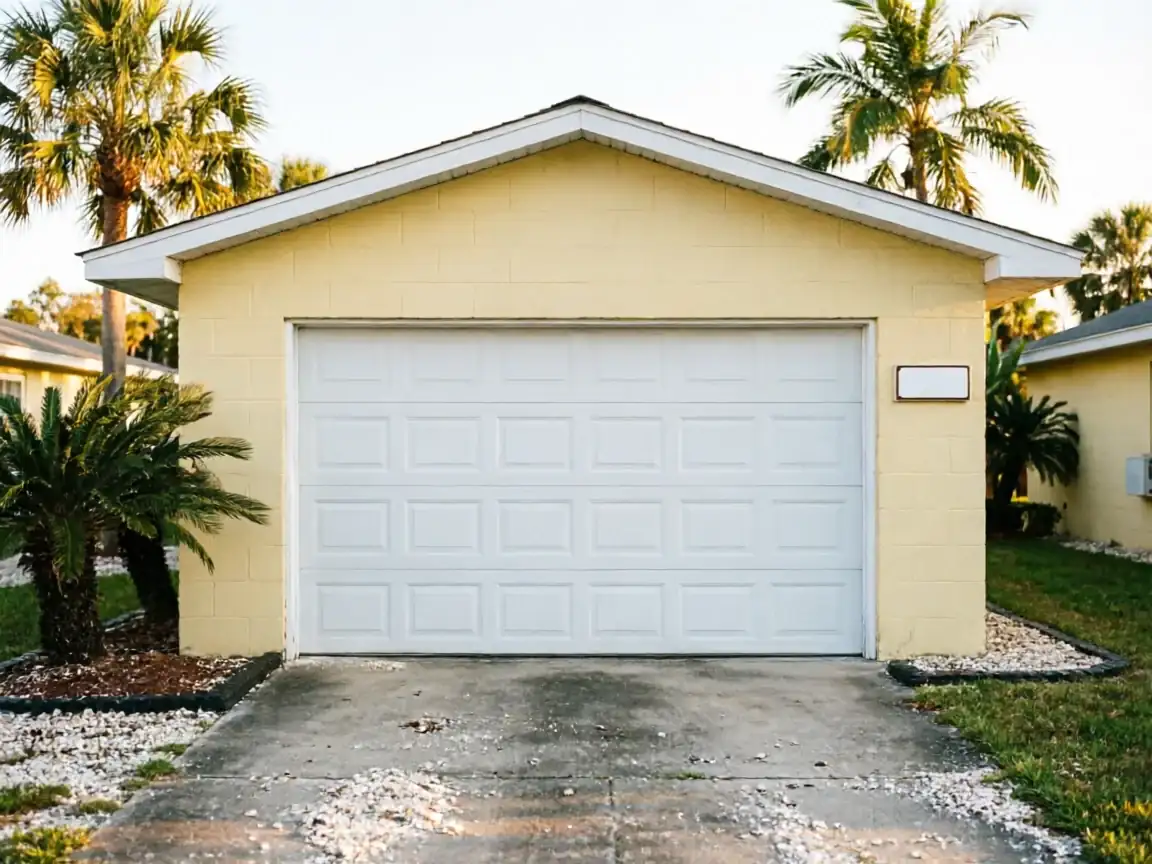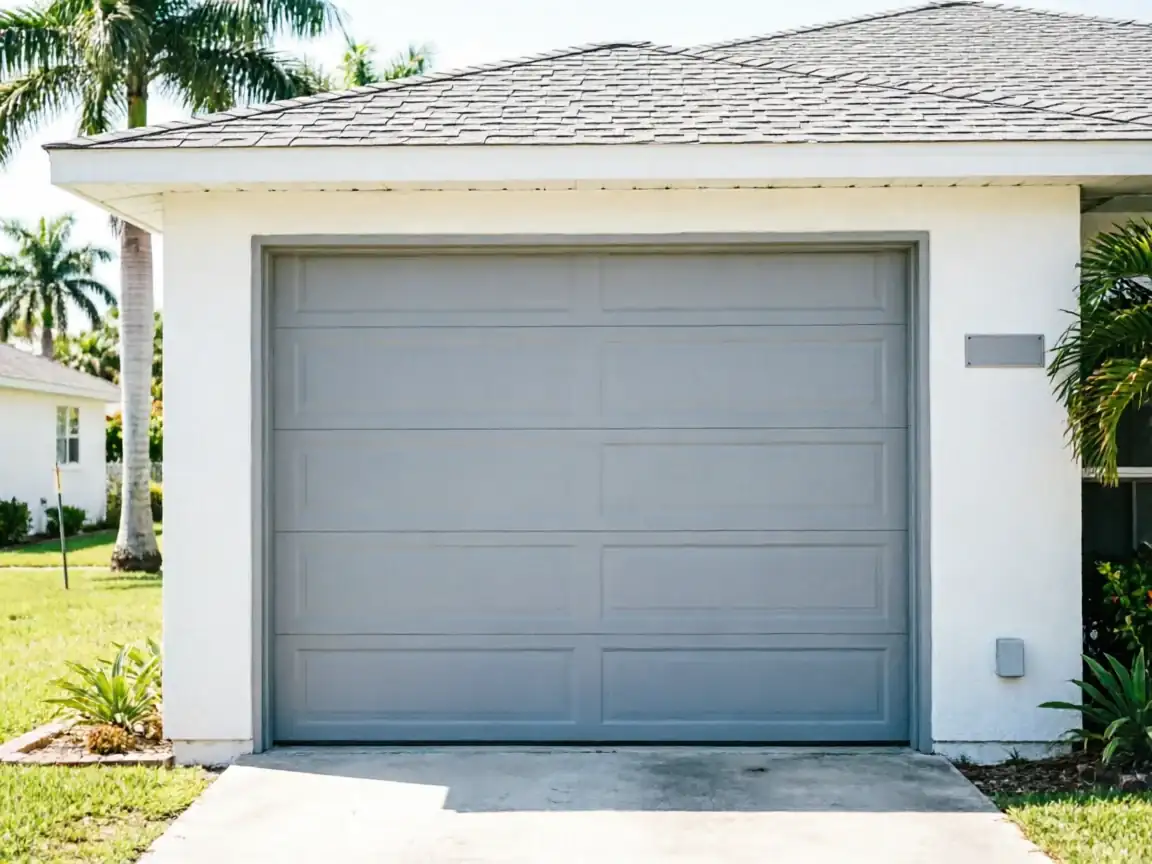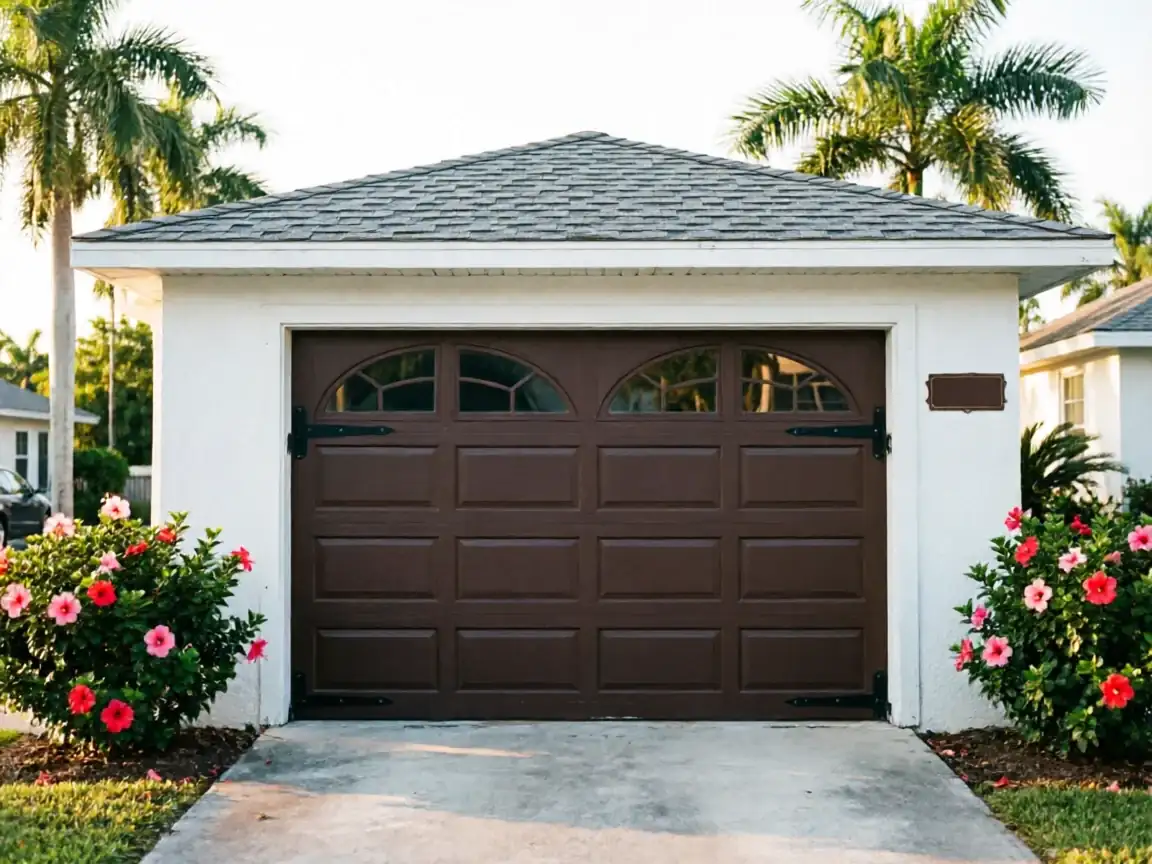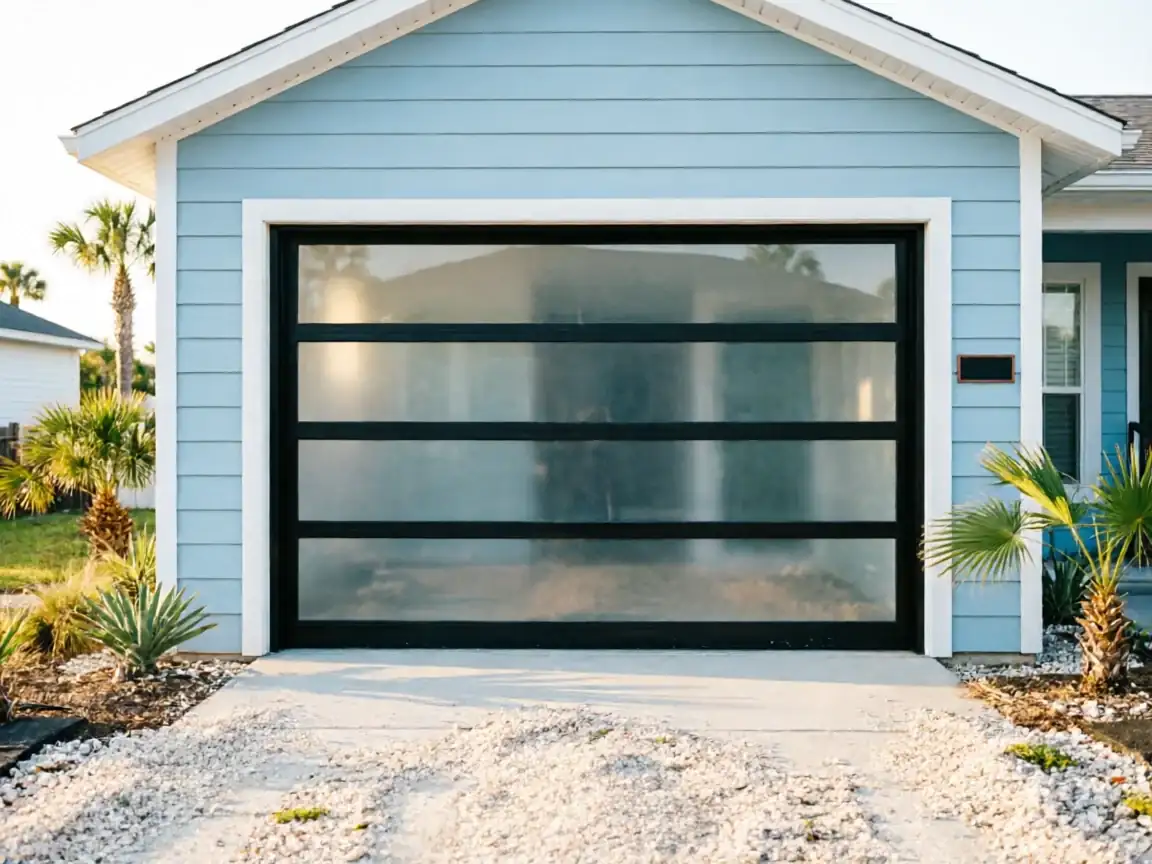
What You Are Seeing
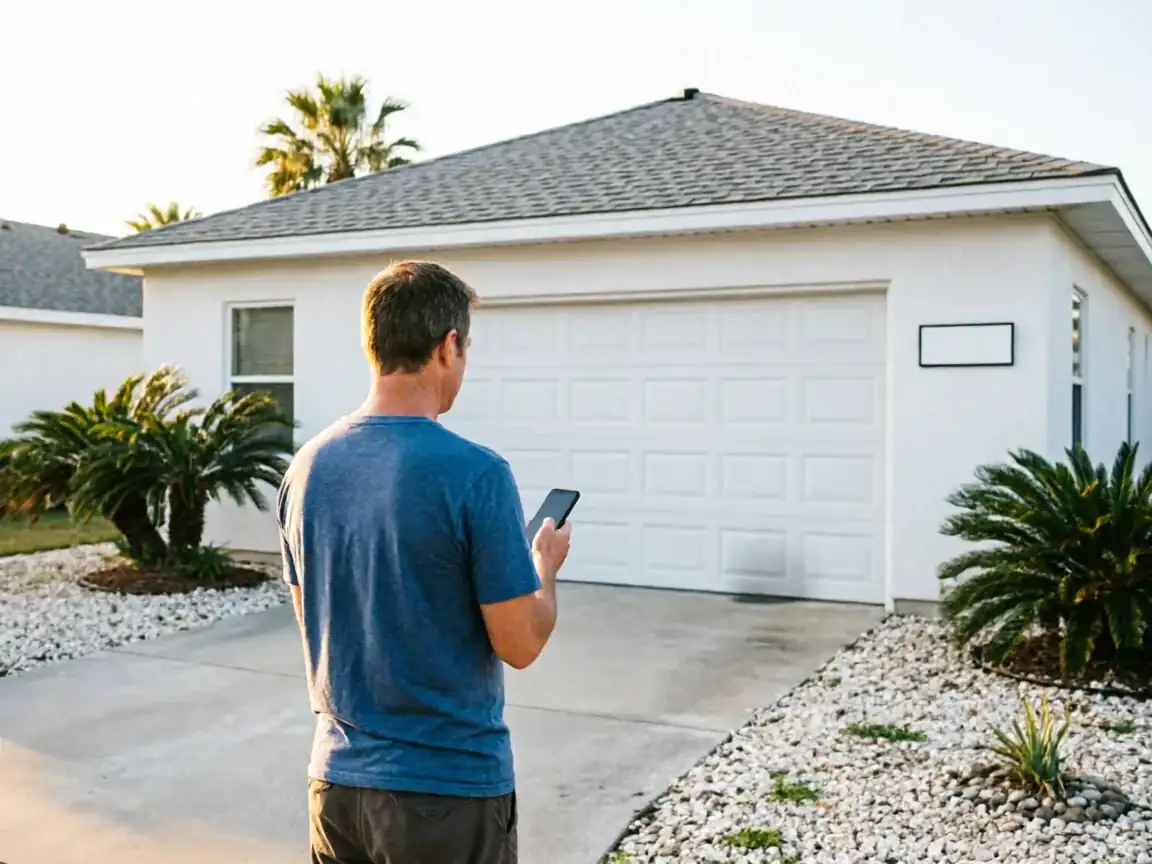
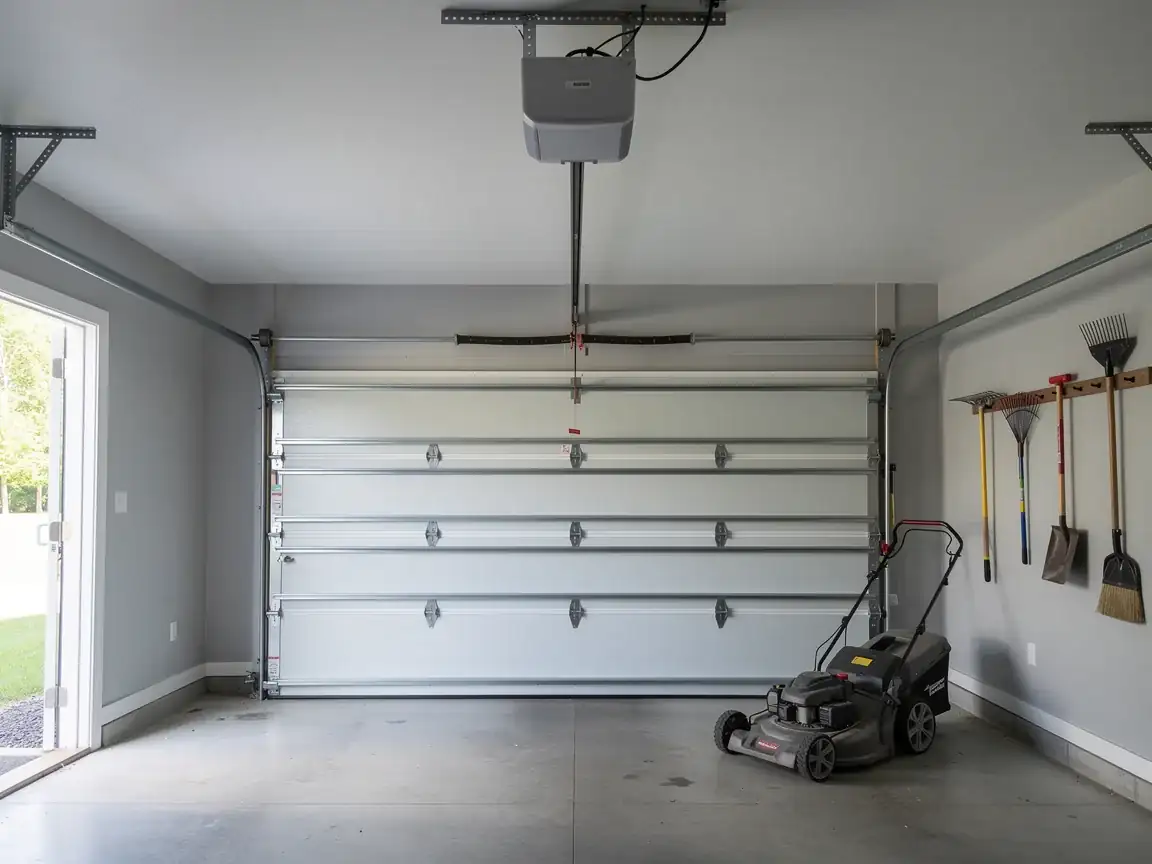
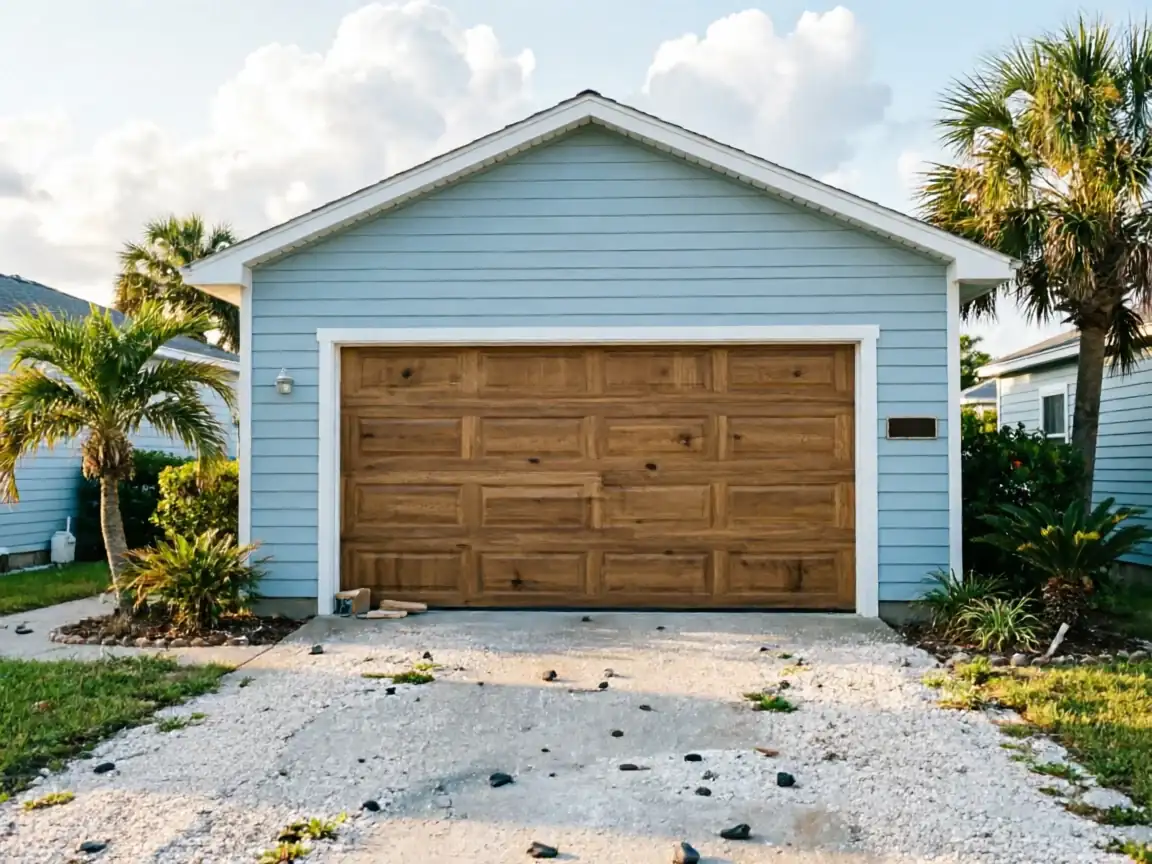
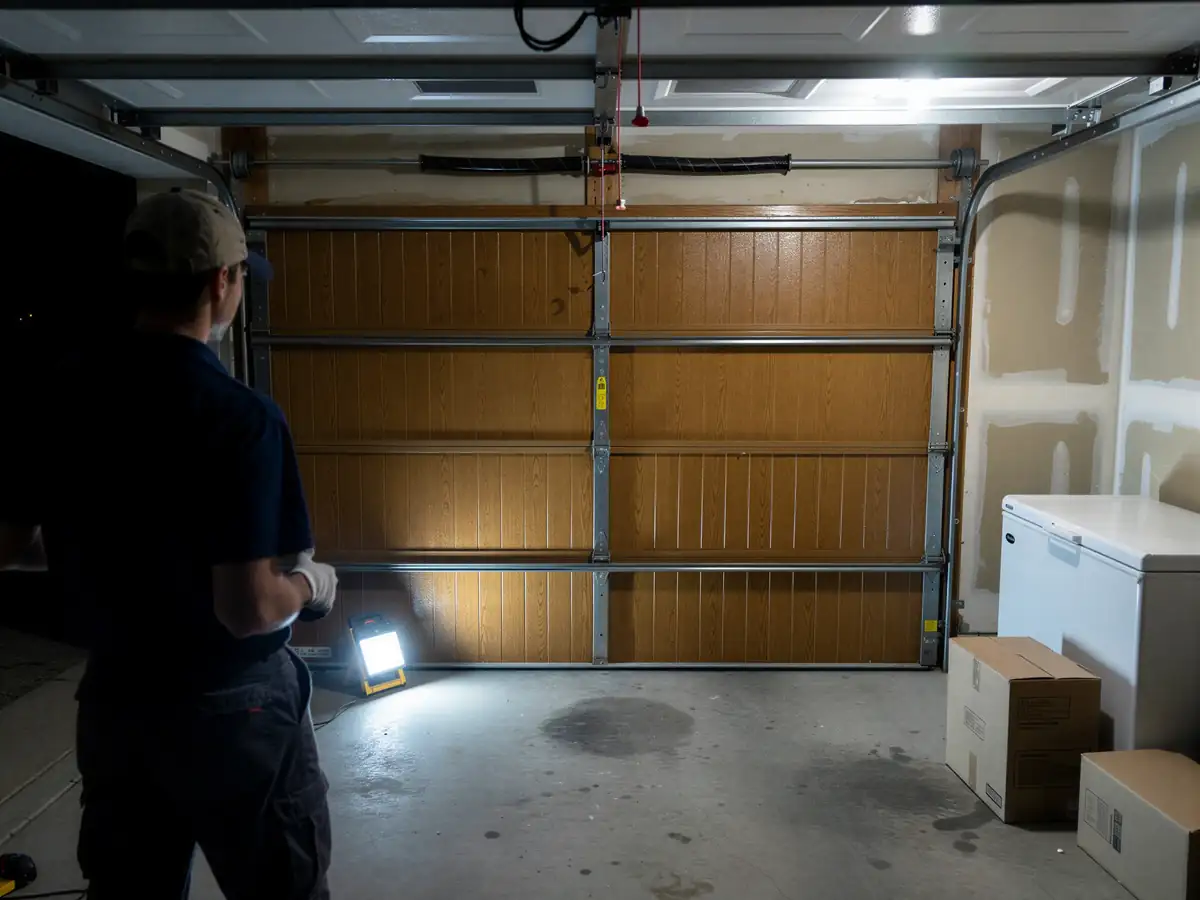
Homestead's own housing stock runs newer and older both, but South Miami Heights sits close to the middle of the service area's build span: most of the homes here went up around 1979, per the numbers for this corridor. That's a different animal from a house built in 2005 or one built in 1960. By 1979, builders had mostly standardized on steel sectional doors with side-mounted torsion springs and roller tracks bolted straight to the jamb - fine hardware for its day, but forty-plus years old now in the original installs that never got swapped out.
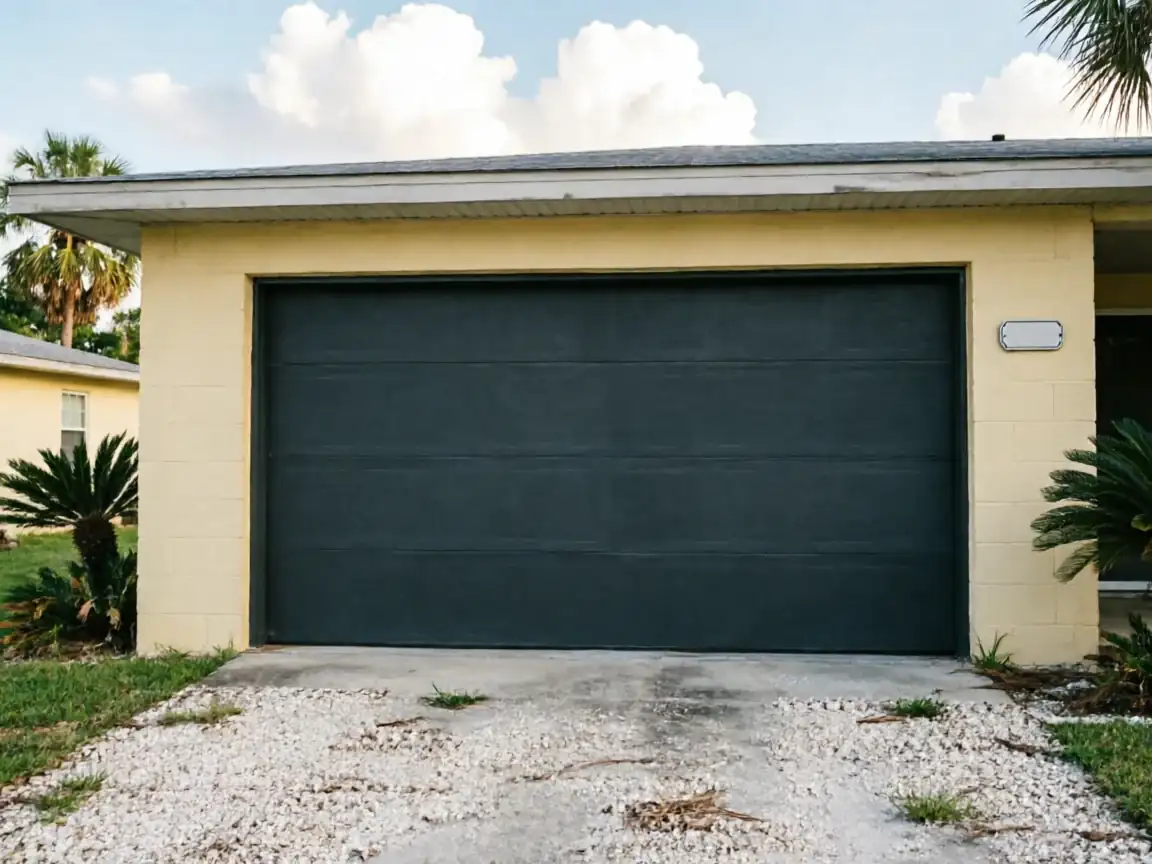
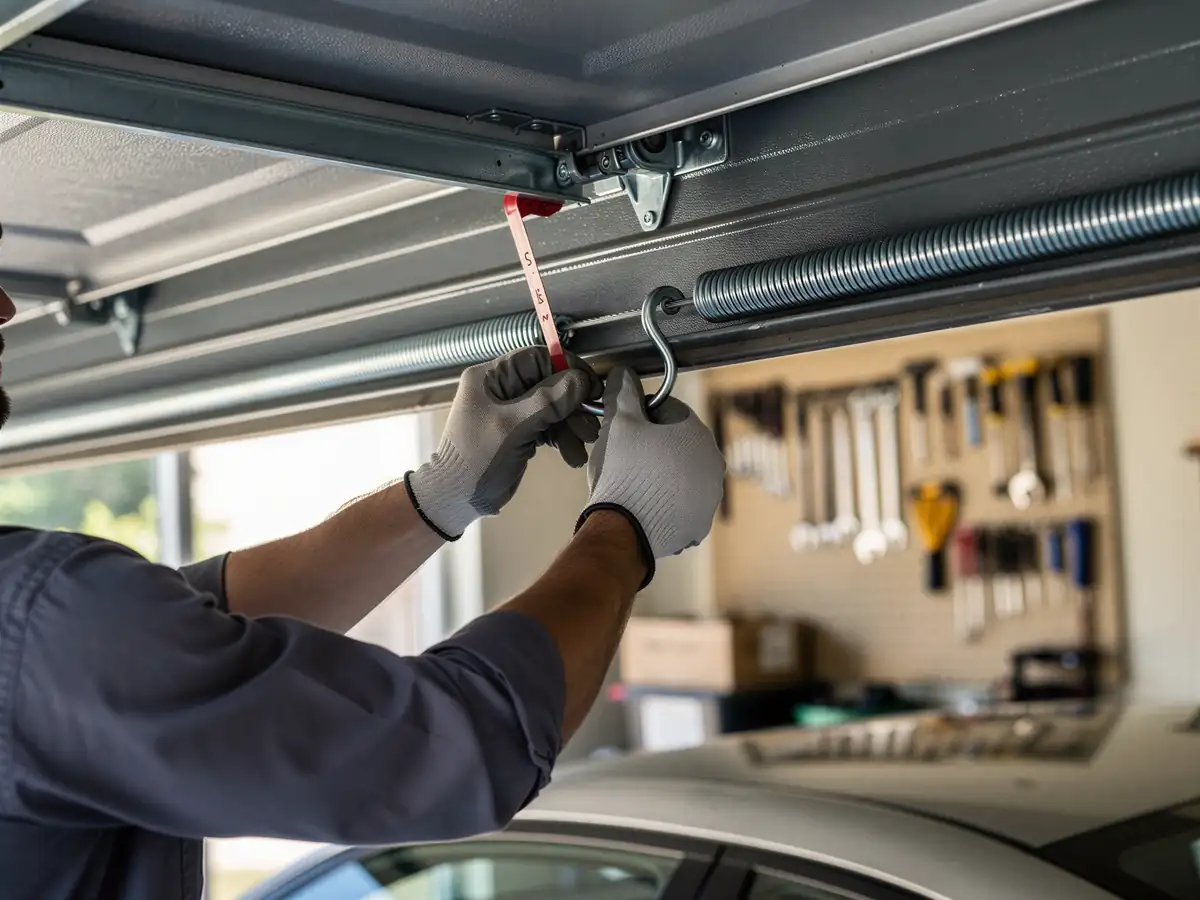
What that means walking up to a South Miami Heights garage: rollers that have gone from nylon to bare steel wheel, tracks with rust bloom at the low bends where water sits, and torsion springs that have likely never been replaced even once. The mild, temperate climate here doesn't throw hard freezes or heavy snow load at the hardware, so corrosion and wear from humidity and cycle count - not weather extremes - are what finally take a spring or a hinge out. You're not fighting the climate here. You're fighting age and cycle count on hardware installed decades ago.
What You Pay
We don't post a flat number here, because what a tune-up costs depends on what's actually worn - a hinge and roller swap is a different job than replacing a torsion spring that's lost its temper. What we can tell you is the context: South Miami Heights carries a median household income noticeably below the roughly $82,726 average across the roughly 240,889 households this service area covers. That gap shows up in the calls we get from this part of town - more requests to extend the life of an existing door with lubrication, hardware tightening, and spring balance checks, fewer requests to just replace the whole unit outright.
That's a reasonable way to run a 1979-era door. A maintenance visit catches a spring that's starting to sag or a track pulling loose from the jamb before it becomes an emergency call with a door stuck halfway open. It costs less than a breakdown repair, and it costs a lot less than a full door and opener replacement before you've actually used up what's left in the old one. We'll tell you straight if a repair isn't worth doing versus just replacing the unit.
How Long It Takes
A standard maintenance visit
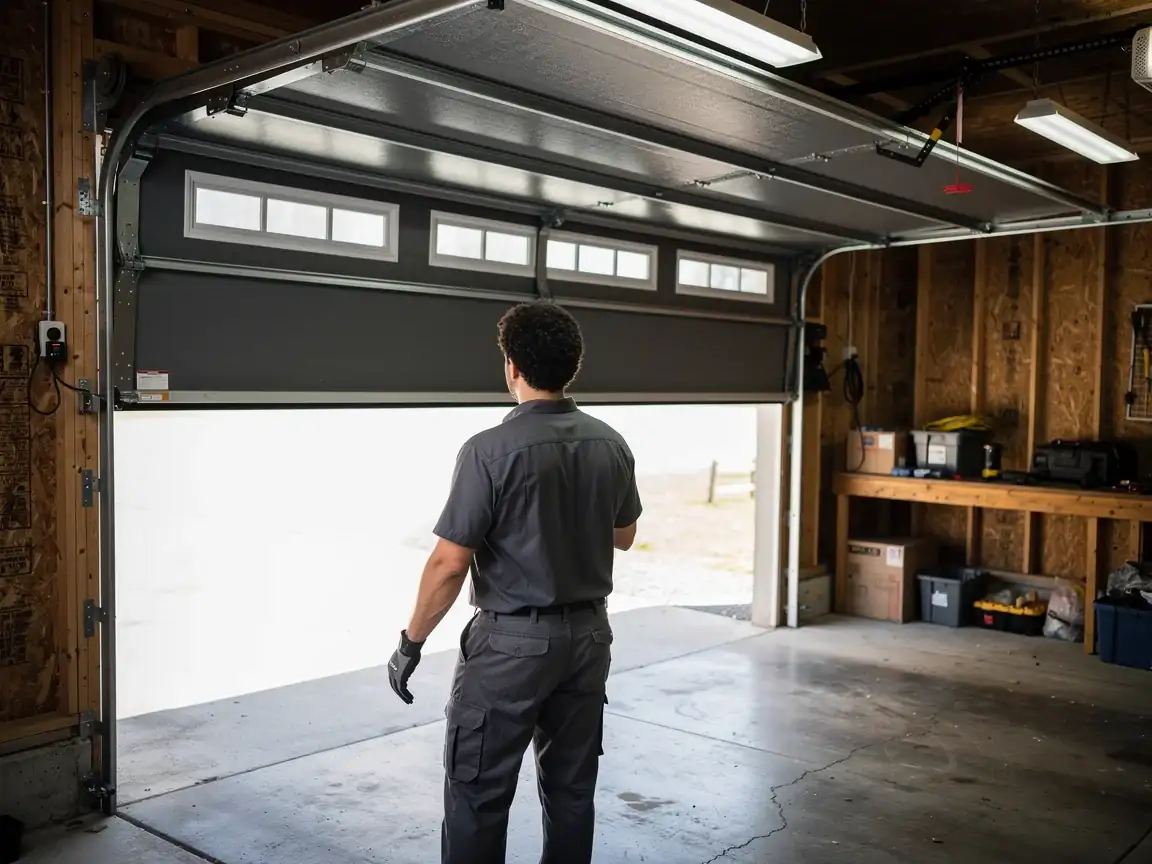
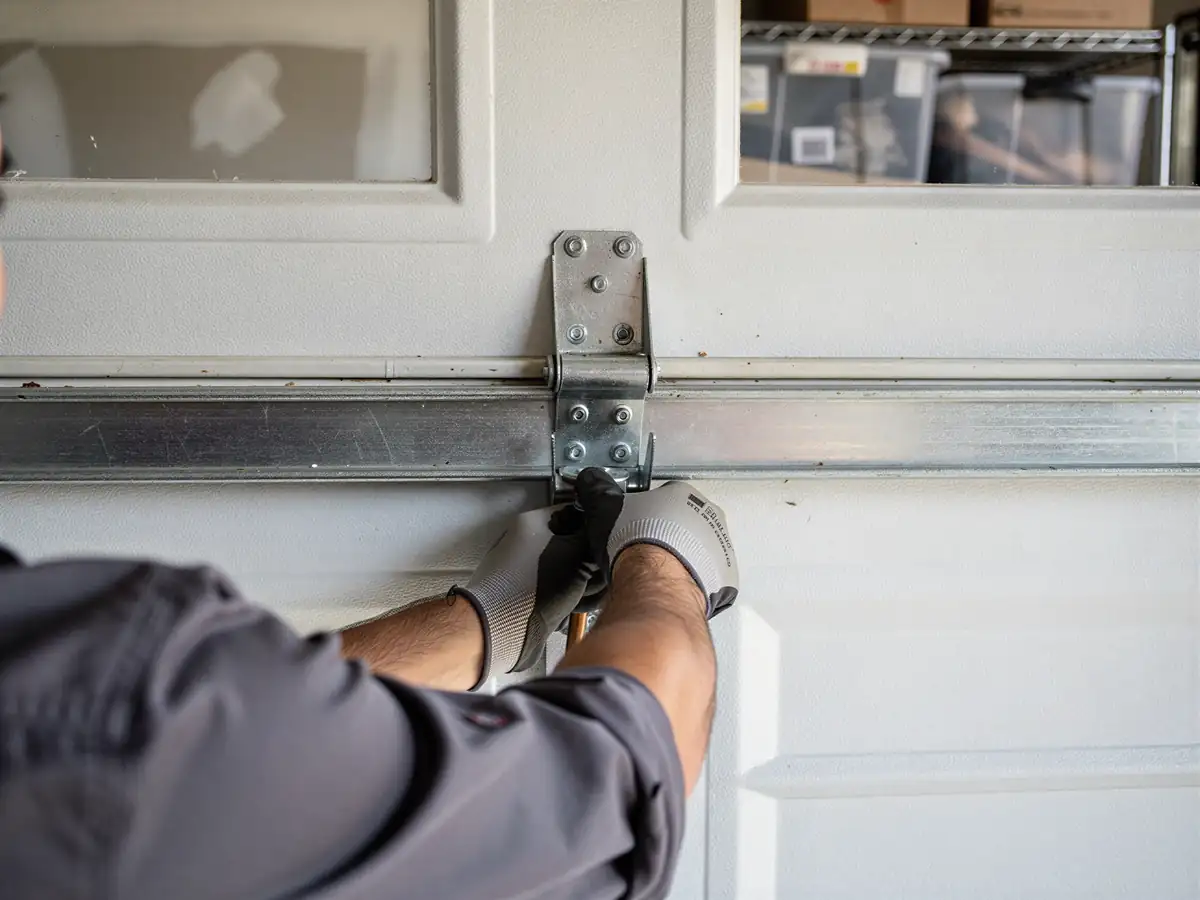
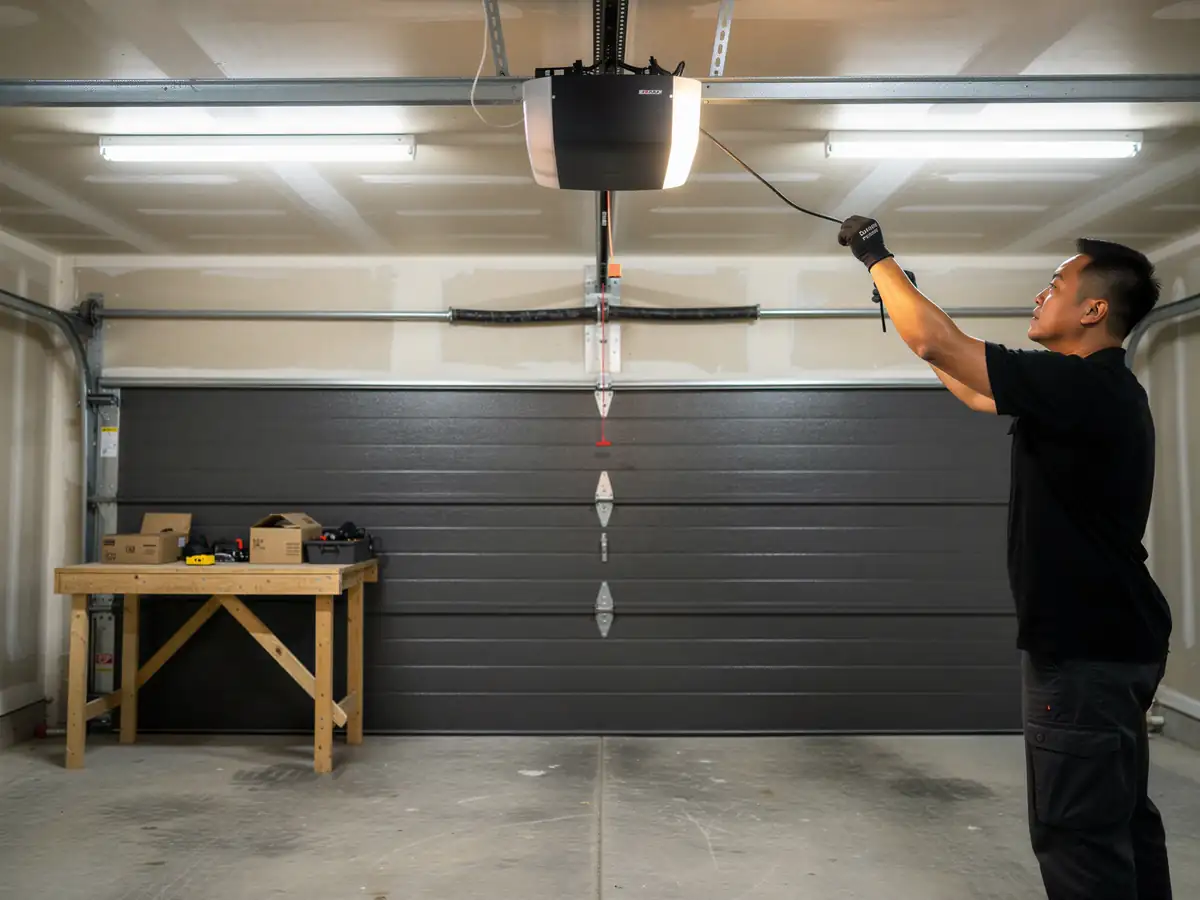
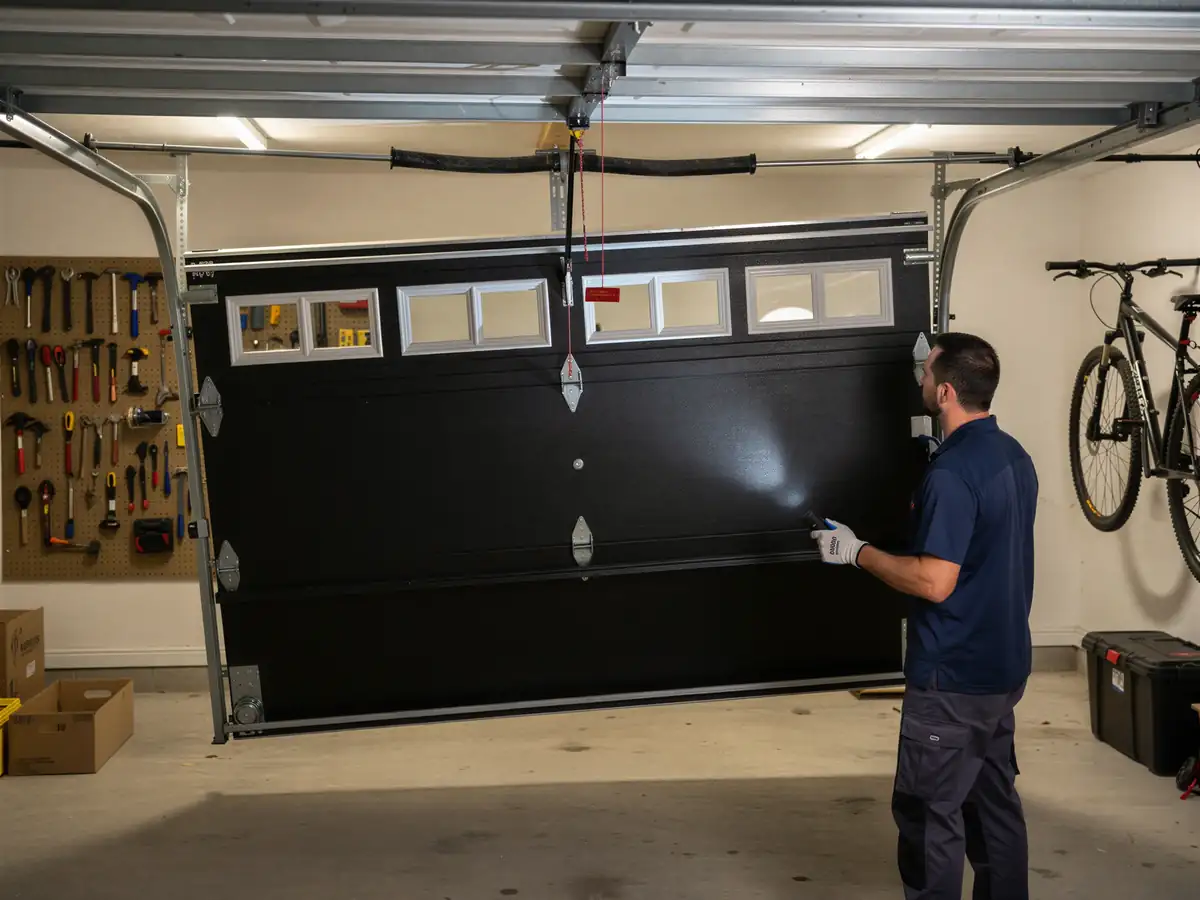
Lubricating hinges and rollers, checking spring tension, tightening track bolts, testing the auto-reverse and force settings on the opener - doesn't take all day on a door that's been kept up reasonably well. Where it runs long is on doors that haven't been touched since they were installed, which describes a fair number of the 1979-vintage doors still running in South Miami Heights. Forty-plus years of cycles without a single adjustment means more time spent freeing a seized roller or re-tensioning a drifted spring than on the maintenance tasks themselves.
We don't promise a same-day slot for this suburb specifically
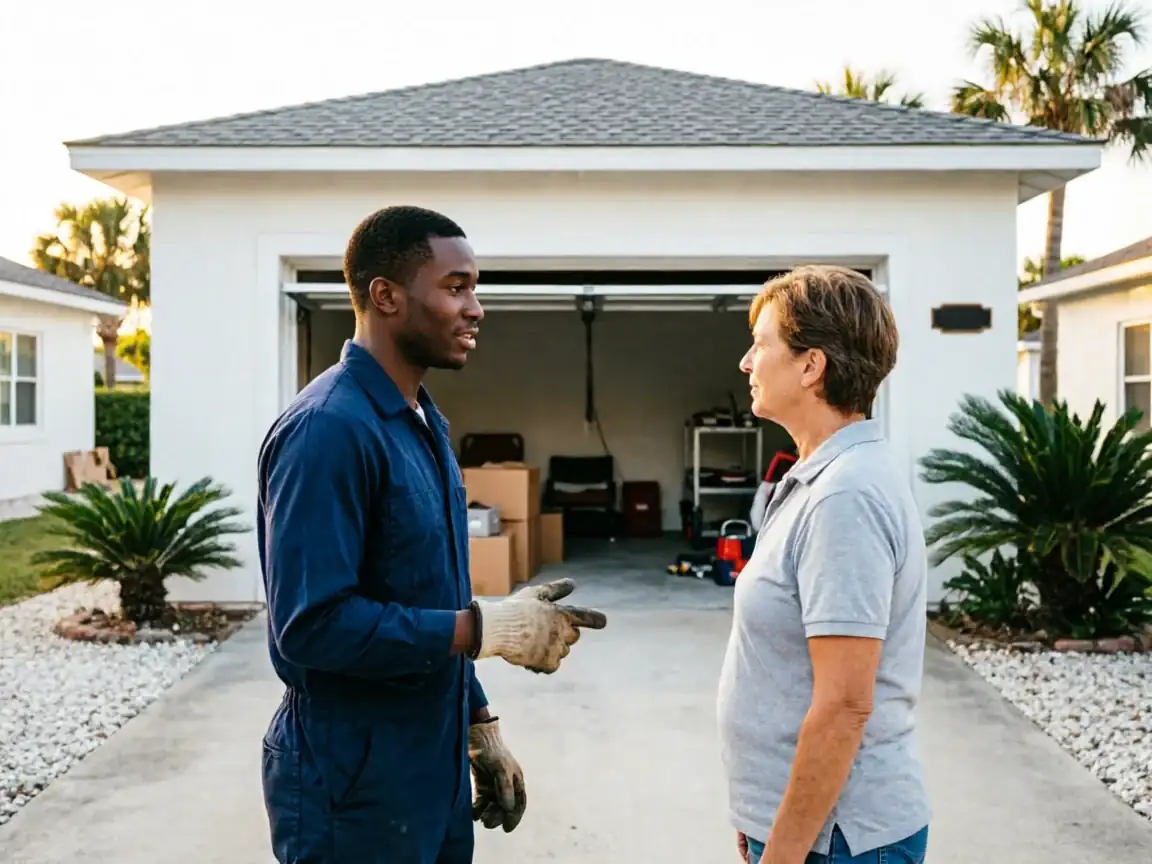
We're coming from Homestead, about 9 miles out, and we schedule maintenance stops in batches rather than as standalone emergency runs. If your door is still opening and closing, even roughly, a maintenance visit is not an urgent same-day matter and we'll tell you that plainly instead of upselling a rush fee that doesn't need to exist.
- 9 miles
The Complications
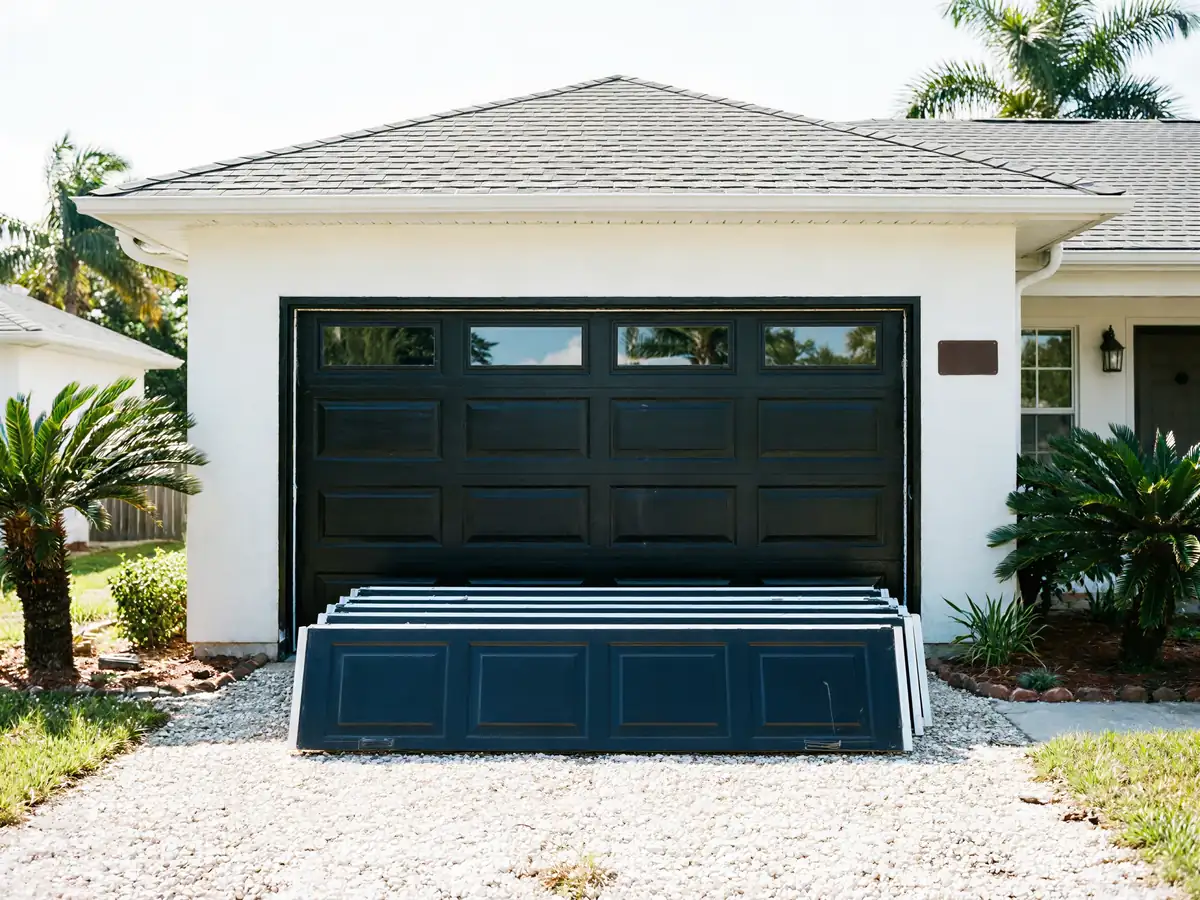
The complication with a 1979-era door isn't usually the springs - it's finding parts that still match the hardware. Side-mounted torsion setups from that era used bracket spacing and spring wind that newer universal kits don't always fit cleanly. On a maintenance visit, that means we sometimes find a part worn past tightening but without a drop-in replacement on the truck, which pushes a same-visit fix into a second trip once the right part is ordered.
Being 9 miles out from our Homestead base also means we plan these visits rather than treat South Miami Heights as a walk-up stop. We're not a branch here and don't claim to be - every job in this suburb starts as a scheduled trip from Homestead, which is one more reason a maintenance check now, while the door still works, beats waiting for a spring to let go on a Saturday. Across the service area's many named communities, the pattern holds: older stock means more mismatched-parts calls, and South Miami Heights' 1979-era homes put it squarely in that group.
How We Fix It
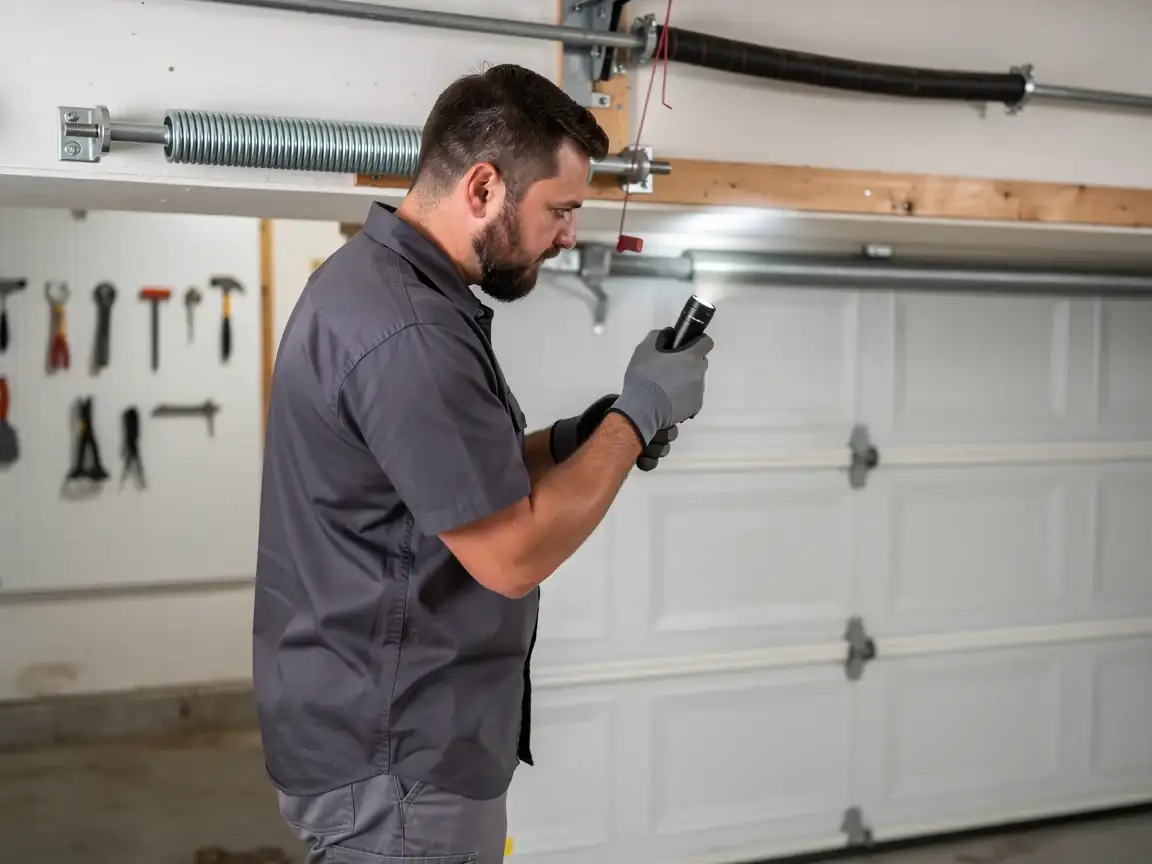
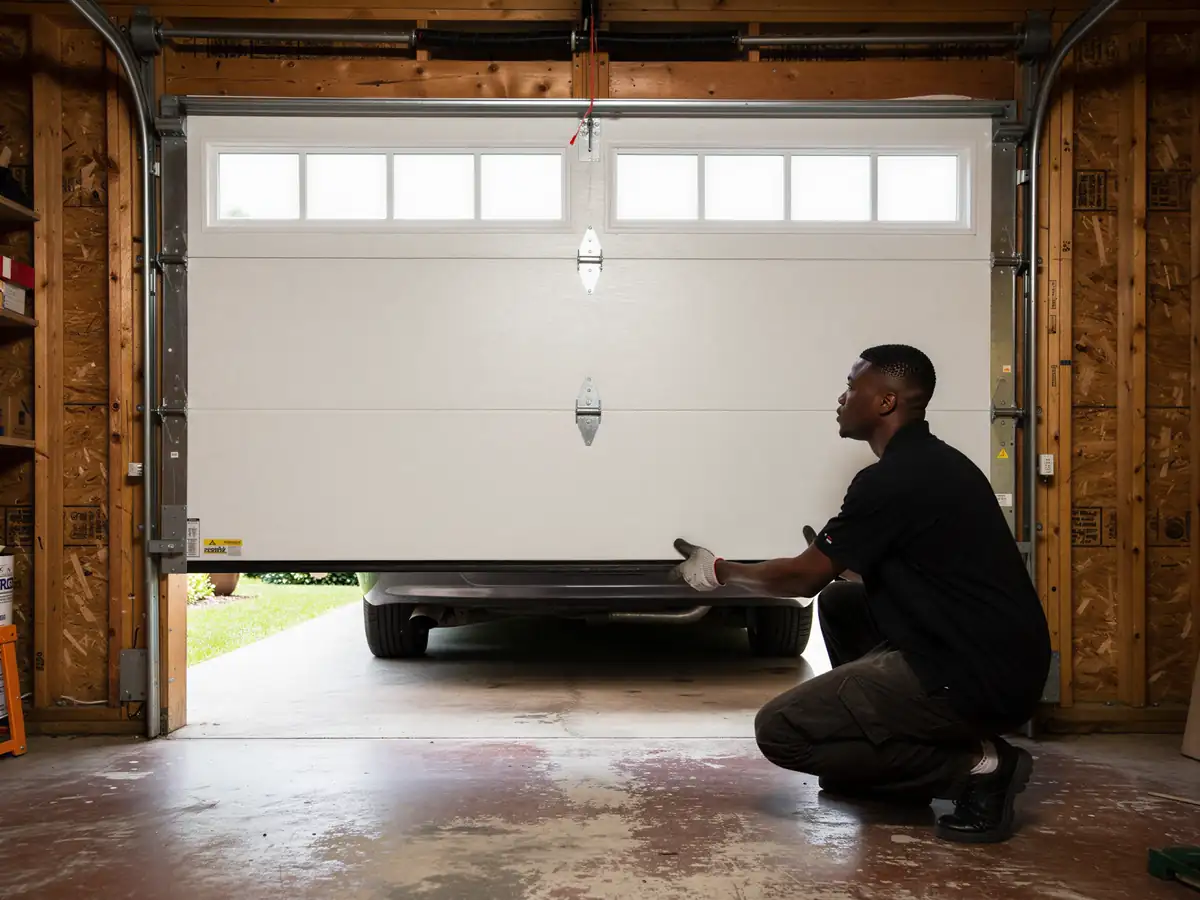
On a maintenance call here, we go through the door the same way regardless of its age: check spring tension and winding, inspect cable fraying at the drum, lube hinges and rollers, check track alignment and jamb bolts, and run the opener's force and auto-reverse settings against current safety standards. On a door built around 1979, we're also looking harder at things a newer door wouldn't show yet - spring coil fatigue, rust at low track bends, and hinge holes worn oval from decades of racking stress.
Honest limitation: if a spring is close to the end of its cycle life, we'll tell you that during the maintenance visit instead of just lubricating around it and sending you on your way. A maintenance visit extends a door's working life, but it doesn't reset a decades-old spring's fatigue clock. Sometimes the right call coming out of a tune-up is a spring replacement scheduled on the spot, not another twelve months of monitoring it.
The DIY Question
Some of this is fine to do yourself
Wiping down tracks, checking that the auto-reverse actually stops the door on a 2x4 laid flat on the floor, and keeping hinges and rollers lubricated with the right garage-door-specific grease - none of that needs a truck. On a door with 1979-era hardware, though, the torsion spring is not a DIY part. It's under enough stored tension to cause a serious injury if the winding cone slips, and on hardware this old, the steel itself may be more brittle than it looks.
The other thing worth doing yourself: just watch the door
Note if it's started sagging unevenly, if the opener strains more than it used to, or if you hear a new grinding sound from the track. None of that tells you what's wrong, but it tells us where to start when we're out from Homestead, and it's the difference between a maintenance visit and a breakdown call.