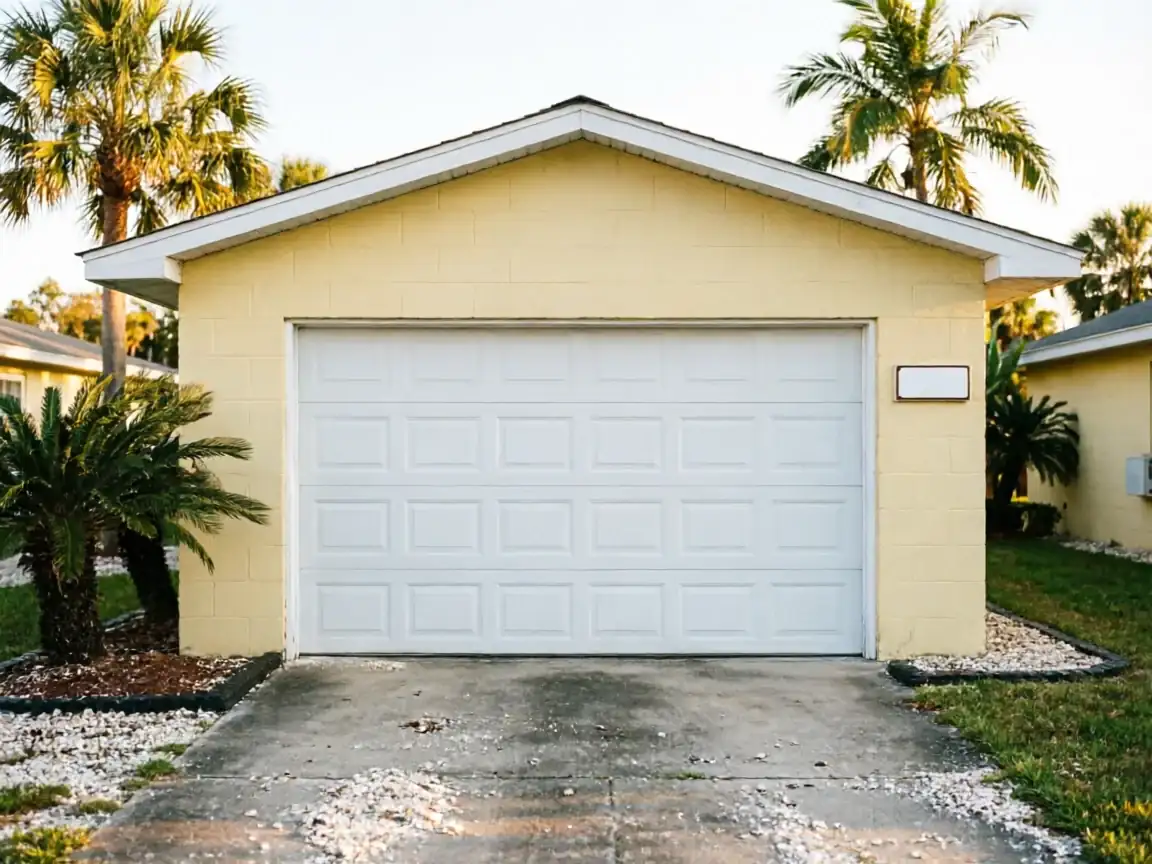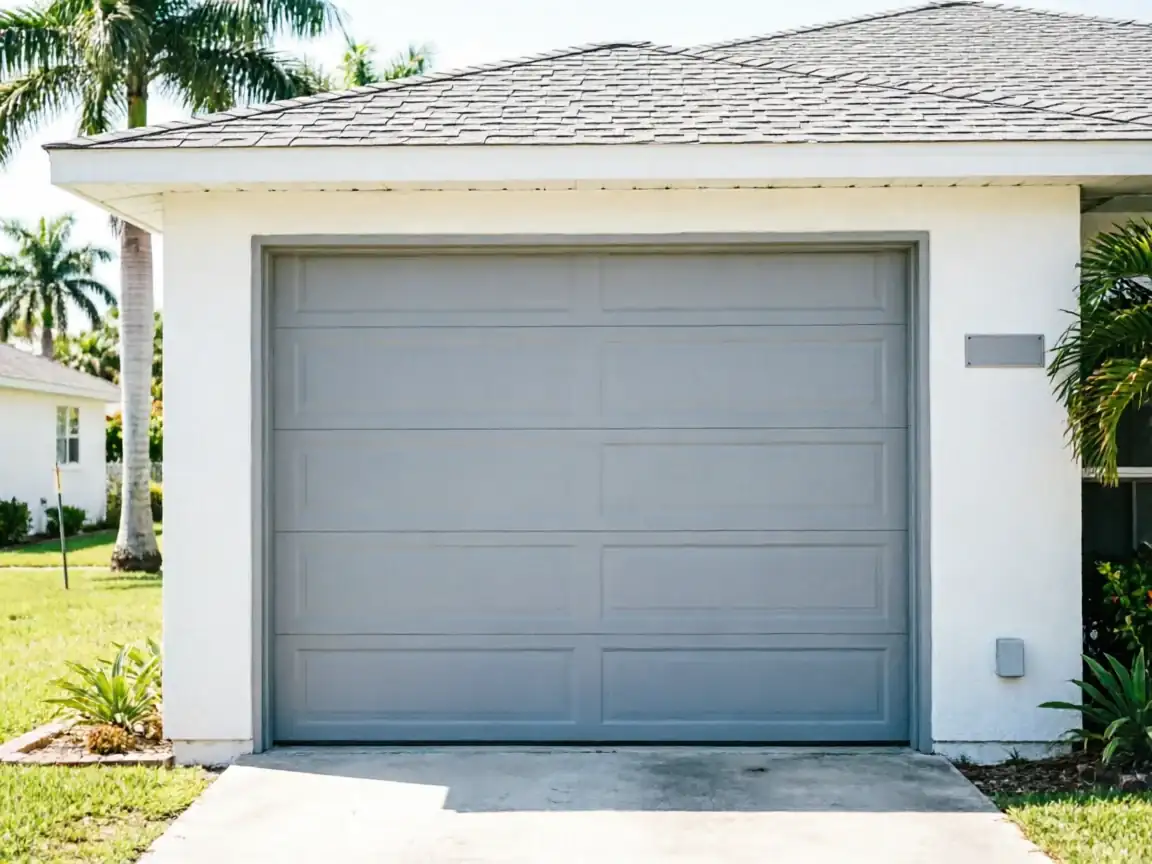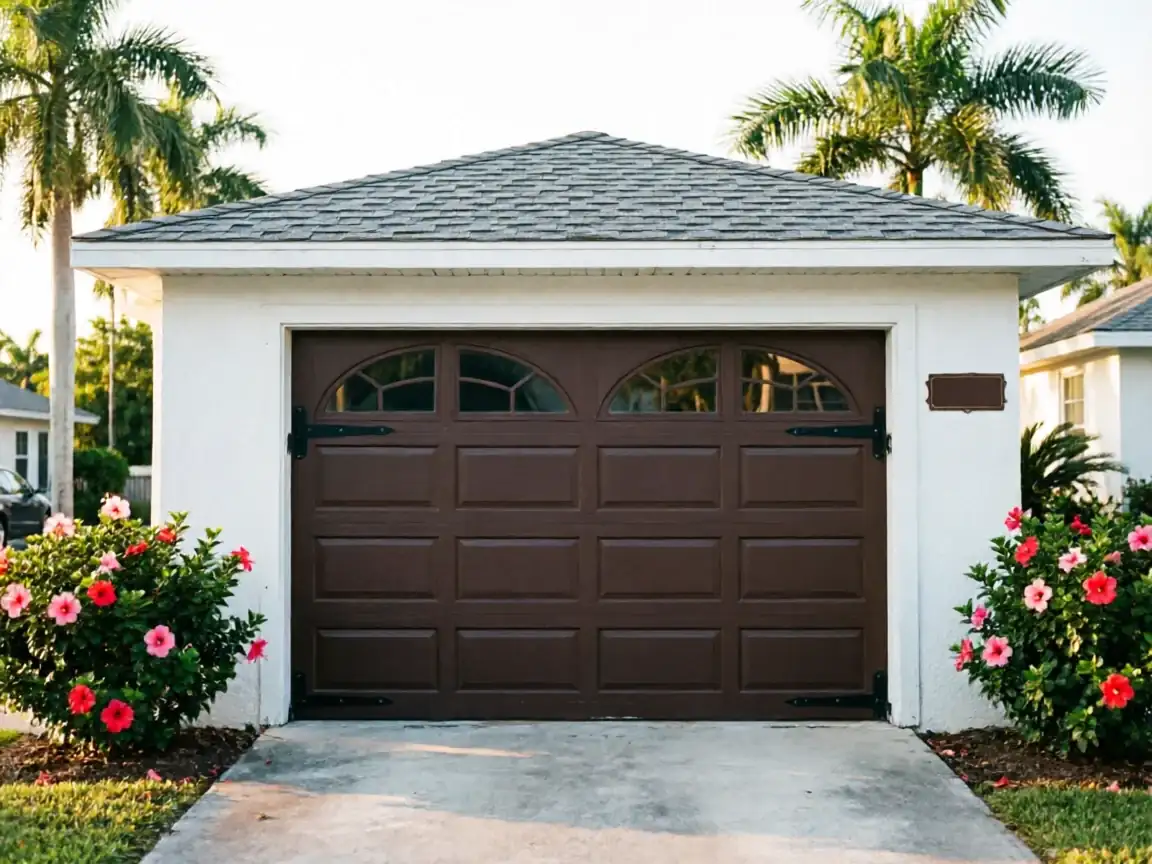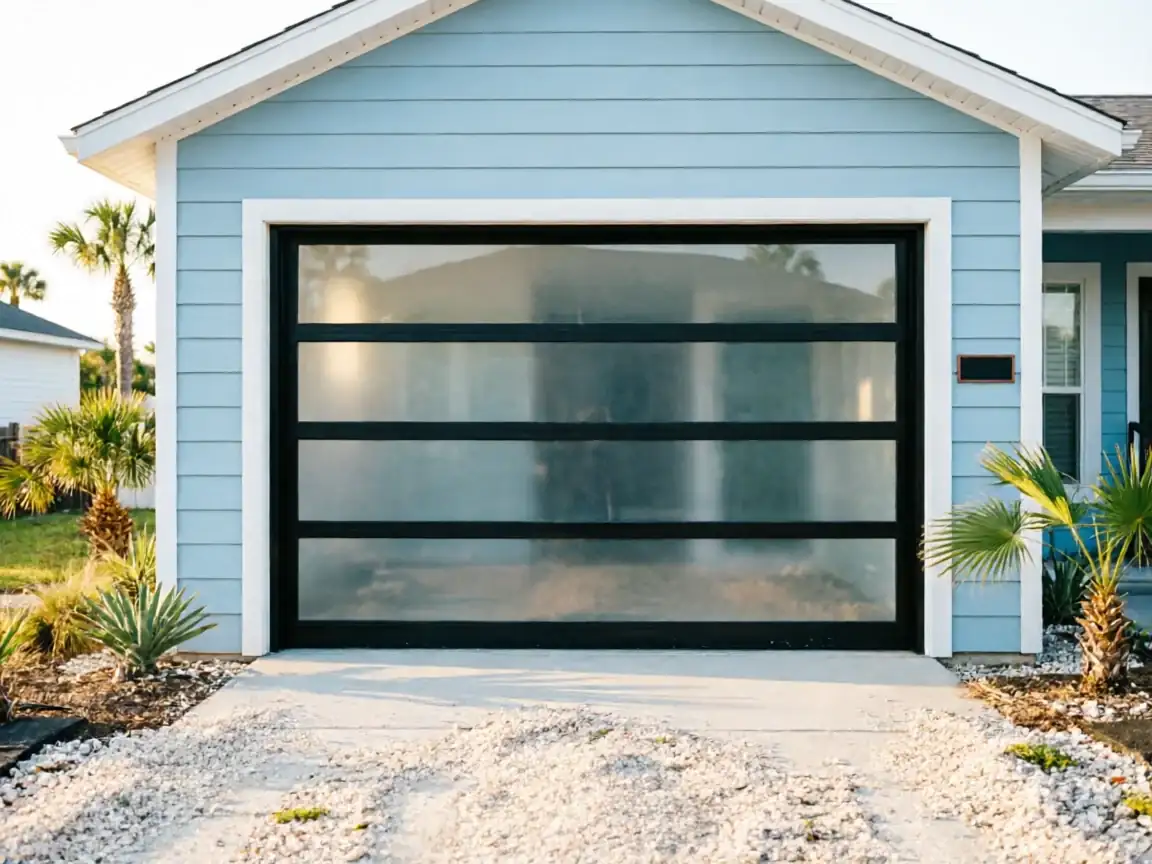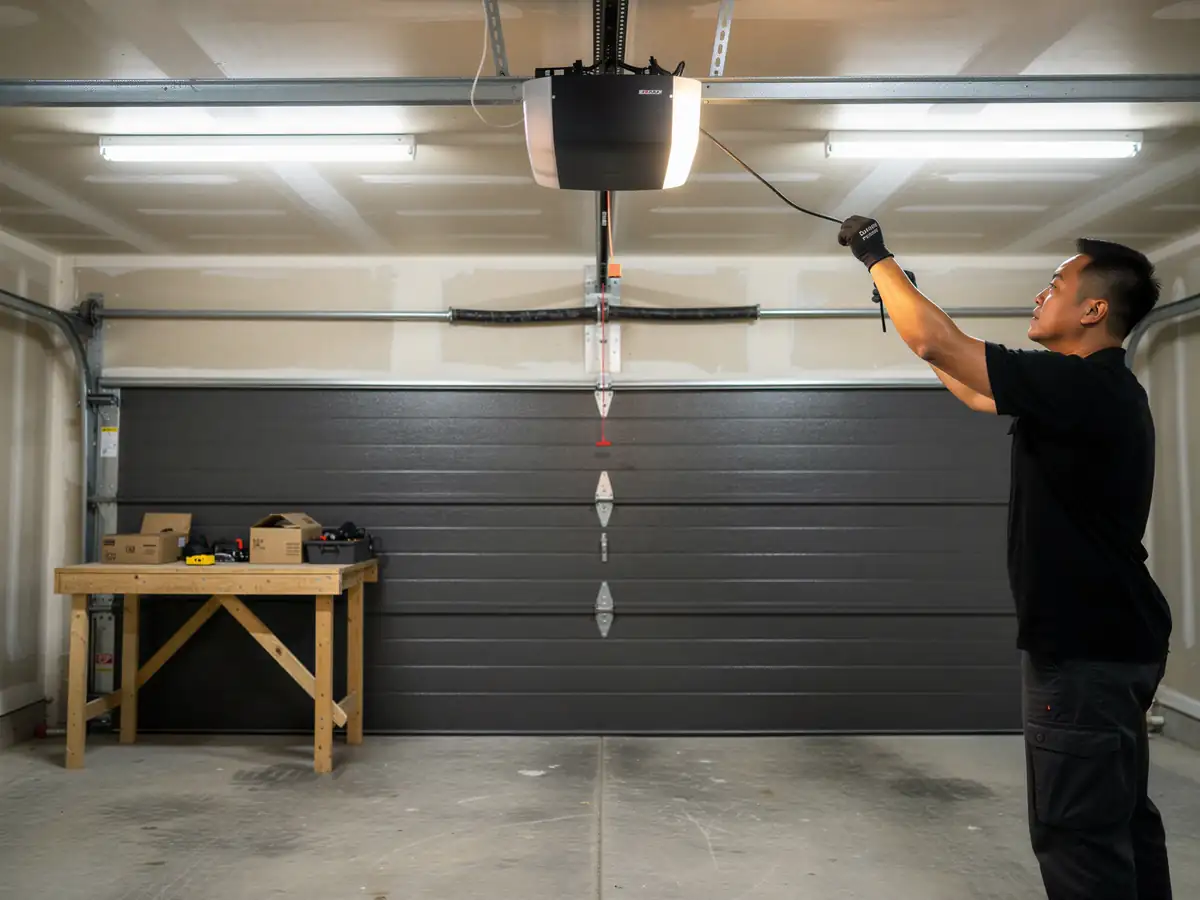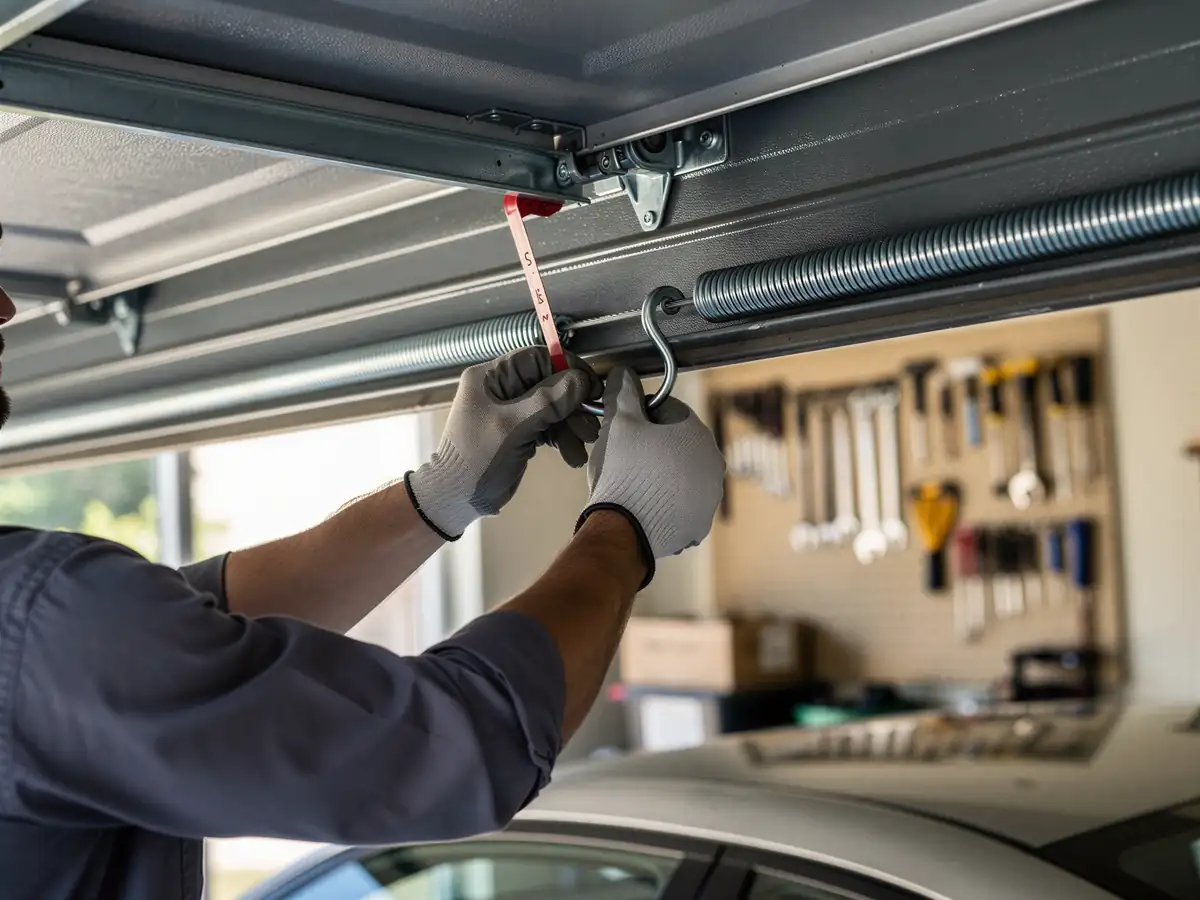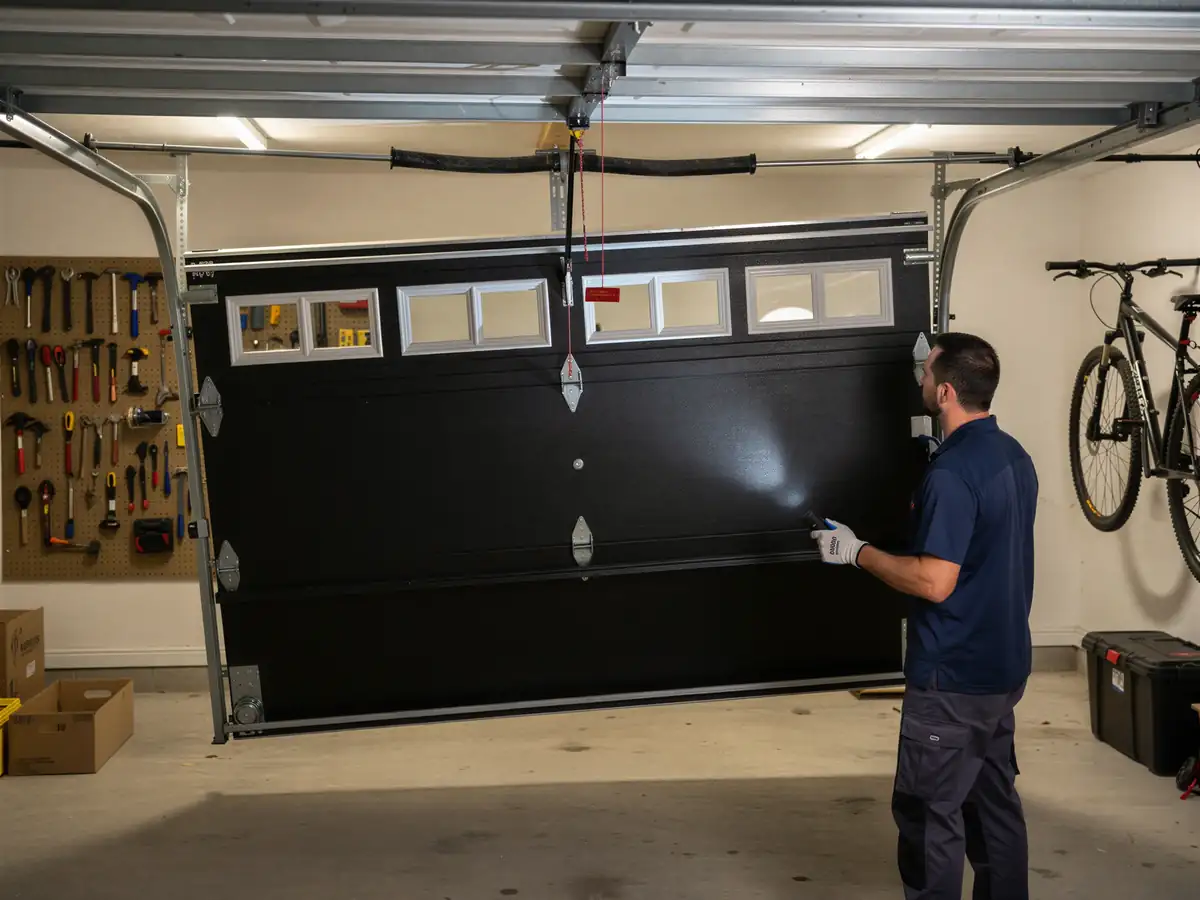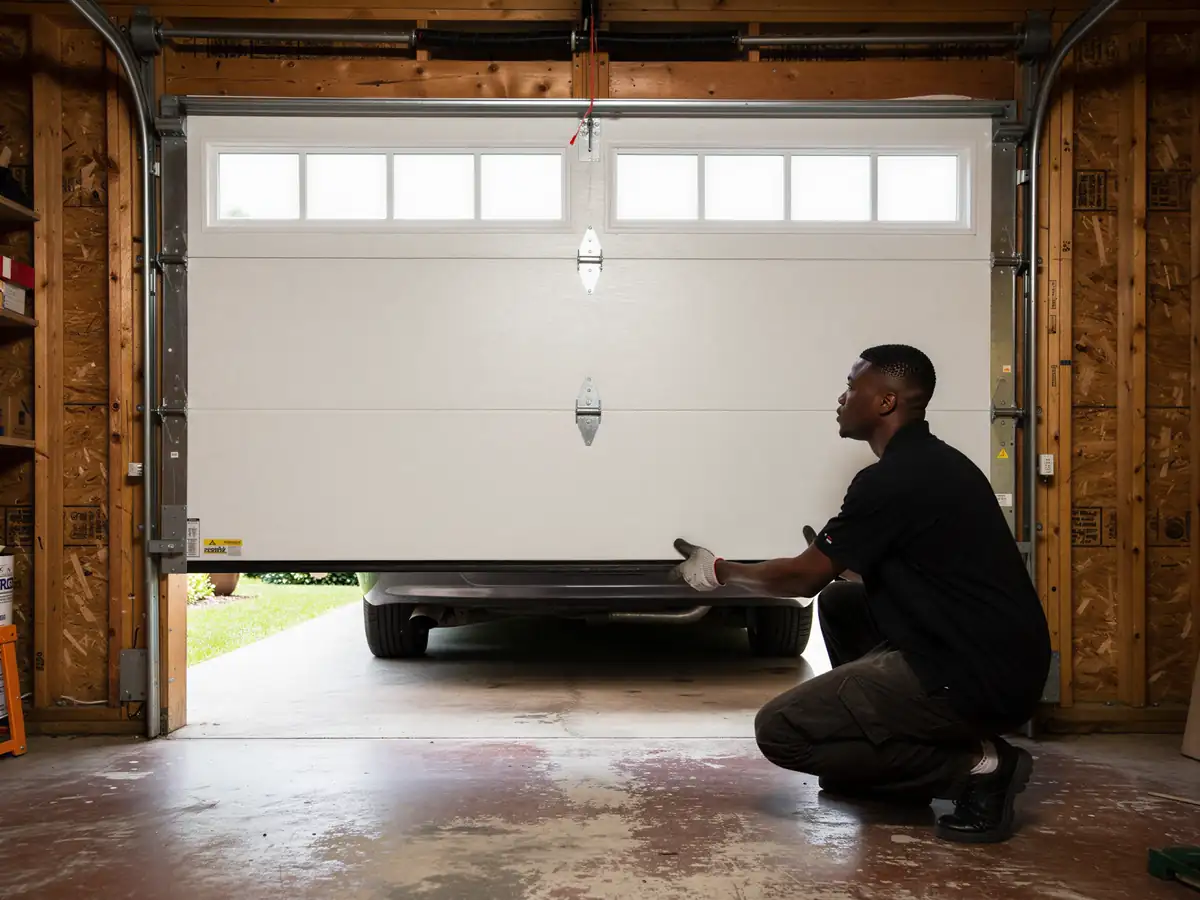
What You Are Seeing
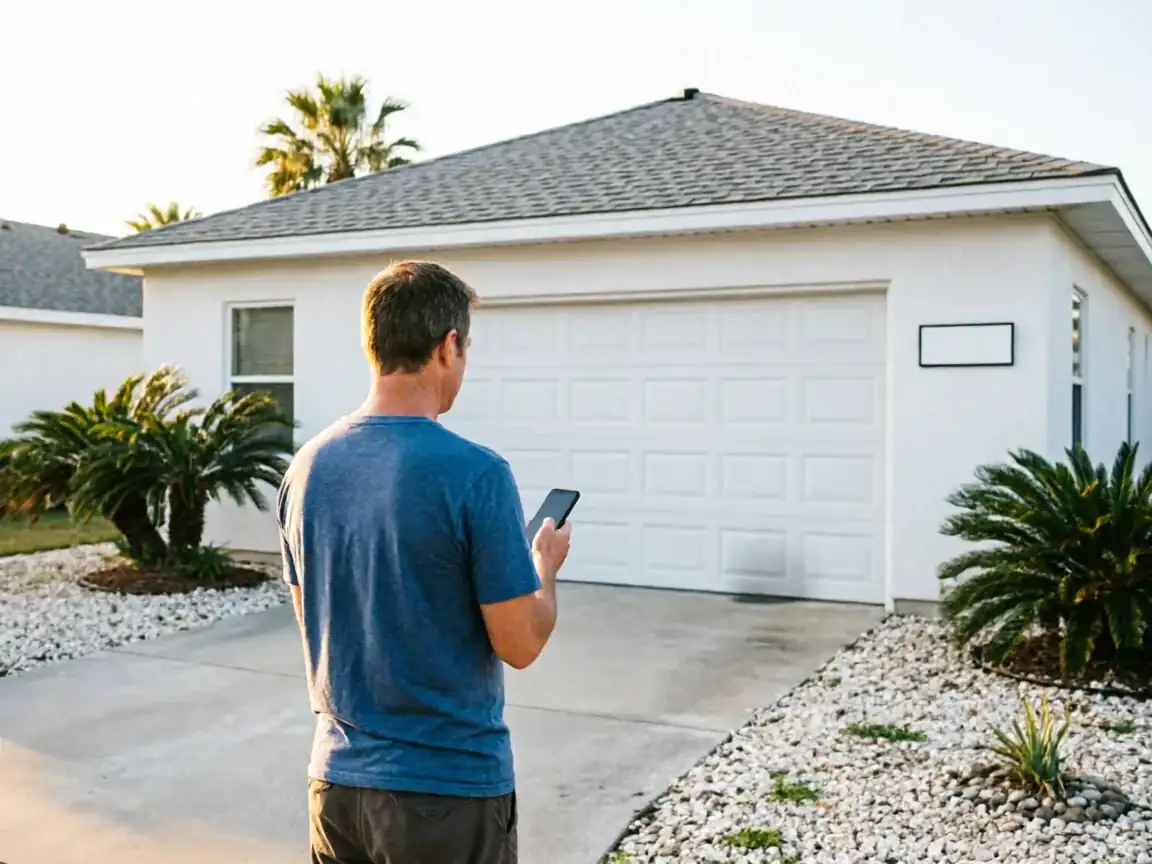
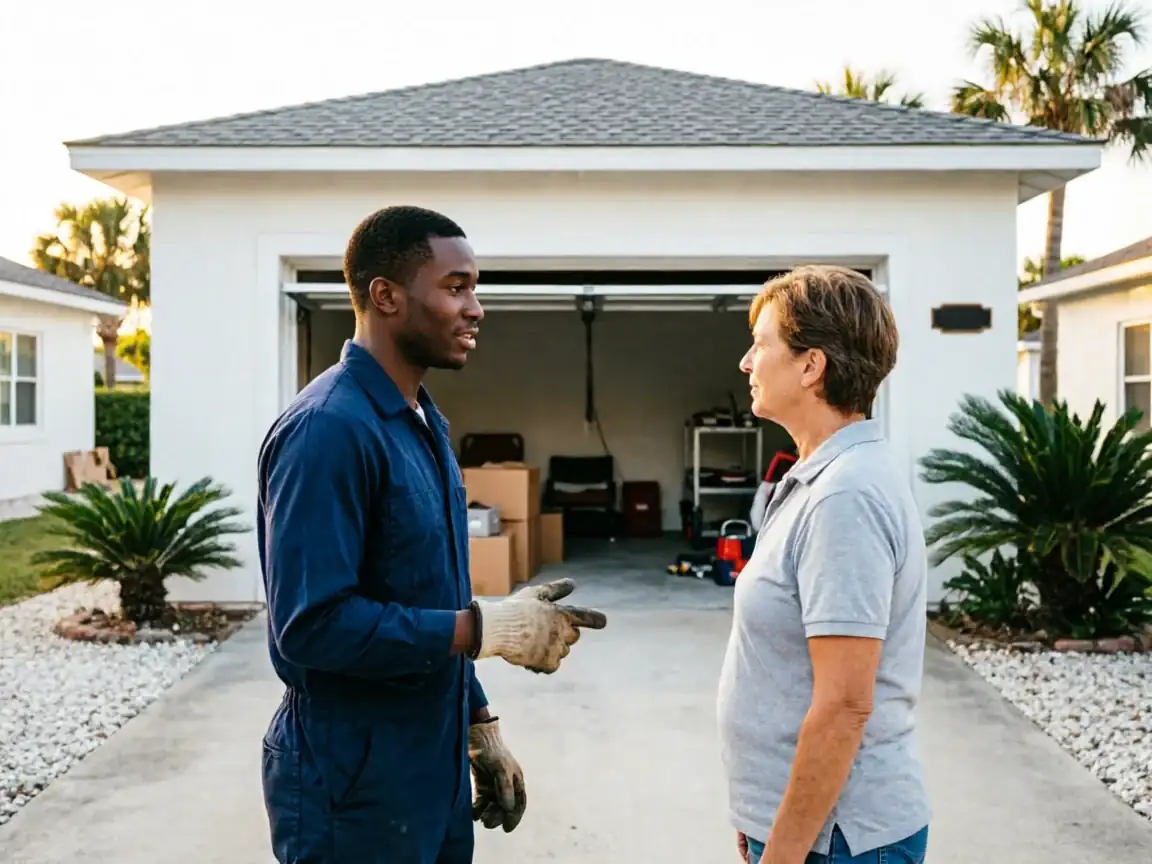
South Miami Heights sits about 9 miles from our Homestead shop, and that drive shapes how we schedule a job here more than anything else. We don't run a branch in South Miami Heights - every call starts with a truck leaving Homestead, so we build the trip into the appointment window instead of pretending we're already around the corner.
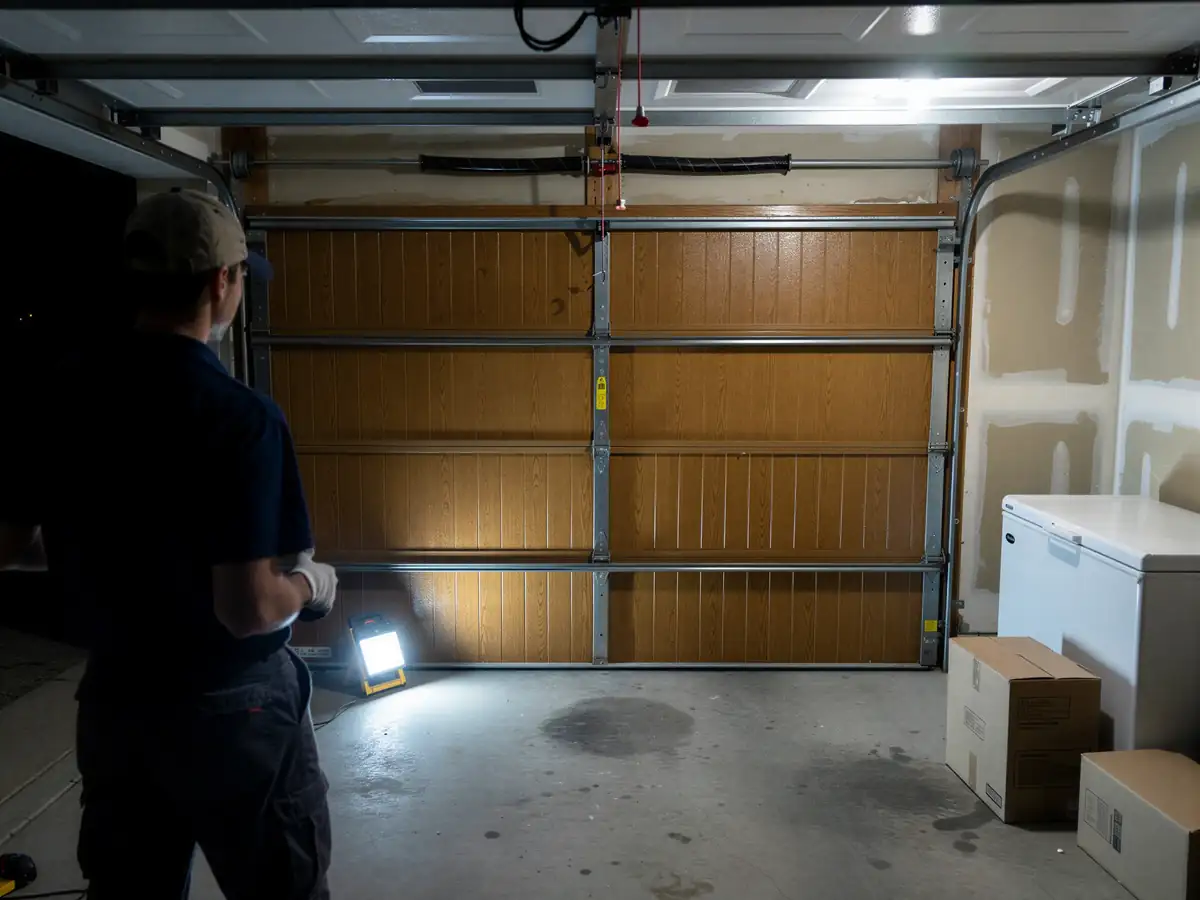
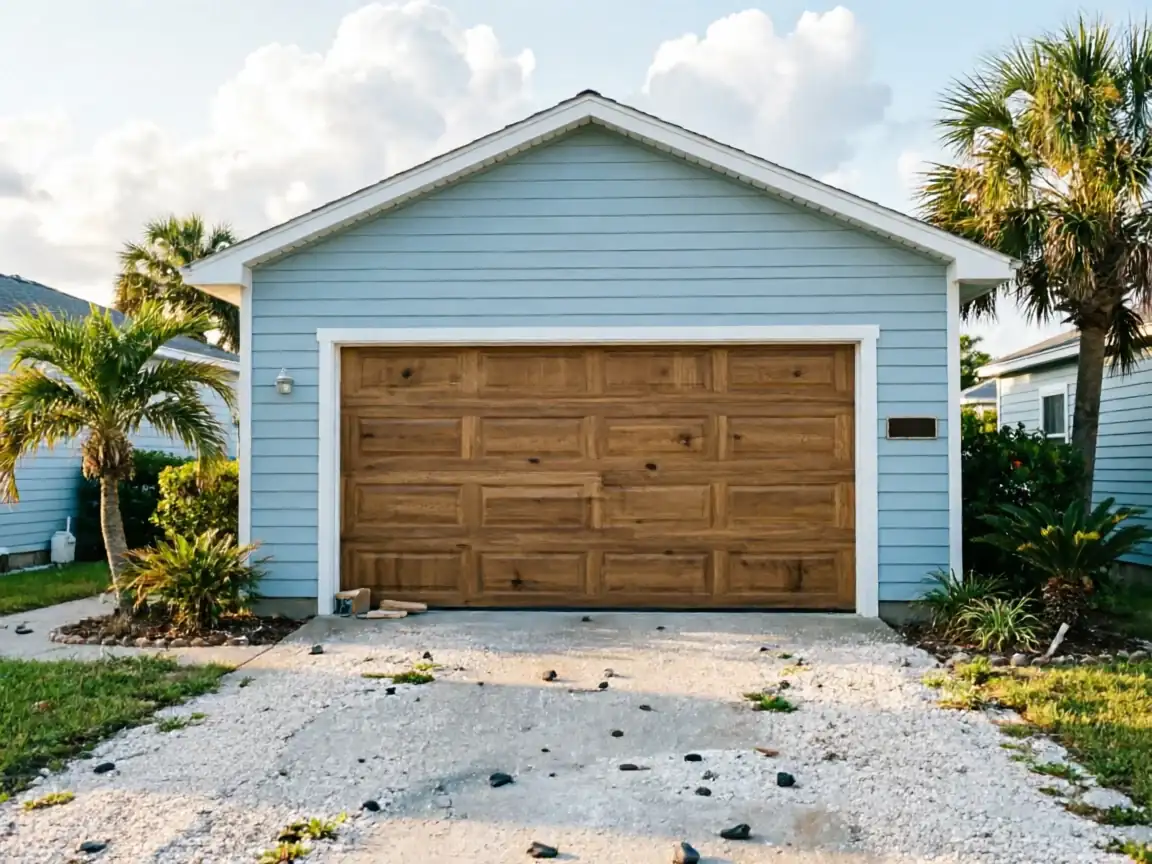
Once we're on site, what we usually find lines up with the housing stock. Homes in this part of the county went up around 1979, which is right in the middle of the broader service area's 1957-2008 build range. That means a lot of steel sectional doors on extension or early torsion springs, chain-drive openers from before belt drives were common, and galvanized track that's held up fine under our mild temperate climate but has seen thirty-plus years of daily cycling. The springs wear out from use, not from weather - this isn't hurricane-shutter country, it's humidity and salt air doing slow, steady work on hardware nobody's replaced since it was installed.
We're not guessing at your address. We're telling you what a torsion spring set from that build era typically looks like when it finally lets go, because we've pulled a lot of them.
What You Pay
We don't post prices for South Miami Heights specifically, and we're not going to invent a number to fill this section. What we can tell you is that median household income here runs $64,657, noticeably lower than the $82,726 median across the rest of our service area. That gap matters for how we talk about repair versus replacement - we're not going to push a full door swap on a spring job when a repair gets another decade out of the hardware.
The honest version is this: a broken spring costs less than a new opener, and a new opener costs less than a full door and track replacement. Where your job lands on that scale depends on what's actually failed, not on a flat rate we quote over the phone. We'll tell you the number once we've looked at the spring size, the track condition, and whether the opener is original to the house.
How Long It Takes
The 9-mile drive from Homestead adds real time before the work even starts
We're upfront about that instead of promising a same-day slot we can't back up. Once we're in your driveway, most spring and opener jobs on 1960s-70s hardware move fast, because the failure points are familiar: a snapped torsion spring, a stripped gear in an older chain-drive opener, a bent track from a car bumping it over the years.
What slows a job down is parts
If your door or opener is original to a house built in the late '70s, the exact replacement part may not exist anymore, and we have to match it with current hardware instead of a drop-in swap. That's not a South Miami Heights problem specifically - it's an age-of-the-house problem, and it's the same reason we ask what year the door was installed before we load the truck.
The Complications
The complication here isn't the climate - mild temperate conditions are gentle on garage door hardware compared to a lot of the country. The complication is age. With roughly 11,765 households in South Miami Heights and a median build year around 1979, a lot of torsion and extension spring setups in this area are original or close to it, and original hardware from that period isn't something every supplier still carries off the shelf.
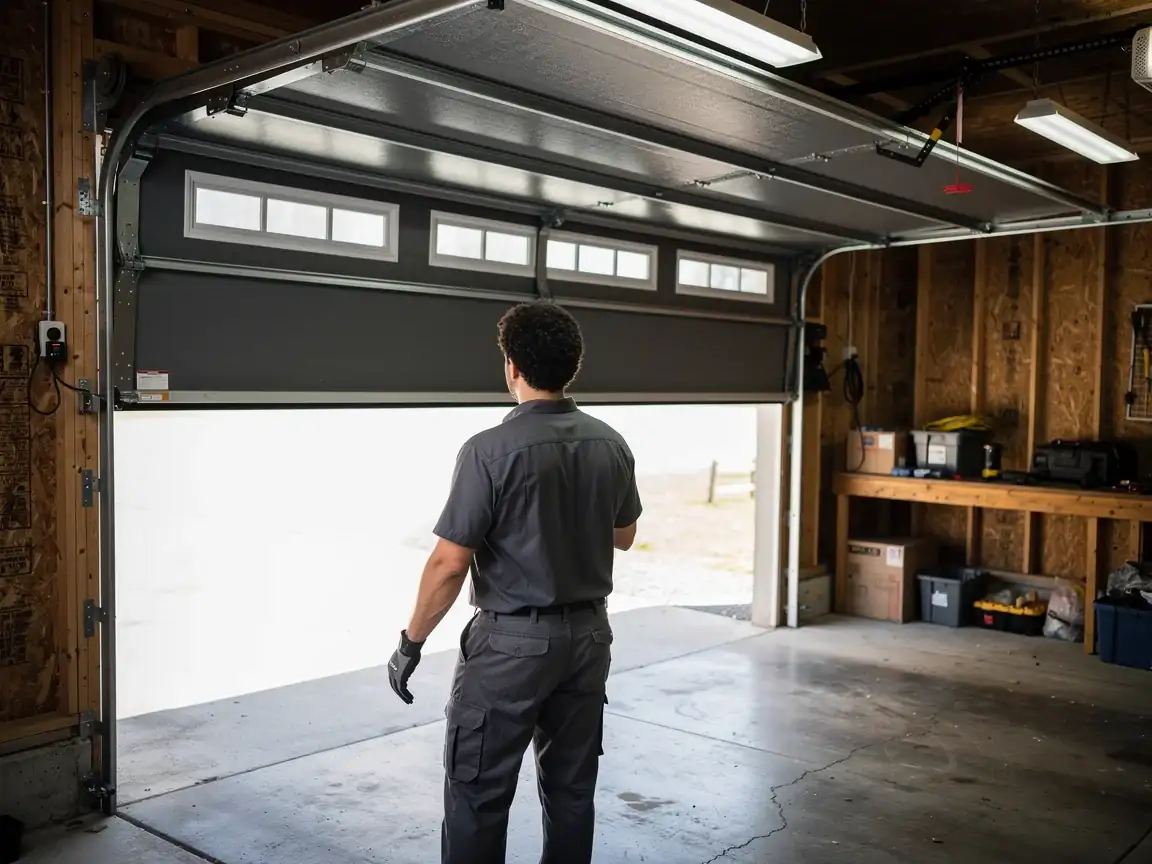
We'll be straight about this: if your spring size or your opener's drive gear is a discontinued part, we may need a day or two to source the right piece instead of fixing it on the first visit. We'd rather tell you that upfront than hand you a mismatched part that fails again in a year. It's the one real limitation of working on a housing stock this age - the fix is usually simple, the part isn't always on the truck.
How We Fix It
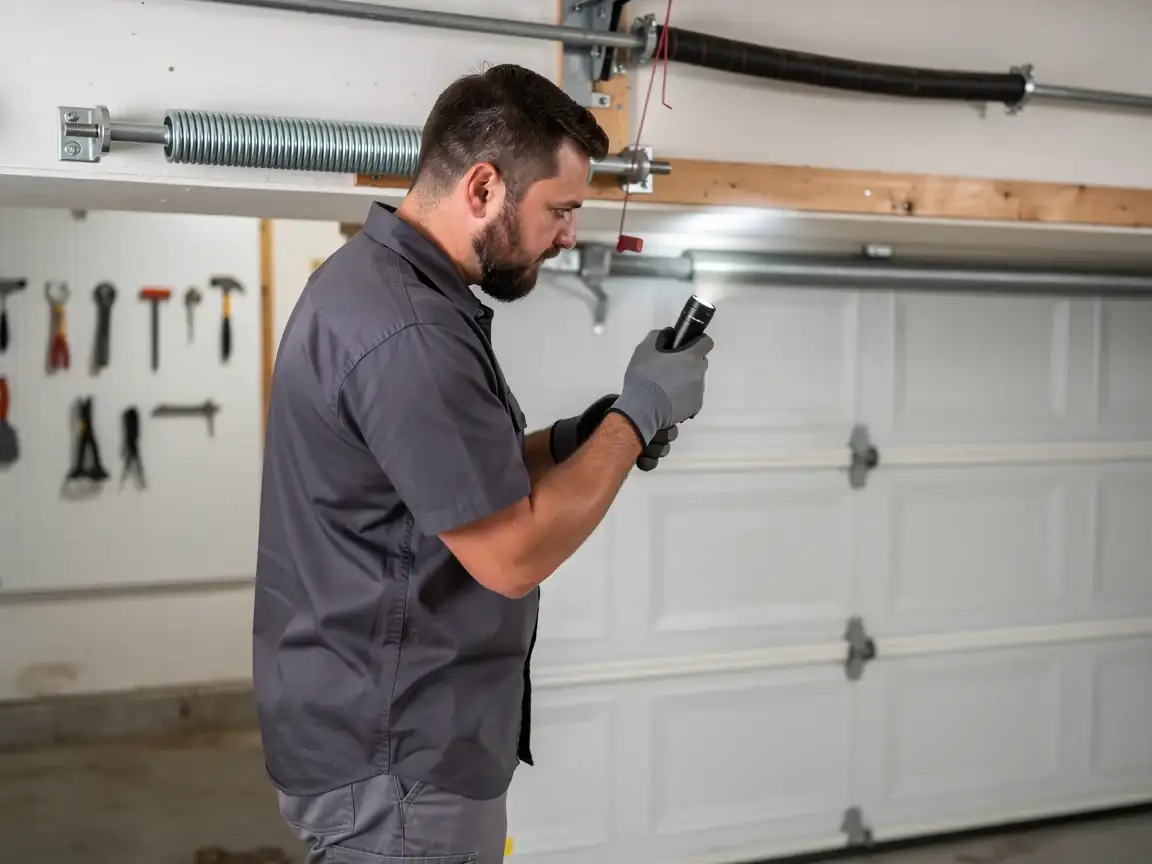
We match the repair to what's actually installed, not to a generic kit. On a 1960s-70s-era door, that usually means measuring the existing torsion spring's wire size and winding length rather than assuming a standard replacement will balance the door correctly - an undersized spring on an old steel door is how you end up with an opener straining against a door that should lift almost on its own.
For openers, if the unit is an older chain-drive model with a worn gear or a dead capacitor, we'll tell you whether a straight repair makes sense or whether the unit's age means a replacement is the better use of your money. We don't swap parts that don't need swapping, and we don't leave a door out of balance because the new spring was close enough. Close enough on a torsion spring is how cables snap later.
The DIY Question
Torsion springs store enough force to break a finger or worse
And that doesn't change because the house is older or newer. If your door suddenly won't open, or one side looks lower than the other, that's a spring or cable problem - leave it alone and call it in rather than trying to wind or unwind a spring yourself.
What you can safely check yourself
The photo-eye sensors near the bottom of the track for dust or misalignment, and whether the door is noticeably louder or slower than it used to be, which often means rollers are worn before a spring actually fails. Catching that early is the one piece of maintenance that's genuinely in your hands. Everything involving the spring, the cable drums, or the torsion bar itself is not a weekend project - it's the job we drive the 9 miles for.
- 9 miles