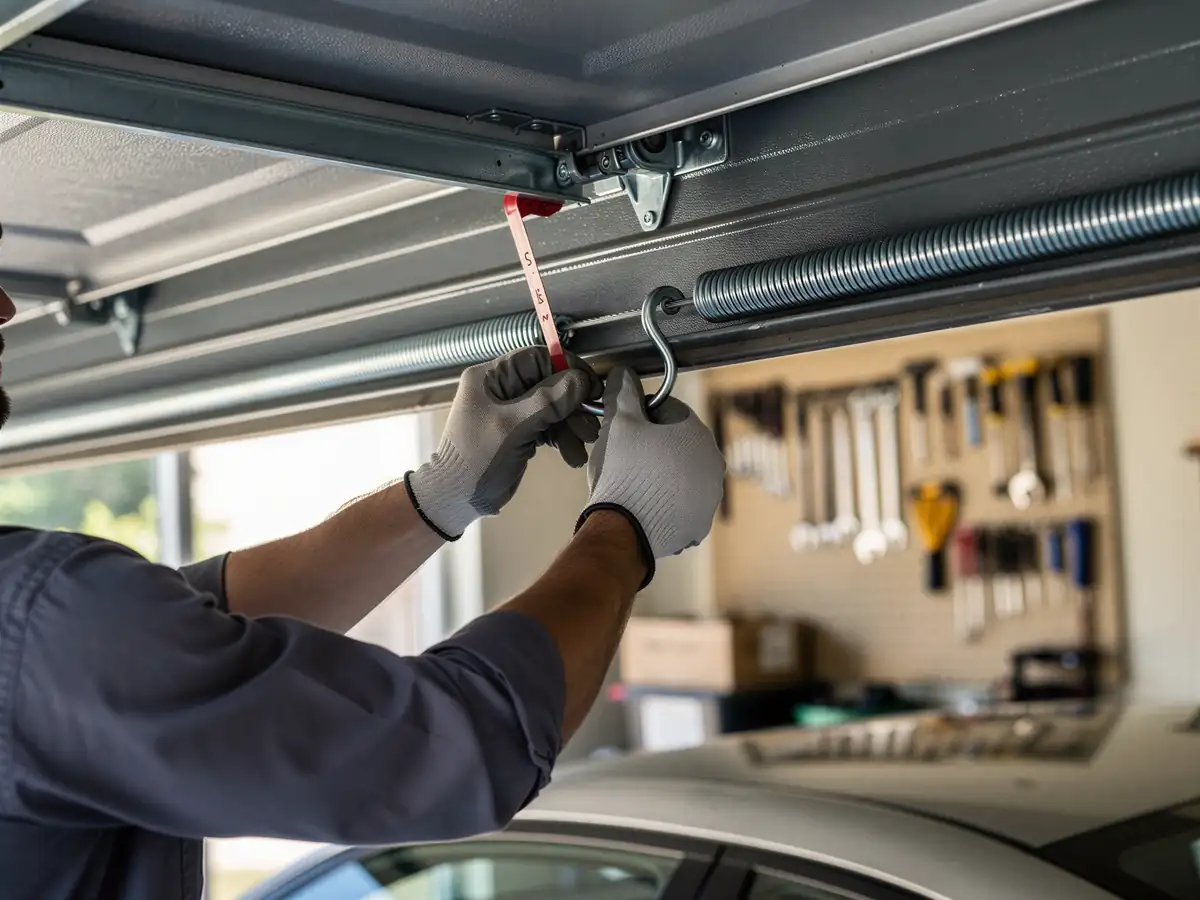
What You Are Seeing
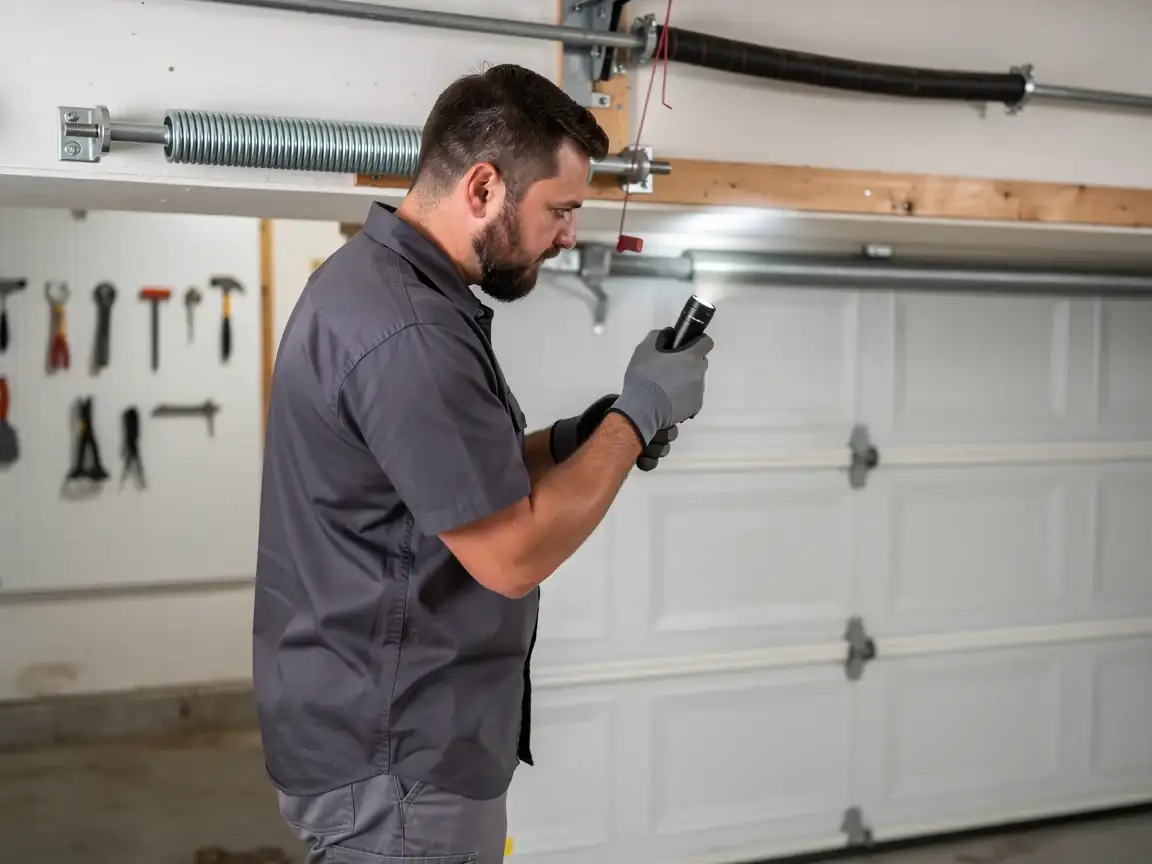
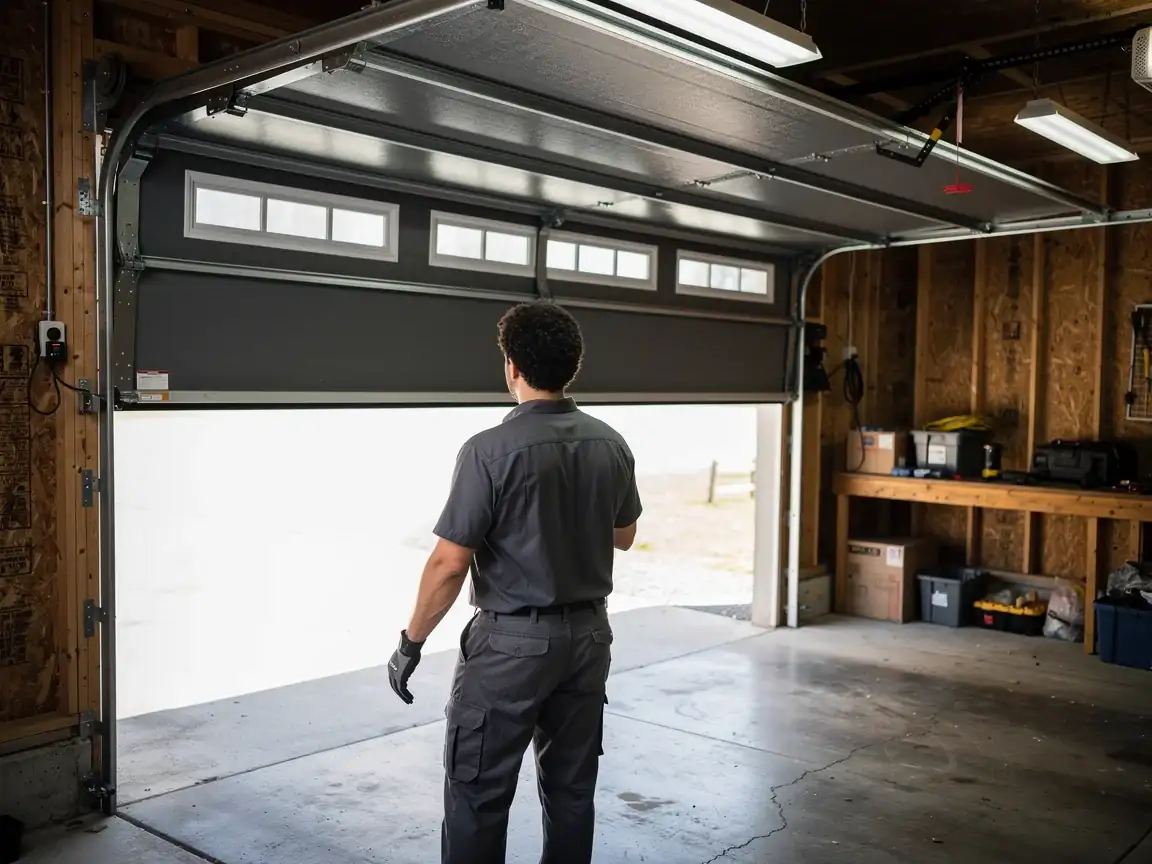
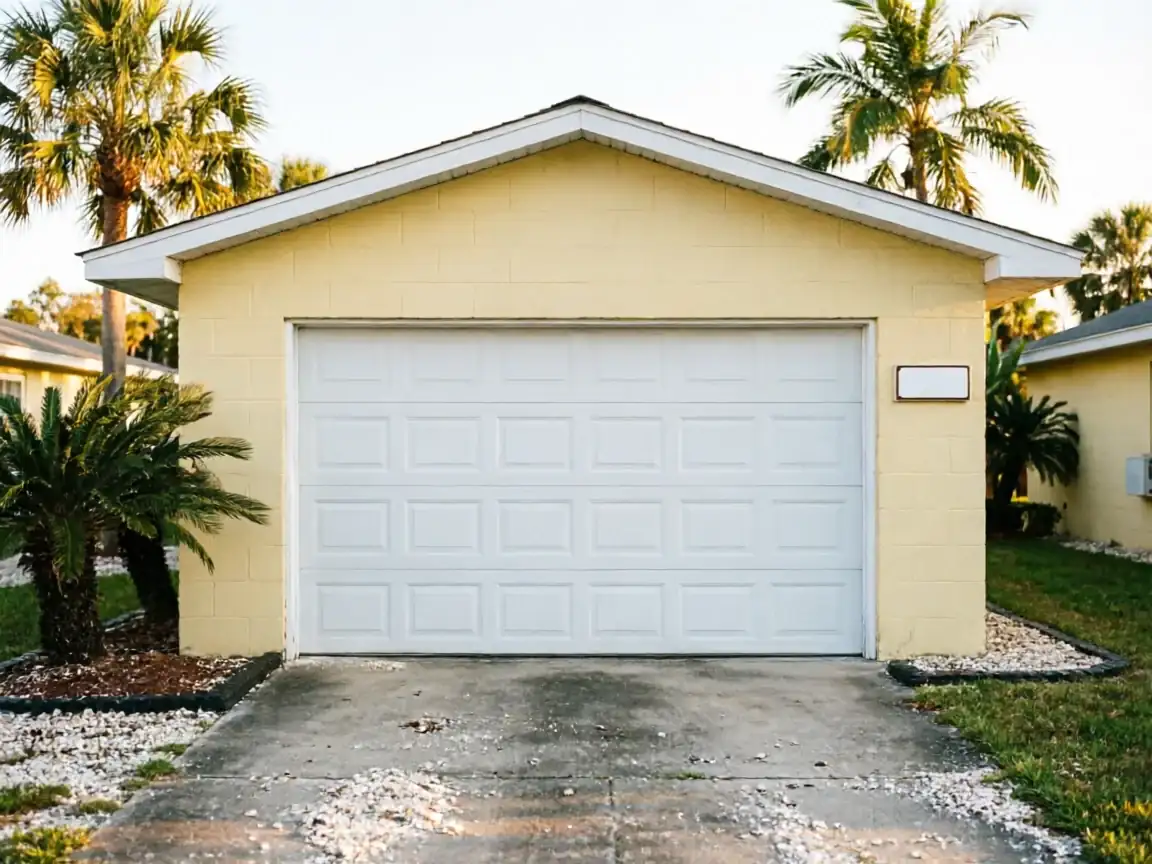
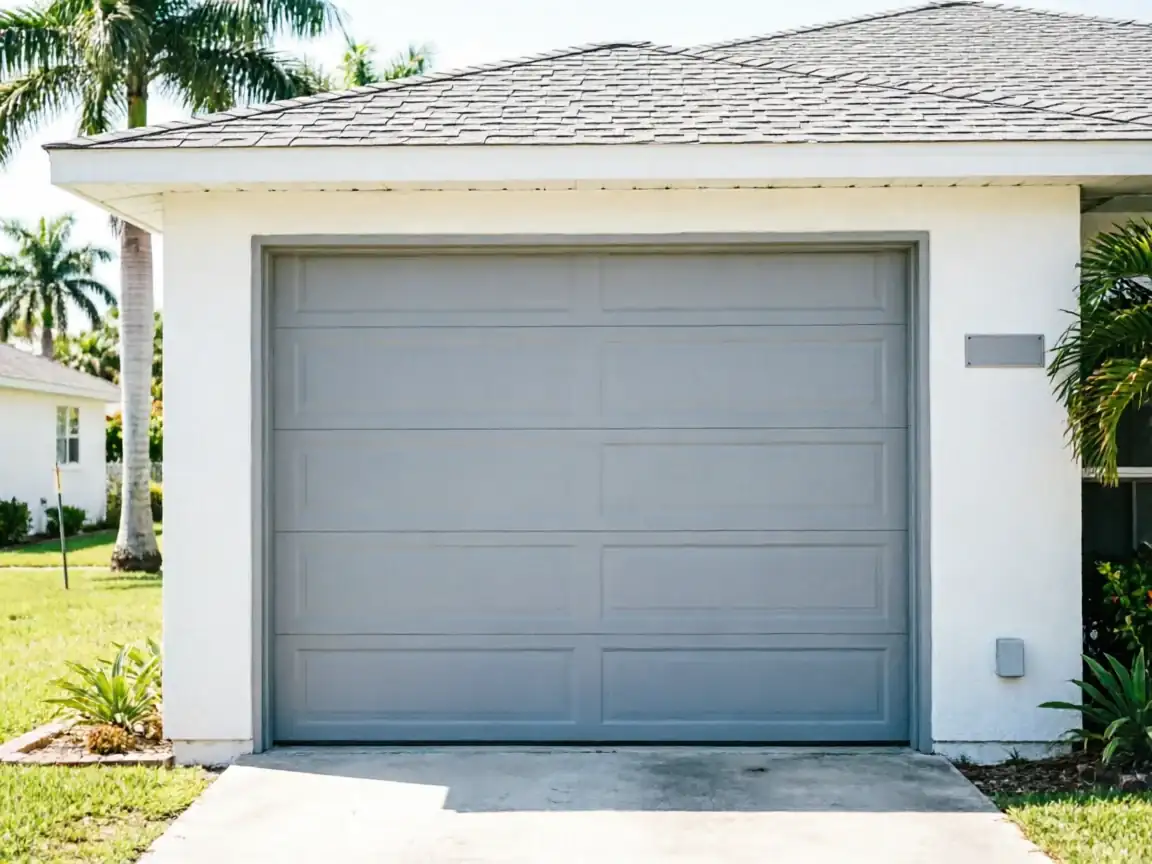
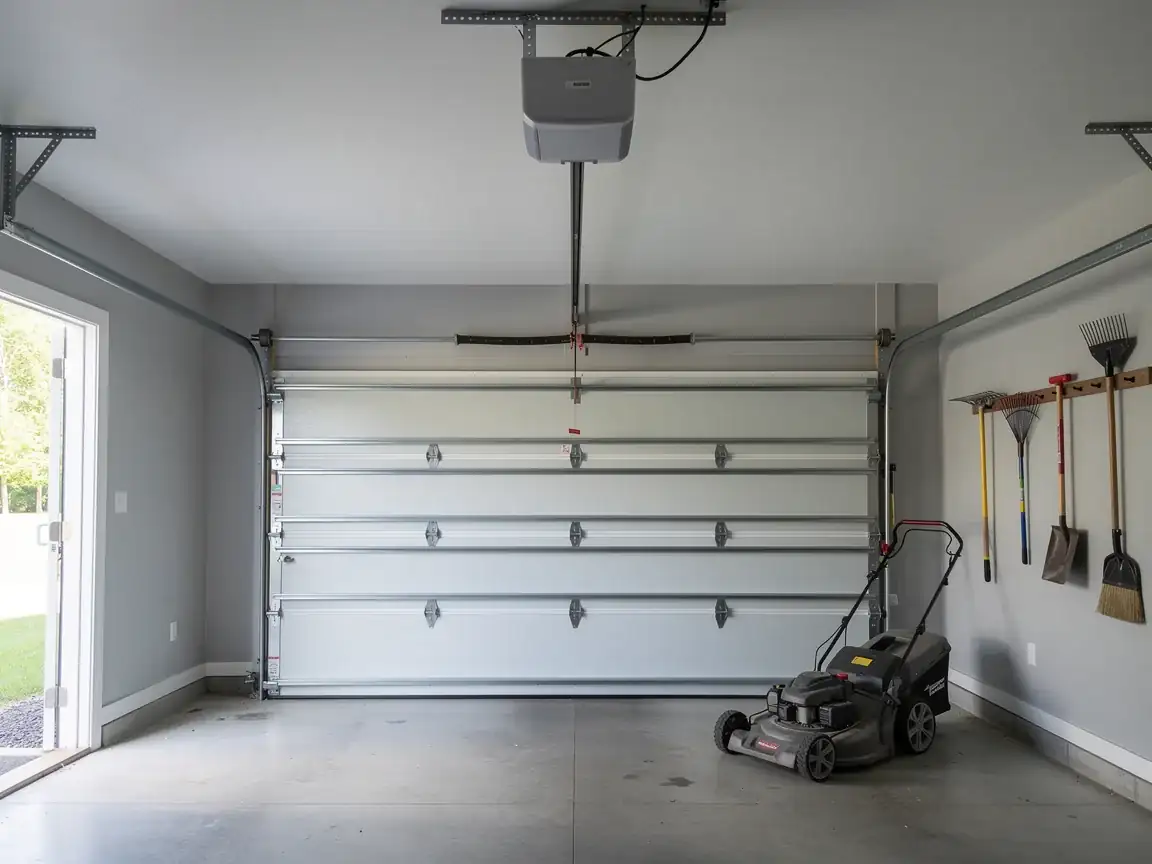
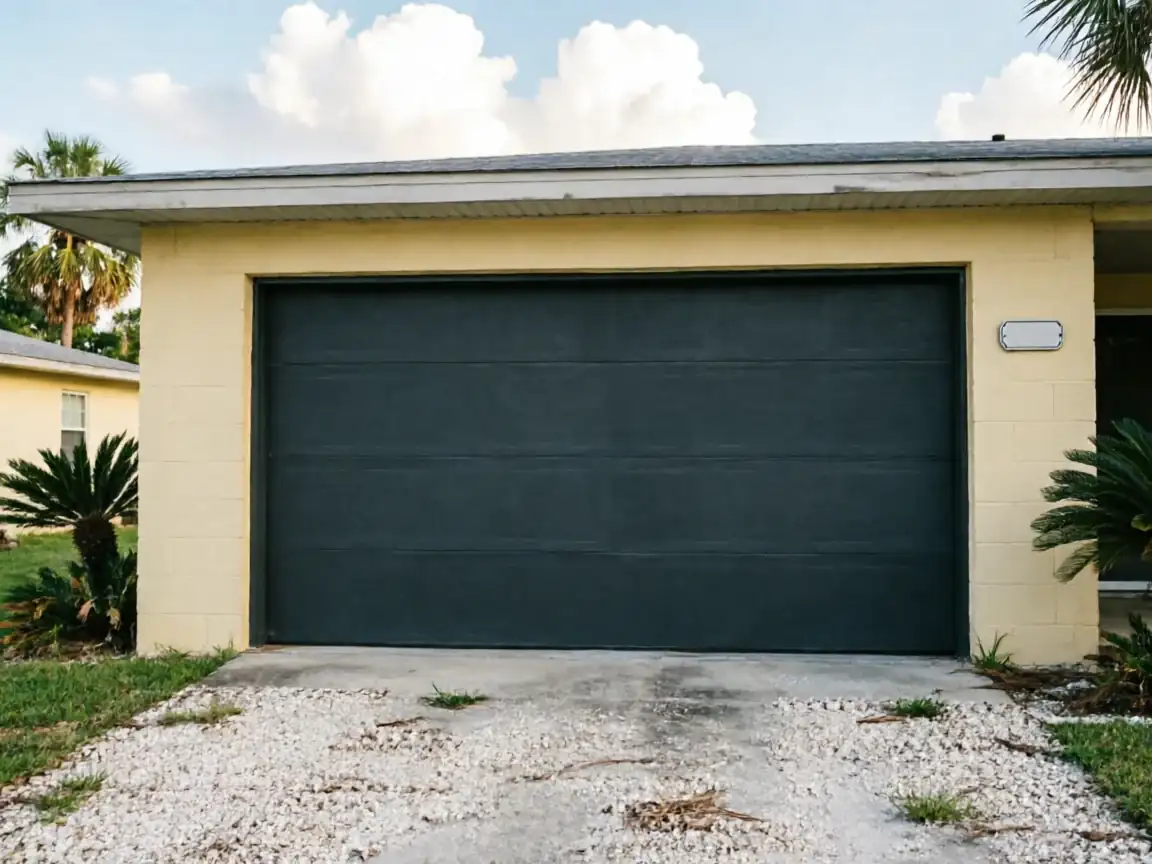
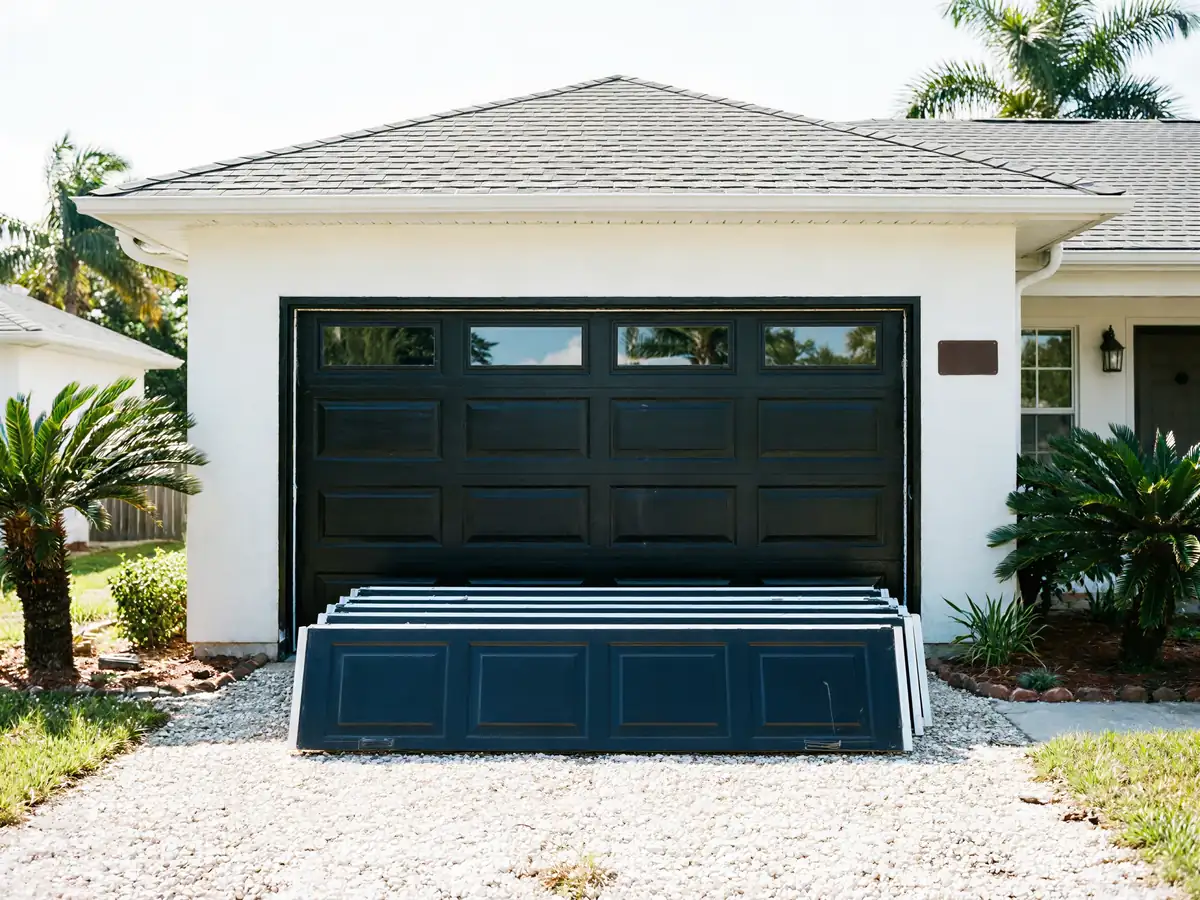
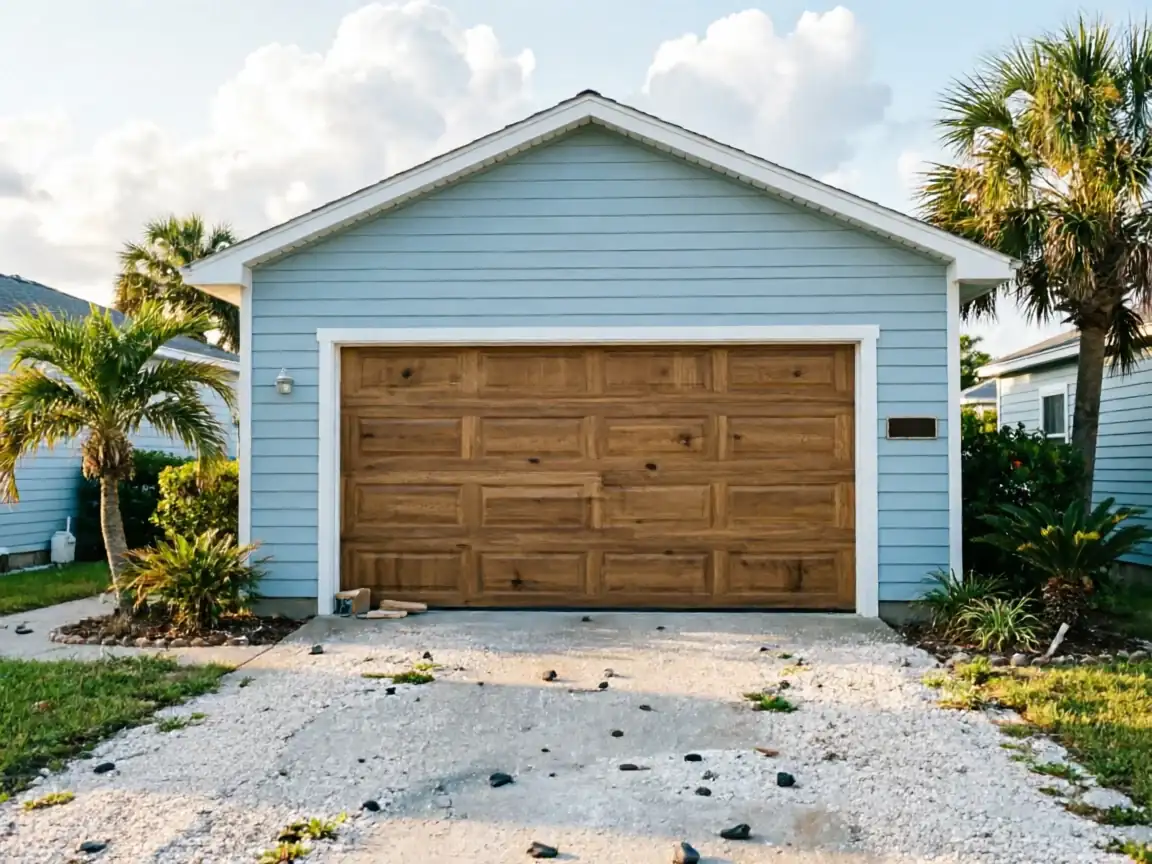
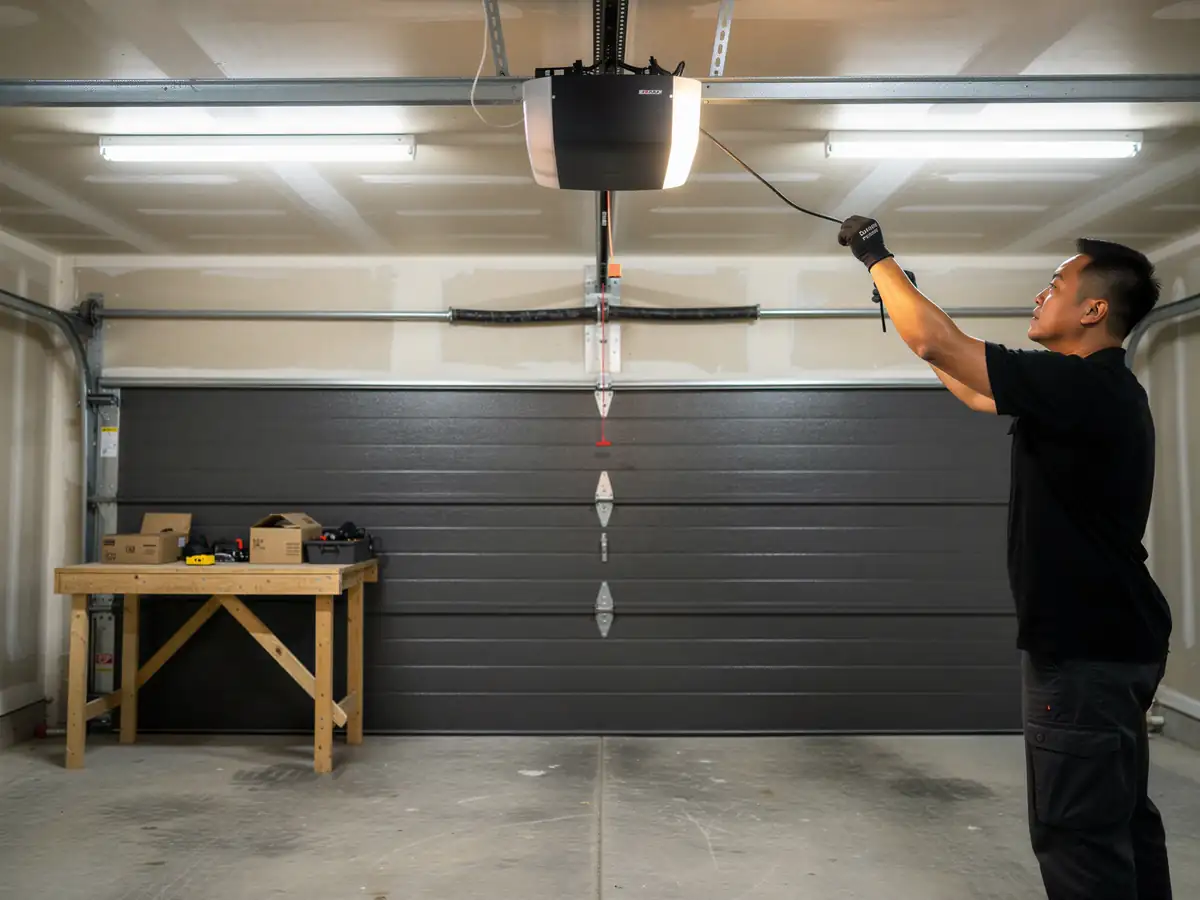
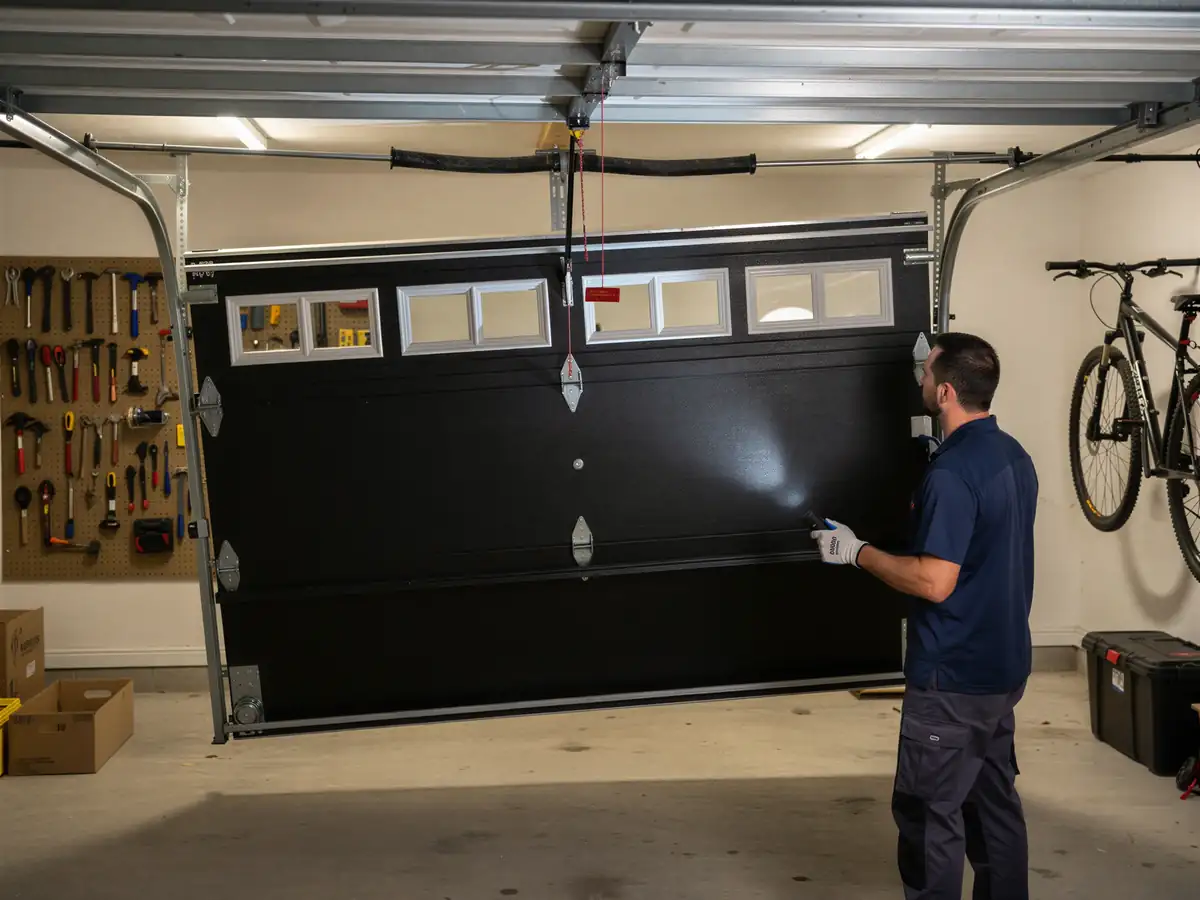
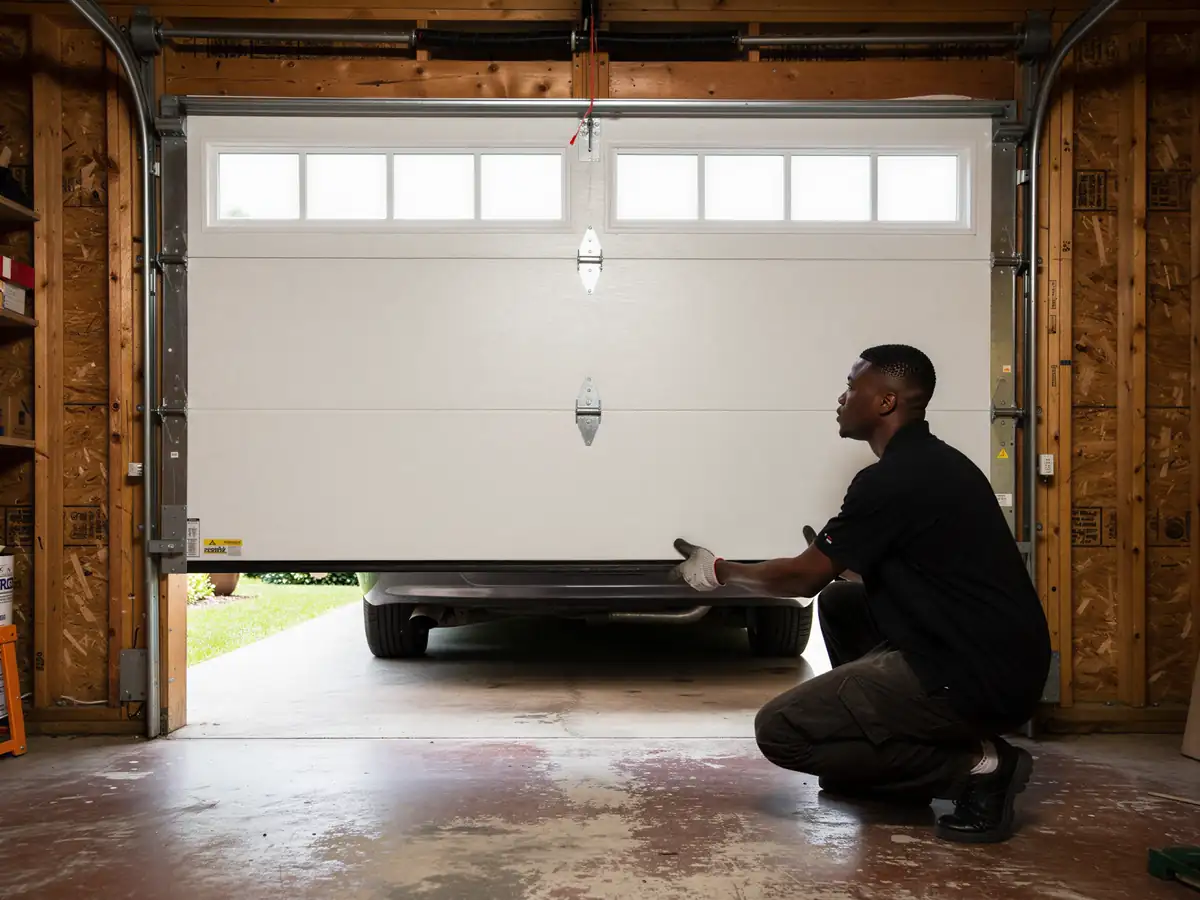
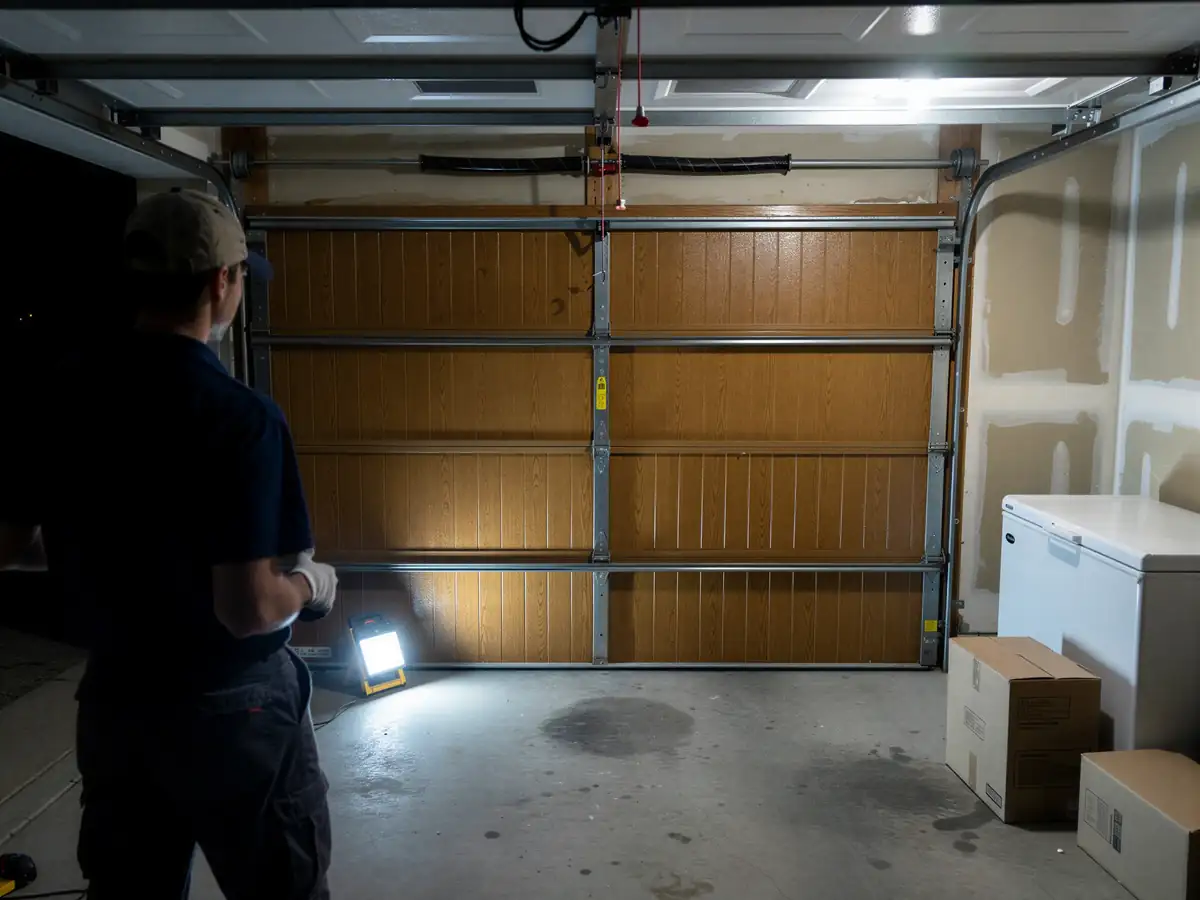
Most garage doors in South Miami Heights are steel, two-car, 16-foot sectional doors hung on torsion hardware, because the neighborhood filled in mostly during the 1970s as part of the wider wave of construction that ran from 1957 to 2008 across this part of the county. A door built or replaced around 1979 is now on its second or third spring if it's ever been serviced at all, and plenty haven't been touched since they went up. The steel is thinner-gauge than what you'd buy today, and the torsion tube and bearing plates are sized for that era's door weight, not for a heavier insulated retrofit someone may have bolted on later. When a spring goes on one of these doors, it usually goes hard - the door either won't budge or slams down fast, because the counterbalance that was holding 130-plus pounds of steel is suddenly gone. That's the fault we're looking at here, not a frayed cable or a bent track, though those show up as side effects once a spring snaps and the door racks sideways on its rollers.
What You Pay
We don't have a posted price list for this specific repair, and quoting one without seeing the door would be a guess, not a fact. What we can tell you is what drives the number: whether it's one spring or a matching pair, the wire size and length the door needs, and whether the drums or cable are also shot from the same failure. A household in South Miami Heights earning the area's median income of roughly $64,657 isn't necessarily buying the top-end door - most of what we quote here is straightforward torsion spring replacement on an existing steel door, not a full system upgrade. Ask for a number when we're on site looking at the actual spring, not before.
The Complications
The complication we run into most in this part of the service area isn't the spring itself - it's what's been added to the door since 1979. A lot of these houses have had openers retrofitted, insulation kits glued to the panels, or a second spring added when the door got heavier, without anyone resizing the torsion bar to match. That means a spring that looks like a simple swap can actually be undersized or oversized for the door's current weight, and putting the same wire back on just sets up the next failure. We also see galvanized springs that have held up fine in this mild coastal climate but whose end bearings and center bracket have corroded enough that the spring isn't the only part that needs to come off.
How We Fix It
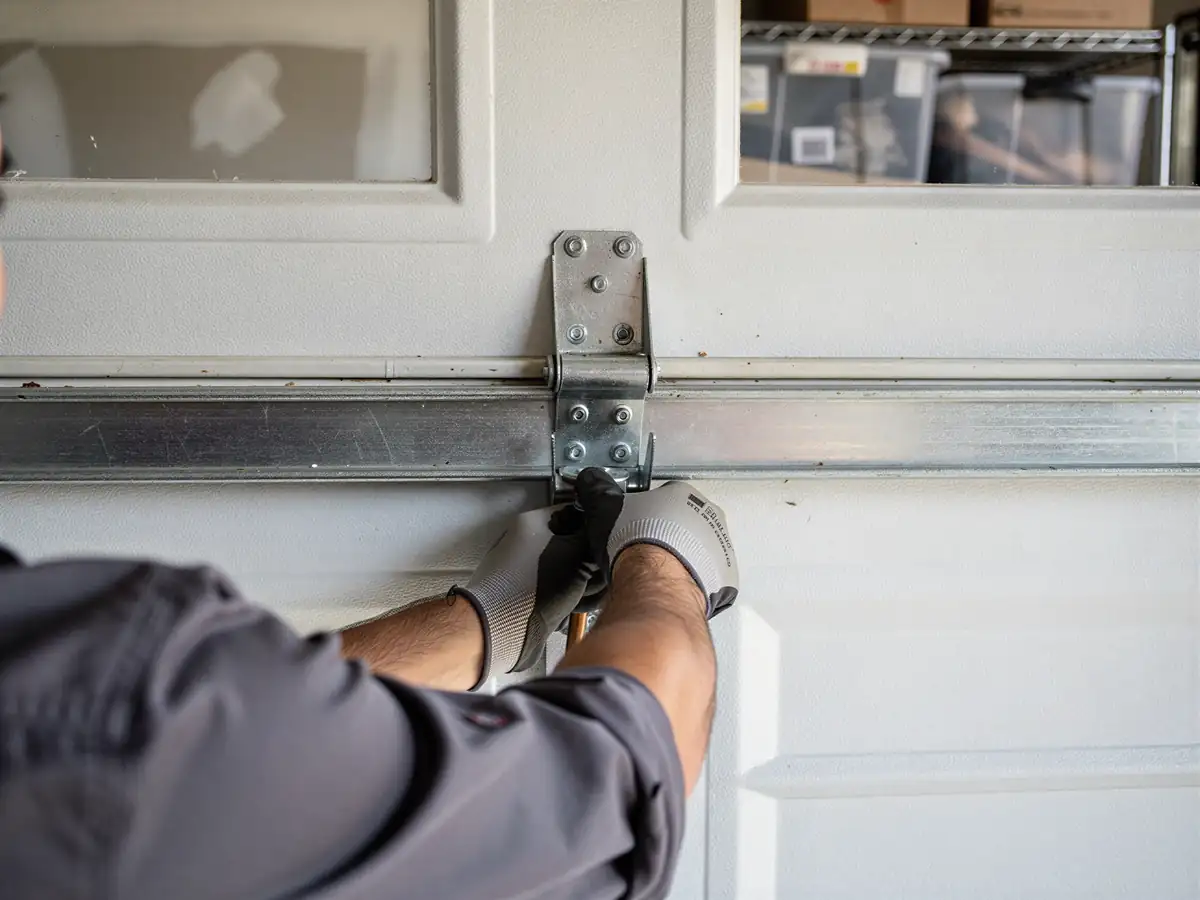
We measure the door's actual weight and the torsion bar diameter before we touch the old spring, rather than assuming the replacement should match what's coming off - that's often how a door ends up with a mismatched spring in the first place. We replace in pairs when the door calls for two, even if only one broke, because a mismatched pair wears unevenly and fails again sooner. Bearing plates, center bracket, and cable drums get checked at the same time since they're already exposed. We don't carry every spring wire size on the truck for every job, so on an unusual or custom-width door we may need to confirm the size before the repair is finished in one trip - that's the one limitation worth knowing going in.