What You Are Seeing
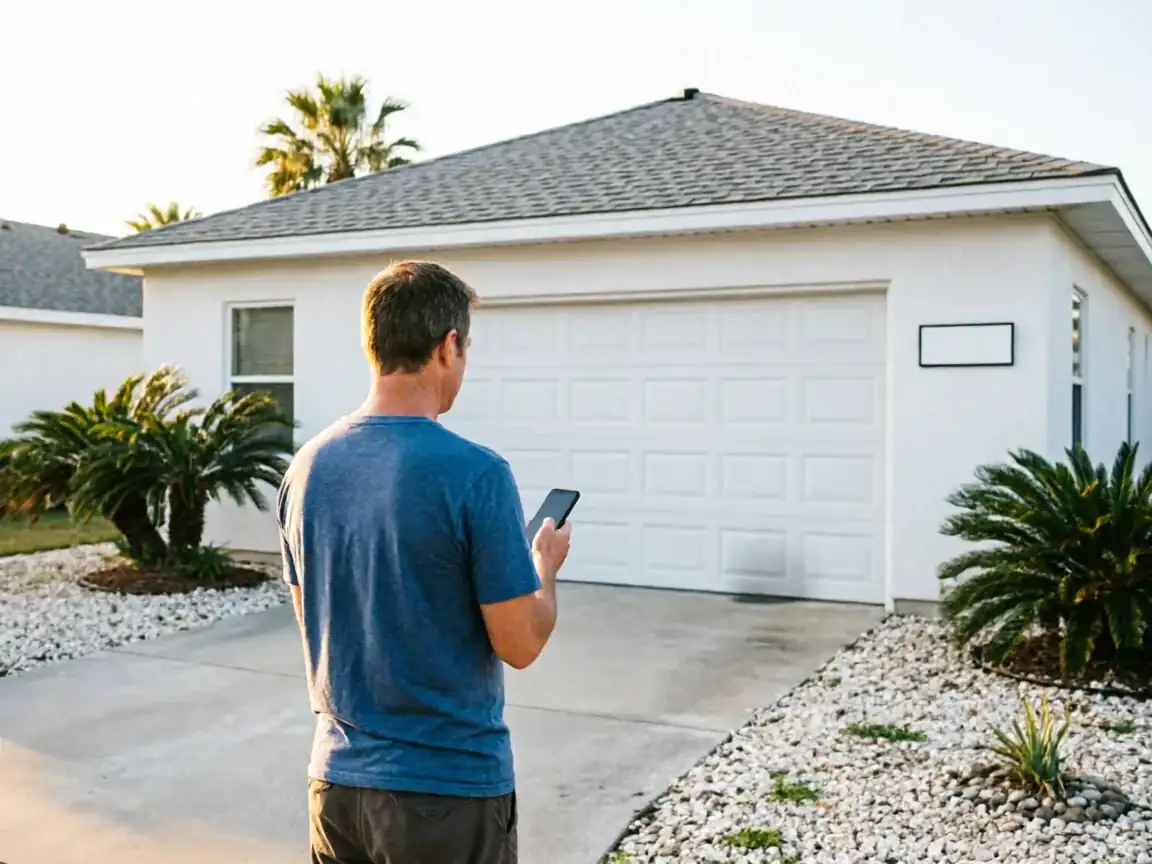
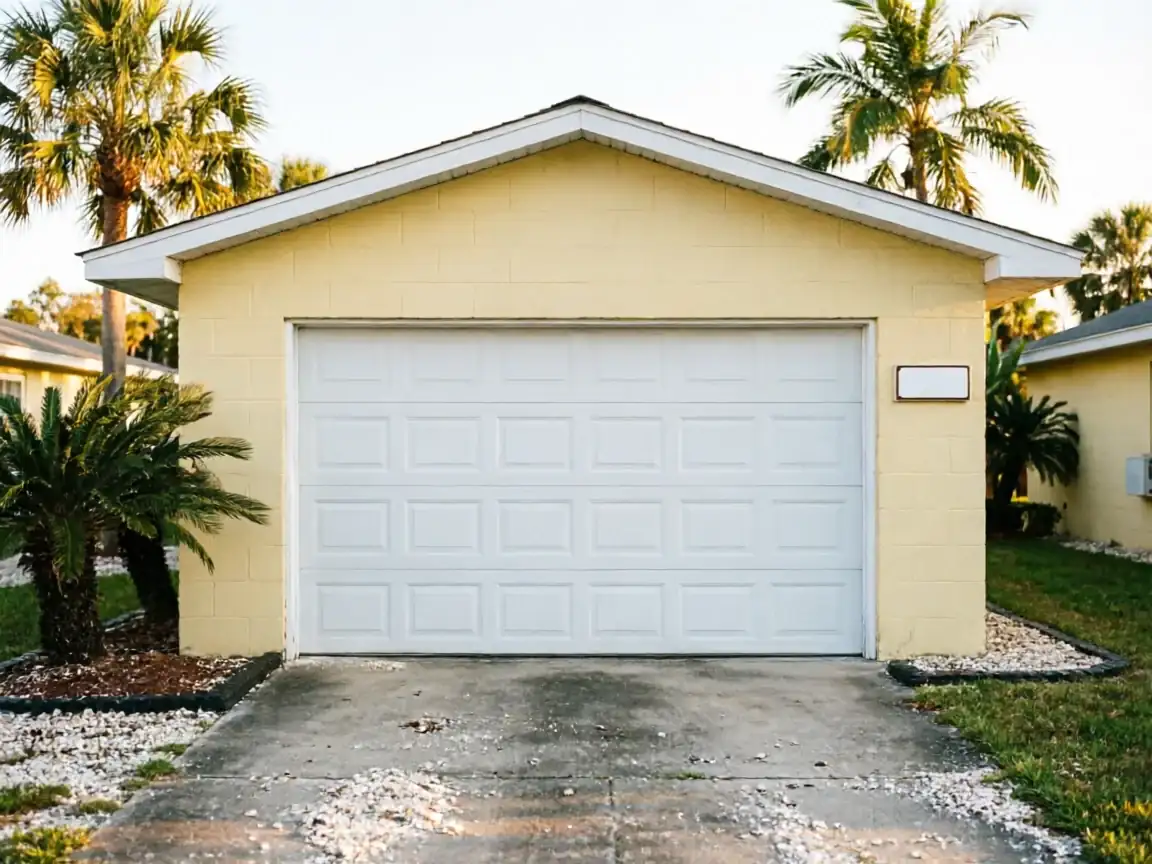
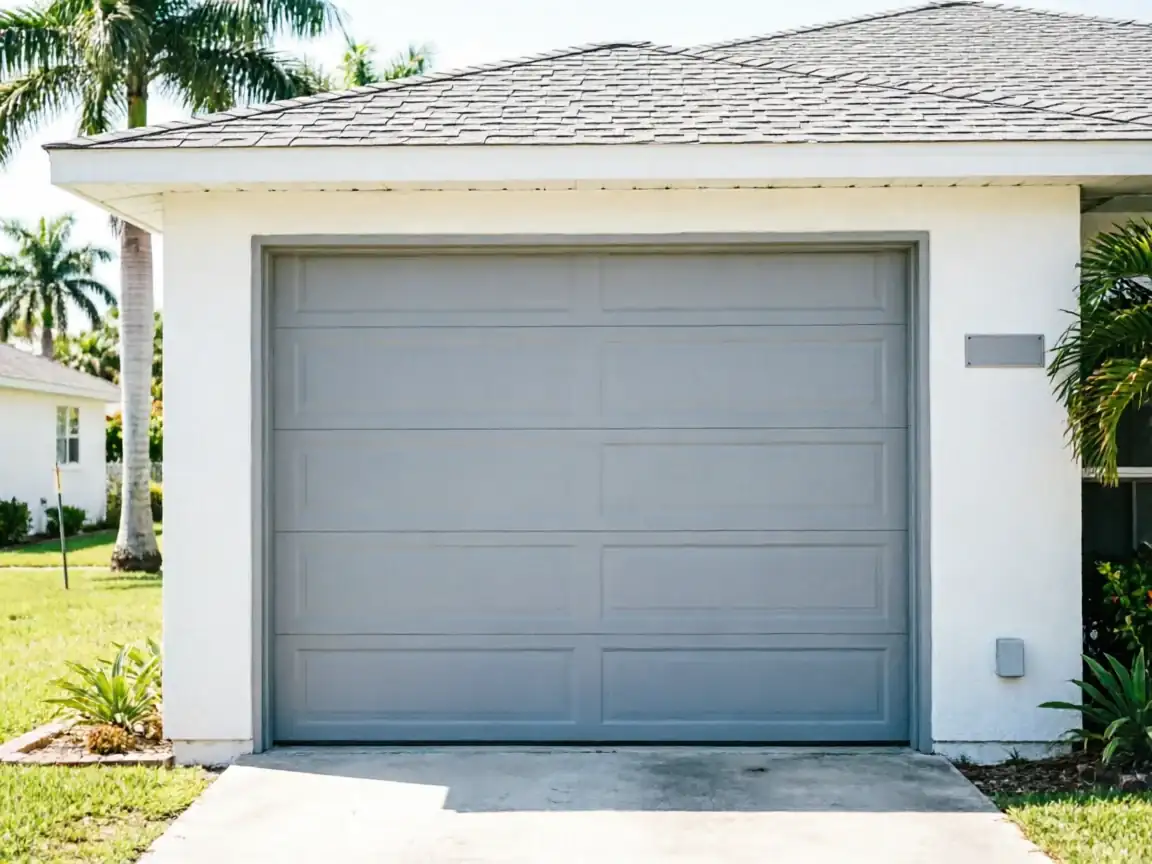
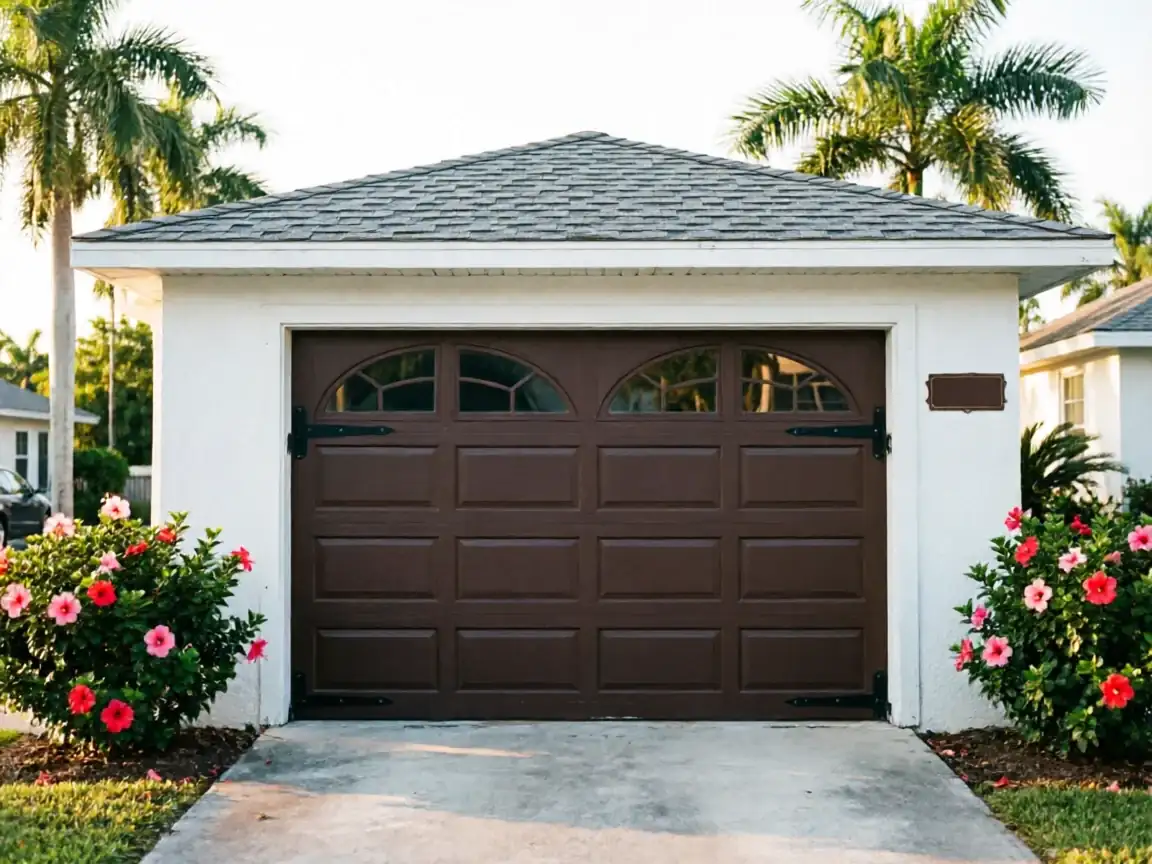
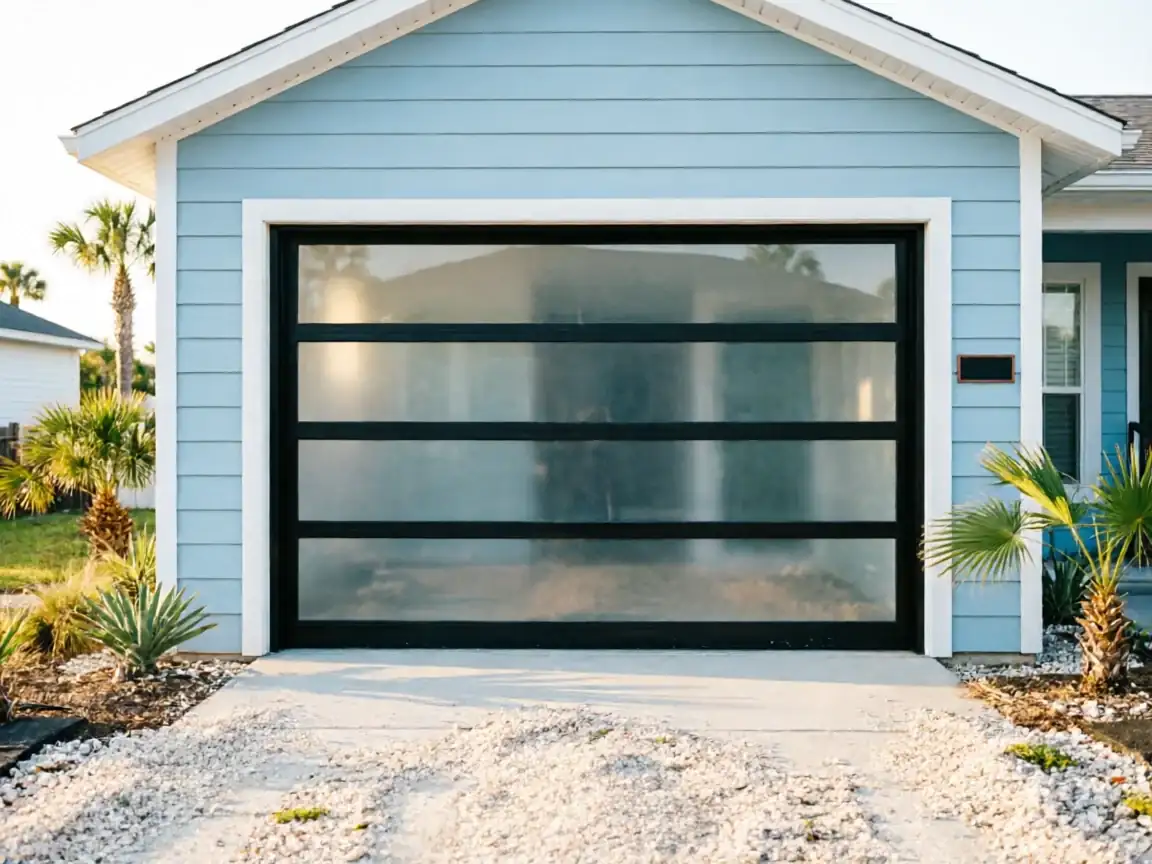
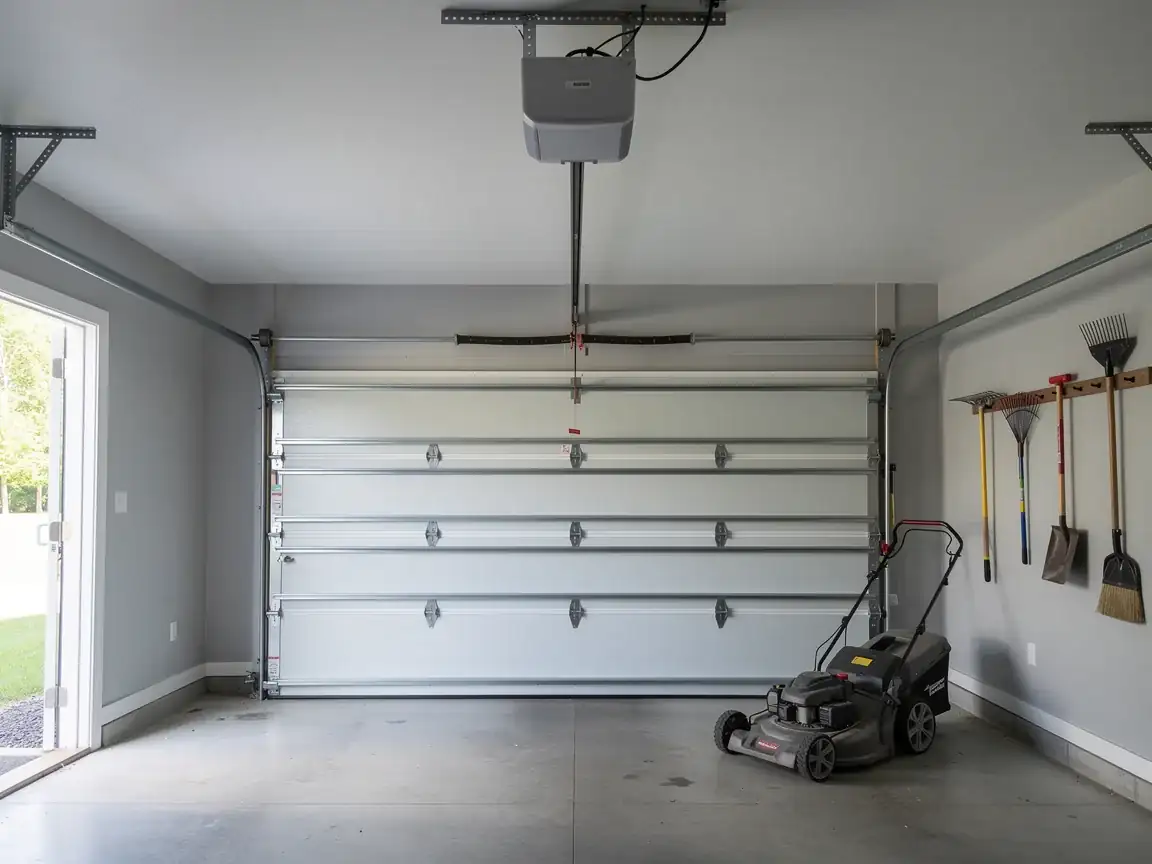
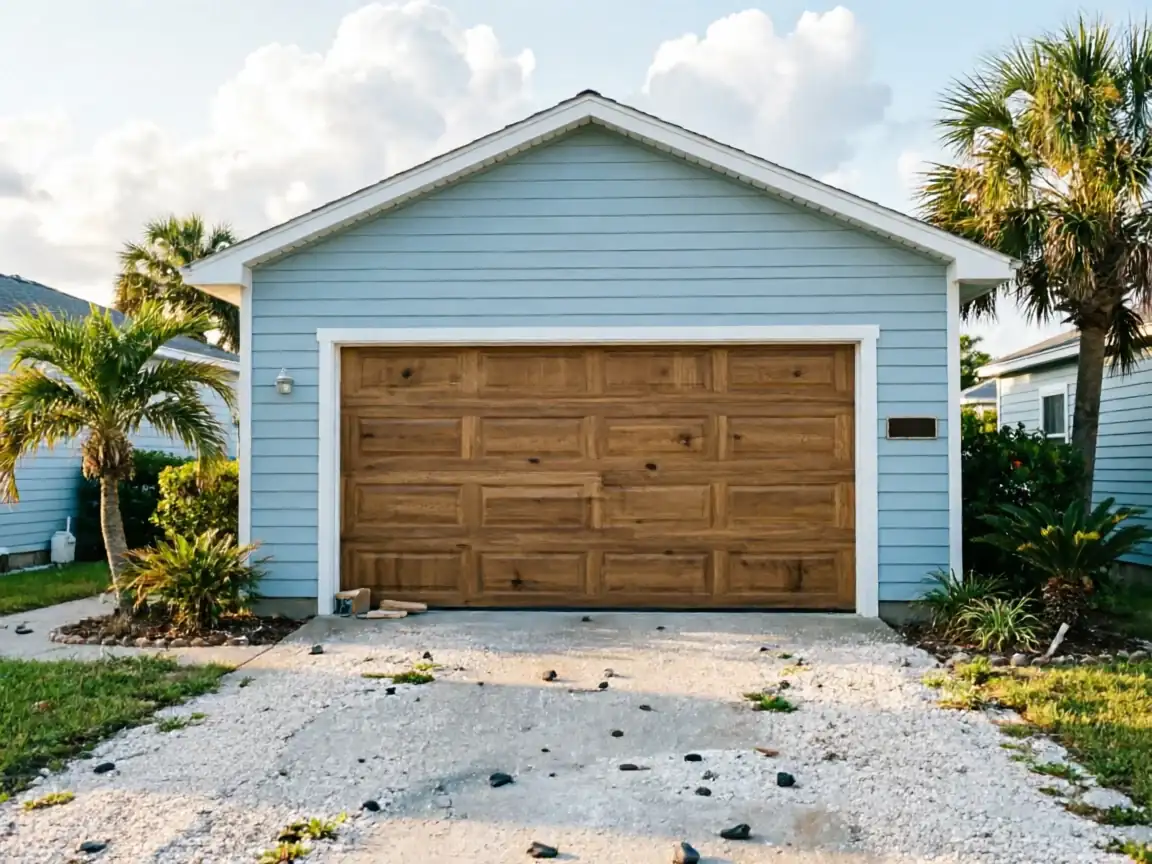
South Miami Heights houses went up mostly in 1979, give or take a few years either side. That means a lot of garage doors here are still running whatever opener got bolted to the ceiling joist when the house was framed, or a straight swap-in replacement from sometime in the 80s or 90s that nobody's touched since. Chain gets stretched, the drive gear wears down to plastic dust inside the housing, and the logic board starts skipping commands before it dies outright. If your remote works some days and not others, or the opener runs louder than it used to, that's wear, not a fluke.
What we don't see as often here is a door that was ever upgraded to a belt-drive or a unit with battery backup - those tend to show up in newer construction, and this part of the service area just isn't that. If your opener still has a pull-cord style light switch or a keypad with worn-off numbers, it's probably original equipment doing a job it was never built to do for this many years.
What You Pay
We don't post a flat number for South Miami Heights because the job depends on what opener you pick and what's already on the door - torsion springs rated for the new unit's pull, a track that's actually straight, wiring that isn't frayed behind the wall button. Median household income here runs $64,657, below the $82,726 average across our wider service area, and we see that reflected in what people ask for: a chain-drive replacement that does the job over a premium belt-drive with smart-home features. Both get installed the same way and both work. One just costs less up front and runs a little louder.
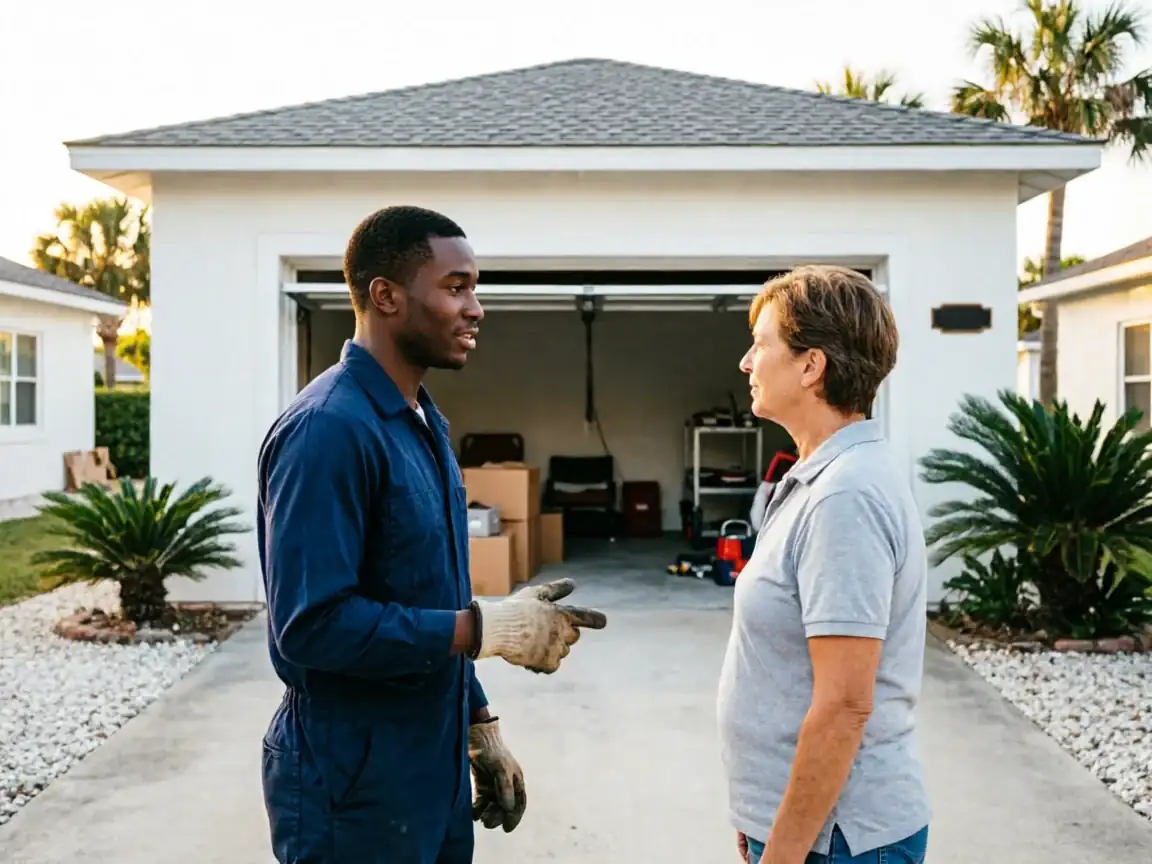
We'll quote the job at the house, not over the phone, because we need to see the existing hardware before we commit to a number.
How Long It Takes
A straight swap - same mounting points, same door, opener that isn't fighting worn springs or a bent track
Is a same-day job once we're on site. Where it runs long is when the 1979-era hardware underneath doesn't match what a modern opener expects: an old low-headroom setup, brackets that were never meant to carry today's heavier belt-drive units, or a door that's been limping along on the original springs since the house was new. We check that before the new opener goes up, because mounting it to bad hardware just moves the failure point.
We're coming from Homestead, about 9 miles out
So we plan the appointment window around that drive rather than promising a walk-up same-hour visit.
- 9 miles
The Complications
The mild temperate climate here is easy on garage door equipment compared to places with hard freezes or heavy snow load - no ice buildup cracking housings, no sub-zero grease seizing gears. That's one thing working in your favor. What isn't: openers from the late 70s and 80s in this area were often installed without any thought to the garage door's actual weight rating, especially on double-wide doors, so the motor's been overworking for years. Swapping in a new opener on top of that just gives you a stronger motor straining against the same bad balance.
We also run into keypads and wiring that were added piecemeal over the decades - a remote receiver here, a motion light there - none of it matching the age of the main unit. Sorting that out before the install takes longer than the install itself sometimes does.
How We Fix It
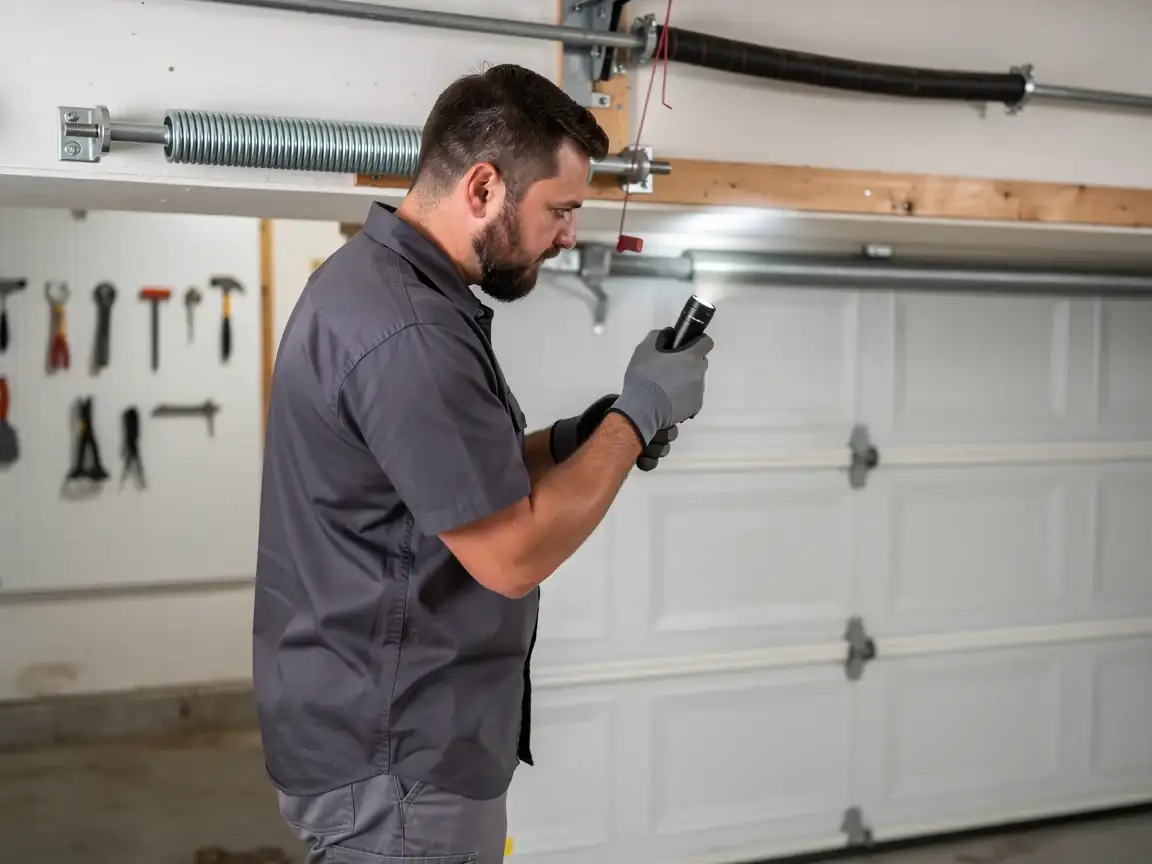
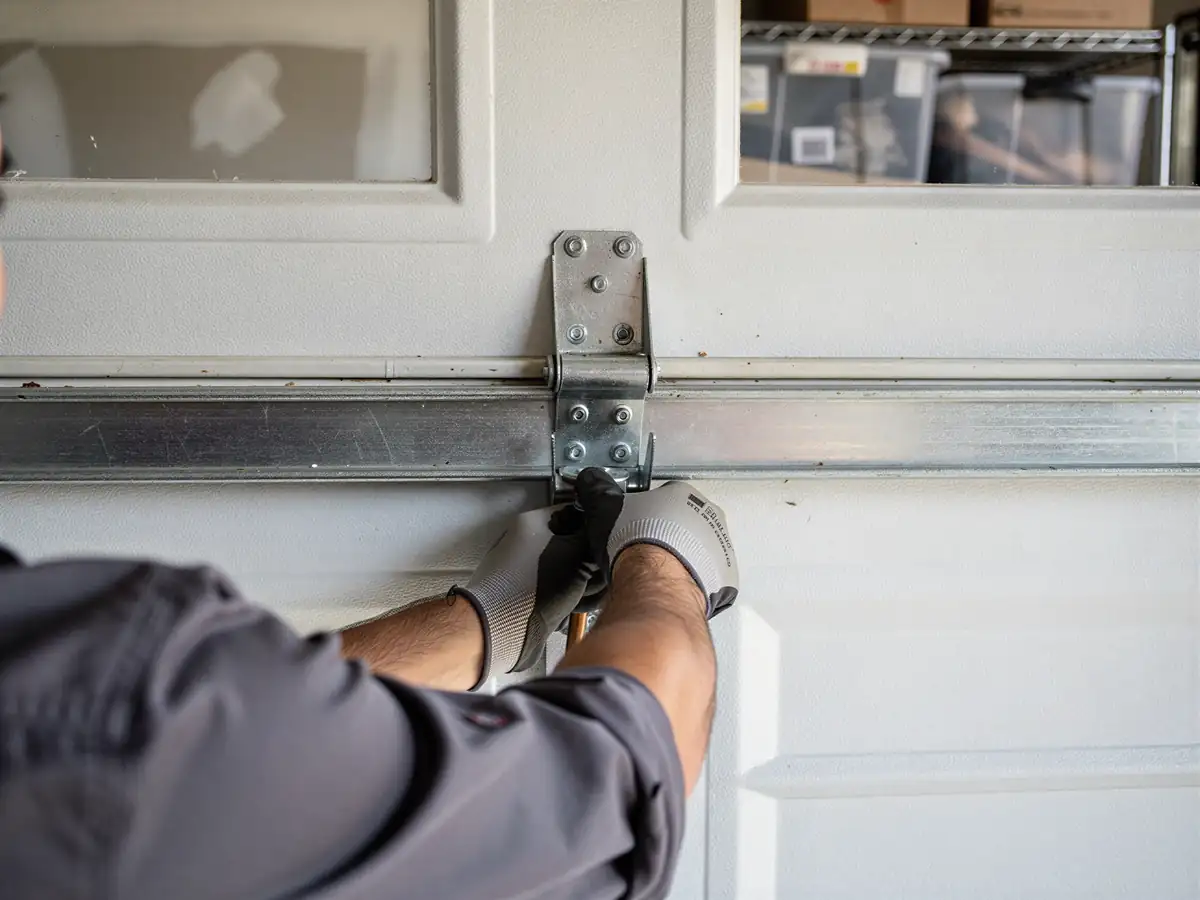
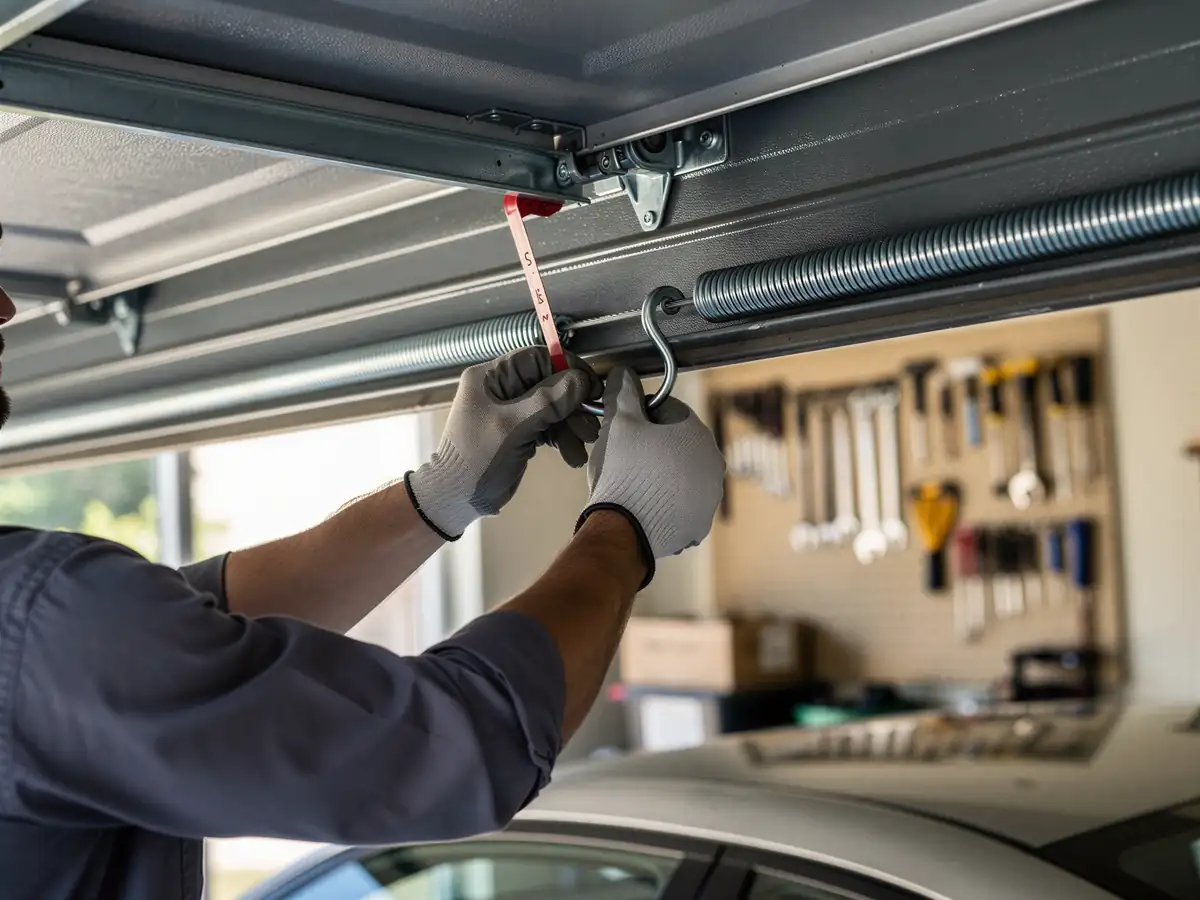
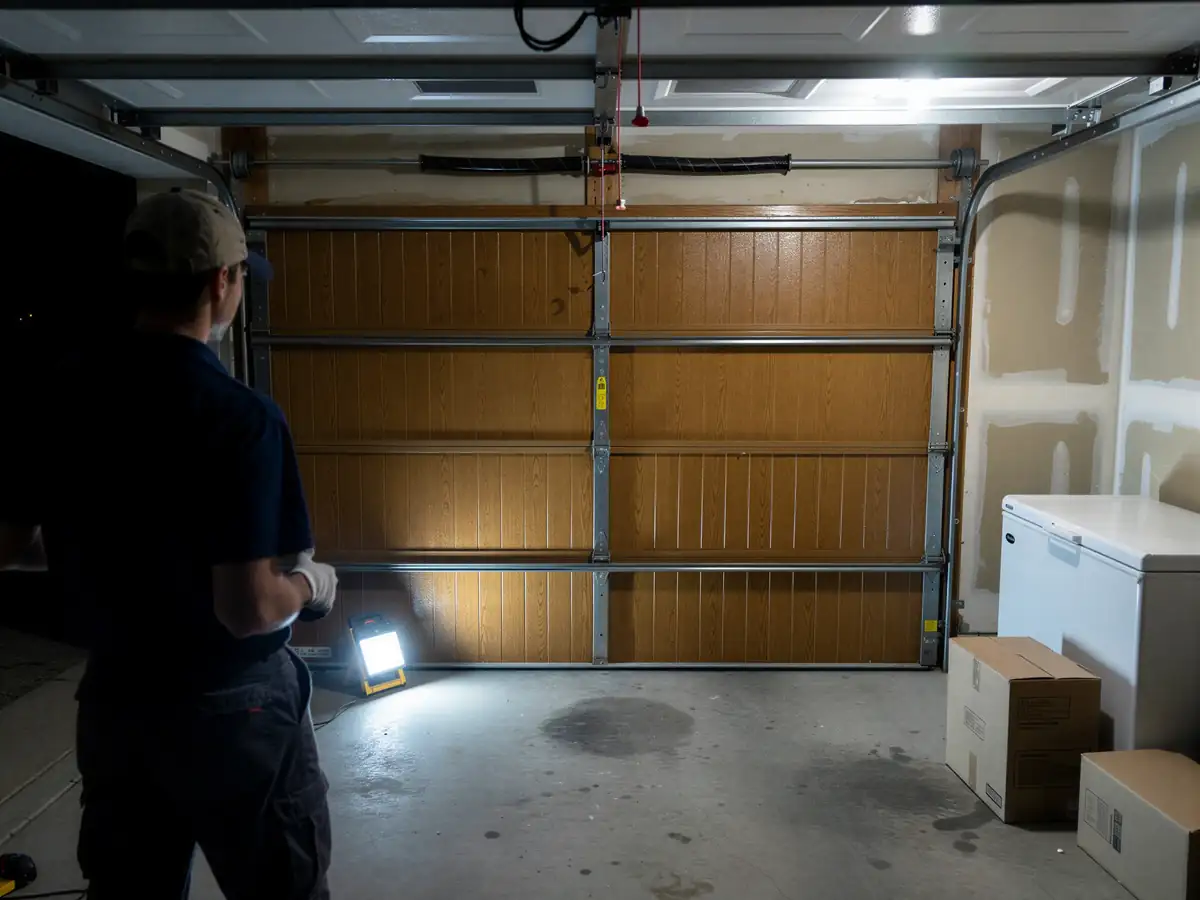
We start by checking door balance and spring tension before we touch the opener - a new motor bolted to a door that's out of balance just wears out faster and trips the safety reversal more often. If the springs are original to the 1979-era build, we'll say so and quote replacing them alongside the opener rather than installing new equipment on worn-out hardware and calling it done.
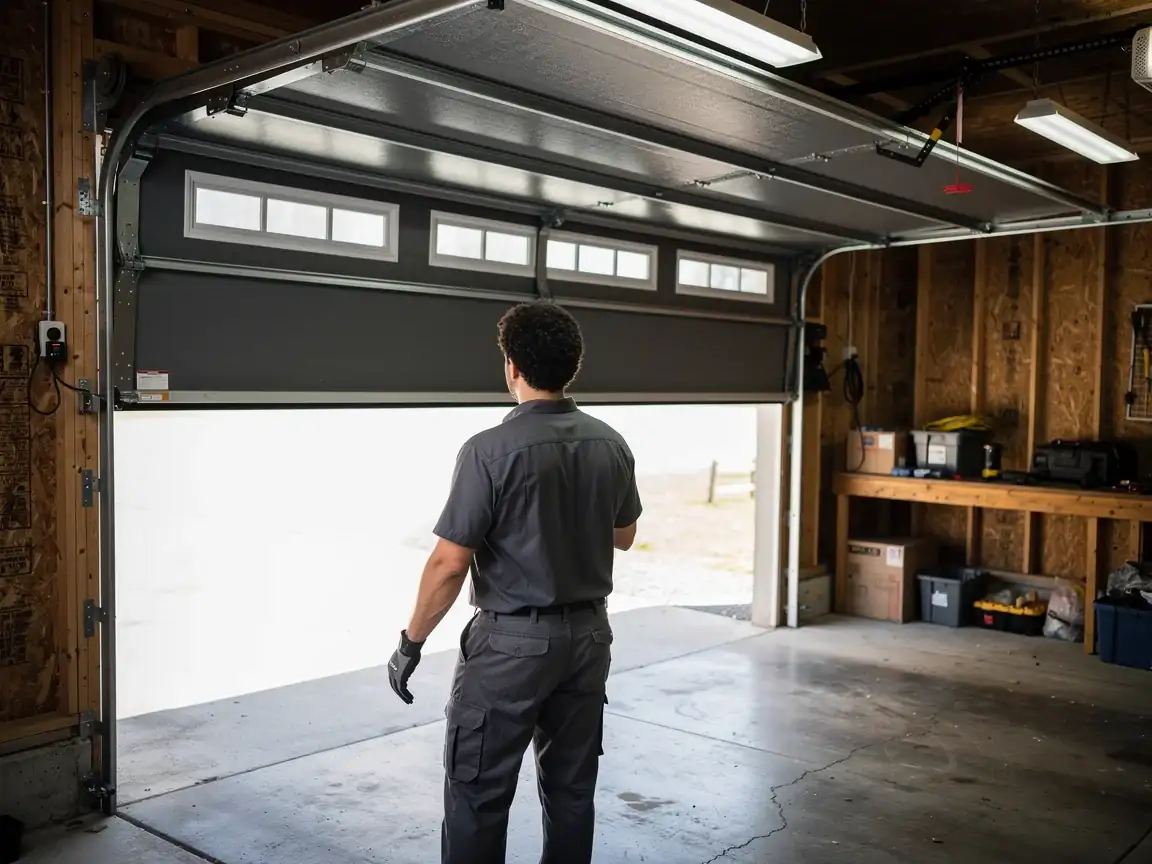
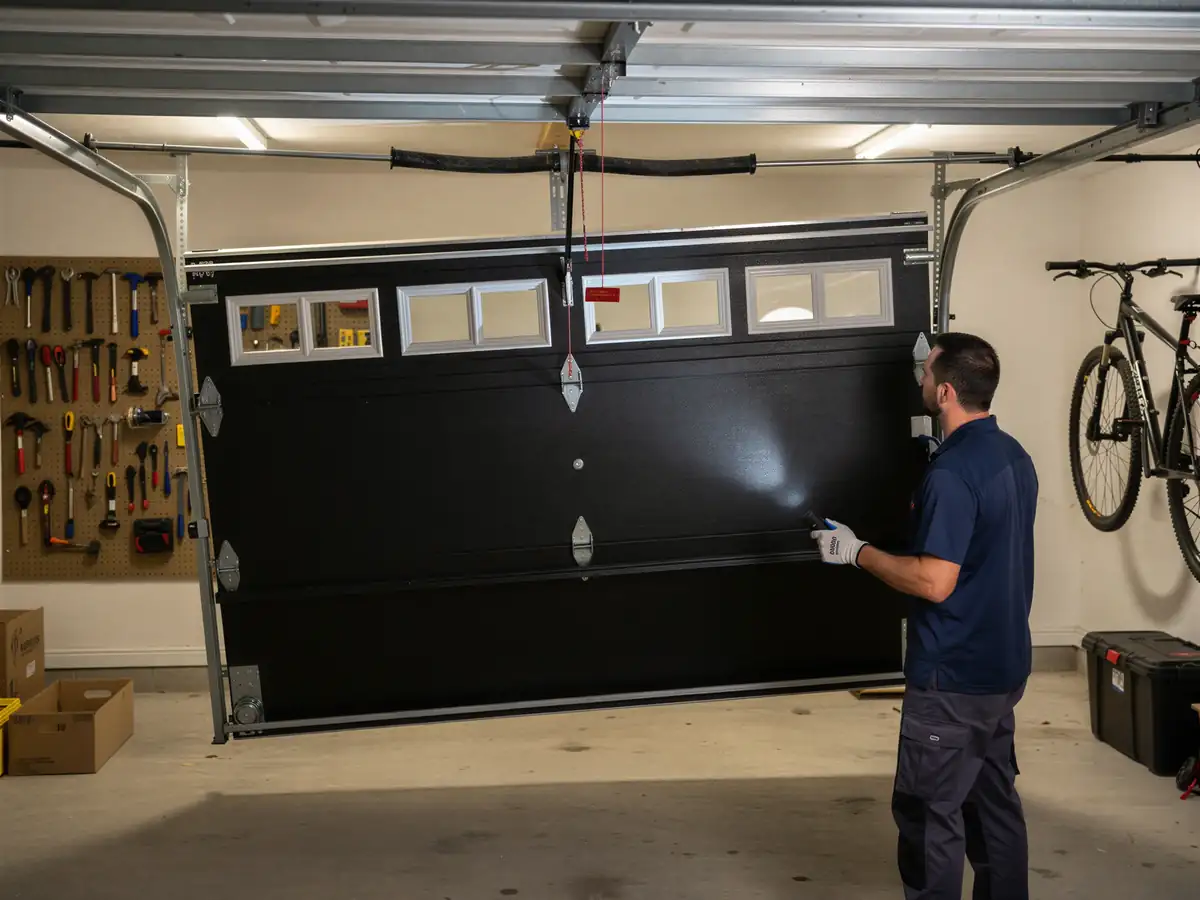
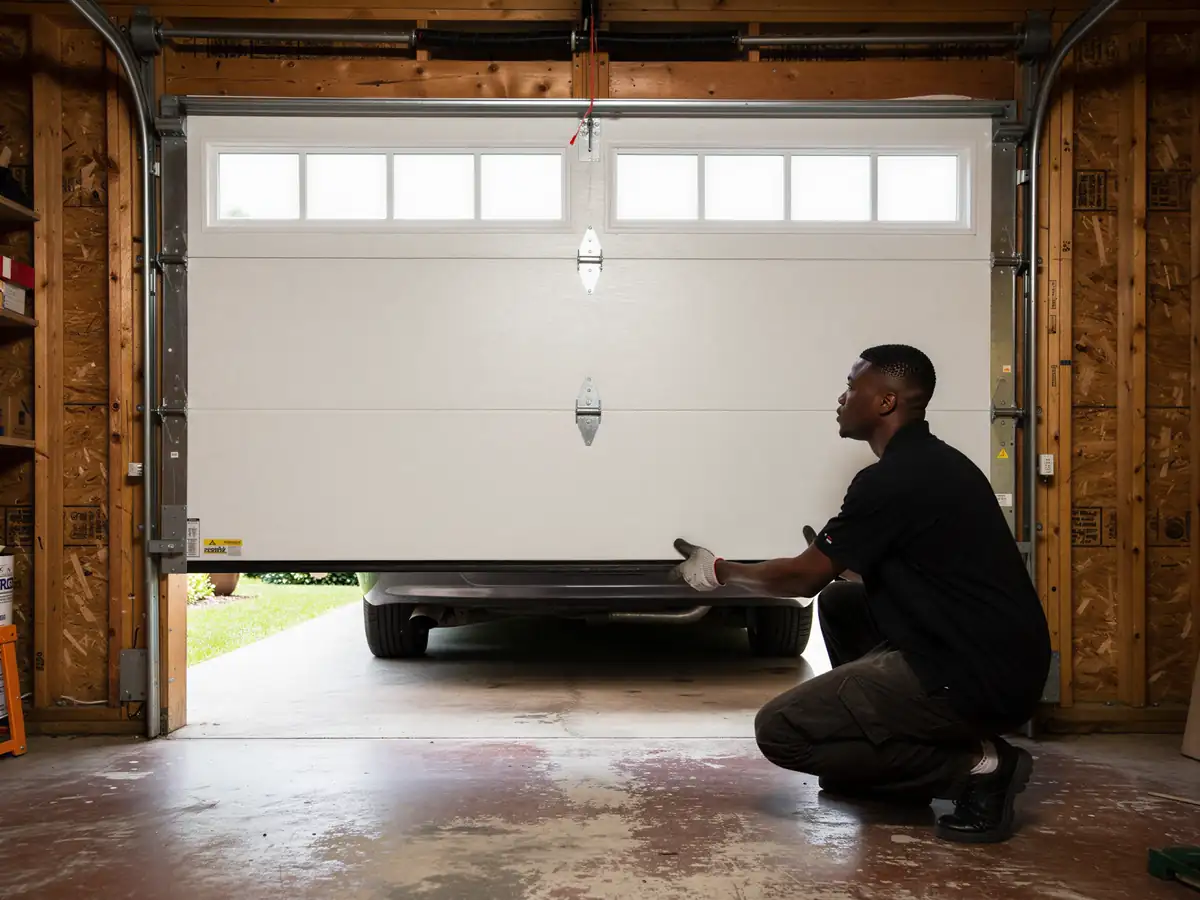
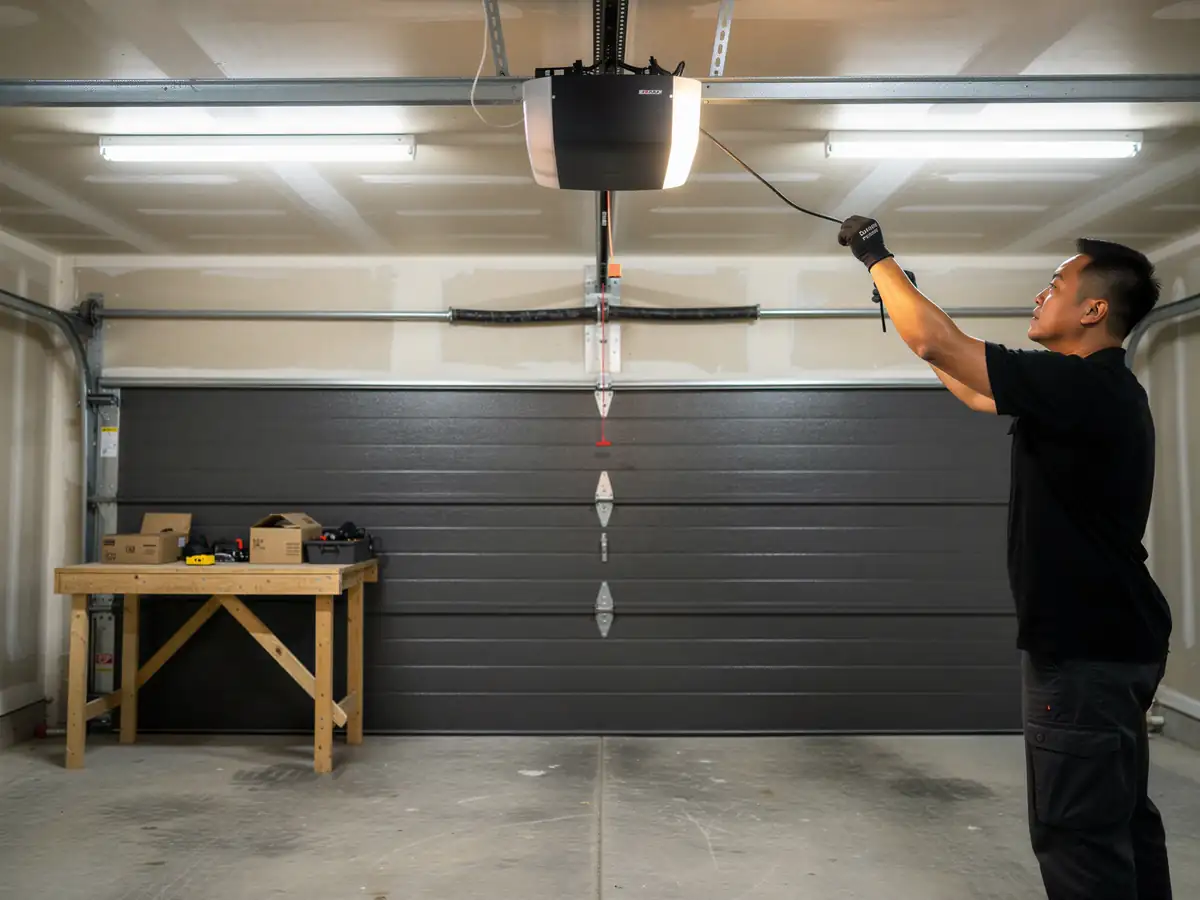
From there it's a standard mount: bracket to the header, rail to the door, wiring to a dedicated circuit if one exists or run fresh if it doesn't. We test travel limits, force settings, and the safety reversal with the door itself, not just the remote, because that's the part that actually matters if something's ever in the way.
The DIY Question
Installing an opener yourself isn't unreasonable if the door and track are already in good shape and you're comfortable on a ladder with the springs under load
That's the part that hurts people, and it's the part we won't talk you through over the phone. Where South Miami Heights homeowners get into trouble is assuming the existing bracket and header can take a new, heavier unit just because the old one fit there for forty-plus years. Wood that's held up fine under a lightweight 1979 motor can split under a modern belt-drive's torque.
If your door is original or close to it, we'd rather look at the whole setup once before you buy an opener than have you return one that doesn't fit the hardware