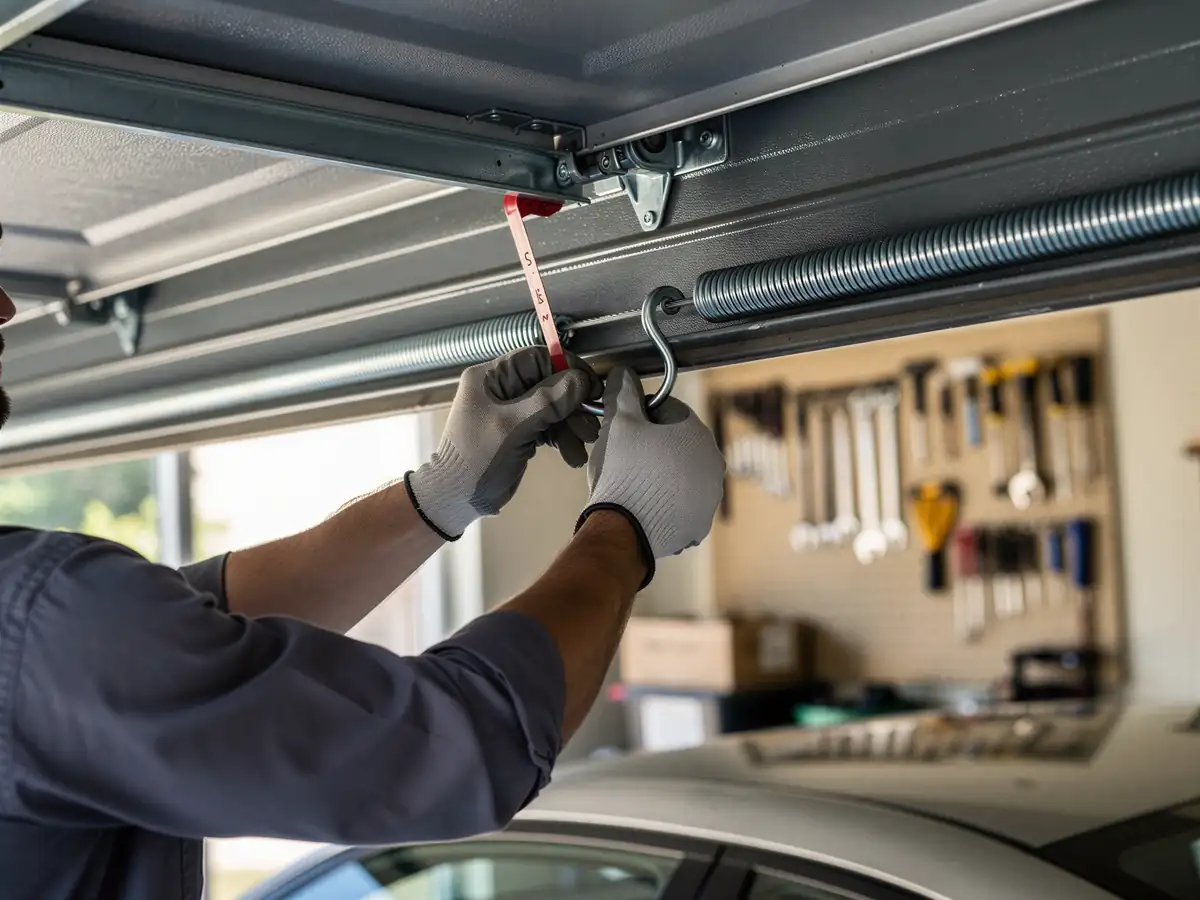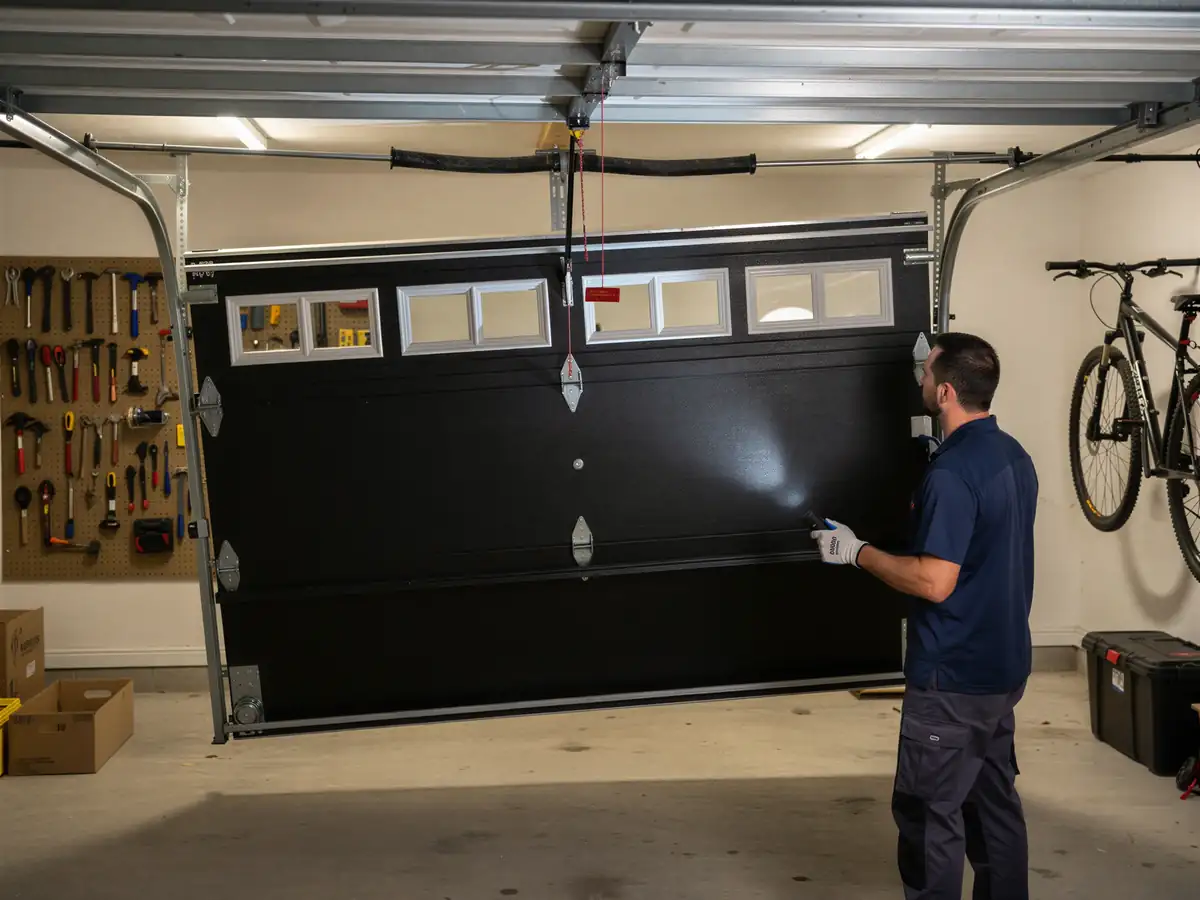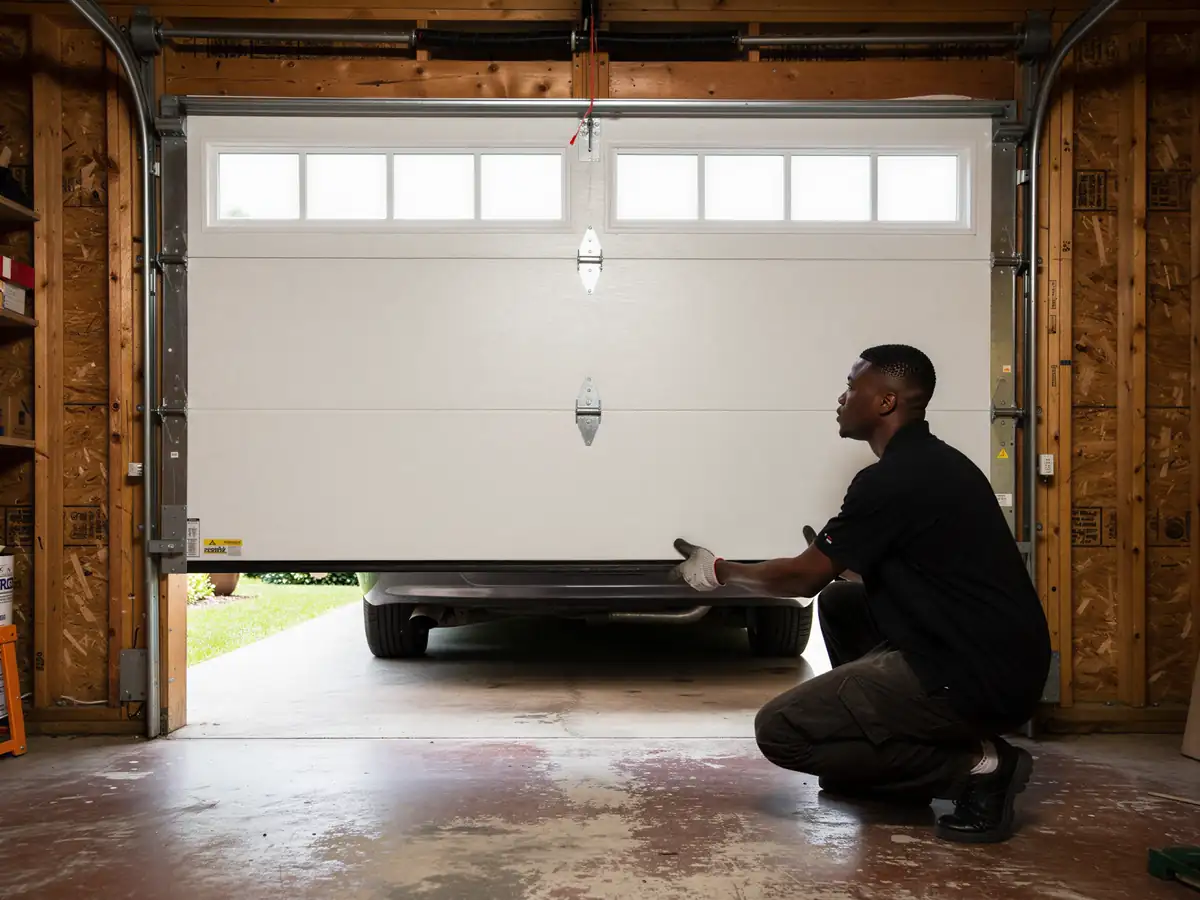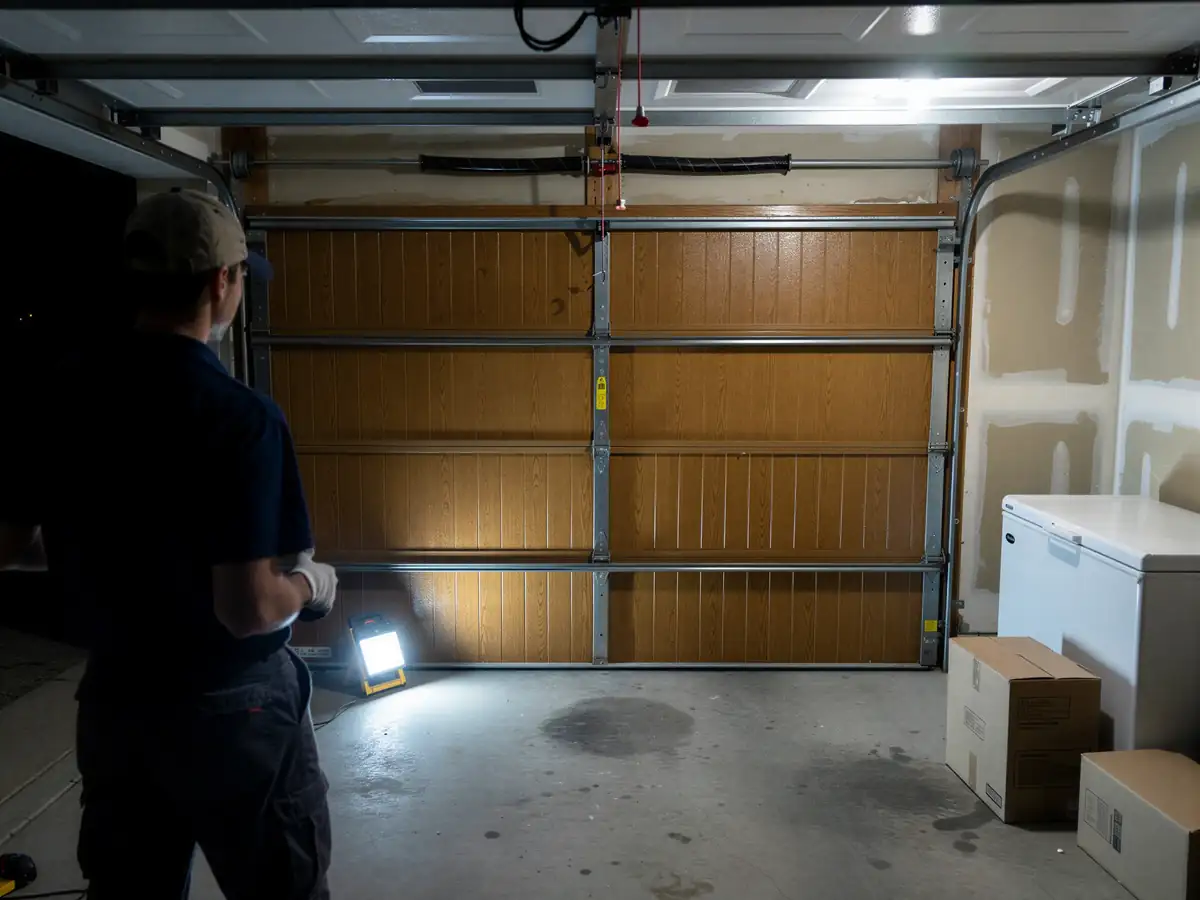
What You Are Seeing
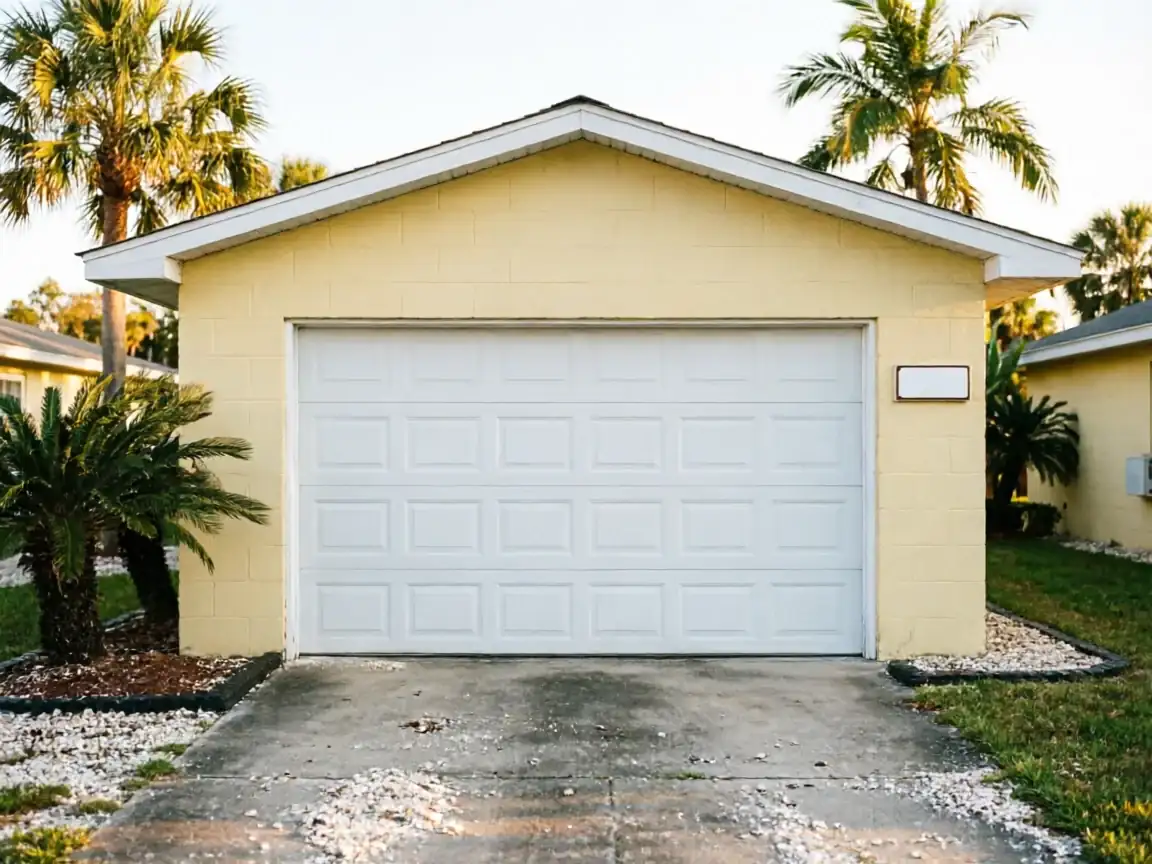
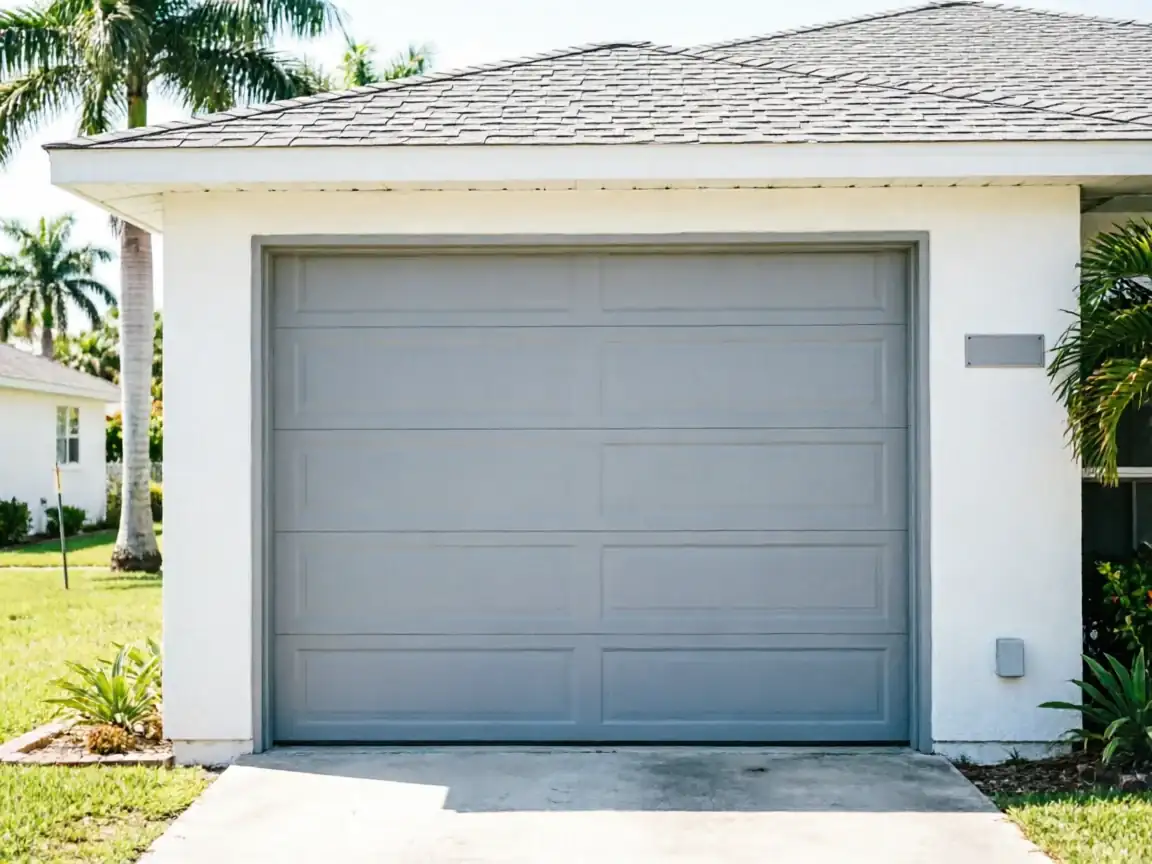
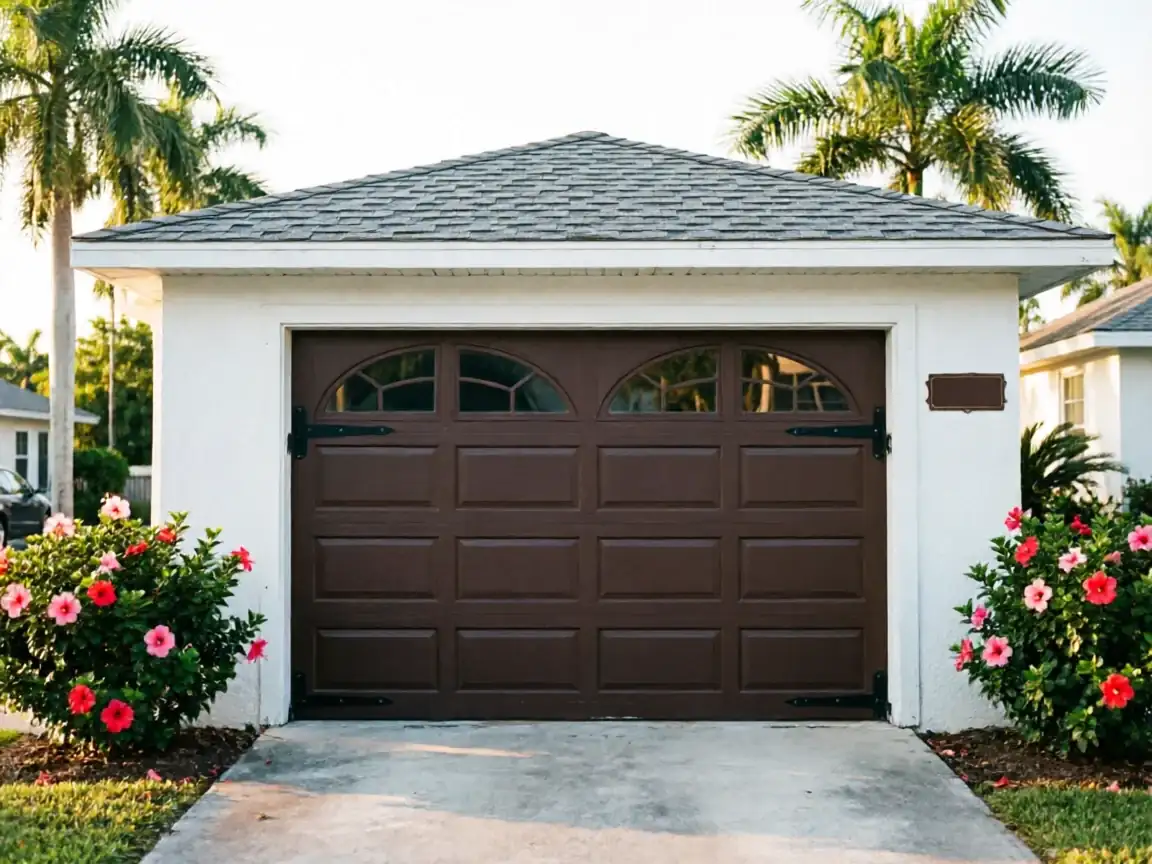
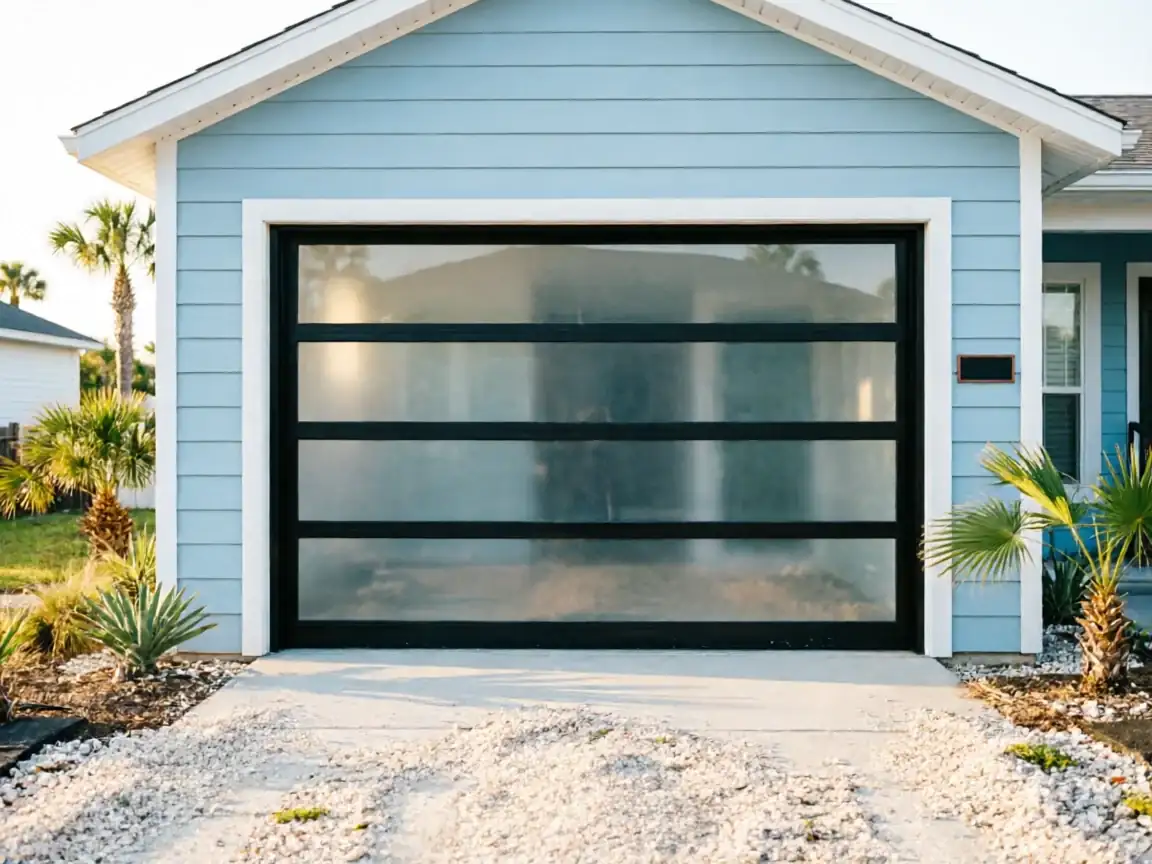
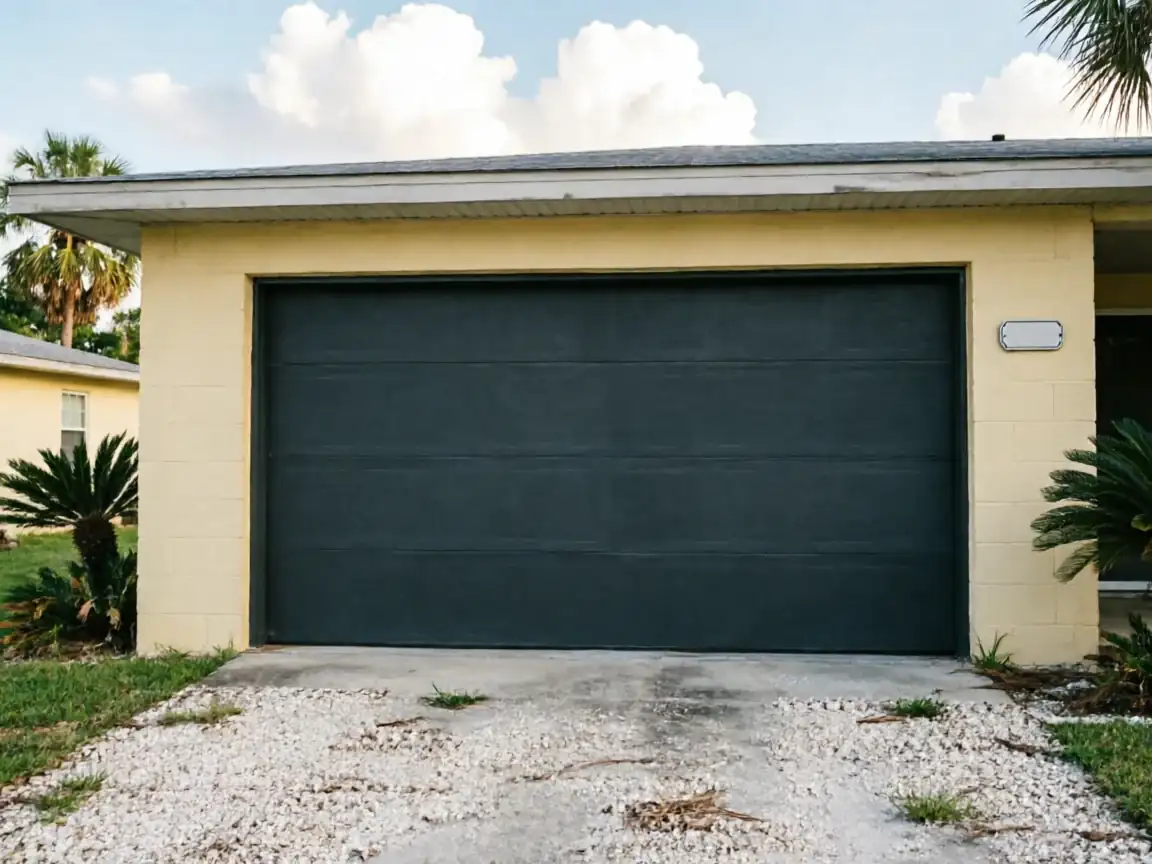
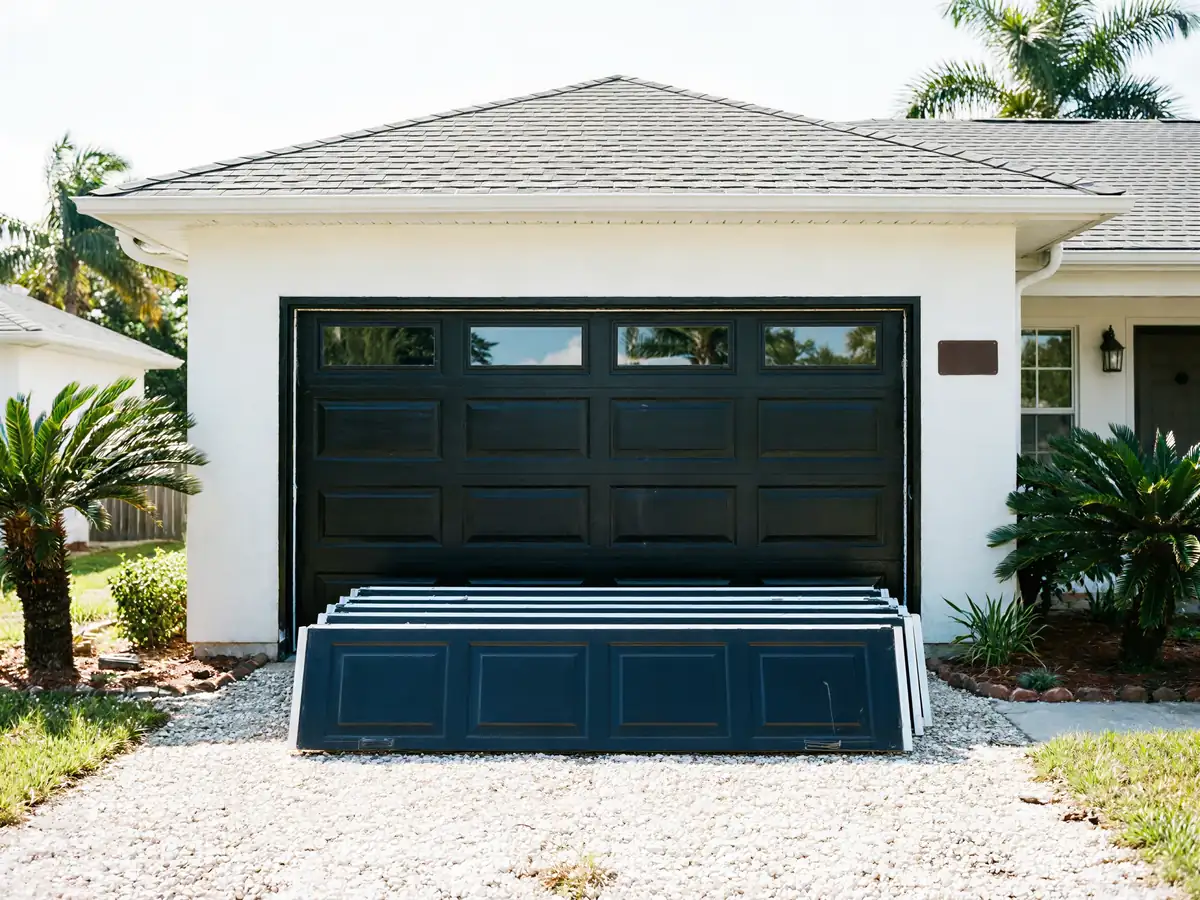
South Miami Heights isn't a big place - about 11,765 households, which keeps the work pretty consistent from one street to the next instead of the mixed bag you get in a sprawling suburb. Most of the houses here went up in the 1960s and 70s, with the service area's broader stock running 1957 to 2008 and a median build year of 1979 across the region. That matters because a house built in that window usually came with a steel sectional door on a basic extension or torsion setup, sized for openings that haven't changed much since. What we run into most is original hardware well past its service life - tracks bent from years of minor bumps, springs that were never upgraded, and openers that are a second or third replacement bolted onto the original rail. When a homeowner here calls about a new door, it's rarely a first install. It's almost always a full swap-out of something that's been patched one too many times.
What You Pay
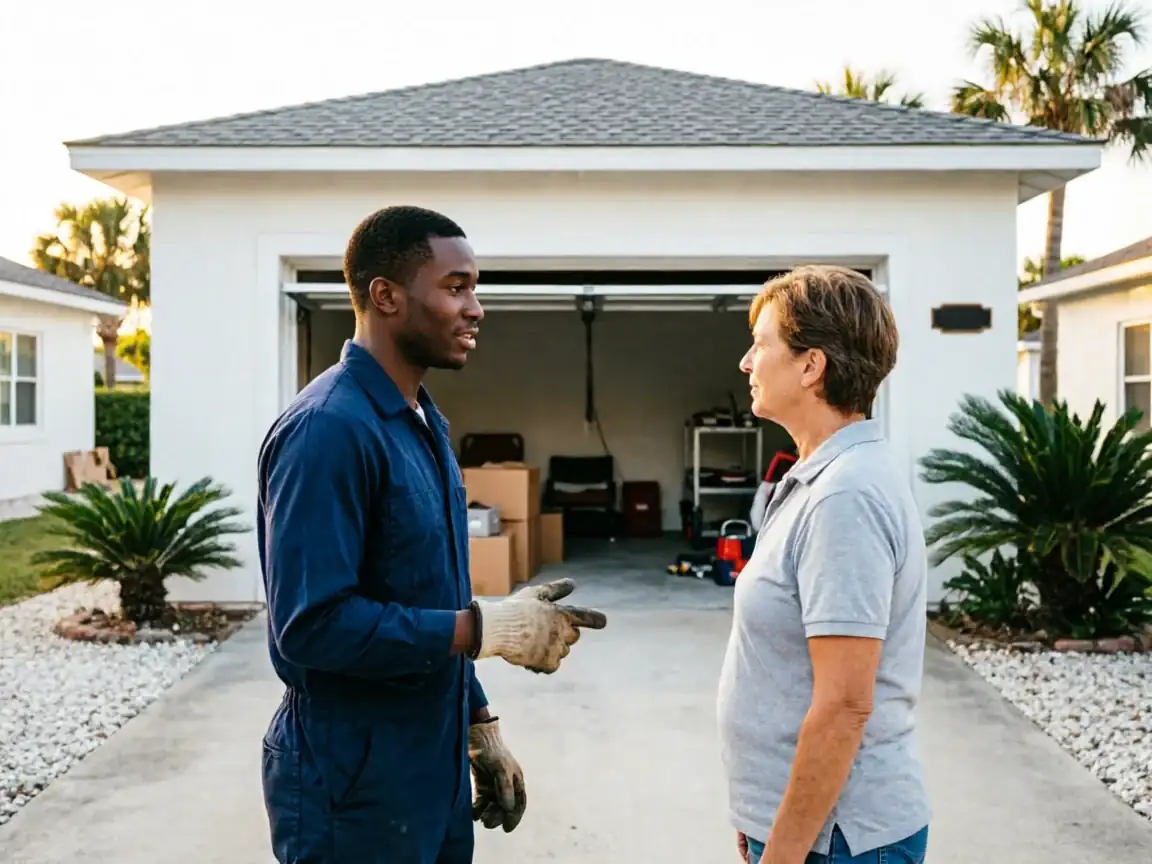
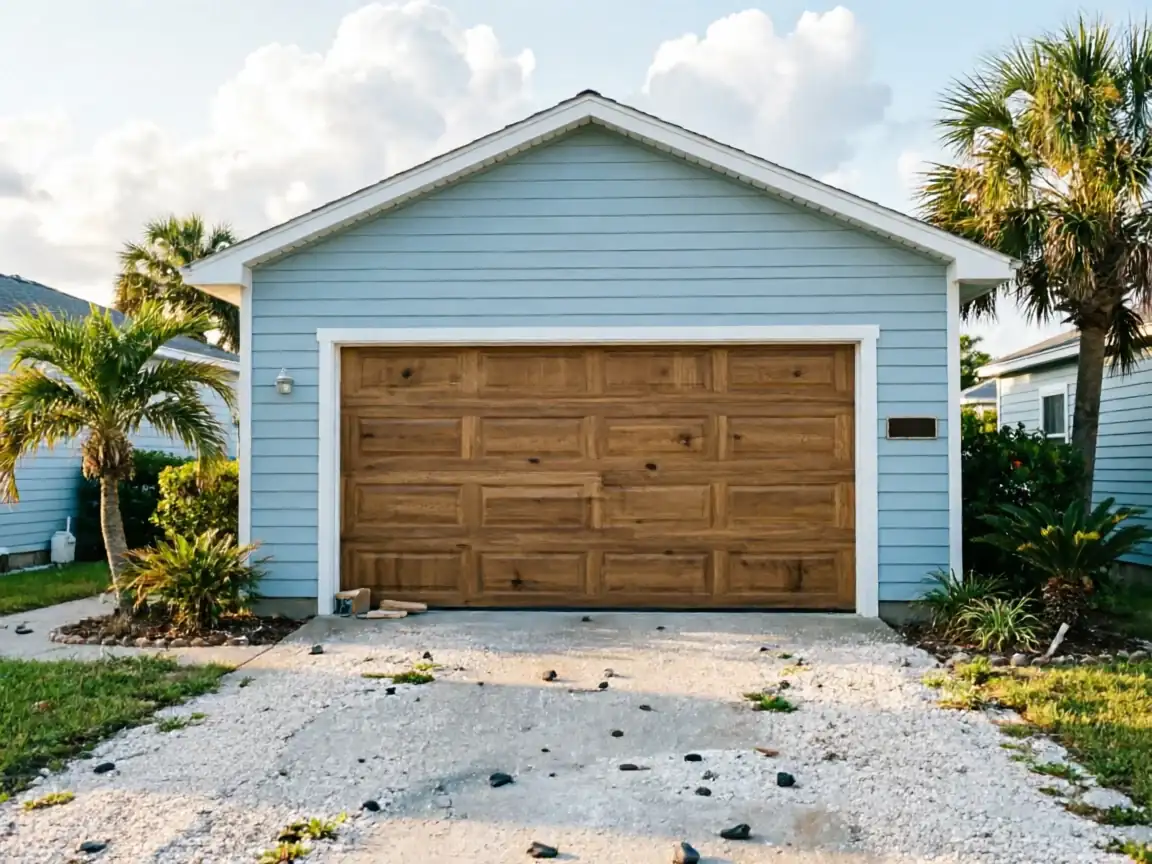
We don't have a published price list specific to South Miami Heights, and we're not going to make one up. What we can tell you is that median household income here runs $64,657, noticeably lower than the $82,726 median across the wider service area we cover from Homestead. That gap doesn't change what a door costs, but it does shape the conversations we have - more homeowners here ask about mid-range steel doors over custom wood or heavy insulated models, and more jobs end up being a straightforward single or double sectional replacement rather than an upgrade package. If you want real numbers for your opening size and door style, that's a quote conversation, not something we can print here.
The Complications
The mild temperate climate here is kind to garage doors in some ways - no freeze-thaw cycles cracking panel seams, no snow load to engineer around - but it's hard on them in others. Humidity and heat break down weatherstripping and lubricant faster than a drier climate would, and steel hardware that isn't properly treated corrodes quietly for years before a spring or hinge finally lets go. On houses from the 1960s and 70s stock common here, we also see openings that were framed slightly out of square decades ago and never corrected, which means a new door sometimes needs shimming or minor track adjustment to sit right - something you won't know until we're on site measuring.
How We Fix It
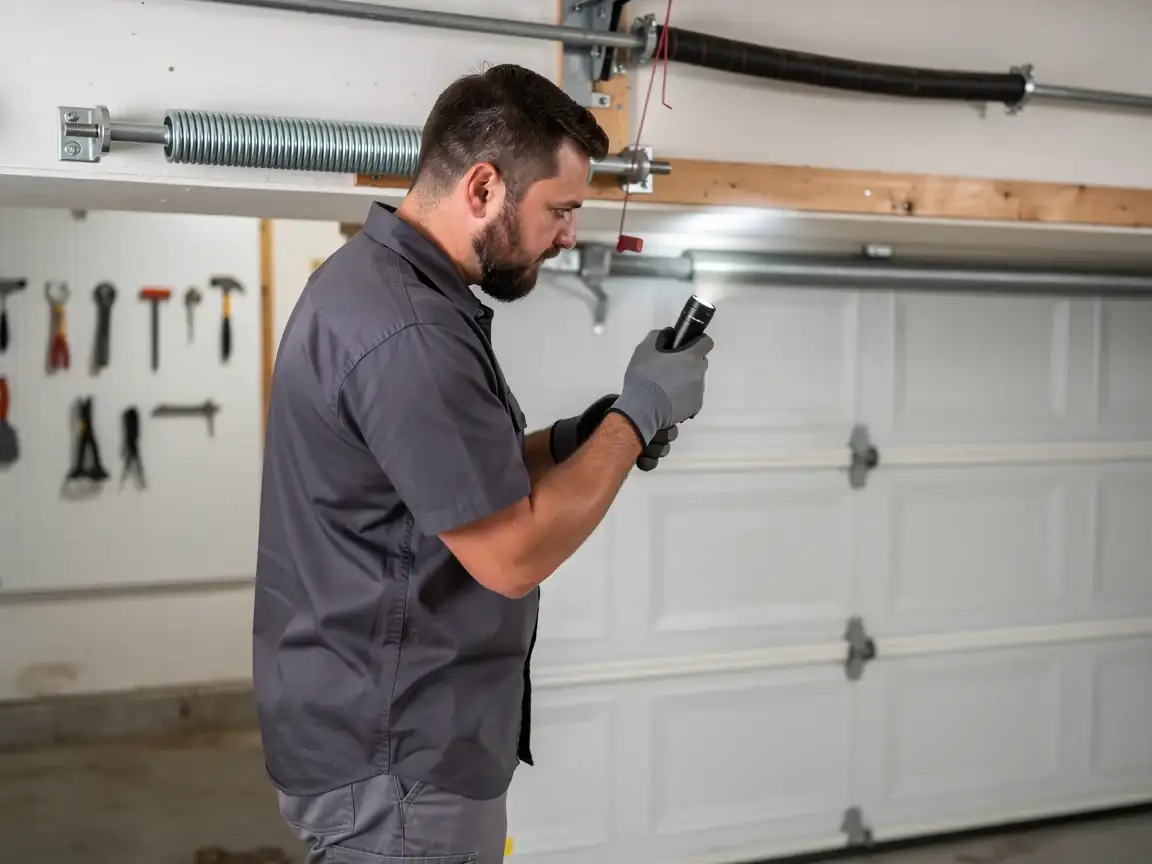
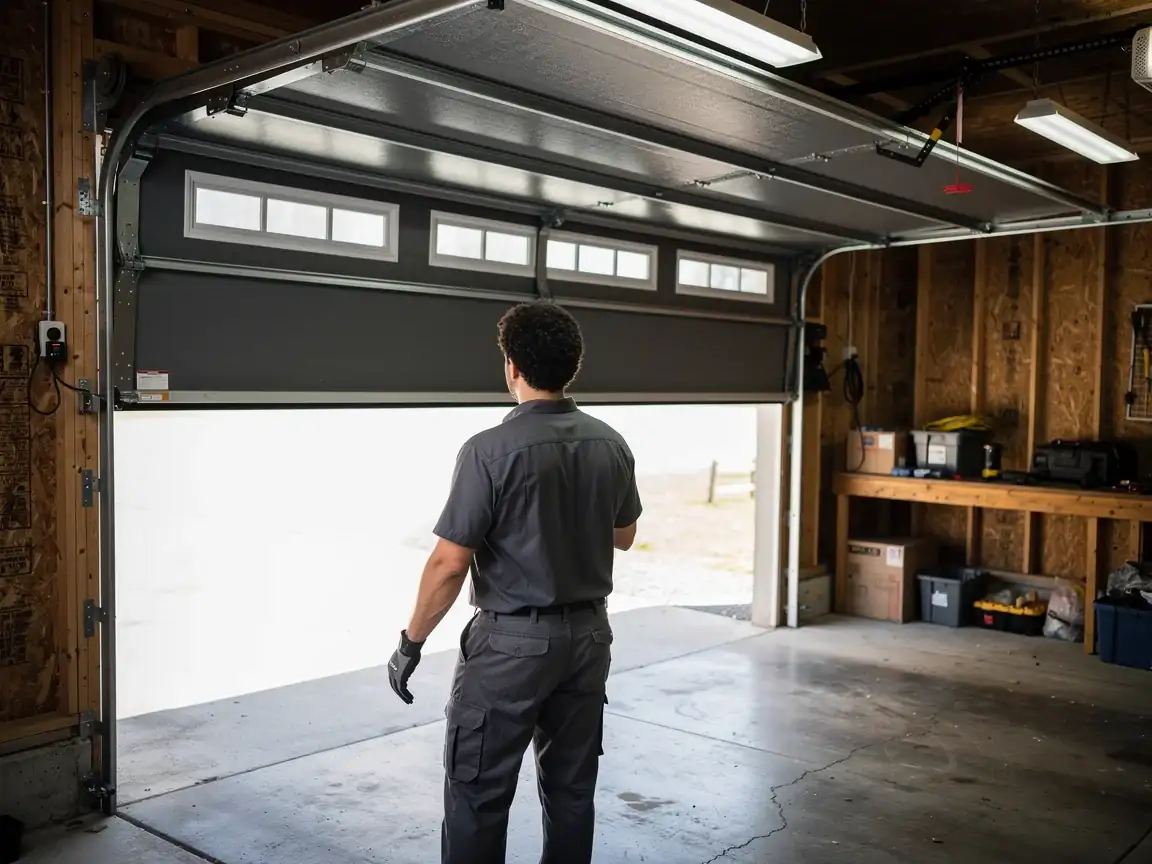
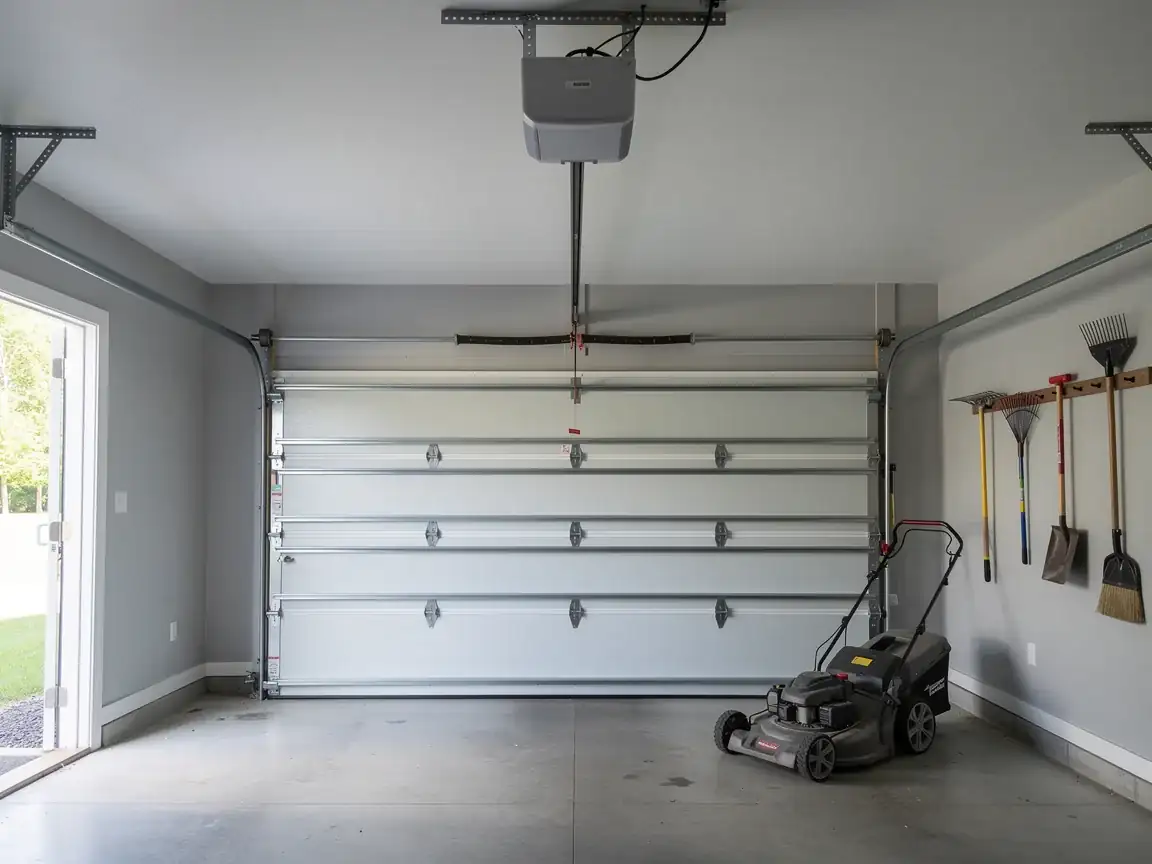
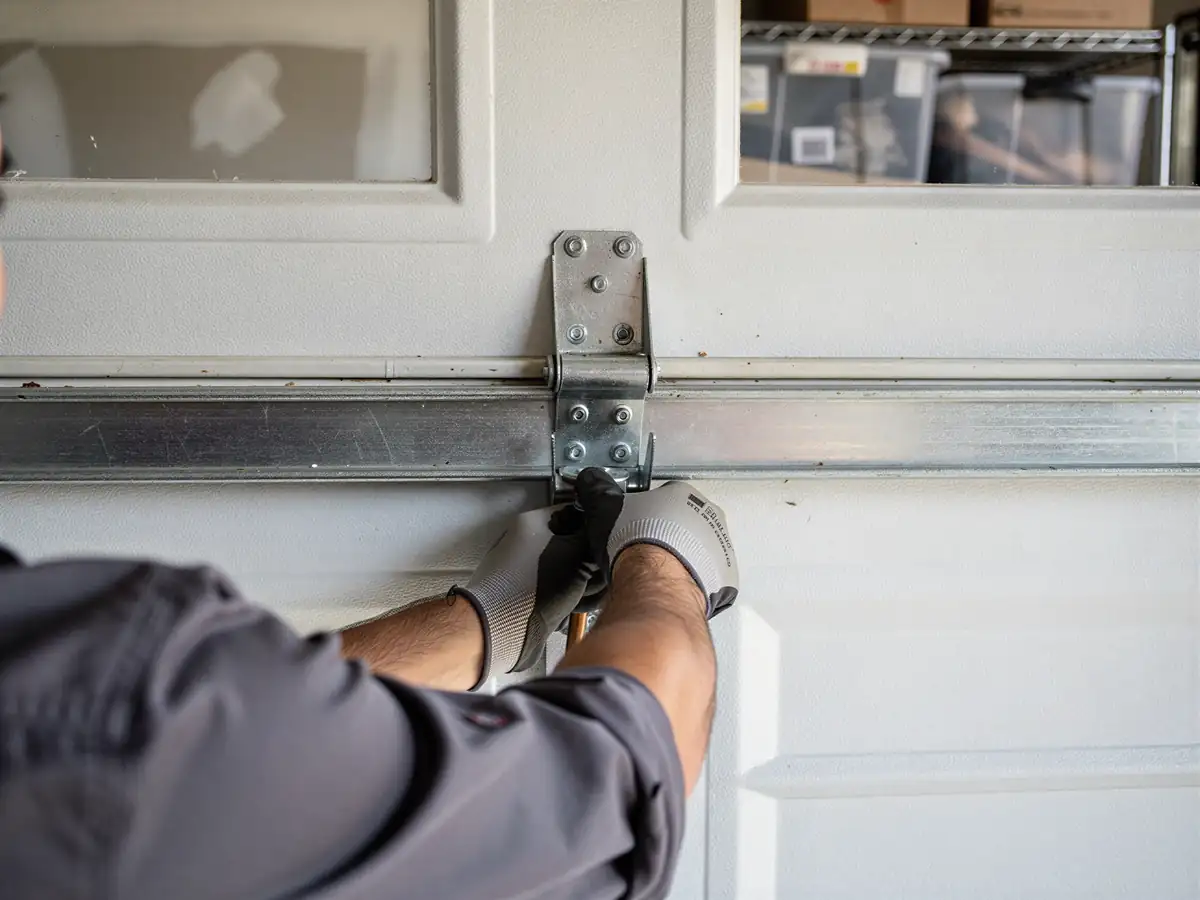
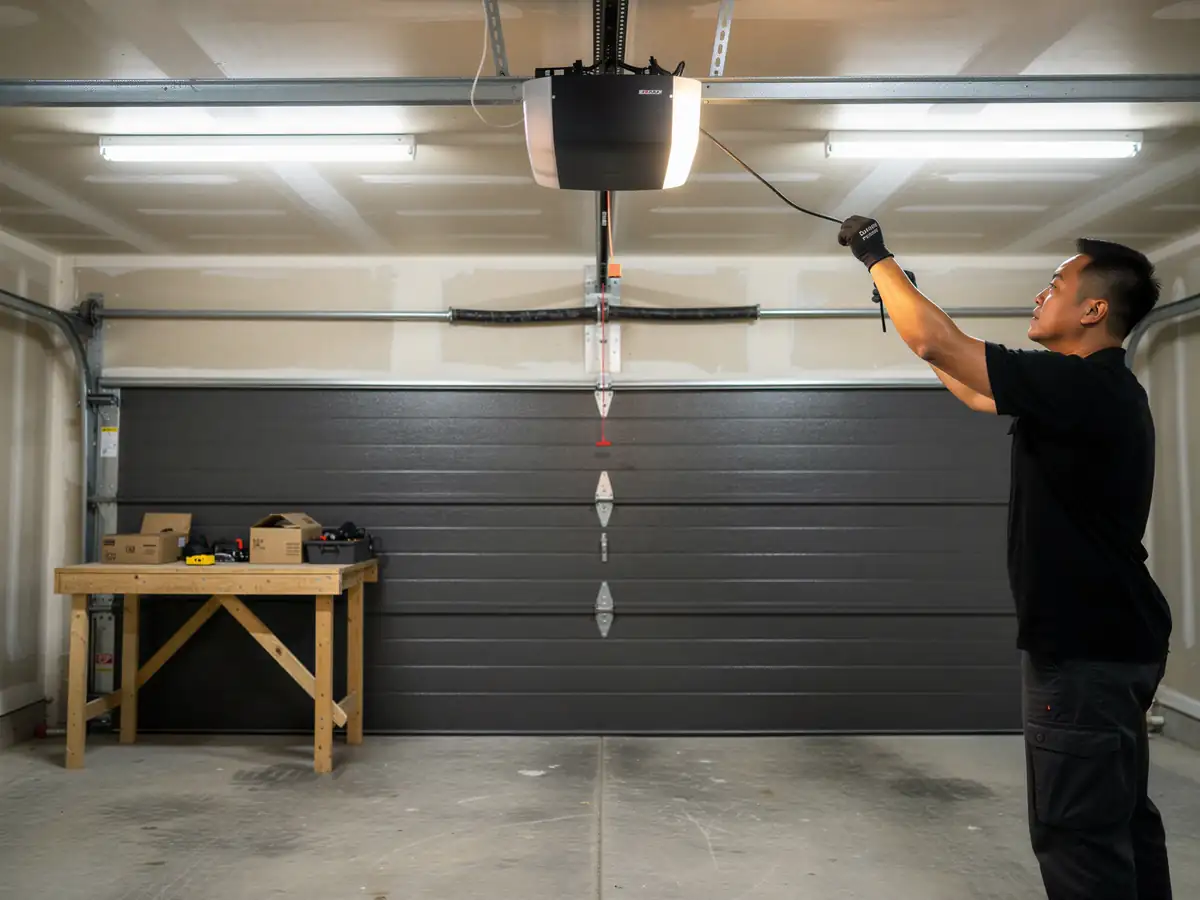
For a true install - not a repair - we start by confirming the rough opening and header clearance, since houses from this era weren't always framed to today's standard sizes. We pull the old door and track completely rather than reusing bent rail, because reusing warped hardware under a new door just transfers the old problem onto new equipment. Springs get sized to the new door's actual weight, not guessed at from the old setup, and the opener gets mounted and tested against the new panel rather than left as-is. None of this is unique to this neighborhood, but on a 1960s-70s opening it's the step that gets skipped most often by anyone trying to save a few hours.