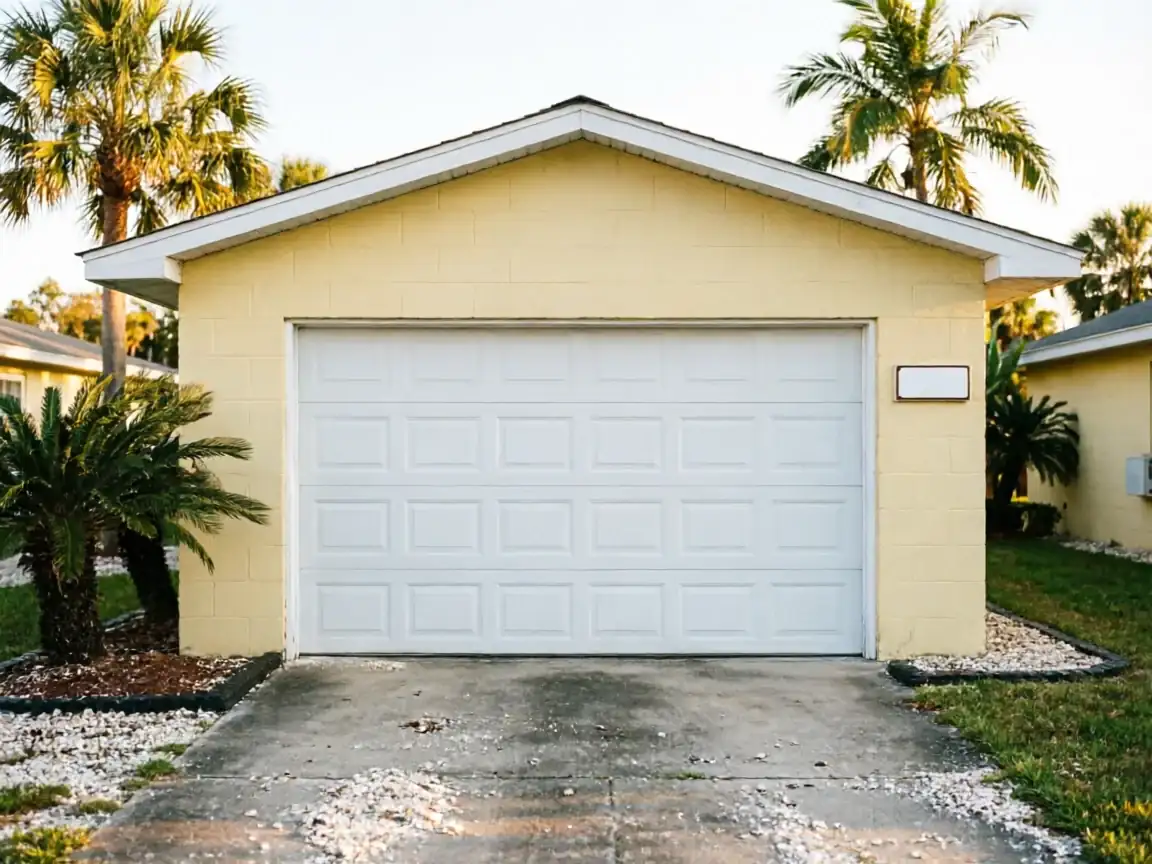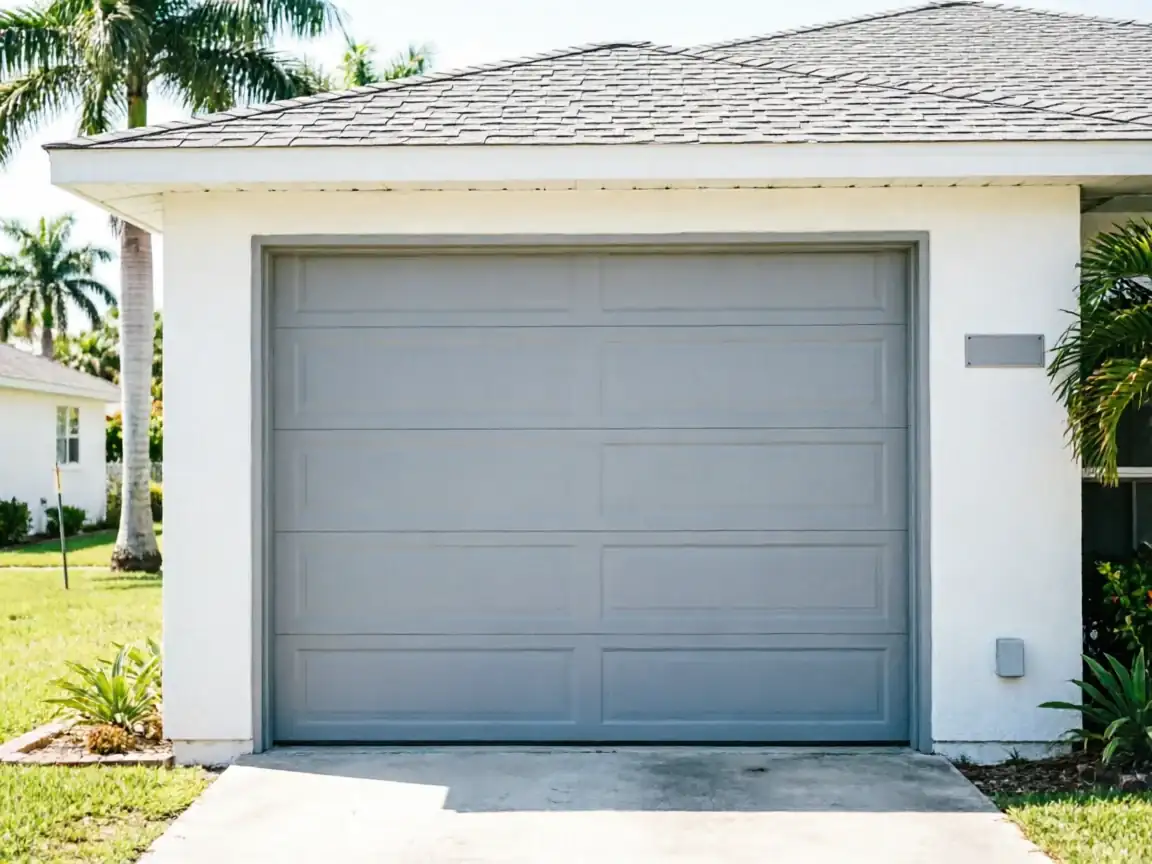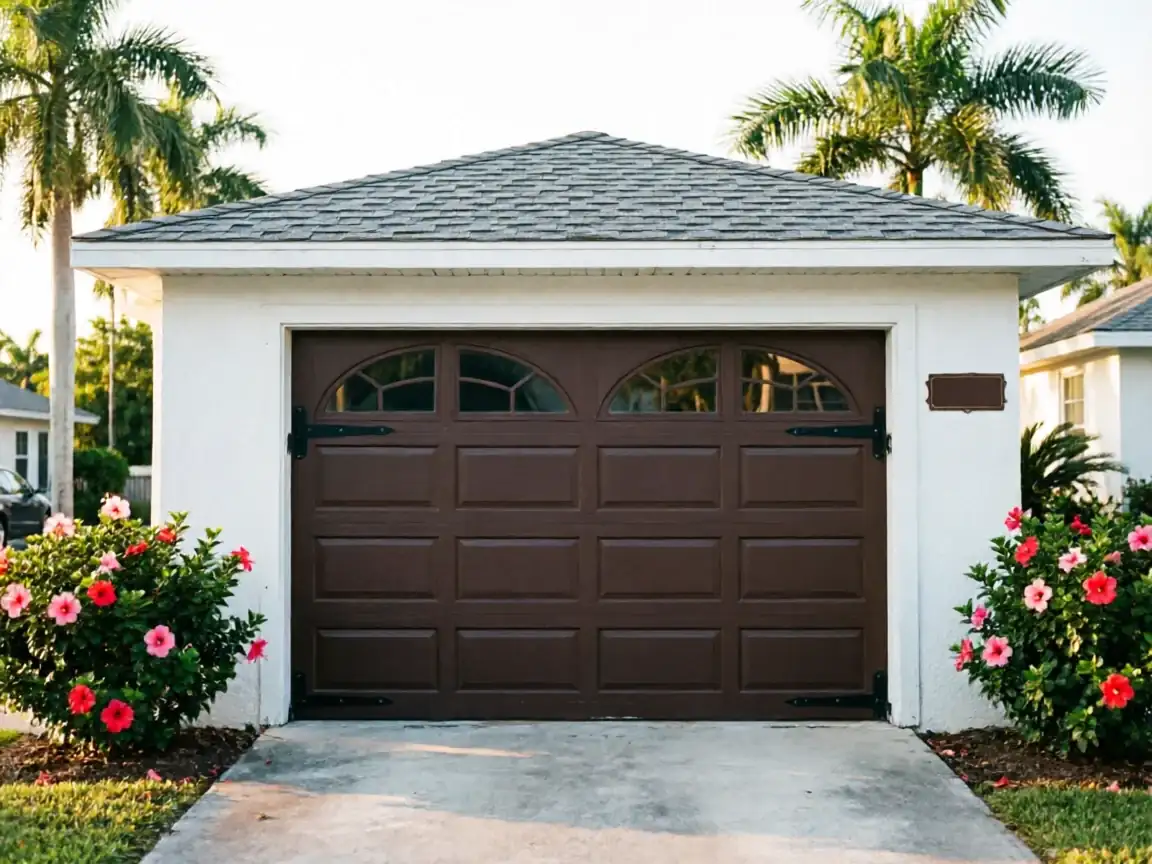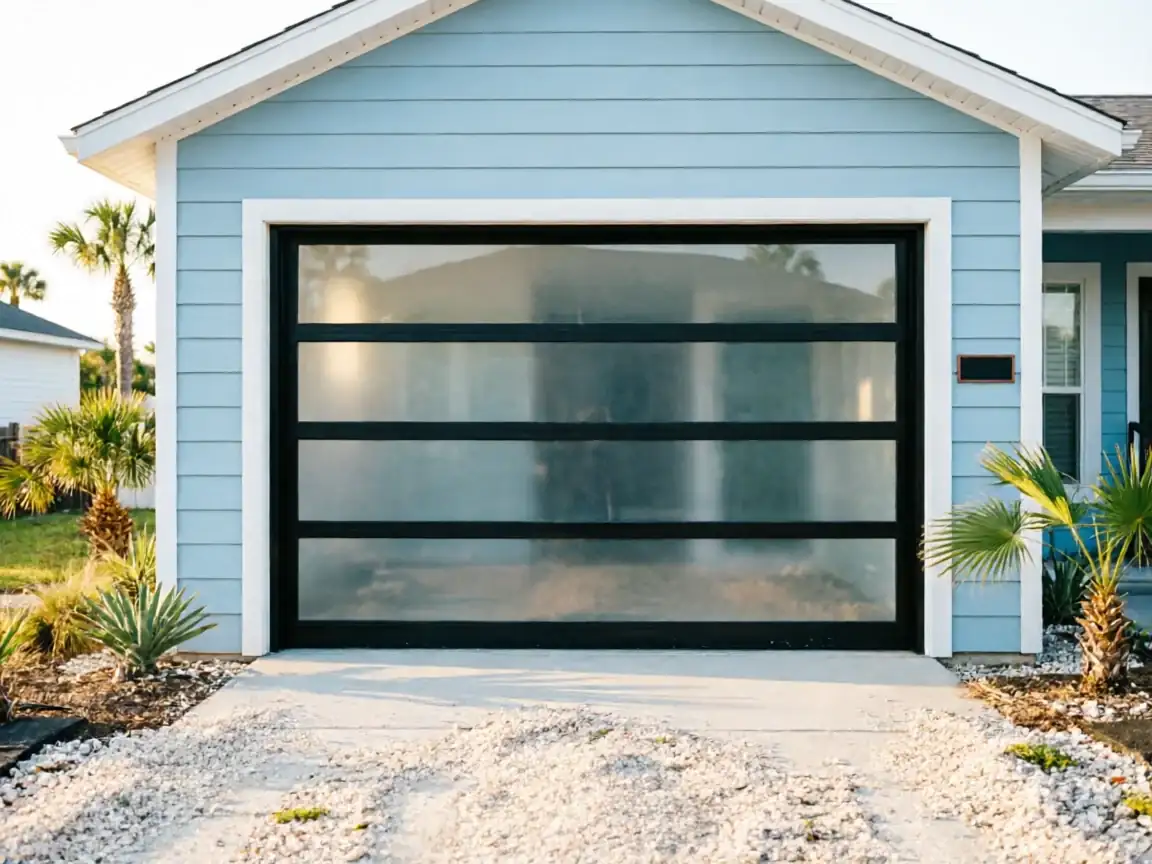
What You Are Seeing
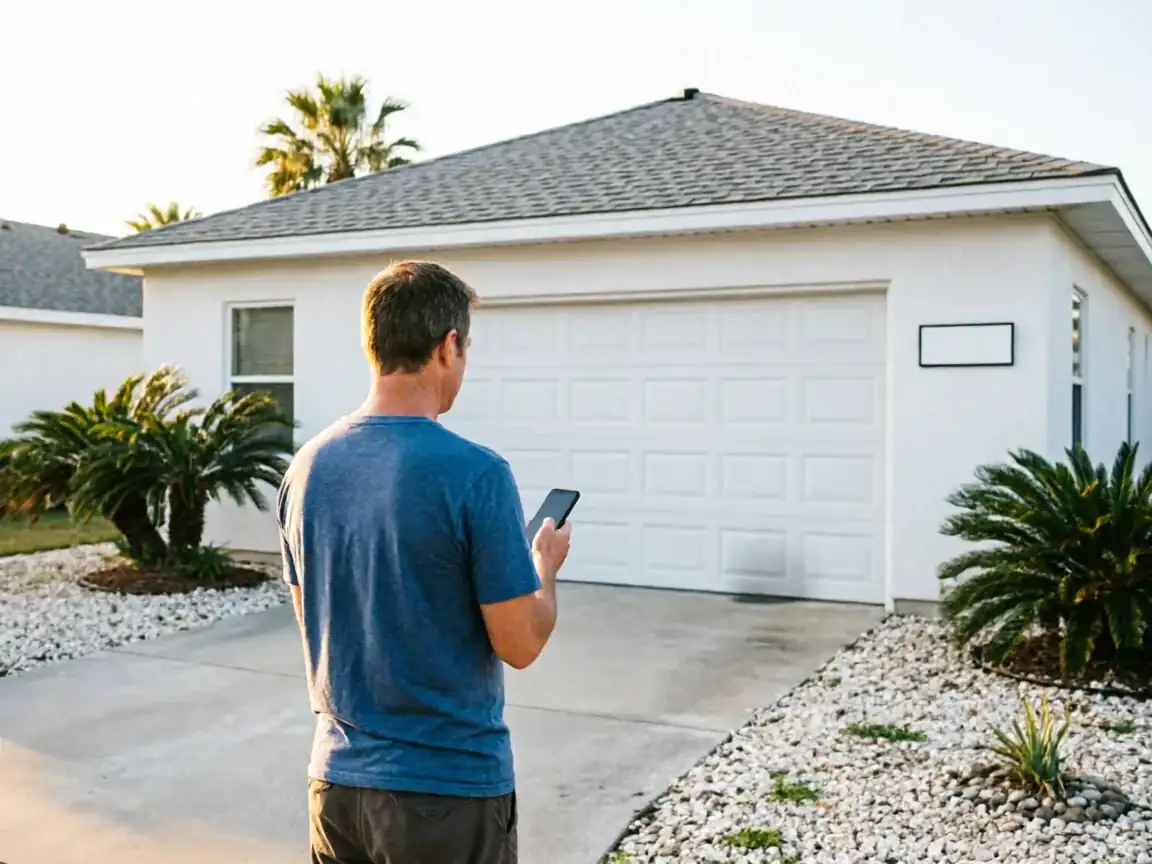
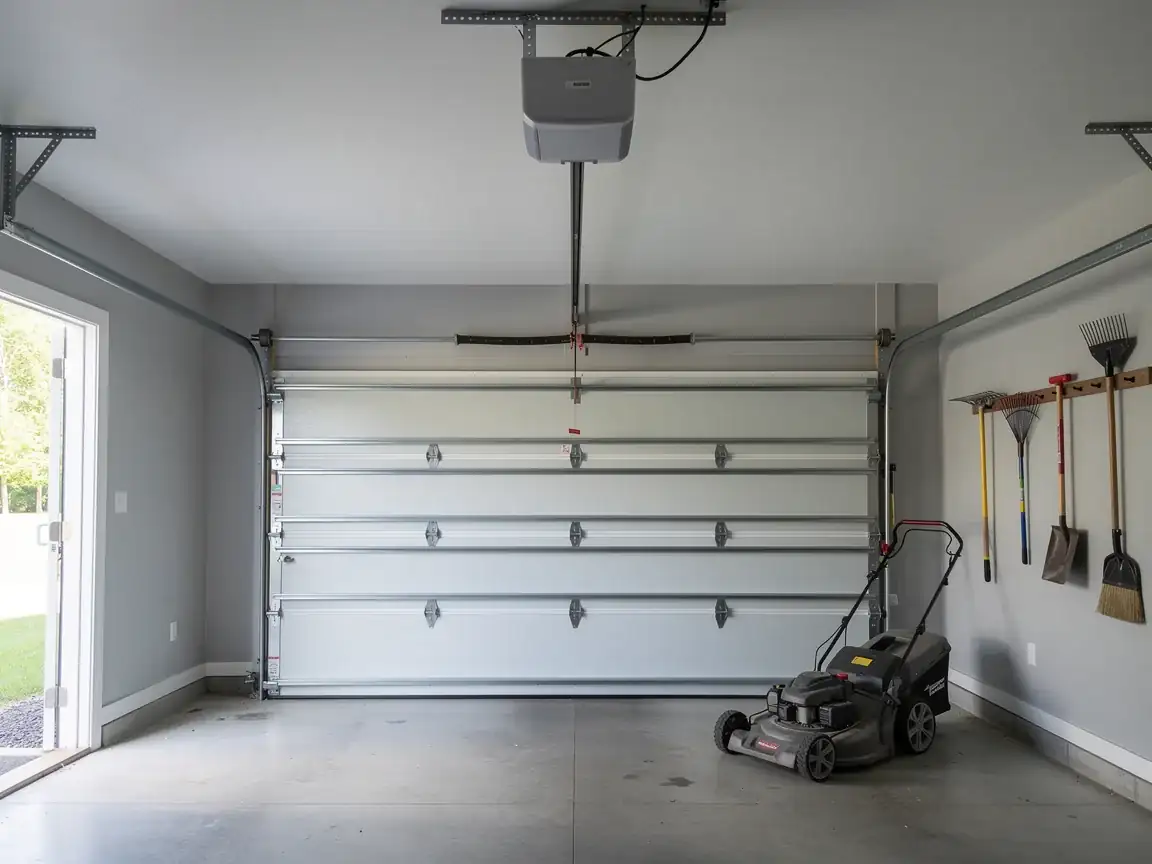
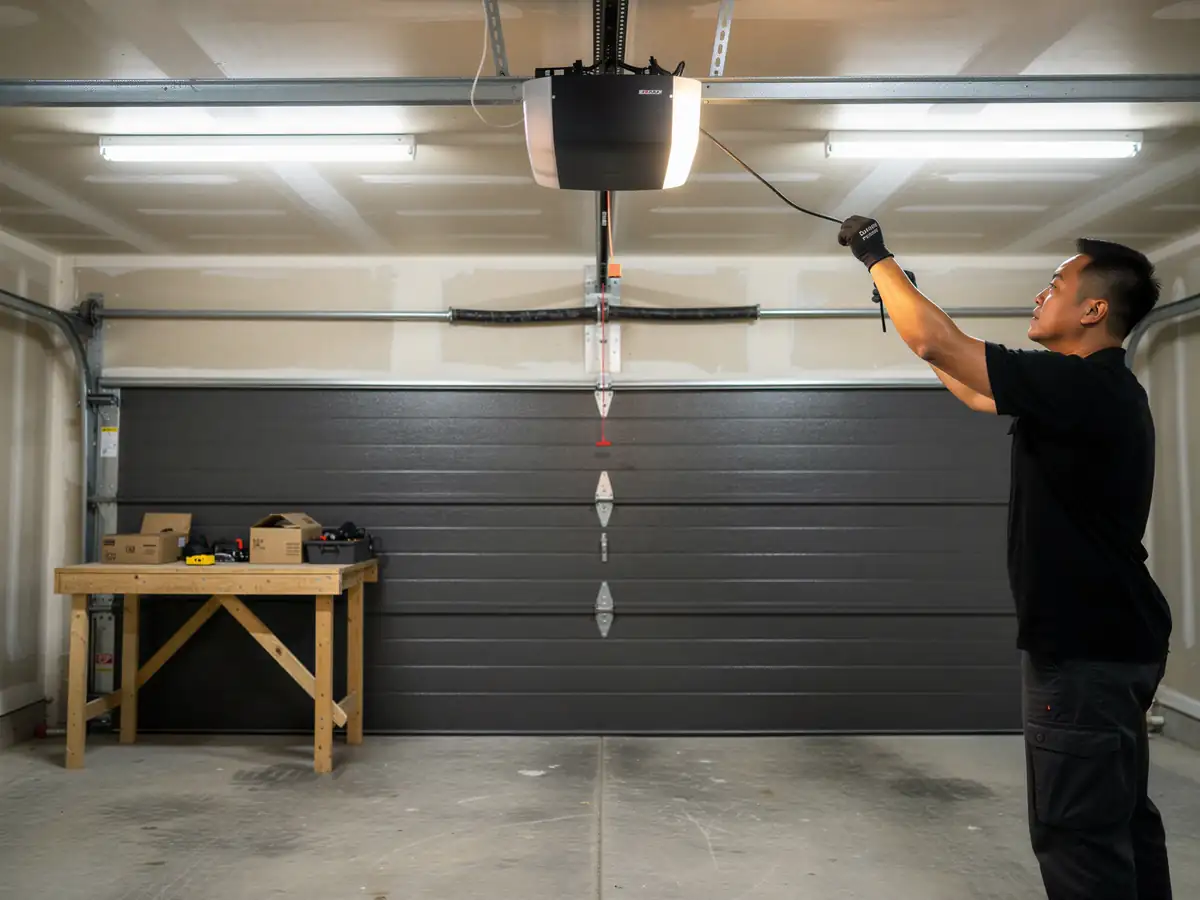
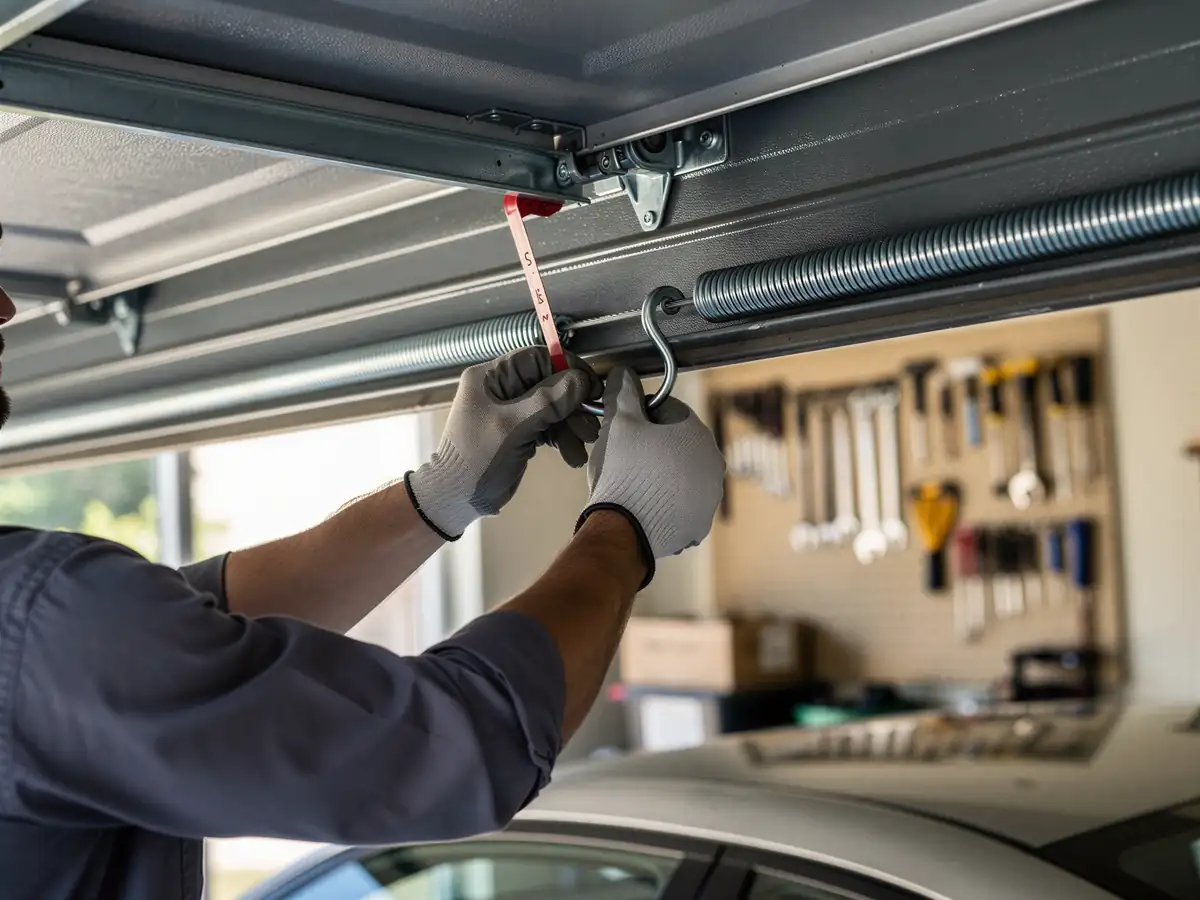
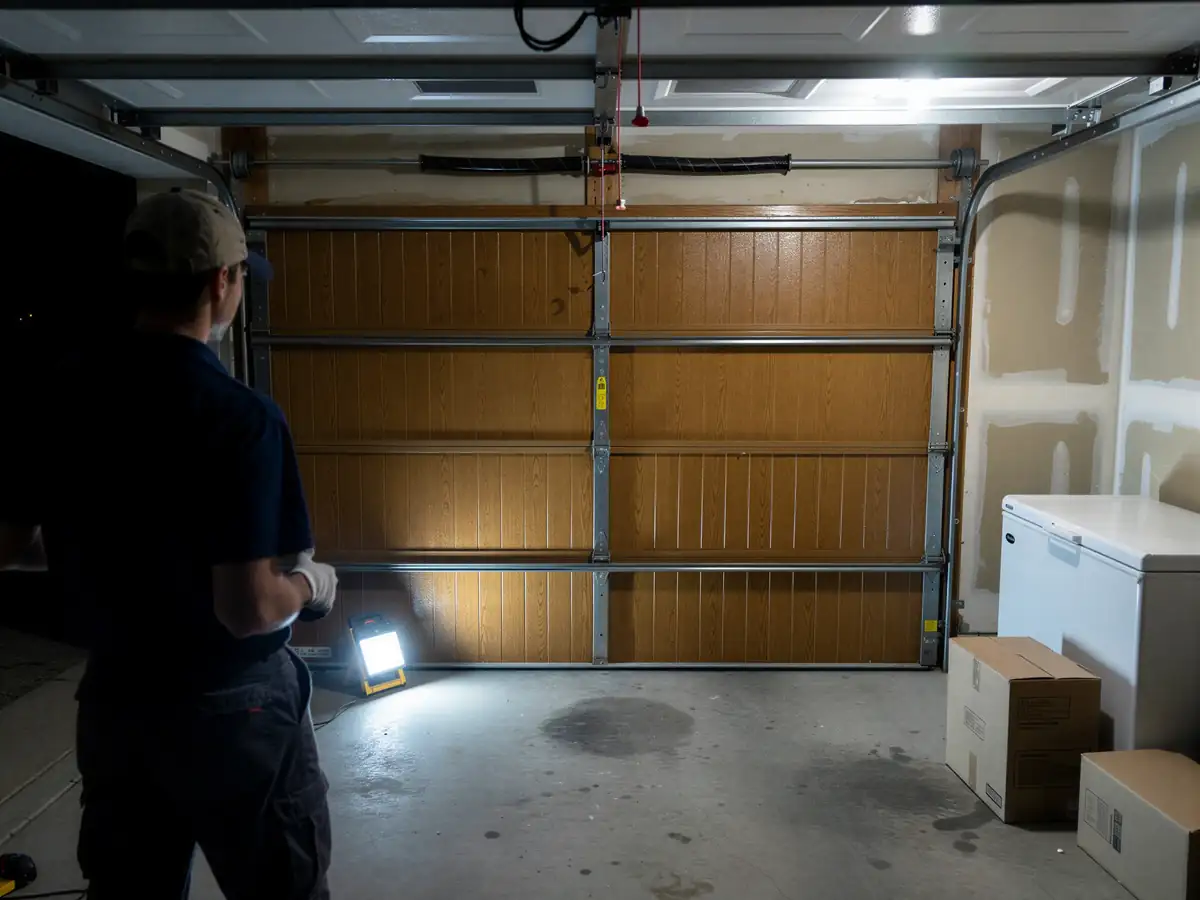
Most houses in South Miami Heights went up around 1979, which puts this neighborhood square in the middle of the service area's broader 1960s-70s building wave. That year matters more than it sounds like it should. A door built in '79 was almost always hung with steel rollers and a single torsion spring overhead, or on older builds nearby, a pair of extension springs running along the horizontal tracks. Both setups are still common here, and both fail in different ways. Torsion springs snap clean and the door won't budge. Extension springs stretch, fray, and sometimes let go while the door is moving, which is the one we don't like finding mid-repair. If your opener is original to the house, it's also likely a chain-drive unit from a redo sometime in the 80s or 90s, not the newer belt-drive styles. None of this is a guess about your specific door - it's what the build era around here tends to produce, and it's the first thing we check before anything else.
What You Pay
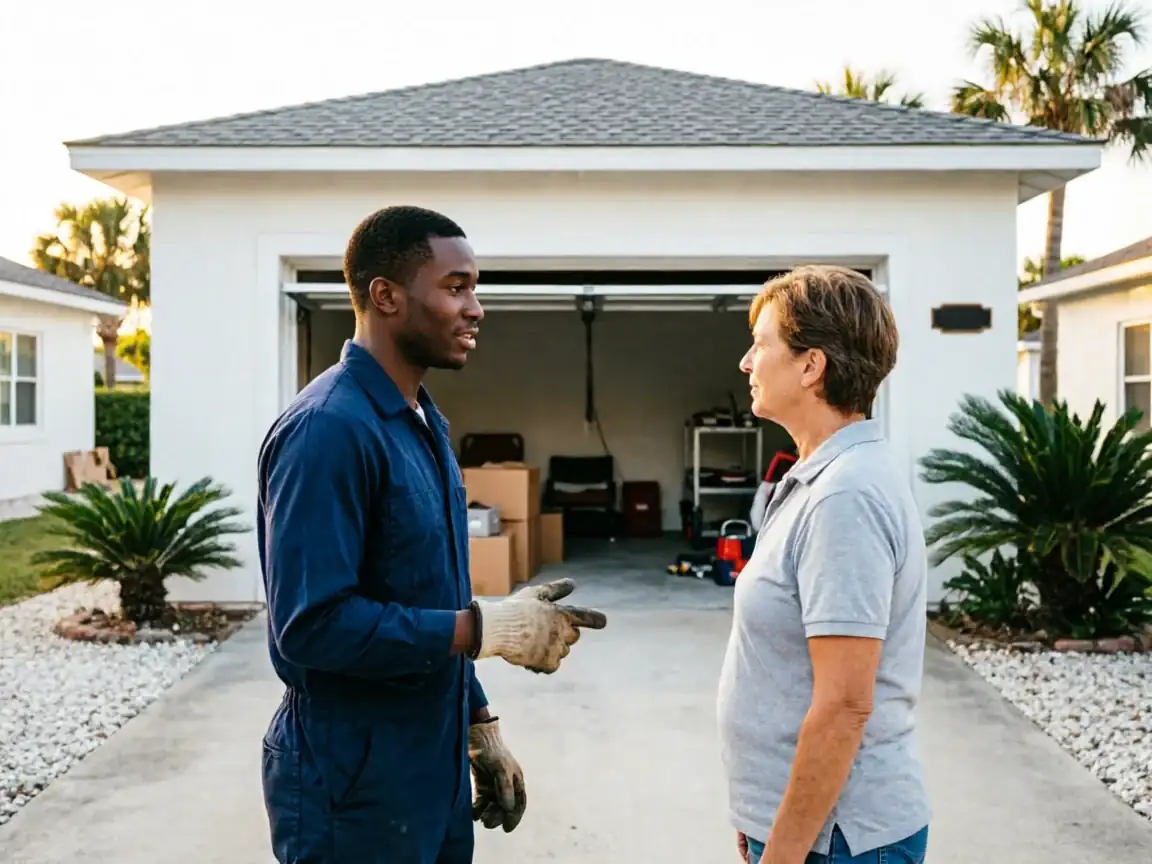
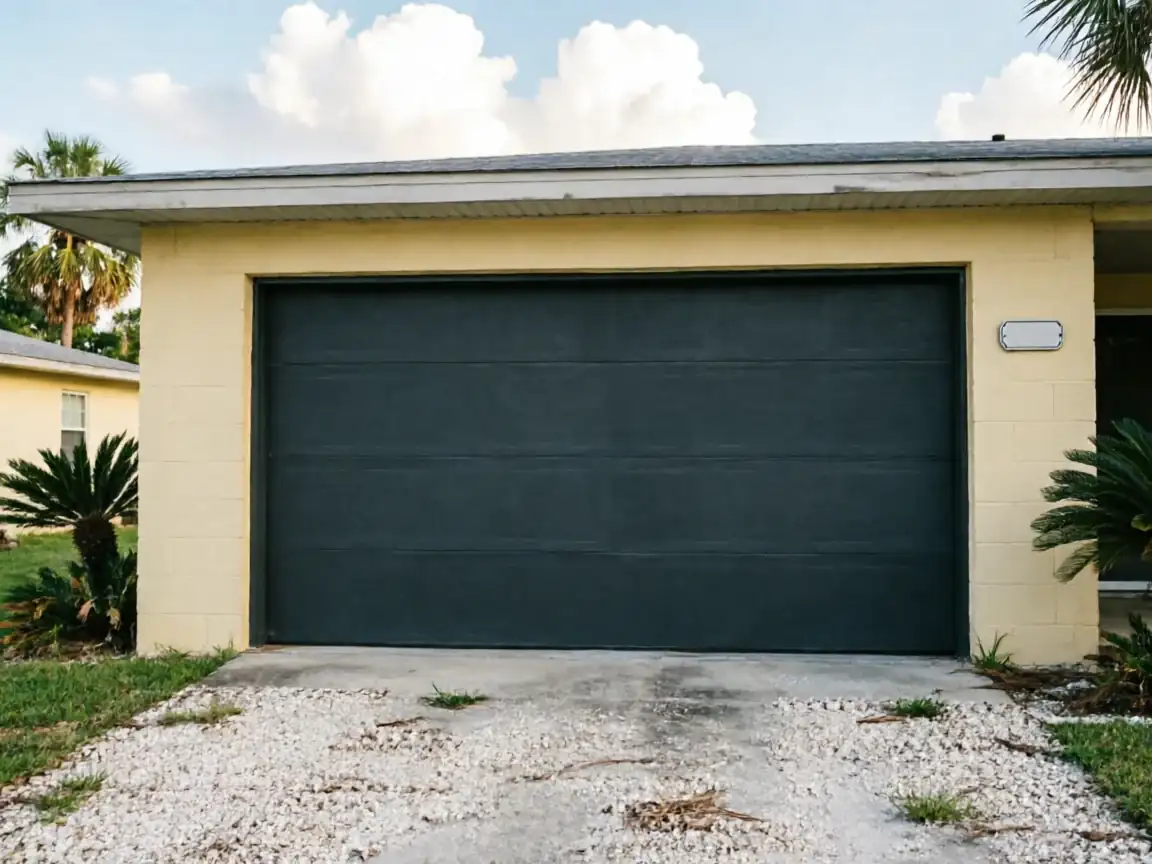
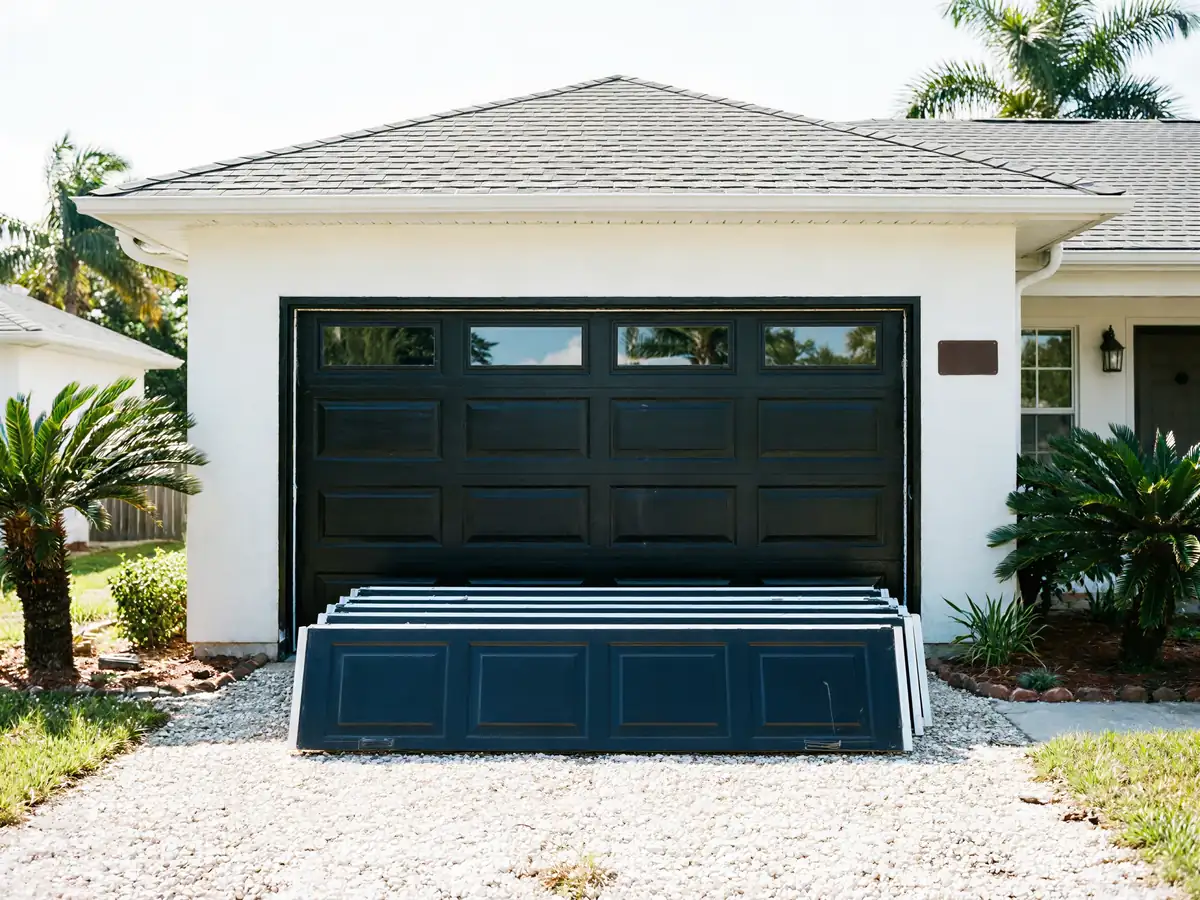
We don't have a posted price list we can quote you here without seeing the door, and we're not going to invent a number to fill this section. What we can tell you is that South Miami Heights runs at a lower median household income than some of the other areas we cover from Homestead - roughly $64,657 against the wider service area's $82,726 - and that's part of why we try to tell people upfront when a repair isn't worth doing versus a straight replacement. A cracked panel on a 1979 door with an otherwise sound track and opener is usually a repair. A warped, rusted door with a dead spring and a tired opener is often cheaper to replace outright once you add up parts.
The Complications
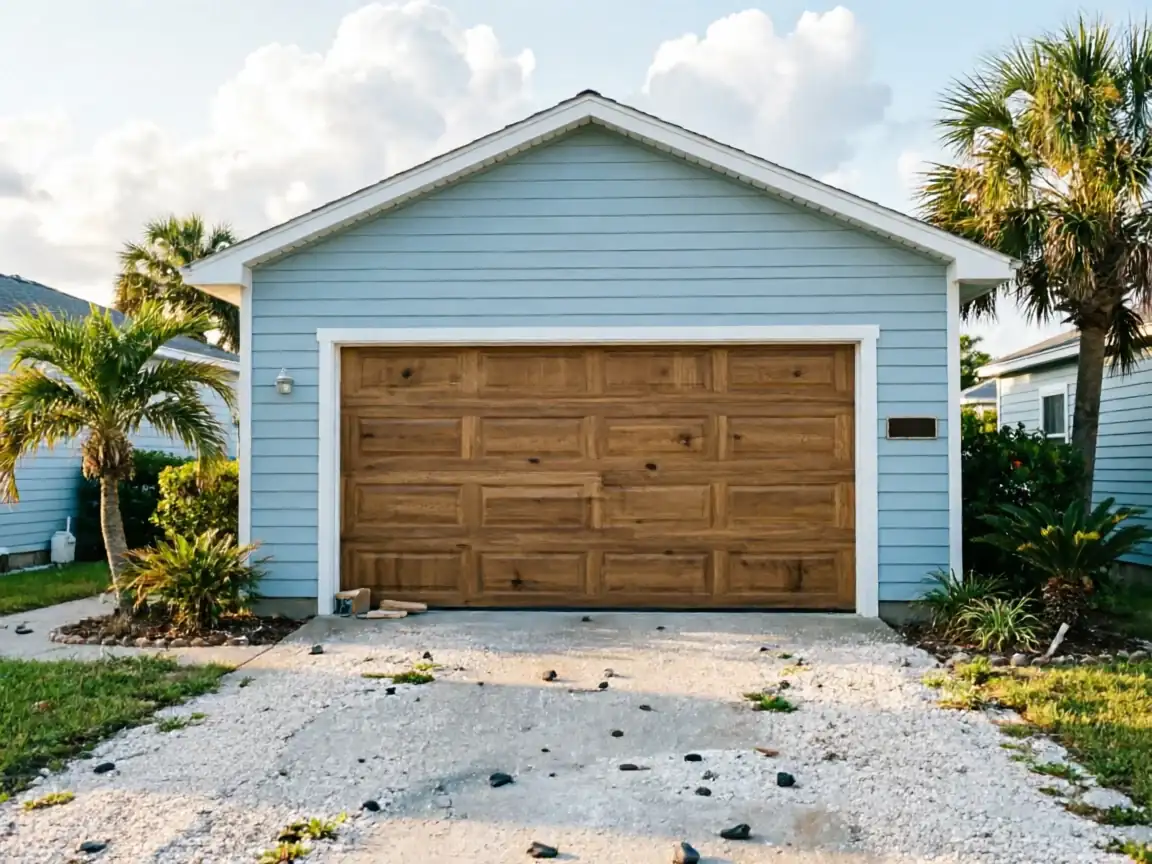
The mild year-round climate across this part of the service area is kind to steel doors in one way - you're not fighting the freeze-thaw cycle that cracks panels and seizes springs up north. But it does nothing to slow down plain metal fatigue, and a spring installed when the house was built in 1979 has had four and a half decades to work. Humidity also does its own slow damage to unsealed steel tracks and roller pins, especially on doors that haven't been serviced since the opener was last swapped. The complication specific to this neighborhood isn't exotic weather - it's age meeting a climate that doesn't force anyone to think about maintenance until something actually breaks.
How We Fix It
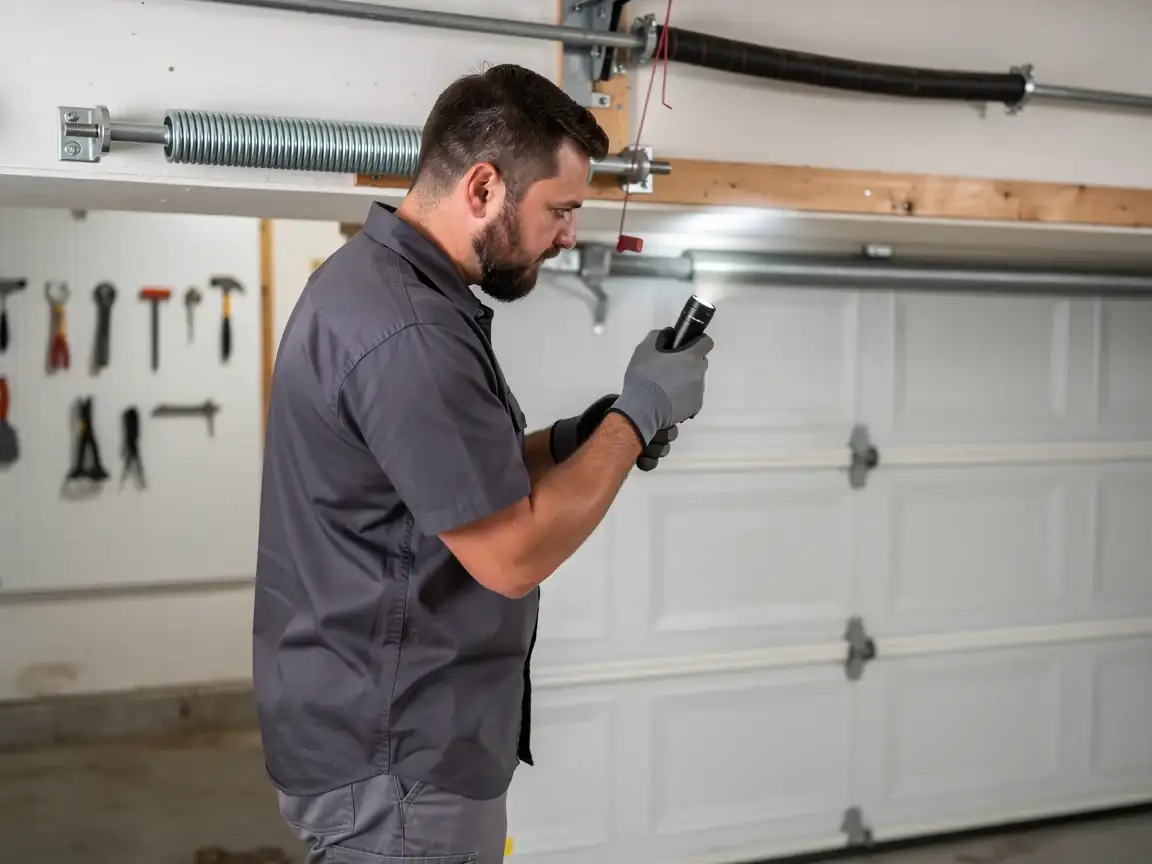
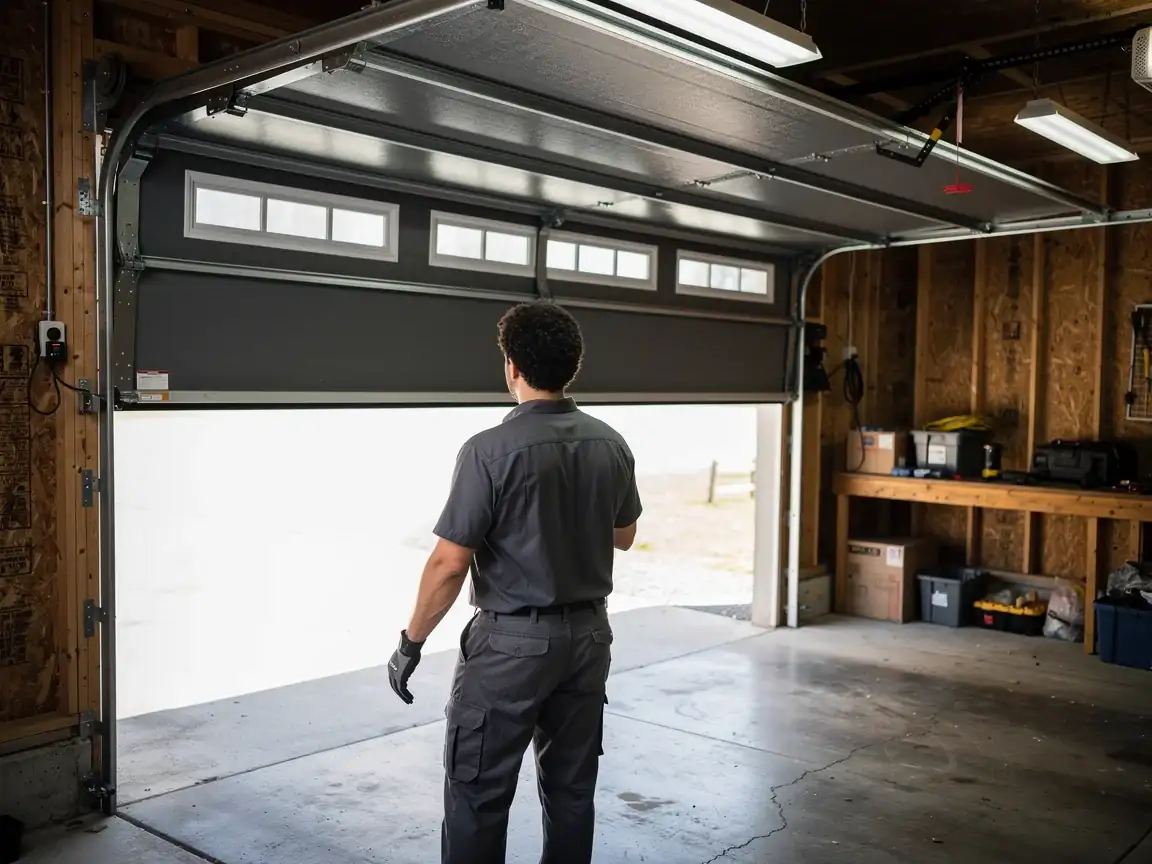
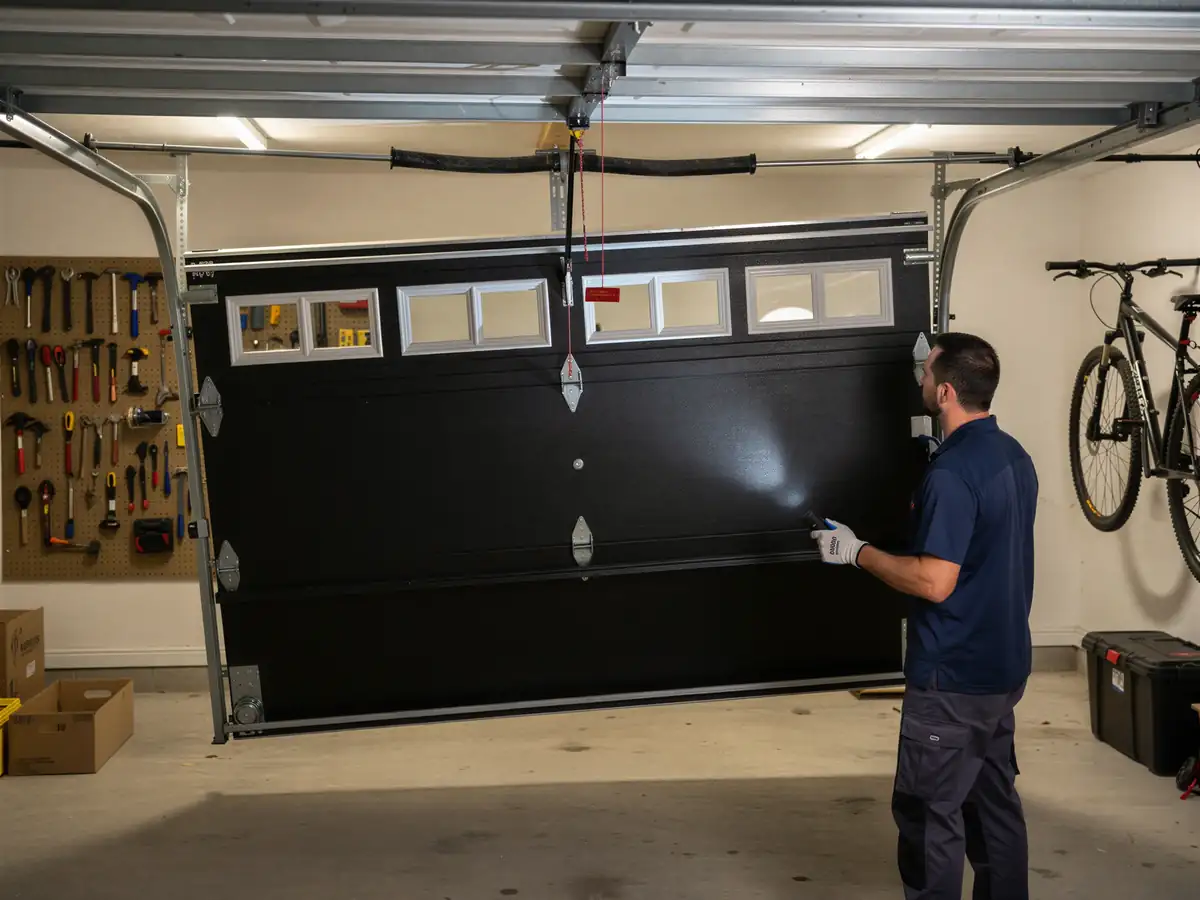
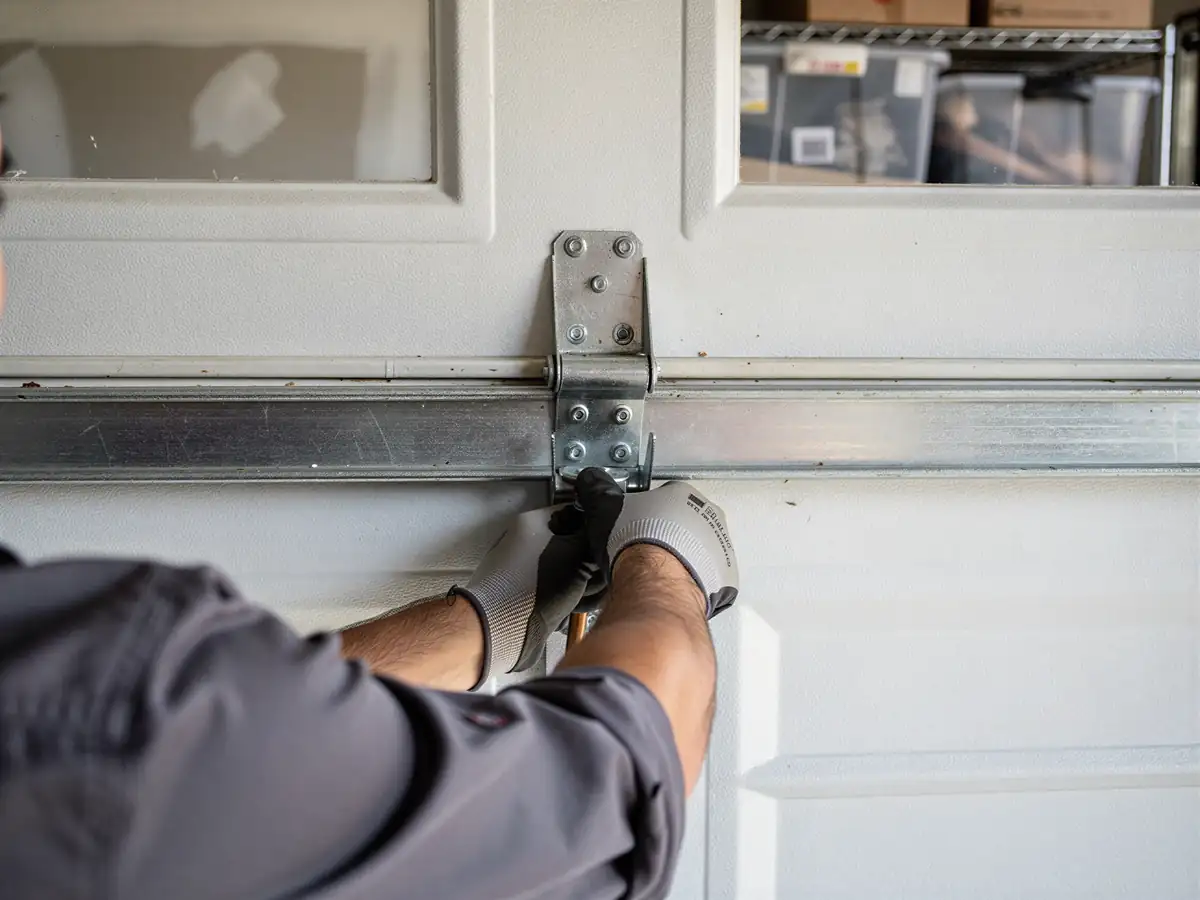
For a snapped torsion spring we replace it with a correctly sized spring rated for the door's weight, not a universal stand-in - undersizing is how you end up back here in six months. For extension spring setups, which still turn up on older stock in this area, we check both springs and the safety cables together, since one weak spring usually means its partner isn't far behind. Cable off the drum gets re-seated and the drum checked for wear. If the opener is the chain-drive style common to this build era and the gear is stripped, we replace the gear kit rather than the whole unit when that's a real option. We don't push a full door replacement unless the panels, track, and hardware together make the repair a losing bet.