What Changes With the Season
Homestead sits in a mild temperate band, so we don't get the freeze-thaw cycles that crack concrete pads or shrink steel tracks overnight. That's the good news. The bad news is that mild and humid, year-round, does its own slow damage. Rollers and hinge pins here don't seize from cold - they corrode from moisture that never really dries out, especially on doors facing the prevailing wind off any open lot. A track bolt that would last decades in a dry climate loosens a few years sooner here, and a loose bolt is the first domino. Nobody notices because there's no dramatic weather event to blame it on - no hard freeze, no six-inch snow load. It's just slow creep: a quarter-inch of play that becomes a half-inch, then a door that bangs against the track on the way down. If you've noticed your door rubbing one side of the track more than the other, that's not a seasonal thing here the way it might be somewhere with real winters. It's been building for a while, and it tends to show up any time of year rather than clustering around one season.
The Problem
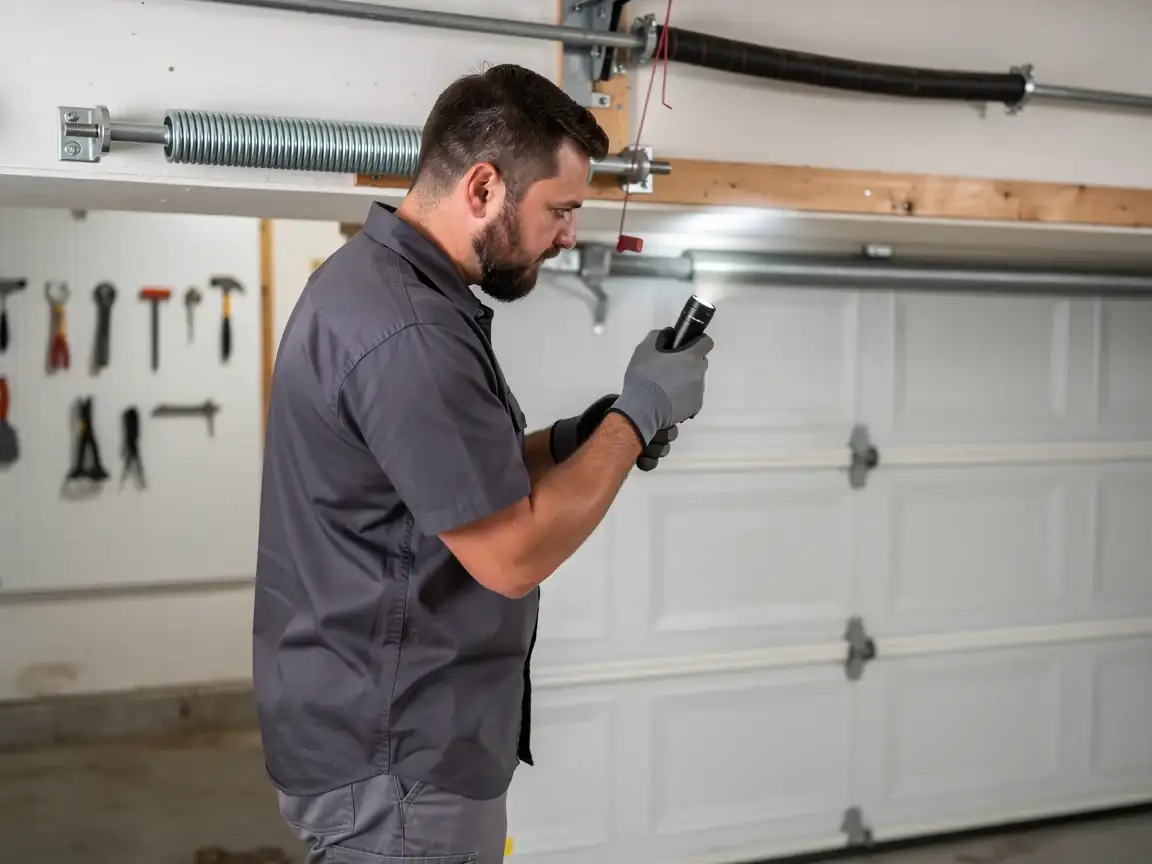
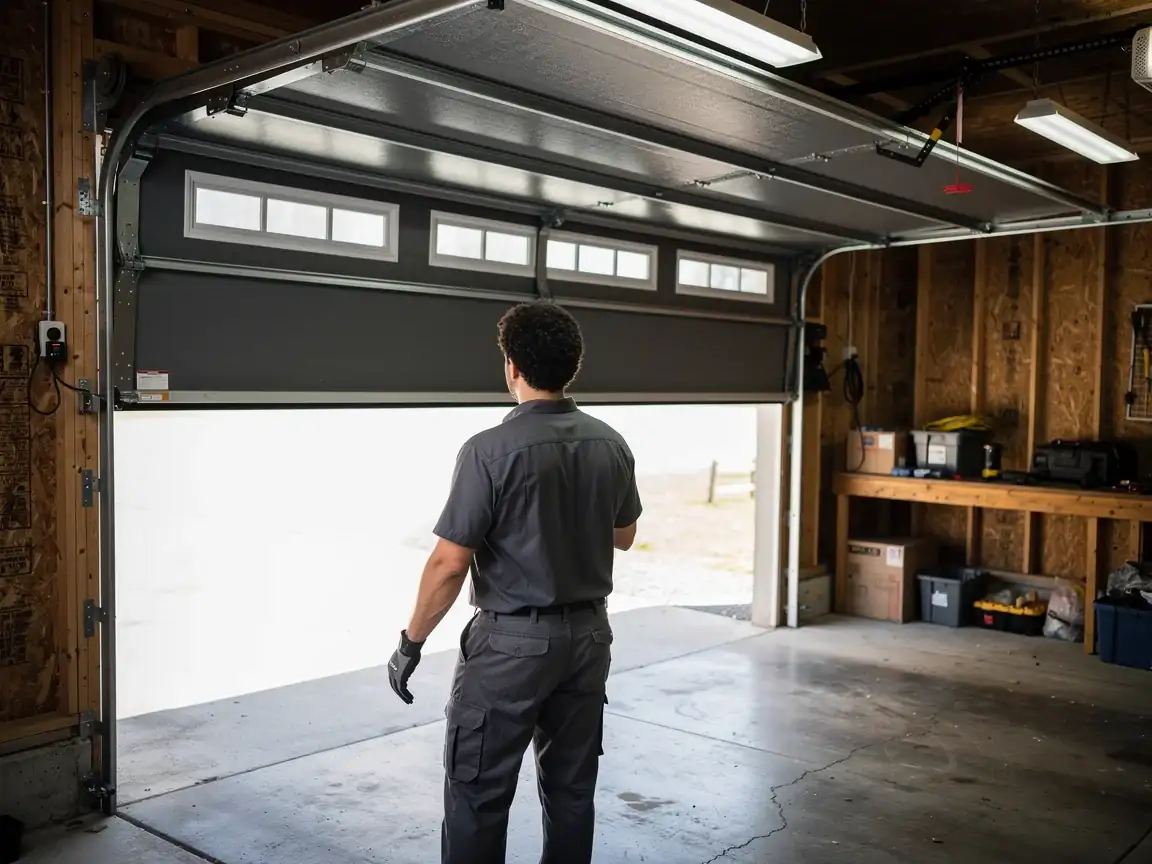
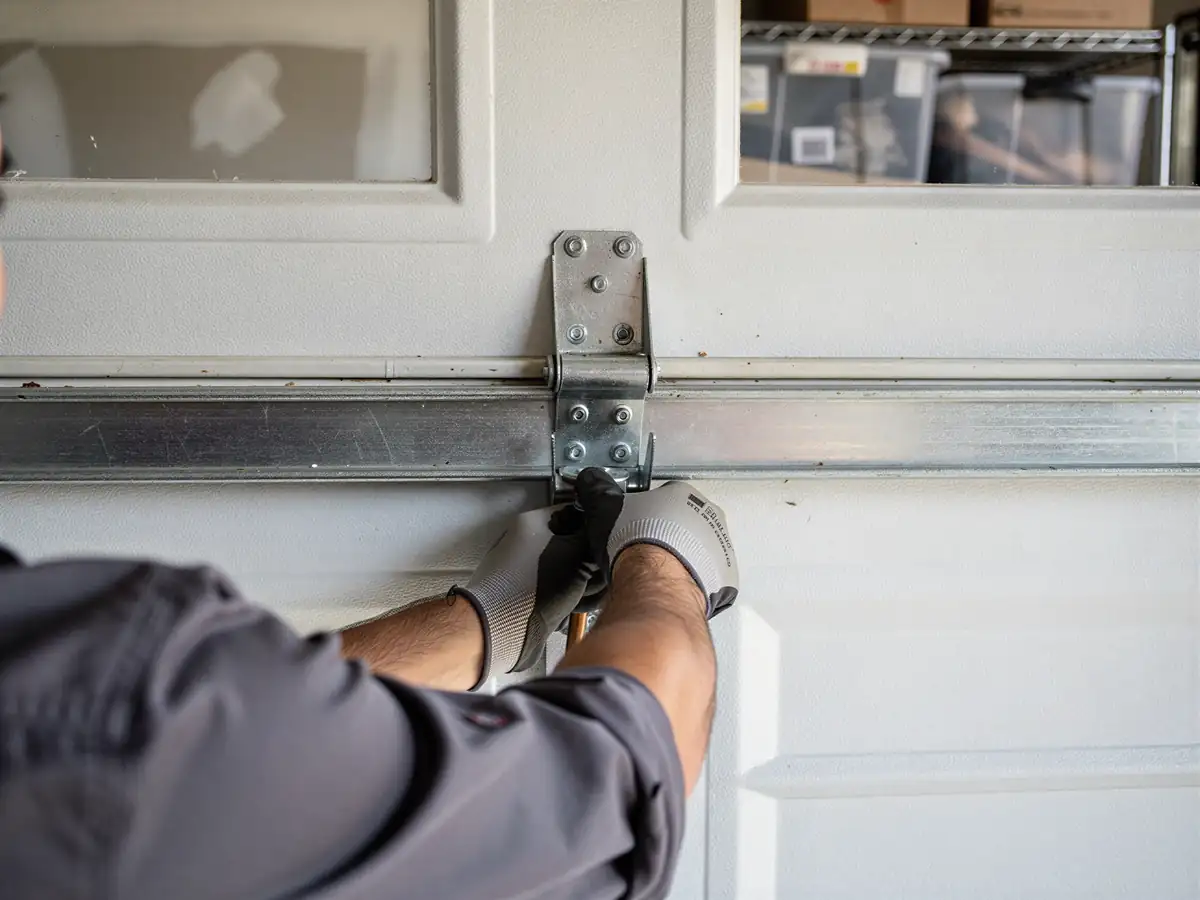
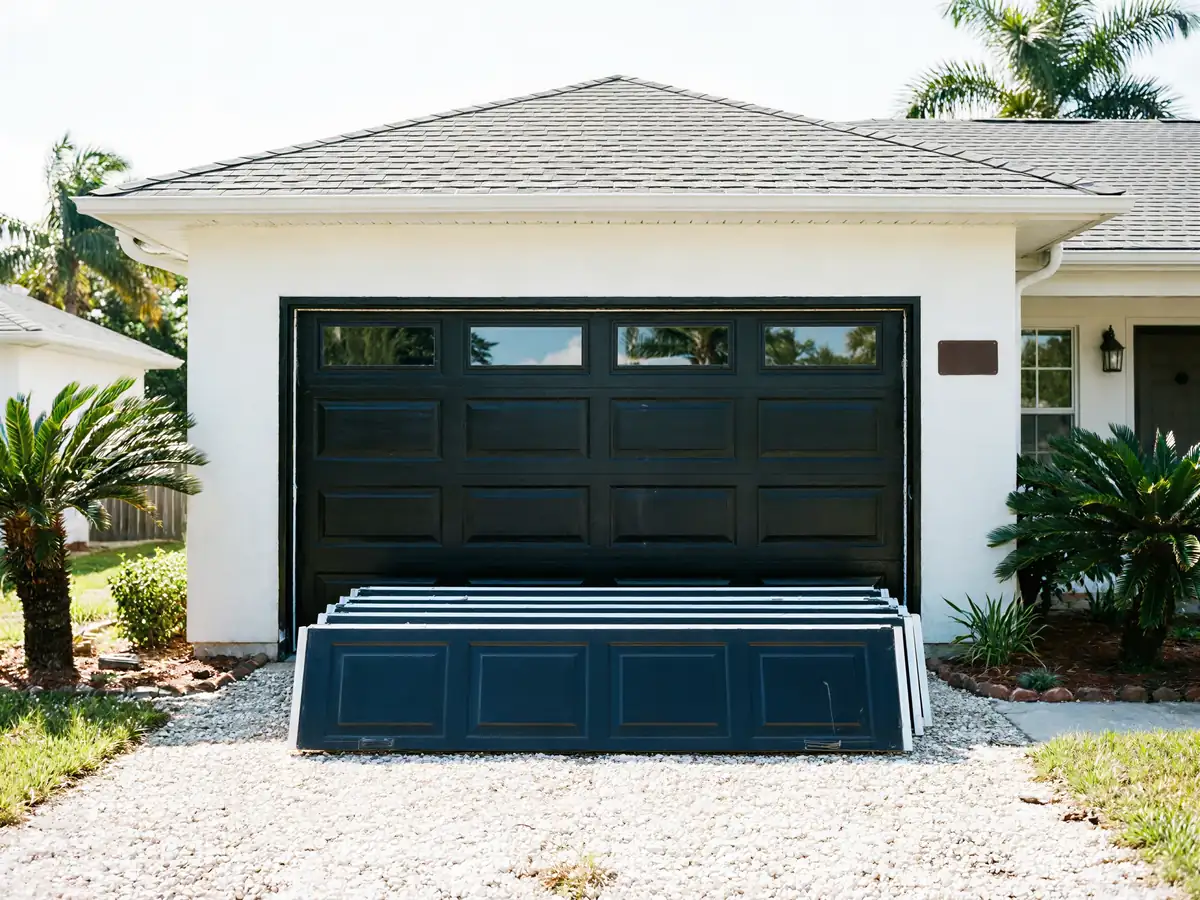
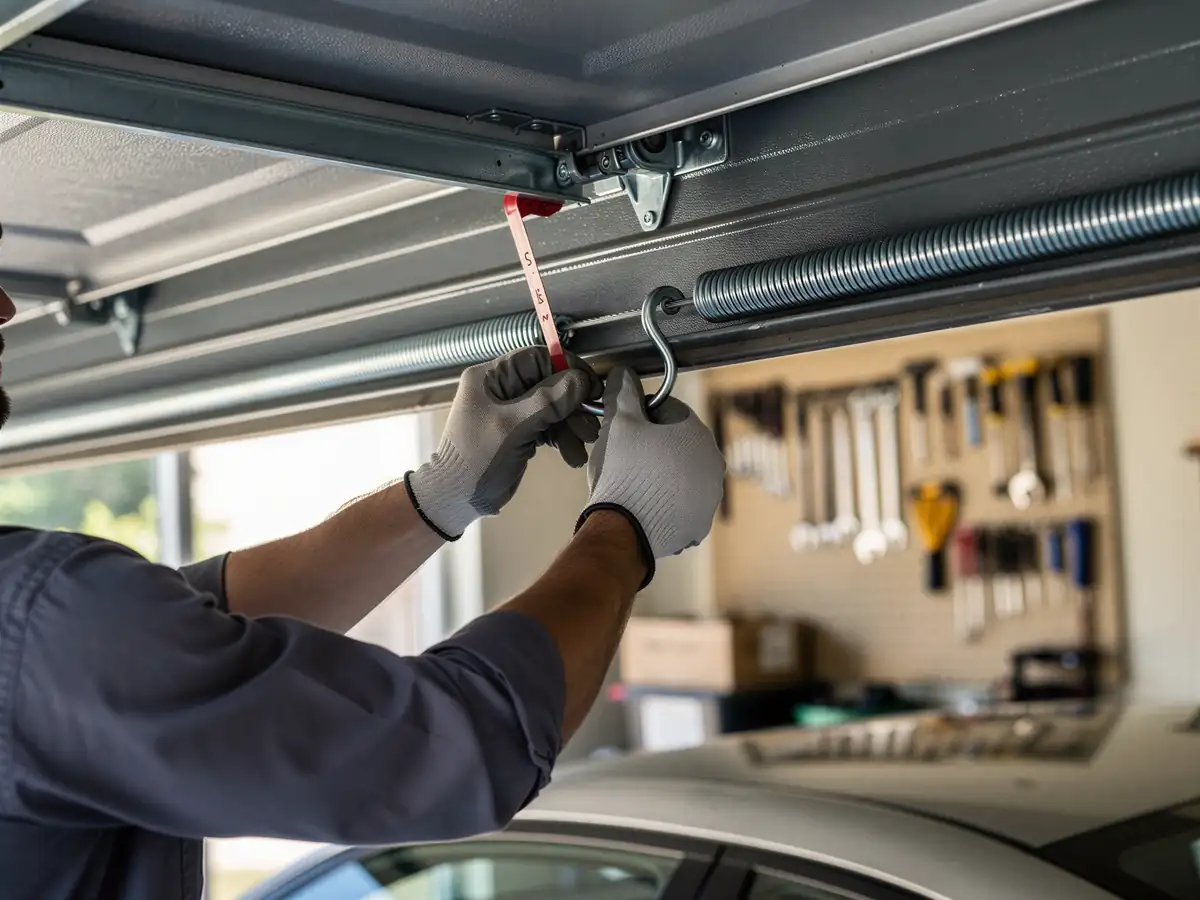
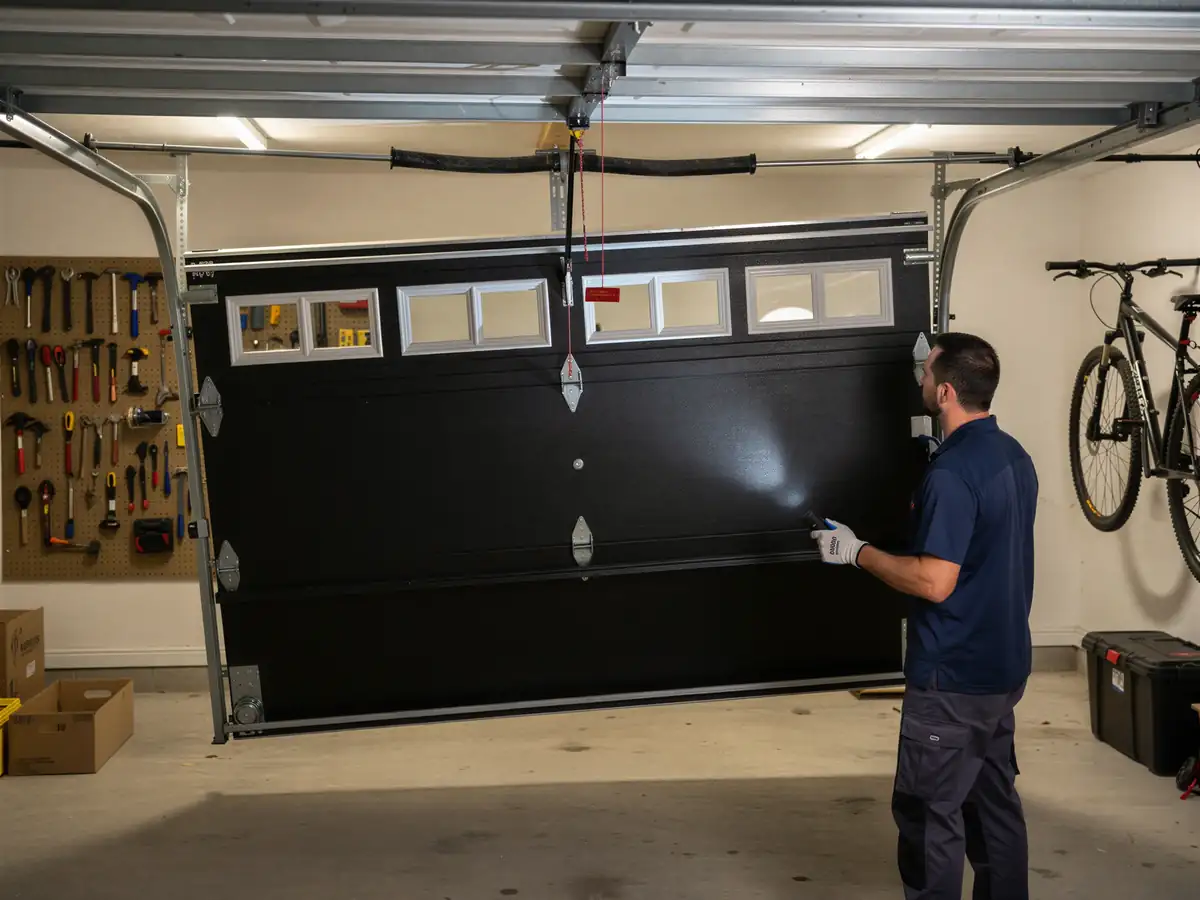
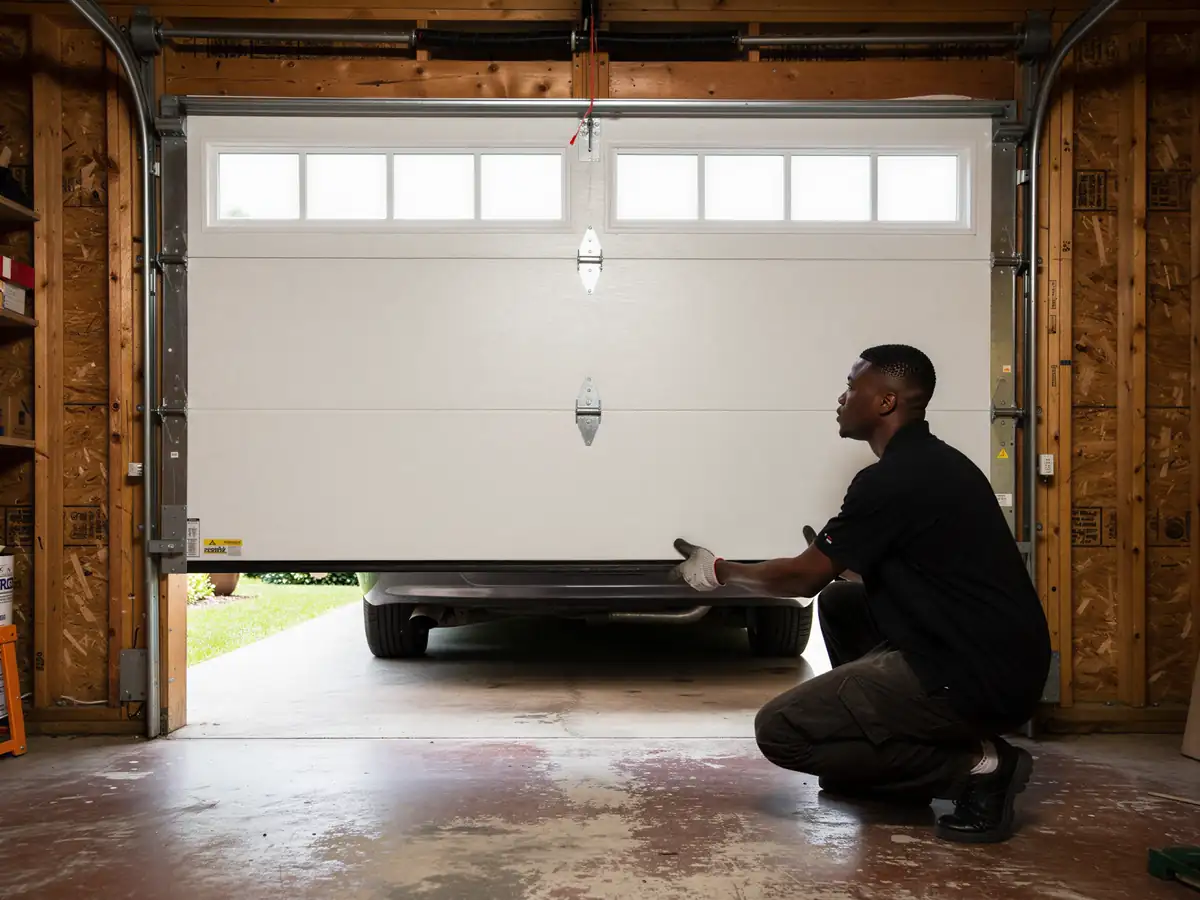
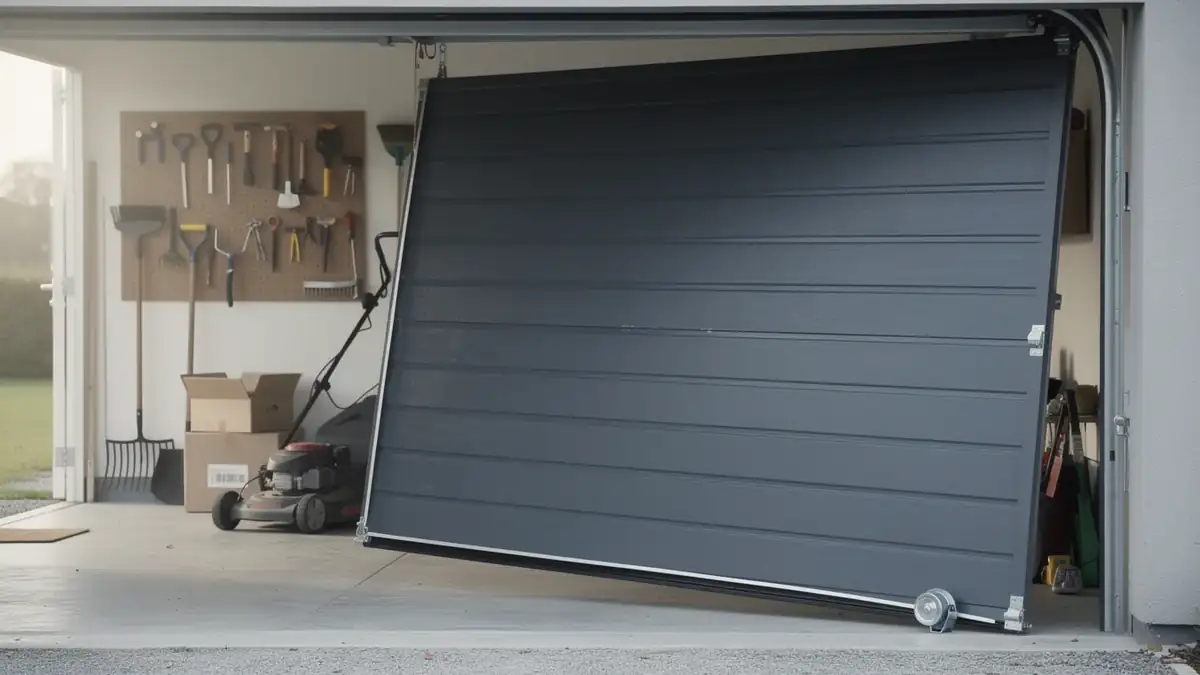
A door goes off track almost always because something holding the track in alignment has given way - not because the door itself failed. The usual suspects are a bent track rail, a roller that's worn down and started riding loose in the channel, or mounting brackets that have pulled away from the jamb. On the older end of Homestead's housing stock - homes built in the 1960s and 70s, which make up a good share of what's here - you're often looking at original steel track and extension springs rather than the torsion setups that became standard later. That older hardware was built with less tolerance for the gradual wall settling and moisture exposure it's had forty-plus years to absorb. On newer builds, closer to the 2008 end of the range, we more often see a track knocked out of alignment by a single event - a car bumper, a stored ladder leaning into it - rather than decades of slow wear. Either way, once the track is out of true, the door doesn't ride straight, the rollers bind, and forcing the opener to keep pulling against that bind is what eventually snaps a cable or strips a gear.
How Local Conditions Play In
Put the pieces together and the pattern is pretty consistent. Homestead's housing runs from 1957 up through 2008, with most of it dating to the 1960s and 70s across the named communities in this area, so track problems split roughly into two groups: old hardware that's worn out slowly, and newer hardware knocked out of alignment by something specific. The mild, humid climate doesn't cause dramatic failures, but it accelerates the slow kind - corrosion at brackets, stiffening in rollers that never quite dries between humid stretches. There's no single fix that covers every house. A 1960s door with original track usually needs the track and rollers replaced outright, since straightening decades-old steel rarely holds for long. A newer door with a single bent section can sometimes be repaired without replacing the whole run. One honest limit here: if the track is bent rather than just loose, we don't recommend trying to bend it back - it's a part swap, not a quick adjustment, and treating it as a quick fix just means a second service call.