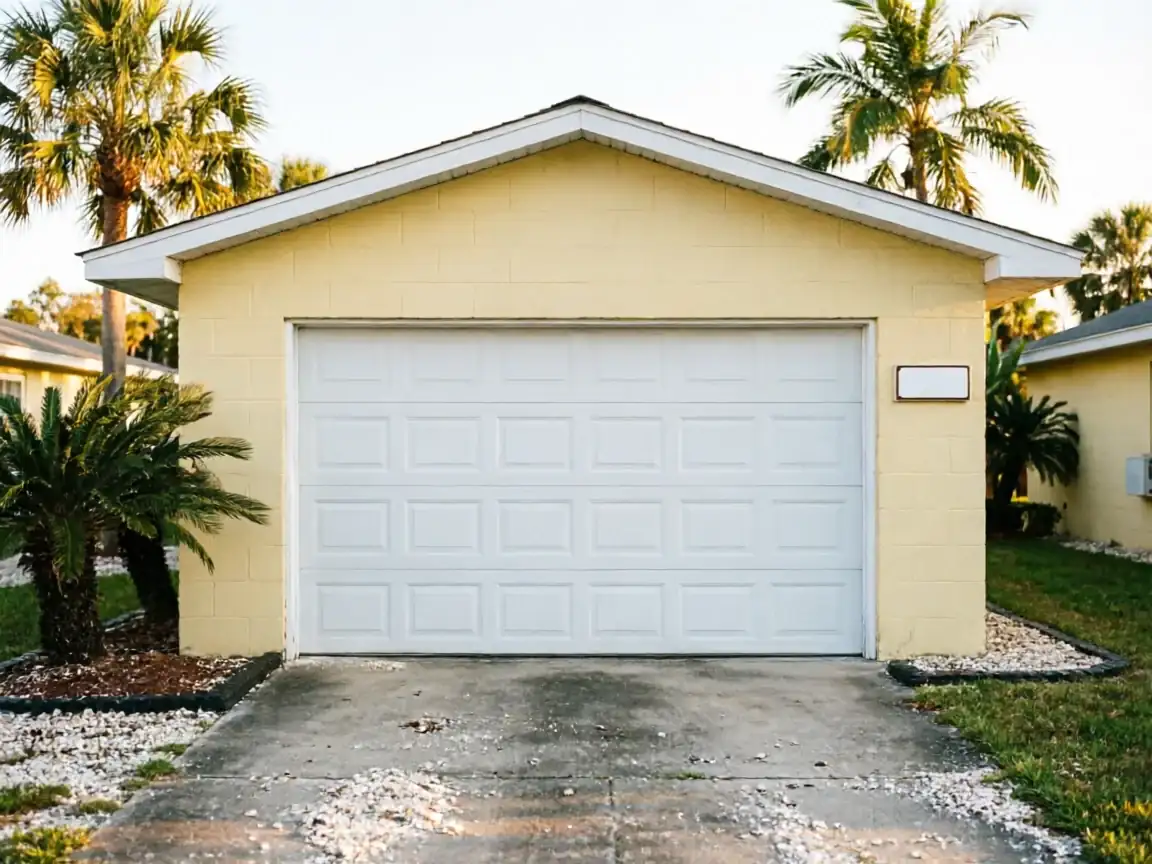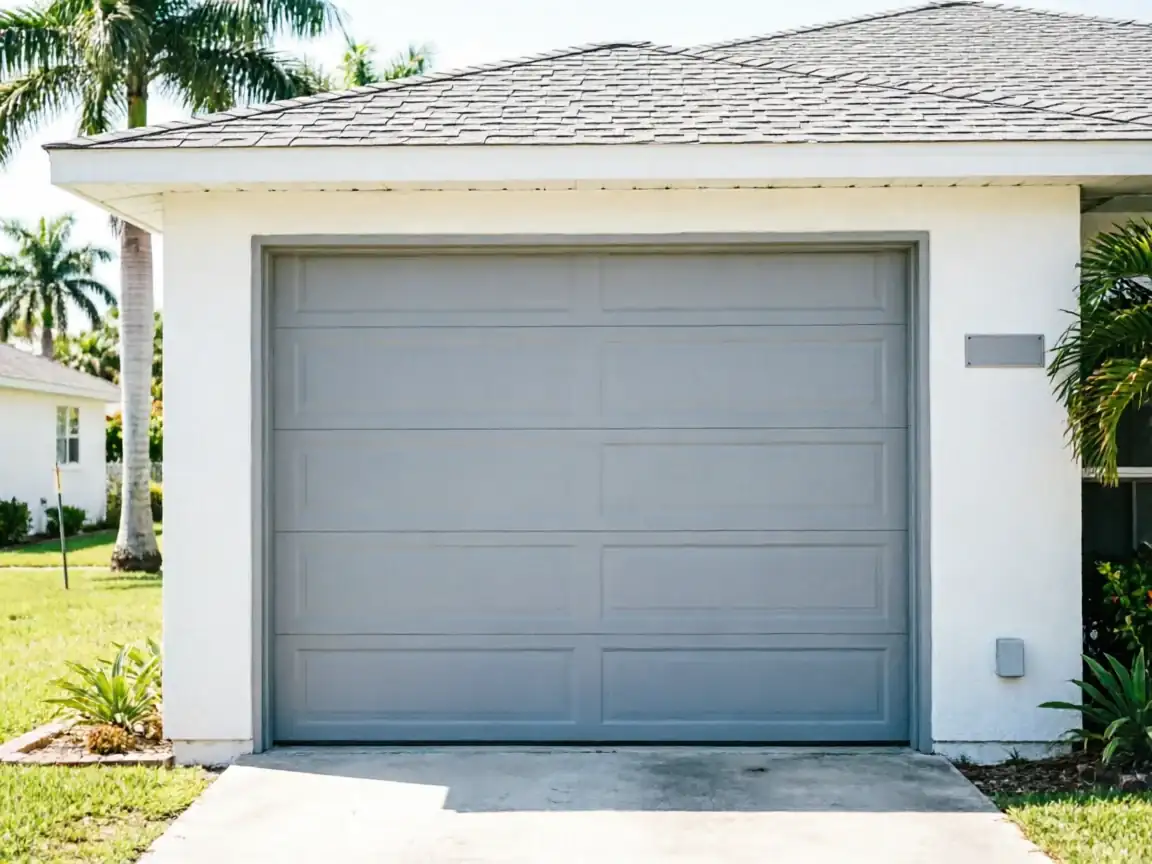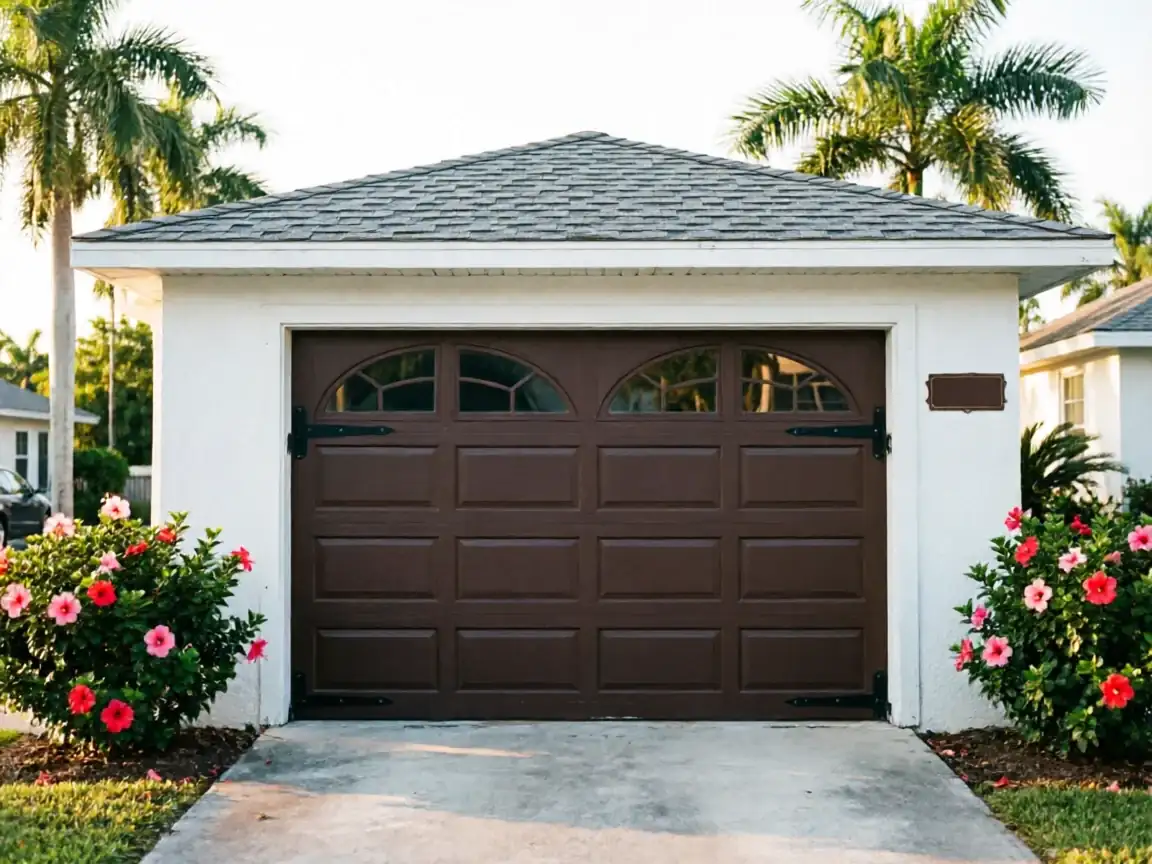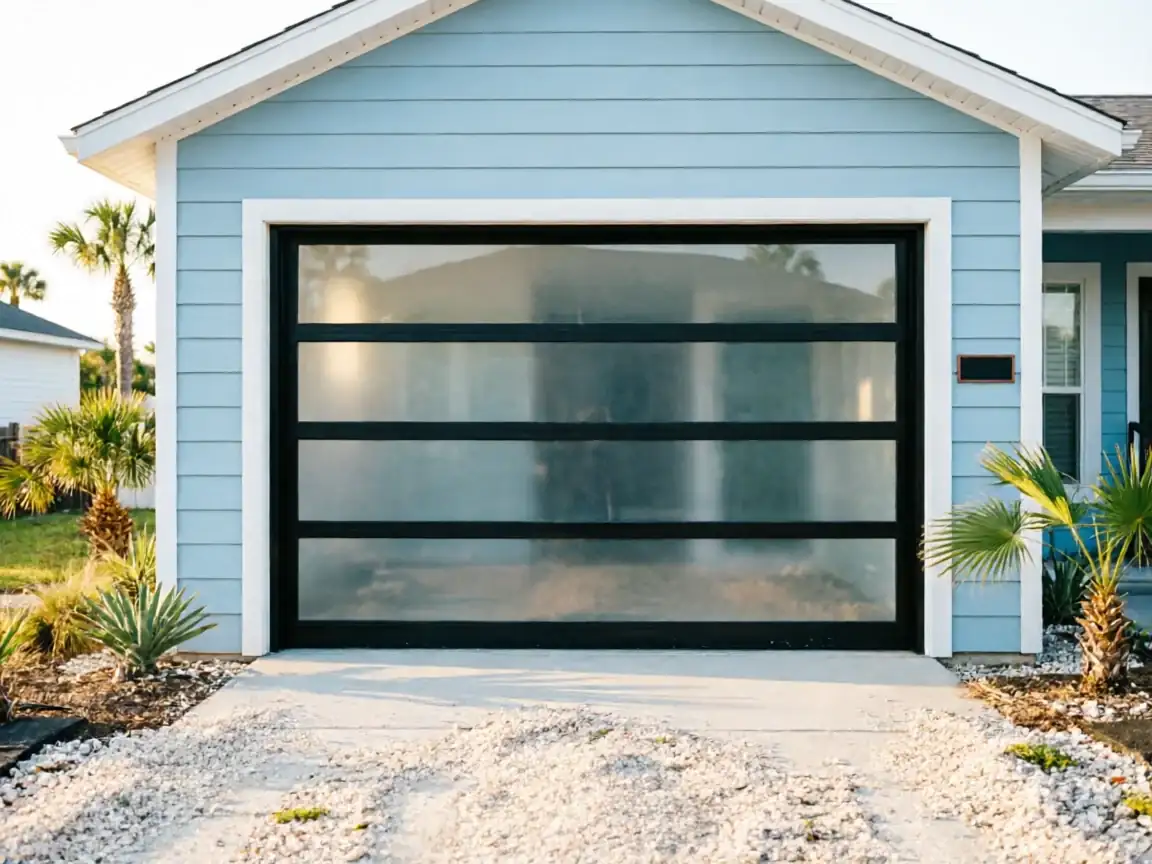
The DIY Question
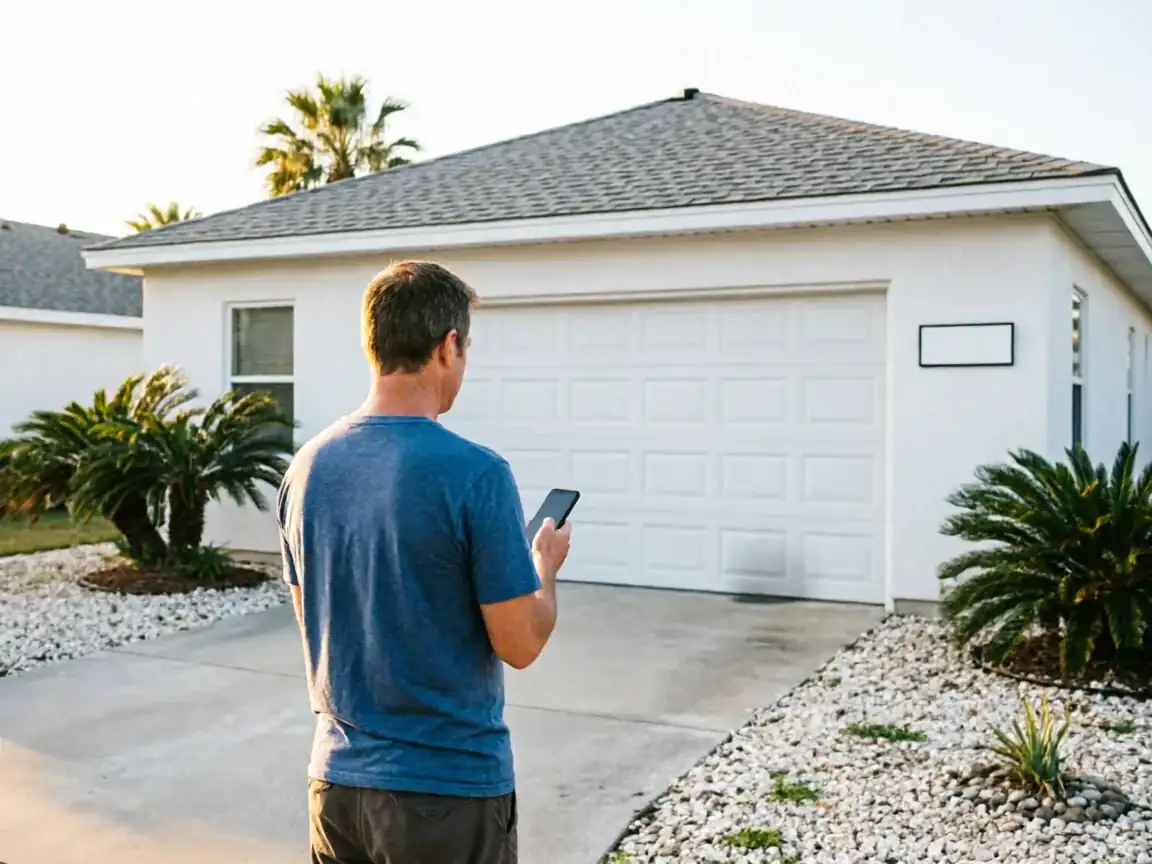
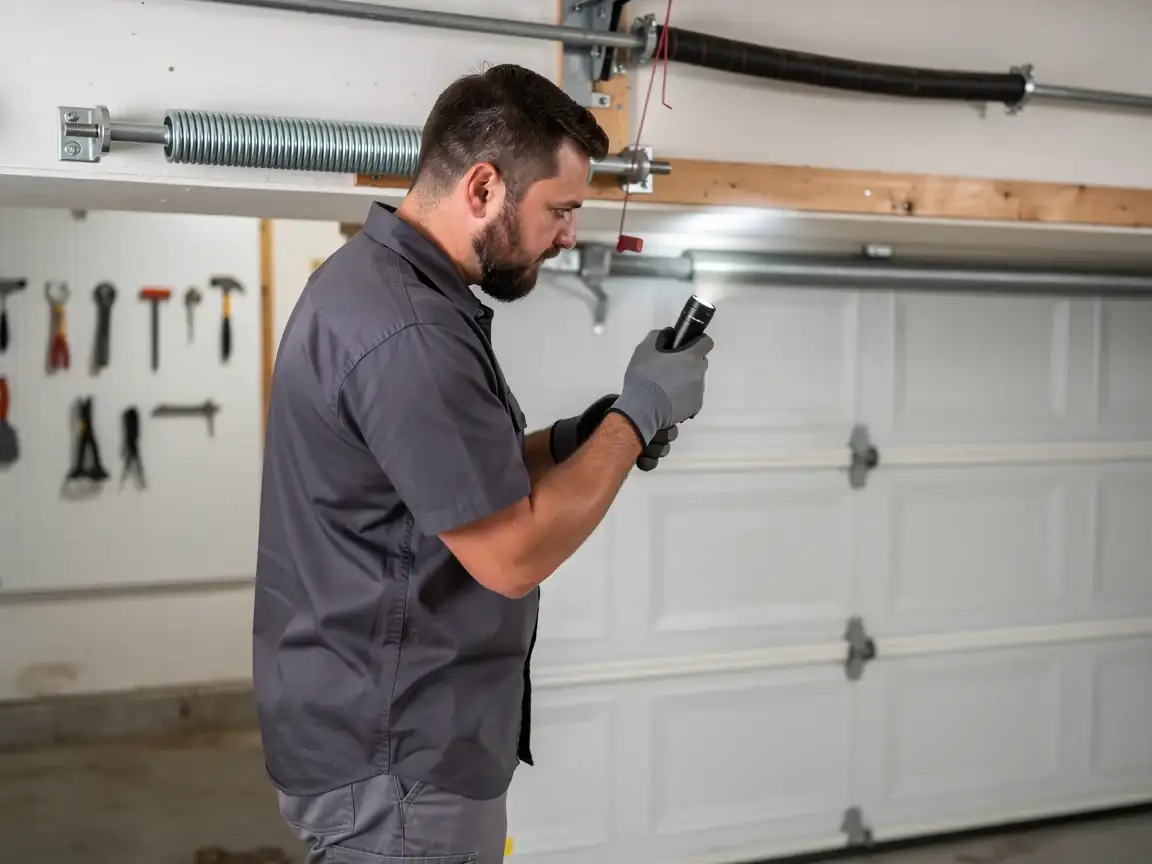
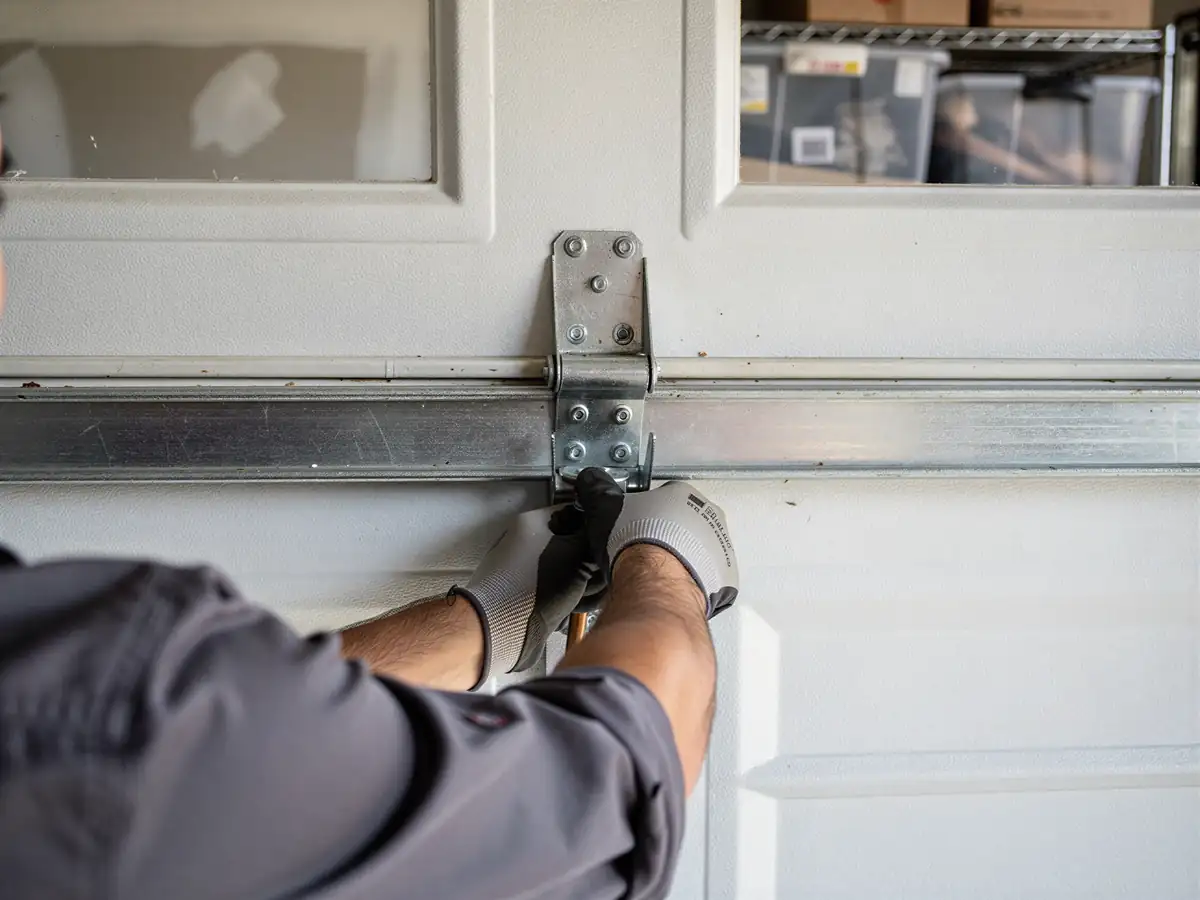
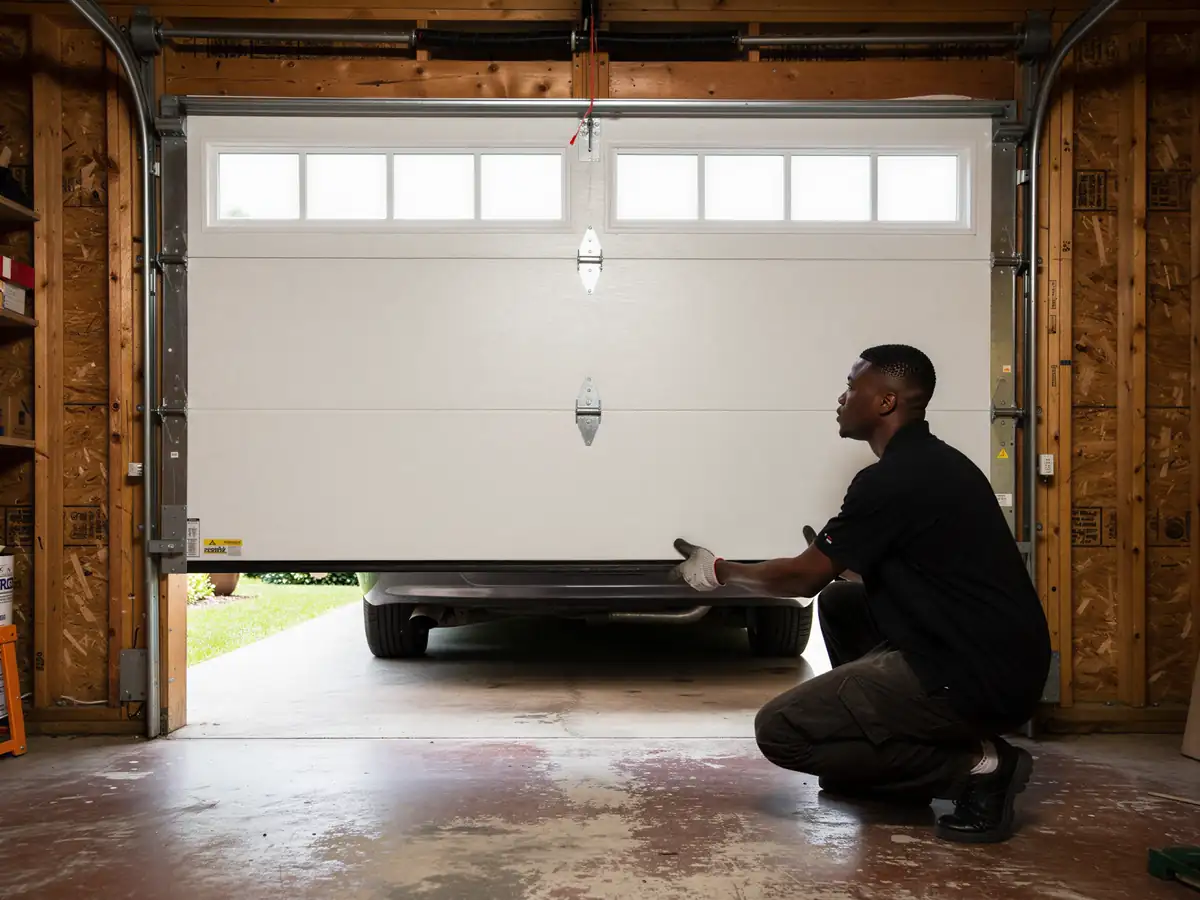
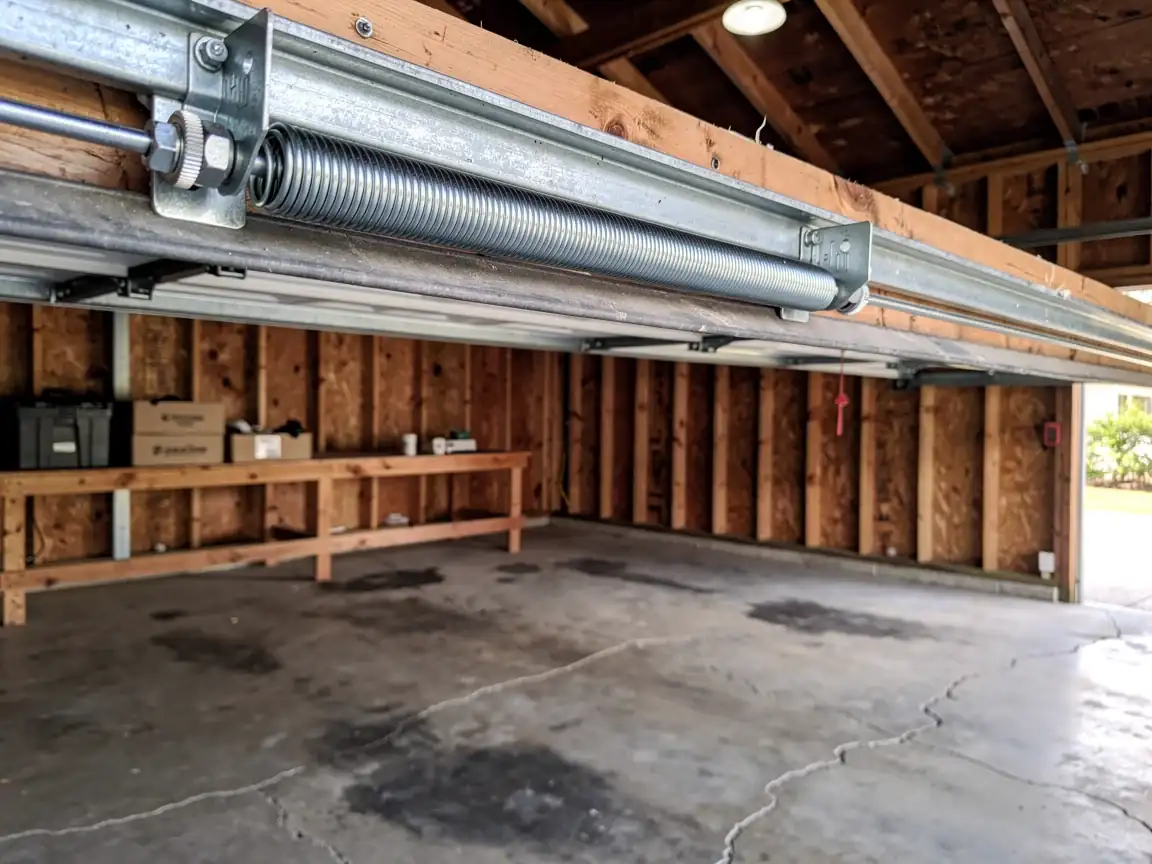
You can watch a video and swap a roller. What you can't always tell from the driveway is whether the roller failed because it wore out on schedule, or because the track behind it is bent from years of a door riding slightly off-square. Homestead's housing stock runs 1957 to 2008, median year 1979, so a good share of the doors we open up are original hardware from a build era when torsion springs, drums, and track gauges weren't standardized the way they are now. Swap a part off the shelf at a box store and it may fit the opening but not the drum diameter or the cable routing underneath it. That's the part DIY videos don't show, because they're filmed on newer stock.
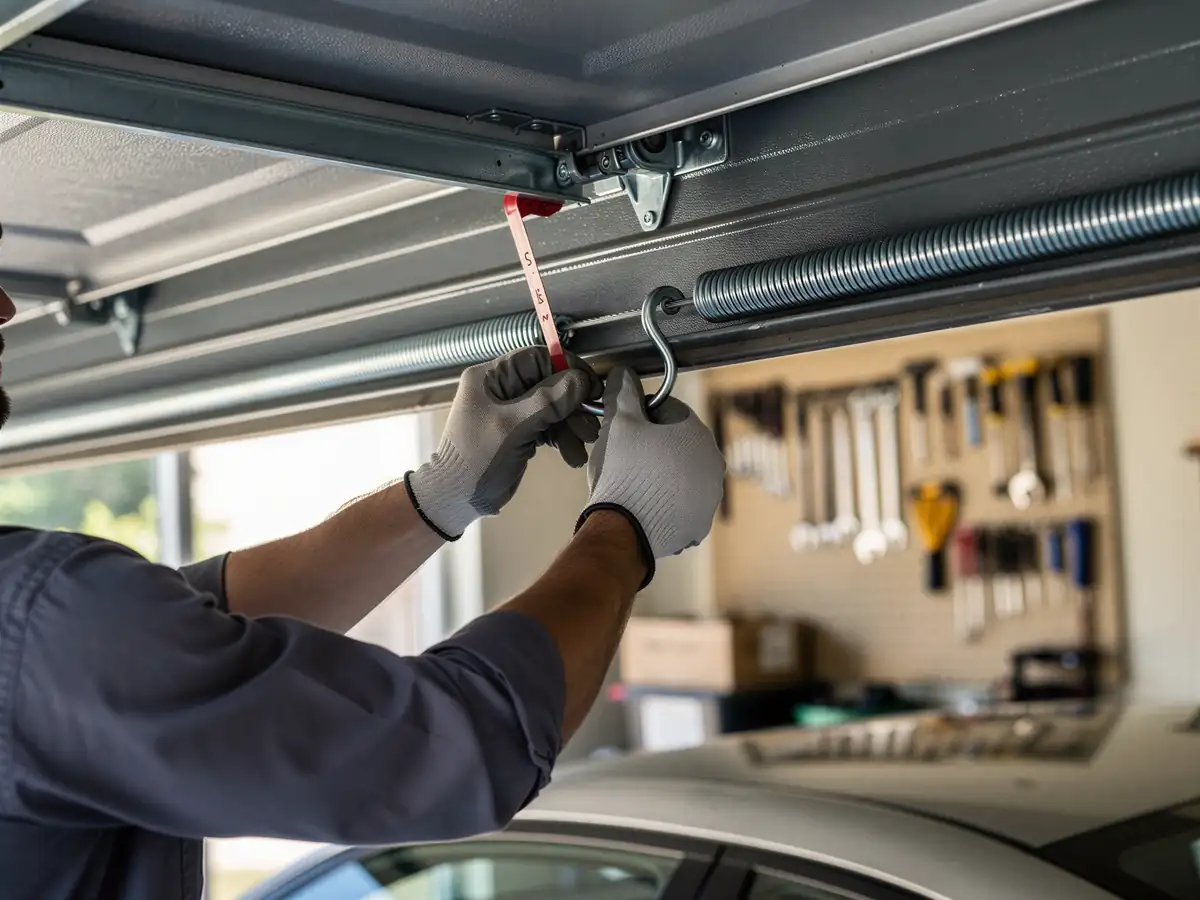
There's also a safety line we won't pretend isn't there: a wound torsion spring under tension is not a weekend project, full stop. If your door is making noise, binding, or dropping unevenly, that's a diagnosis call, not a parts order. We'll tell you straight if it's a ten-minute roller swap you could've done yourself - we're not going to invent a bigger job to justify the truck.
What You Are Seeing
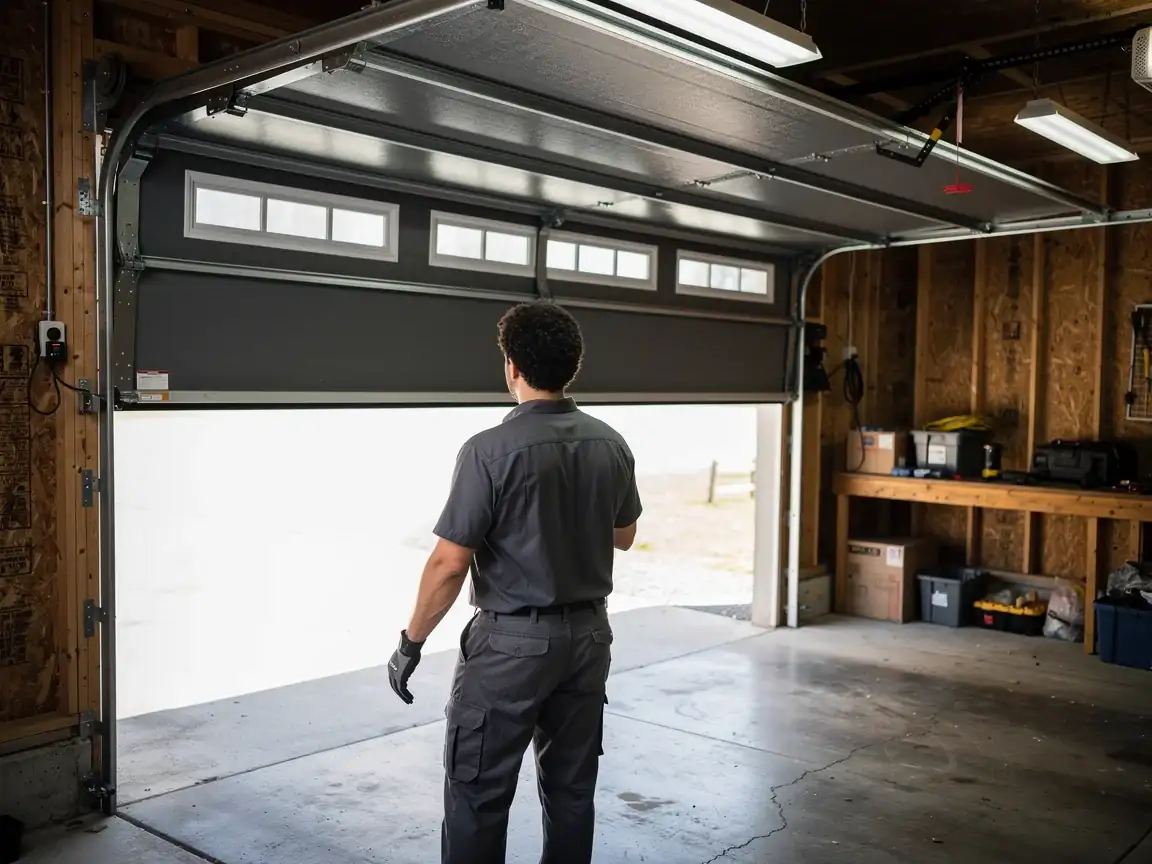
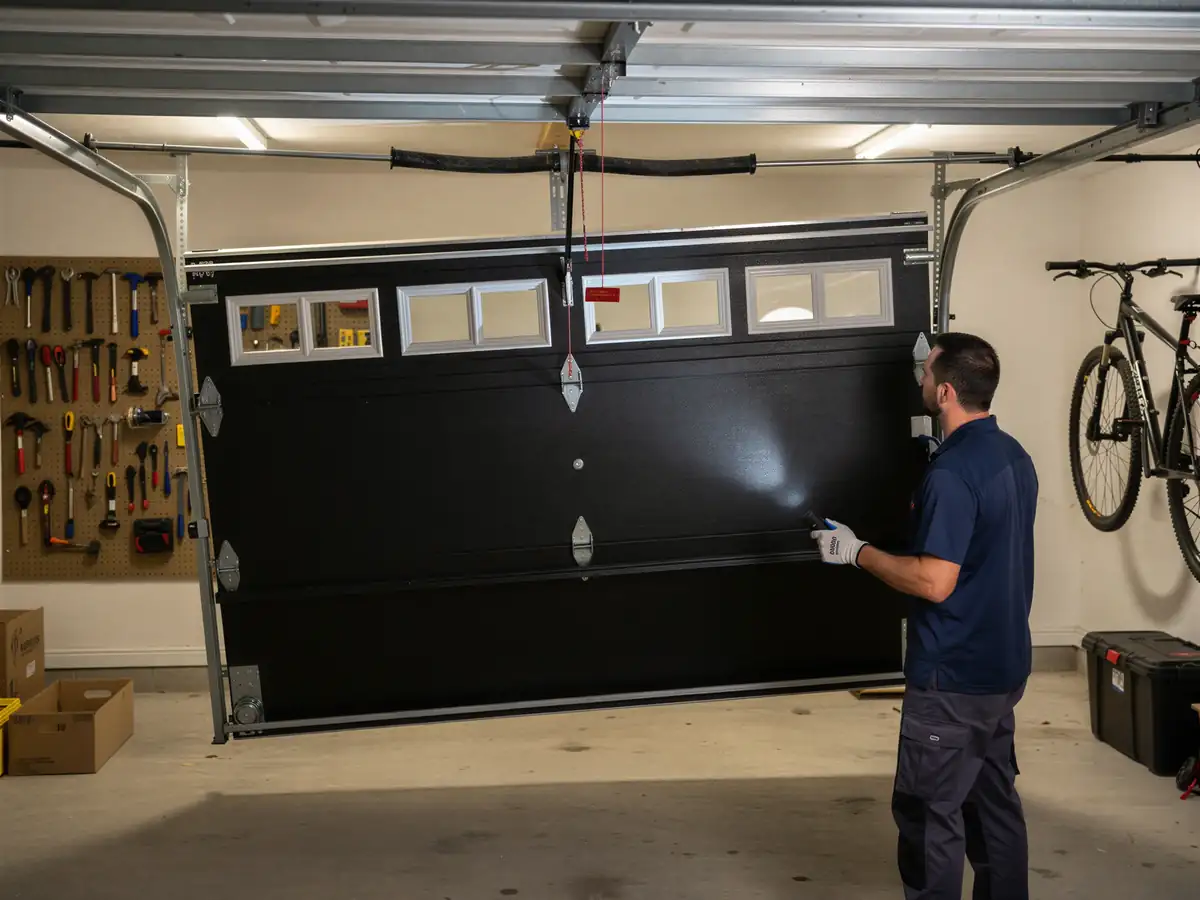
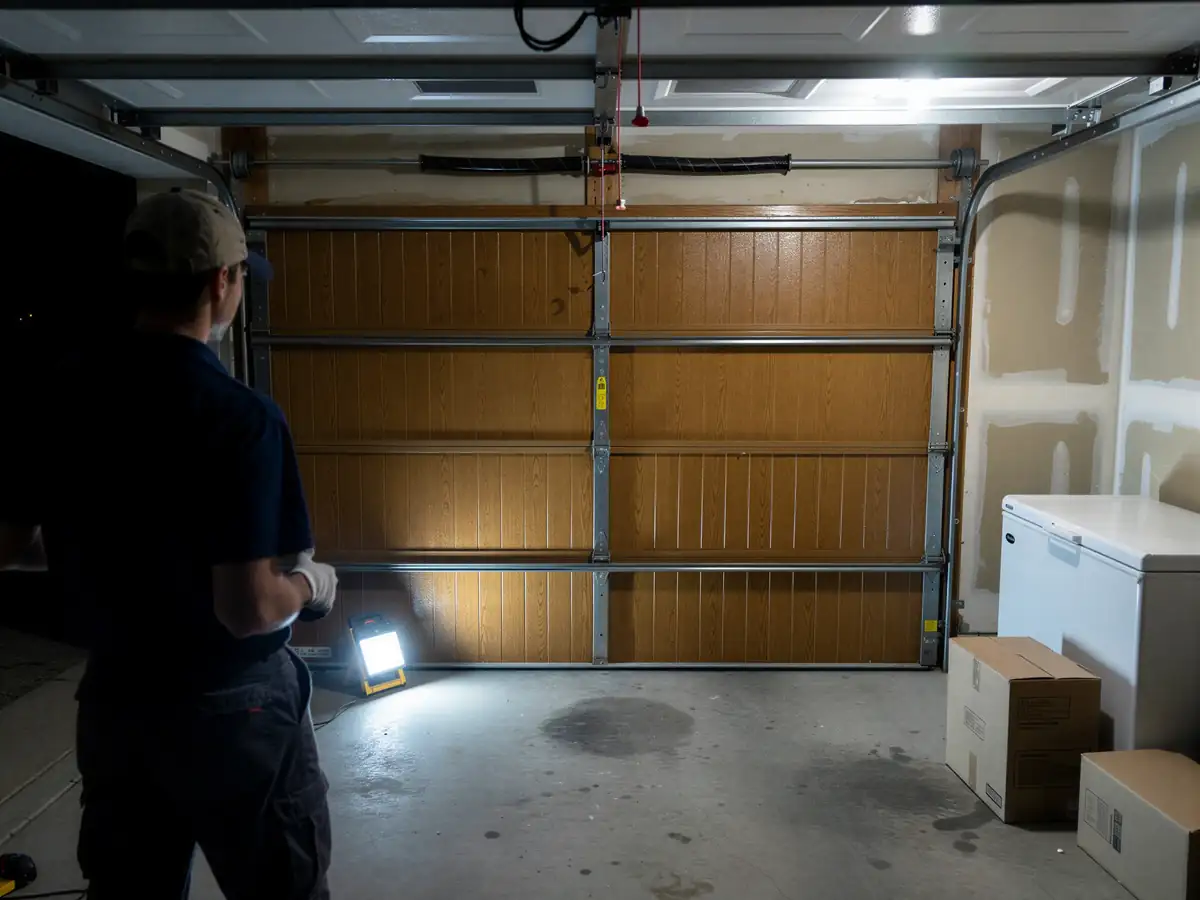
The complaint we hear most isn't "broken," it's "wrong." The door hesitates partway up. It's loud on one side and quiet on the other. The opener runs but the door doesn't move, or it reverses before it touches the floor. These are the symptoms of hardware aging out, not hardware snapping outright, and that's consistent with what's actually on the ground here: across the 28 named communities we work in, the bulk of the housing stock dates to the 1960s and 70s. A door installed with a house built in that window has had decades of cycling - open, close, open, close - on springs and rollers that were never meant to run past a certain count.
What that looks like in practice: a torsion spring that's lost just enough tension that the opener is doing work it shouldn't have to, which burns out the opener's drive gear faster than it should wear. Or a track that's walked slightly out of alignment over years of a slab settling, so the rollers chew against one edge instead of running centered. None of this announces itself as an emergency until the day it does.
Why This Fails Locally
Homestead sits in a mild temperate band
So we don't get the freeze-thaw cracking that kills garage door hardware up north. What we get instead is heat-cycling - long stretches of high temperature that soften nylon and vinyl roller wheels, then let them harden again overnight. Do that for a few thousand cycles across a few decades and the wheel develops flat spots, which is why older doors in this area tend to thump rather than roll smoothly, even when the spring tension is fine.
The other piece is the spread of building eras
Because the service area's housing runs 1957 through 2008 with a median around 1979, we're not dealing with one standard door and track spec - we're dealing with several, often on the same street. A house in Leisure City or Florida City, both about 2 miles out, is as likely to have original 1970s hardware as a house further out toward Princeton or Goulds. That mix is exactly why a generic replacement part is a gamble and a measured one isn't.
- 2 miles
Booking a Visit
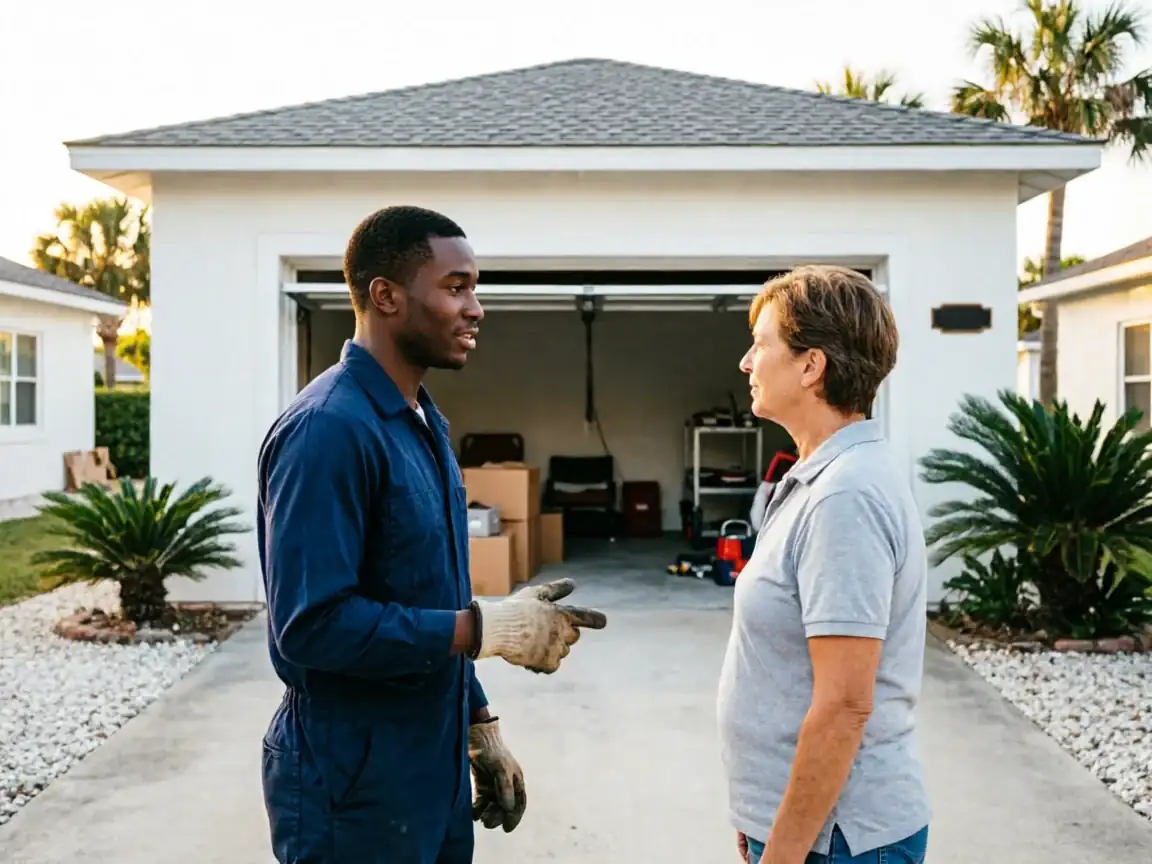
If your door's doing something it didn't used to do - slow, loud, uneven, or just off - the fastest way to know whether it's a ten-minute fix or a hardware replacement is to have someone look at the actual spring, track, and drum on your actual door. We serve the Homestead area and the surrounding communities, including Leisure City, Florida City, Naranja, and the rest of the 28 areas we cover out to Cutler Bay and Kendall. With a median household income of $82,726 spread across 240,889 households and 97,913 owner-occupied houses in this service area, most of the repairs we run are targeted fixes - a spring, an opener board, a section of track - not full door swaps, and we'll tell you up front which one yours needs.
Head to our home page to get a visit scheduled.