The DIY Question
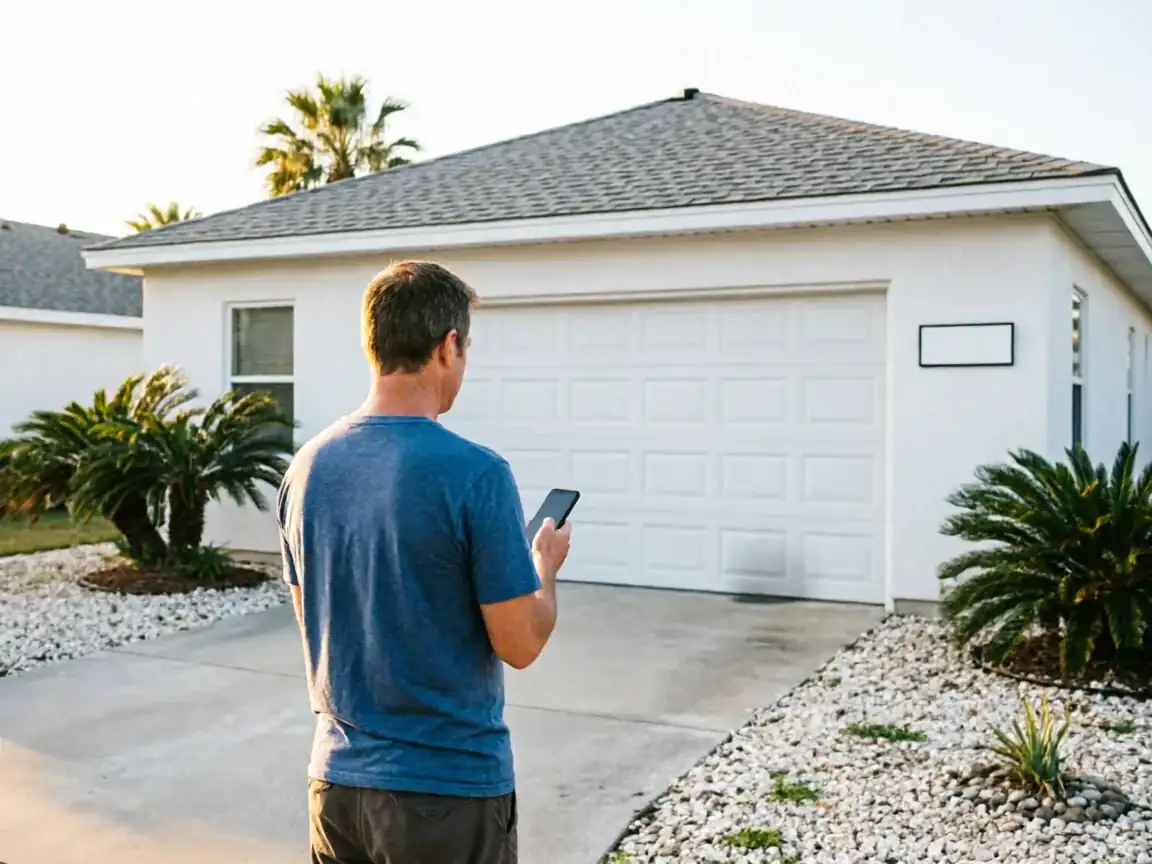
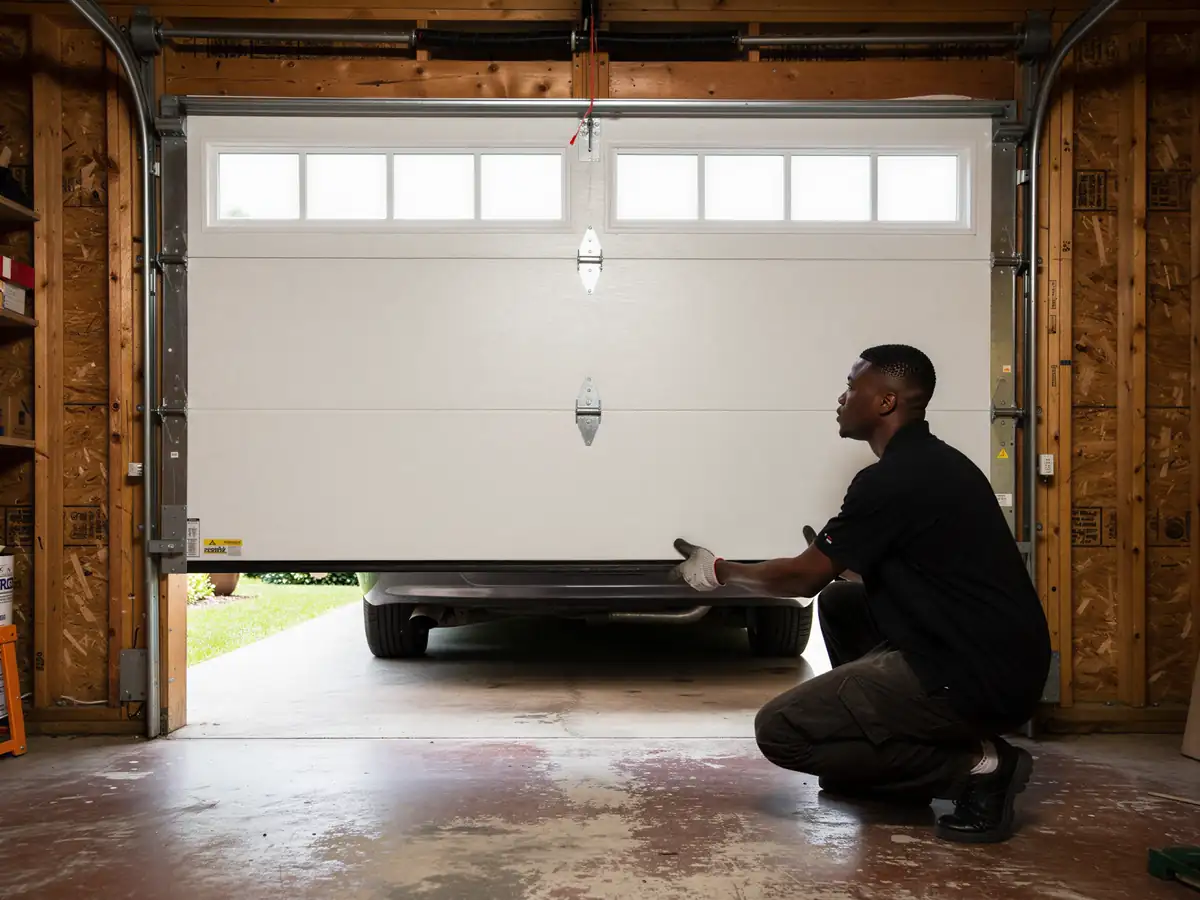
A lot of homeowners here start by pricing a door online and figuring they'll hang it themselves over a weekend. For a single light panel on a garage that was never used for anything but storage, that can work. For most houses in this area, it doesn't, and the reason has nothing to do with tools.
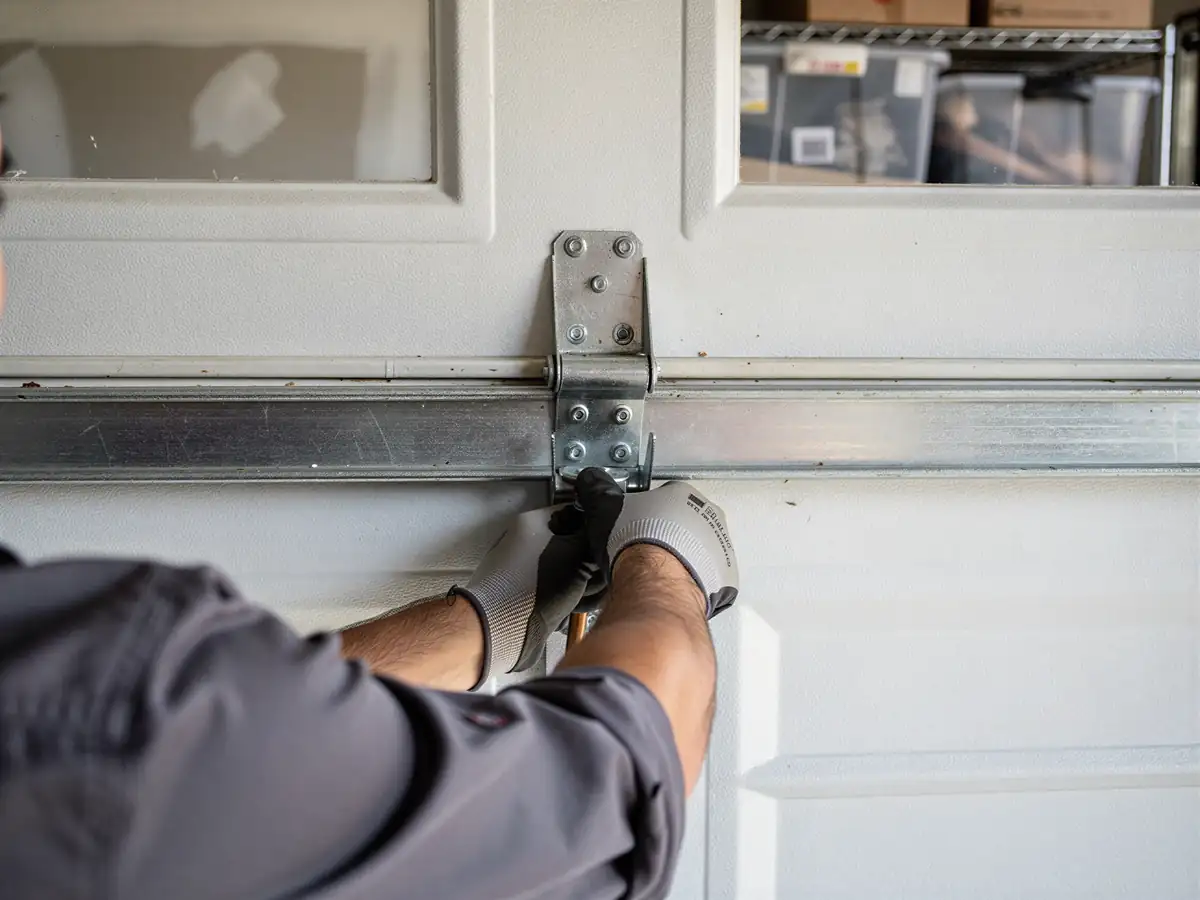
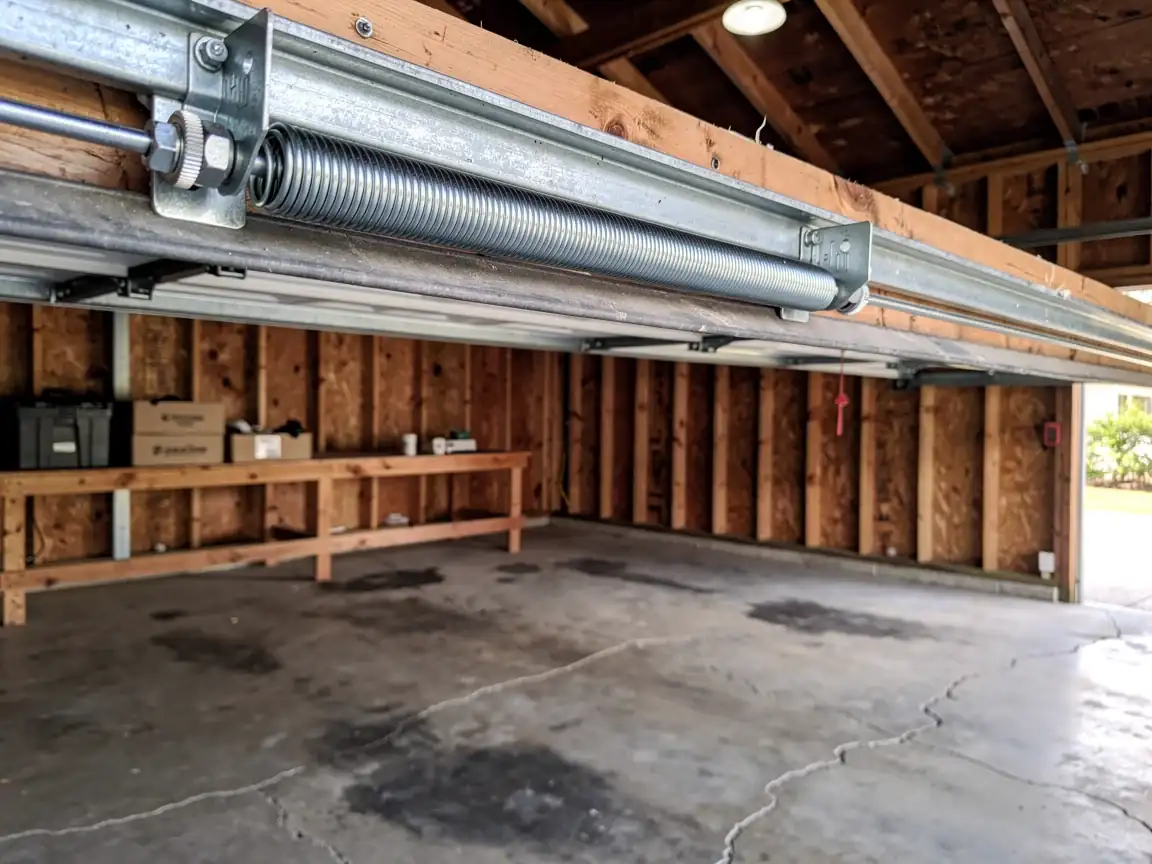
Homestead's housing stock runs 1957 to 2008, with the median build year sitting around 1979. That means the opening you're measuring was likely framed to a spec nobody writes anymore, and the track and header hardware behind the drywall may not match what's in the box you just bought. A door that's an inch off on width binds the rollers; a track mounted to a header that's shifted with the slab cracks the seal within a season.
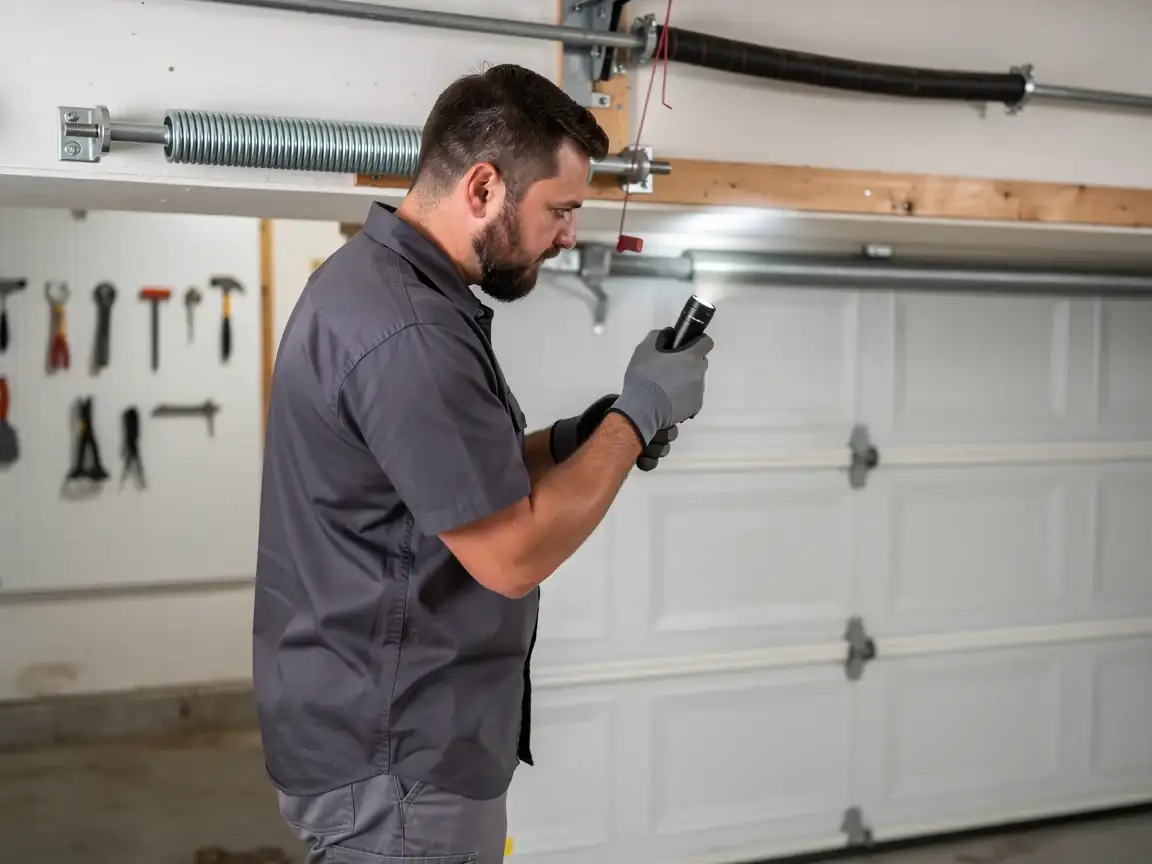
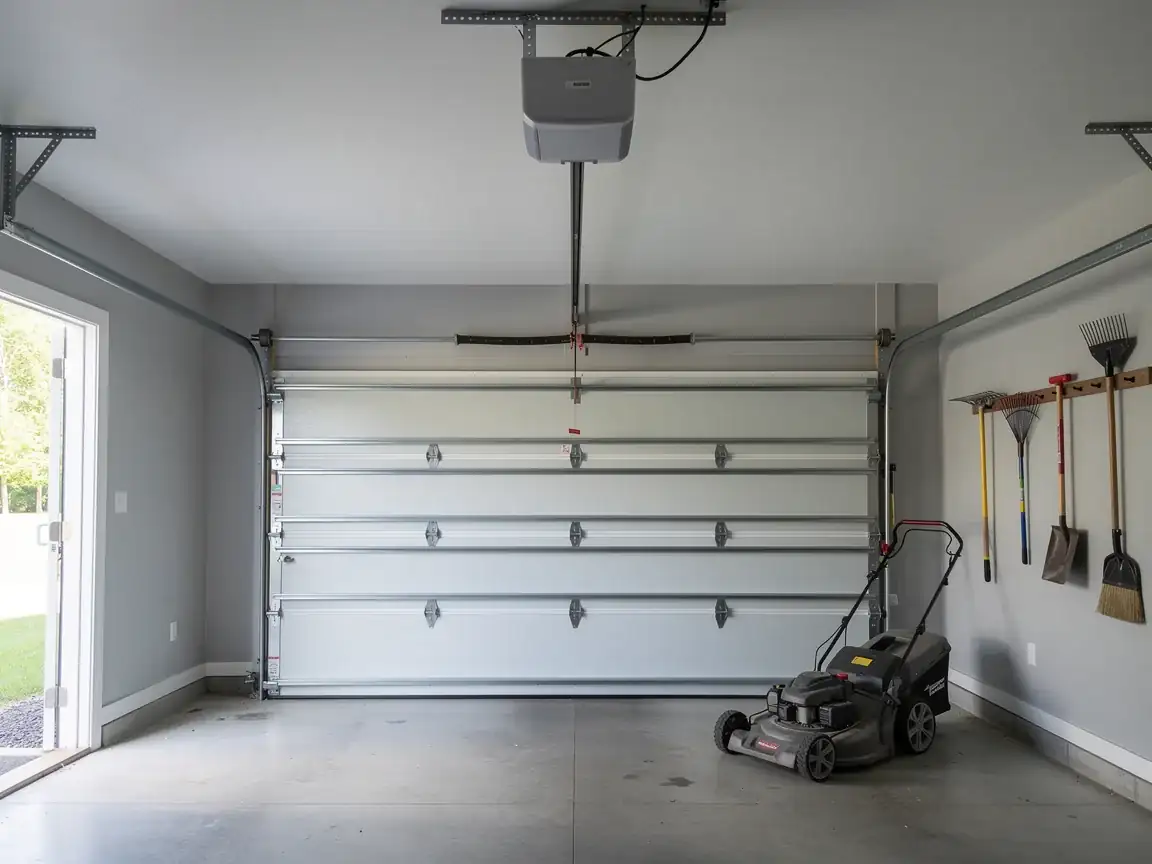
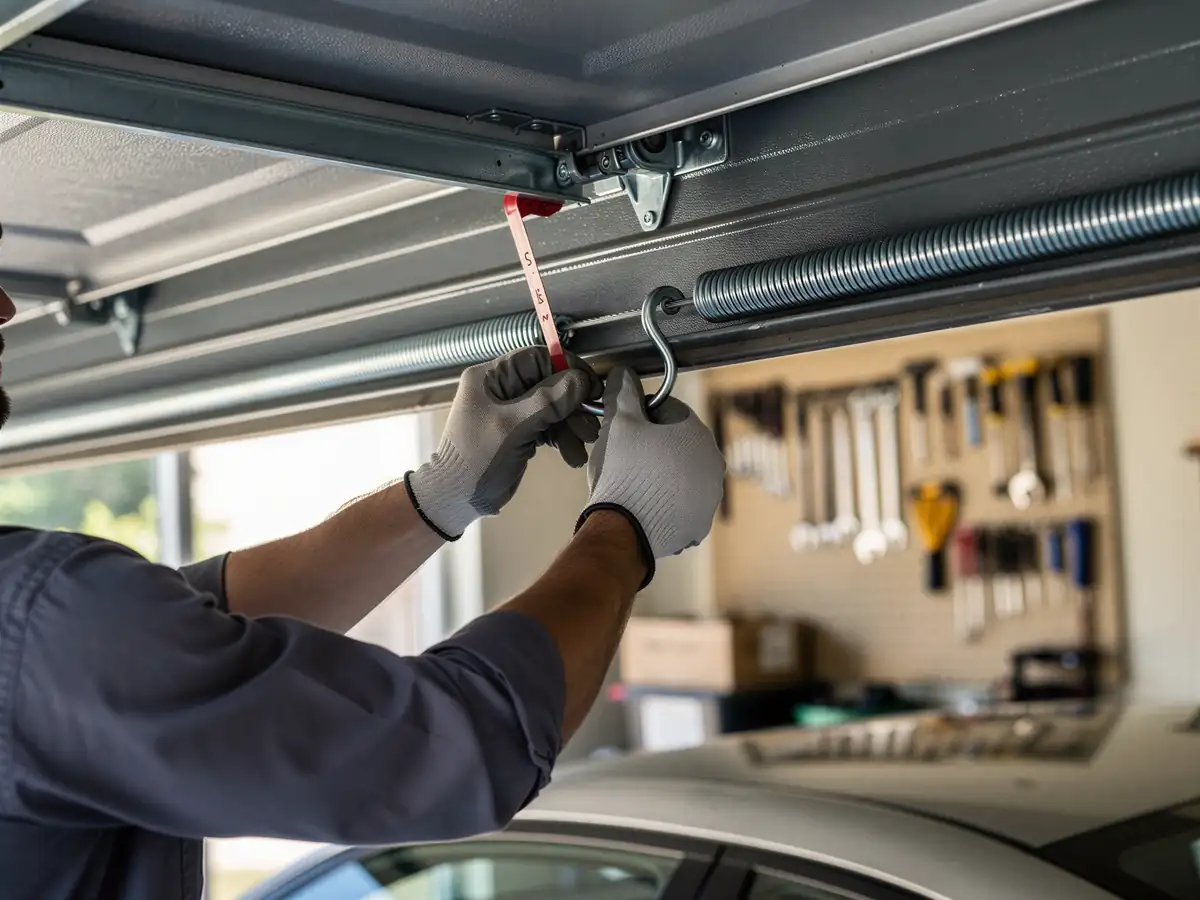
There's also the spring. Torsion springs are wound under real tension, and a door sized wrong for the opening gets the wrong spring calculated for it too. We've seen the injuries that come from that. If you're set on doing some of the work yourself, let us do the measuring and the spring setup and keep the panel install. That split keeps you safer without you losing the satisfaction of having done it.
What You Are Seeing
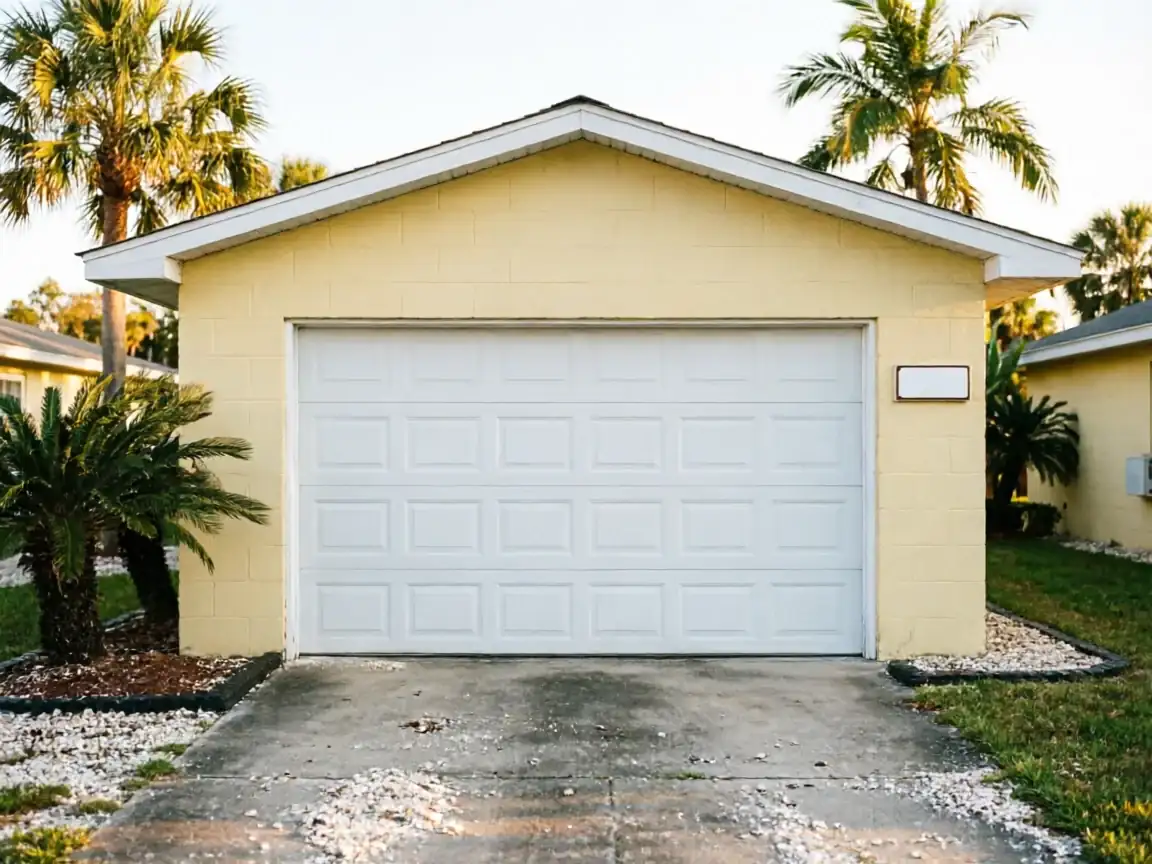
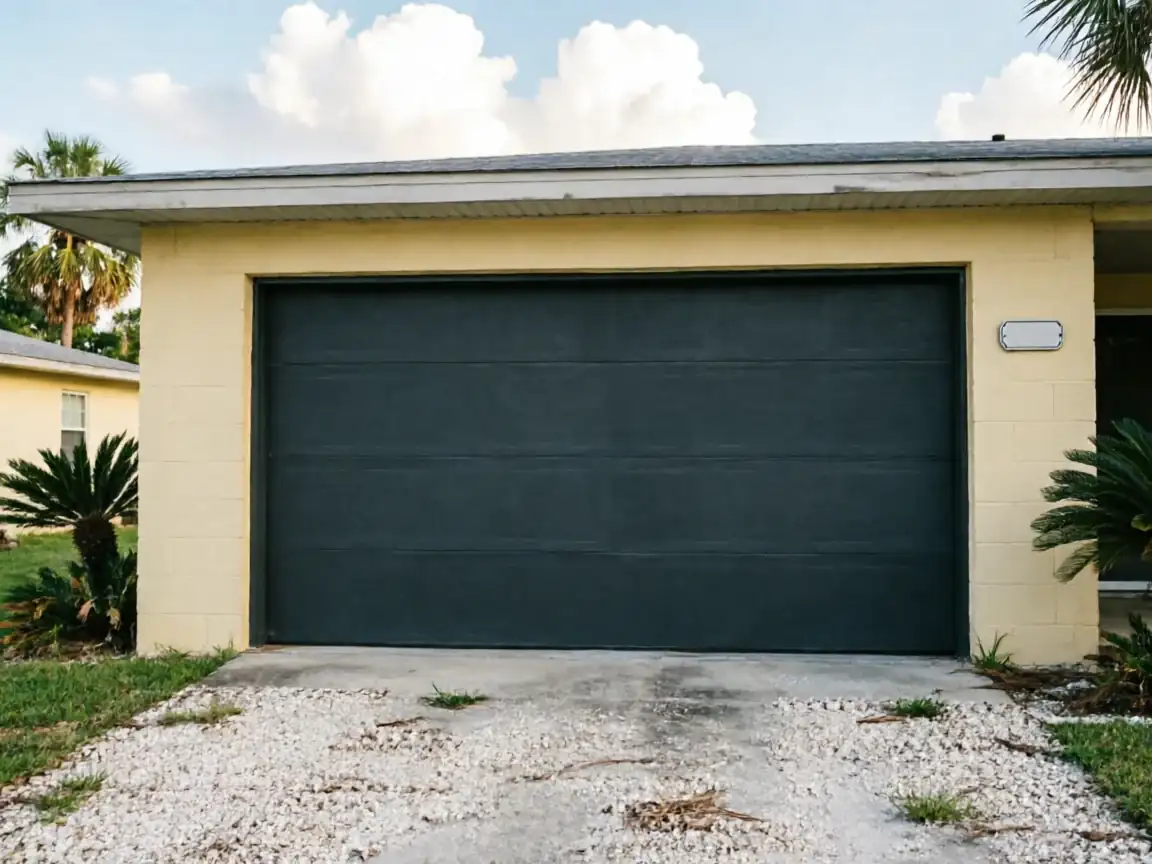
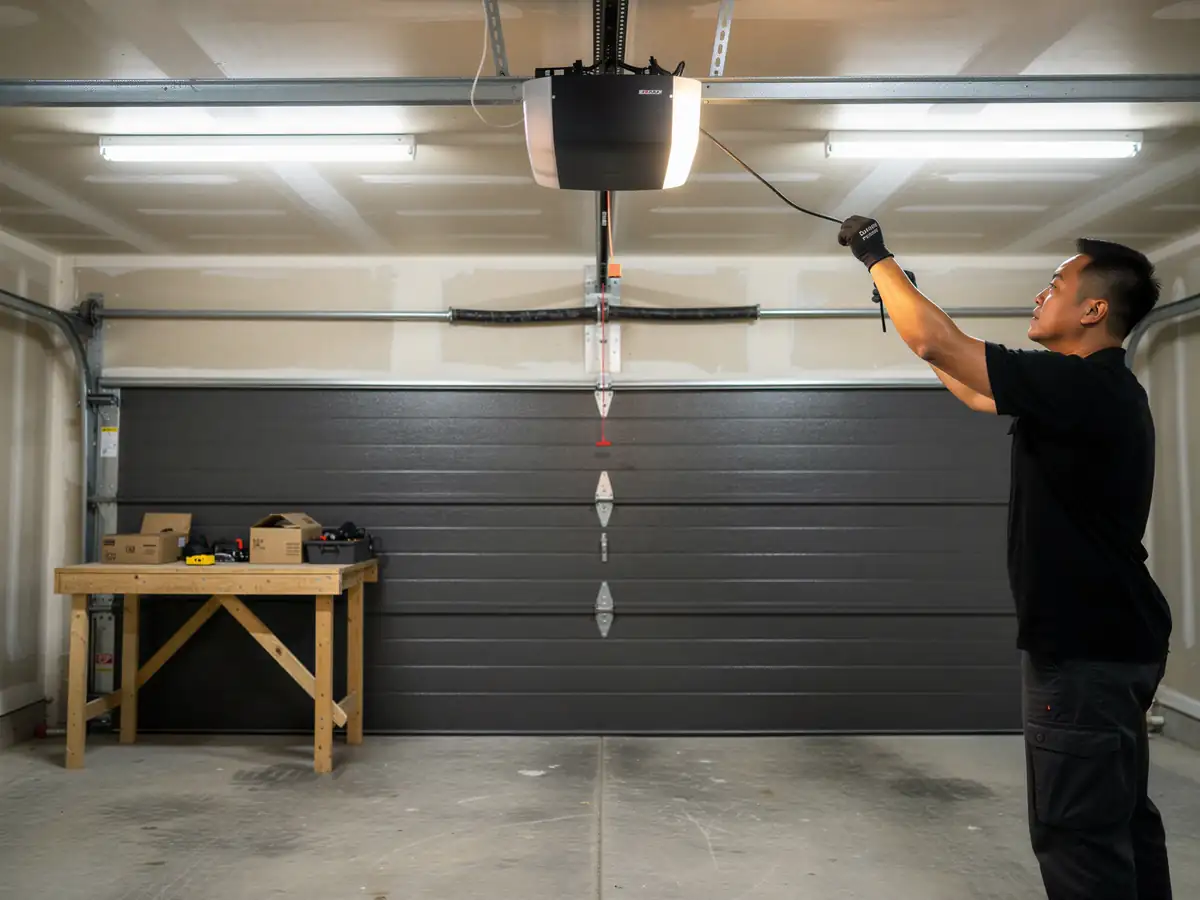
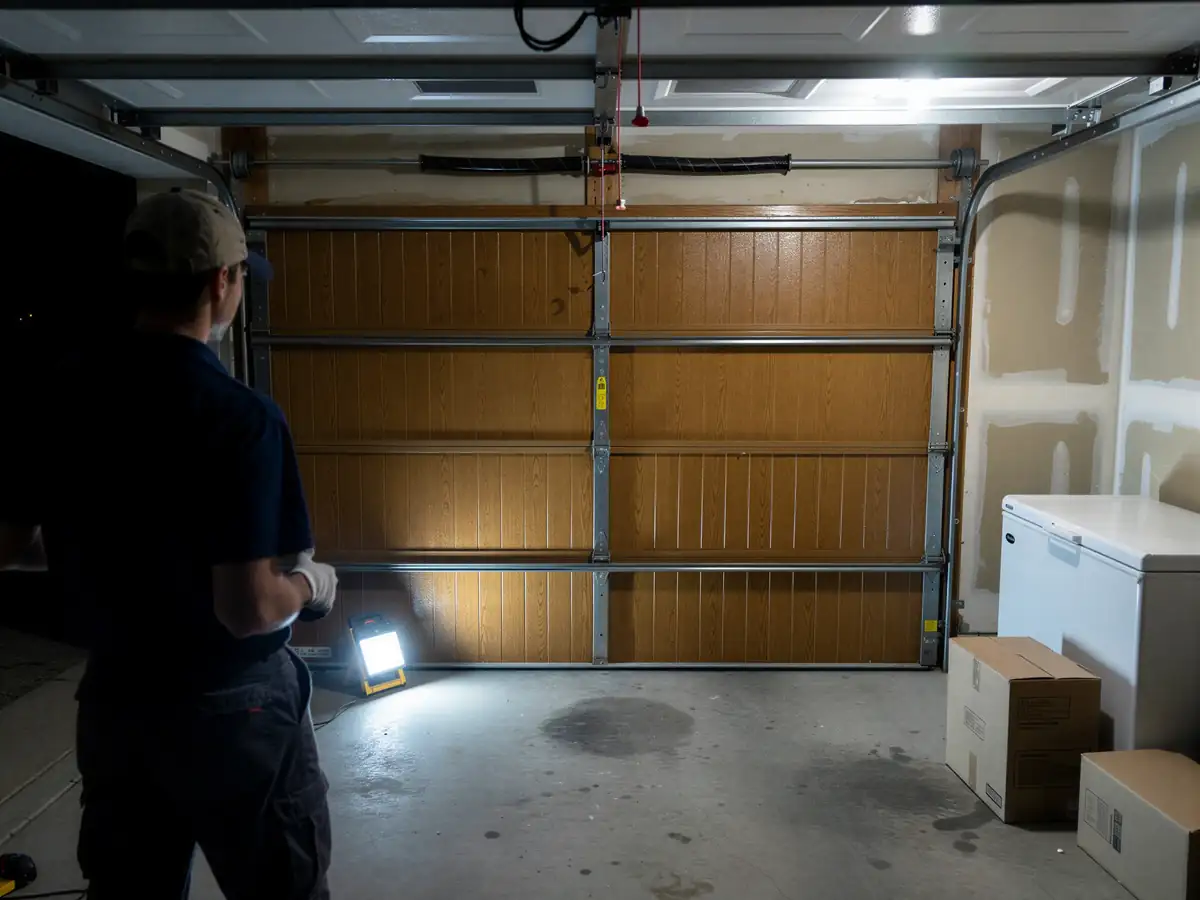
Across the 28 named areas in this part of the county, most of the housing dates to the 1960s and 70s, and the garage doors that came with those houses are long past due. What we actually find on site: single-layer steel panels with no insulation, tracks bolted to headers that have settled slightly out of square, and openers original to a house built decades before current openers existed.
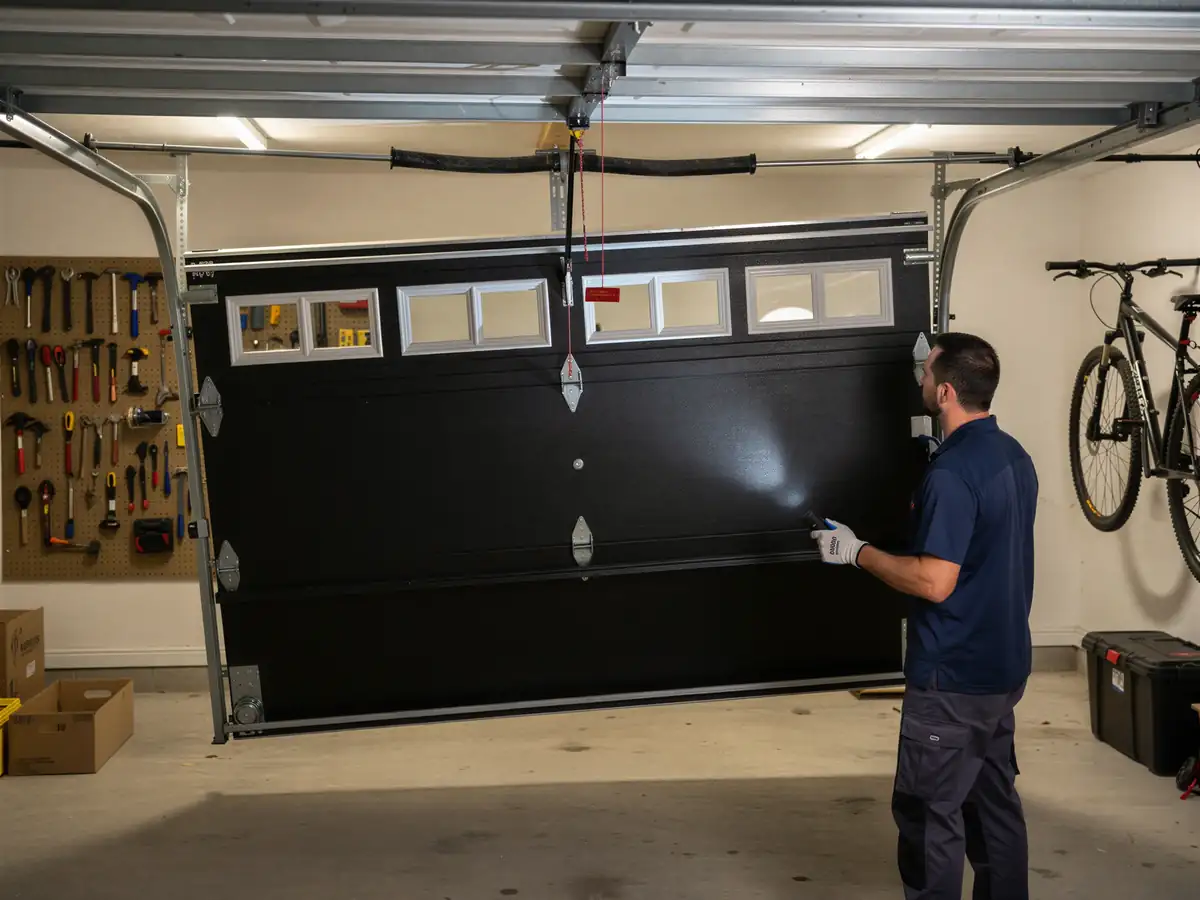
The symptom homeowners call about is usually simple - the door won't go down all the way, or it reverses on its own partway through closing. The cause is almost never the opener. It's a door and track built for a 1970s opening that has moved a half-inch in forty-plus years, now fighting new hardware bolted onto old framing.
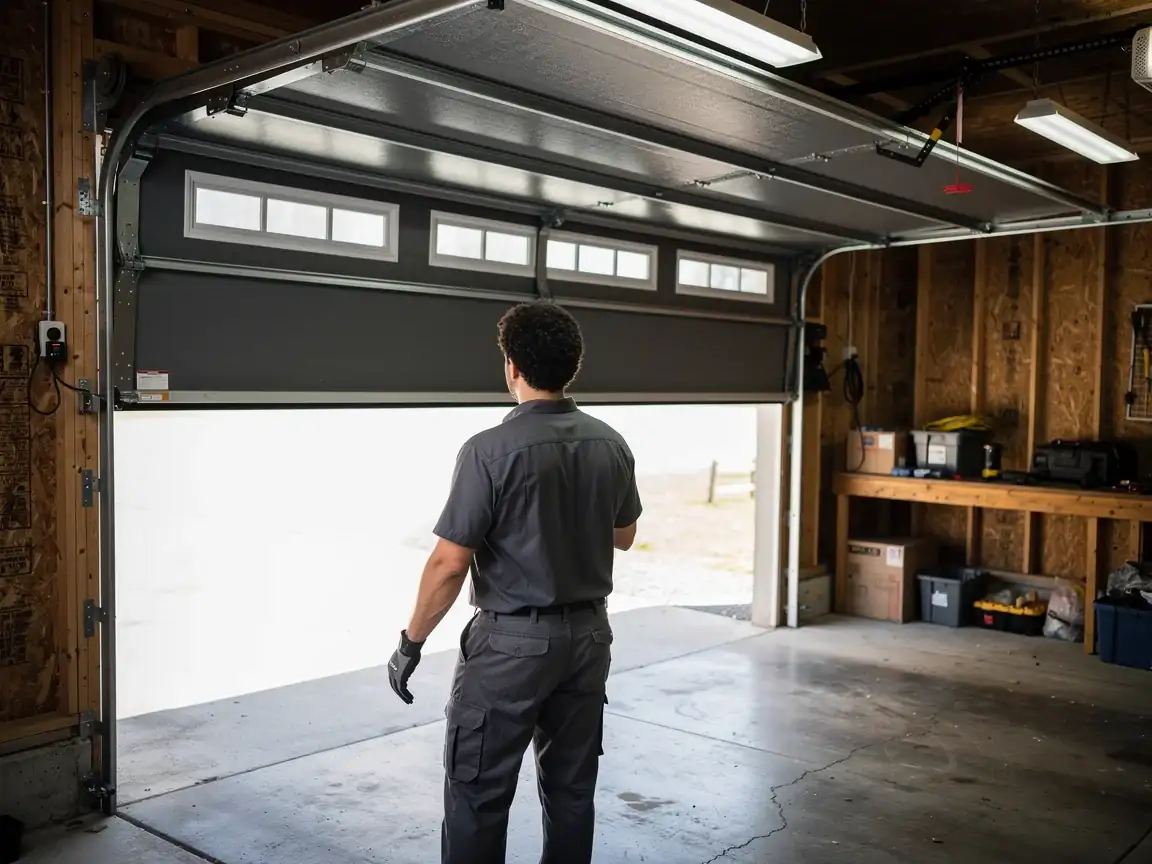
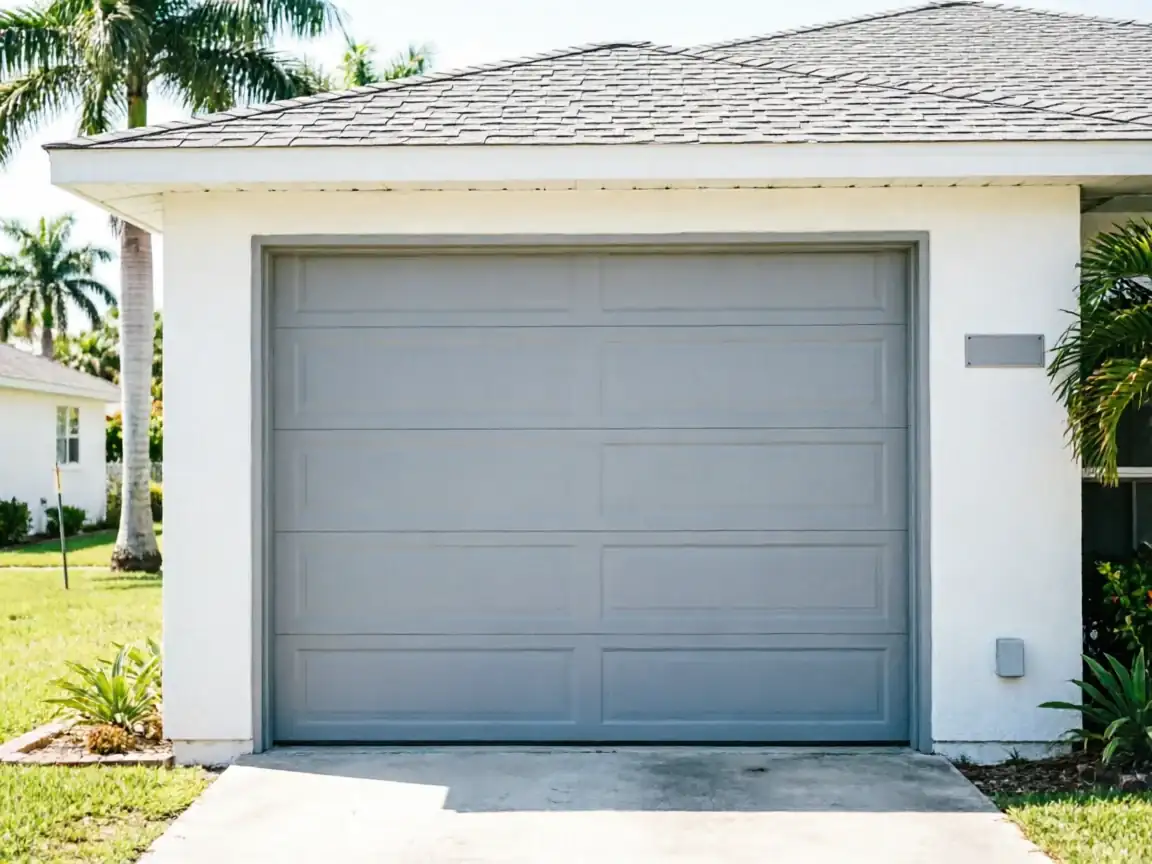
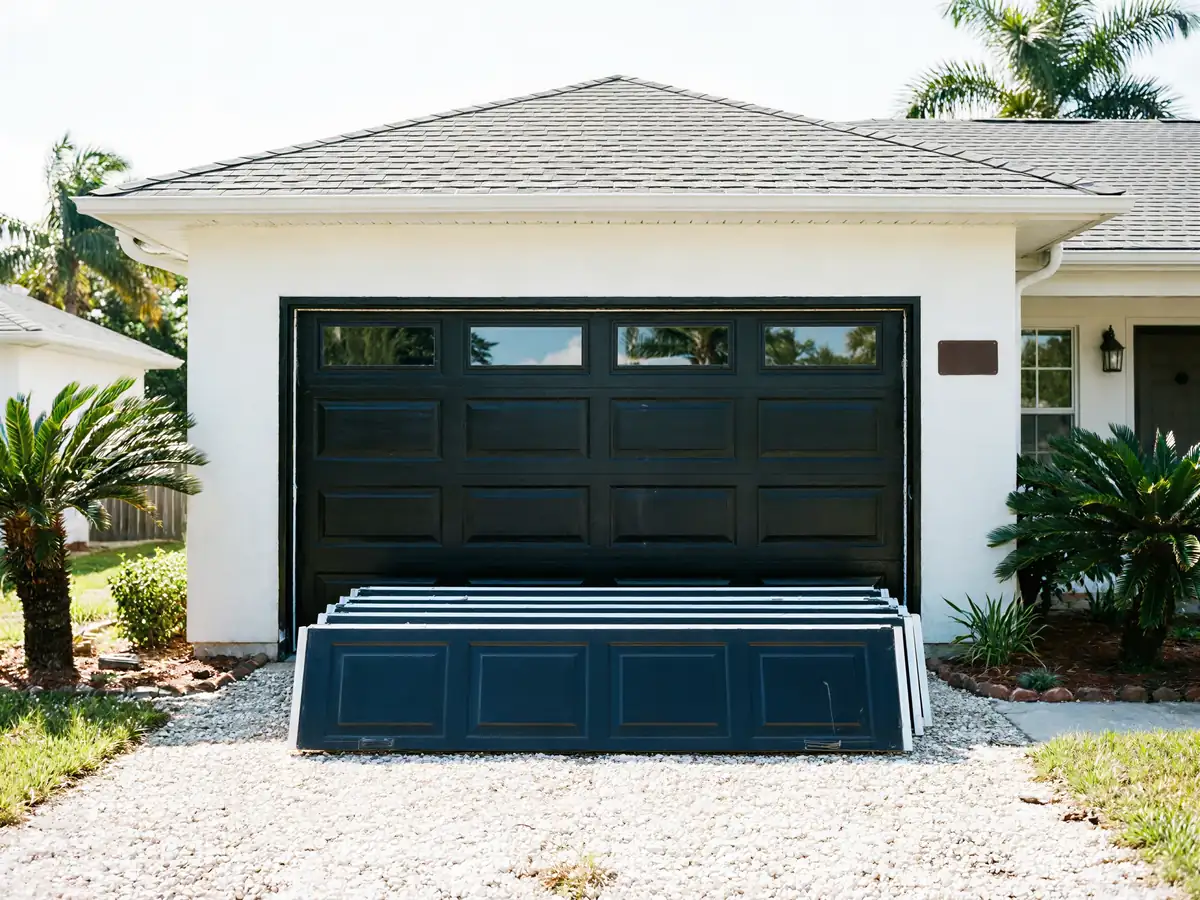
On the newer end of the range, houses built closer to 2008 have straighter openings and fewer surprises, but the door itself is often the original builder-grade unit - light, thin, and due for replacement anyway. Either way, installation here is rarely a drop-in swap. It starts with measuring the actual opening as it sits today, not as it was built.
Why This Fails Locally
Homestead sits in a mild temperate band
Which sounds like an easy climate for a garage door, and in some ways it is - no deep freeze to crack seals, no snow load on the header. But mild and steady also means doors sit through long stretches of heat and humidity without the seasonal swing that would otherwise flex old caulk and gaskets loose on their own schedule, so wear shows up as warping and bottom-seal failure on its own timeline, not the one a manual predicts.
Paired with the age of the housing stock
This plays out as a slow failure rather than a sudden one. The track mount loosens a sixteenth of a turn at a time. The panel bows slightly where the old insulation foam has broken down. Nobody notices until the door won't seal at the bottom and the garage starts holding heat it never used to.
This is also where a straight swap-in installation goes wrong
A new door installed against an old, slightly out-of-true opening without reframing the track mounts will show the same symptoms again in a year or two, just with new parts. The honest fix sometimes costs more than the quote you got for the door alone.
Booking a Visit
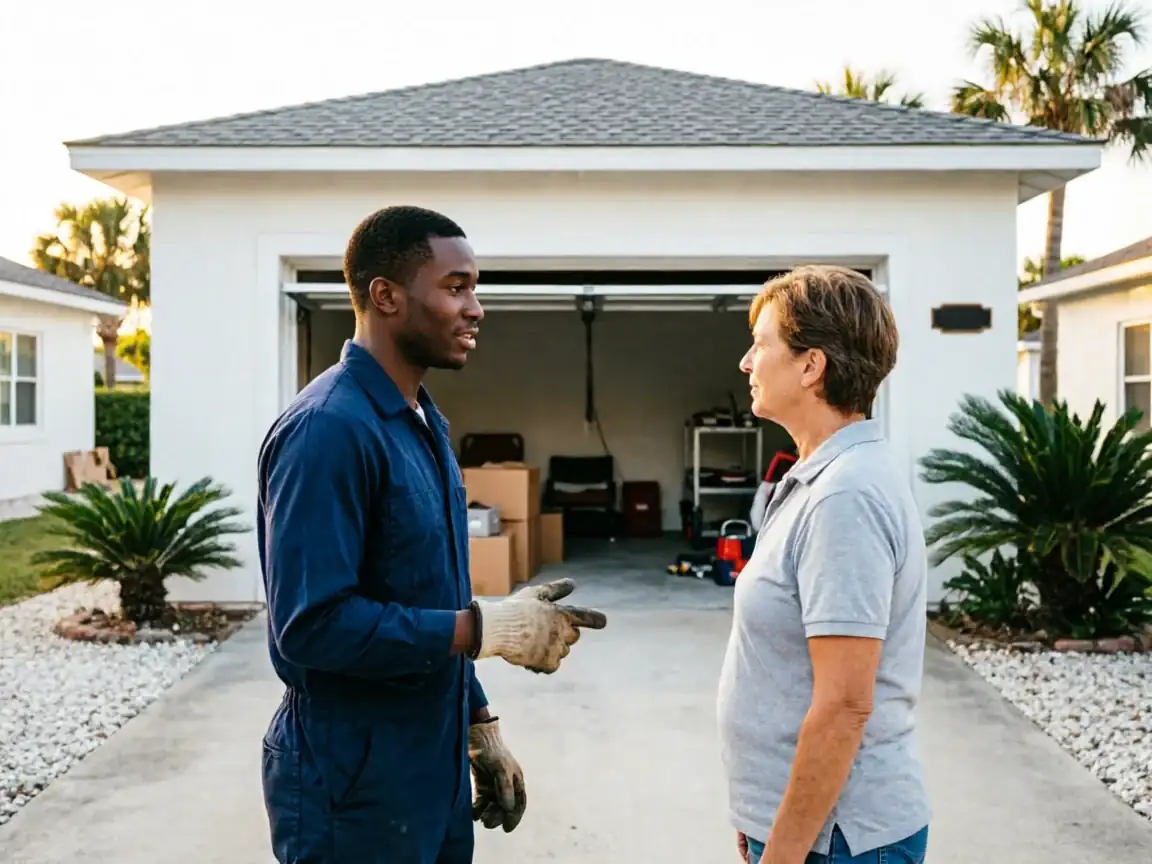
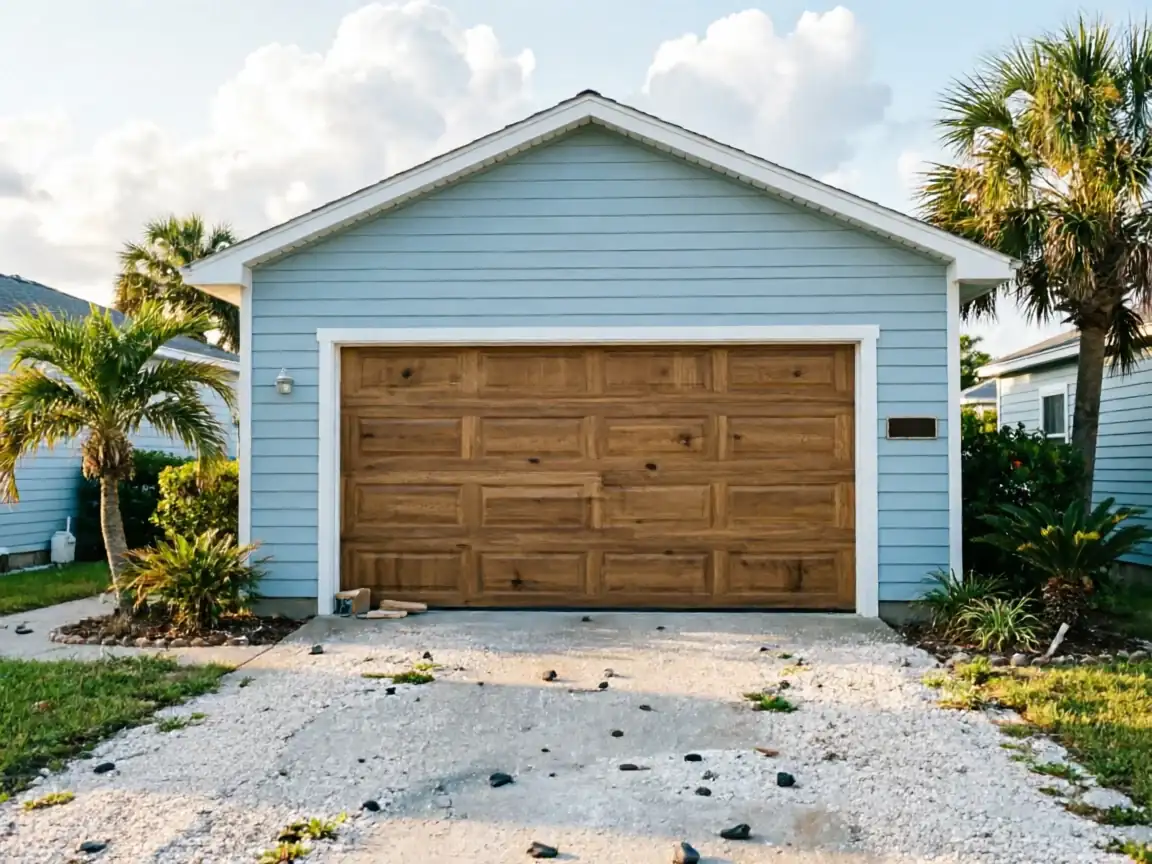
We measure before we quote. On a house in this age range, that means checking the opening for square, checking the header for settling, and only then pricing a door and track package that will actually seat flat. If your garage was built or added onto outside the normal run - a detached garage, a converted carport - tell us when you call, since those openings don't always follow the same pattern as the attached garages most houses here have.
One limit worth saying plainly: if your opening is badly out of square, we may recommend reframing the track mounts as part of the job rather than fighting the old lumber. That adds a step, and we'll tell you the real number before we start, not after.
Serving Homestead and the surrounding area out to about 19 miles, including Leisure City, Florida City, Naranja, Homestead Base, Princeton, Goulds, South Miami Heights, Richmond West, Cutler Bay, and the other named areas nearby. Call or use the contact page to get a measurement scheduled.