What Changes With the Season
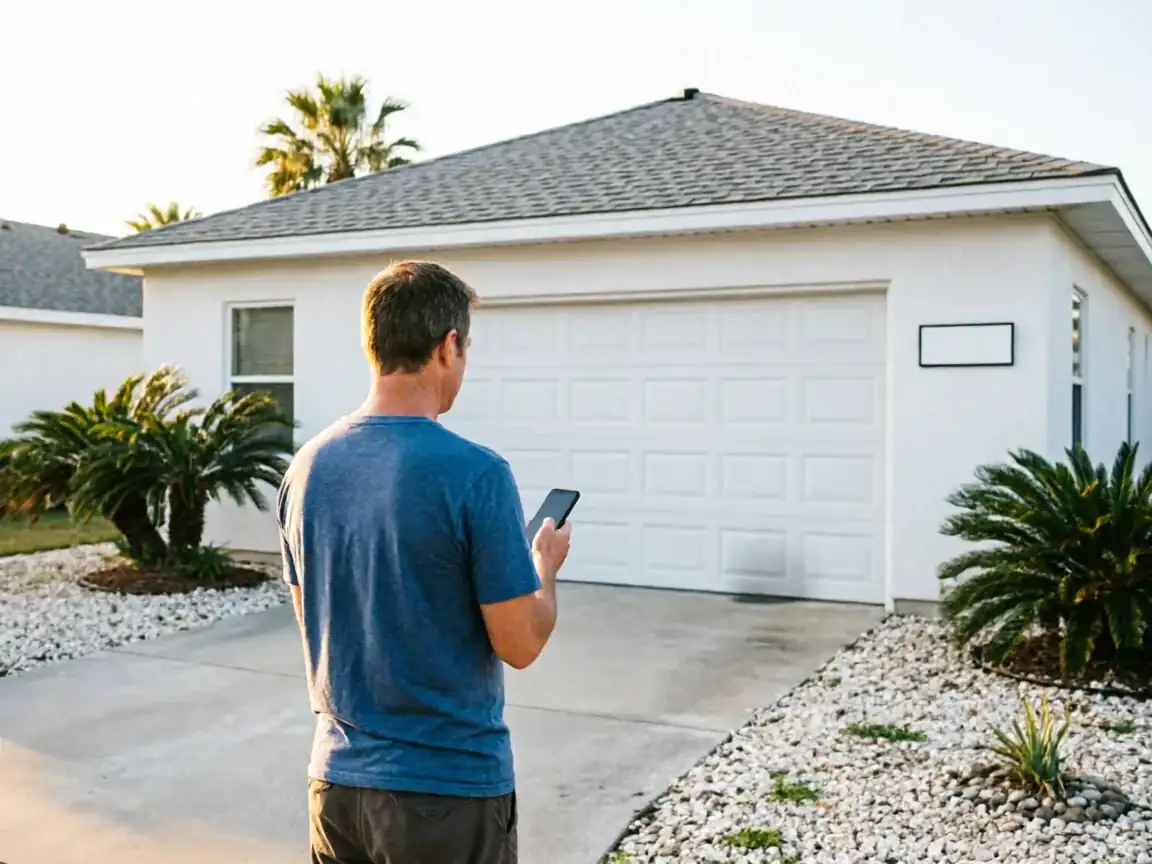
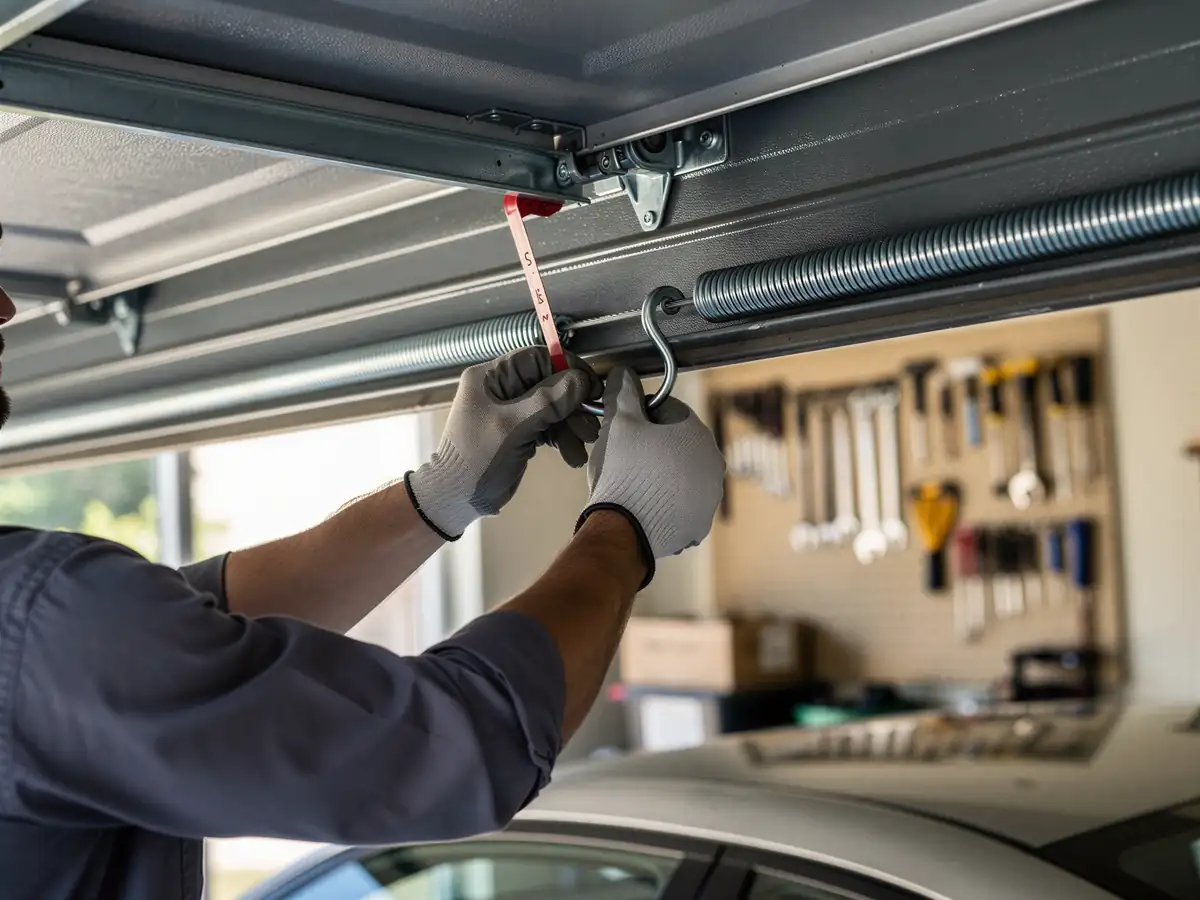
Homestead doesn't get the hard freeze-thaw cycle that wrecks doors up north, and that's the upside of the mild temperate band this area sits in. What you do get is steady heat and humidity for most of the year, with no real cold snap to tighten or loosen hardware the way it does elsewhere. That sounds easy on a door, and in some ways it is - less metal fatigue from expansion and contraction swings. But it also means any weatherstripping or seal failure doesn't announce itself with a dramatic draft. It shows up slowly, as moisture working into the bottom panel or the track rusting from humidity rather than road salt. A door that looks fine in January can have a seal that's been letting damp air in since last summer. The lack of a real winter means problems here are gradual, not sudden, which is exactly why they get ignored until the bottom panel is soft or the track is pitted.
The Problem
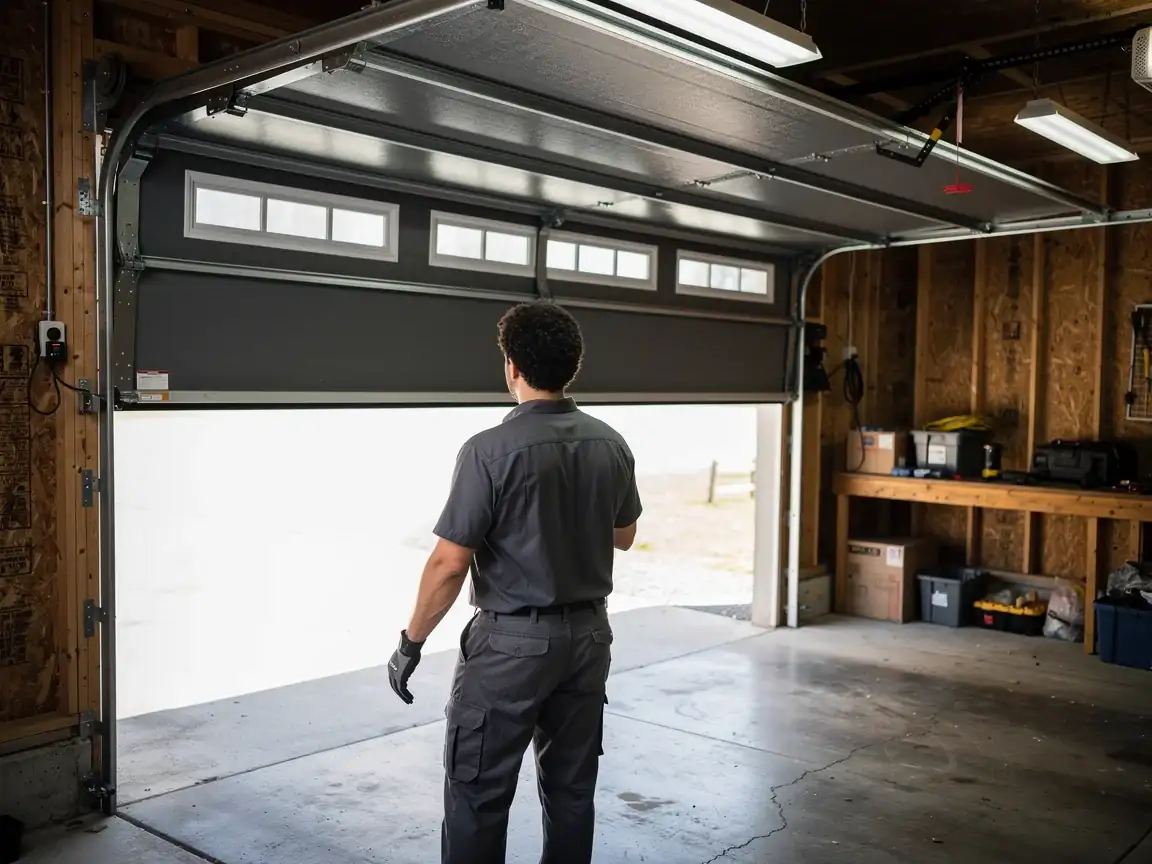
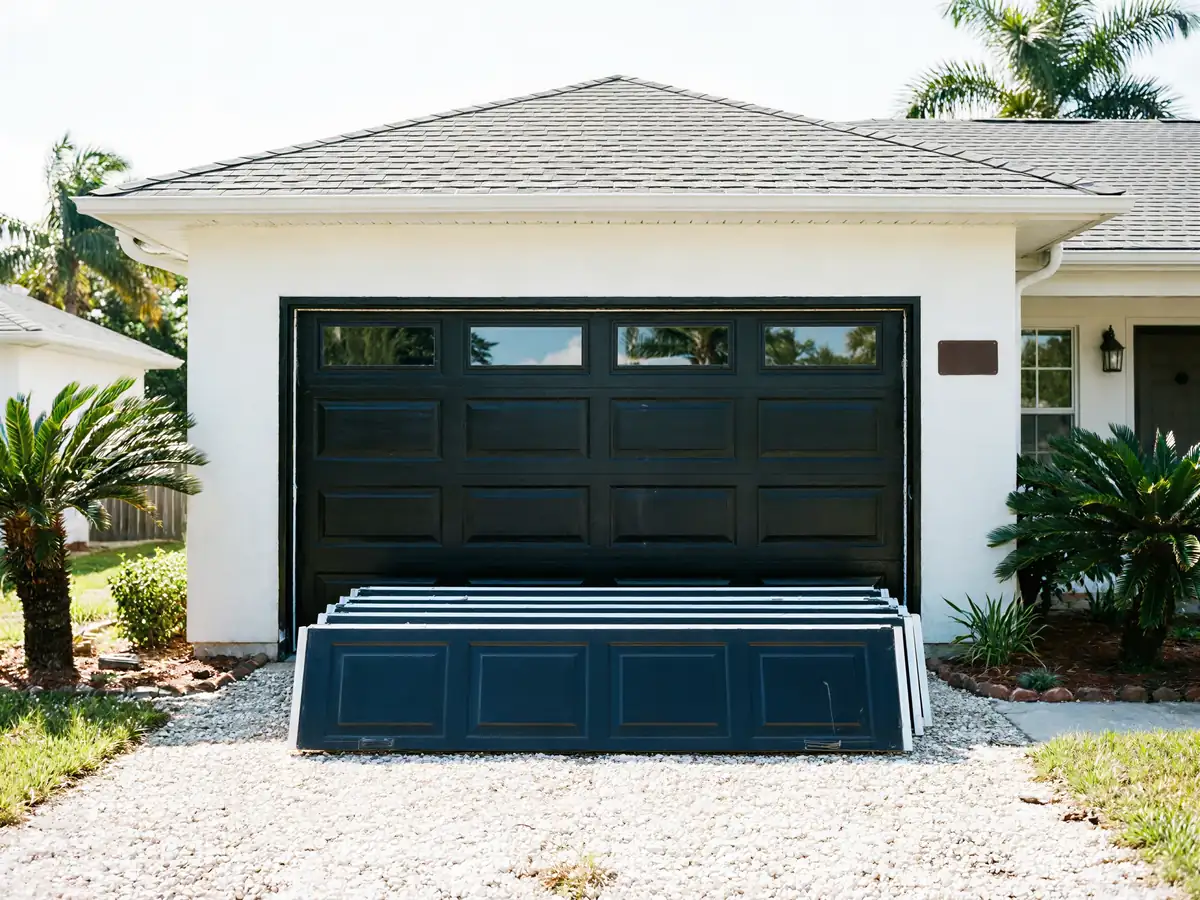
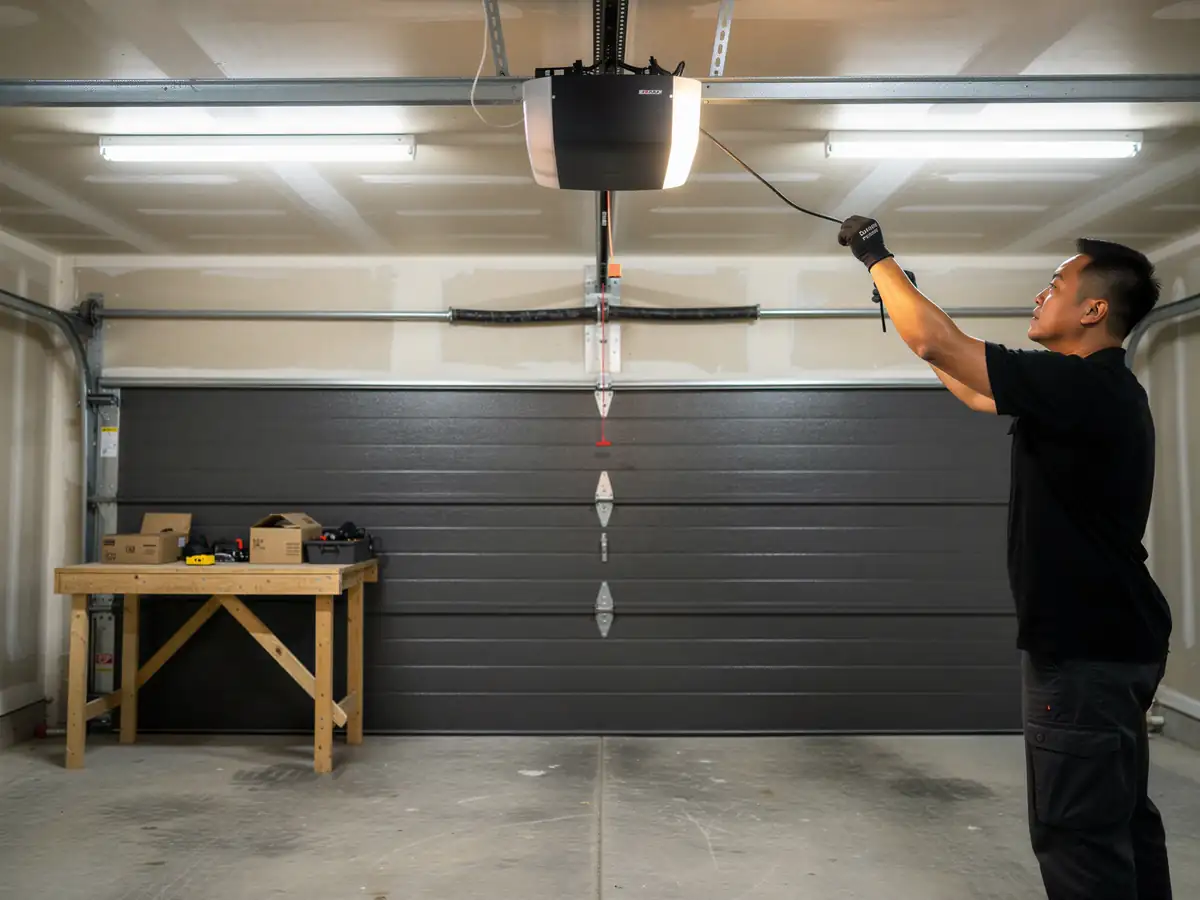
Most of the housing stock in this area went up between 1957 and 2008, with the median build year sitting around 1979. That's a long span, and it matters because a lot of garage doors out there are original or close to it - installed when the house was built and never swapped since. A door from the late 70s or early 80s was built for a different set of expectations: lighter gauge steel, basic springs, hardware that was fine for its time but has no wind-load rating anyone would sign off on today. If your house falls into that 1960s-70s stock that's common across the named communities here, there's a decent chance your door predates any meaningful upgrade in panel strength or opener safety reversal standards.
How Local Conditions Play In
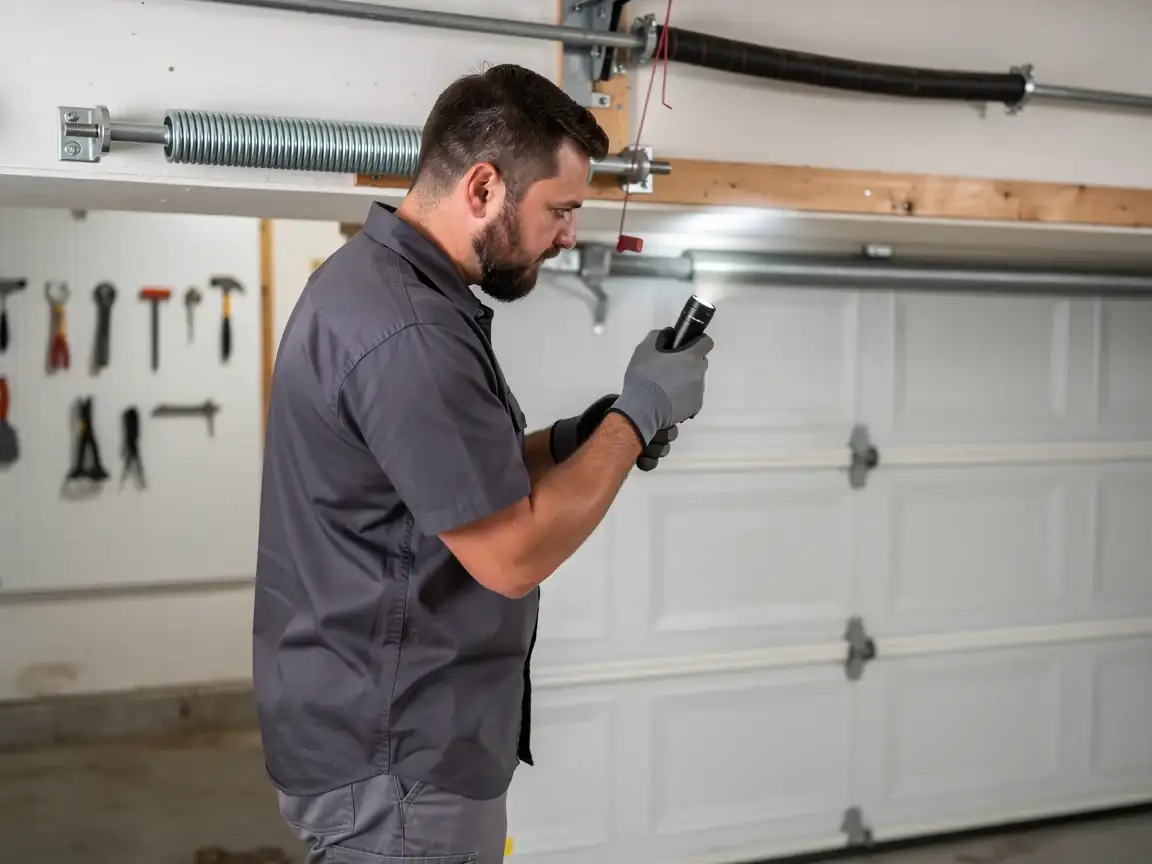
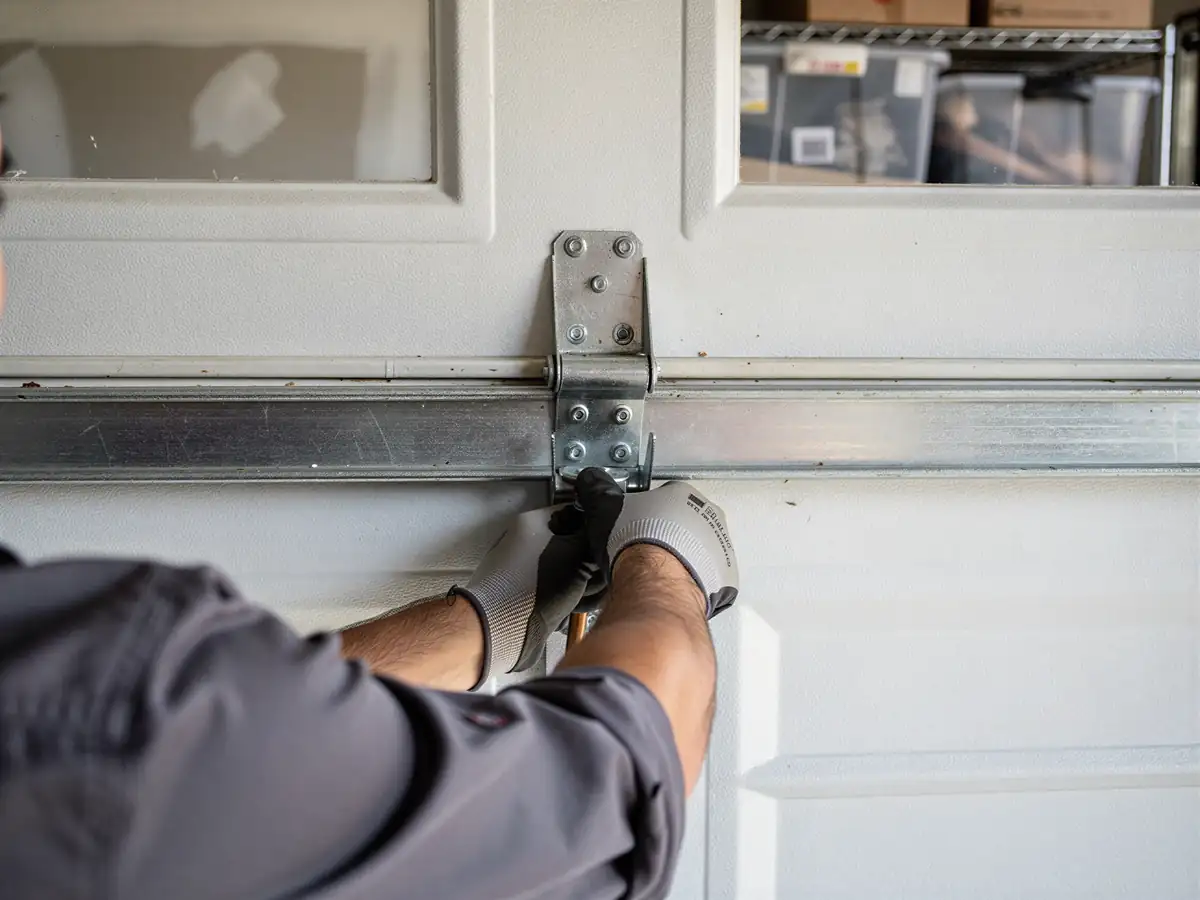
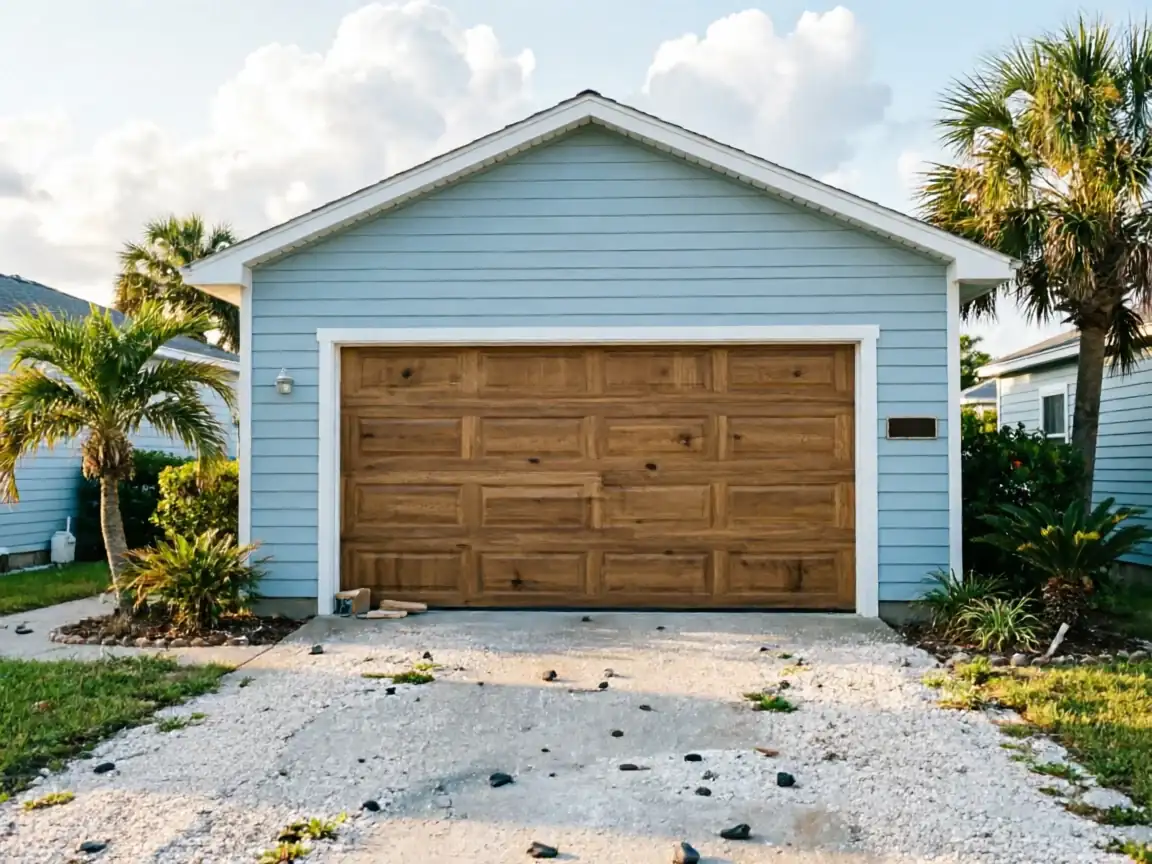
The mild temperate climate here is kinder to a door than most places get, which is worth saying plainly - we're not fighting ice damming or deep frost heave under a slab. But humidity is constant, and across the stretch of neighborhoods within a few miles - Leisure City and Florida City are both about 2 miles out, Naranja and Homestead Base around 4 - the older stock from that 1957-2008 window tends to share the same weak points: galvanized hardware that's been slowly corroding for decades, and tracks mounted on foundations that have shifted a little with the sandy, flat terrain typical of this part of Florida. None of that is dramatic. It's just steady wear with no winter to mask it or announce it. A replacement door chosen for this area should account for sustained heat and moisture exposure, not for a freeze it will never see.