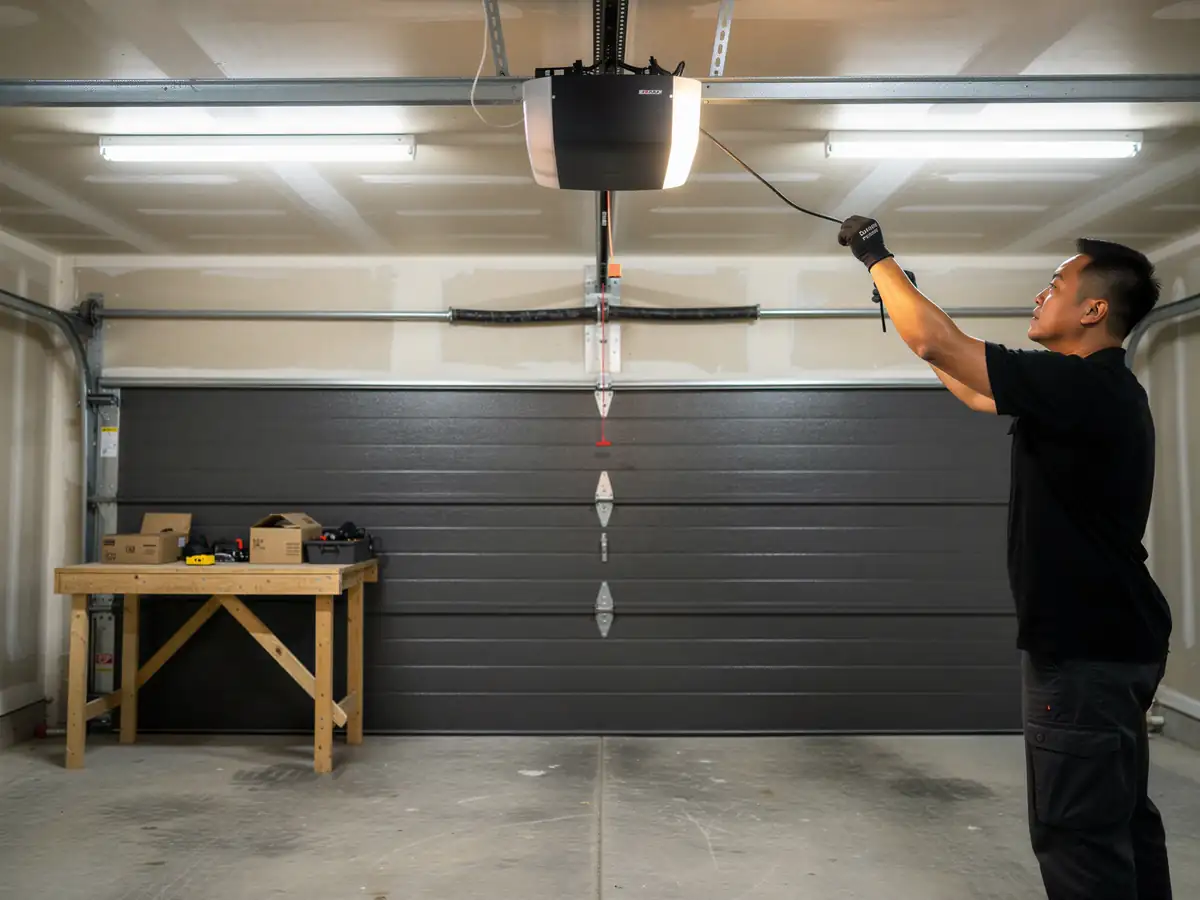
How We Fix It
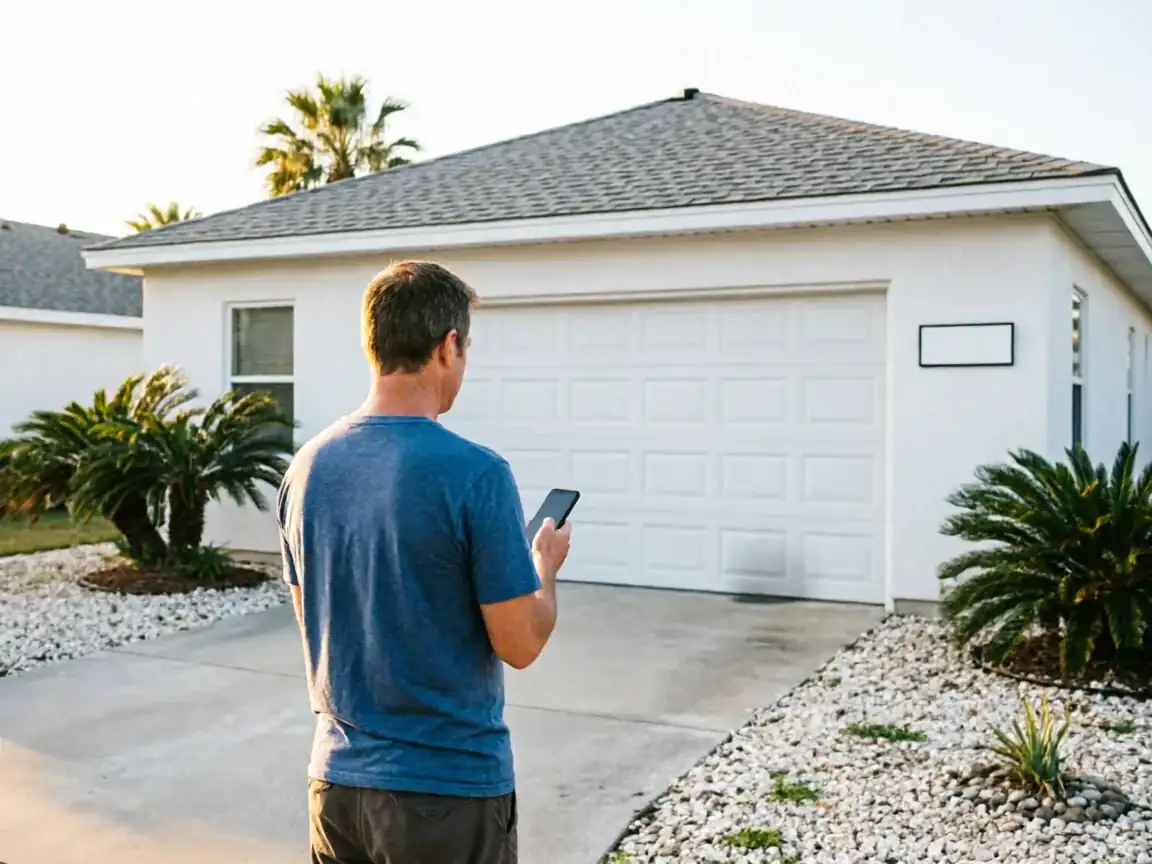
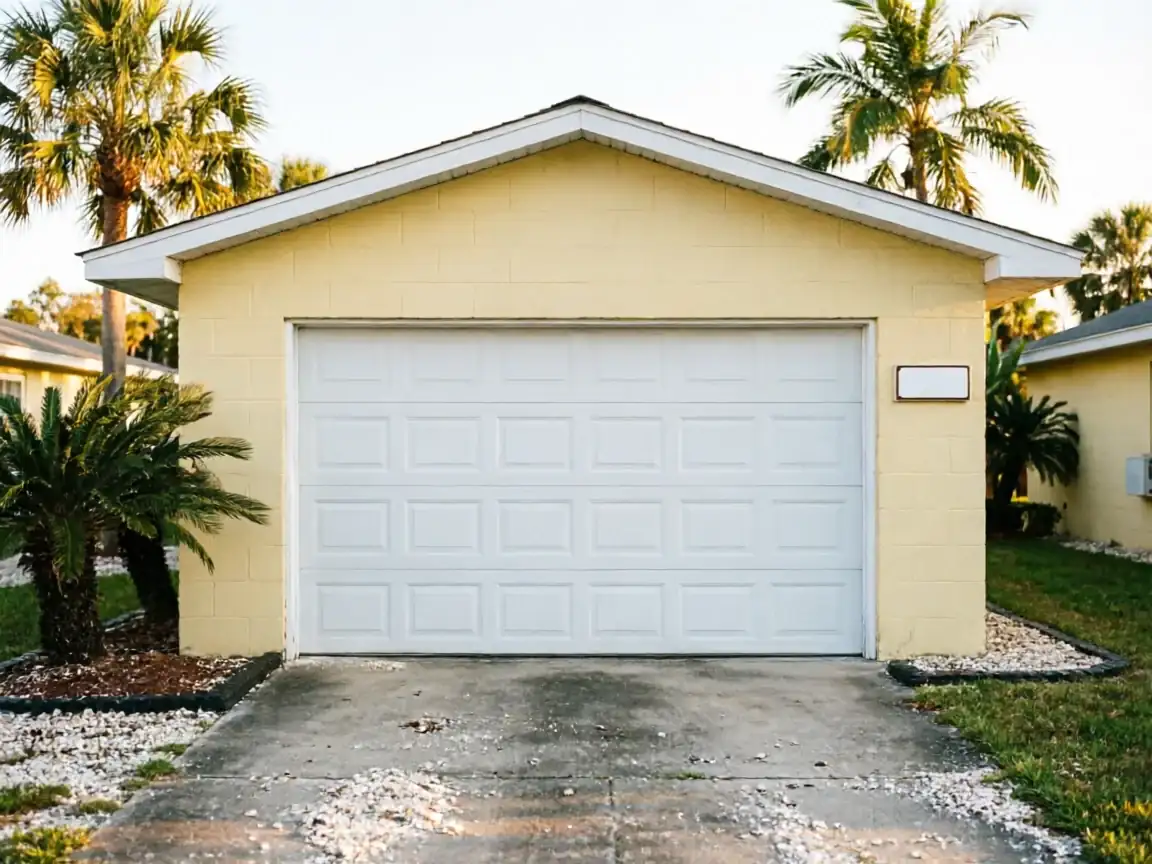
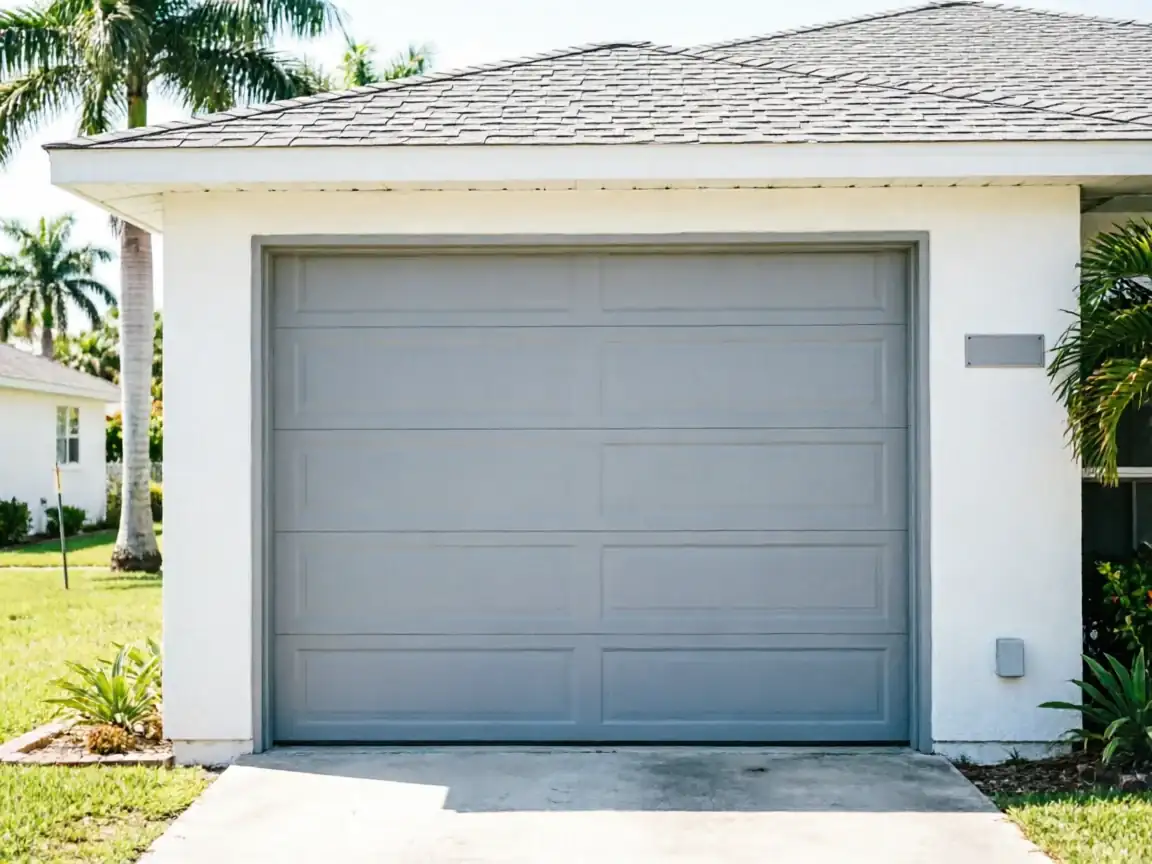
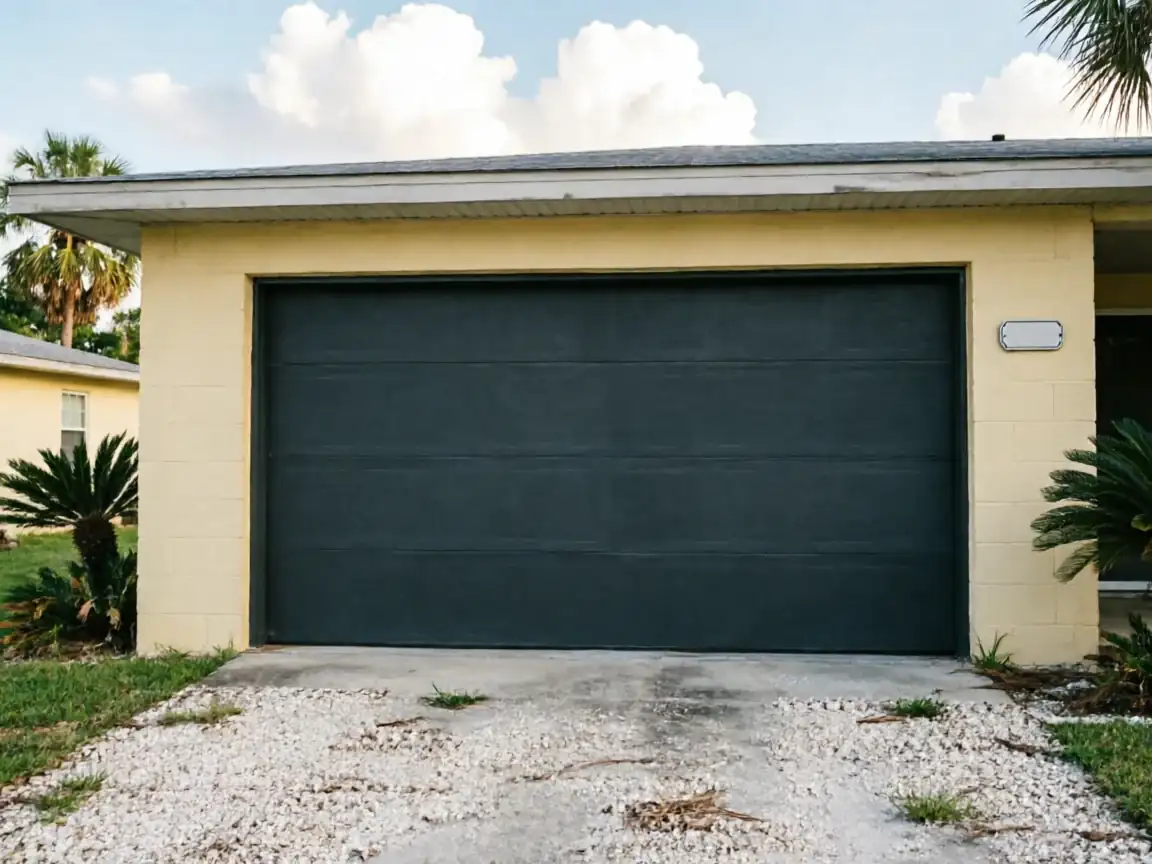
Most garages in Three Lakes went up around 1997, give or take a few years either side of that build wave. That means a two-car steel sectional door, usually 16 feet wide, hung on standard-lift track with a single torsion spring or a pair of extension springs depending on who built the house. These doors are heavier than the wood or lighter-gauge panels common in older neighborhoods, and that weight is the first thing we check before we touch the opener.
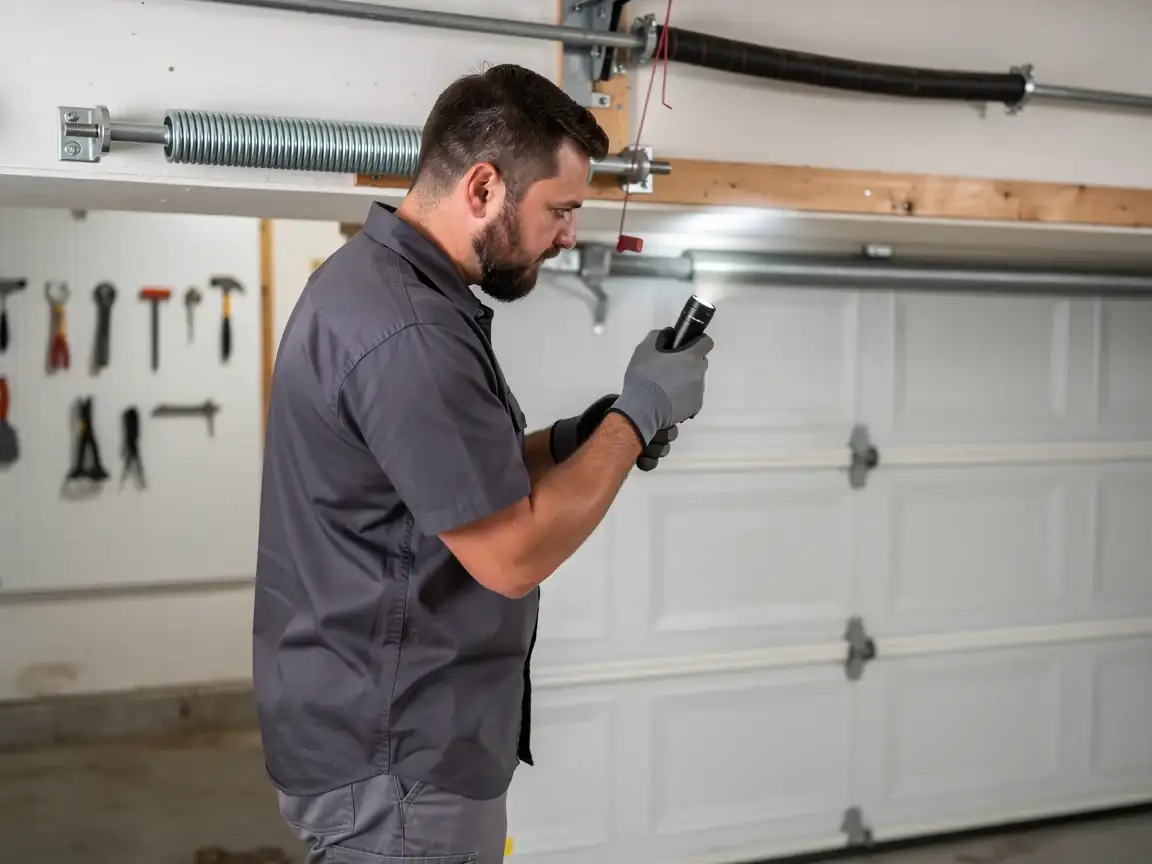
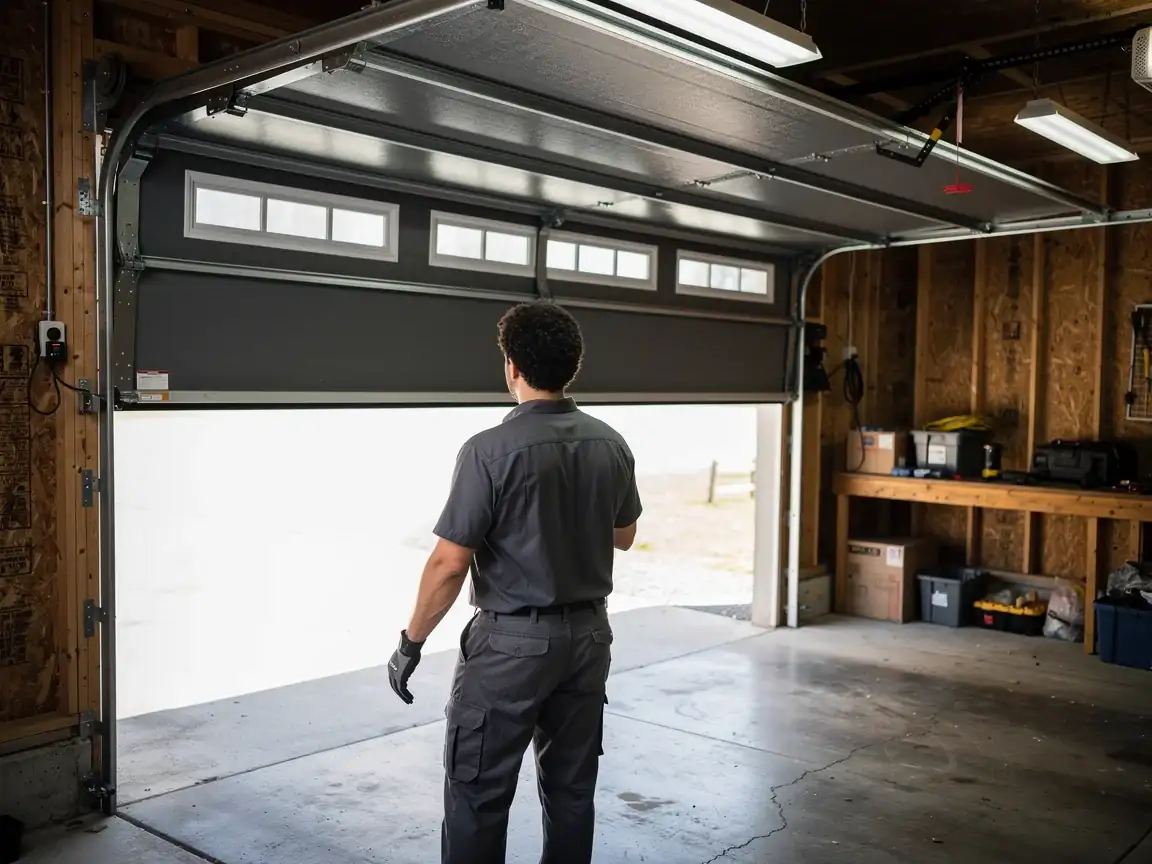
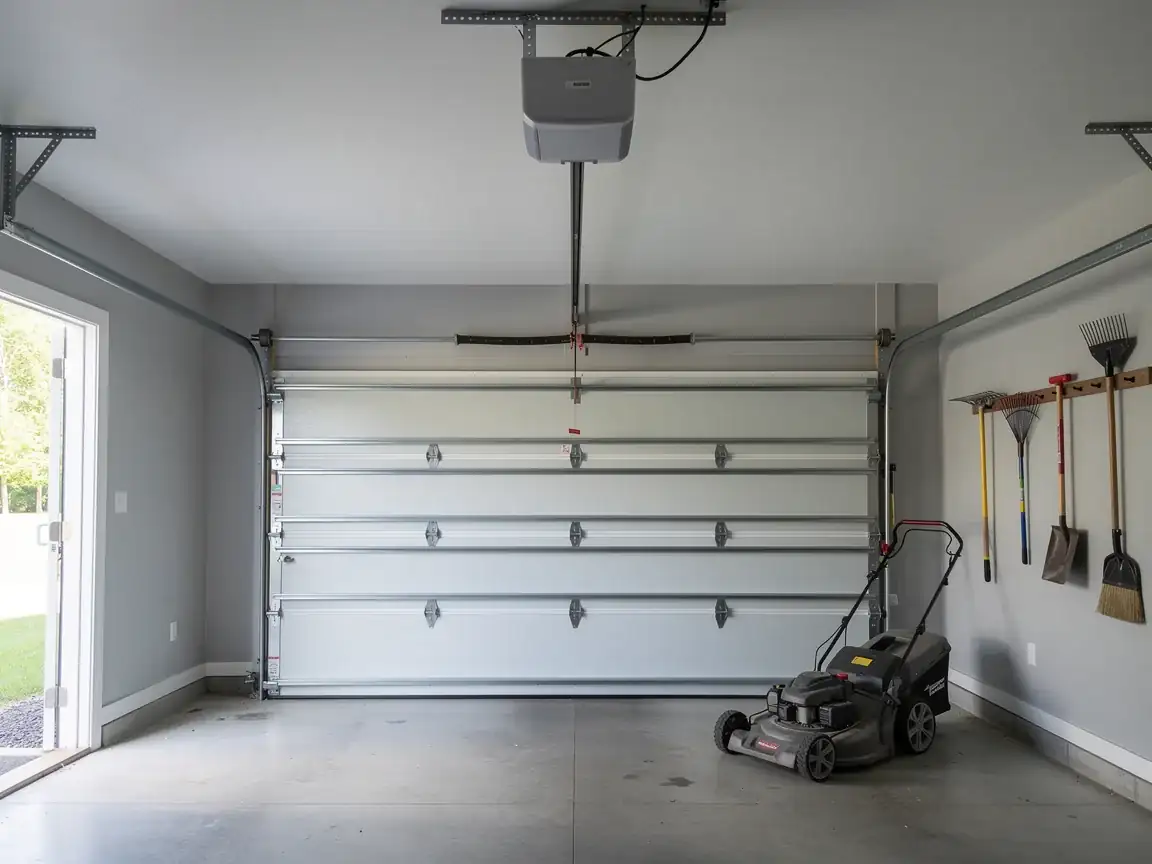
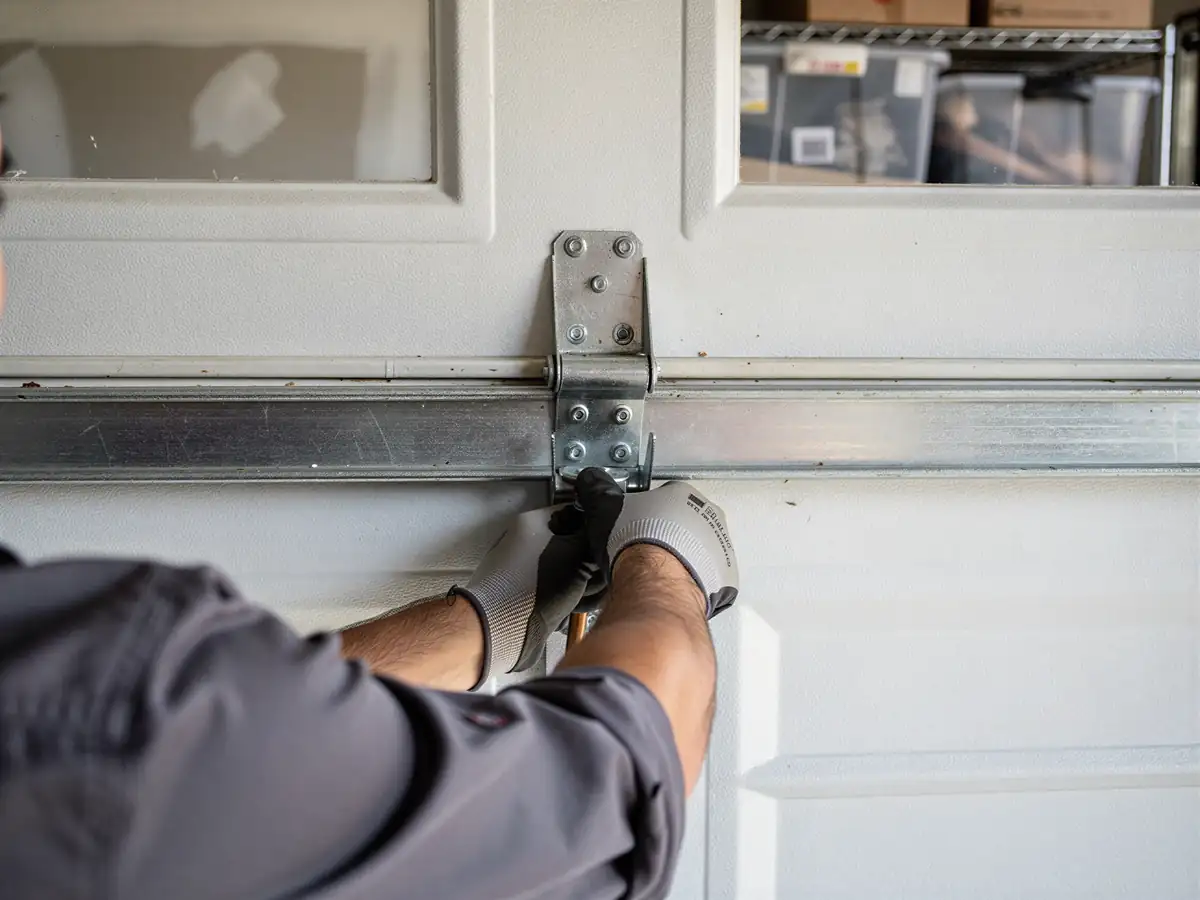
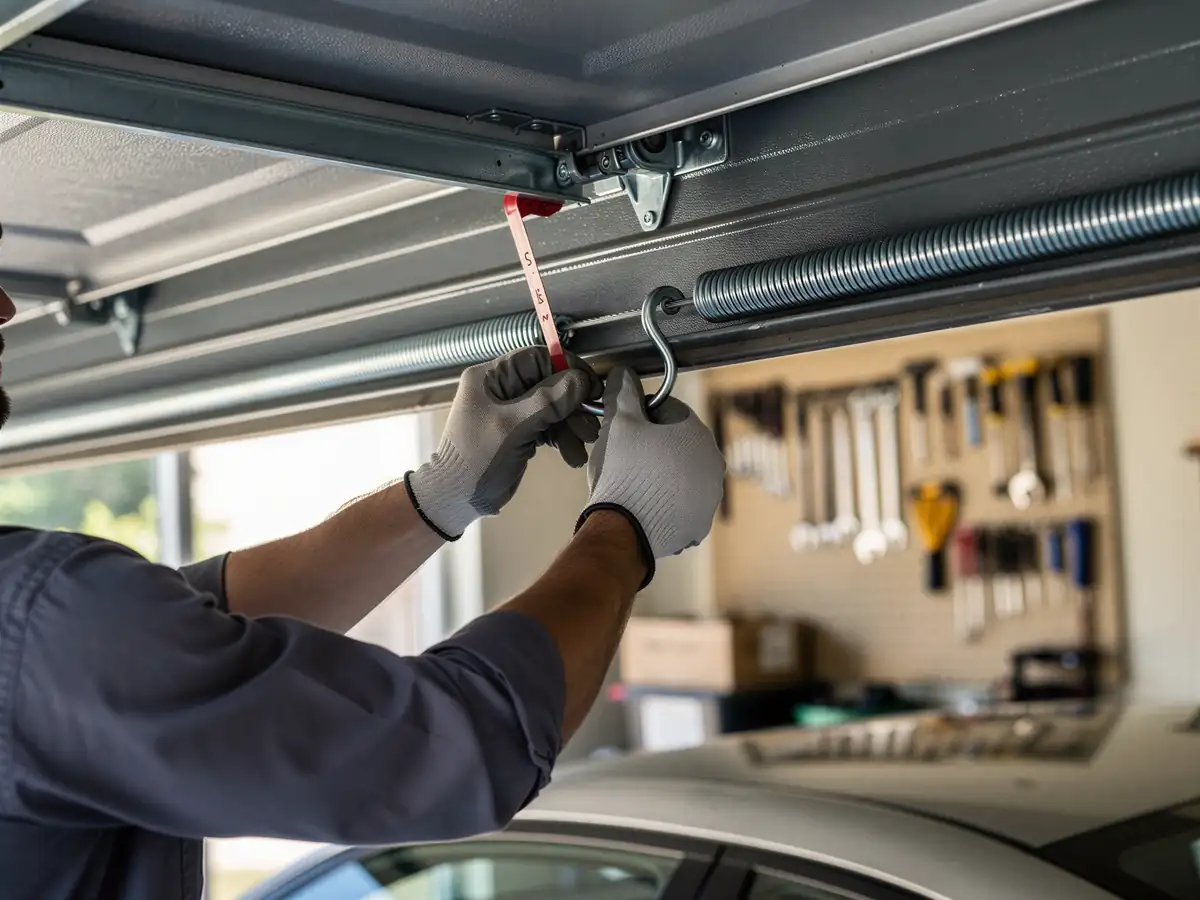
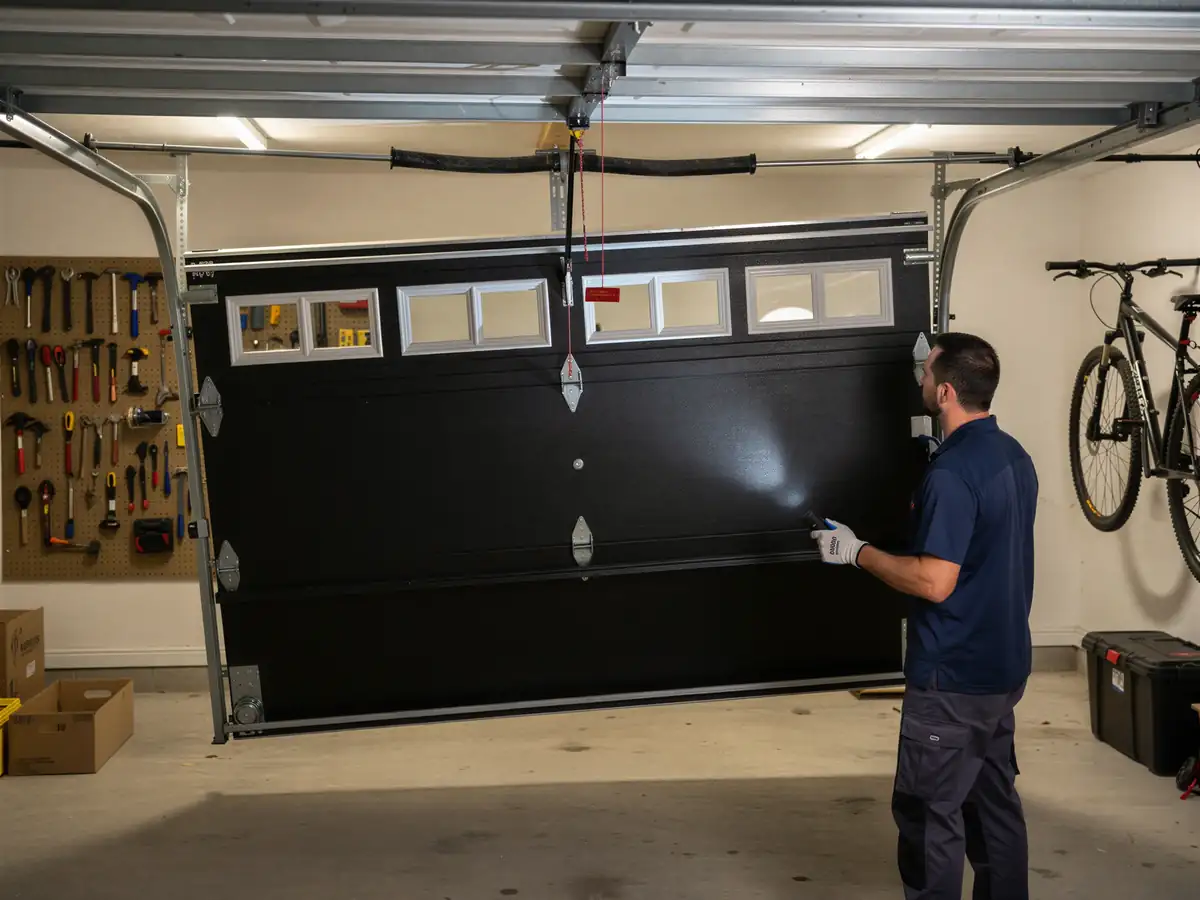
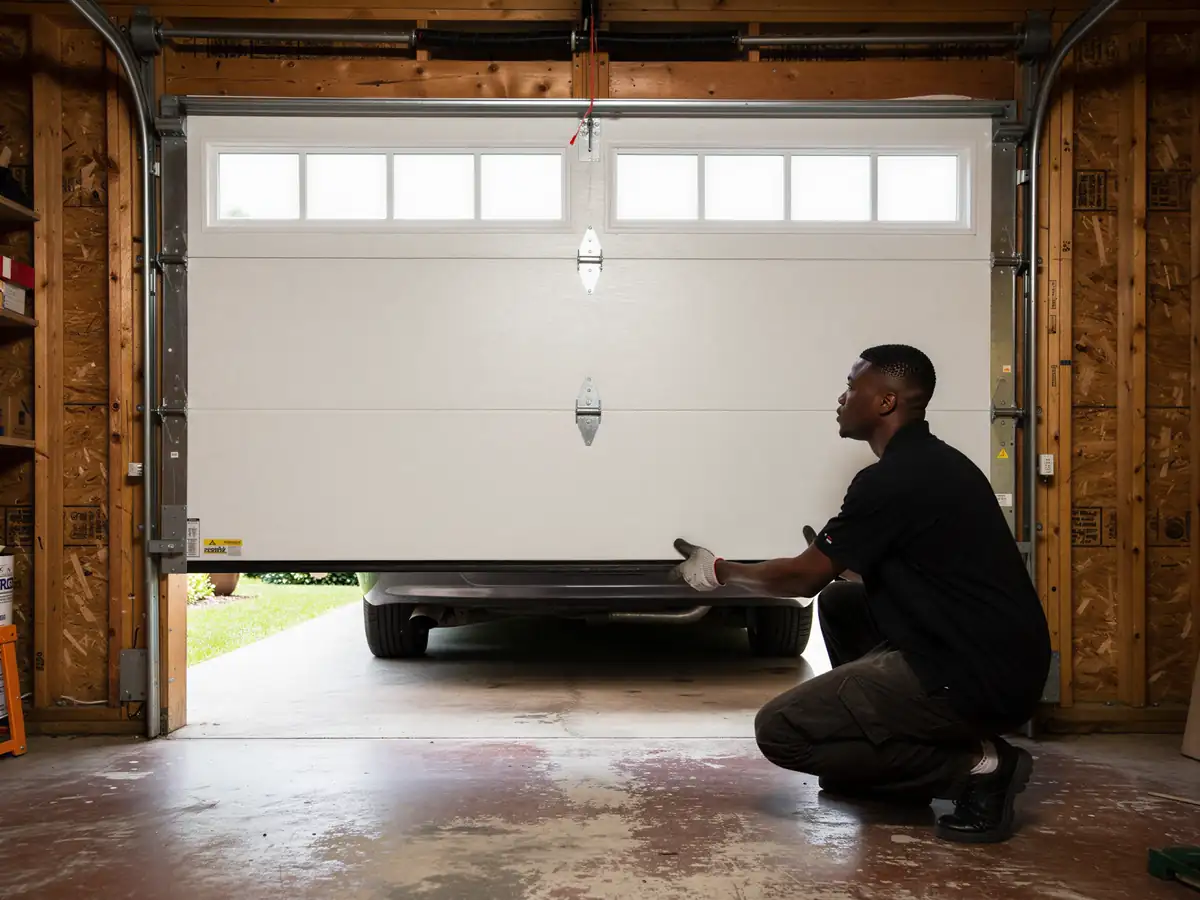
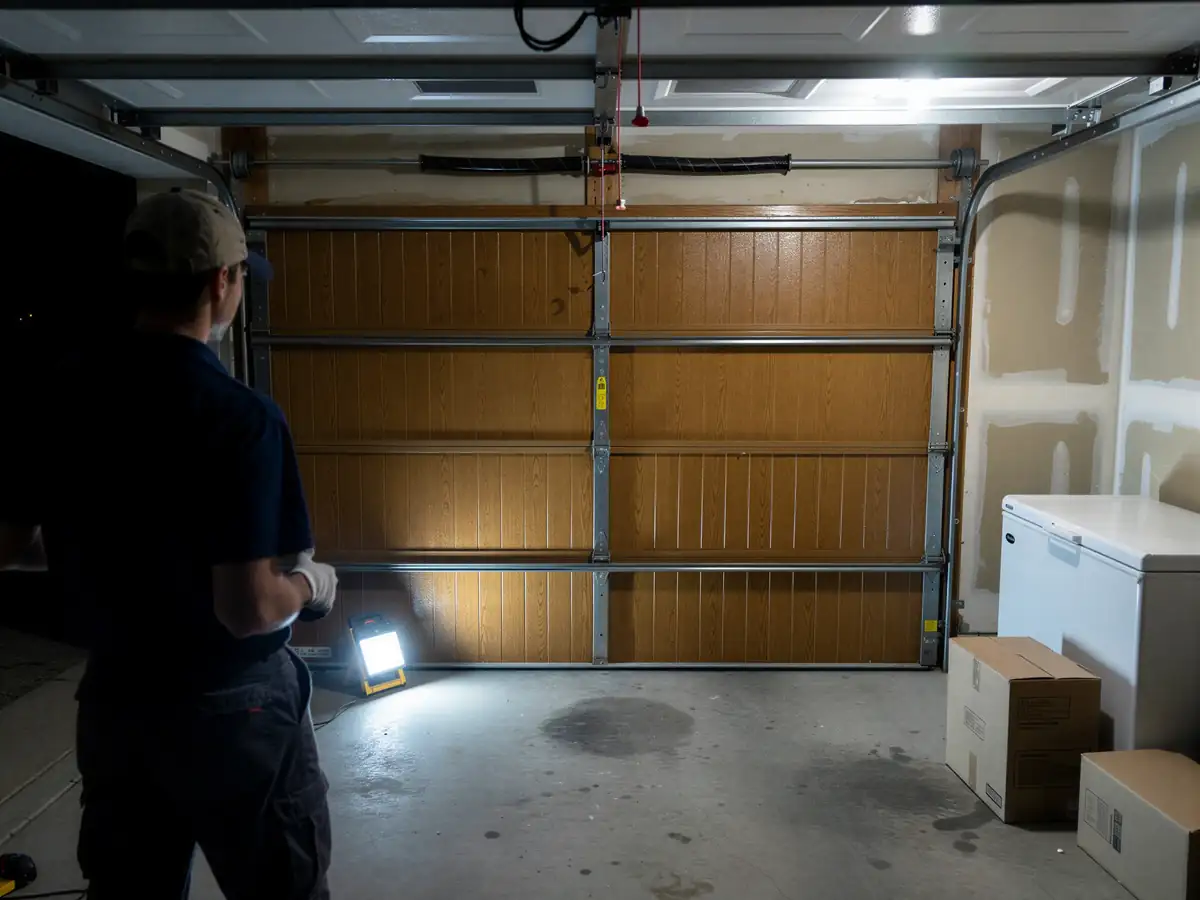
We start by confirming the door itself is balanced and moving freely on its track before any new opener goes up. A new motor bolted to a door that drags or binds will fail early no matter how good the unit is, and we've seen it happen. Once the door is right, we mount the opener to match the door's weight and travel distance, run the safety sensors at the height code calls for, and set the force and limit settings so the door reverses properly if it meets resistance. We don't skip the balance check to save time - it's the step that decides whether the installation lasts.
What You Are Seeing
If your opener is from the original build era, it's pushing 25-plus years on the same chain or screw drive, and the symptoms show up as grinding at startup, a door that reverses for no reason, or a remote that only works from ten feet away. On a house this age, that's usually the drive gear wearing down inside the housing, not something worth patching.
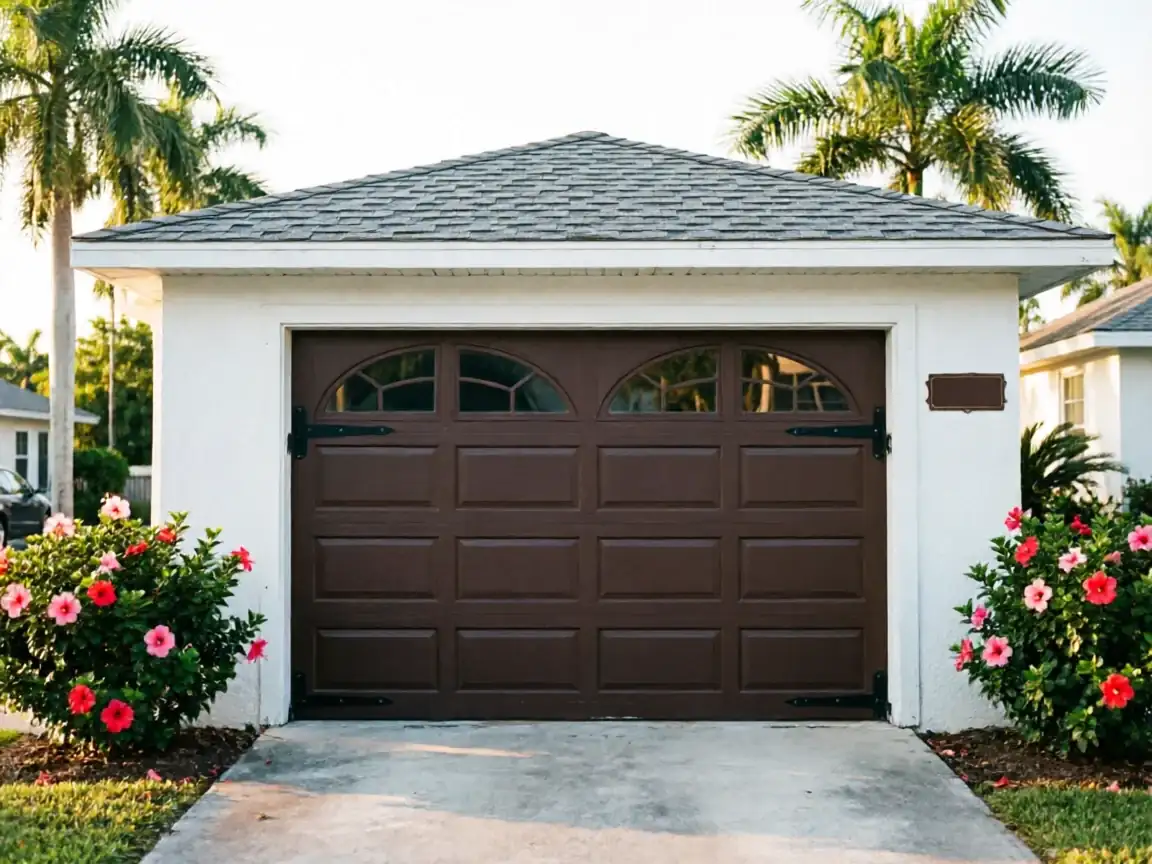
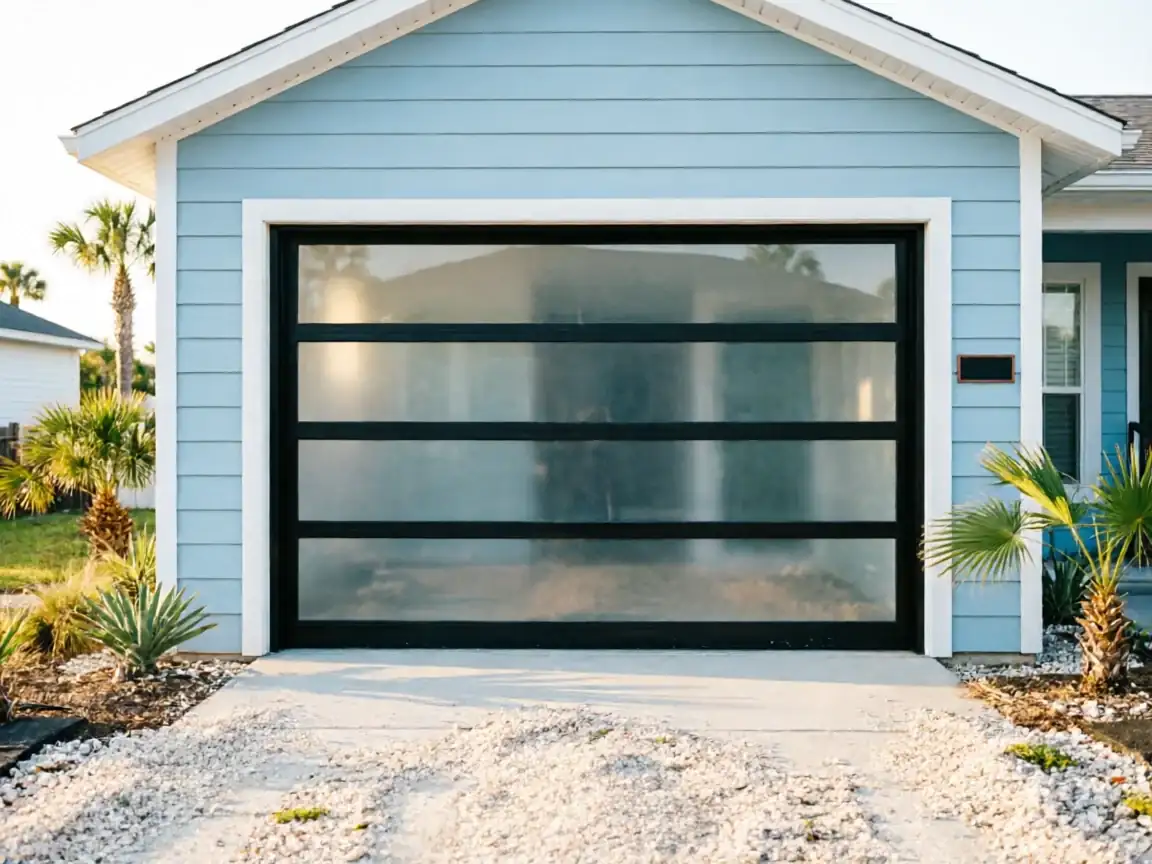
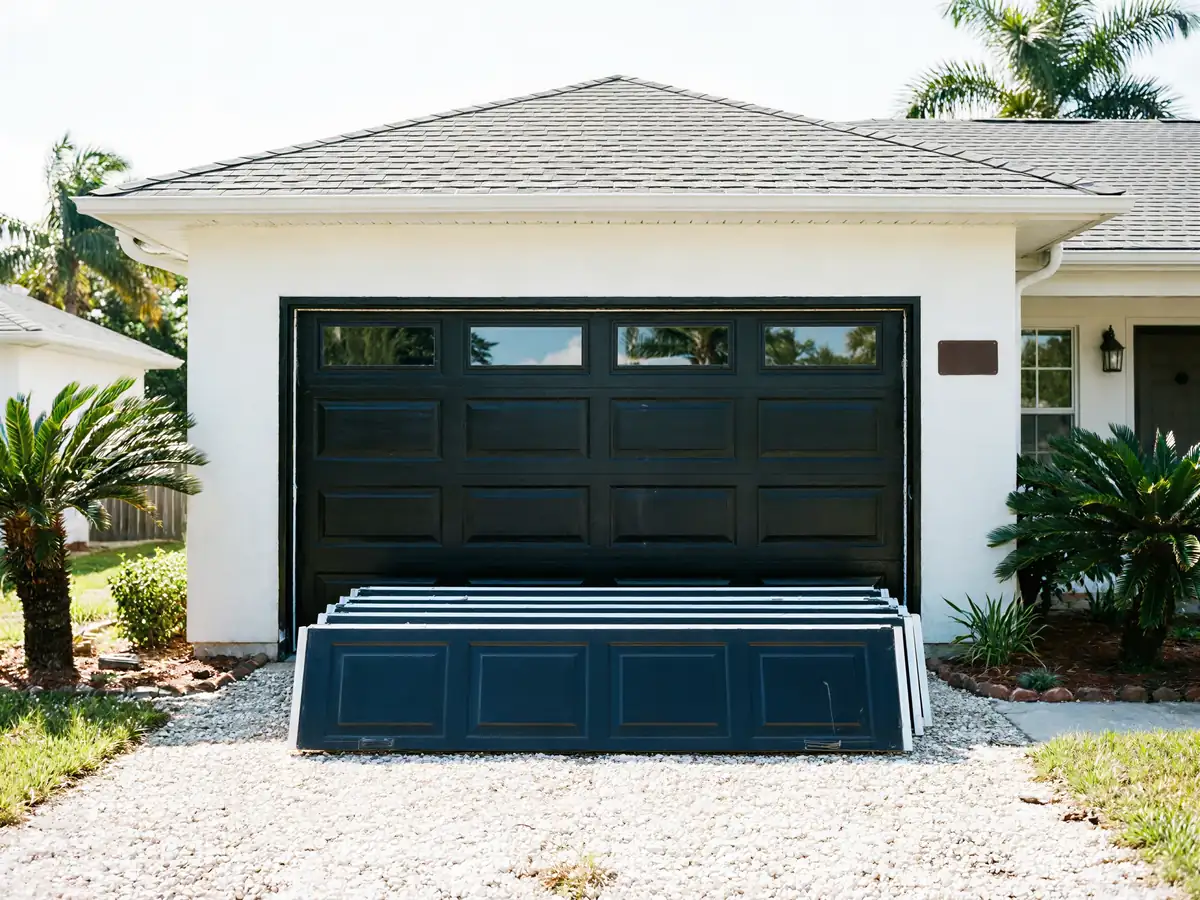
Some Three Lakes owners have already swapped in a newer steel door with foam insulation since the original build, which adds weight the old opener motor was never sized for. If your door opens slow or the opener strains and clicks instead of lifting smoothly, that mismatch between door weight and motor size is a common cause out here, not a wiring problem.
The DIY Question
A standard chain-drive opener kit from a box store is a reasonable weekend project if your door is already balanced and the existing track and springs are sound
Where people get into trouble is wiring the safety reversal sensors wrong or mounting the unit to a door that's out of balance - both show up later as a door that won't close all the way or reverses on its own.
We won't talk you out of doing it yourself if you're comfortable with it
Where we're useful is when the door is heavier than a standard kit is rated for, which is common on the newer insulated steel doors replacing older panels in this area, or when the existing spring setup needs adjusting first. That's not a job to guess at.
What Is on the Truck
We carry openers in a few horsepower and drive-type options - chain, belt, and screw drive - because a standard two-car door from the 1997 build wave doesn't need the same motor as a heavier insulated replacement door. We also carry the sensor brackets, rail sections, and mounting hardware needed to fit openers to track configurations from that era, since some of the original brackets don't match what current opener kits ship with.
One limit worth naming: if your opener needs a part specific to a brand that's since changed its mounting standard, we may need to order it rather than complete the swap same visit. That's uncommon, but it happens with older drive systems.
How Long It Takes
A straight opener swap on a balanced door - same mount points, same door weight - is usually a same-visit job once we're on site. Add time if the door needs a balance adjustment first, which comes up more often on houses where the original door has been replaced with a heavier insulated one since 1997. We travel the 12 miles out from Homestead for the job, so we schedule the visit rather than drop in without notice.