How We Fix It
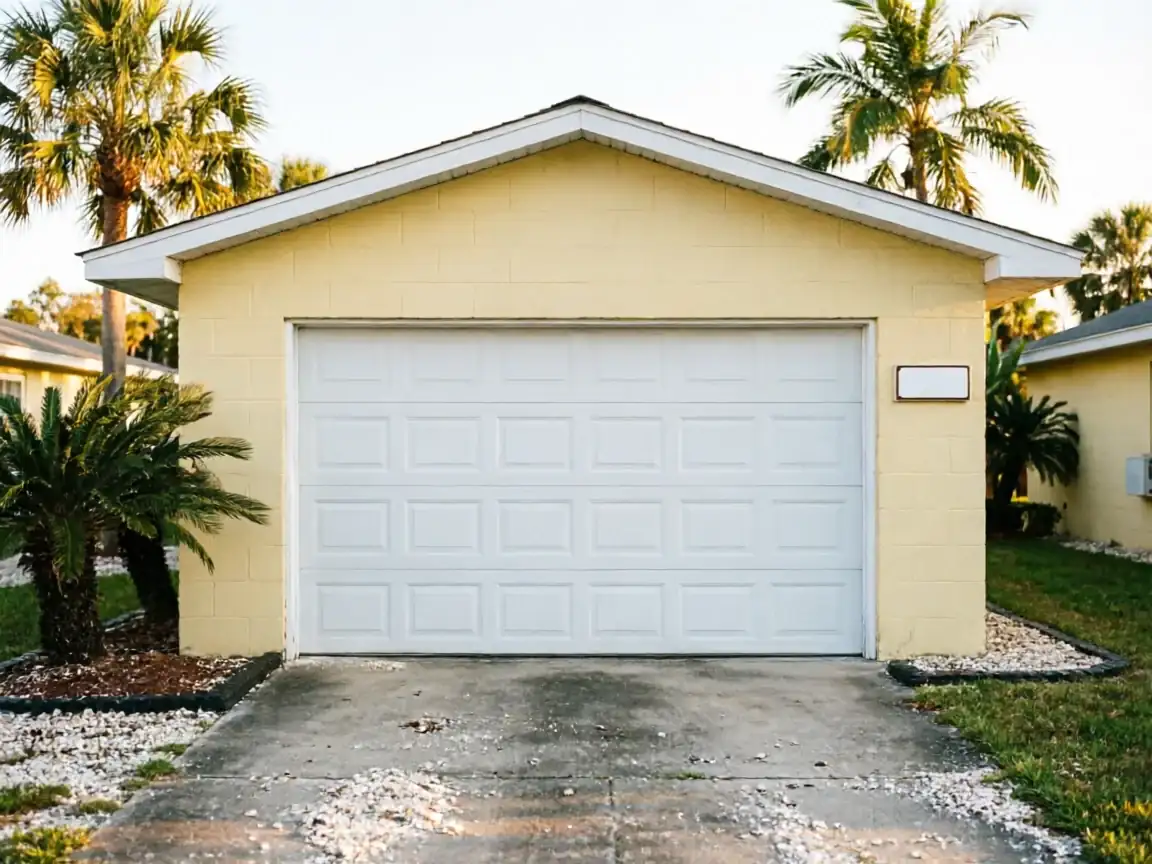
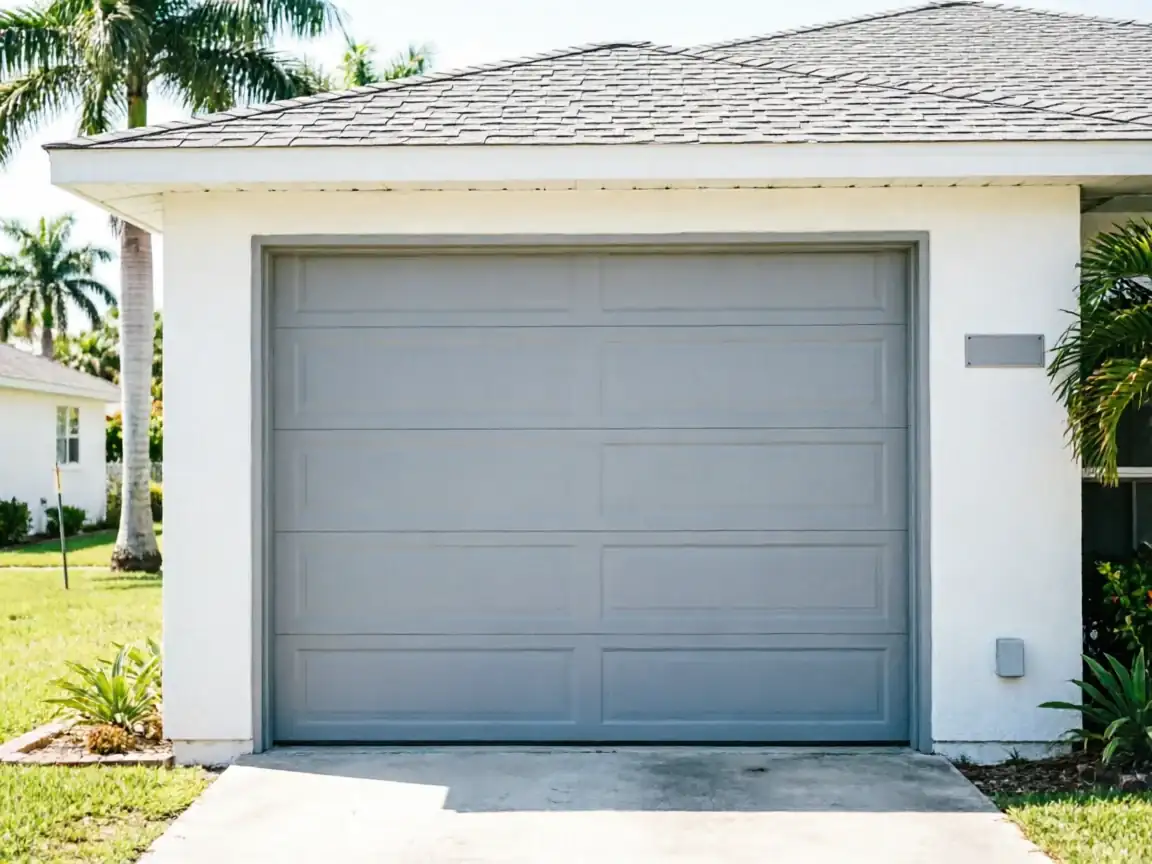
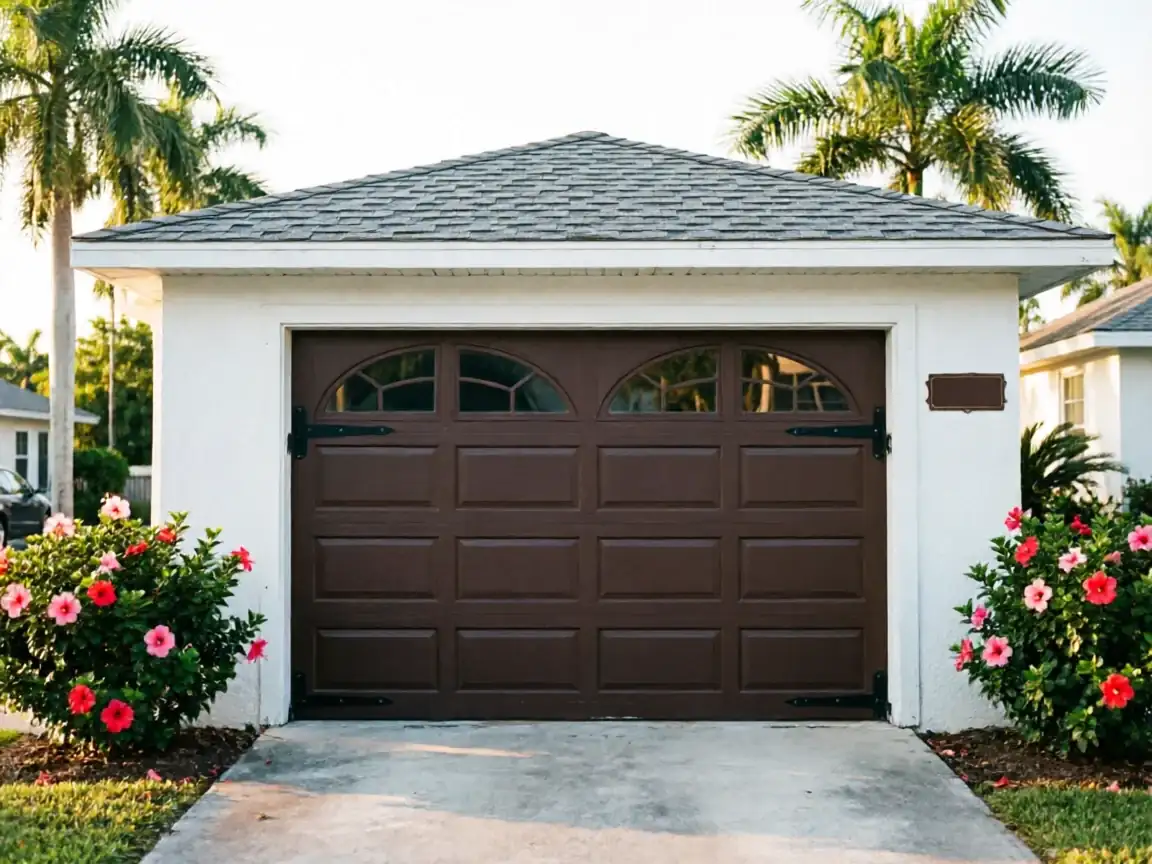
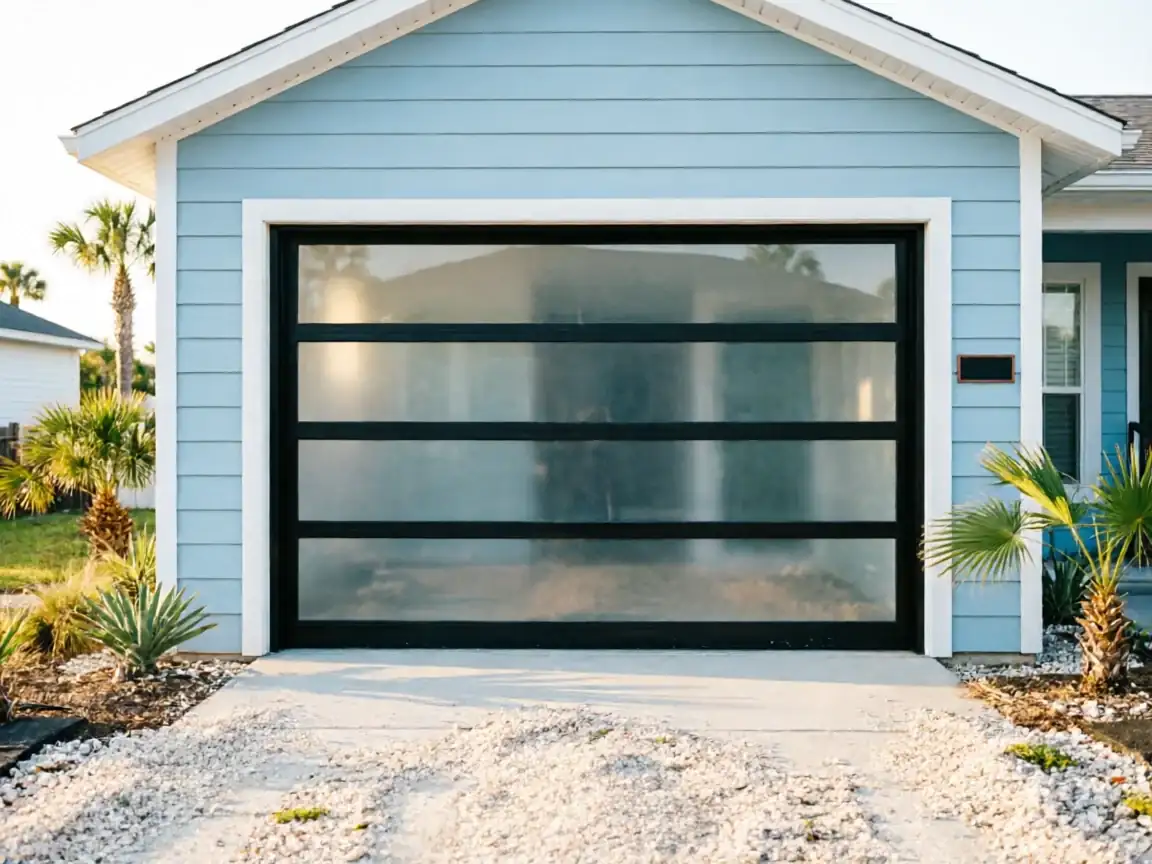
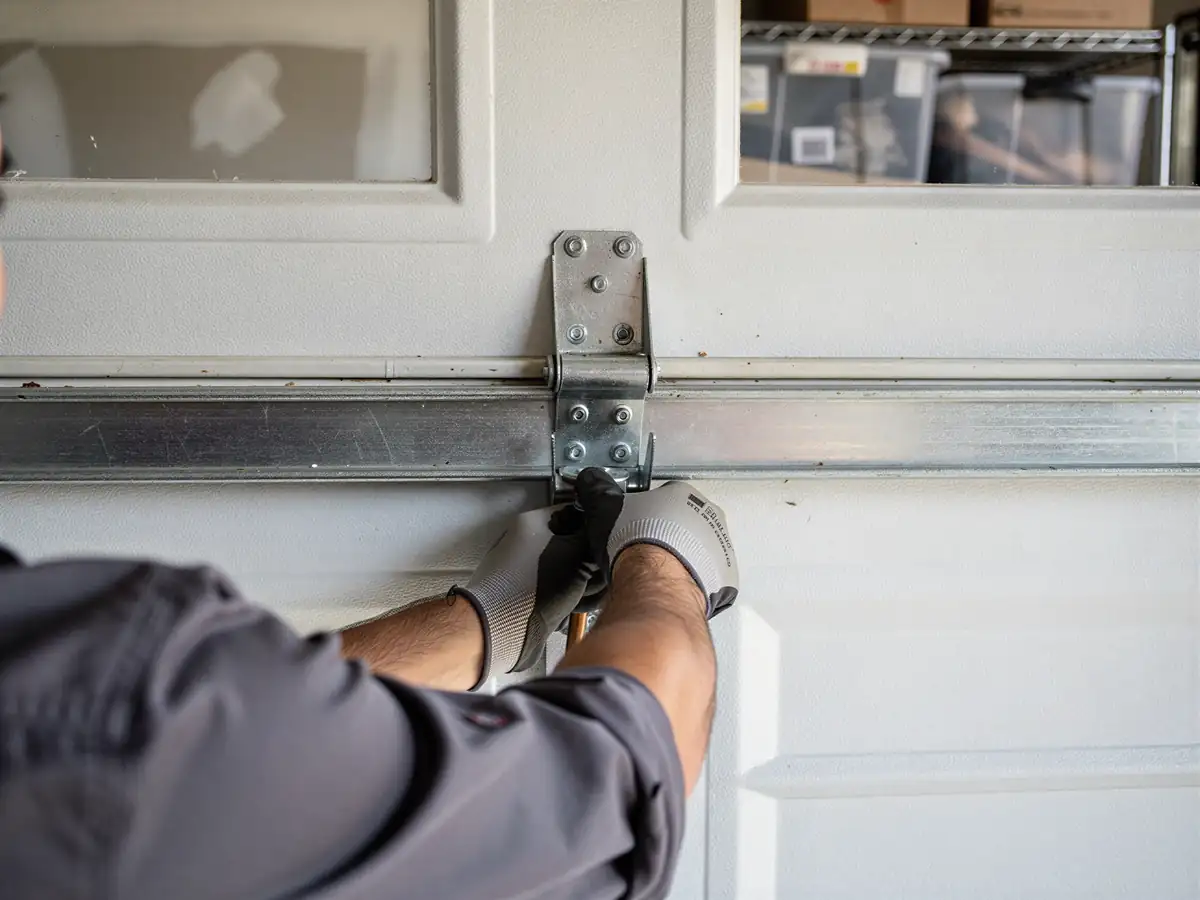
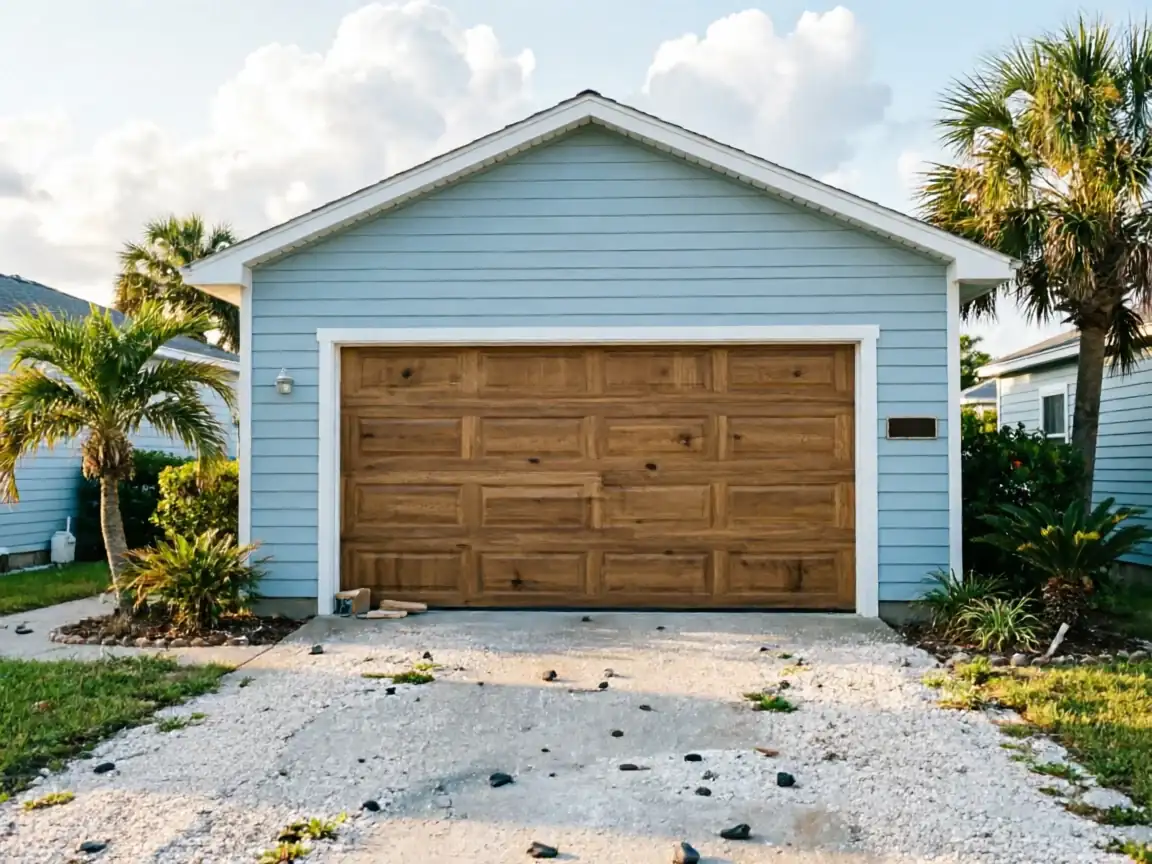
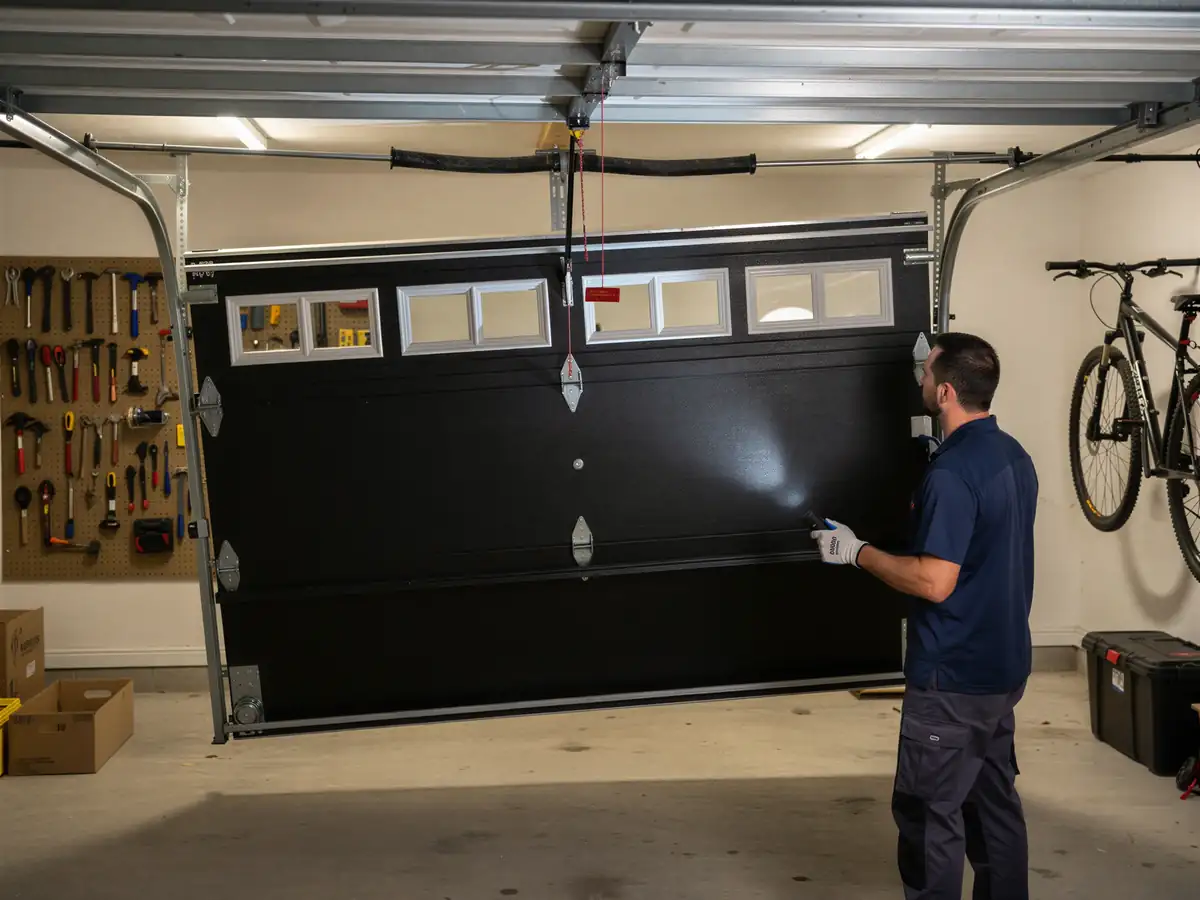
Three Lakes sits about 12 miles from our shop in Homestead, and the fix we bring depends on what's actually on the house, not on a generic checklist. Most homes here went up around 1997, a good two decades newer than the median across the rest of the service area we cover, which runs from houses built in the late 1950s up through the 2000s. That gap matters. A late-90s build typically means a steel sectional door on torsion spring hardware with a factory opener bracket, not the older extension-spring, single-panel setups still common closer to the Homestead core. When a spring snaps or a cable frays on a Three Lakes door, we're usually dealing with standard torsion coils sized to a door built to late-90s code, which is more predictable to source and match than the mixed-era hardware we see on older streets. We diagnose on site first: spring, cable, roller, opener logic board, or track misalignment. Then we fix what's broken rather than replace the whole door, unless the panel or track is bent beyond a safe repair. On a 12-mile run from Homestead, we load the truck based on what the call describes before we leave, so the right spring size and cable gauge are already on board when we pull up.
What You Are Seeing
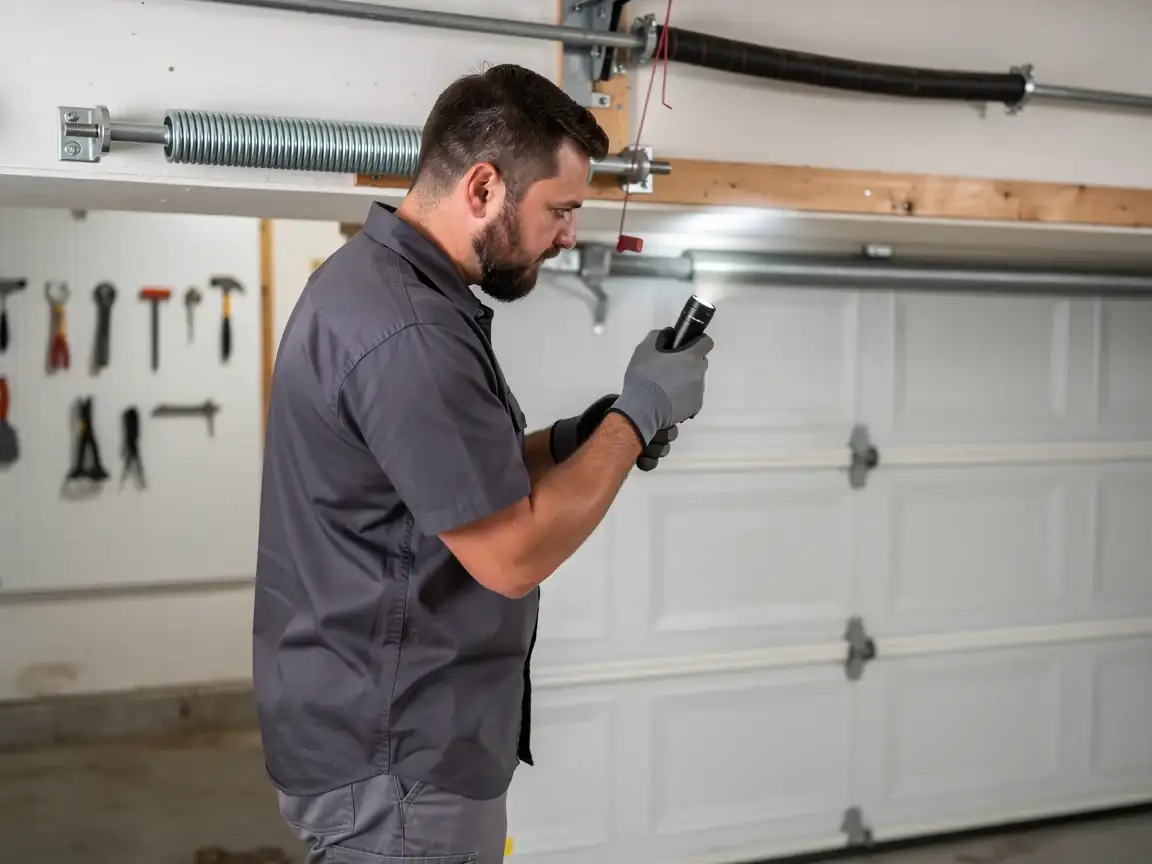
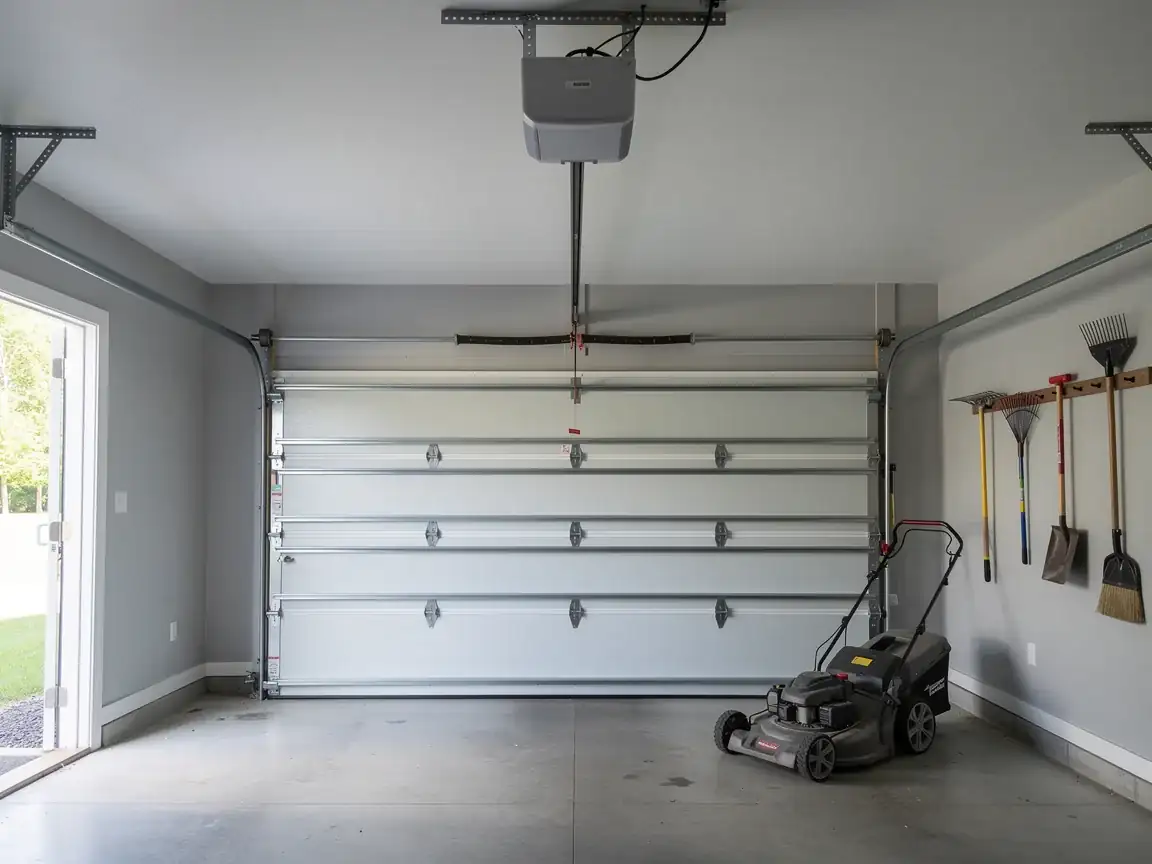
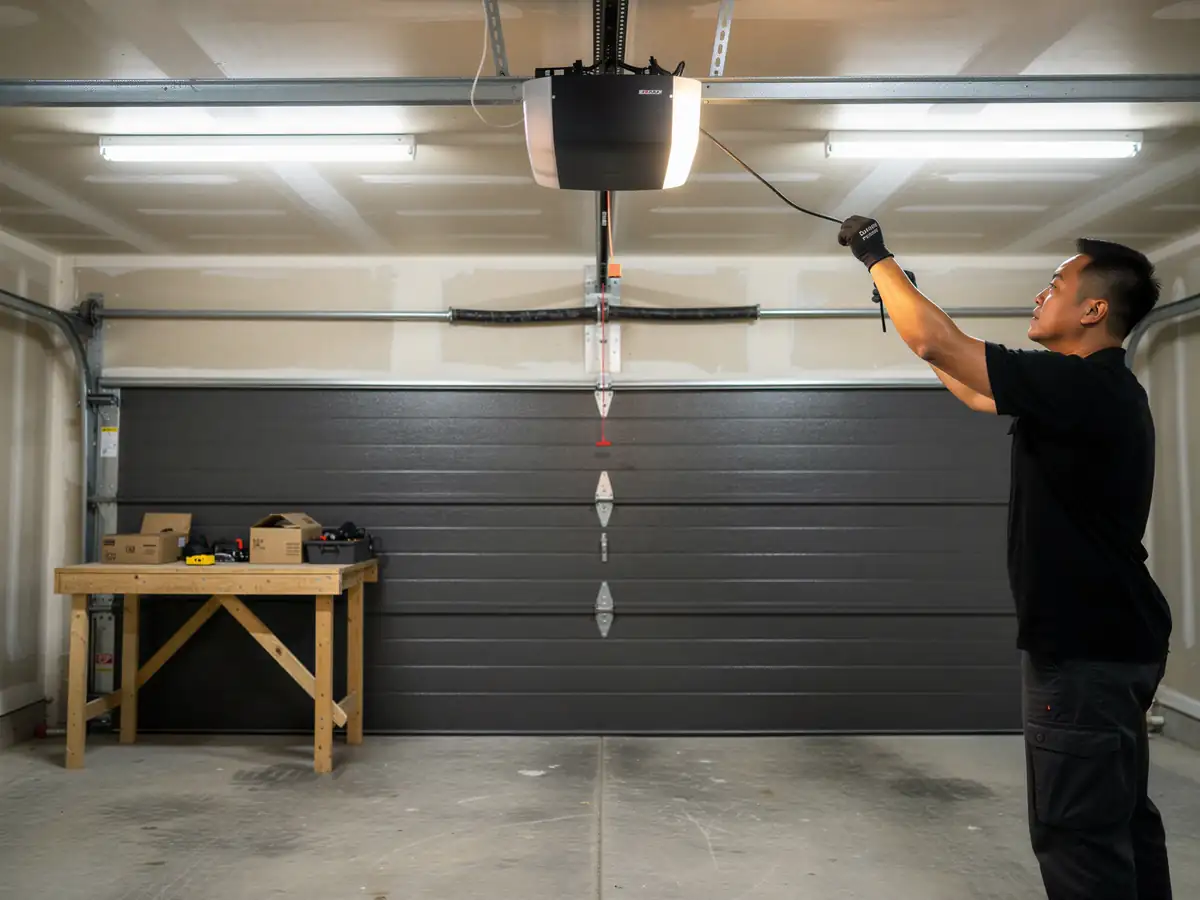
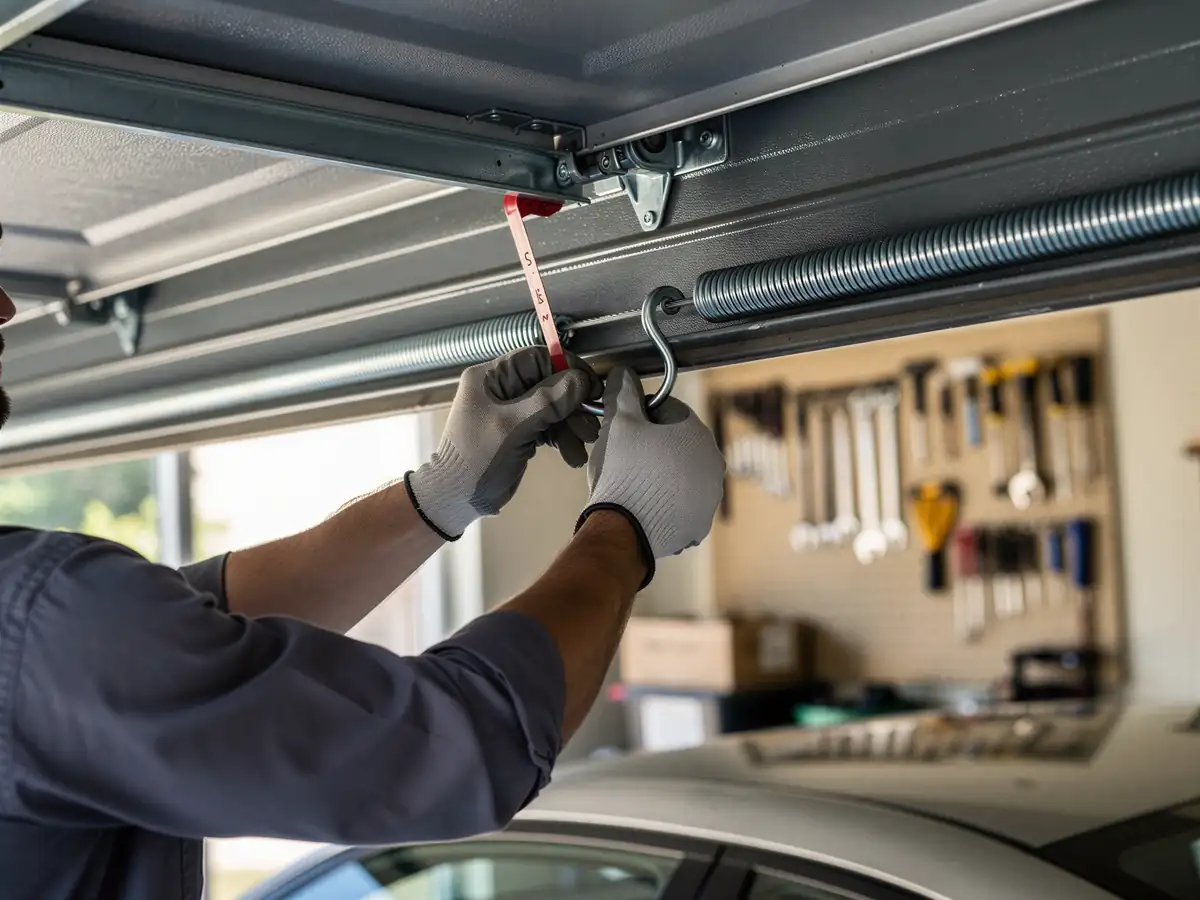
A door that won't budge, or one that lurches up a few inches and stops, is almost always a broken or weakening torsion spring, not a dead opener. If the door feels heavier than it used to when you lift it by hand with the opener disconnected, that's the spring losing tension, and on a house from the late 90s era common in Three Lakes, that spring has likely never been replaced once. Grinding or popping noises point to a roller or a cable starting to fray on the drum. If the opener runs but the door doesn't move, check the travel limit and the gear inside the unit before assuming the motor is dead; plastic drive gears on openers from this build era are a known wear point. A door that reverses right after it touches the floor usually means the close-limit setting has drifted, not that something is broken. None of these are exotic faults. They're the ordinary wear pattern of doors installed when the neighborhood was built out, now old enough that springs and openers are reaching the end of their rated cycle count.
What Is on the Truck
For a Three Lakes call we stock torsion springs sized for standard steel sectional doors, since that's what the late-90s housing stock here mostly carries, along with the extension-spring hardware still found on a handful of older or converted garages. We carry lift cables, drums, and rollers in the common sizes, plus replacement drive gears and circuit boards for the opener brands that were common when this area was built out. We don't stock custom wood doors or odd European track hardware, and if a job needs a special-order panel, that's a return trip once the part is in, not a same-visit fix. Mild winters here mean we're not fighting frozen tracks or ice-packed bottom seals the way crews up north do, but summer humidity still softens old lubricant and swells wood jambs, so we carry dry lube and jamb hardware too.
How Long It Takes
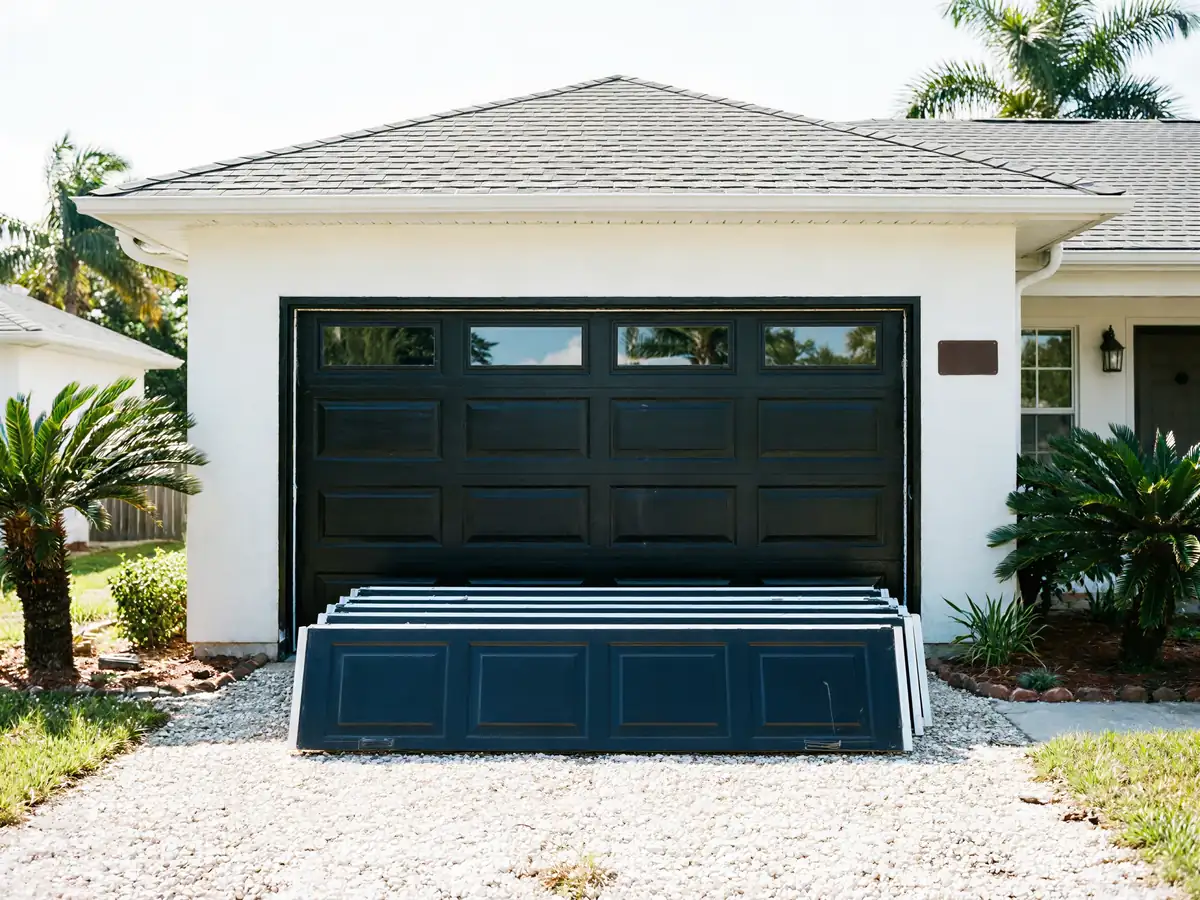
A straightforward spring or cable repair on a standard sectional door, the kind common across Three Lakes, usually runs under two hours once we're on site, parts included, since the hardware matches what we carry on the truck. Opener board or sensor swaps add a bit less than that. The 12-mile run from our Homestead shop adds travel time to the front end of any call, so factor that into when you expect the truck, especially during the day when traffic on the route is heavier. Jobs that need a special-order panel or a full door replacement stretch out to days, not hours, because that part isn't something we keep in stock for every size and color on the market.