The DIY Question
Ten miles is the number that matters before we talk about the door itself. That's the drive from our Homestead base to Richmond West, and it's close enough that a same-day call is realistic but far enough that we'd rather diagnose over the phone first than make the trip for something you can fix with a YouTube video and twenty minutes.
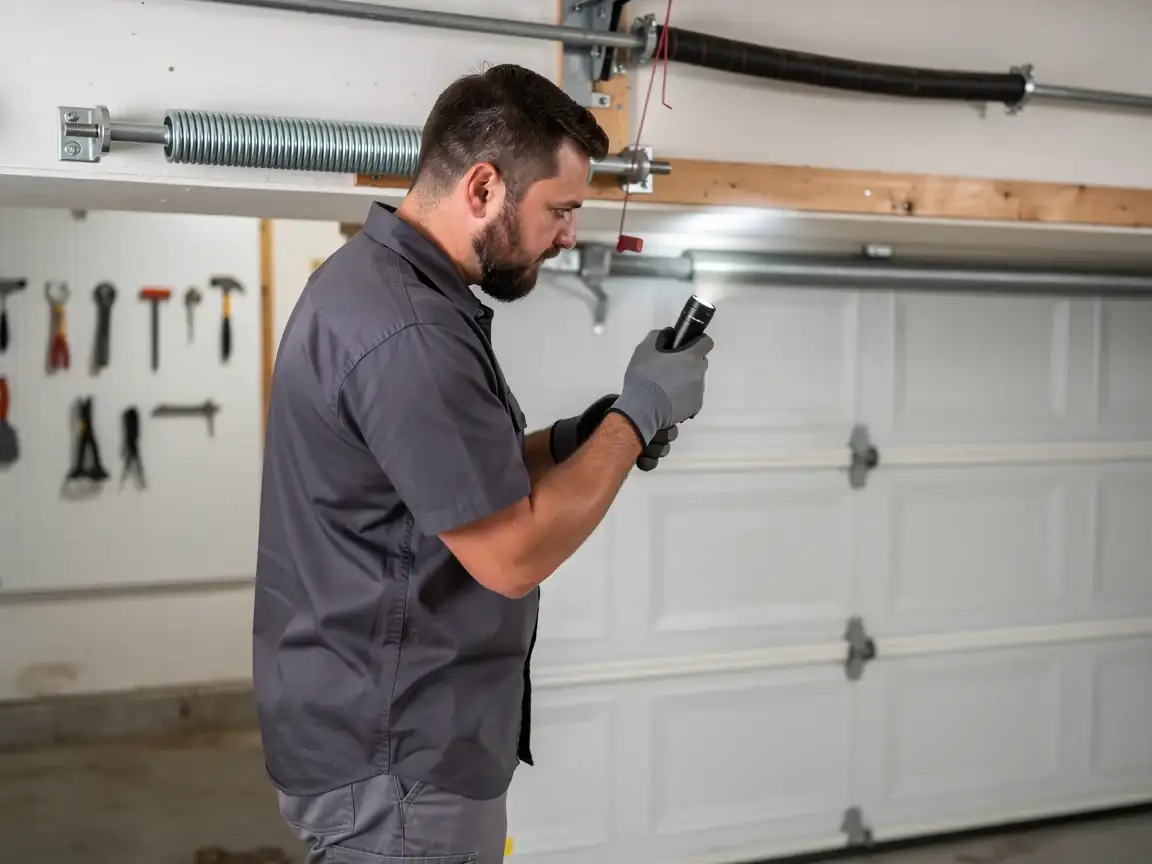
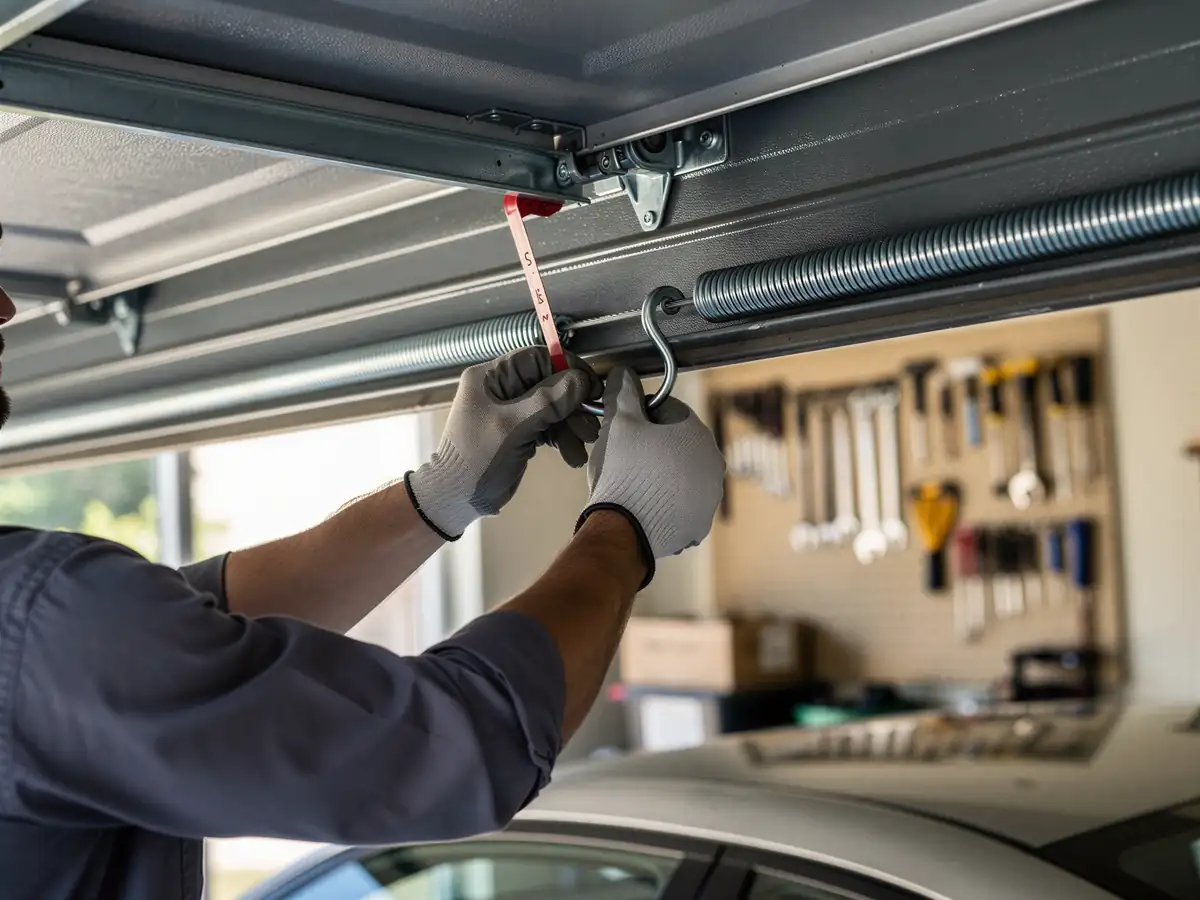
A stuck safety sensor, a track knocked out of alignment by a bike or a trash can, a remote that needs new batteries - handle those yourself. What you should not touch is a torsion spring under tension or a cable that's jumped the drum. Those store enough force to break a hand or worse, and they're not a fair trade for the gas money you'd save.
We'll tell you straight if it's a five-minute fix you can do before we ever load the truck. That honesty costs us the occasional job, but a homeowner who trusts what we say about the easy stuff is more likely to call us back for the hard stuff.
How Long It Takes
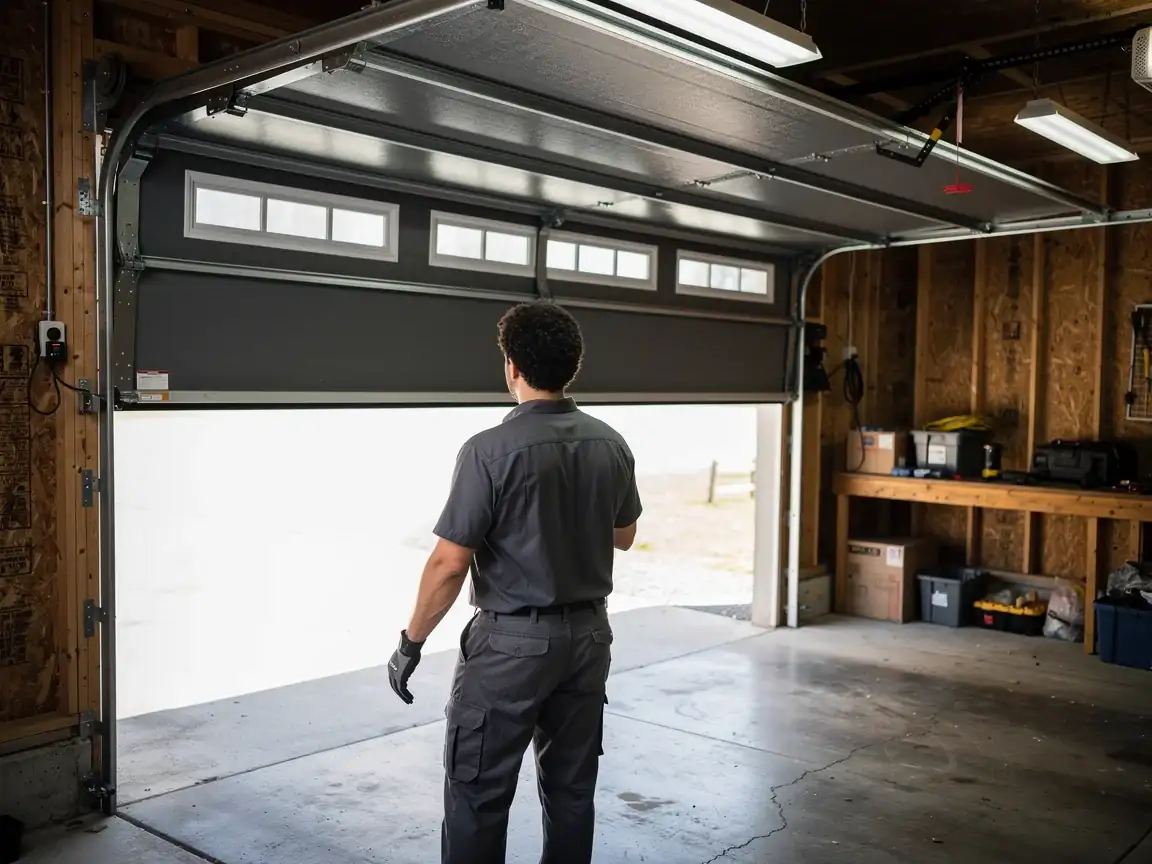
Figure the ten miles from Homestead into the front end of any appointment, not the repair itself. Once we're in the driveway, most single-spring or opener-board jobs run under two hours; a full torsion spring replacement on a double door usually clears in ninety minutes once we're set up.
What actually slows a job down in Richmond West isn't the drive, it's parts. Homes here mostly date from after 1996, which means openers and door hardware that are newer than what we see on the older end of our territory, but that also means some models use circuit boards or belt-drive parts we don't carry for every brand. If your opener is a less common model, we may need to order the board rather than swap it on the spot.
We'd rather tell you that up front than promise a one-visit fix and come back empty-handed a week later.
What You Are Seeing
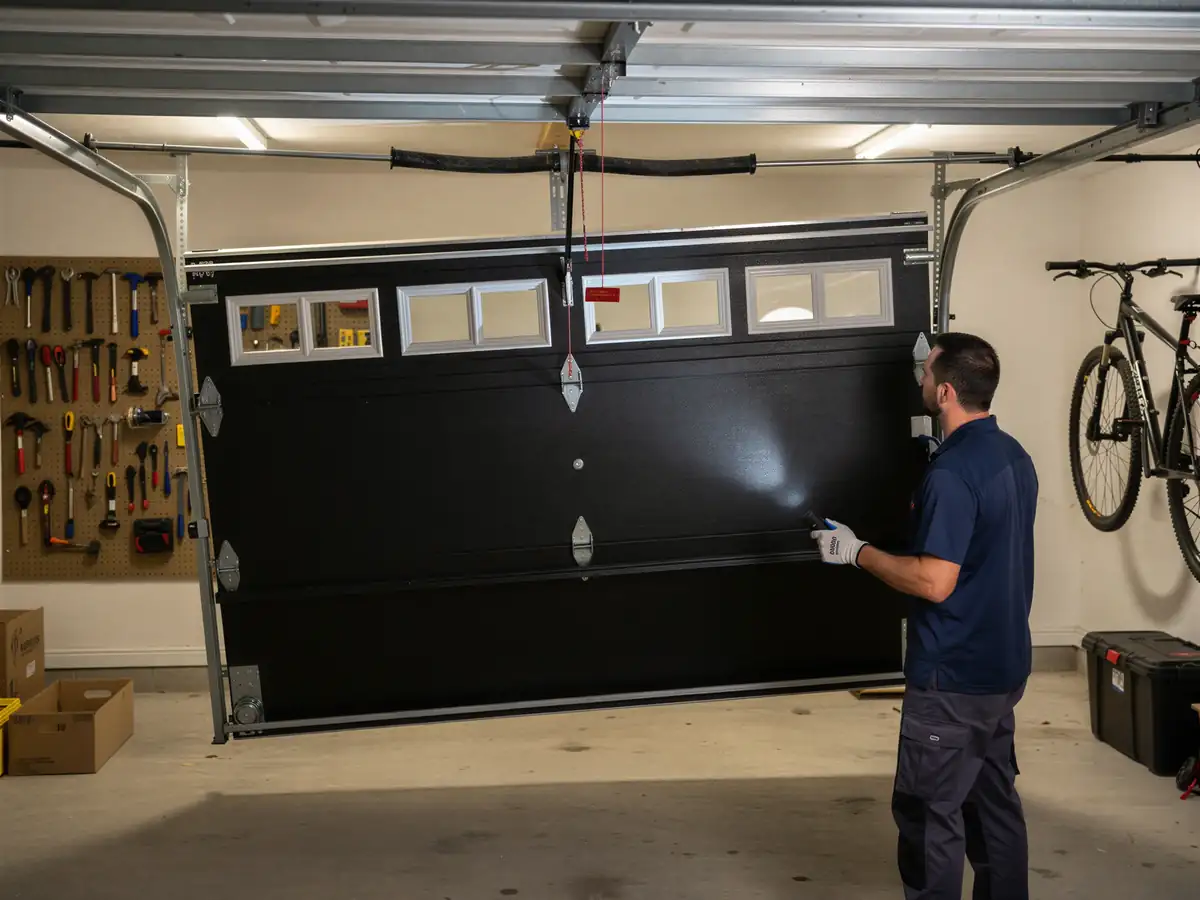
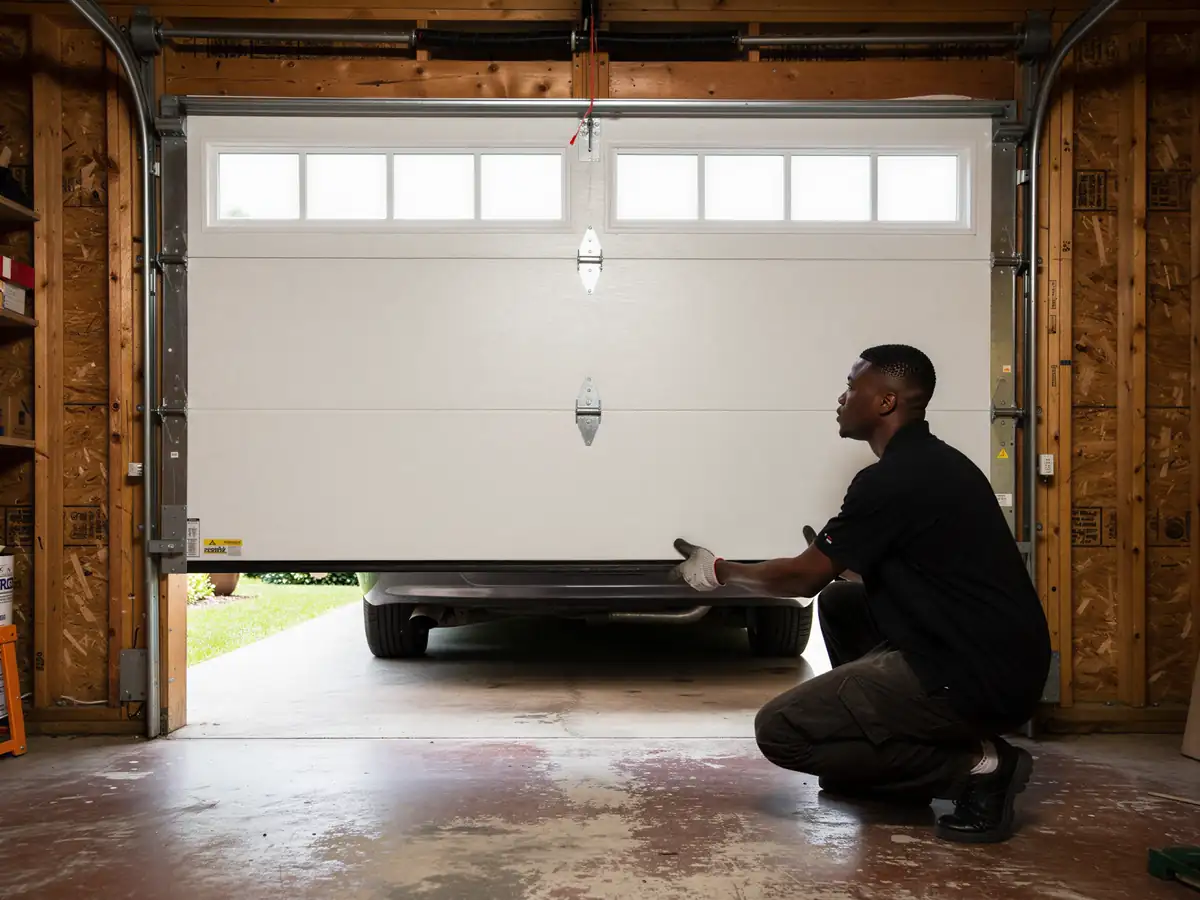
A door that reverses before it touches the floor
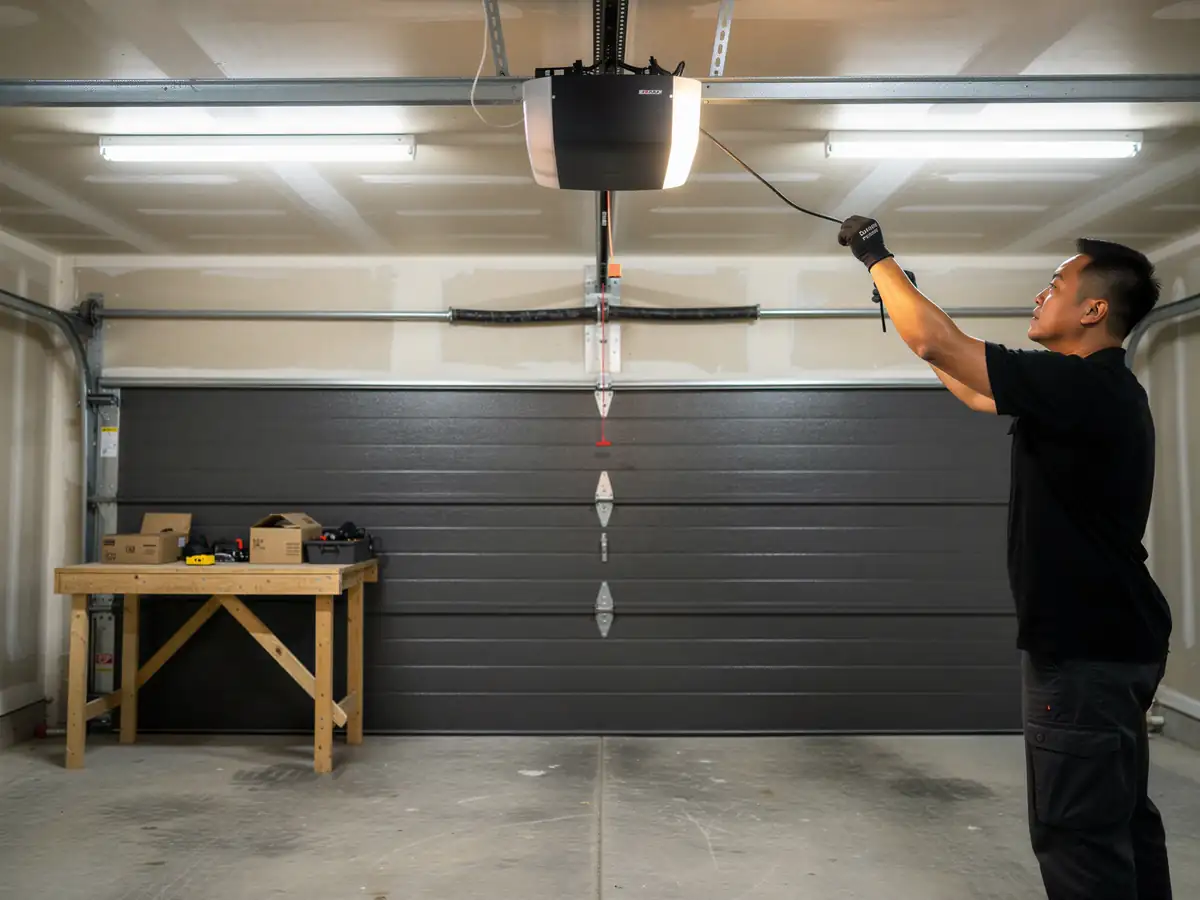
An opener that clicks but doesn't lift, a panel that shudders on one side going up - these point to different culprits depending on the age of the installation, and Richmond West's housing stock, mostly built from the mid-1990s onward, puts most doors here into a specific age bracket: fifteen to twenty-nine years old.
That age range is exactly when opener logic boards and circuit-based safety reversal systems start failing
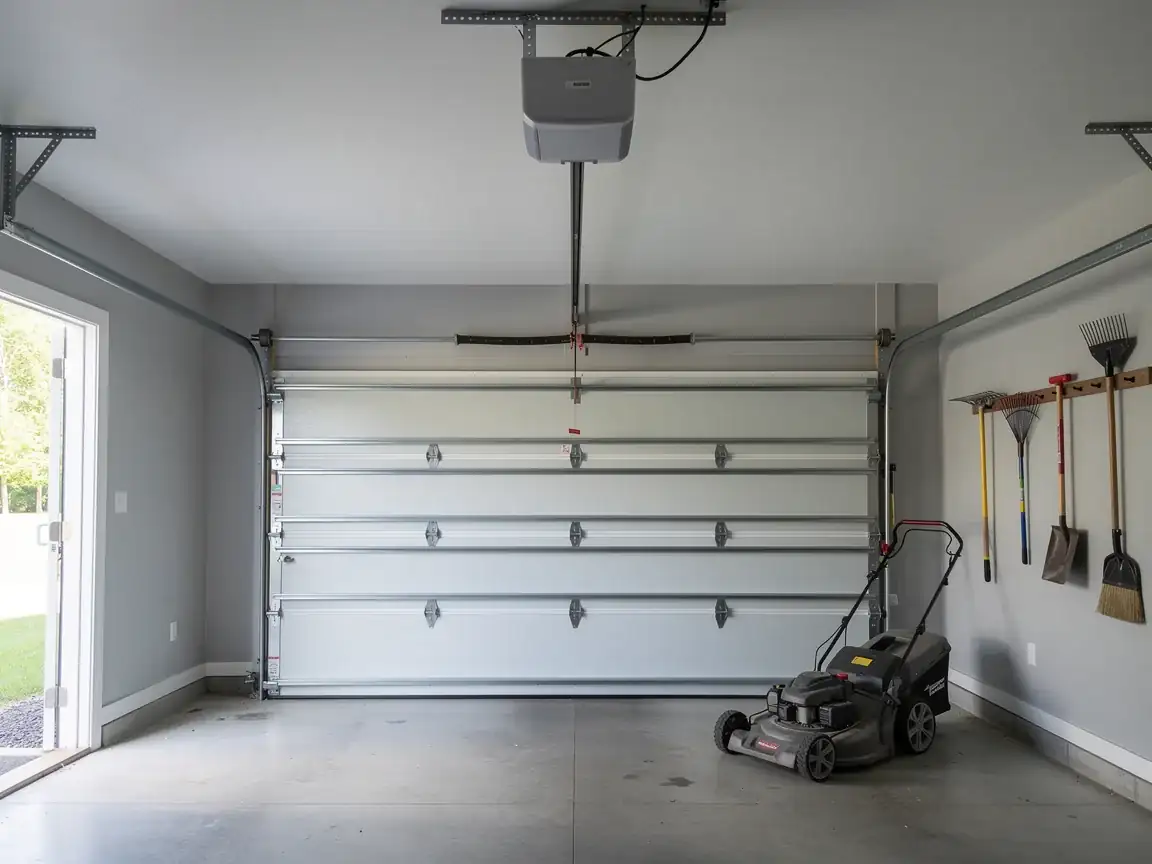
Not the mechanical springs and cables that fail first on older installs. If your door hesitates, reverses randomly, or the wall button does nothing while the remote still works, that's usually the board talking, not the spring.
Contrast that with a chain snapping or a drum cable fraying
Which still happens here but shows up less often than in the older sections of the territory. Tell us what the door is doing when you call - the symptom usually points us to the part before we even open the truck.
Why This Fails Locally
The service area overall has housing stretching from 1957 to 2008, with a median build year of 1979. Richmond West sits well past that median - most of its houses went up after 1996, which is a meaningfully different build era for garage doors.
That later construction window means steel doors with factory-installed openers rather than retrofits, heavier insulation packages, and electronic safety eyes built in from day one rather than added later. It also means this area's median household income, at $96,282, runs well above the $82,726 average across the rest of the territory, and homes at that income level more often carry upgraded or insulated door models rather than the bare steel standard.
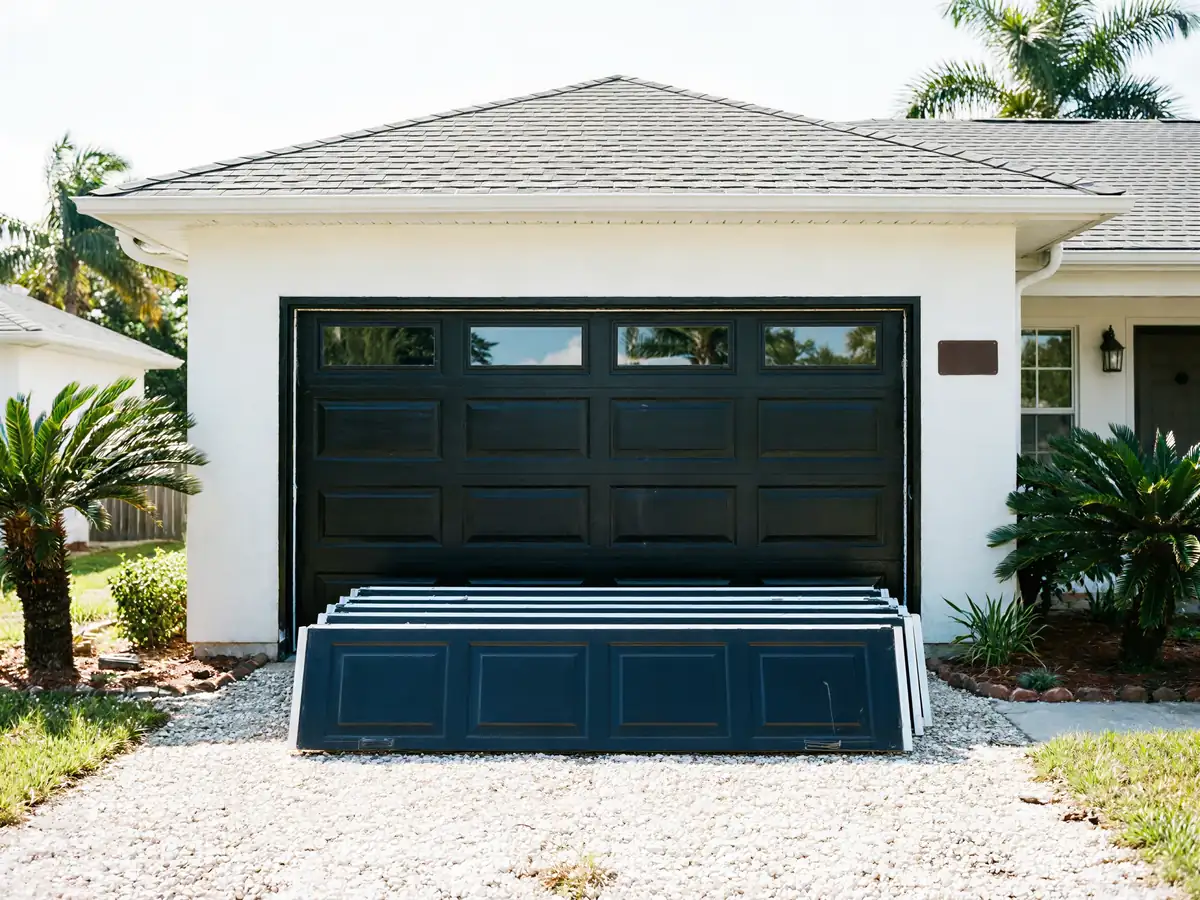
The failure mode that follows from all that: boards and sensors go before springs do, and when a spring does fail on a newer insulated door, it's often a heavier-duty spring sized for a two-inch thick panel rather than the lighter doors common on older stock closer to Homestead.
The Complications
With roughly 10,592 households in Richmond West, it's a smaller pocket than a lot of the other communities we reach from Homestead, which is one reason we don't keep a second crew staged here - the ten-mile drive from base covers it without needing one.
The mild year-round climate here doesn't put the stress on hardware that freeze-thaw cycles do elsewhere in the country, so when a door fails, it's rarely weather-related corrosion. It's more often wear on moving parts or an opener board that's simply aged out.
One honest limitation: if your opener is an older or less common brand paired with a newer insulated door - which does happen when an original builder-grade door gets swapped later - we may not have the exact replacement board on the truck. We'll diagnose it on site and tell you straight whether it's a same-visit fix or a parts order, rather than guess and charge you for a return trip.
What Is on the Truck
Given the build era here, we stock what Richmond West actually breaks
Opener logic boards for the common residential brands, safety sensor pairs, torsion springs sized for heavier insulated panels, and belt and chain drive components for openers in the fifteen-to-twenty-five-year range.
We carry less of the older torsion hardware and lever-lock parts that show up on pre-1980 doors elsewhere in the territory
Simply because that stock is uncommon in this part of the service area. If a job turns out to need one of those older parts - which can happen if a homeowner installed a reclaimed or older-style door - that's the kind of thing that pushes a repair into a second visit.
For everything else
The board swap, the sensor realignment, the standard spring replacement on a post-1996 door - the truck is set up to finish it in one trip from the ten-mile run out from Homestead.