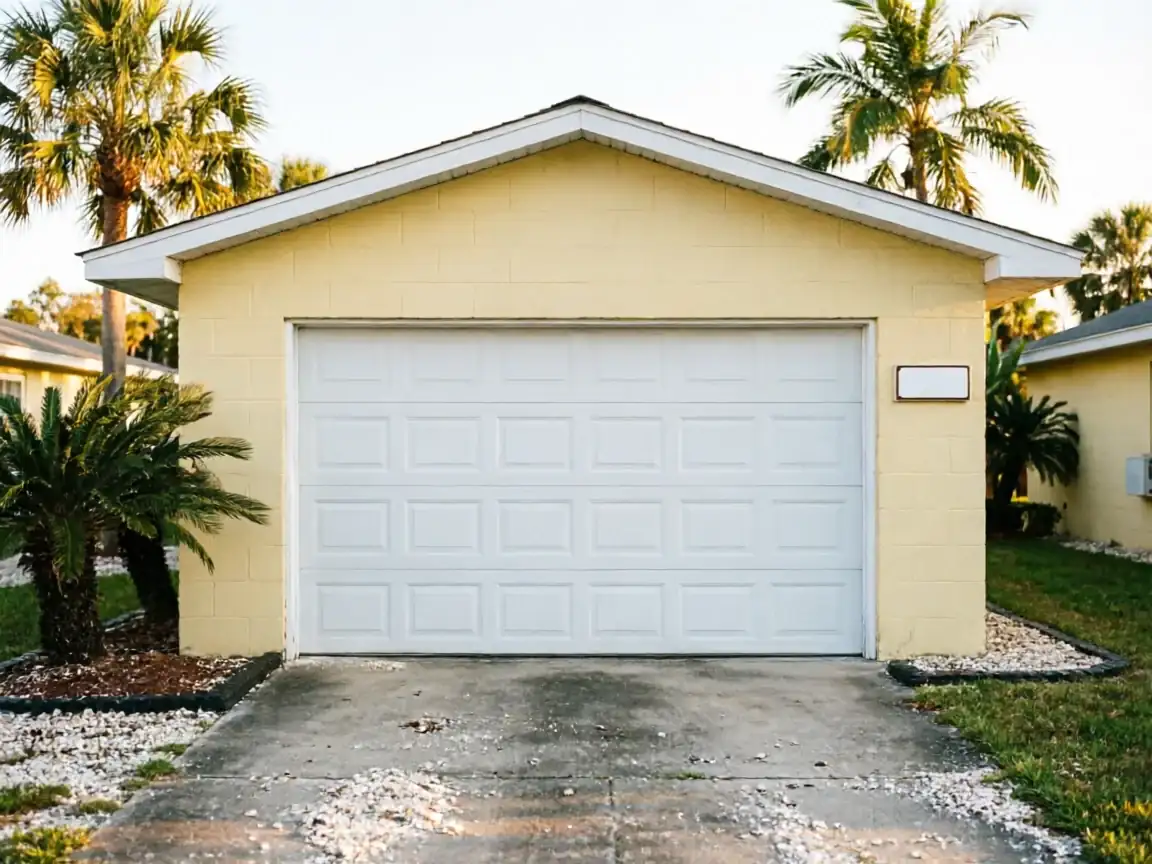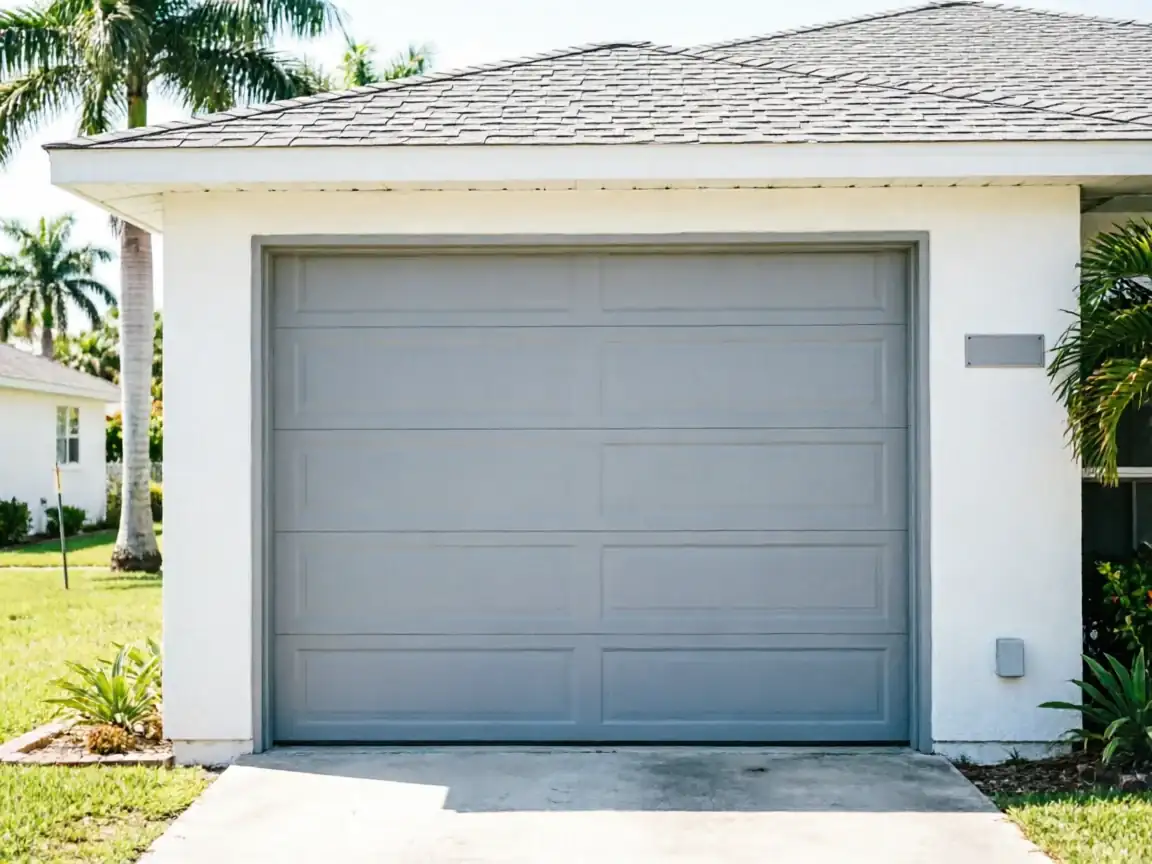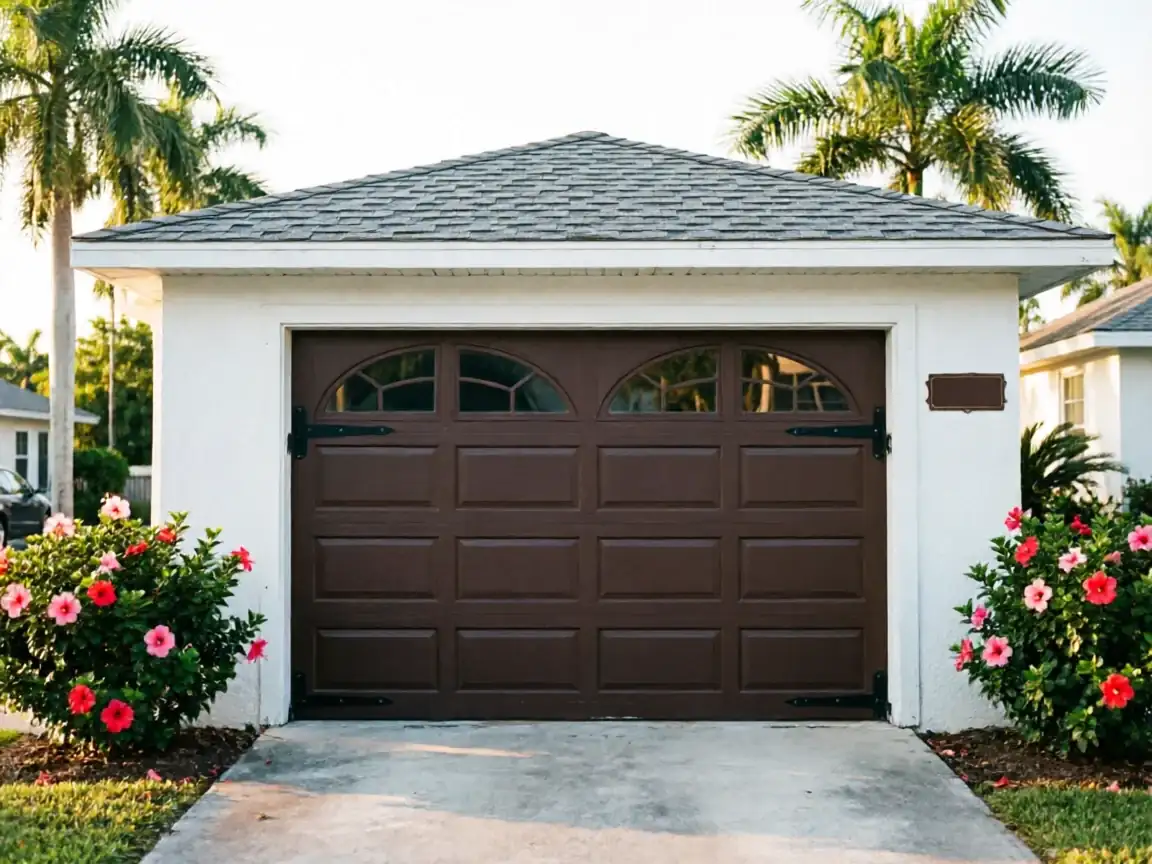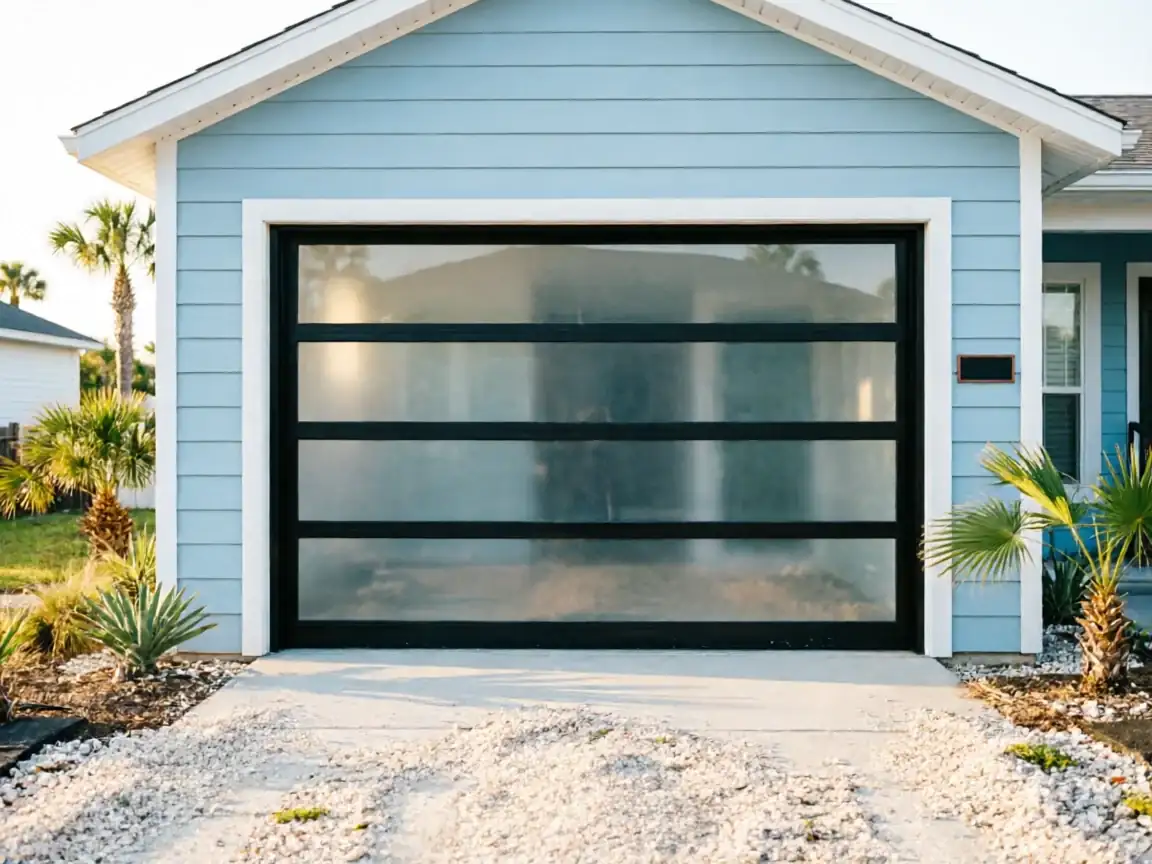
The DIY Question
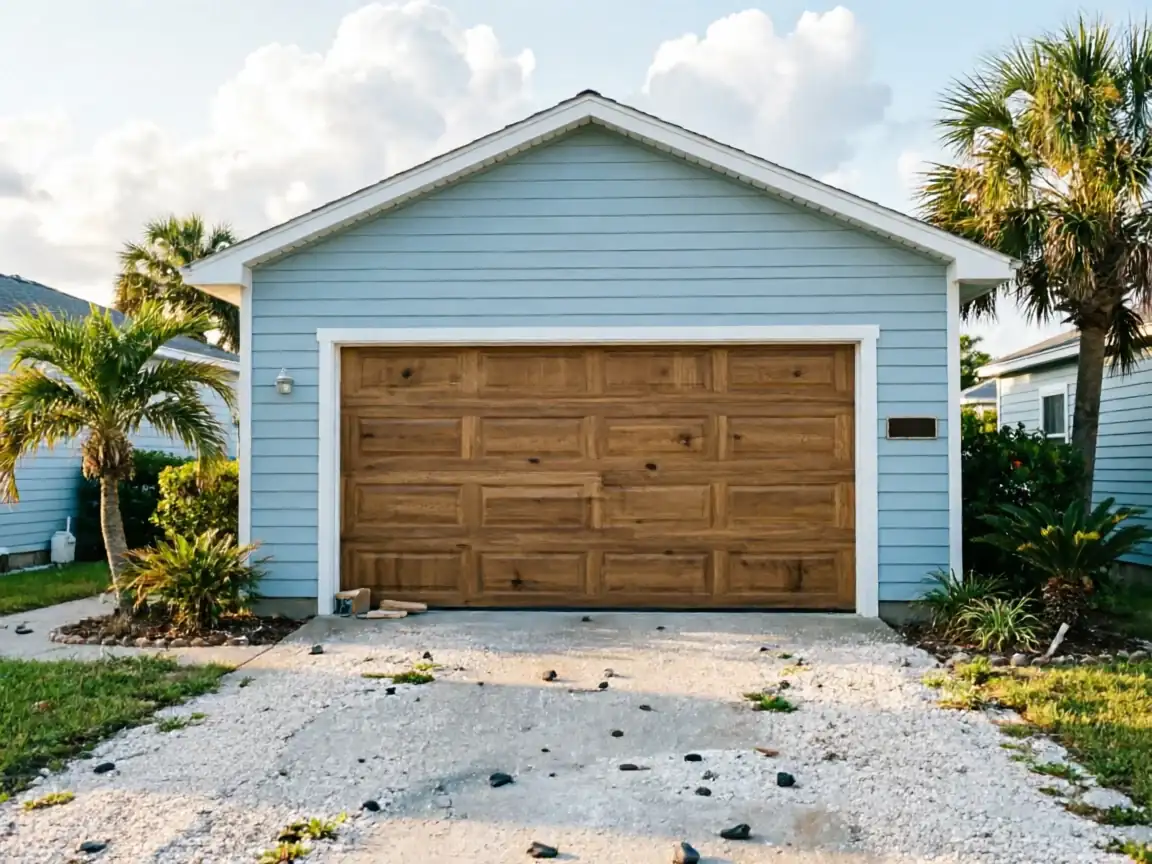
Richmond West is a newer build than most of the area Homestead Garage Door Pros covers. The wider service territory runs on housing from 1957 through 2008, with a median around 1979 - older torsion setups, side-mounted hardware, doors that have been patched more than once. Richmond West sits well past that median, with most houses going up closer to 1996. That gap matters when you're deciding whether to grab a wrench yourself.
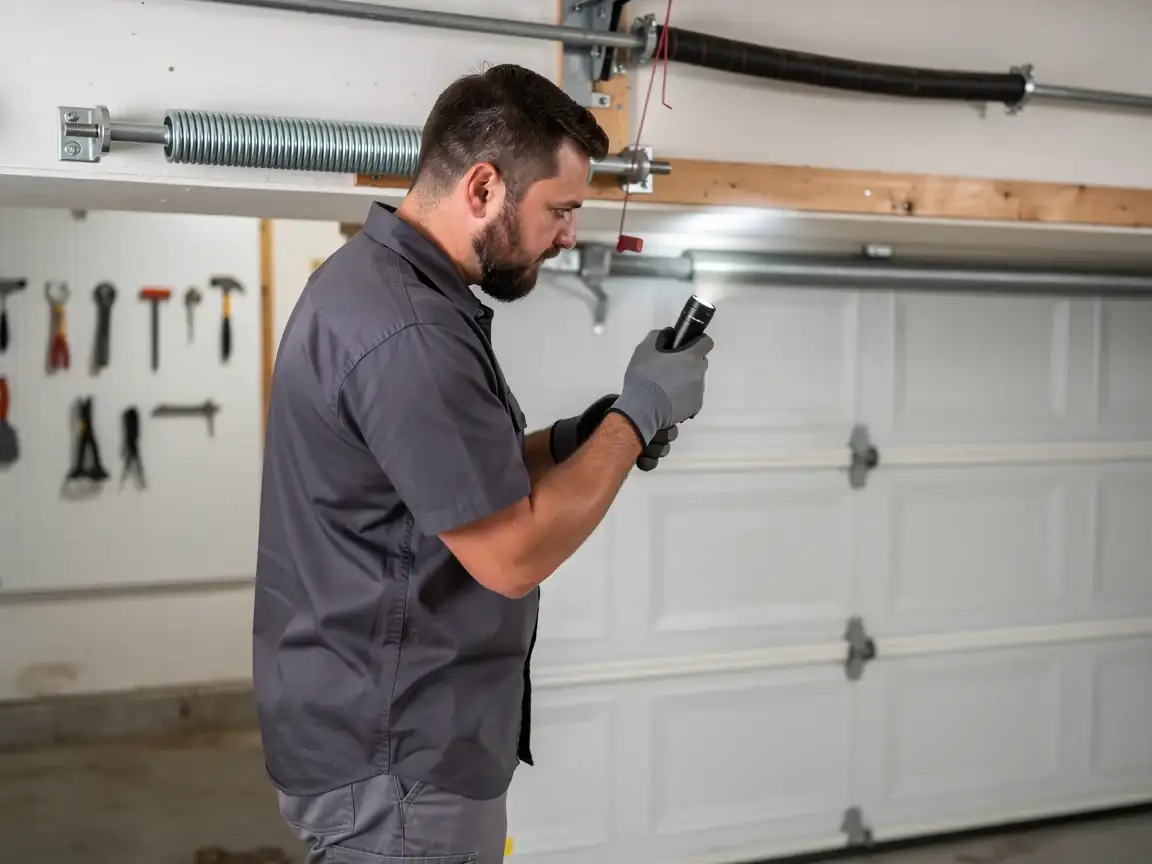
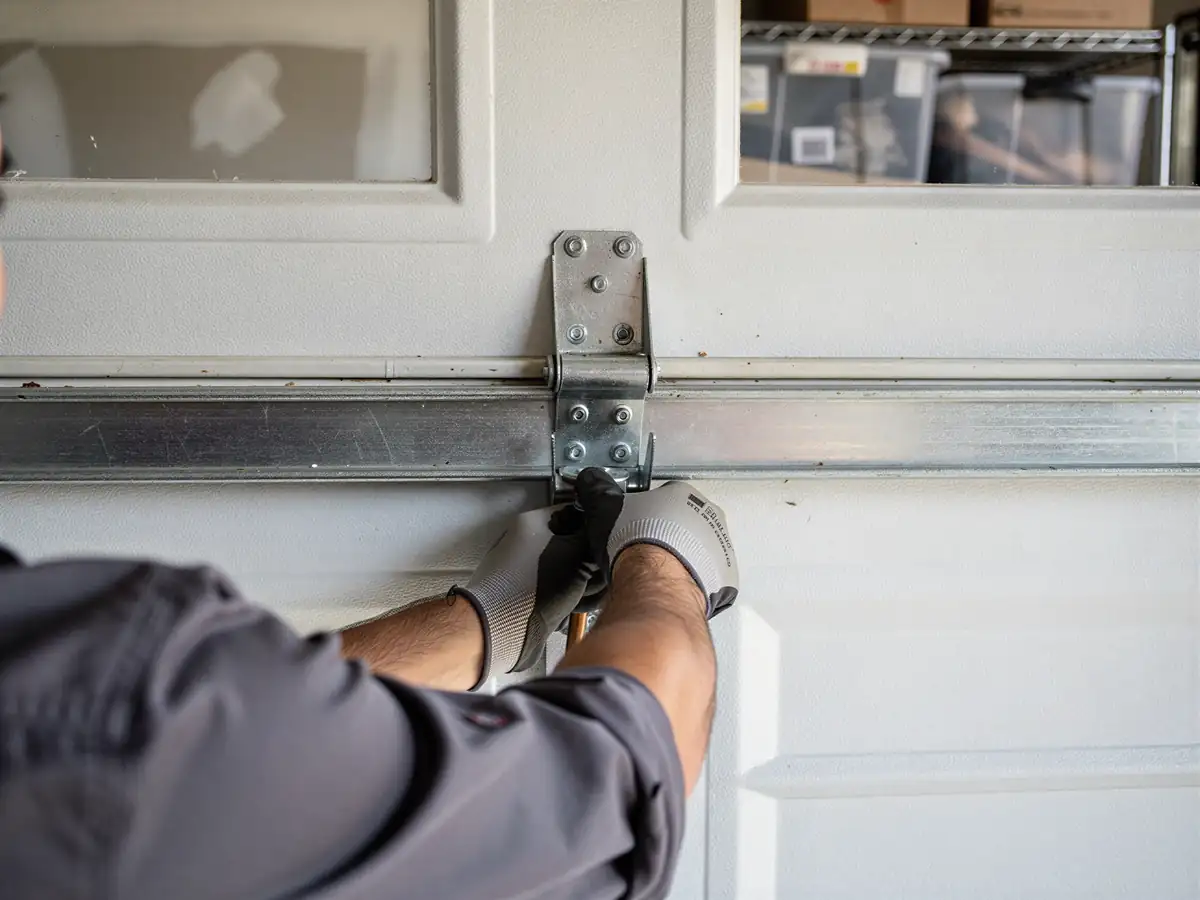
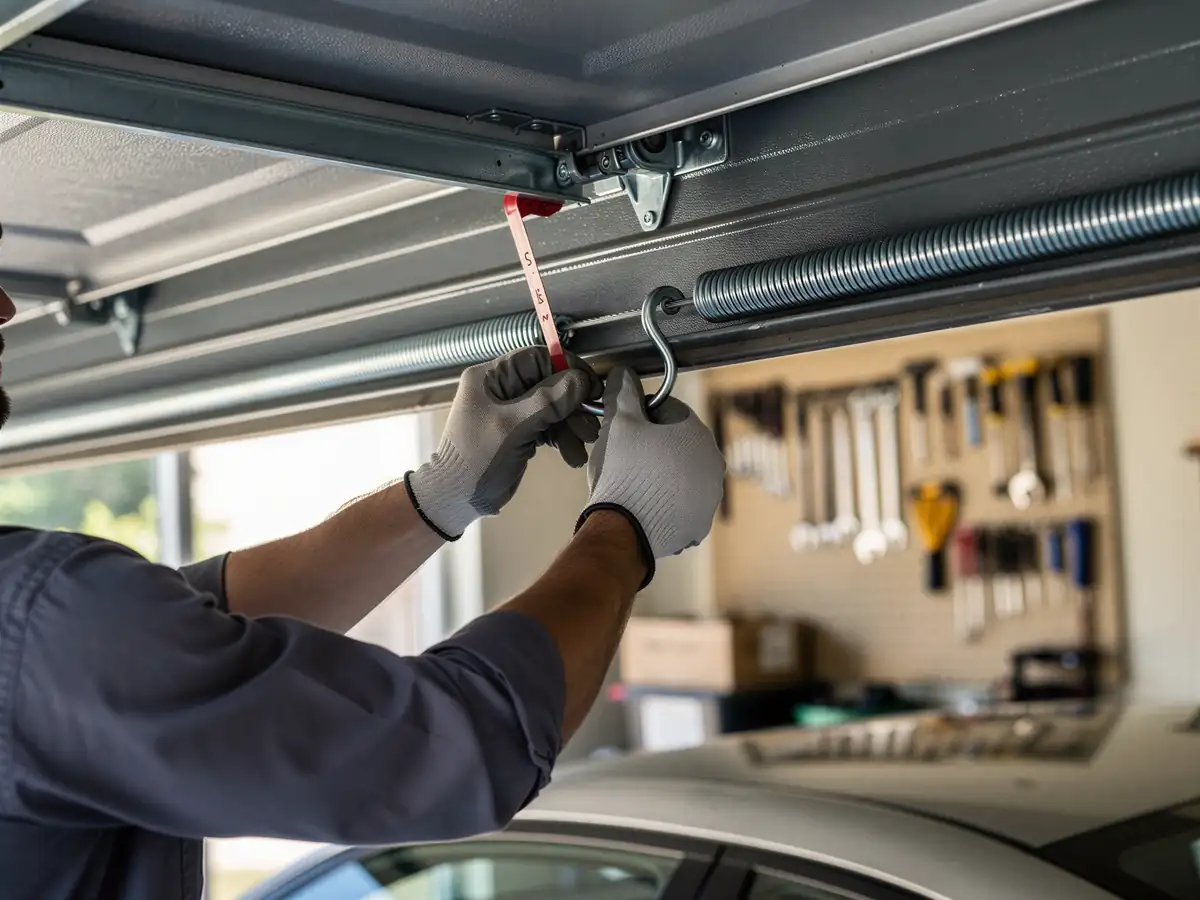
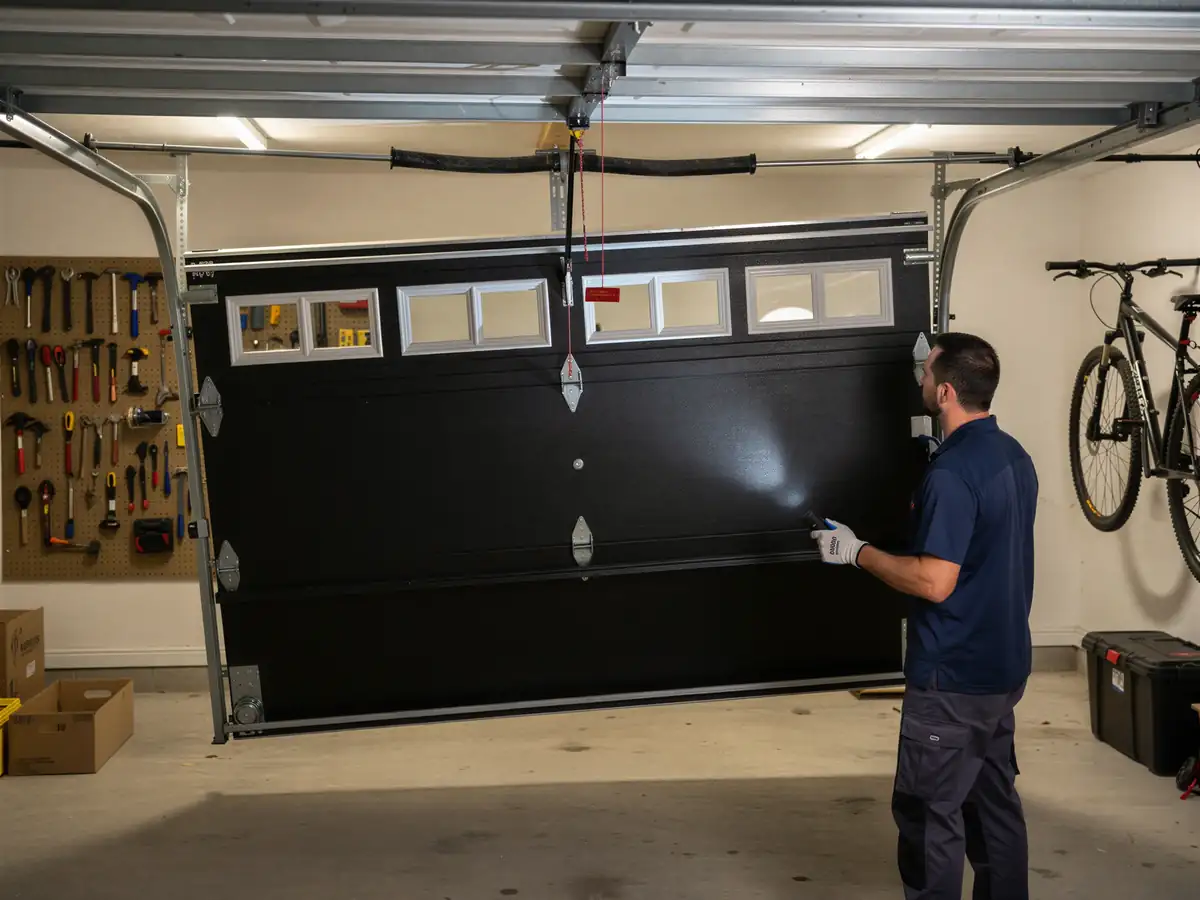
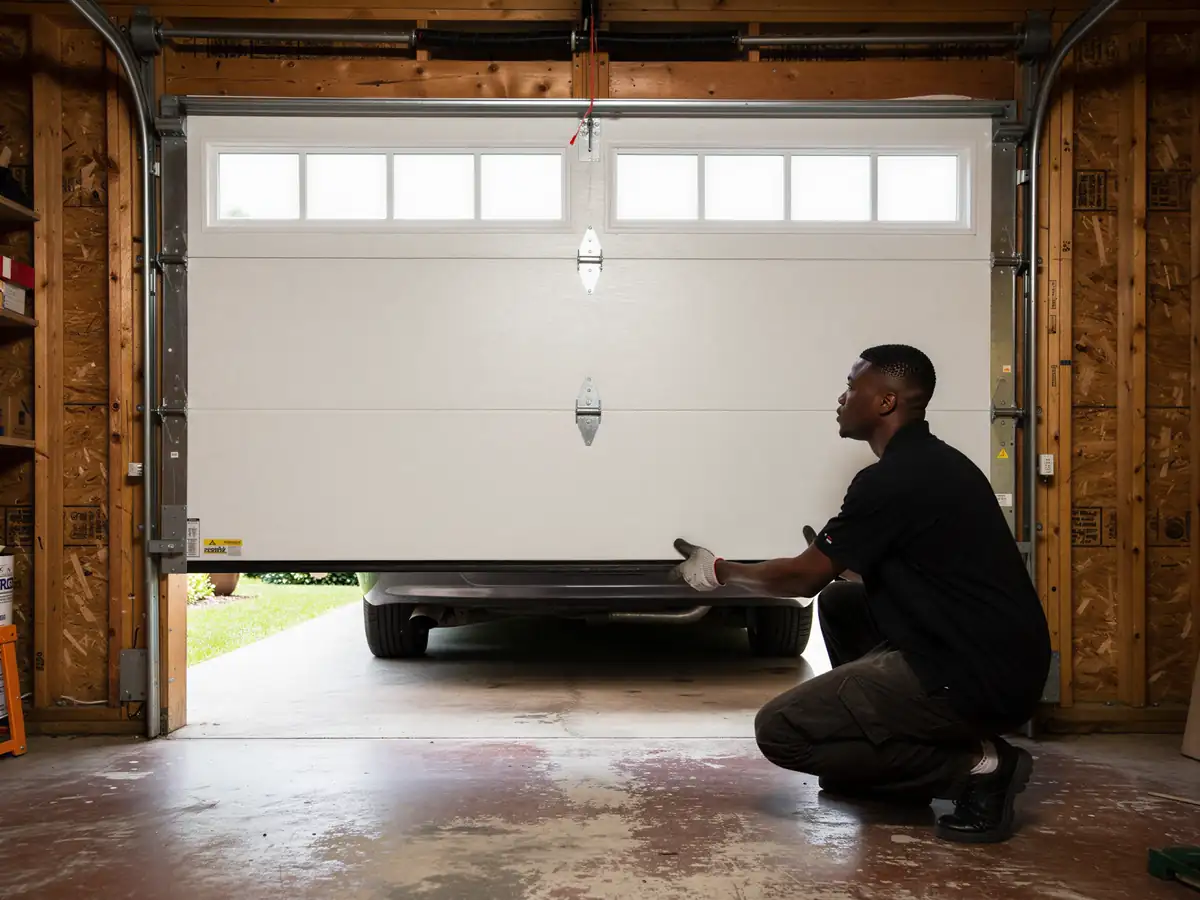
A door built on 1996-era track and spring specs usually still has its original rollers and a working safety reversal system, which means a stuck door is less likely to be structural rot and more likely a sensor out of alignment, a worn cable, or a logic board glitch in the opener. Those are not jobs to force by hand. Pulling a cable loose to get the car out, or disconnecting a safety sensor because it's "probably fine," turns a $150 repair into a door that comes down on something it shouldn't.
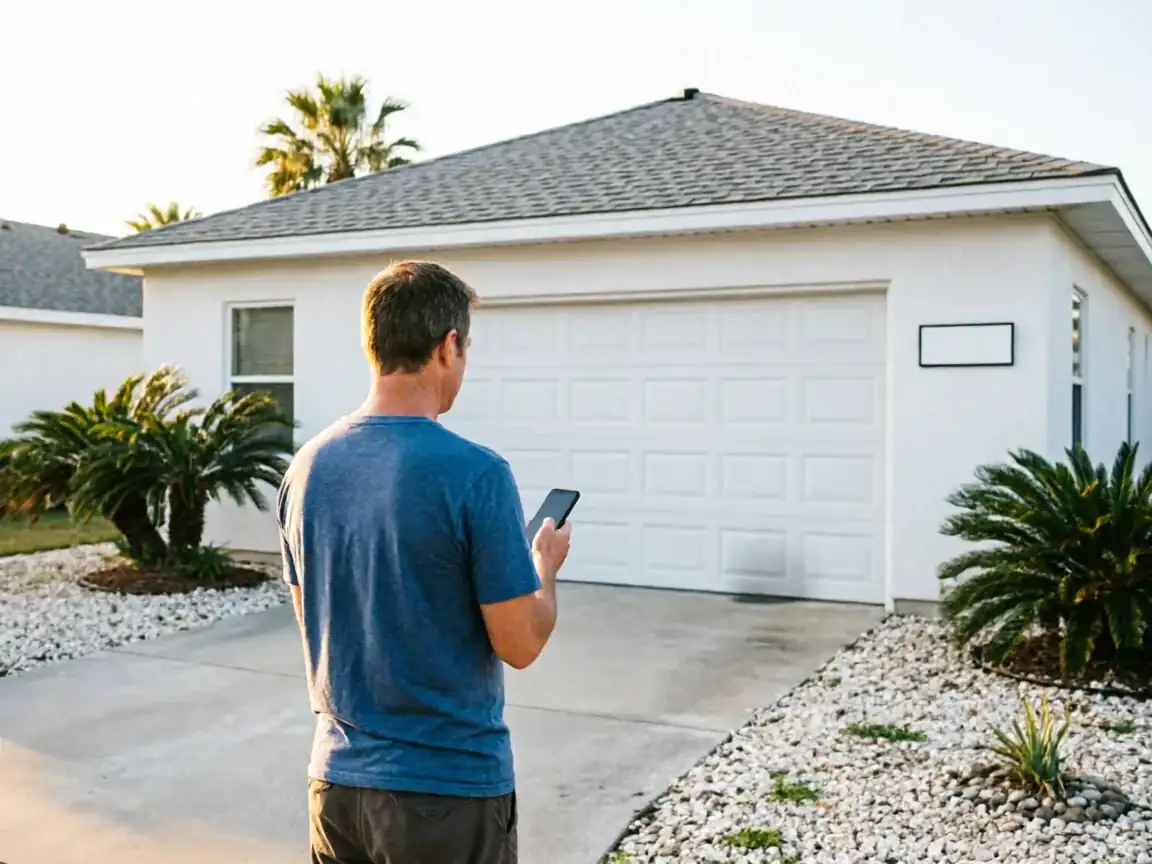
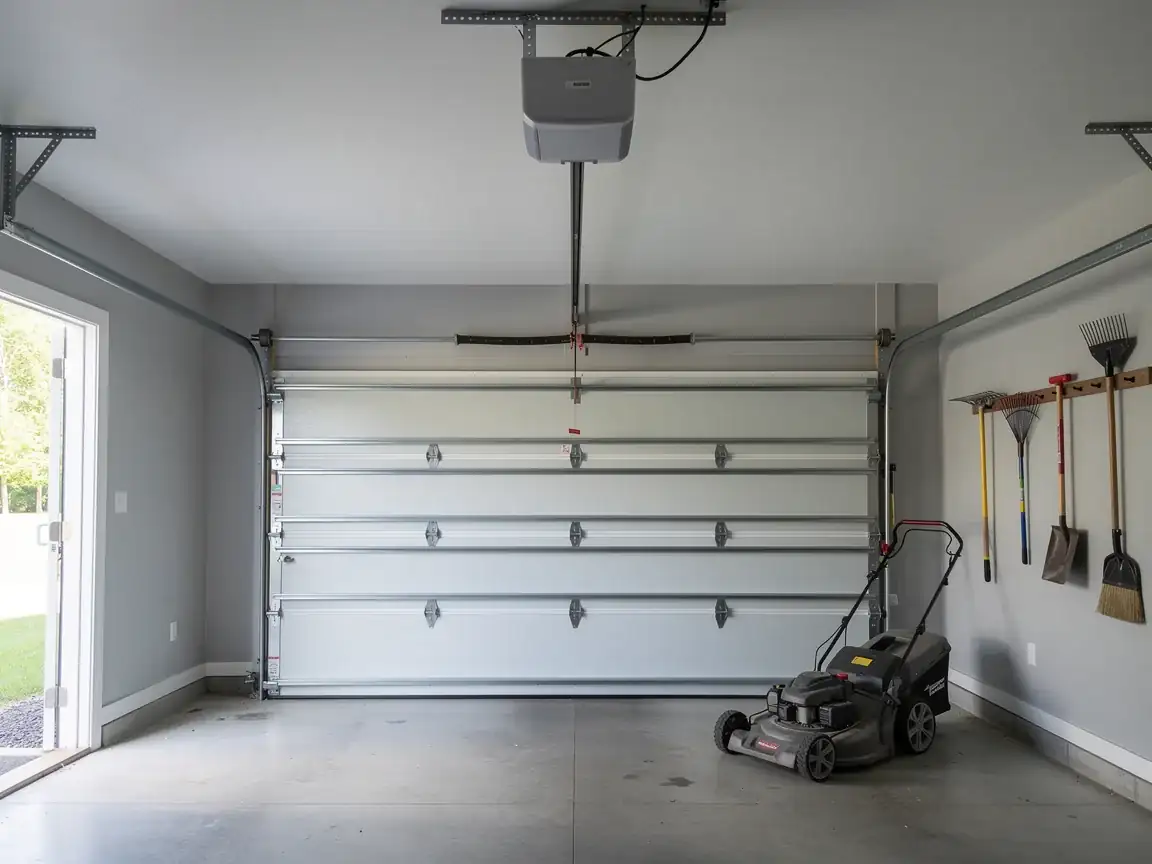
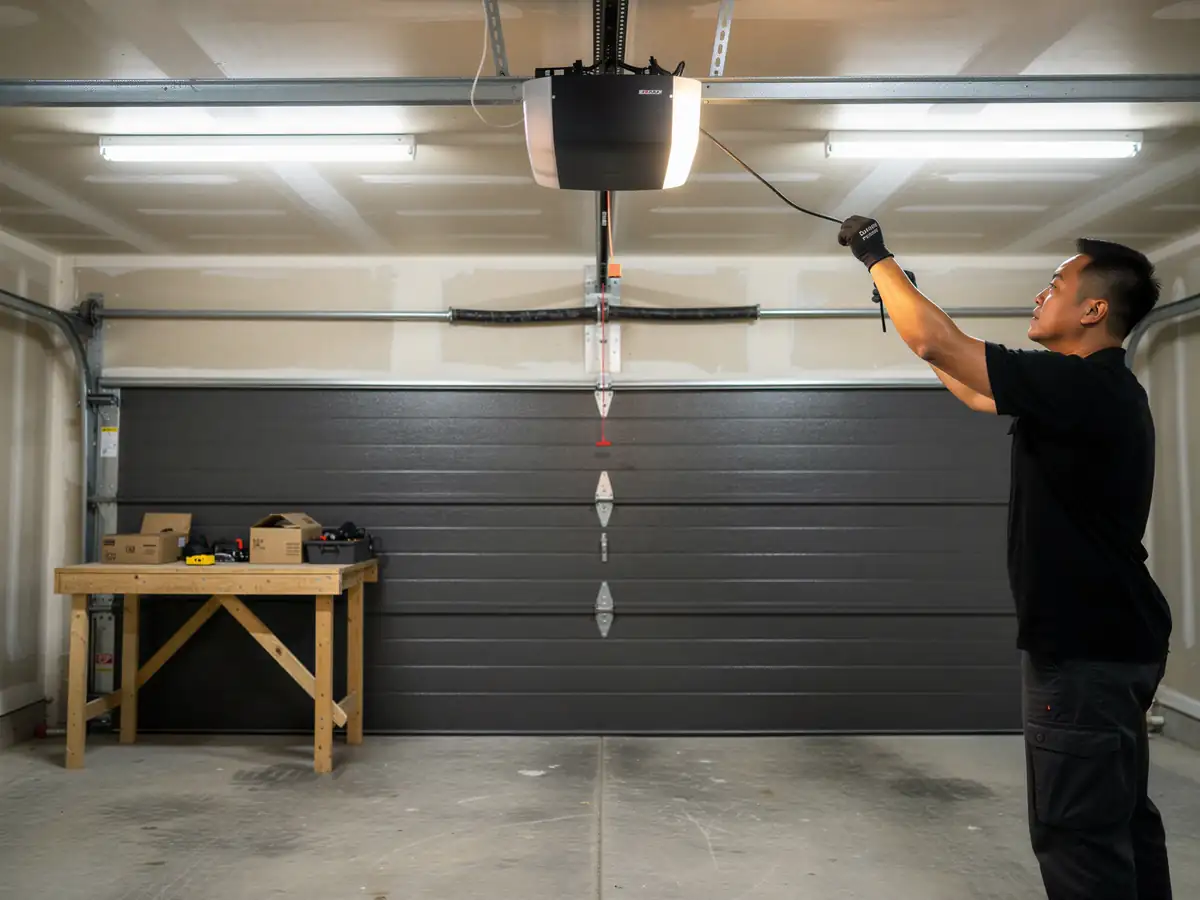
What you can safely check yourself: the photo-eye sensors near the floor track for dirt or misalignment, and whether the wall button light blinks a fault code. Beyond that, especially with a spring under tension, call it in.
How Long It Takes
We run this call from Homestead, about 10 miles out. We don't have a branch sitting in Richmond West, so the drive is part of the job, not a side note - we're not going to pretend otherwise. What that 10 miles does buy you is a crew that's already loaded with parts sized for newer opener and spring hardware, since most of what they see day to day on this side of the territory is 1980s-and-older stock. A 1996-era door is a quicker diagnosis once the truck's on-site: fewer rust-fused fasteners, more electronics to check with a meter instead of a wrench.
What You Are Seeing
On a door from this build era, the common emergency calls are different from what shows up on a 1960s original
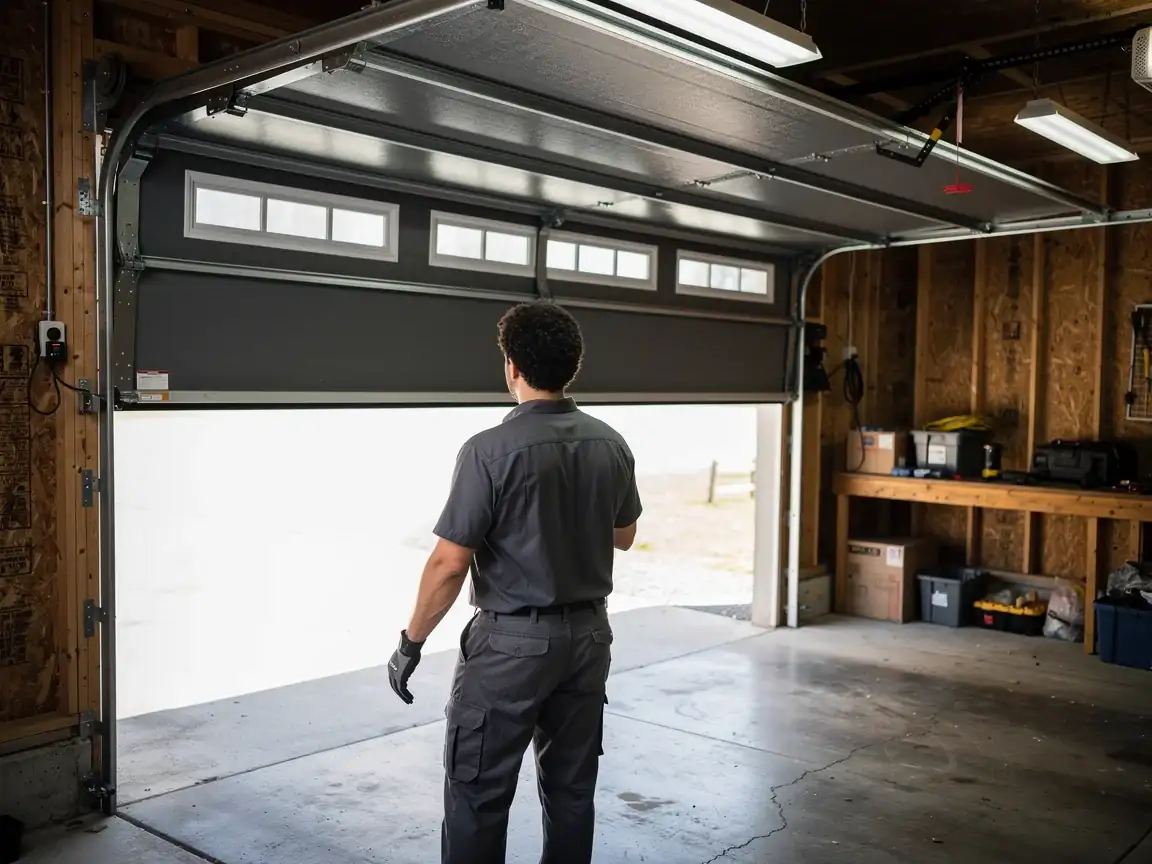
You're more likely dealing with: an opener logic board that's tripped and won't take a remote signal; a broken extension or torsion spring on hardware that's had maybe one replacement in its life, not three; a misaligned safety sensor after someone bumped a storage shelf near the track; or a cable that's frayed at the drum, not rusted through.
What you're less likely to see here than in the older pockets of the service area
Warped wood panels, obsolete one-piece doors, or spring hardware so out of production that we have to adapt a modern part to fit. The mild temperate climate across the whole area keeps humidity and heat cycling steady, which wears springs and seals gradually everywhere - it's the build year, not the weather, that decides which specific part fails first on your door.
Why This Fails Locally
A door that won't budge in Richmond West is more often an opener problem than a spring problem, and that's a direct function of the 1996 median build year. Openers from that generation are now closing in on 25-30 years of duty cycles - the capacitor in the motor unit, the logic board, and the original remote frequency are all past where they started failing on schedule rather than from abuse. Spring failure still happens, but on hardware this age it's usually one bad spring on a double door, not a full matched-pair replacement because both corroded together, which is more common on the area's oldest stock.
The Complications
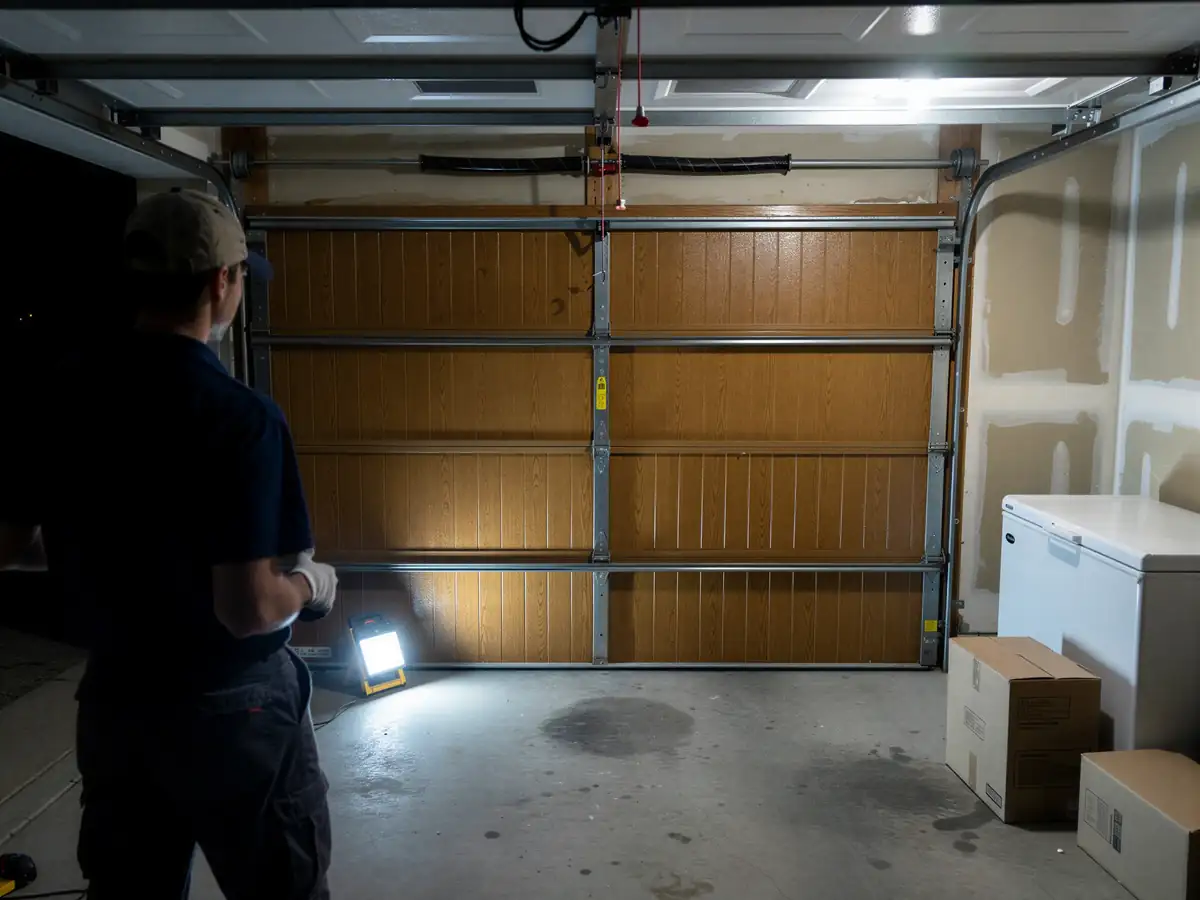
The complication on a Richmond West call isn't the door itself - it's diagnosing an electronic opener fault over the phone before the truck arrives. A spring break is obvious: the door won't lift, period. A board fault can look identical from the homeowner's side (door won't open) but be a $40 part instead of a full spring swap, or vice versa. We'd rather ask a few extra questions on the call - does the wall button do anything, does the light blink, does the motor hum - than guess and load the wrong part onto the truck.
One honest limit: if your opener logic board is a discontinued model, we may need to order the replacement rather than carry it in stock, which can push a same-visit fix to a return trip. We'll tell you that on-site, not after we've already started.