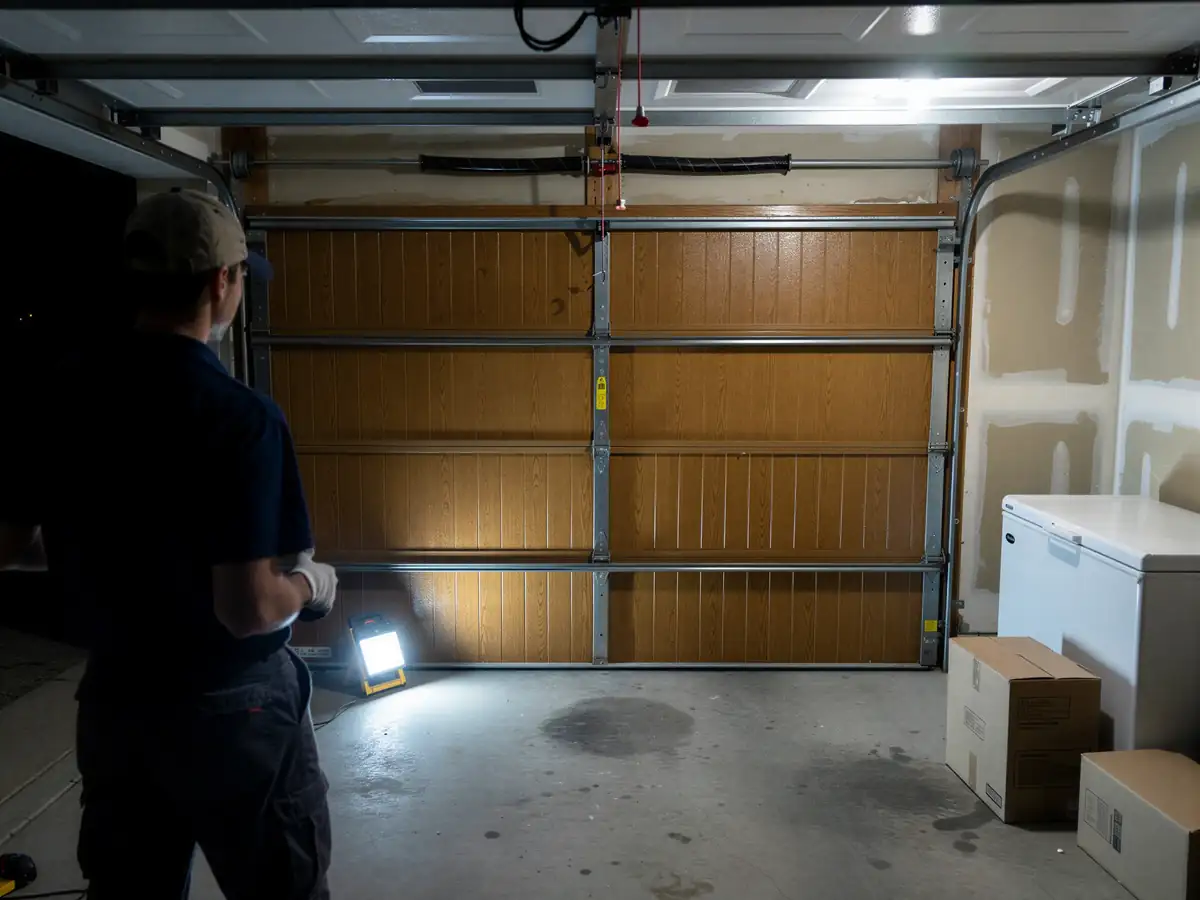
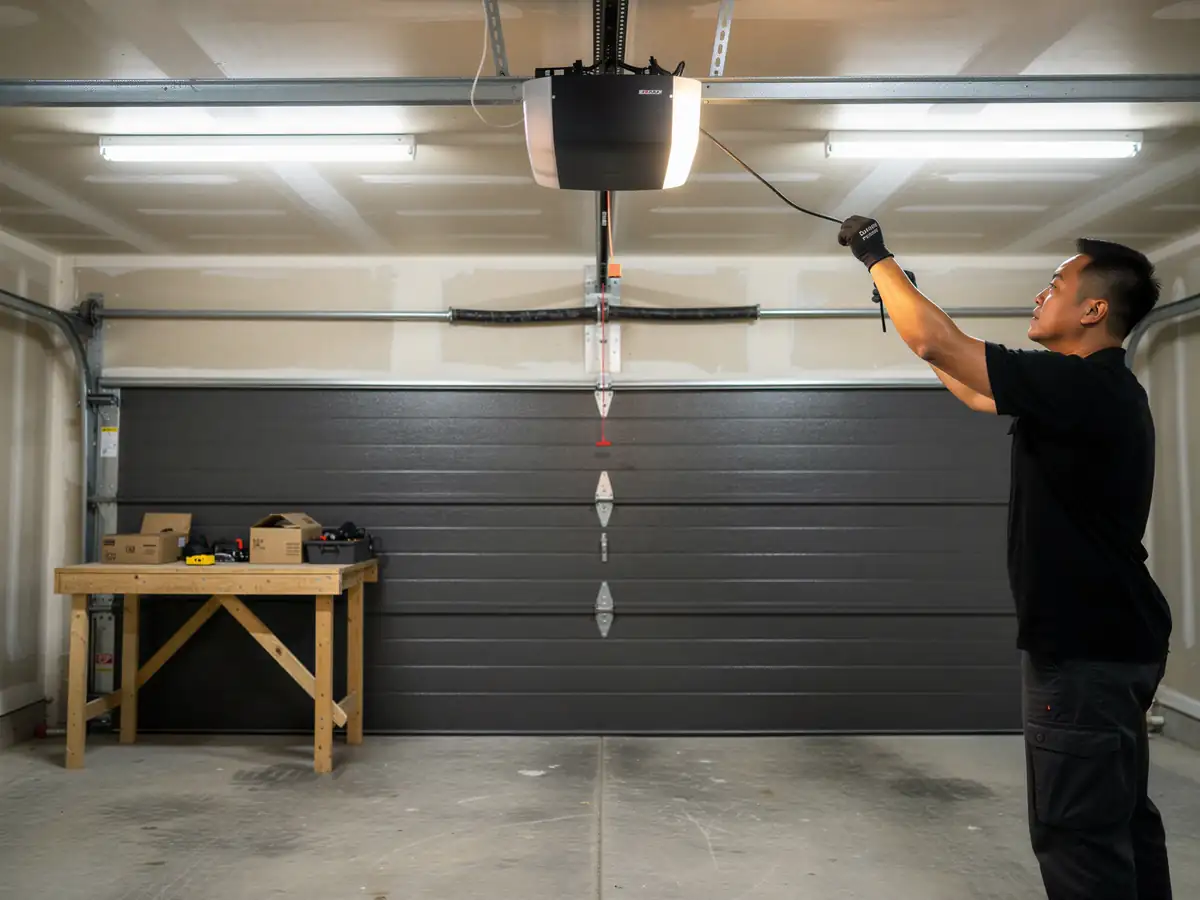
The DIY Question
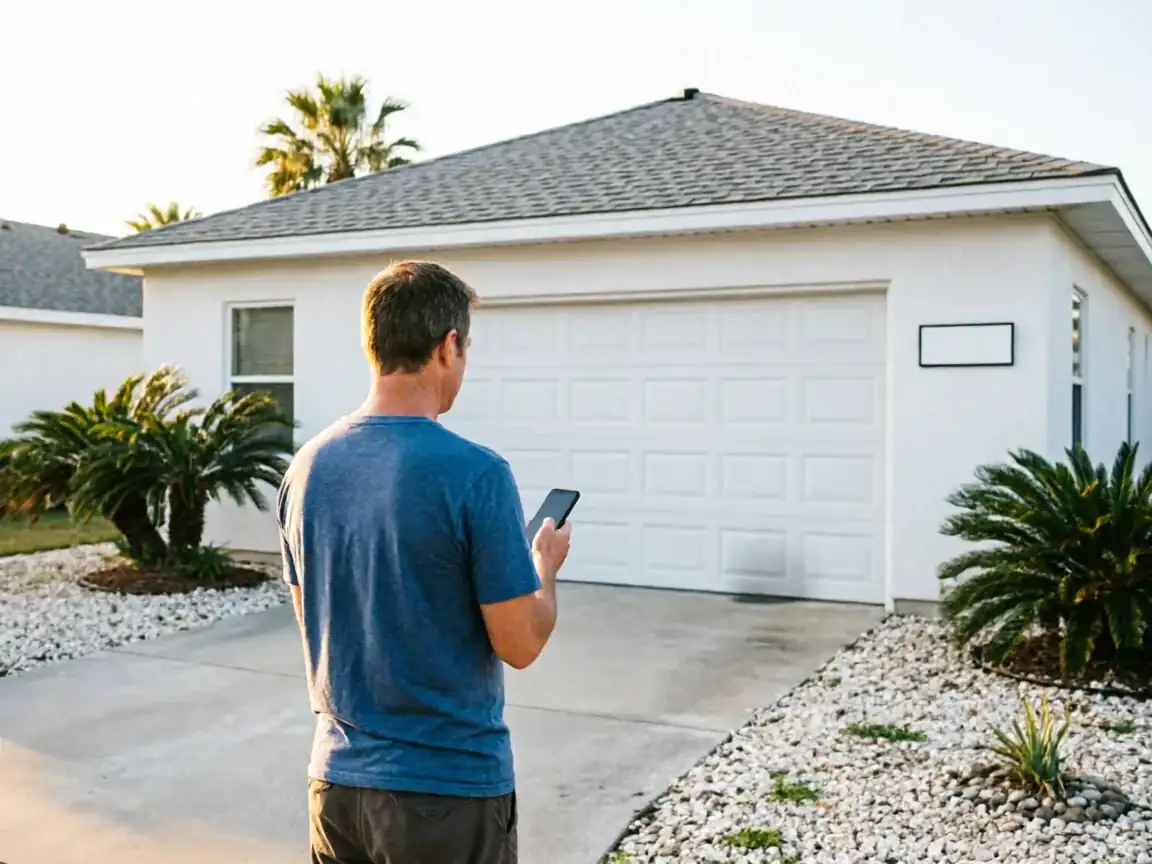
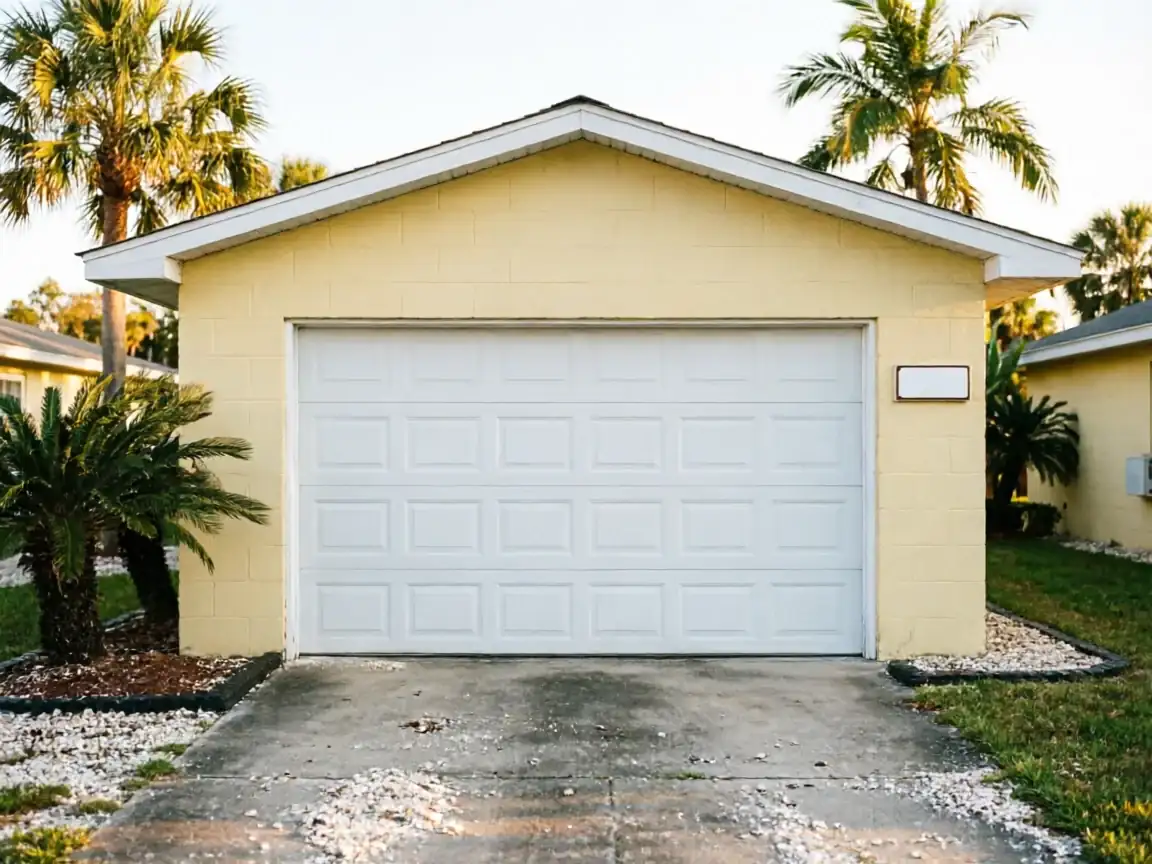
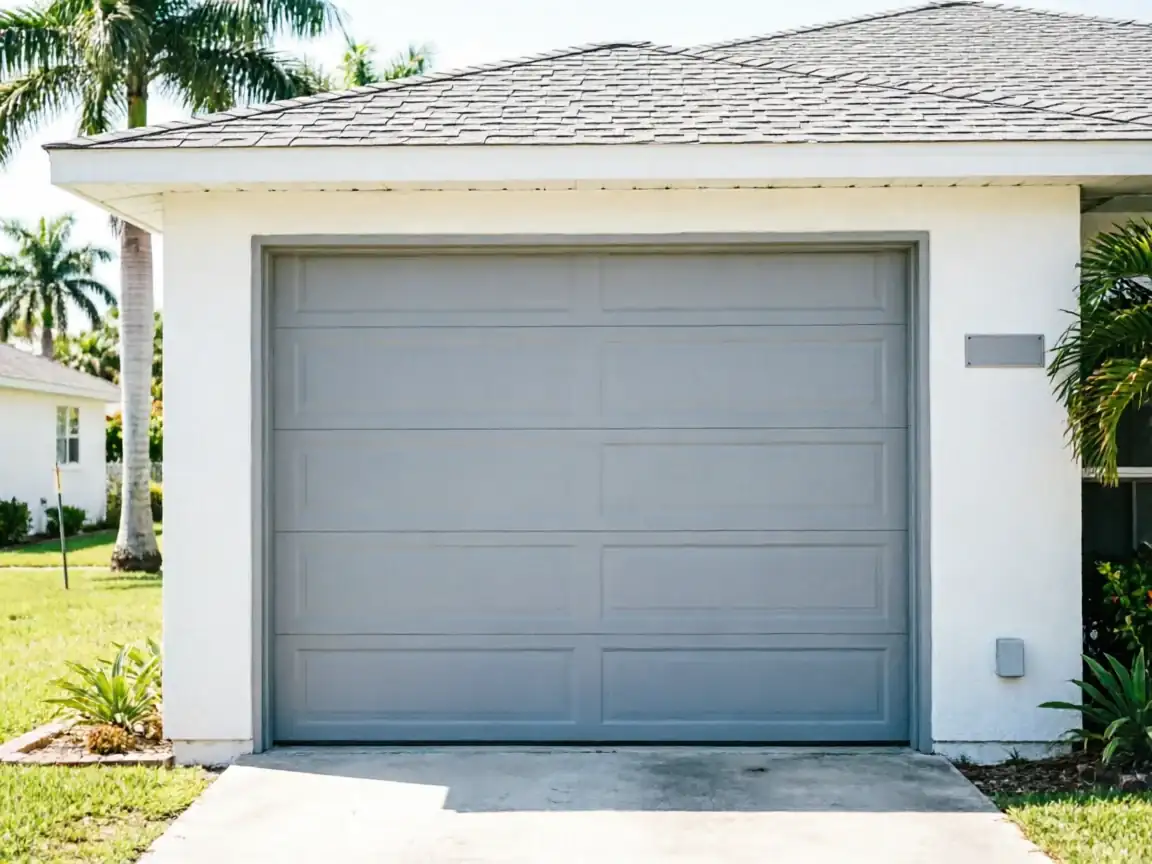
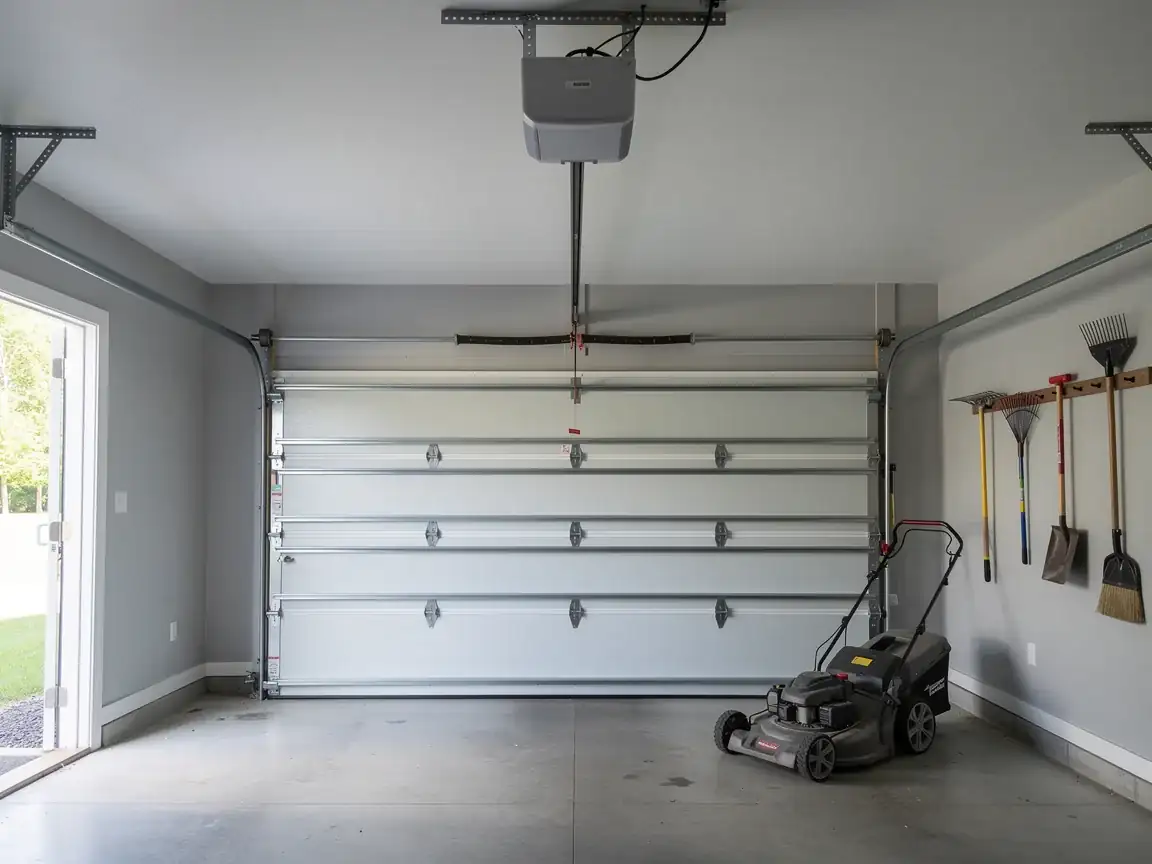
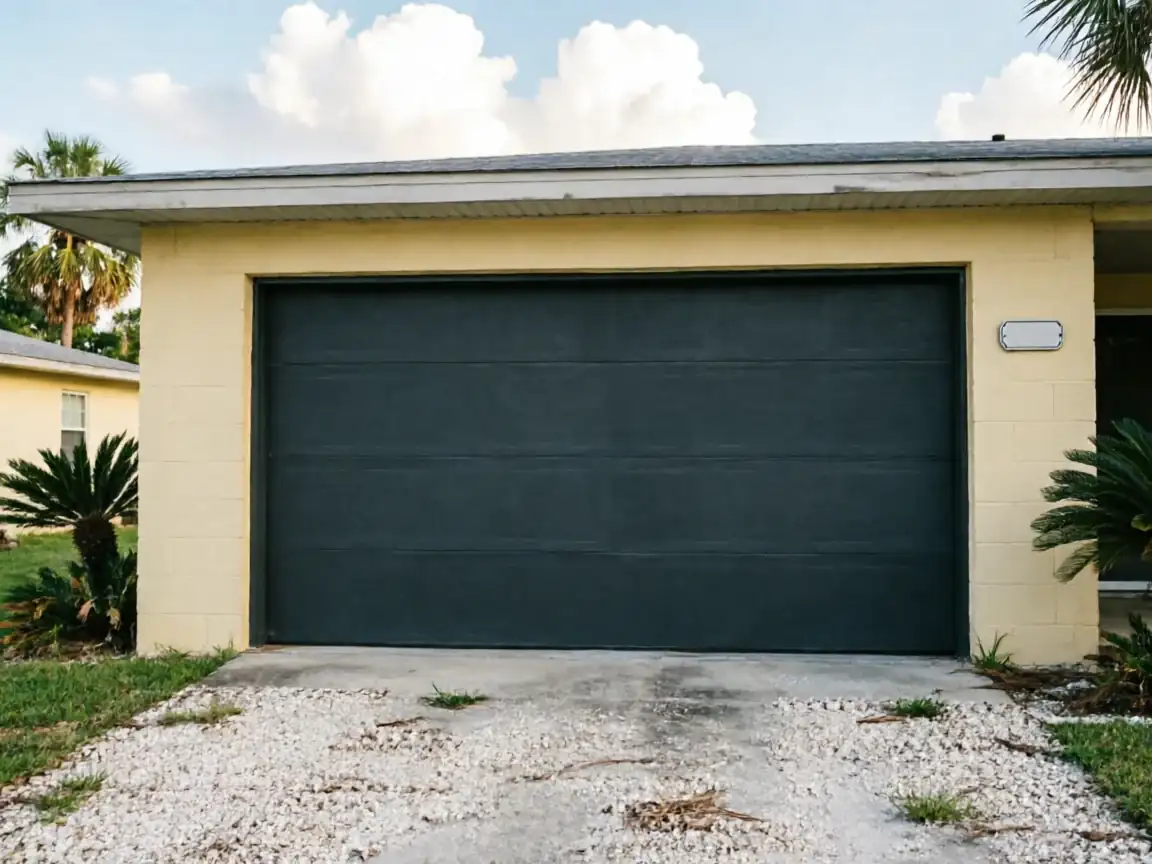
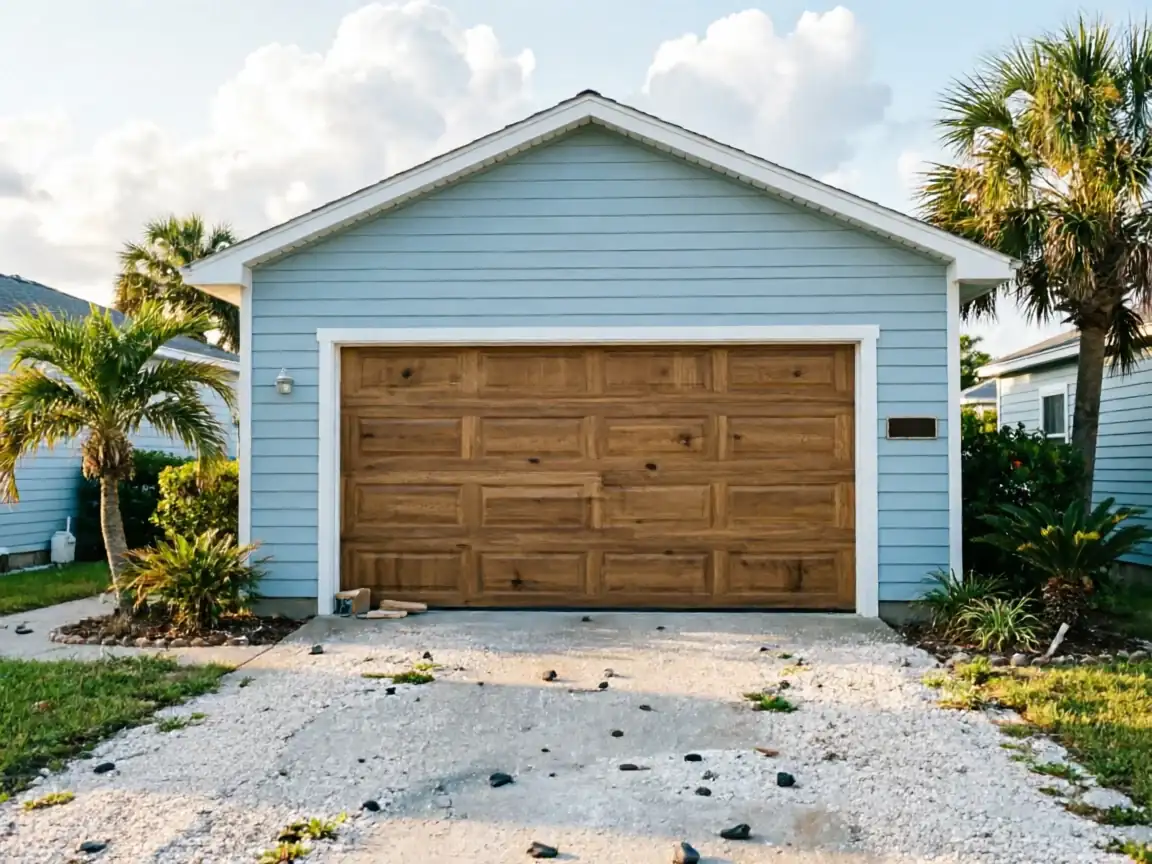
Most garage doors in Richmond West went up with houses built around 1996, which means you're usually looking at a steel sectional door, two-car width, on a torsion spring system that was already standard by then - not the older one-piece or side-hinge doors you'd find on a much older block. That matters for the opener question, because a door this size and weight (a double steel door typically runs 160 to 200 pounds depending on insulation) needs an opener rated to lift it smoothly, not just one that's physically compatible with the rail.
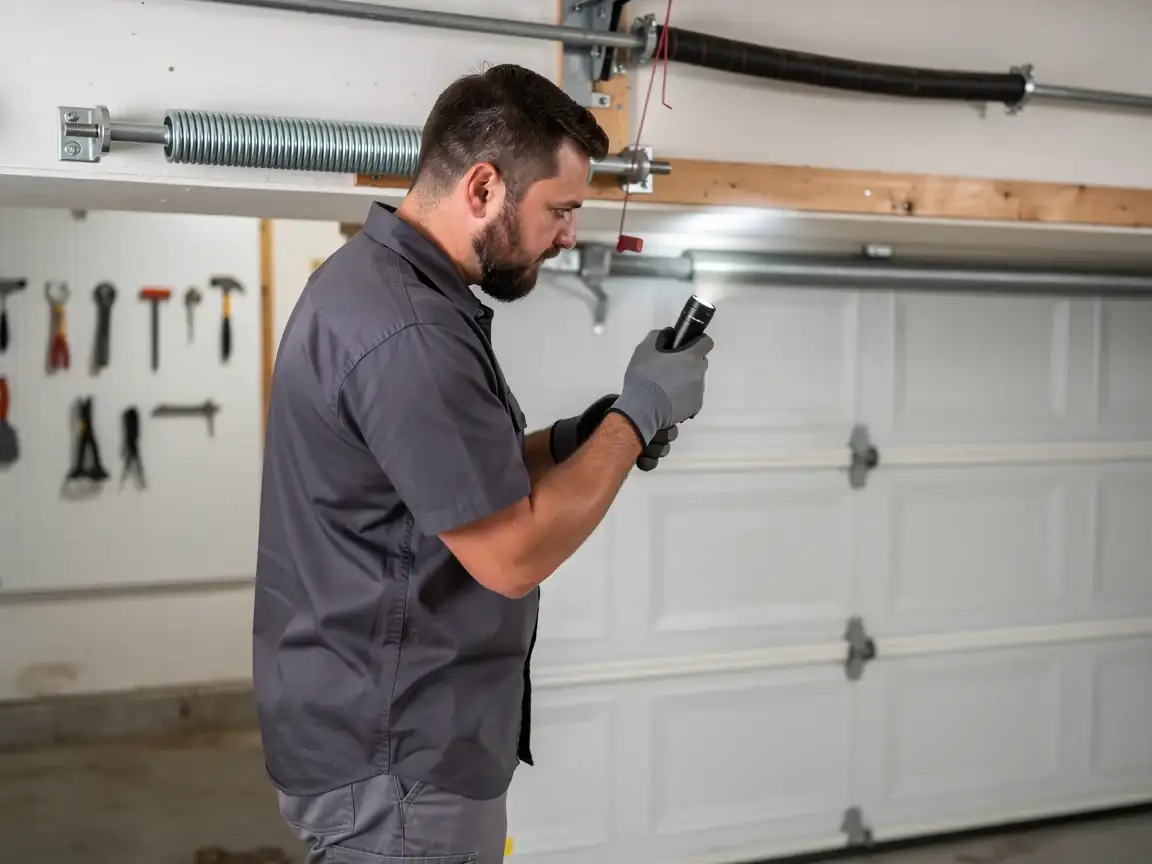
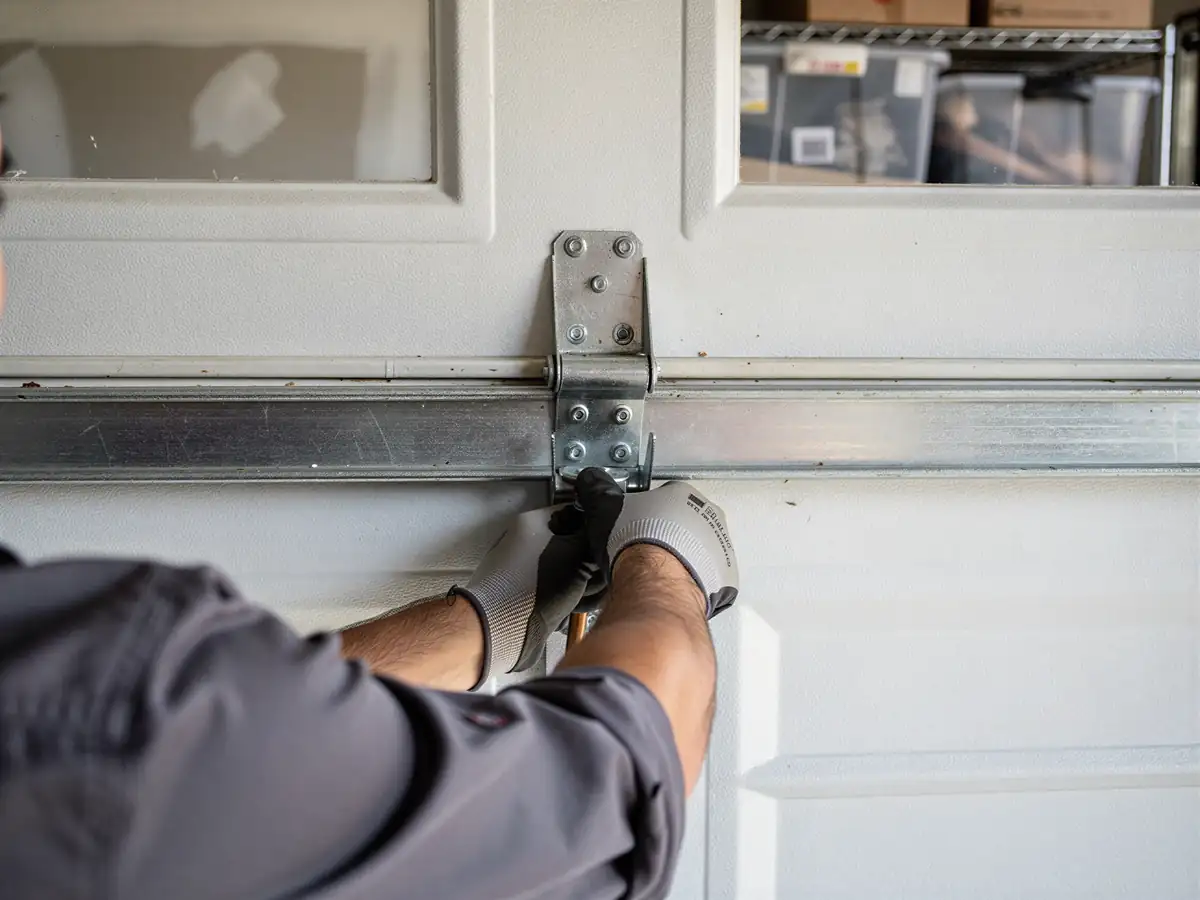
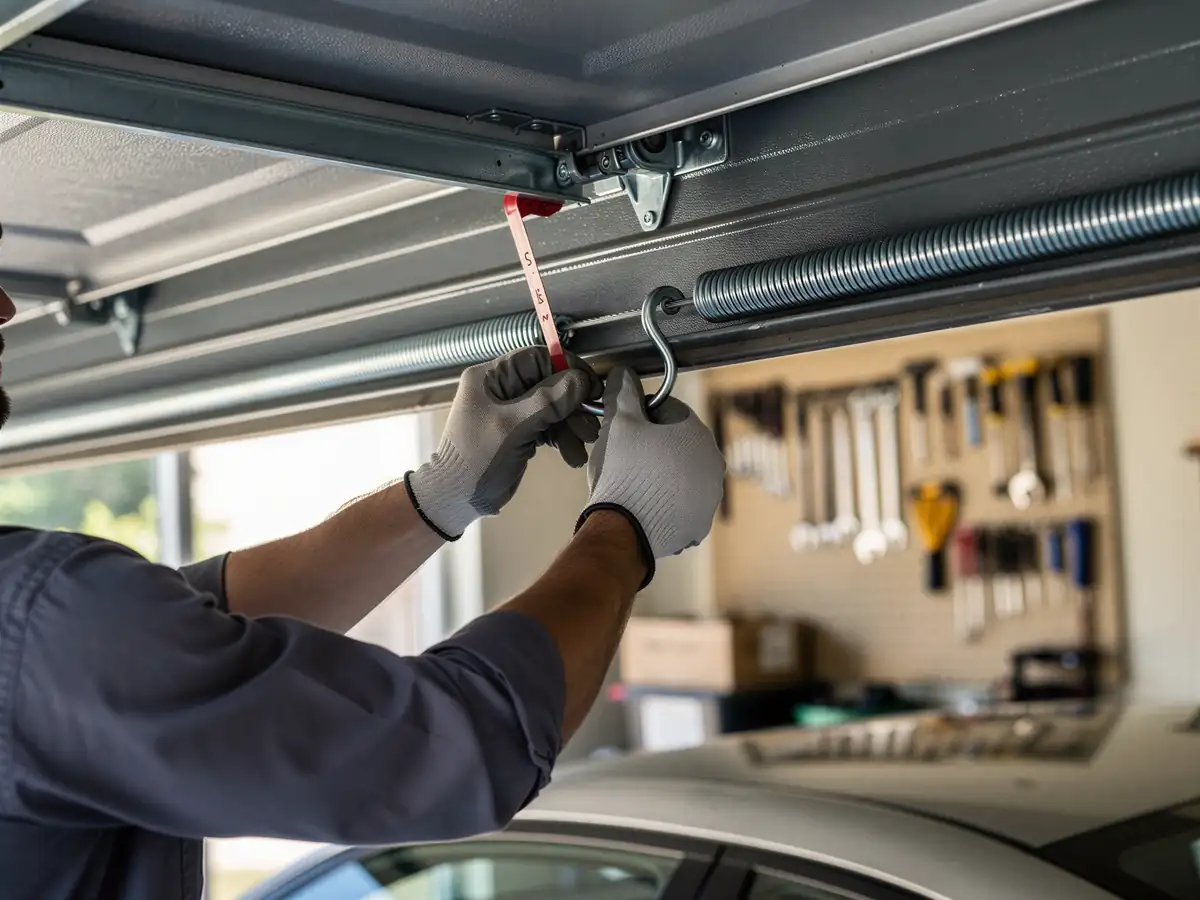
Can you install it yourself? If you've done electrical work and you're comfortable on a ladder working near a wound torsion spring, the mechanical part isn't exotic. Where people get hurt - and where doors get damaged - is misjudging the travel limits and force settings on a door this heavy, or wiring the safety reversal wrong. We'll say plainly: if your current opener bracket and header are original to a 1996 build, the wood may have dried and split enough that lag screws don't bite the way they used to. That's a five-minute check we do before mounting anything, and it's the kind of thing a DIY install skips.
How Long It Takes
A straight swap - same door, new opener, existing wiring reused - is usually a half-day job once the old unit and rail are down. Where it runs longer is on houses where the original opener is the builder-grade unit from the mid-90s and nothing since has been touched: the wall control is hardwired instead of plugged in, there's no dedicated outlet near the header, or the rail has sagged enough that it needs new ceiling brackets rather than reusing the old ones. None of that is unusual for a house this age; it's just not a five-minute swap.
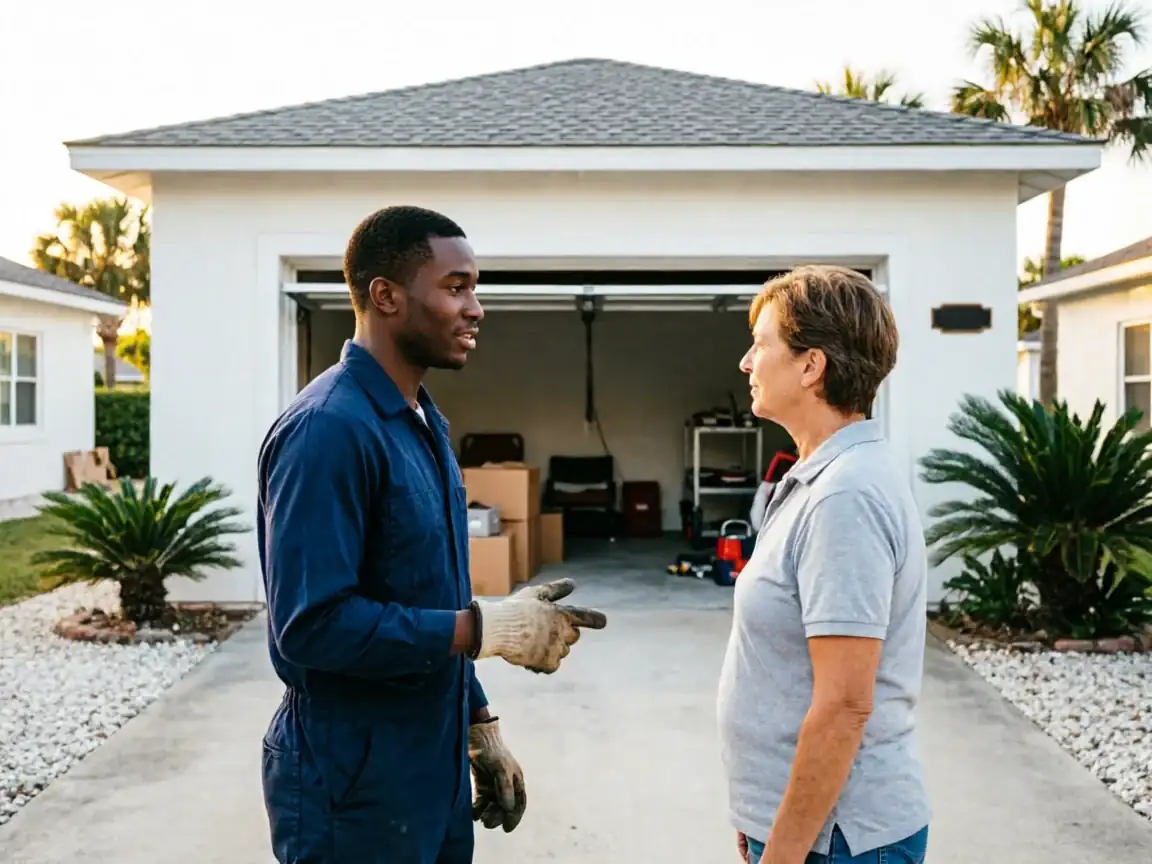
We come from Homestead, about 10 miles out, so the job itself starts once the truck arrives - we don't carry a separate response-time promise for Richmond West calls, and we won't pretend otherwise.
What You Are Seeing
On a door and opener combination from the 1996 era, the common failures aren't mysterious
The chain or belt stretches and starts chattering on travel. The circuit board's capacitors age out and the unit either won't respond to the remote or runs the motor without moving the door. The two-button or three-button wall console with a wired keypad outside - standard for that generation - loses contact in the housing and the door won't close on command even though the motor runs fine.
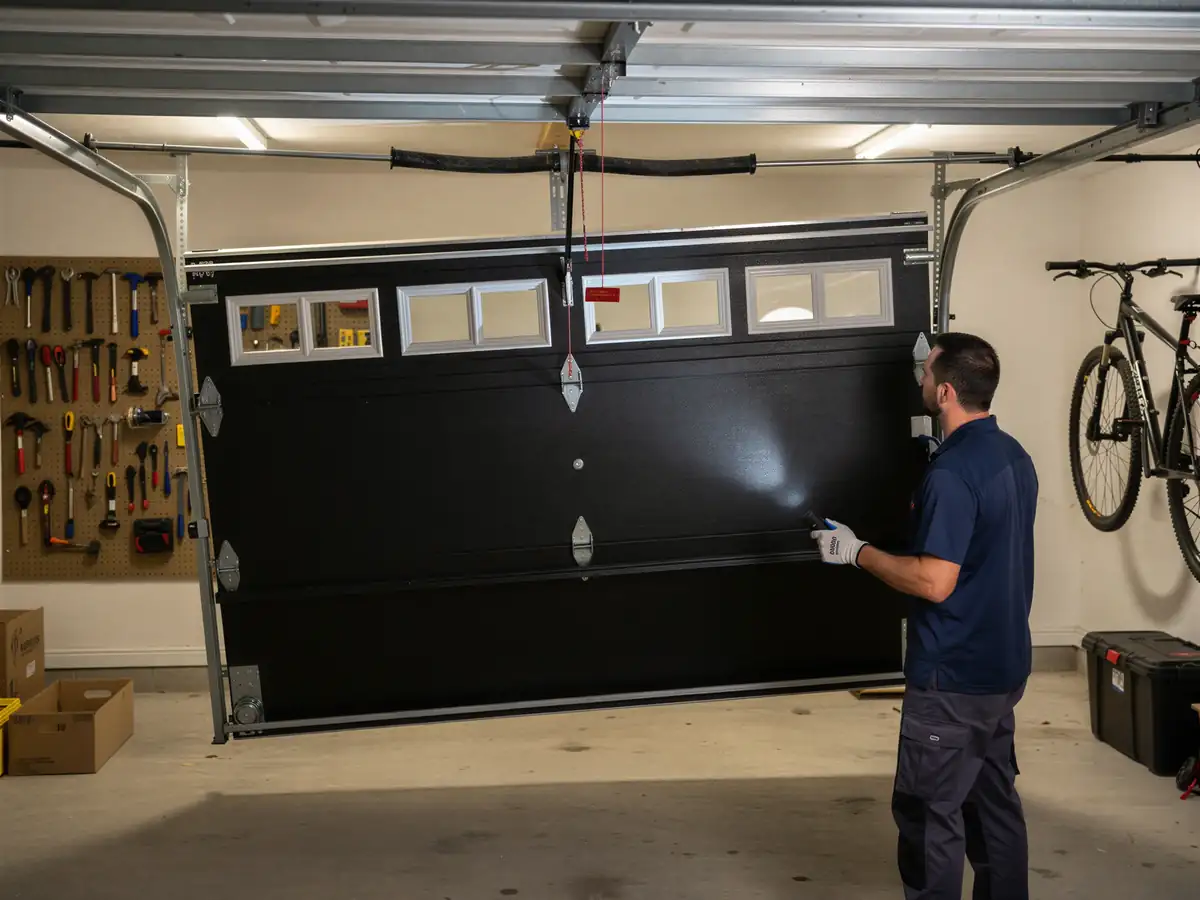
The other pattern we see on this vintage: the door closes, but slowly reverses partway down
That's usually the safety photo-eye sensors drifting out of alignment, not a failure of the opener itself, and it gets misdiagnosed as 'the opener is dying' more often than it should.
Why This Fails Locally
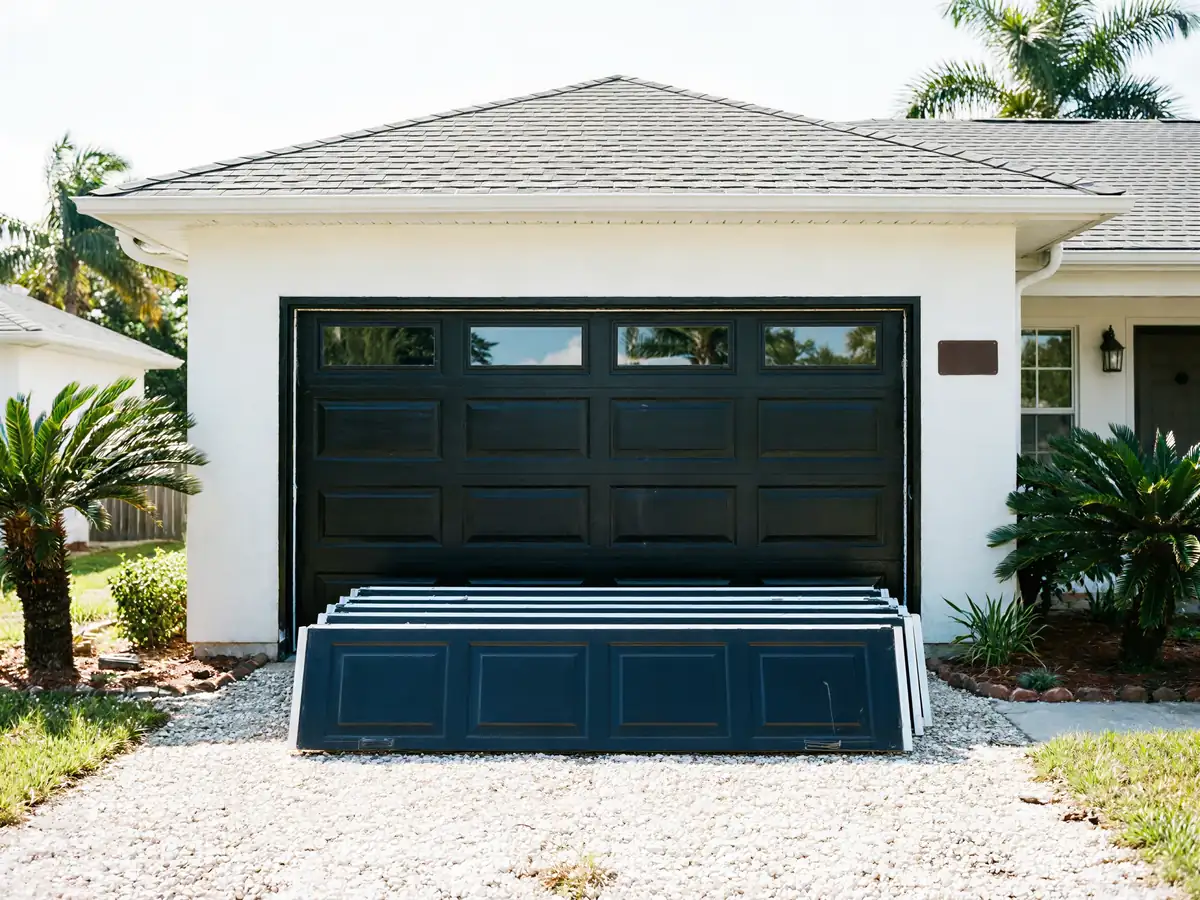
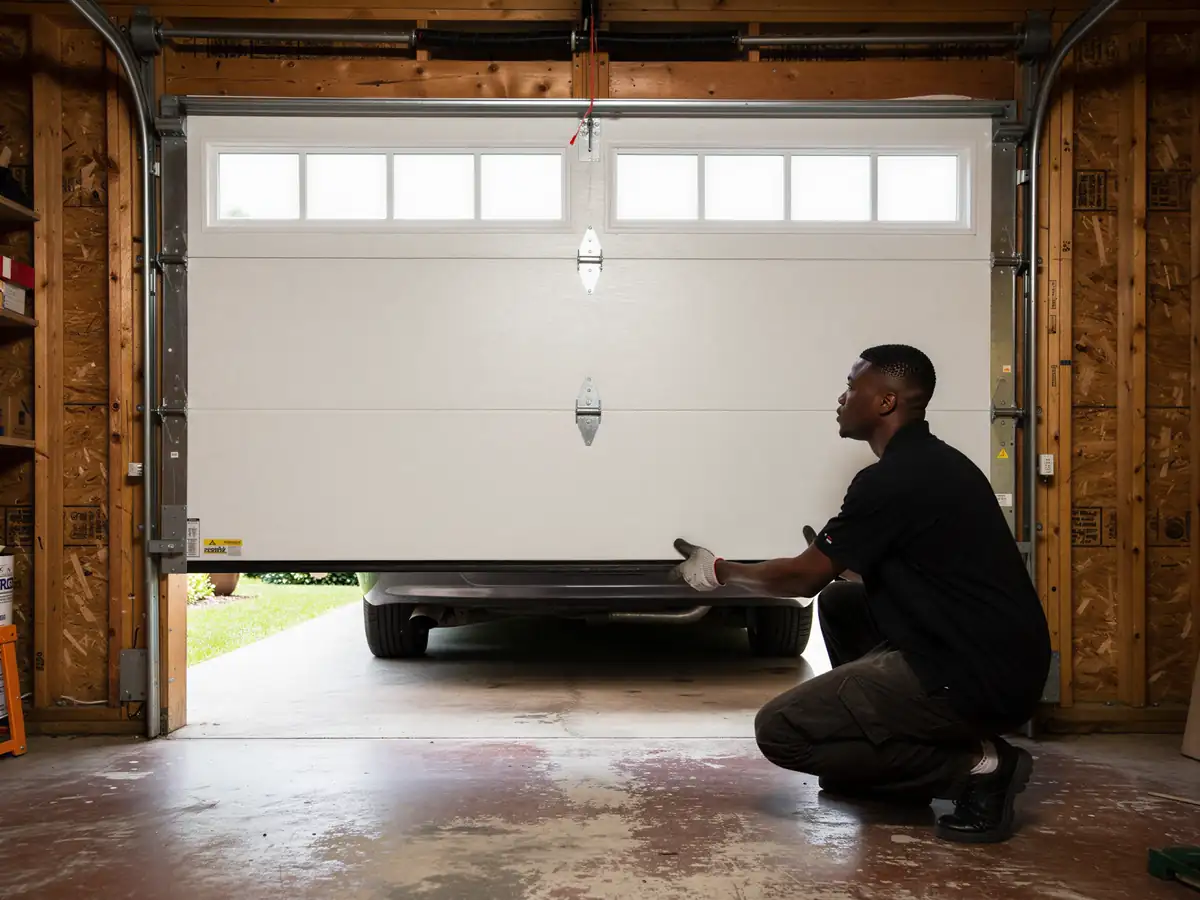
A mid-90s opener wasn't built with 30 years of service in mind, and in this part of the service area, with houses now pushing past that mark, that's exactly the age bracket we're working against. The motor and gear kit in a chain-drive unit from that era were sized for the lighter doors common before heavier insulated steel became standard - so if a previous owner swapped in a heavier replacement door at some point without upgrading the opener, the motor's been working past its rated lift for years. You won't see that as a sudden failure. You'll see it as a slow one: longer cycle times, more noise, eventual stall.
The climate here is mild temperate rather than extreme, so we're not dealing with the thermal expansion failures you'd get further north - but humidity still gets into an aging circuit board enclosure over three decades, and that's a quieter kind of wear that doesn't show up until the board just stops responding.
The Complications
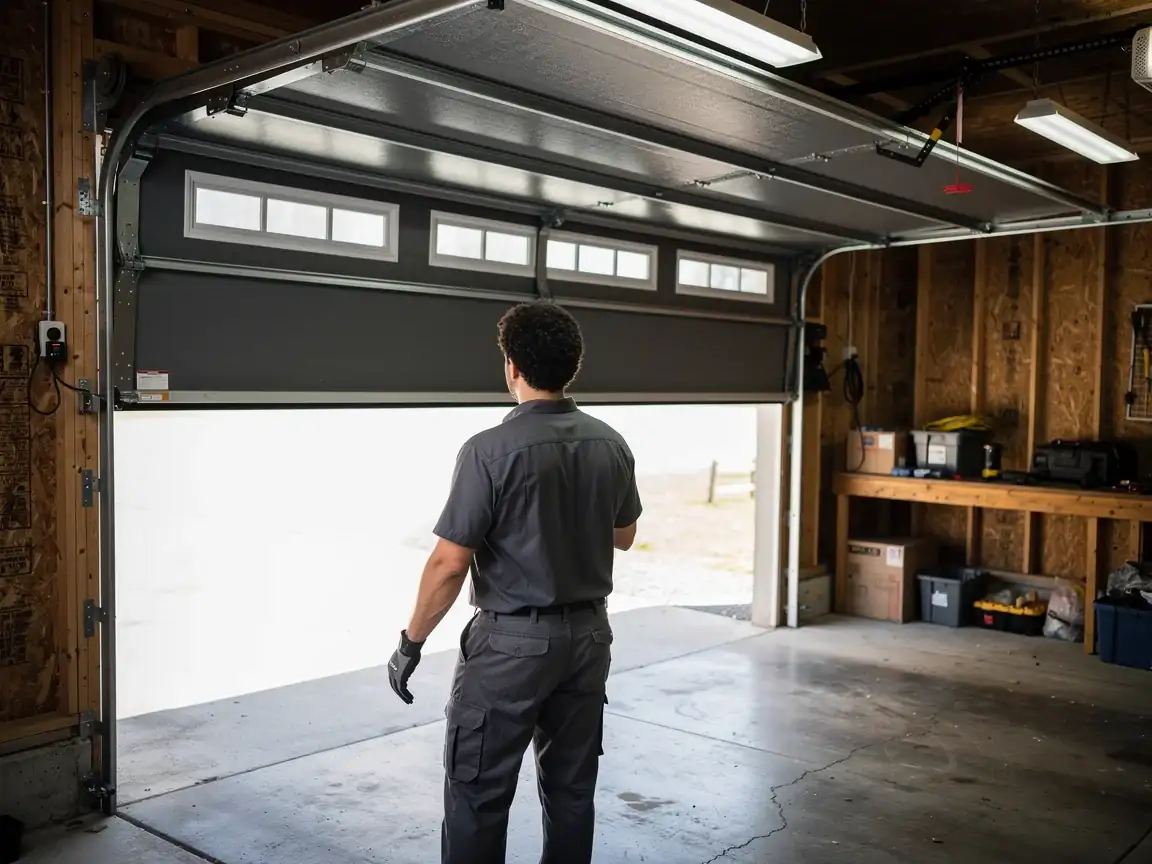
The complication we run into most in Richmond West isn't the opener - it's what's behind the opener mount. On a 1996-built garage, the header above the door is original, and if it was never reinforced for a heavier door than the house shipped with, a new high-lift or heavy-duty opener bracket needs backing we have to add on site. We carry the hardware for that, but it's extra time, and we'd rather tell you that up front than quote a flat number and have it change at the door.
The other thing worth naming honestly: if the existing rail and header are original and in reasonable shape, we reuse them. We don't replace parts that don't need replacing just to pad a job.