The DIY Question
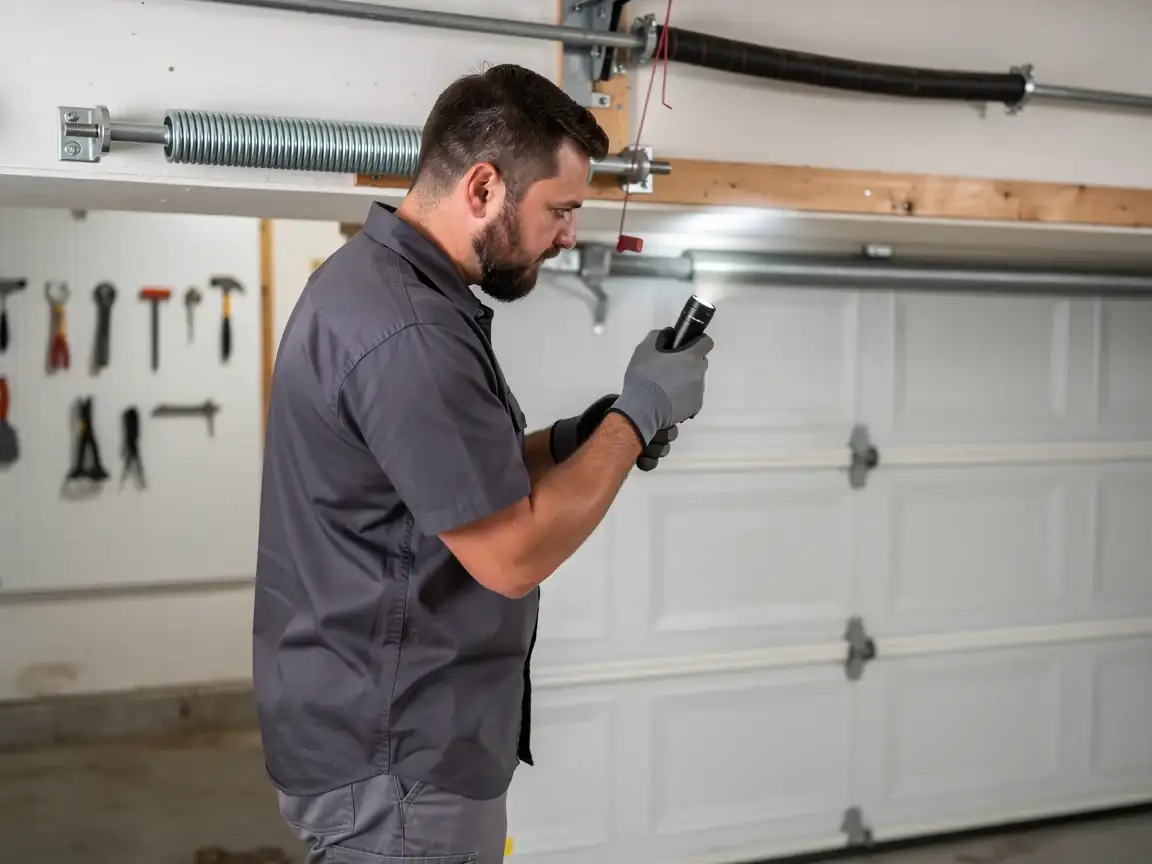
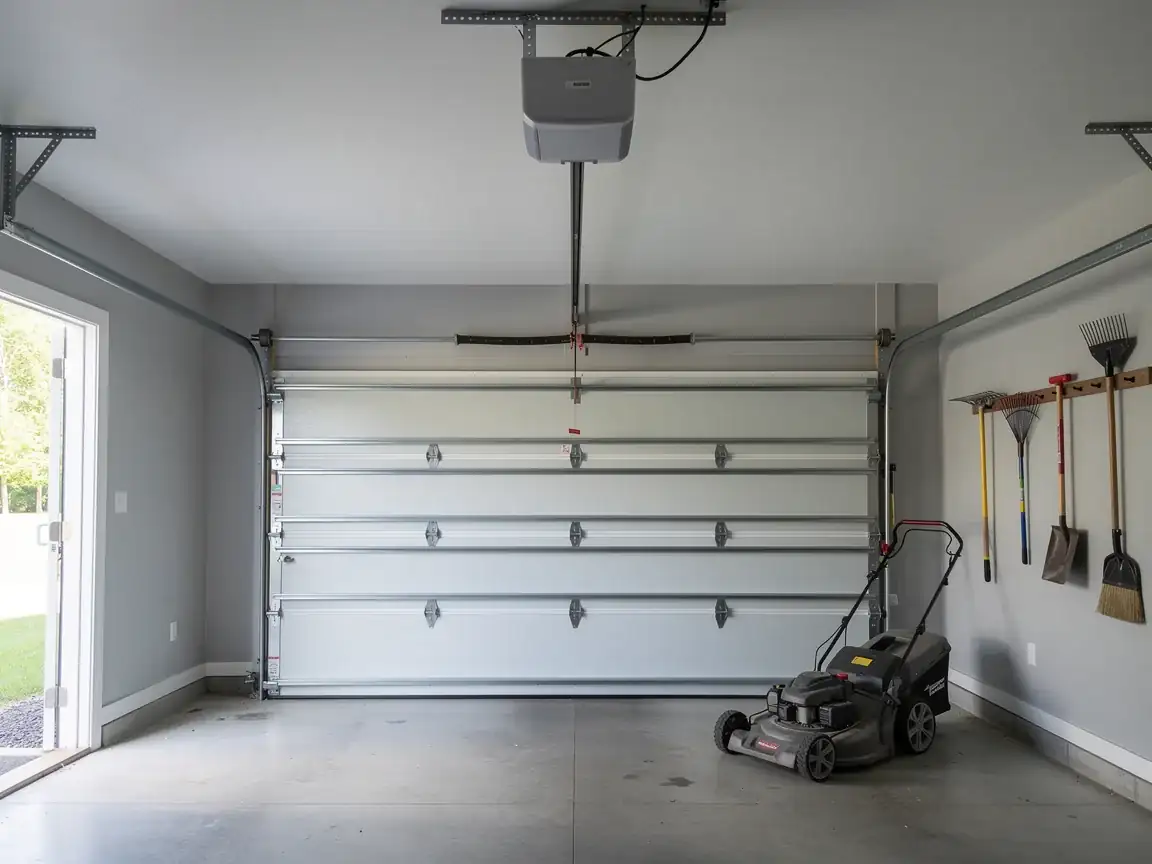
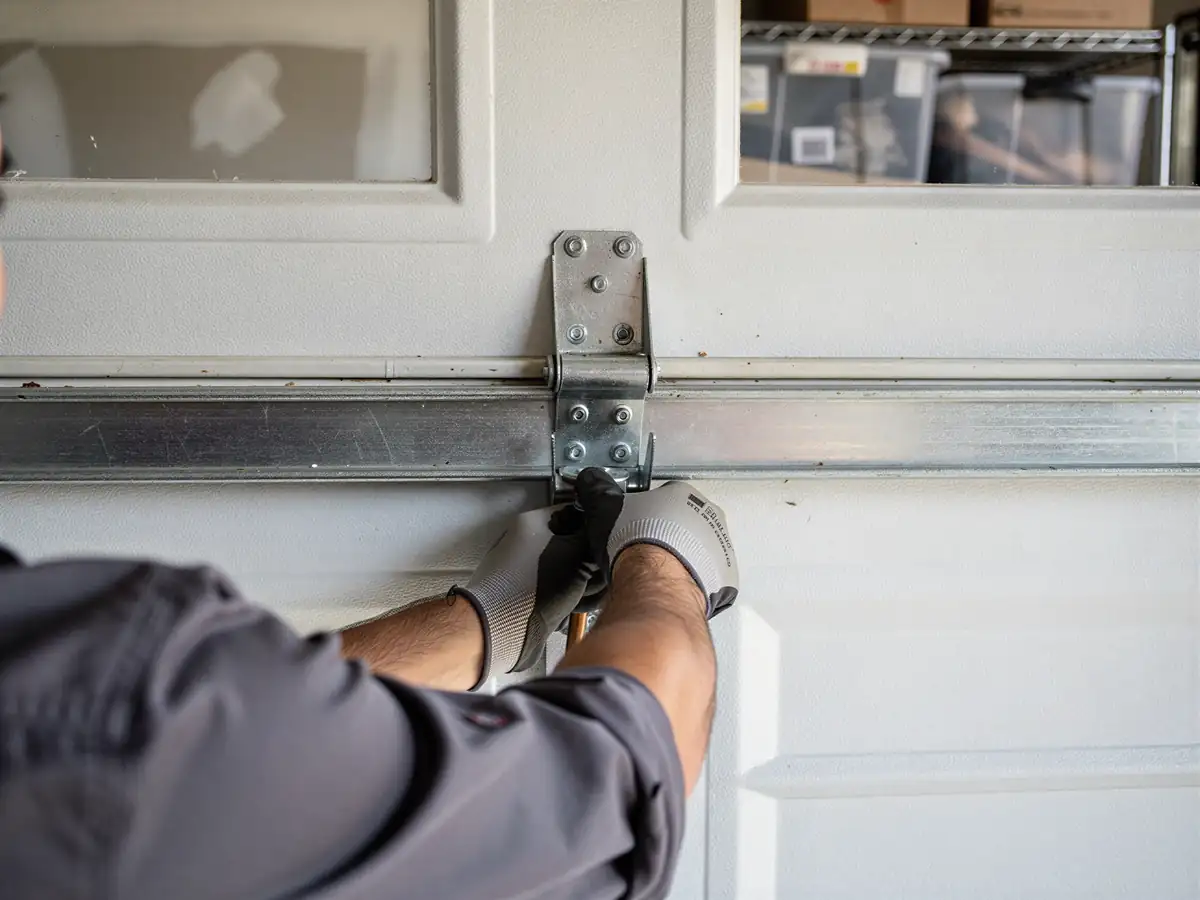
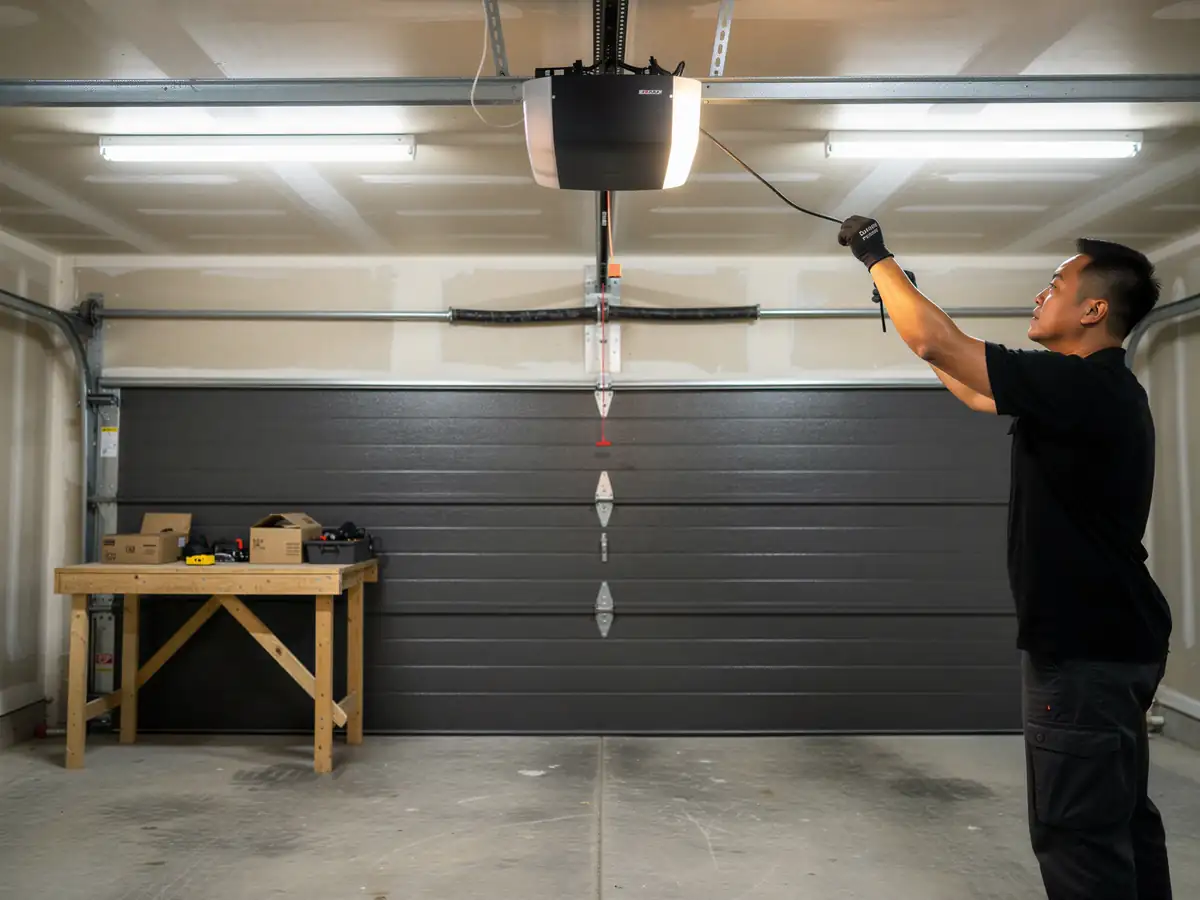
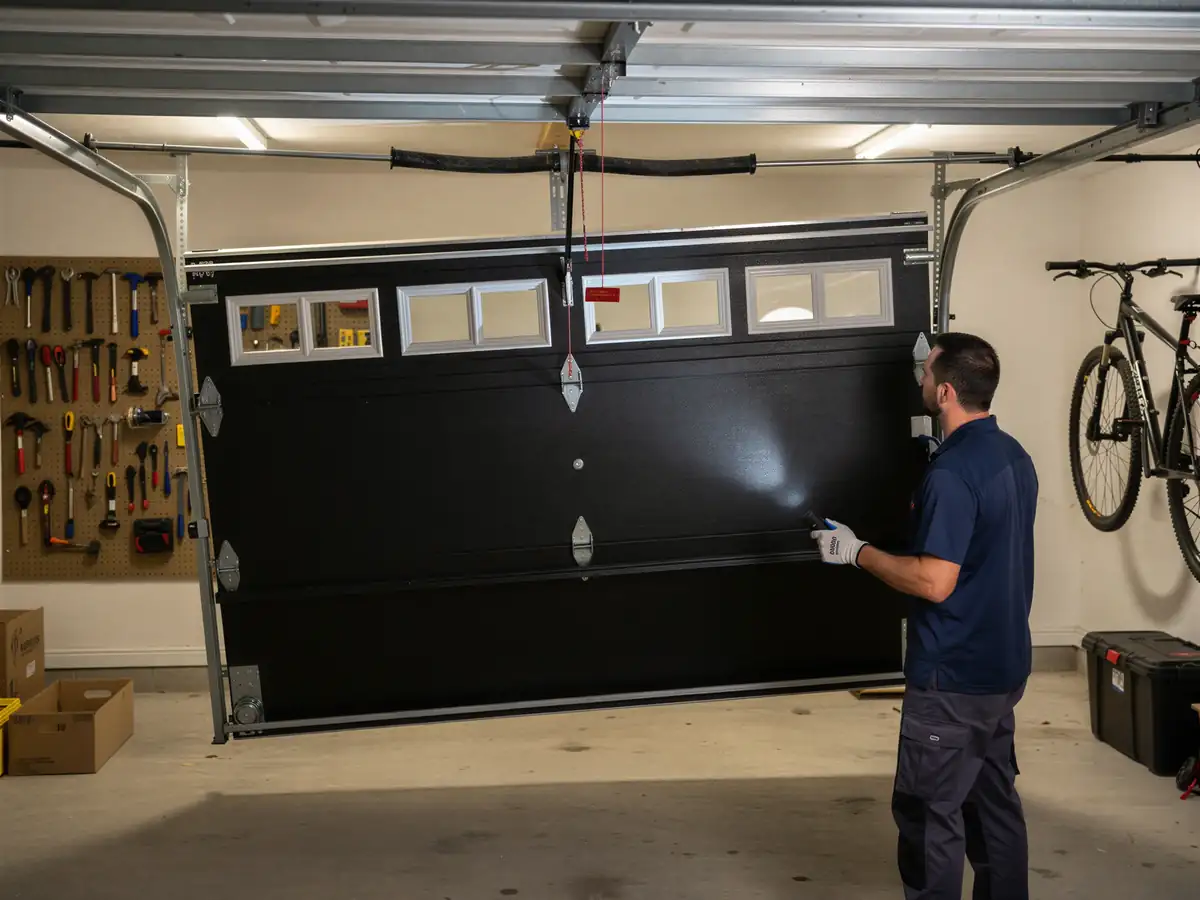
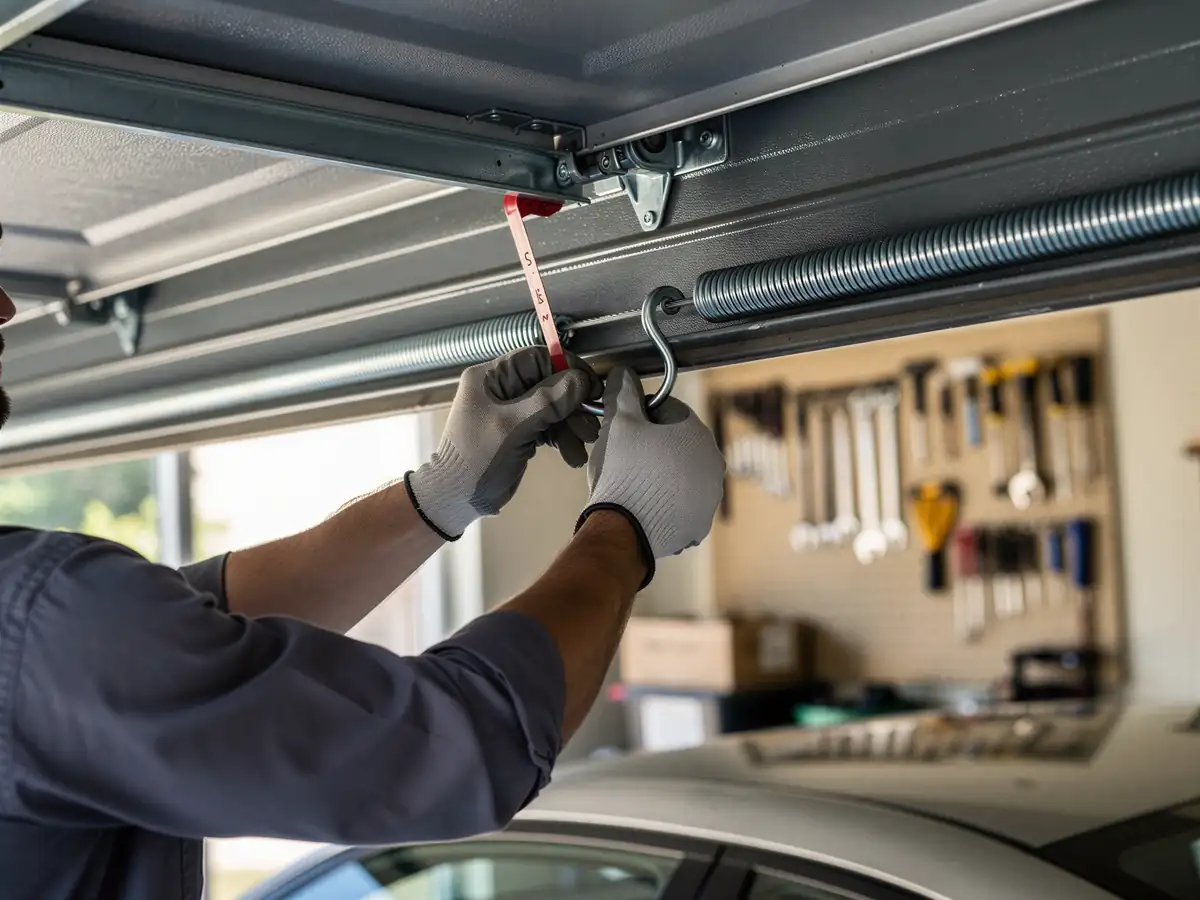
Richmond West's housing stock mostly went up around 1996, well after the service area's overall median build year of 1979. That matters for the DIY question because houses from this era almost always came with factory torsion springs sized for steel sectional doors, not the older extension-spring setups you'll find in the 1960s and 70s pockets closer to Homestead. Torsion springs store more force and sit on a shaft above the door, under tension that can break a wrist or worse if you don't know how to wind it. We're not going to pretend this is a weekend project. If you're comfortable swapping a garage door opener remote battery, that's a different skill set entirely from compressing a torsion spring with winding bars. The honest answer: tightening a loose bracket or lubricating hinges is fine to do yourself. Removing and replacing the spring itself is not a job we recommend for anyone without the right bars, clamps, and a second set of hands. We'd rather you call and ask a question than end up explaining a trip to urgent care.
How Long It Takes
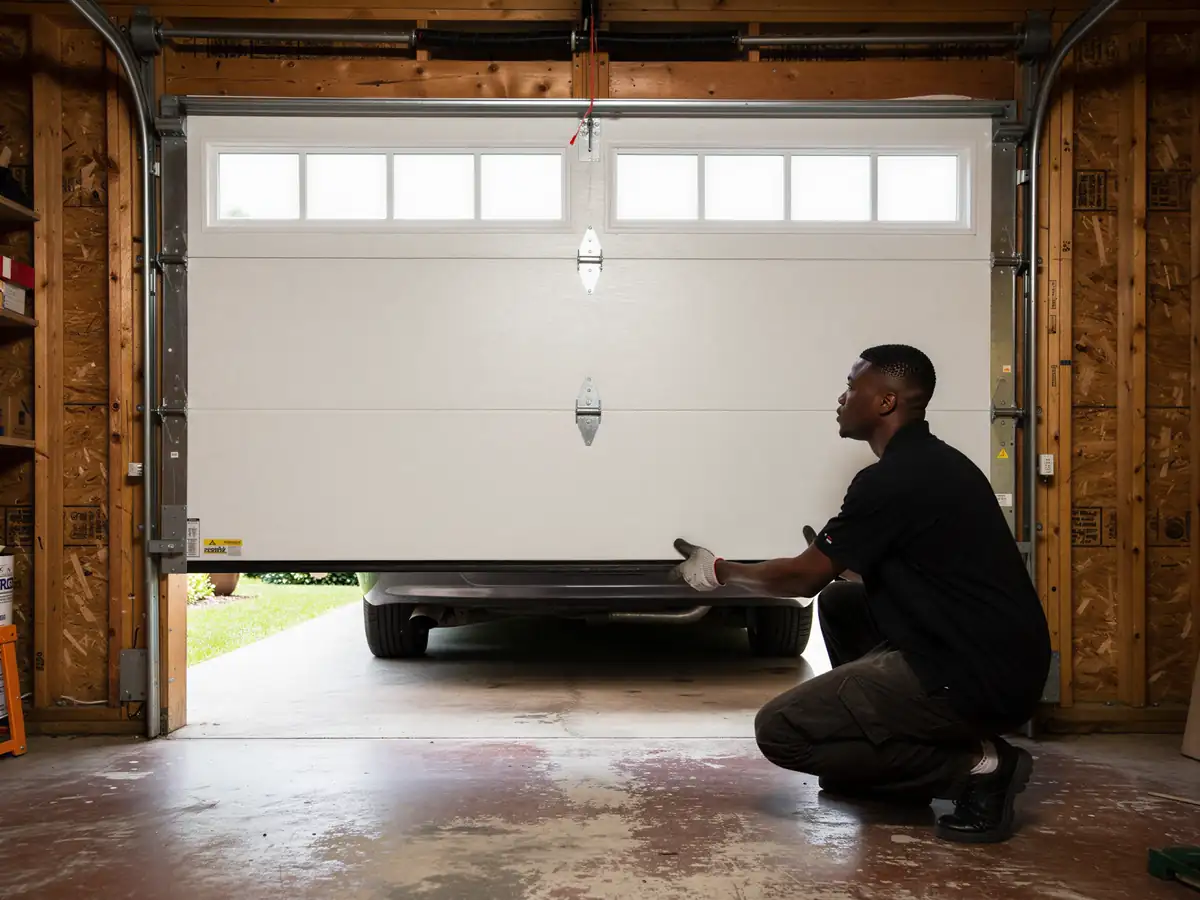
A straight torsion spring swap on a standard double door usually runs under two hours once the truck is on site, parts in hand. Richmond West sits about 10 miles out from Homestead, so factor that into when a tech can realistically get to you in a day's schedule - we're not based in Richmond West, we travel to it. What slows a job down isn't the spring itself, it's matching the wire size and wind direction correctly, since a mismatched spring will either fail early or won't lift the door at all. If your door was installed as part of original construction in the mid-1990s, there's a decent chance the spring on it now is not the original - these have a rated cycle life and most have already been replaced once or twice by this point. We carry common sizes on the truck, but a less standard wind or an oversized door can mean a short wait on a part.
Why This Fails Locally
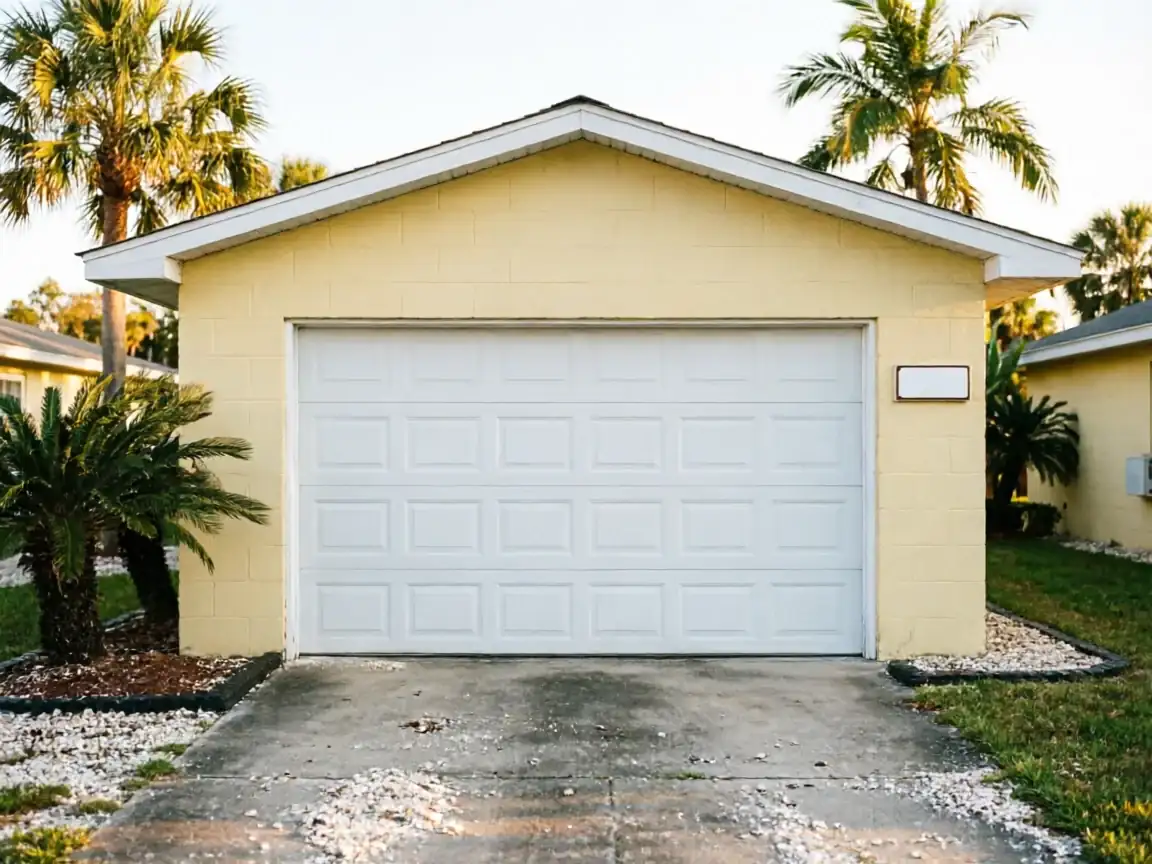
Garage doors here run on a straightforward fatigue cycle - open, close, open, close - and torsion springs are rated for a set number of cycles before the metal gives out, typically somewhere in the 10,000 to 15,000 range depending on the spring. In the mild temperate climate of this area, you don't get the freeze-thaw cracking that kills hardware up north, so when a spring fails here it's almost always simple wear, not rust or weather damage. Richmond West's newer housing stock, mostly dating to the mid-1990s, means most doors are on their first or second replacement spring rather than decades-old original hardware. That's actually good news - it usually means standard parts, not a hunt for an obsolete wind pattern. The main local factor is usage: a household running the door several times a day will burn through spring life faster than one running it twice.
The Complications
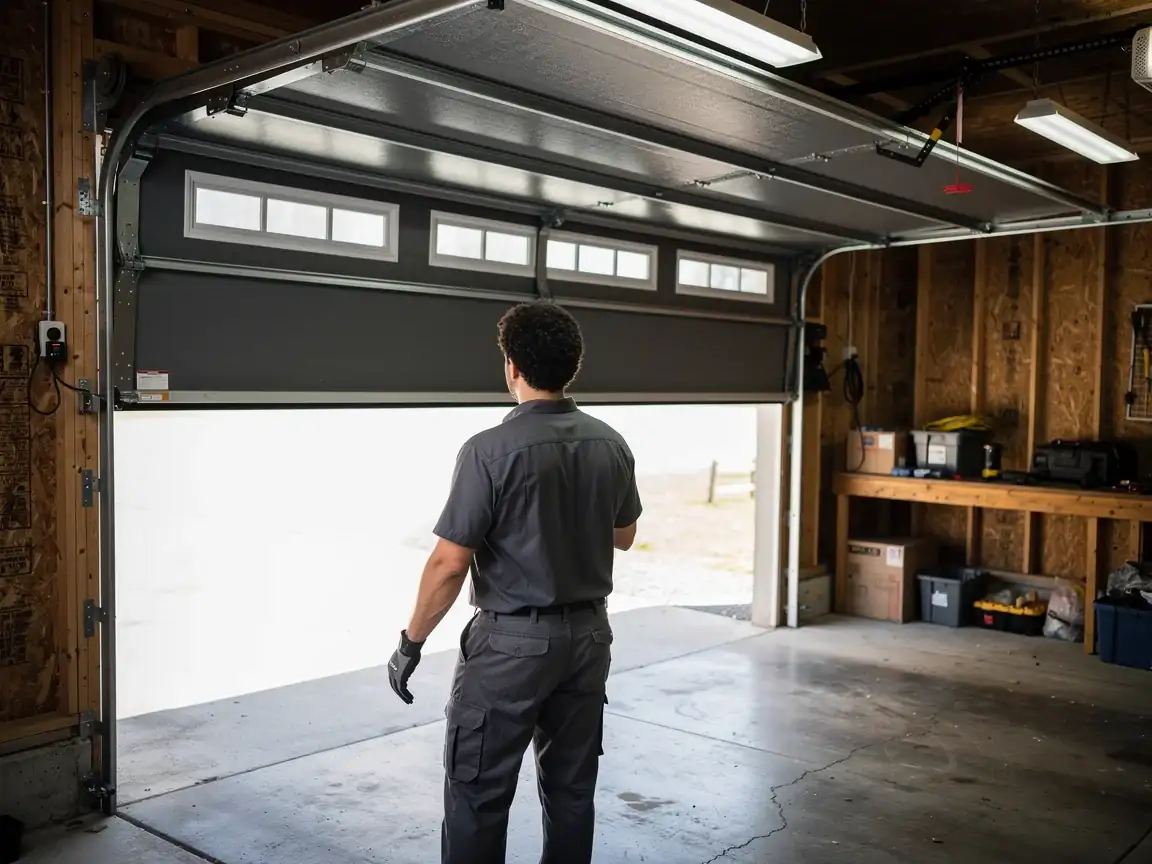
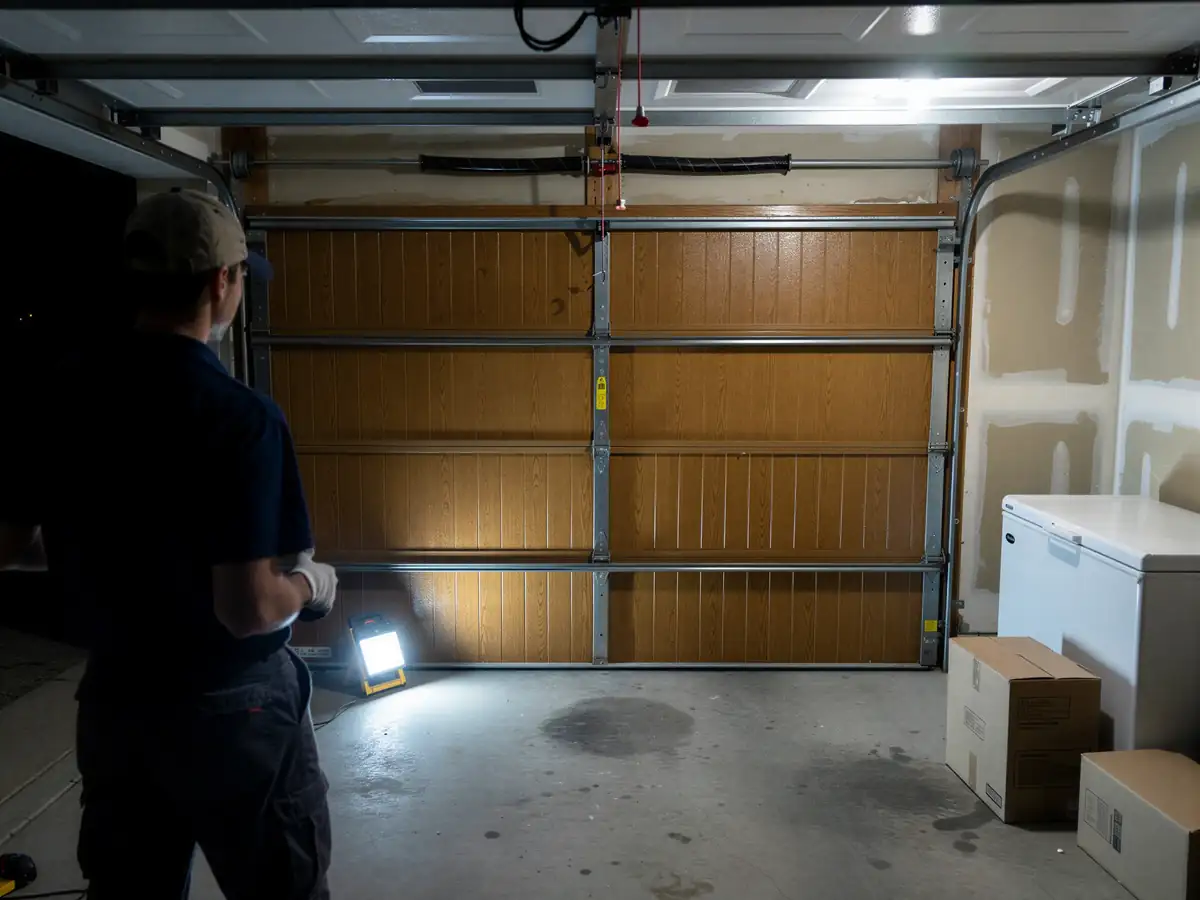
Two things complicate an otherwise routine spring job in this area. First, double doors use two matched springs, and if one has broken, the other is usually close behind on cycle count - replacing only the broken one often means a second call within months. We'll tell you straight when that's the case rather than quietly charging you twice. Second, if your door is original to a mid-1990s build and nothing else has been touched, the cable and drum hardware paired with that spring can be worn enough that spring replacement alone doesn't fix the real problem - a frayed cable or a worn drum needs attention at the same time, or the new spring just exposes the next failure. We won't swap a spring and ignore a cable that's about to go. That's a second trip we'd rather avoid, and so would you.