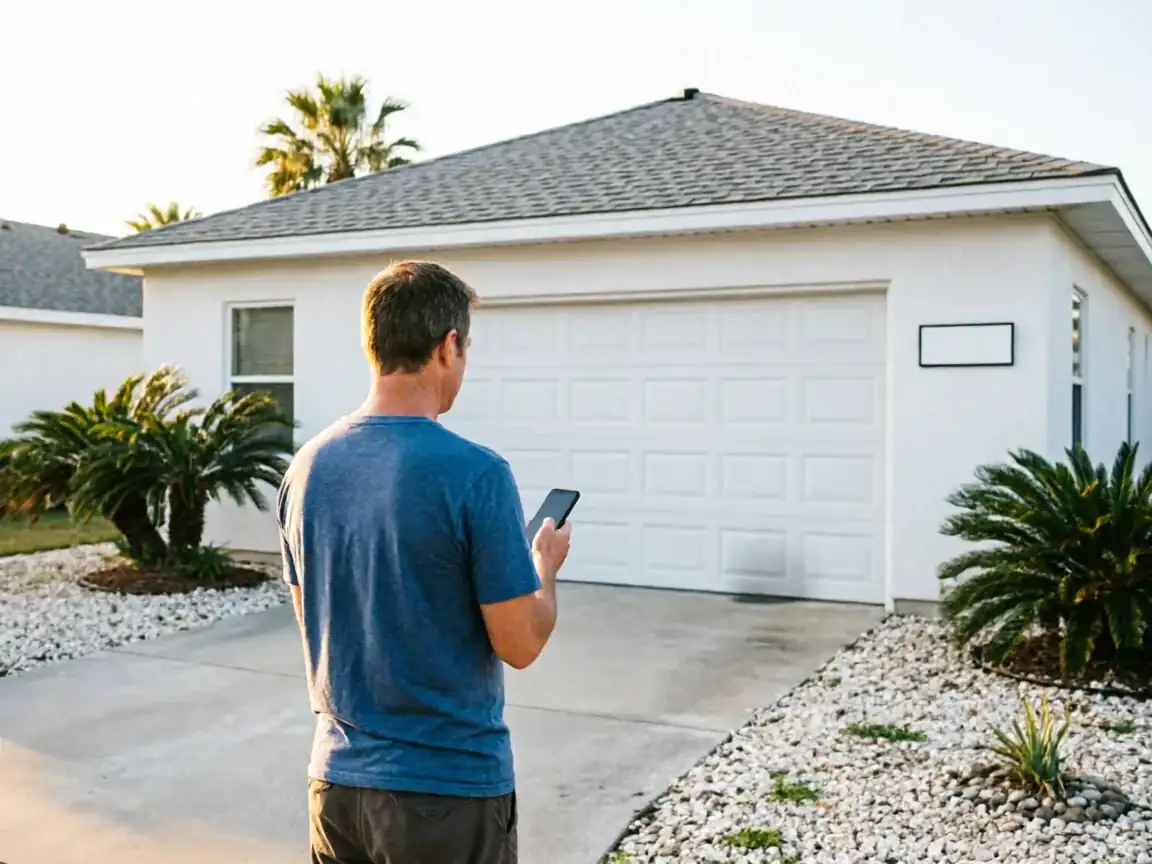
The DIY Question
The fault that actually shows up here is wear, not weather damage. Richmond West's housing stock is newer than most of what Homestead Garage Door Pros sees across the rest of the service area - homes here cluster around a median build year of 1996, roughly two decades past the 1979 median for the wider territory. That means original torsion springs, original nylon rollers, and original opener logic boards that are closing in on thirty years of cycles.
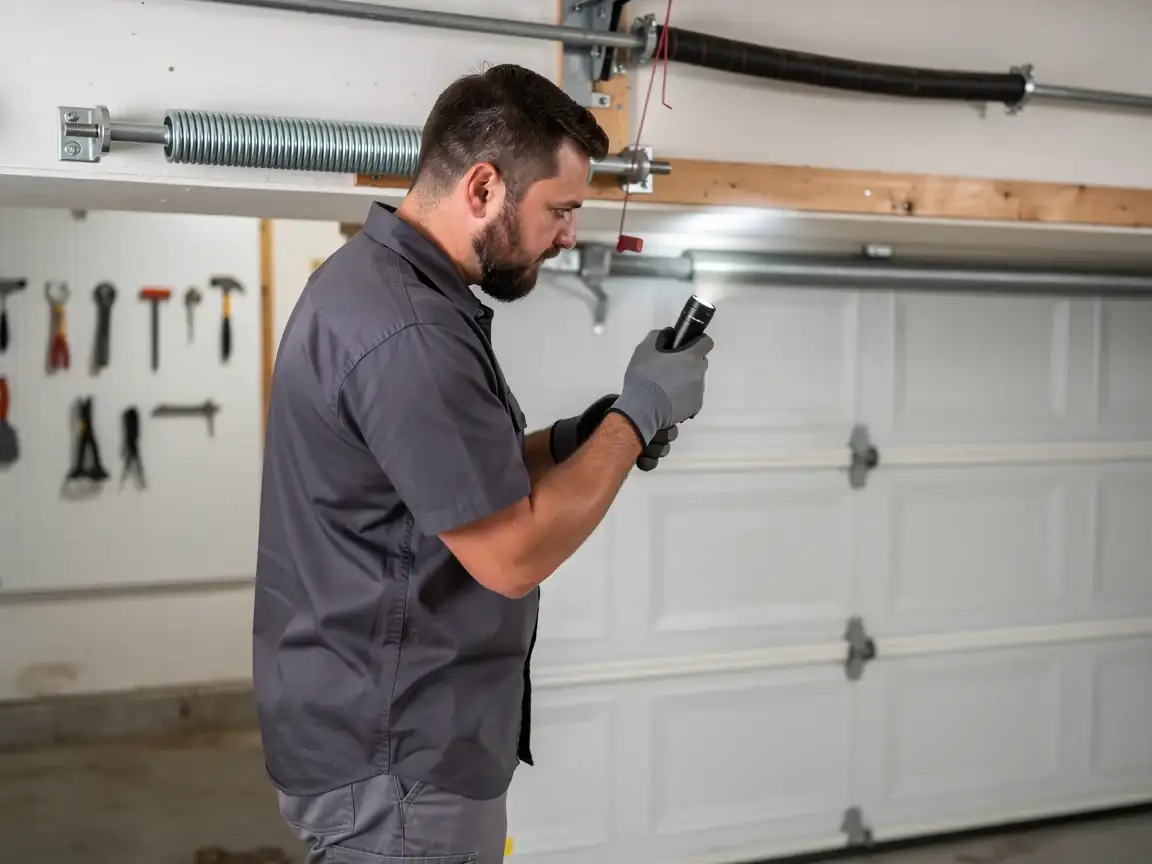
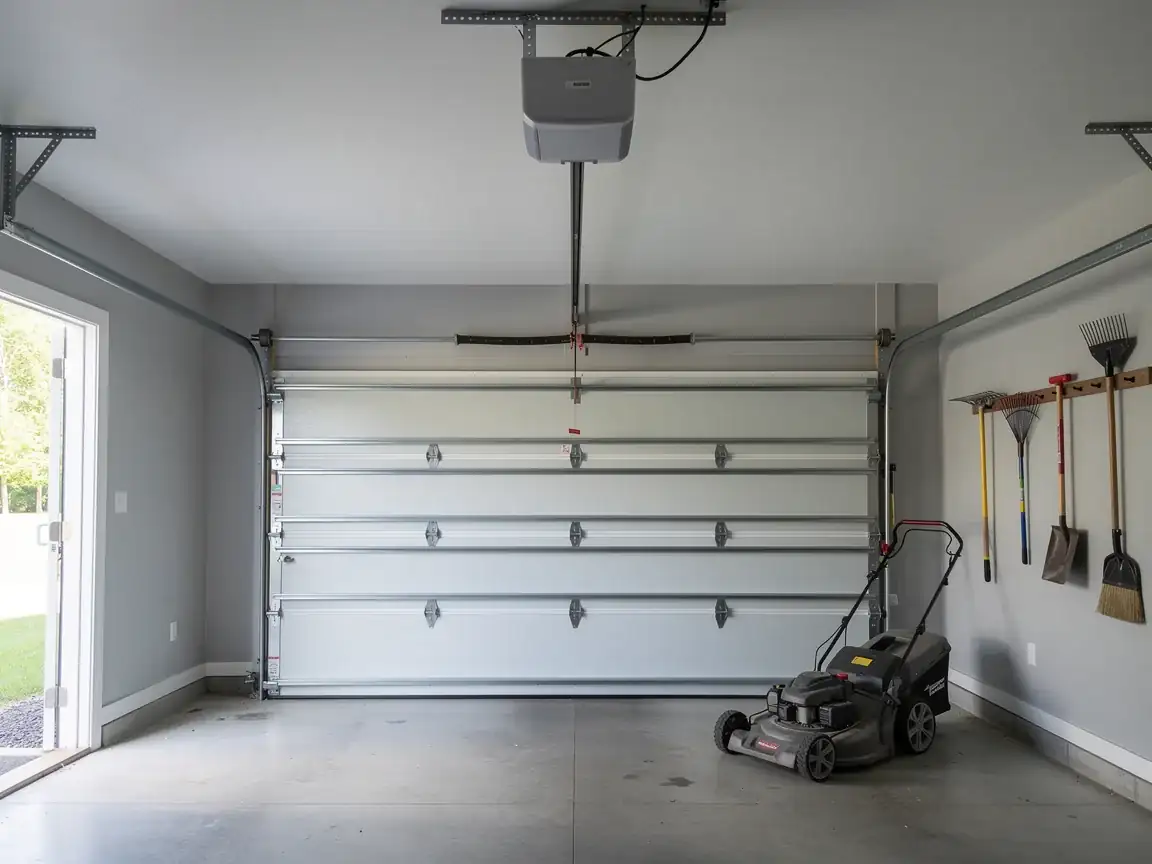
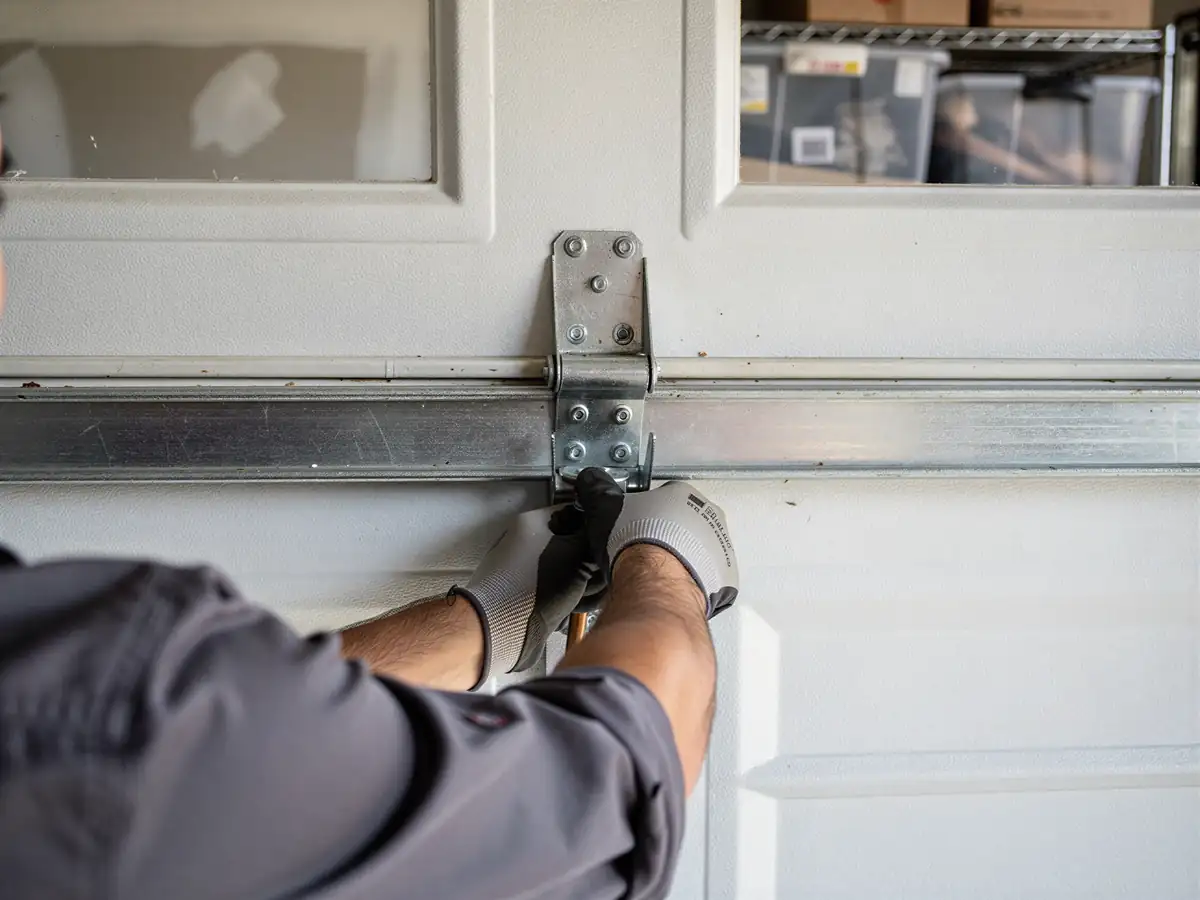
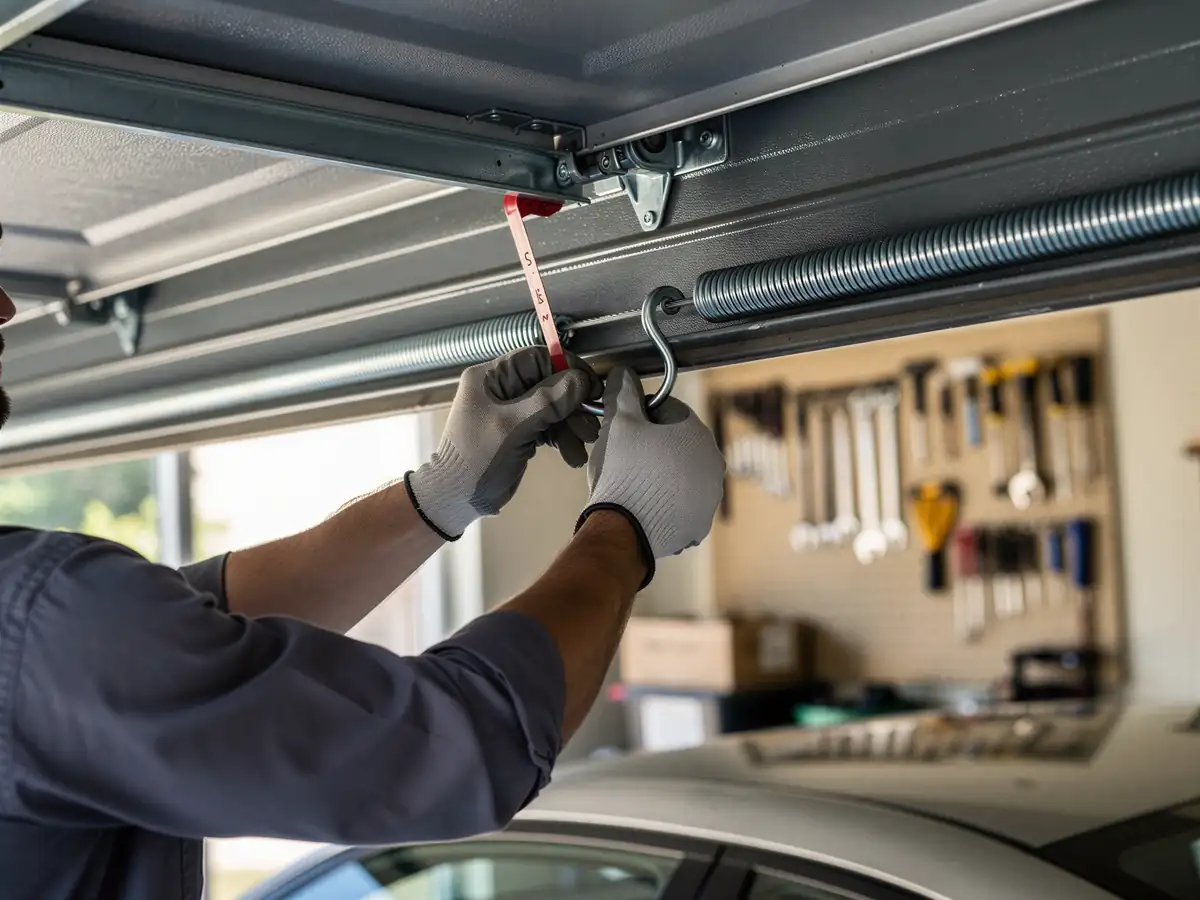
You can do some of this yourself. Wipe down the tracks, check that the rollers turn freely instead of grinding, and put a drop of garage-door-rated lubricant on the hinges twice a year. What you shouldn't do is touch the torsion spring itself - loosening or tightening the set screws on a wound spring is how people get hurt, and at this age those springs are closer to failure than a newer door's would be. Leave spring tension, cable inspection, and opener force adjustment to a call.
How Long It Takes
A straightforward tune-up on a single door - lubrication, hardware tightening, track alignment, opener safety check - is a different job from one on a double door with a heavier insulated panel, and Richmond West has more of the latter than the service area average given the income level here. We don't quote a fixed time for a visit because the honest answer depends on what the door's hardware looks like once the panel comes off a track for inspection.
What we can tell you: doors from the 1996 era often have original torque specs on the opener that nobody has touched since installation, and bringing those back to a safe close-force setting takes longer than just oiling a roller. If the springs are at the point of visible wear - flat spots, rust pitting, gaps between coils - that's a separate conversation about replacement, not a line item on a routine visit.
What You Are Seeing
On a door installed around 1996, the first symptoms are usually noise and hesitation
Not a dead stop. A grinding sound as the door travels is nearly always a nylon roller that's worn through its coating and is now running metal-on-metal in the track. A door that shudders or jumps partway up often means the torsion spring has lost tension unevenly, which is common once a spring passes its rated cycle count.
Openers from this build era are also starting to show their age differently than the mechanical hardware
Chain slap, a keypad that intermittently doesn't register, or a safety sensor that needs re-aiming after any bump - these point to electronics and alignment issues rather than spring failure, and they call for different fixes. None of this is an emergency by itself. It's wear catching up with a house that's now approaching thirty years old.
Why This Fails Locally
The mild temperate climate across this part of the service area is kind to garage door hardware in one respect - there's no freeze-thaw cycle snapping brittle steel or seizing lubricant the way colder regions see. That's part of why springs and openers installed in the 1990s have lasted this long at all.
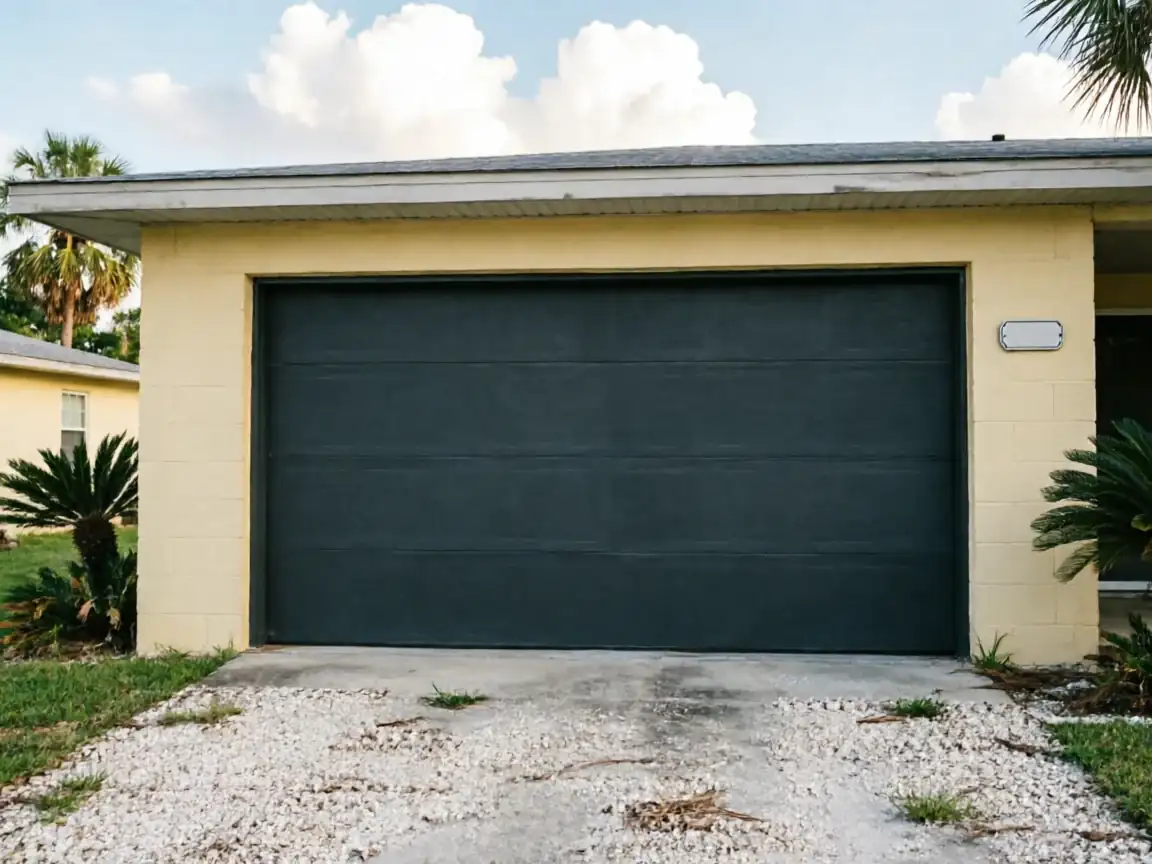
But mild doesn't mean dry. South Florida humidity works on rubber and vinyl steadily, year-round, and weatherstripping on a door from 1996 has had three decades of that exposure. It cracks, shrinks, and stops sealing the bottom edge long before the springs actually fail. Exposed bearings and hinge pins pick up surface rust from the same humidity, which adds friction the opener has to fight every time it runs. The failure mode here isn't a single bad storm - it's slow material fatigue from conditions that never let up, on hardware that's never been swapped out.
The Complications
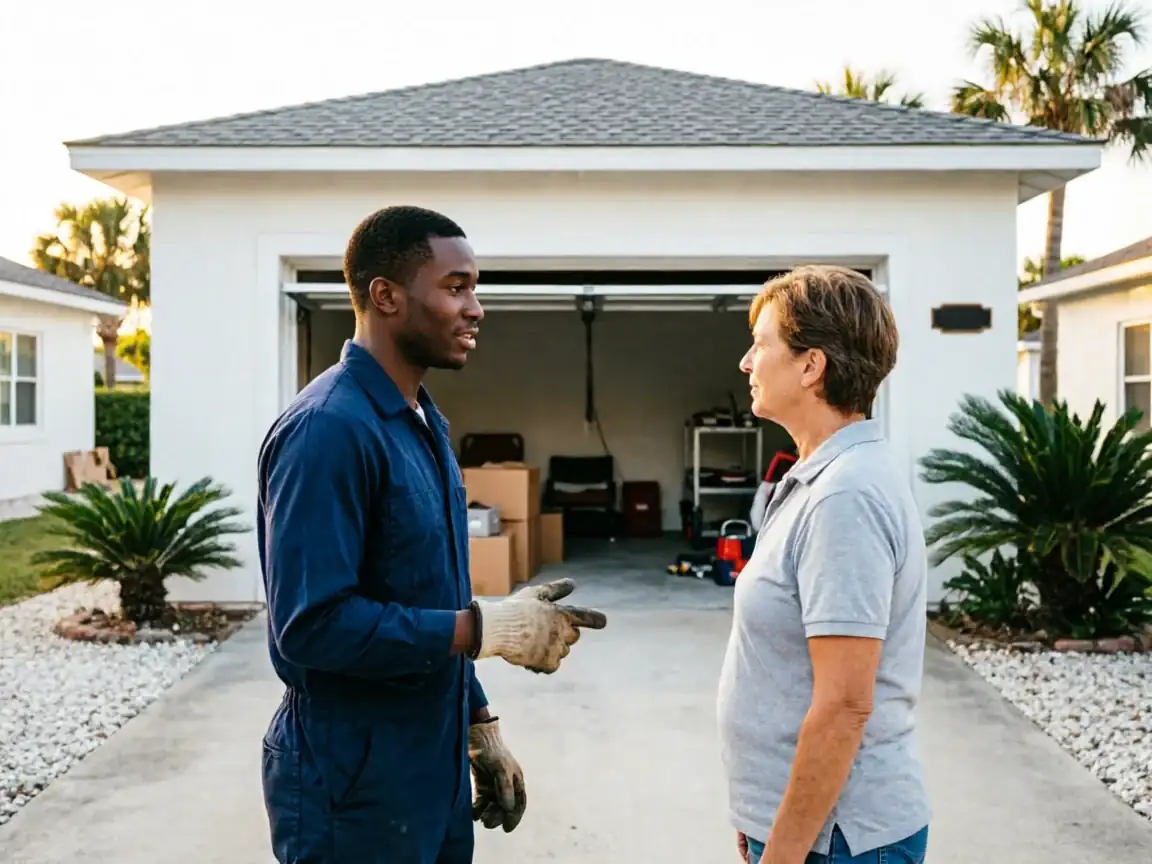
Richmond West sits about ten miles from Homestead Garage Door Pros's base, which means a maintenance visit here gets scheduled as a stop on the route rather than something we can turn around same-morning on demand. Worth knowing before you call.
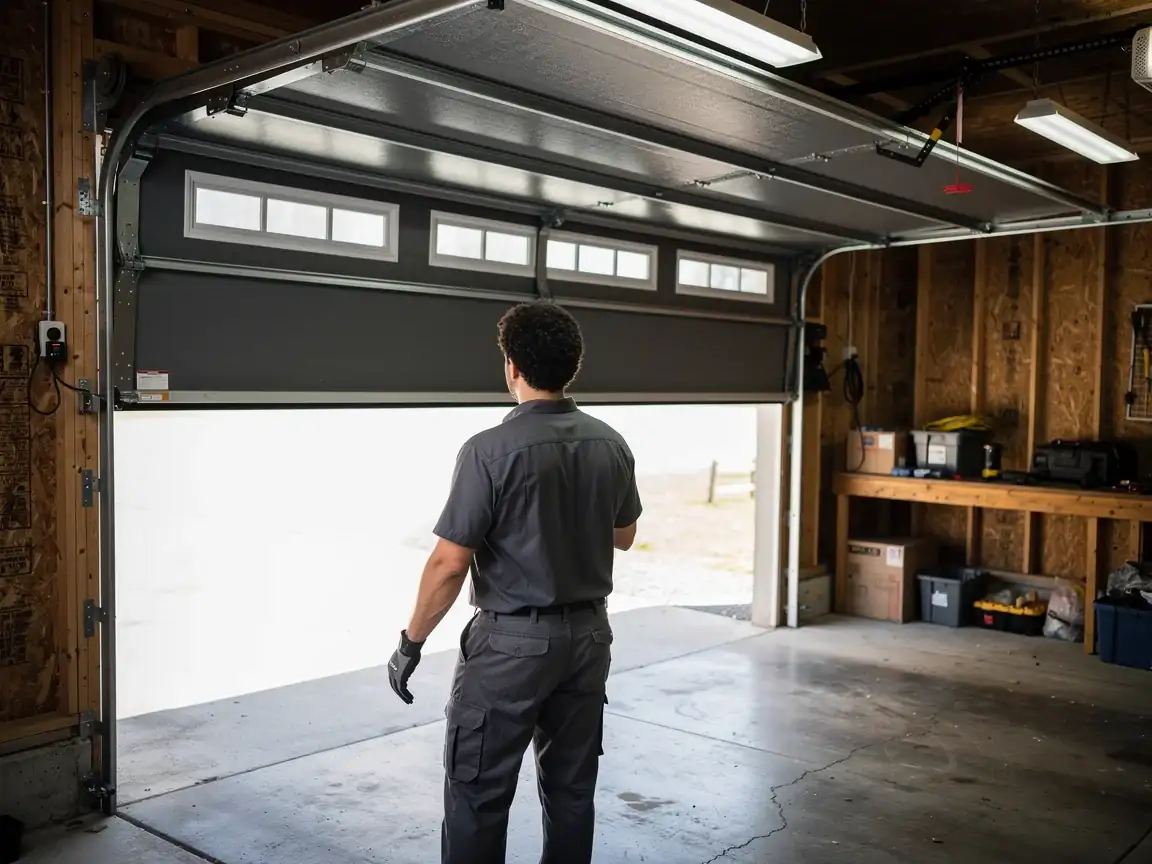
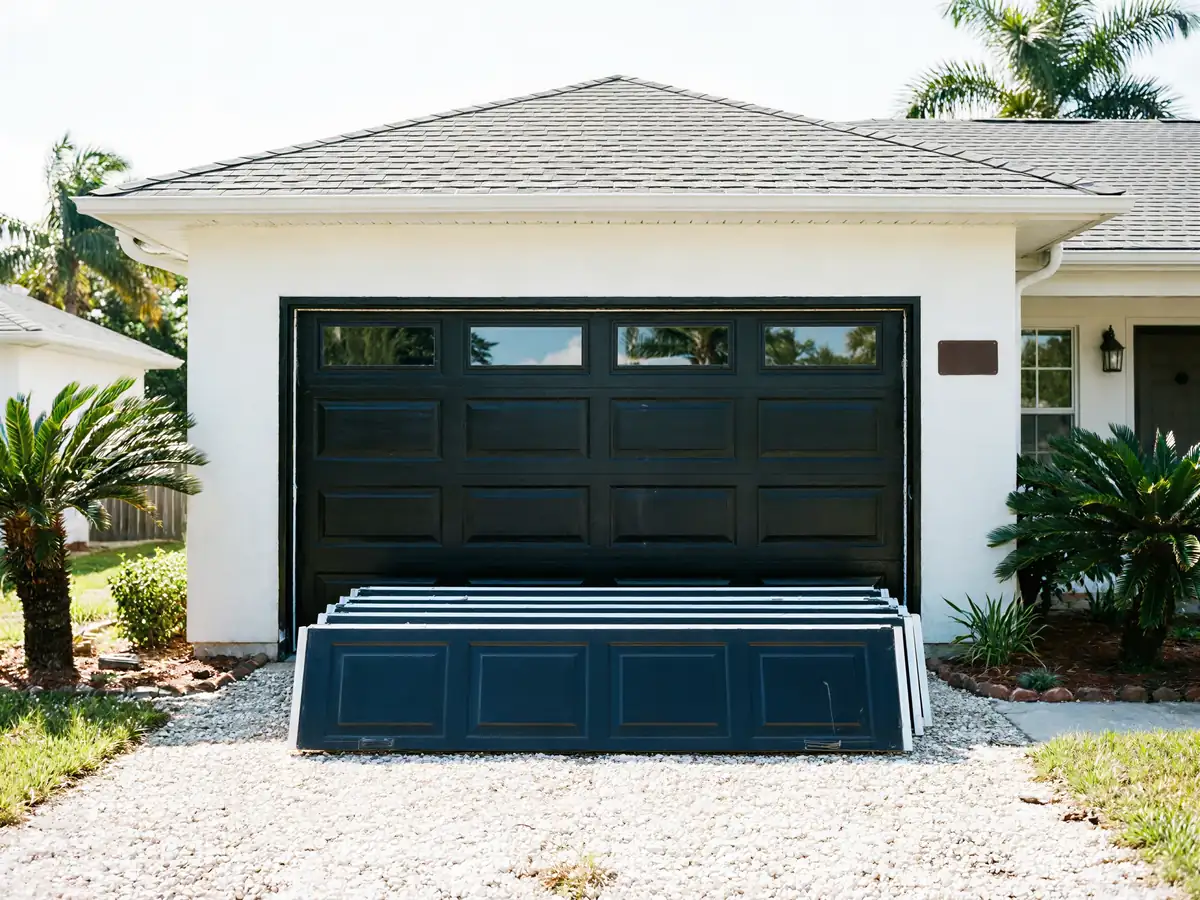
The other complication is what's inside the garage by now. With median household income here running well above the average across the rest of the service area, more of these garages have been upgraded since 1996 - added shelving, a second opener for a side door, insulated panels retrofitted onto an original frame. A tune-up on a door like that means checking modifications against the original hardware, not just servicing what came with the house. We won't assume a 1996 door is still running 1996 parts end to end, and we check rather than guess.
What Is on the Truck
For a maintenance call we carry standard rollers, hinges, cables, and lubricant sized for the common torsion and extension setups that match this era of construction
Plus the tools to reset opener travel limits and force settings. That covers the great majority of what a tune-up on a 1996-vintage door turns up.
What we don't carry as stock is custom hardware
An oversized spring for a non-standard door height, a specialty panel insert, or parts for an opener model that's been discontinued long enough that the manufacturer doesn't supply them anymore. If a door here needs one of those, that's a return trip with the part ordered first, not a same-visit fix. That's the honest limit of what one truck can carry, and it's better to say so than to promise a fix we can't finish that day.