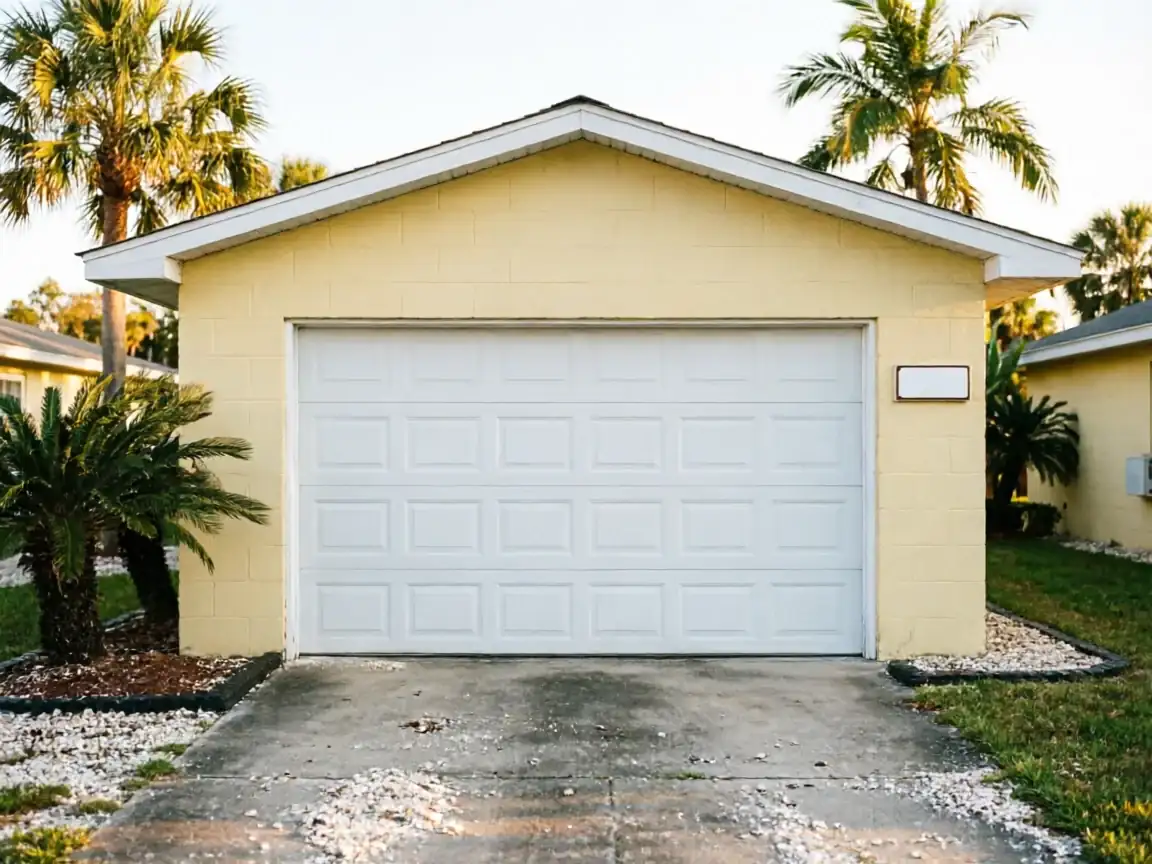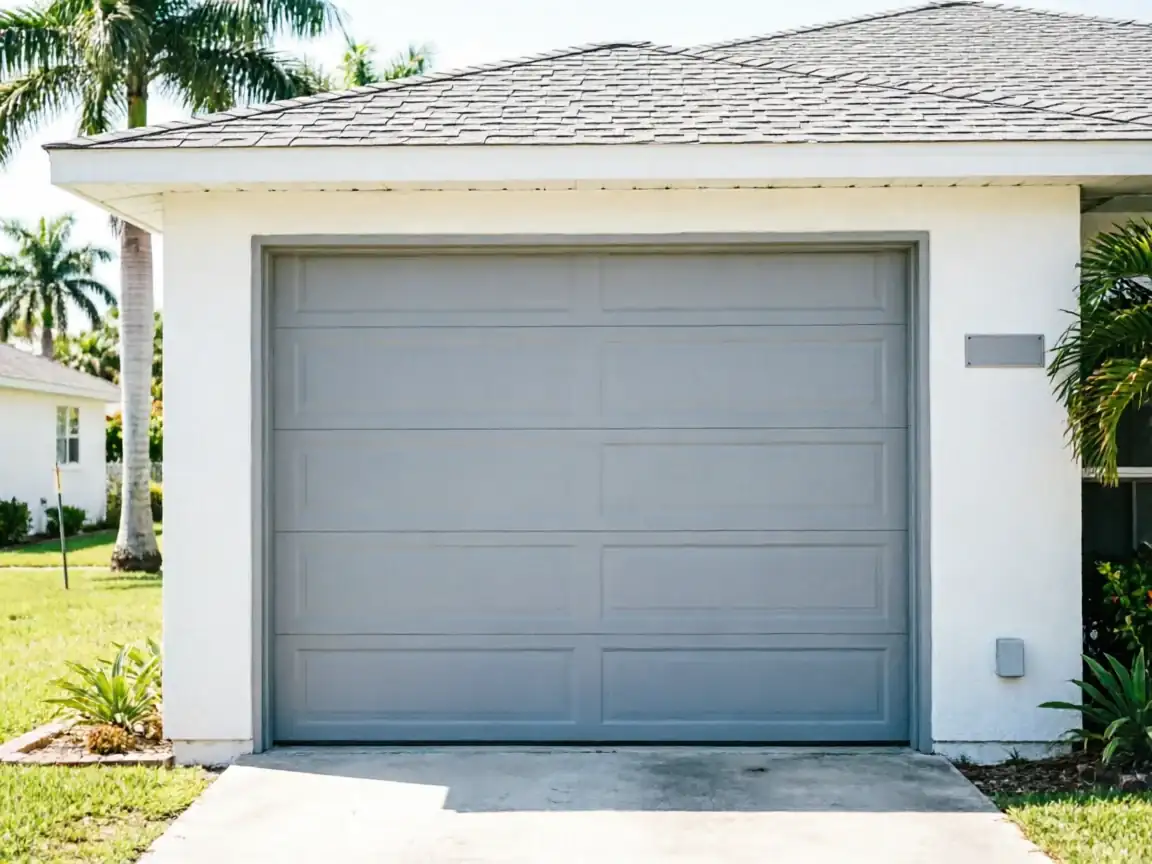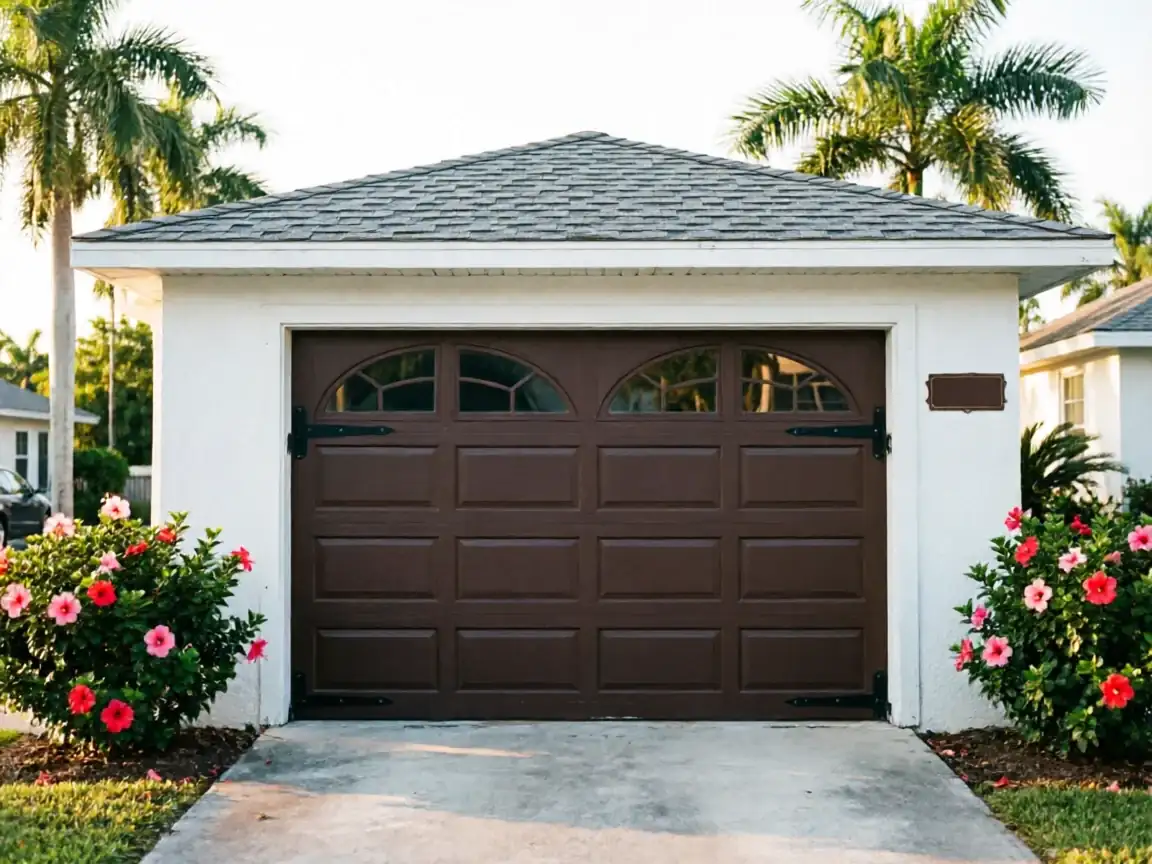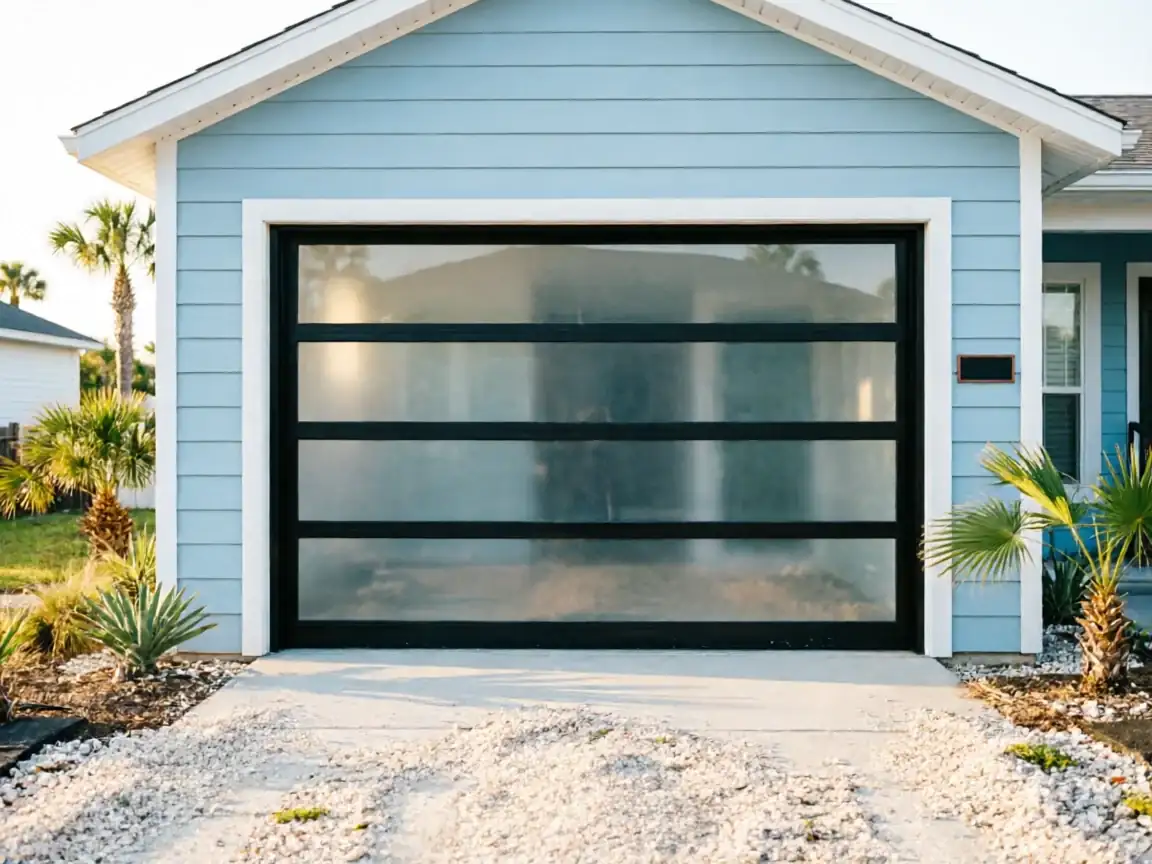
How Long It Takes
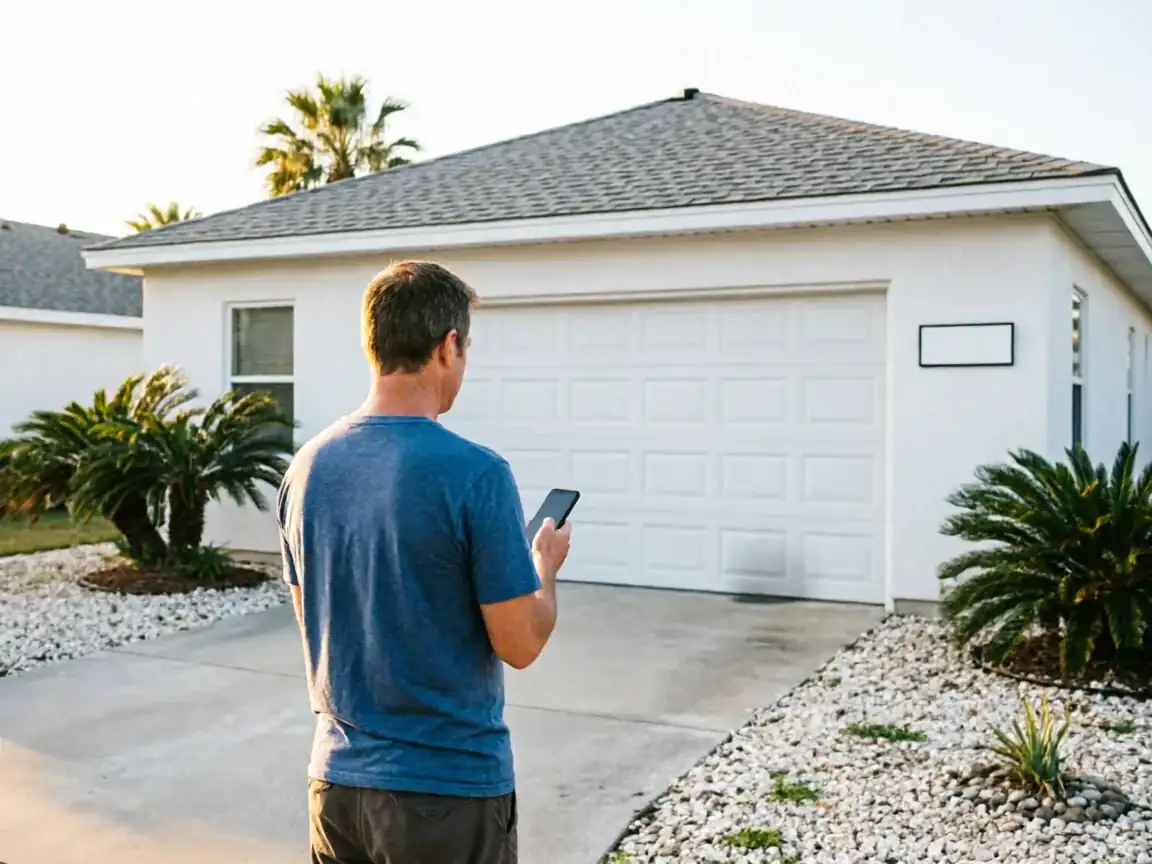
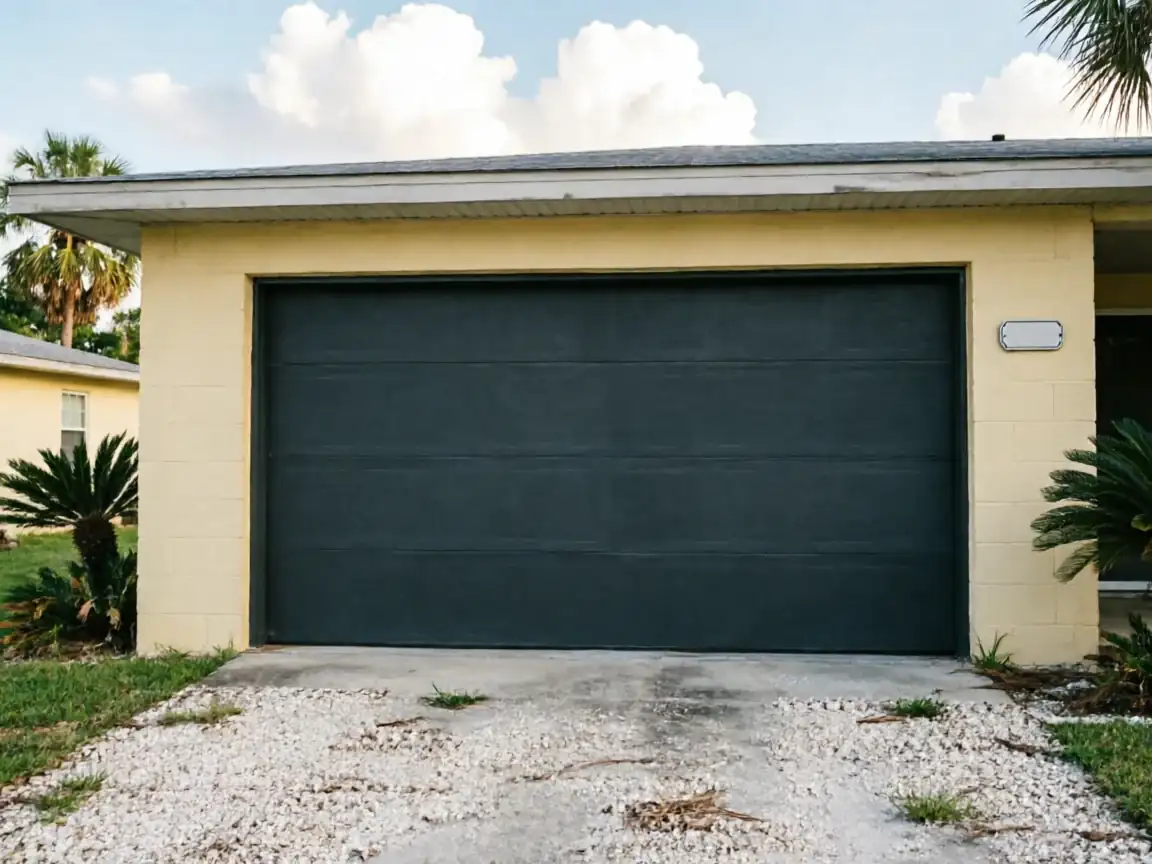
Princeton sits about 6 miles from our Homestead base, and most of the houses out here were built closer to 2008 than the 1979 median you see across the wider service area. That's the first thing that changes the job: a newer opening usually means standard modern rough-in dimensions, current wind-load framing, and a header that was built to hold a heavier insulated door from day one. We're not fighting a 1970s stud bay or a track mount that was never meant for anything but a single uninsulated panel.
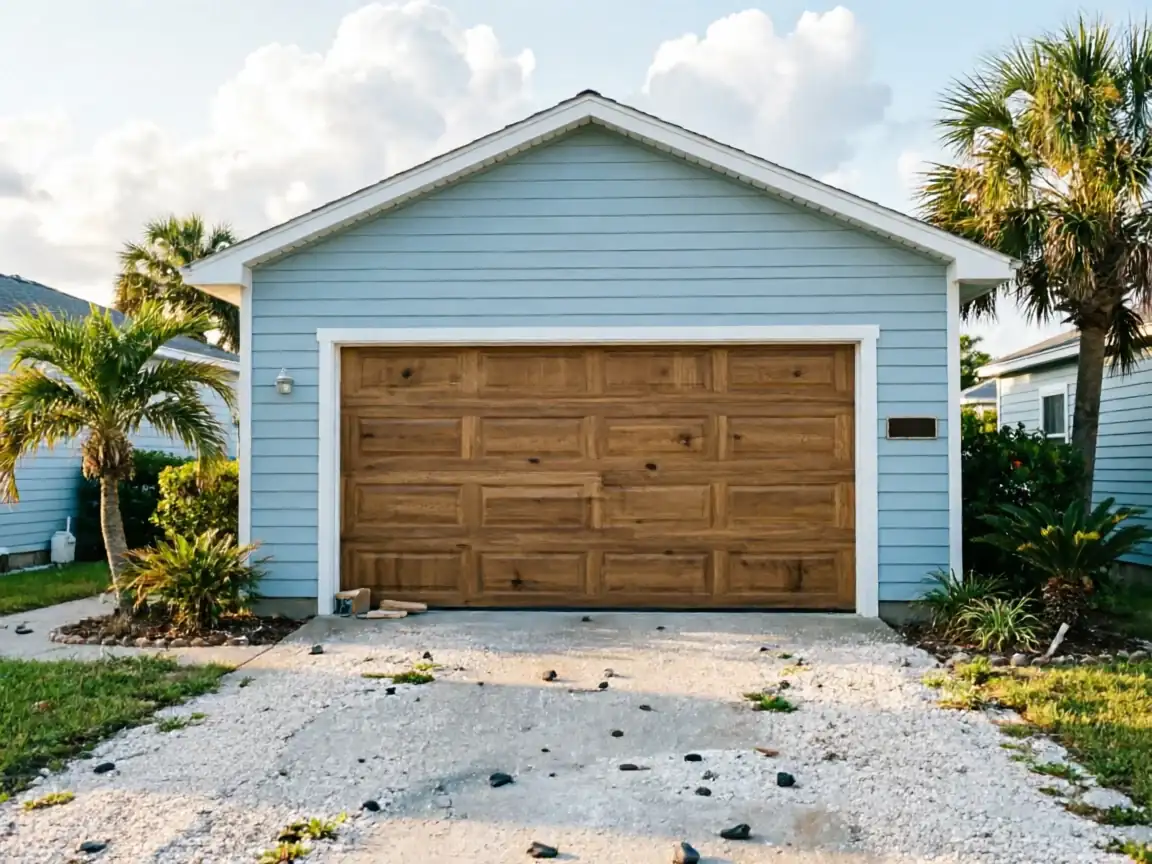
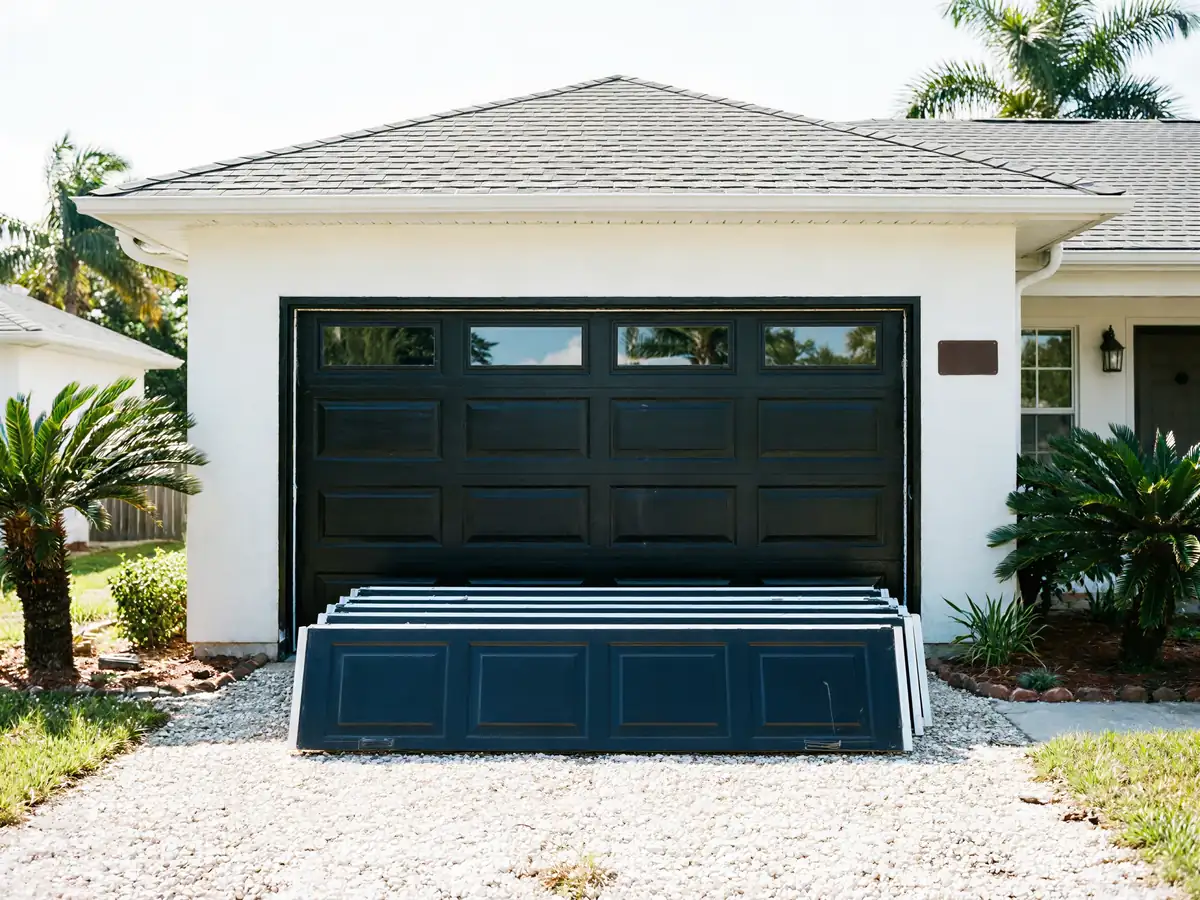
A straightforward swap on a Princeton double-car opening, where the framing is already code-compliant for a newer door, runs on the shorter end of what new installs take. We still measure the opening ourselves rather than trust a builder spec sheet from a decade and a half ago - framing settles, and a quarter inch off at the track mount is the difference between a door that runs quiet and one that binds in year two. We don't promise a time window here; that's a Homestead dispatch question, not a Princeton one.
The Complications
Newer construction isn't trouble-free, it's trouble of a different kind. Houses built around the 2008 mark in this part of South Florida were finished during a run when wind-load code requirements for garage doors were already tightening, which means the opening is often correctly sized for a rated door - but the door that originally went in it may not have been. We see openings built right and doors installed to a lower spec than the frame actually calls for, because whoever built the house swapped in whatever panel was cheapest at the time.
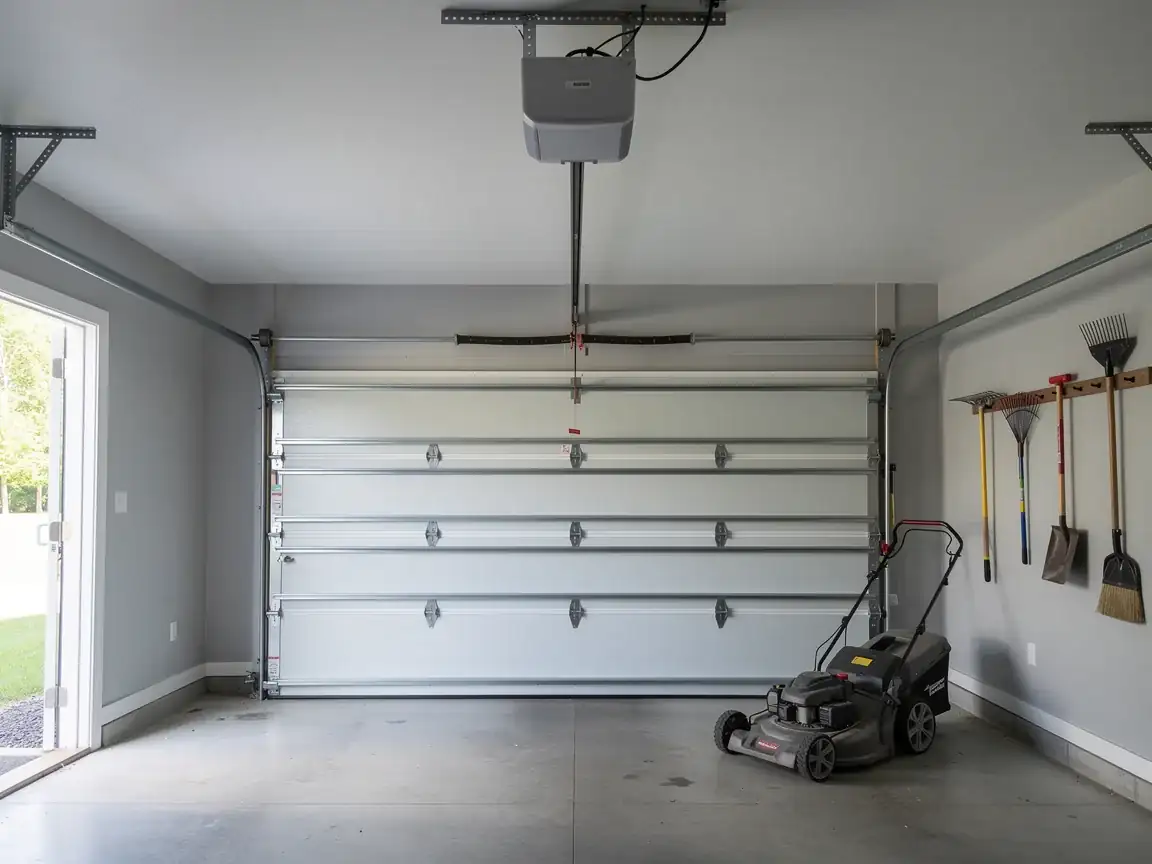
The other complication is track clearance. Newer builds in this area tend to run tighter headroom above the opening than the older stock elsewhere in the service area, since garages were squeezed to make room on the lot. That limits which opener and spring configuration fits without custom brackets, and it's not something you can judge from a sales brochure.
Why This Fails Locally
The mismatch between a correctly framed Princeton opening and an under-rated door is the actual failure mode here
Not age or rust. In the mild temperate climate this part of Florida sits in, panels don't fail from freeze-thaw cycling the way they do up north - they fail because the door installed years ago was never rated to the wind load the frame was built for. When that gets replaced with a like-for-like swap instead of a properly rated panel, the new door inherits the same gap.
This is why a new install in Princeton isn't just measuring the hole and ordering a door that fits
It's checking what the structure was actually engineered to hold and matching the door to that, not to whatever was there before.
The DIY Question
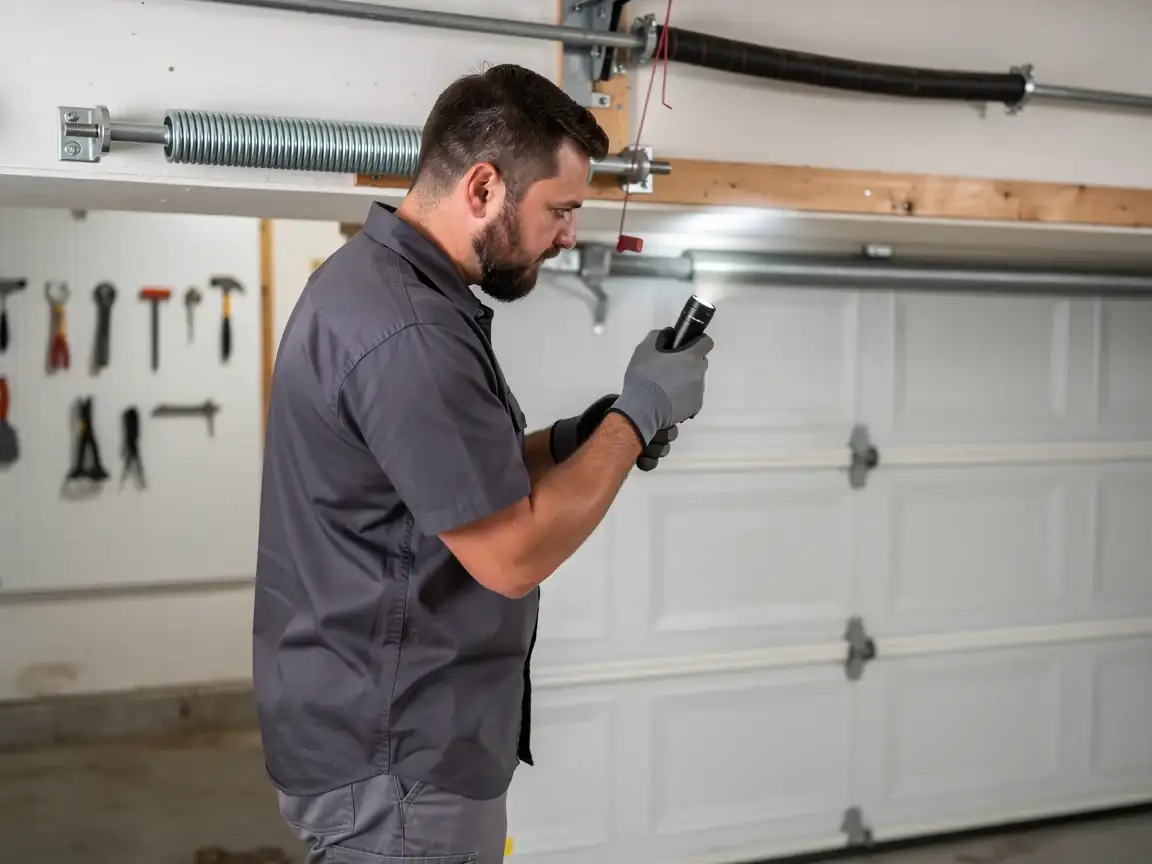
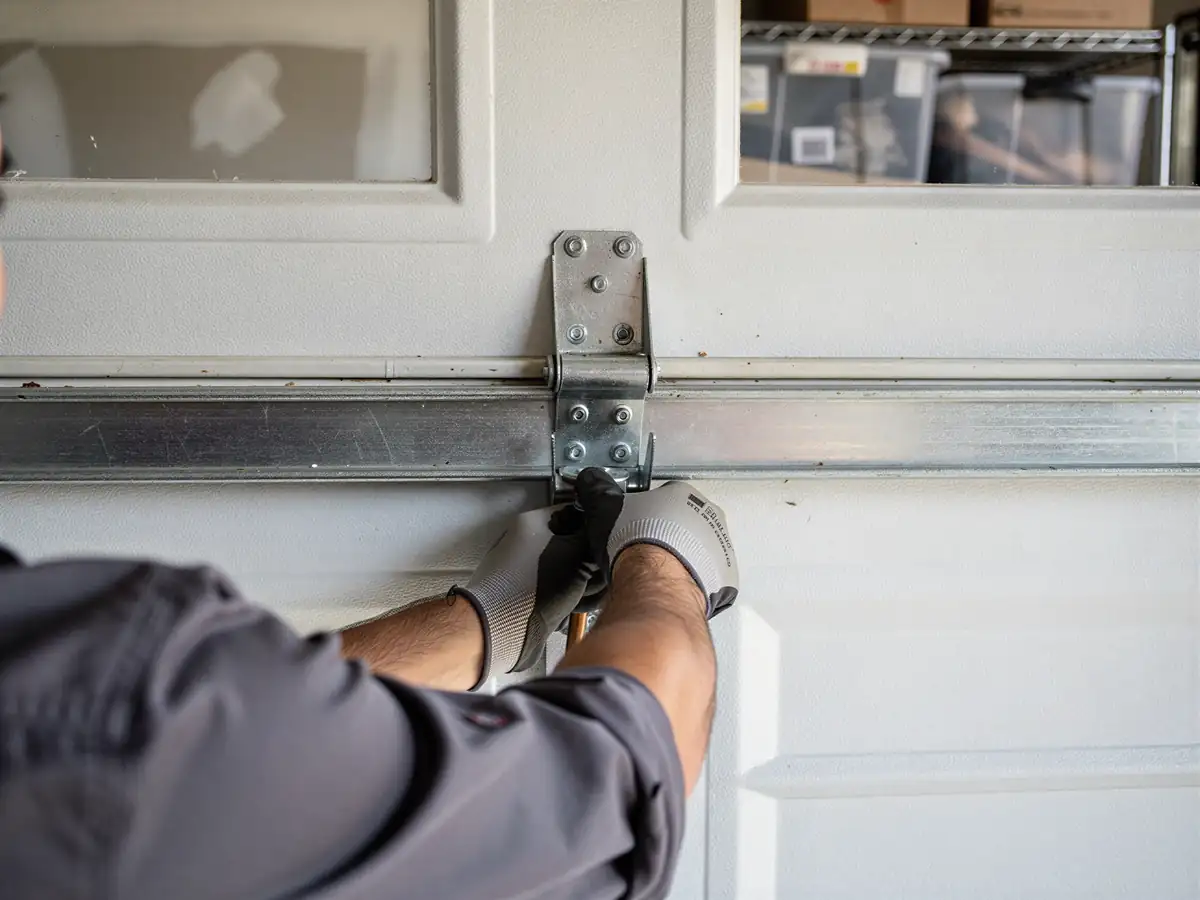
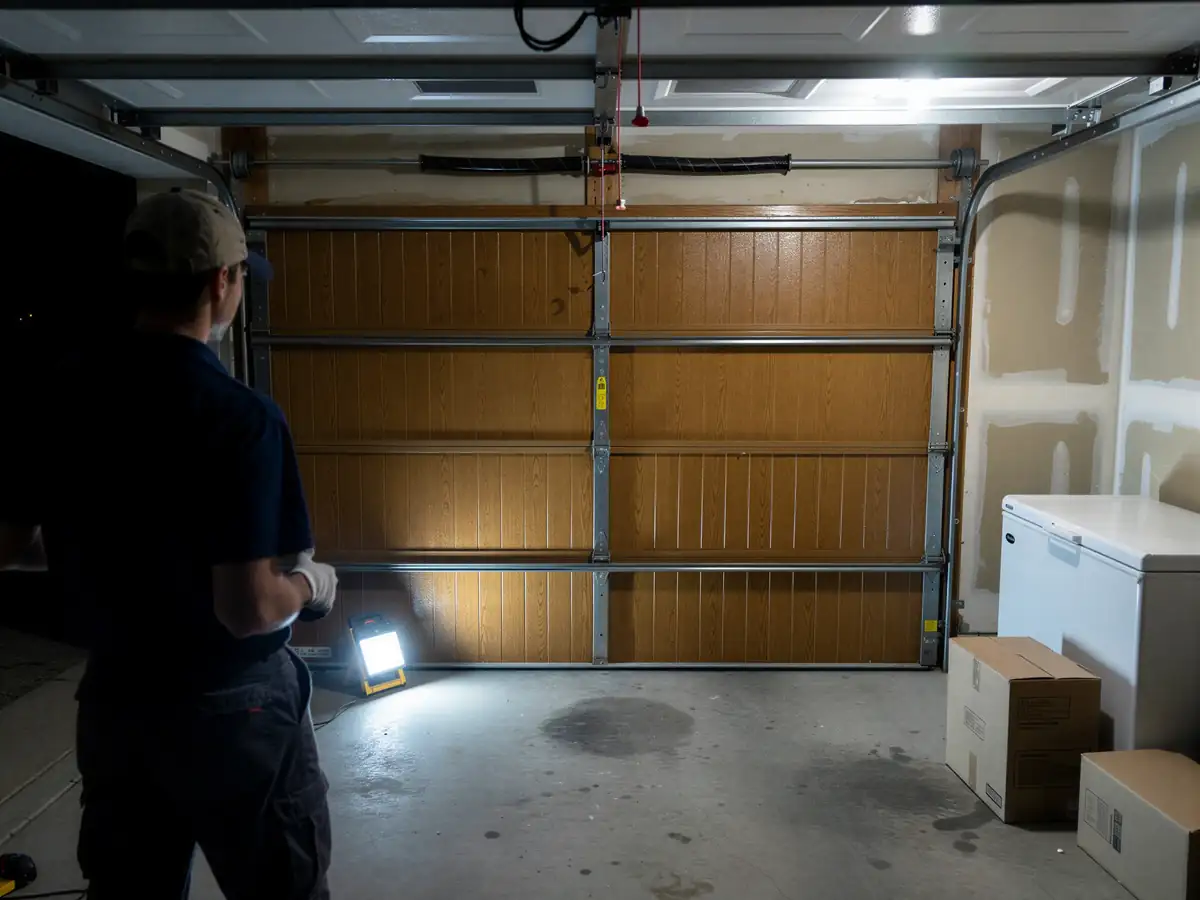
A full new-door install on a correctly framed opening is more forgiving than retrofitting an older frame, but it's still not a weekend job worth the risk. Torsion springs on a standard double door carry enough stored force to break a wrist or worse if the winding bar slips, and that risk doesn't go down because the house is newer. Where it gets genuinely dangerous is wind-rated hardware - if the door isn't anchored and reinforced to match the rating the frame was built for, you've put in a door that looks right and fails in the first real storm.
What a homeowner can reasonably handle: swapping weatherstripping, replacing rollers, adjusting travel limits on an opener that's already correctly installed. What we'd tell you to hand off: anything involving spring tension, anchor bolts into the header, or matching a door's wind rating to the frame. That last part isn't guesswork you want to get wrong once and find out during the next named storm.
What Is on the Truck
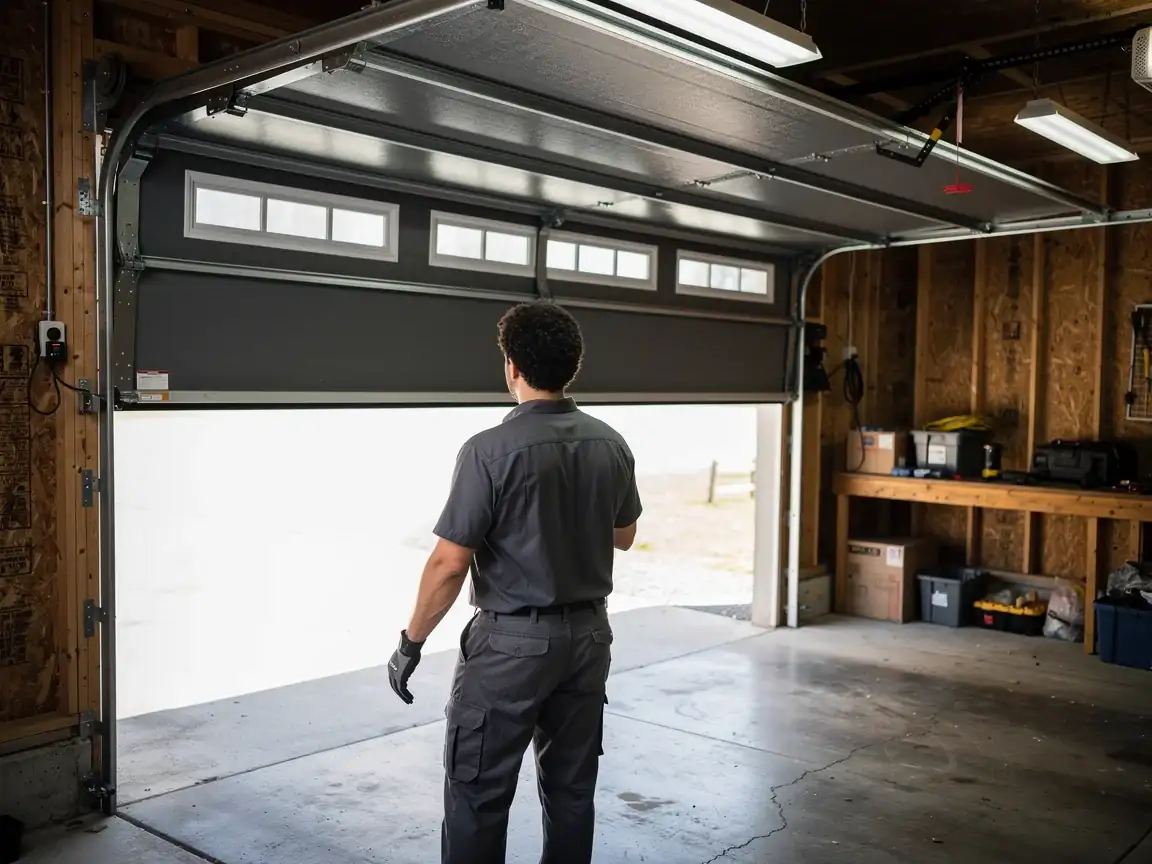
For a Princeton job we bring wind-rated panel options sized to the newer opening dimensions common in this part of the area, along with the reinforced track hardware those ratings require - heavier gauge brackets than you'd need on an older, lower-rated door. We carry standard torsion spring sets in the range that fits a typical double-car opener door, plus the drill bits and lag hardware for anchoring into newer header framing, which is usually in better shape than what we find on older stock elsewhere in the service area.
We don't carry custom architectural glass inserts or oversized commercial-grade doors on the truck - those get special-ordered after the initial measure, and we'll tell you that up front rather than have you wait on-site for a part that isn't coming that day.