How Long It Takes
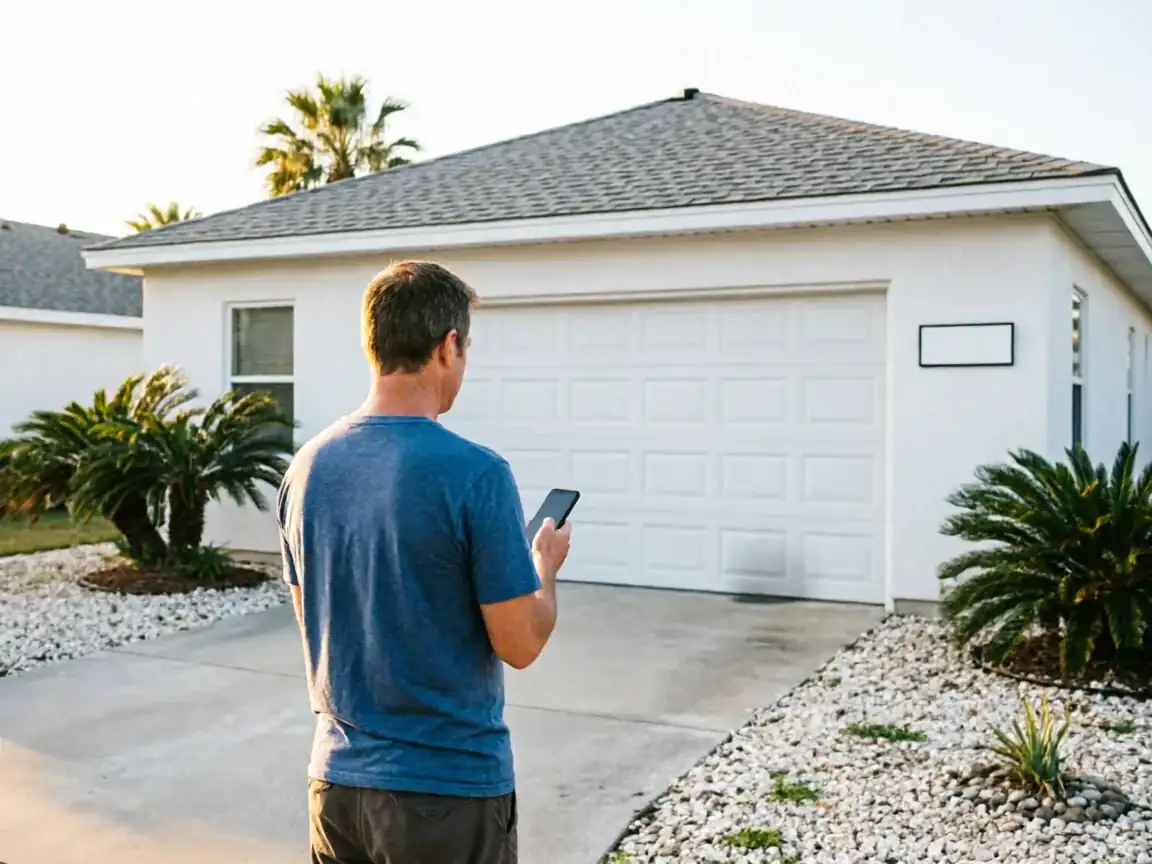
Princeton is a small piece of our territory, about 11,947 households tucked six miles from our shop in Homestead. That size matters more than it sounds like it should. A town this compact doesn't generate the call volume of the bigger suburbs we cover, so when a Princeton job comes in, it's usually one house, one specific problem, not a string of near-identical calls from the same new development all at once.
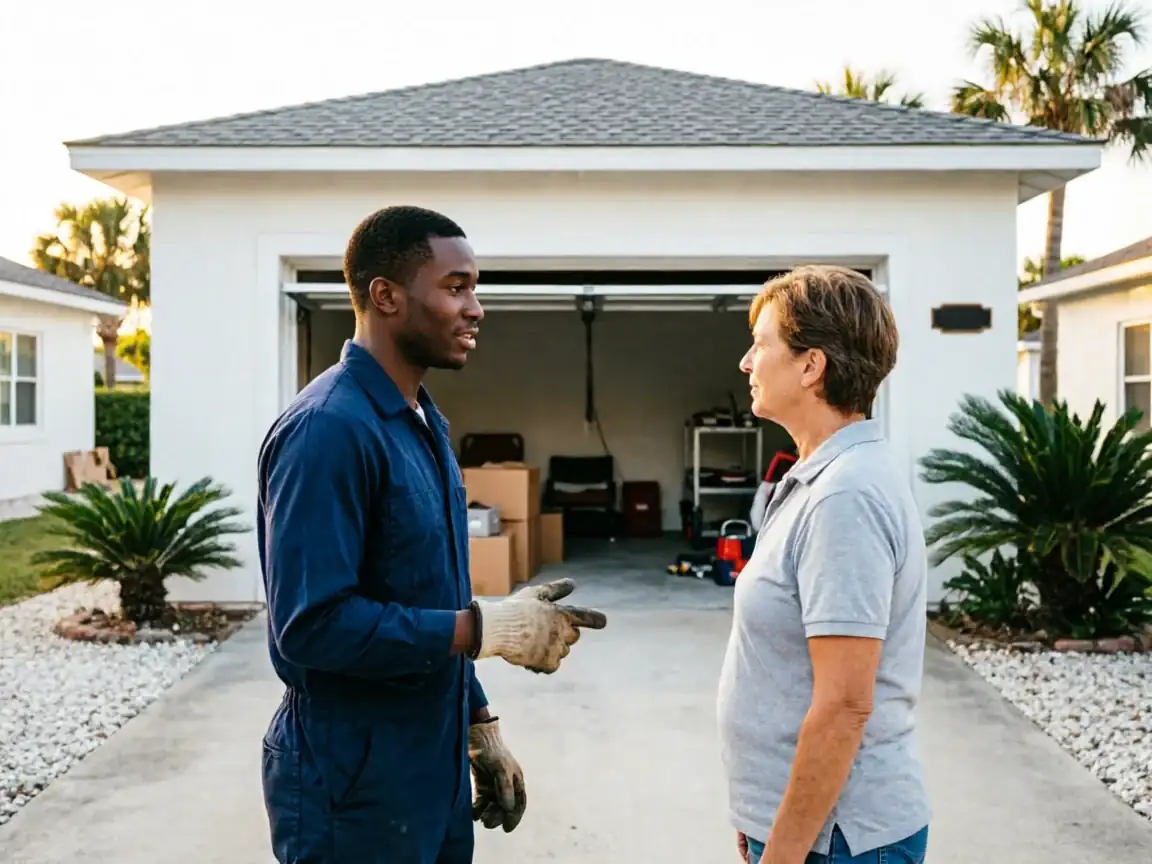
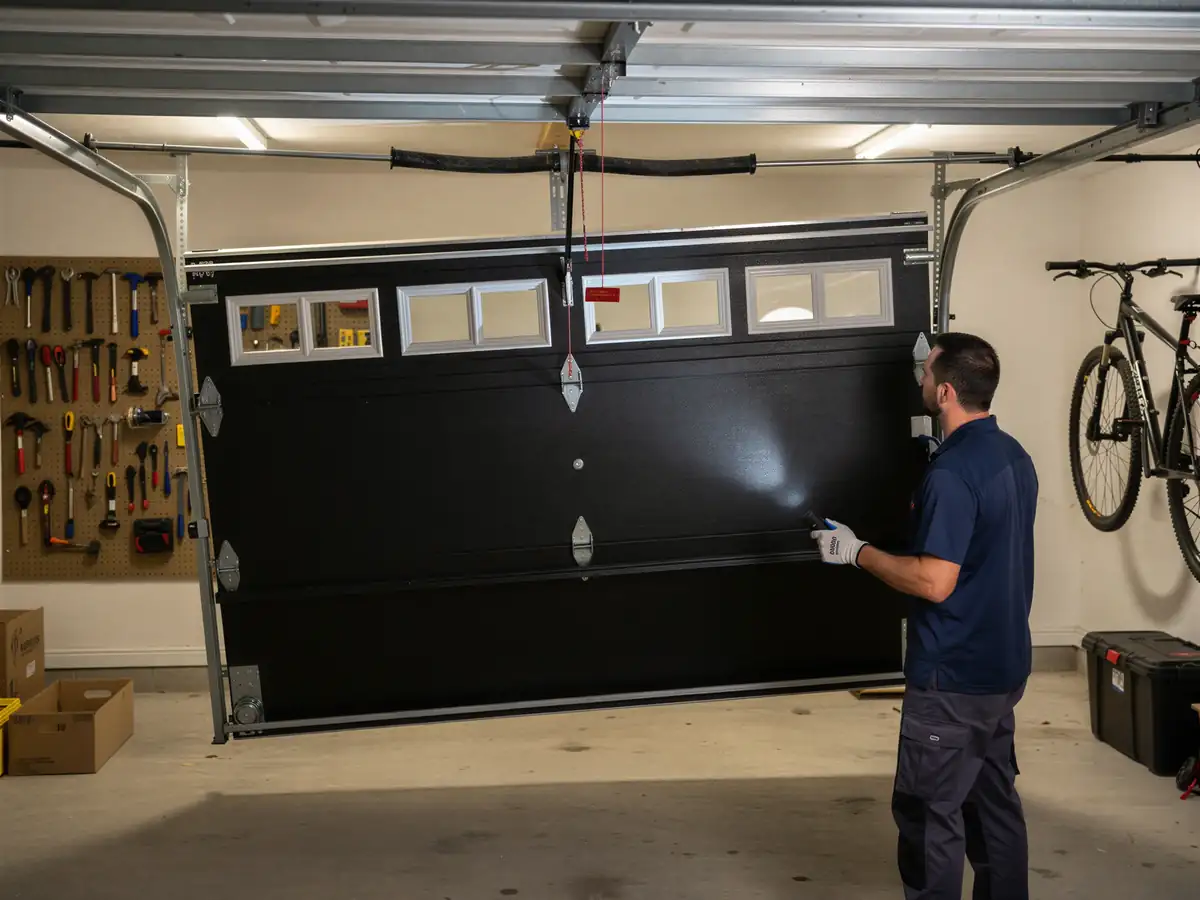
We don't quote a fixed arrival window here, because the drive from Homestead and the day's other calls both factor in. What we can tell you is the diagnostic part goes faster than in older sections of the service area. A house built around 2008 has newer, more standardized hardware, so once we're looking at the door, figuring out what's wrong usually takes less guesswork than it does on a door from the 1960s or 70s stock you'll find elsewhere in our coverage.
The Complications
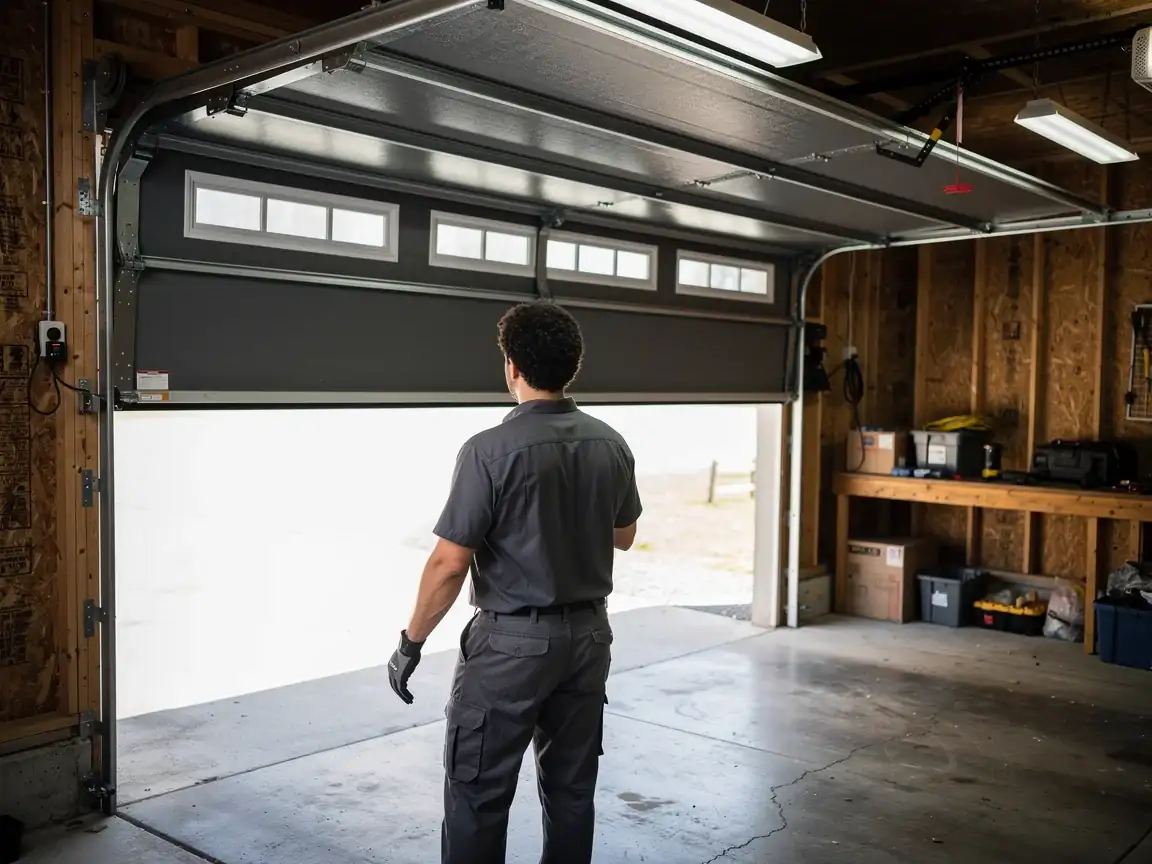
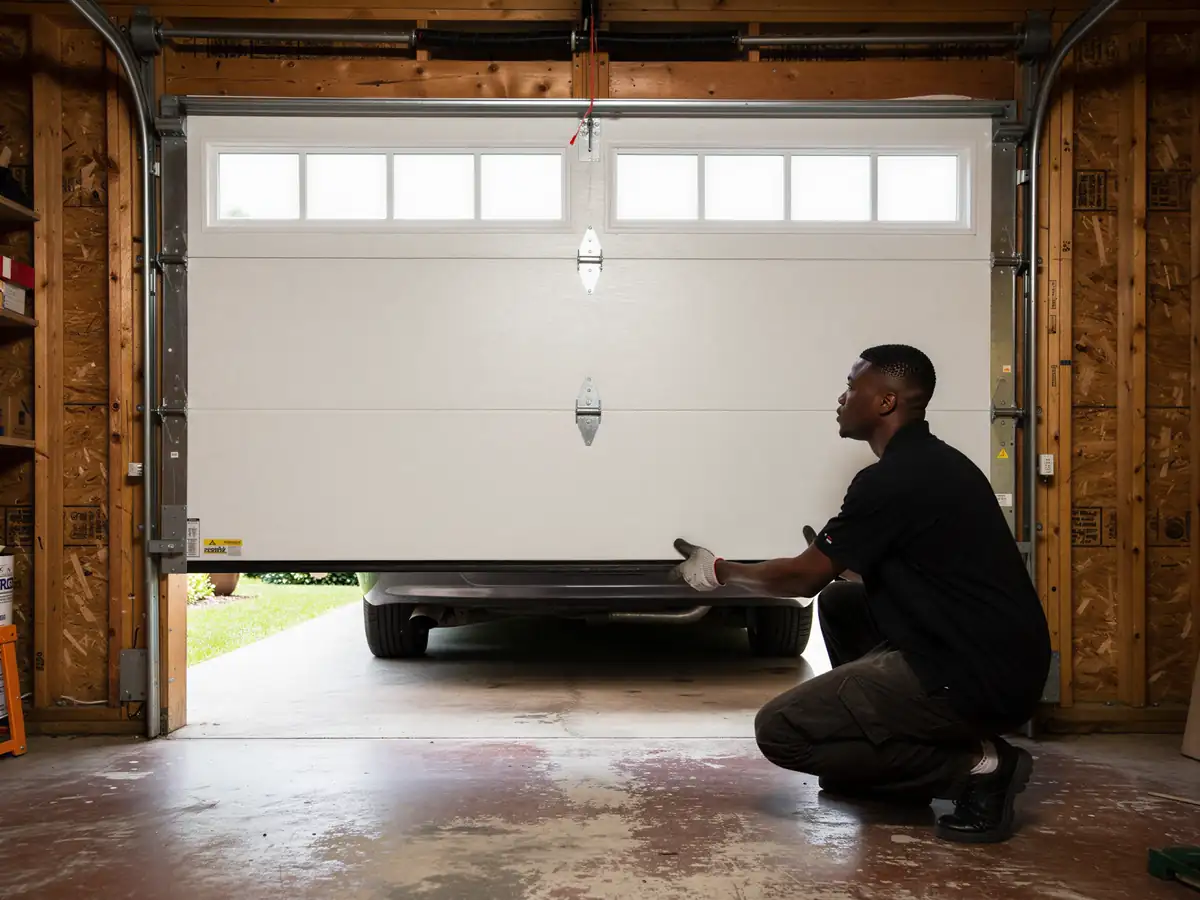
Princeton's median build year sits around 2008, which is more than thirty years newer than the 1979 median across the wider service area. That gap changes what breaks. Instead of the rust-seized hinges and warped wood panels we see in older pockets, Princeton calls tend to involve steel insulated doors, factory photo-eye safety sensors, and openers with circuit boards instead of simple relay logic.
The complication is parts. A board or sensor module built to spec for a 2000s-era opener isn't always something we carry for every brand on the truck, and matching the exact replacement can take an extra call to confirm before we commit to a repair instead of a swap. We're not stocking the full catalog of every opener manufacturer that builders in this area used - that would be a bigger truck than makes sense for the work.
Why This Fails Locally
The area sits in a mild temperate band
Which sounds like it should be easy on hardware, and in some ways it is - you don't get the deep freeze-thaw cycles that crack old tracks up north. But steady warmth and humidity still take a toll on newer insulated doors in their own way: nylon rollers glaze and harden faster than they should, and the foam-core panels trap condensation against steel skins if a bottom seal starts to fail.
Because Princeton's stock is newer and mostly similar in age
We tend to see the same failure show up across several houses in the same stretch of years - springs rated for a certain door weight starting to fatigue right around the point the manufacturer's numbers would predict. It's less random than it looks from one call.
The DIY Question
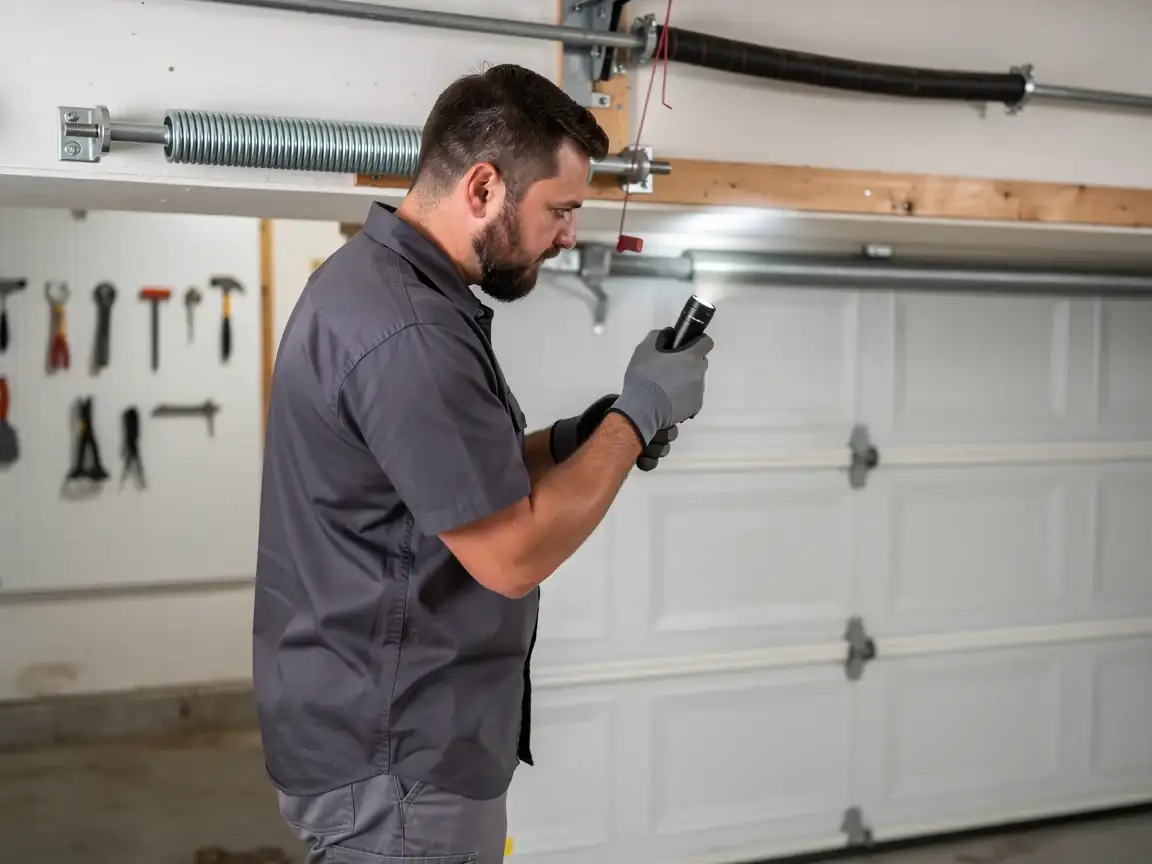
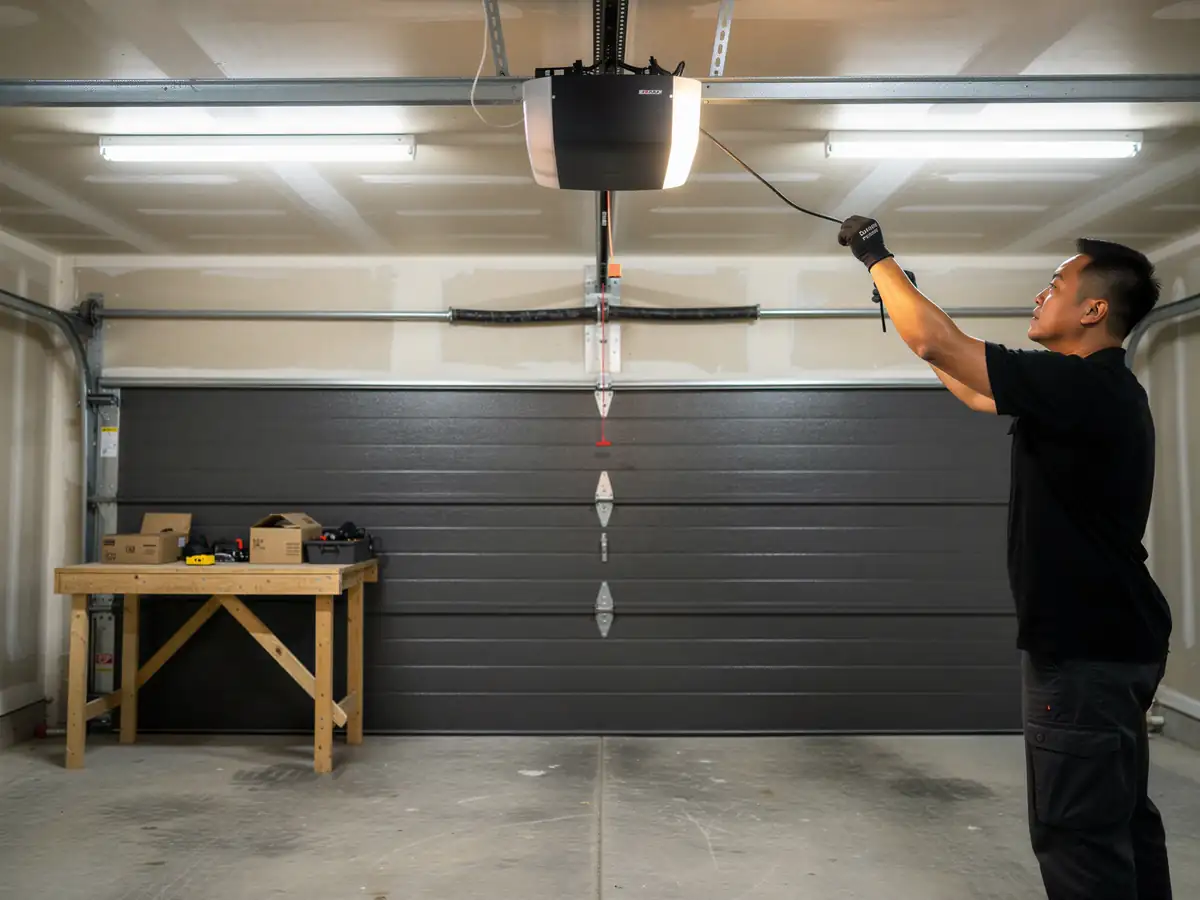
If your opener has a circuit board throwing an error code or a flashing light pattern, that's not a job for a screwdriver and a Saturday afternoon. Diagnosing a board fault or a misaligned safety sensor on a 2000s-era opener takes a meter and knowing what the manufacturer's codes actually mean, and guessing wrong can mean replacing a part that wasn't broken.
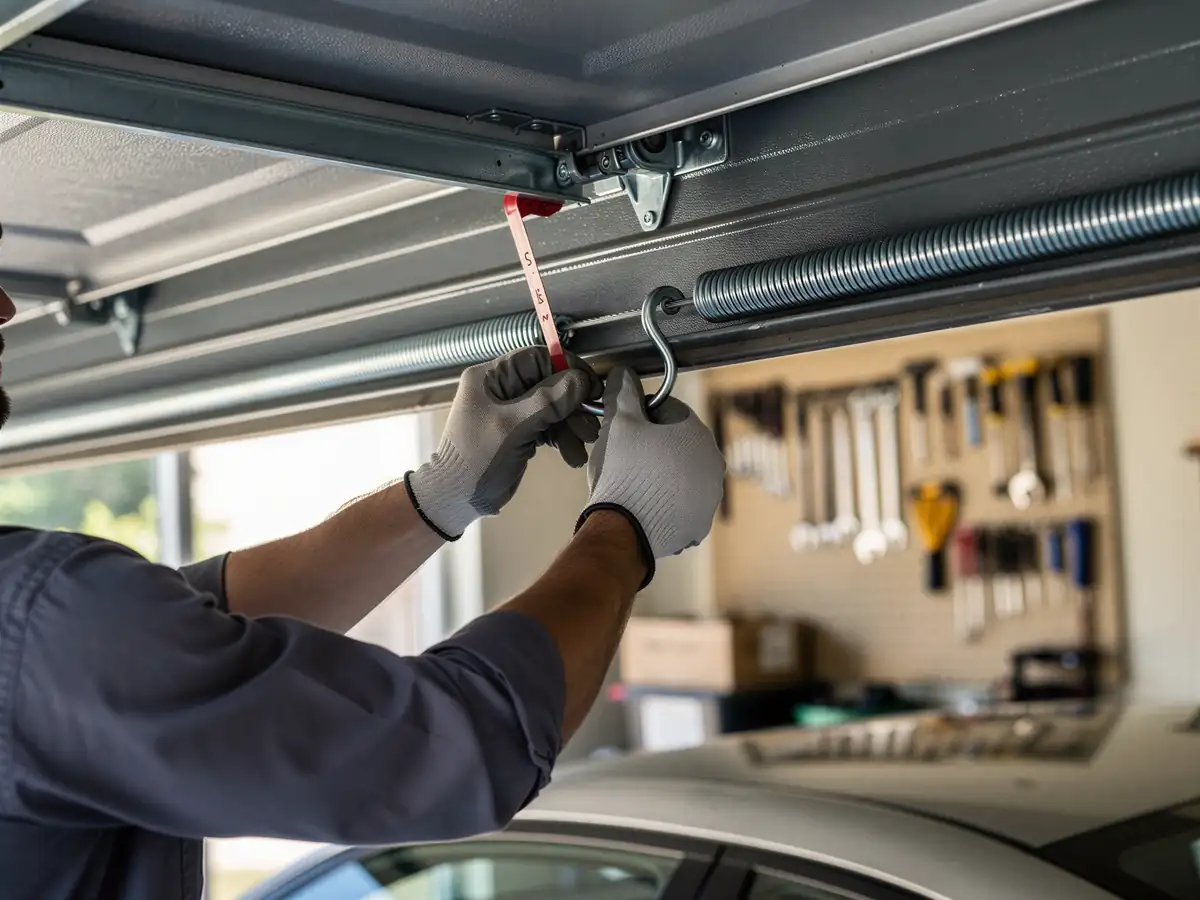
Where we'd tell you to hold off calling anyone: a door that's just noisy, or rollers that need lubrication. That's within reach for most homeowners and doesn't need a truck. Where we'd tell you to stop immediately: anything involving the torsion spring or the cables under tension. Those store enough force to cause a real injury, and on a door built for Princeton's newer, heavier insulated panels, the spring is sized accordingly - not a place to improvise.
What Is on the Truck
For a town with housing mostly from one era, the truck gets packed a little differently than for an older neighborhood. We carry torsion springs sized for the heavier insulated panel doors common in builds from the 2000s, along with the photo-eye sensor units and wiring harnesses that fail on openers of that generation.
We also keep standard rollers, cables, and bottom seals on hand, since those wear out regardless of when the house was built. What we don't carry for every single trip is a board or logic module for every opener brand - if your opener needs that specific part, we'll confirm the model before the truck leaves Homestead so we're not making a second six-mile trip for a part we could have brought the first time.