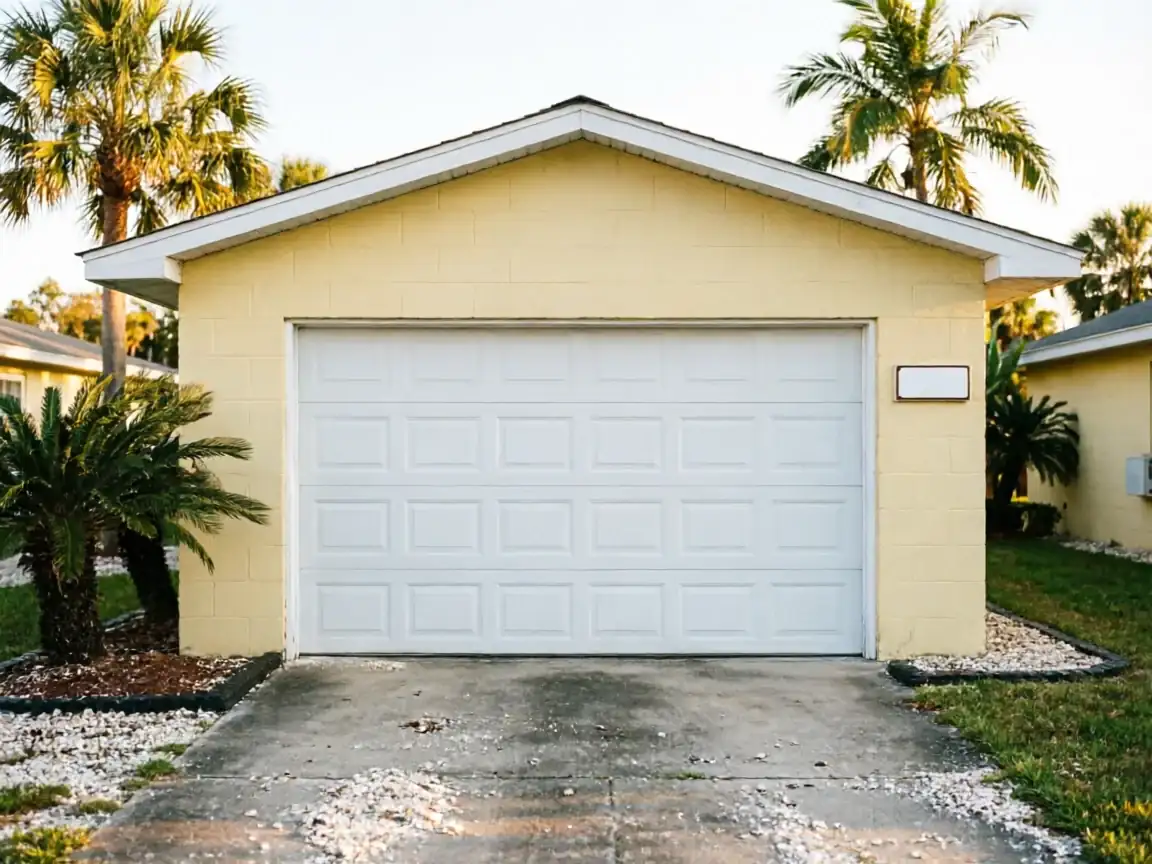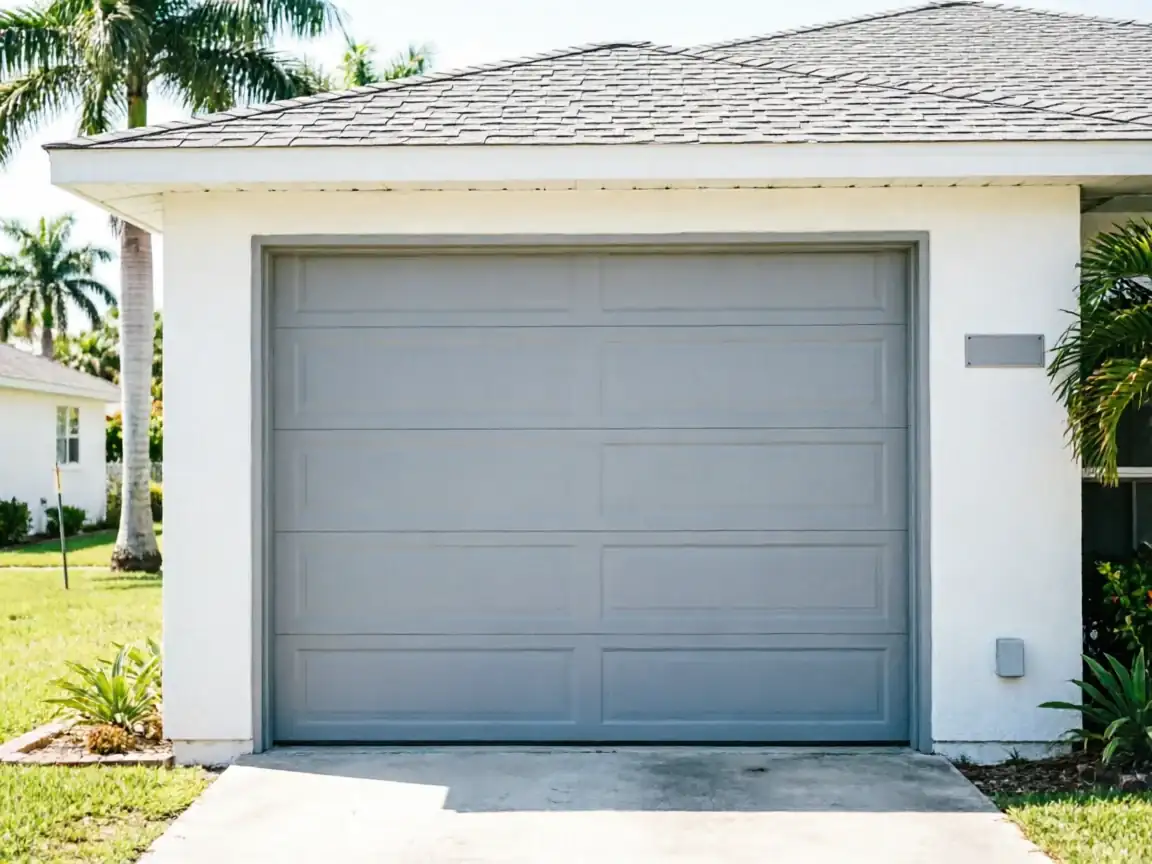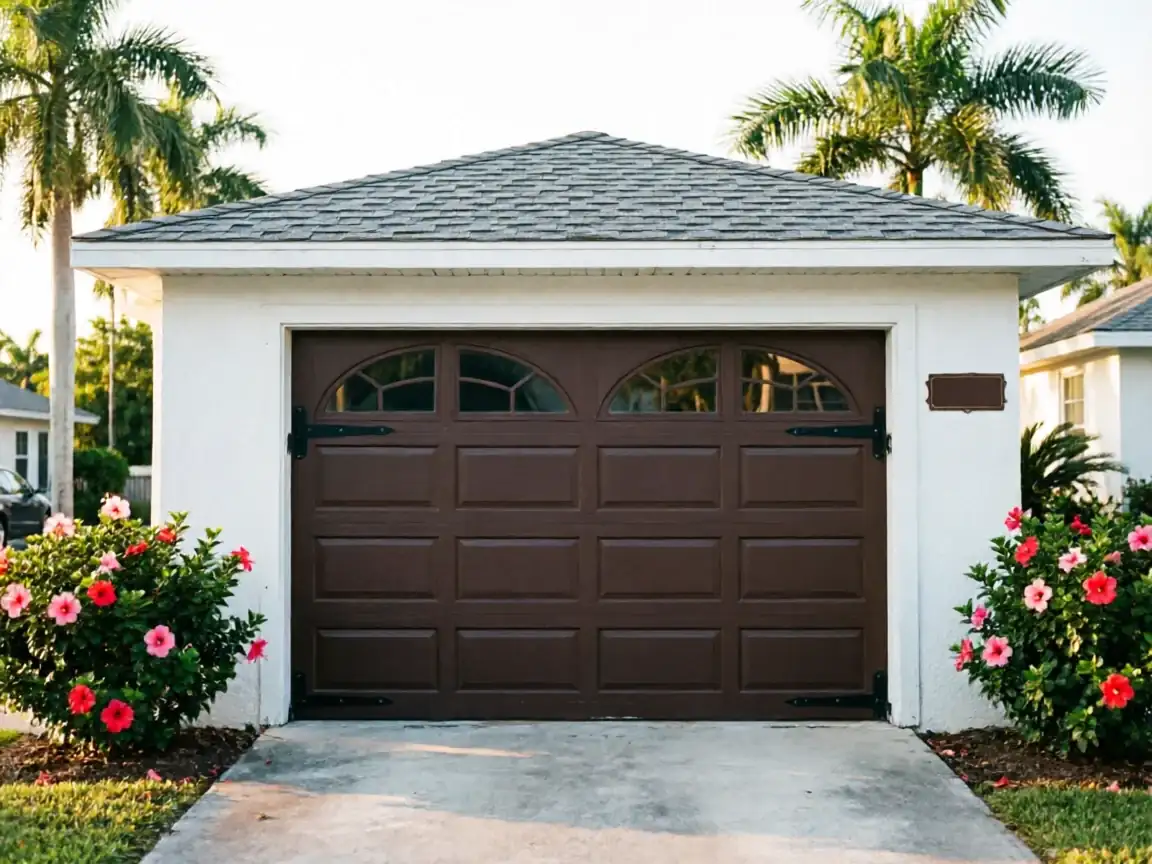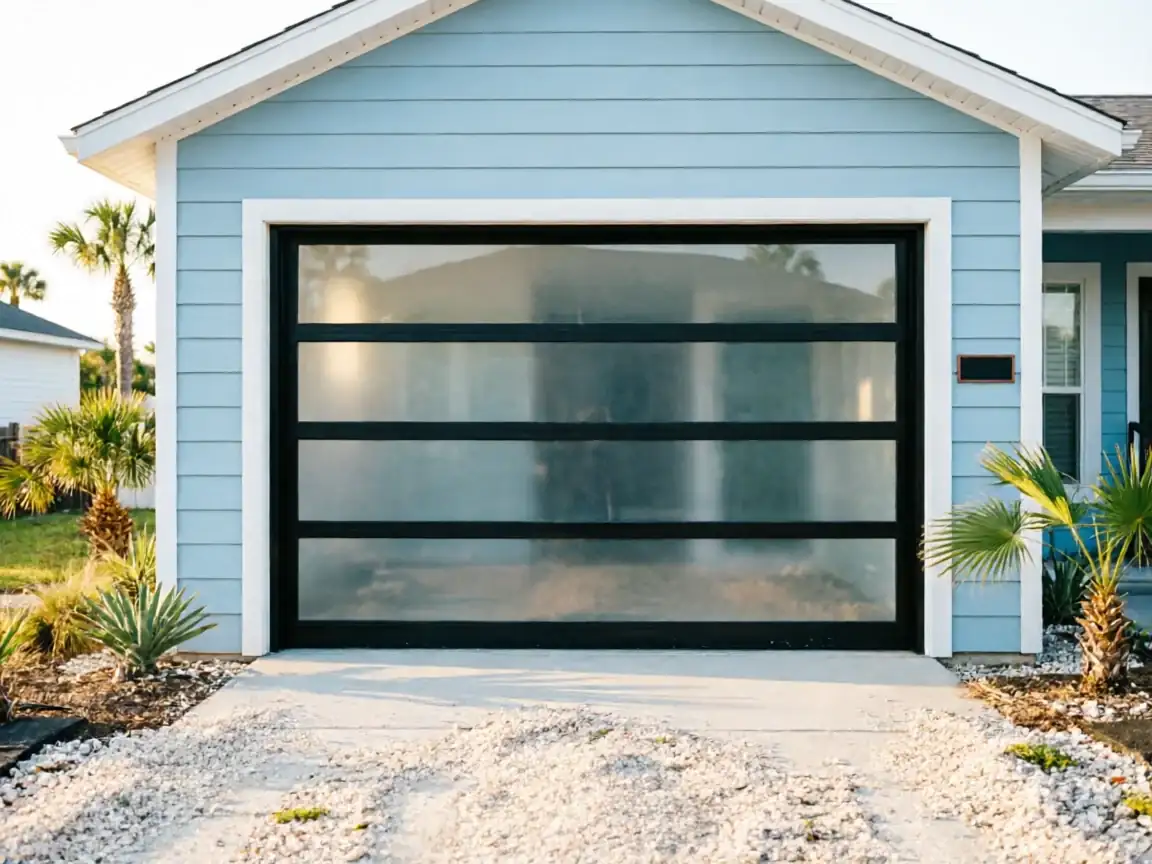
How Long It Takes
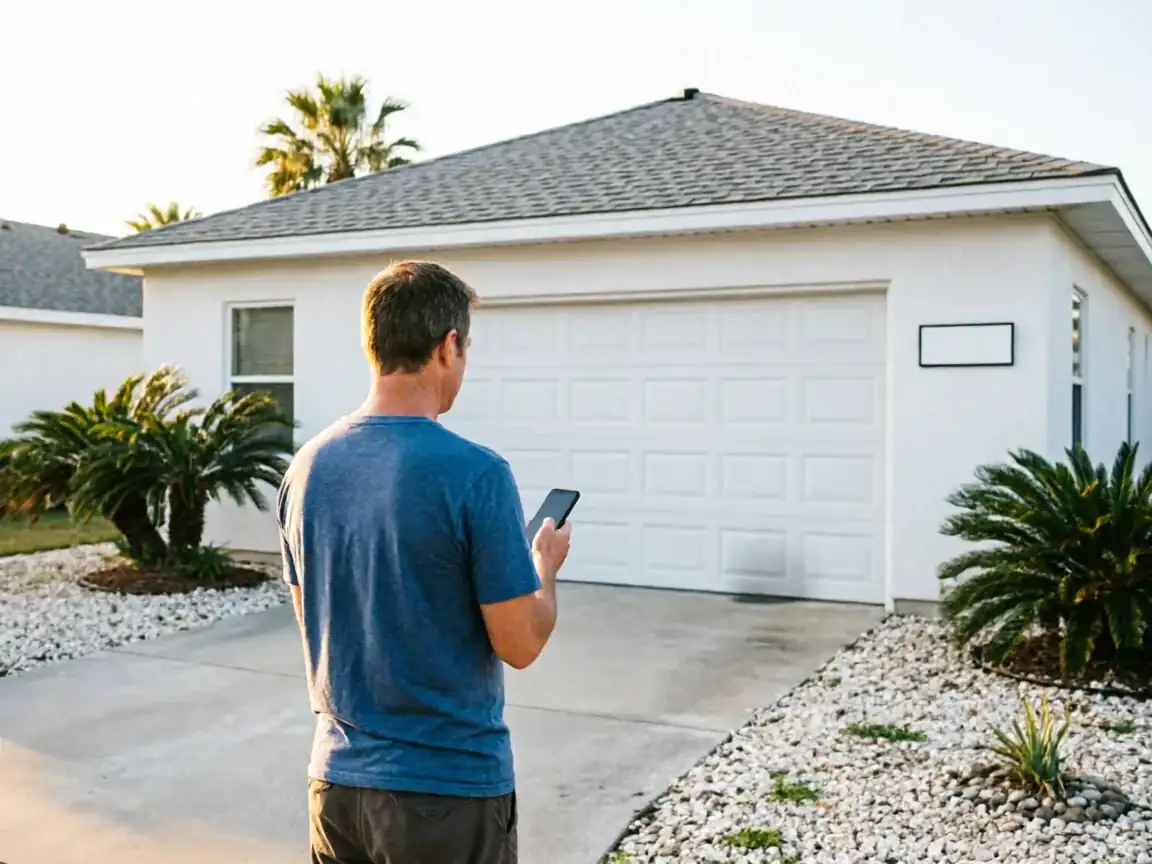
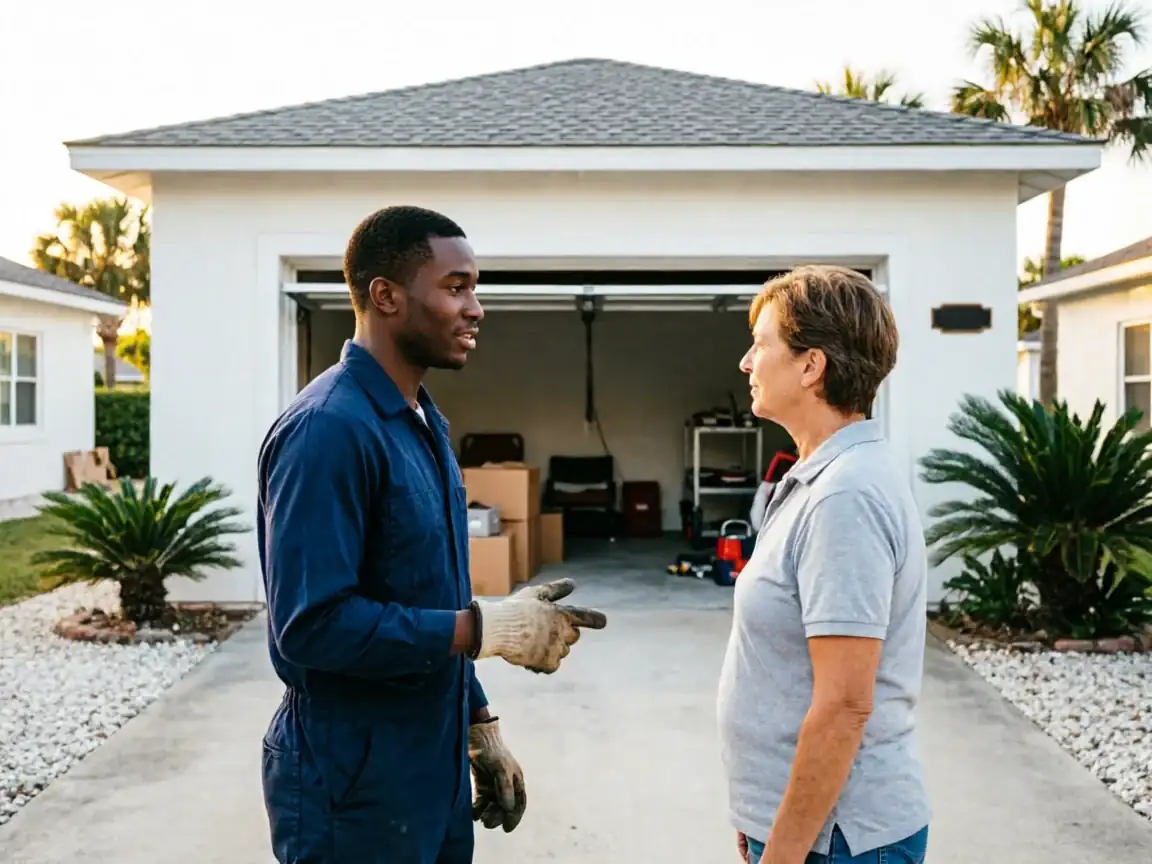
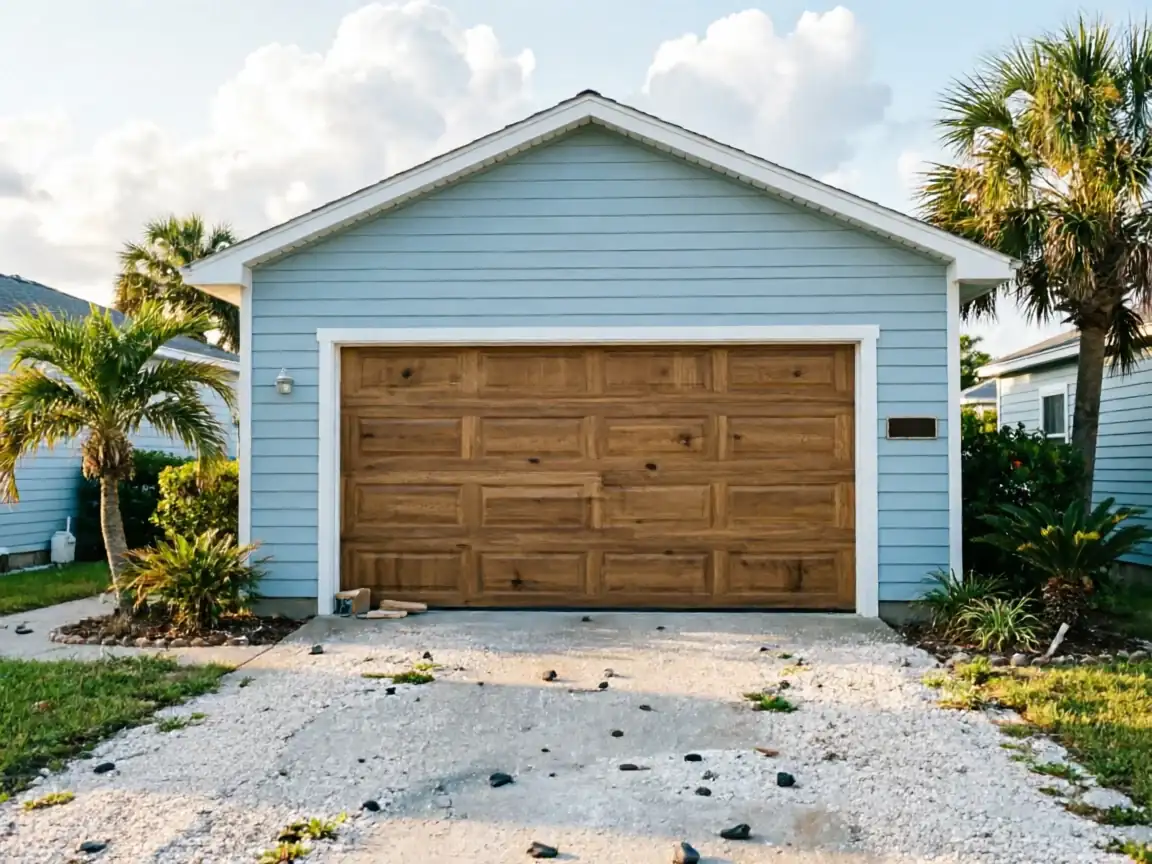
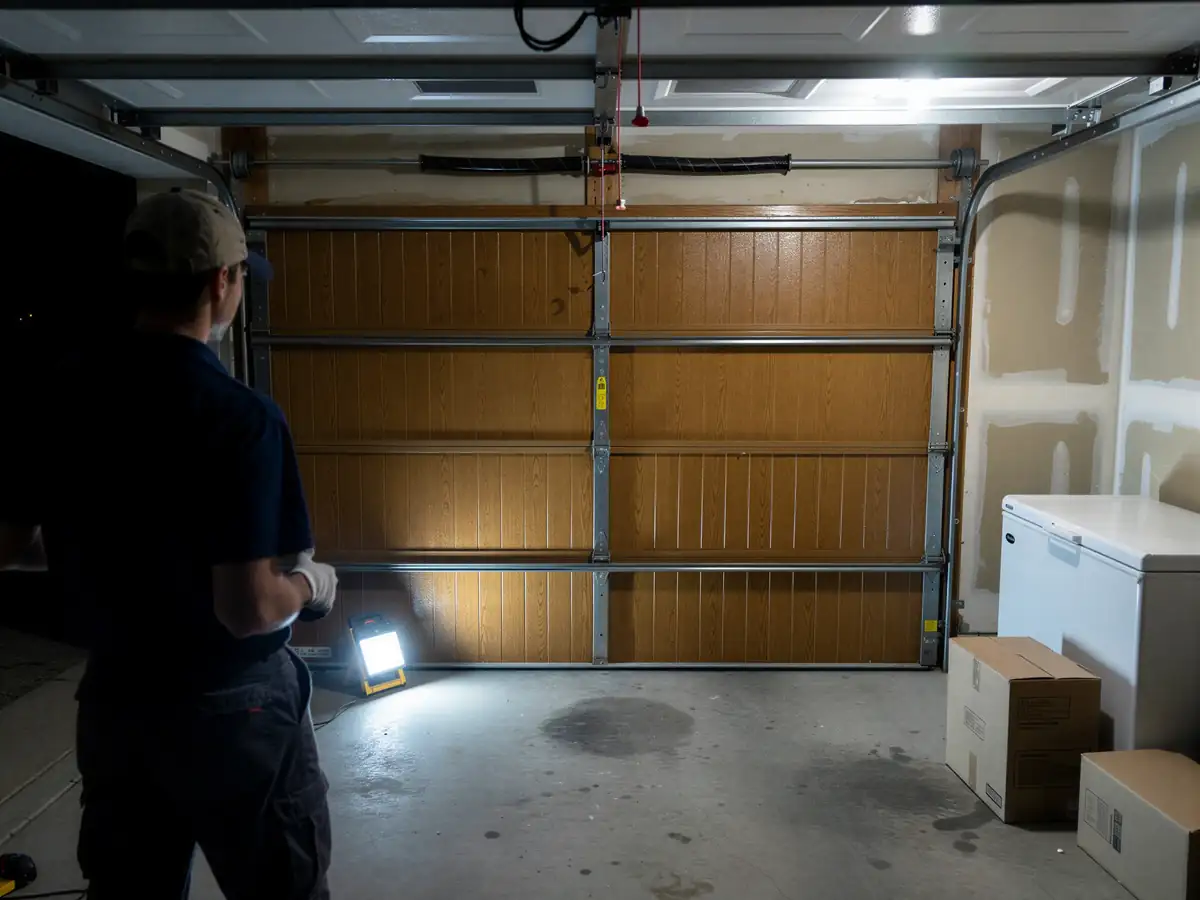
A standard maintenance visit on one door runs shorter than most homeowners expect, but the number that matters more for Princeton is the age of what we're working on. The median home here was built around 2008, which puts a big share of Princeton garage doors and openers at roughly fifteen to seventeen years old. That's old enough for the factory lubricant on rollers and hinges to have dried out, but the door itself is still the same one that came with the house. We're coming from Homestead, about 6 miles out, so we book the visit as a full appointment rather than a quick drop-by between other jobs - there's no branch sitting closer that changes that math.
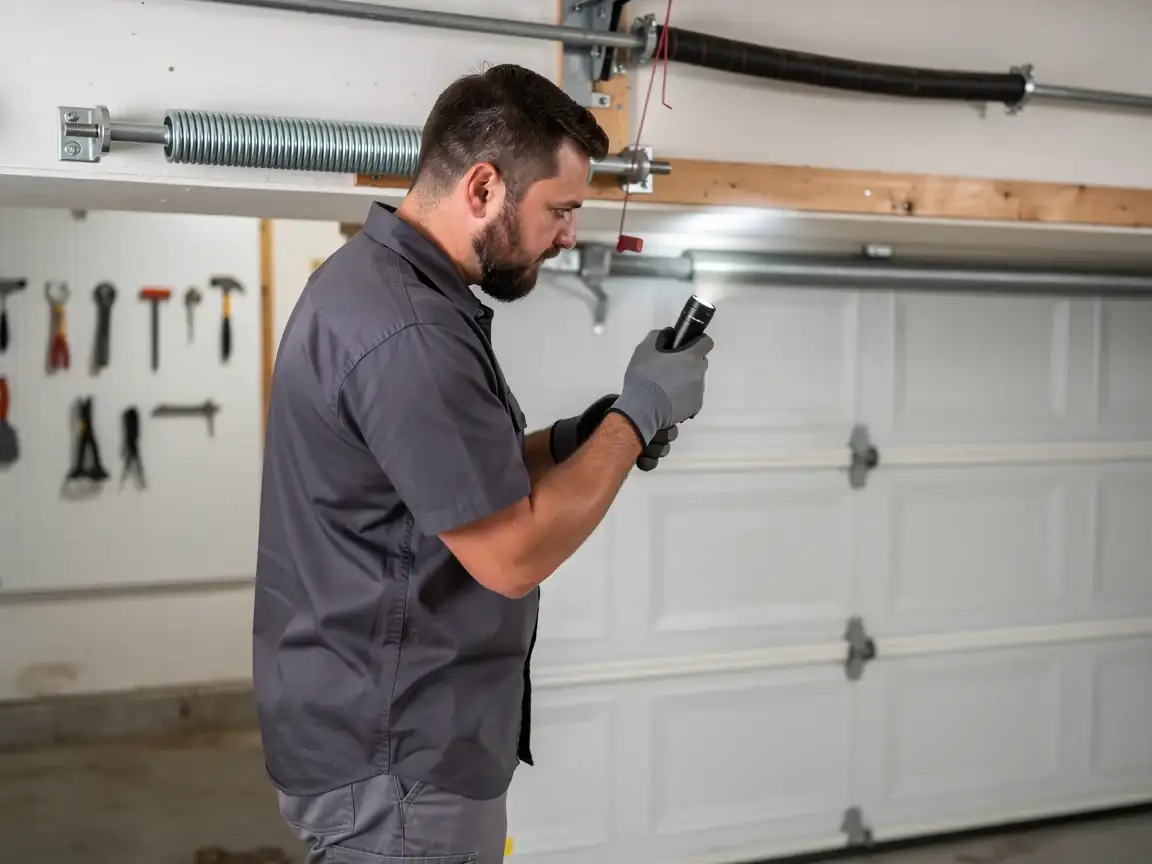
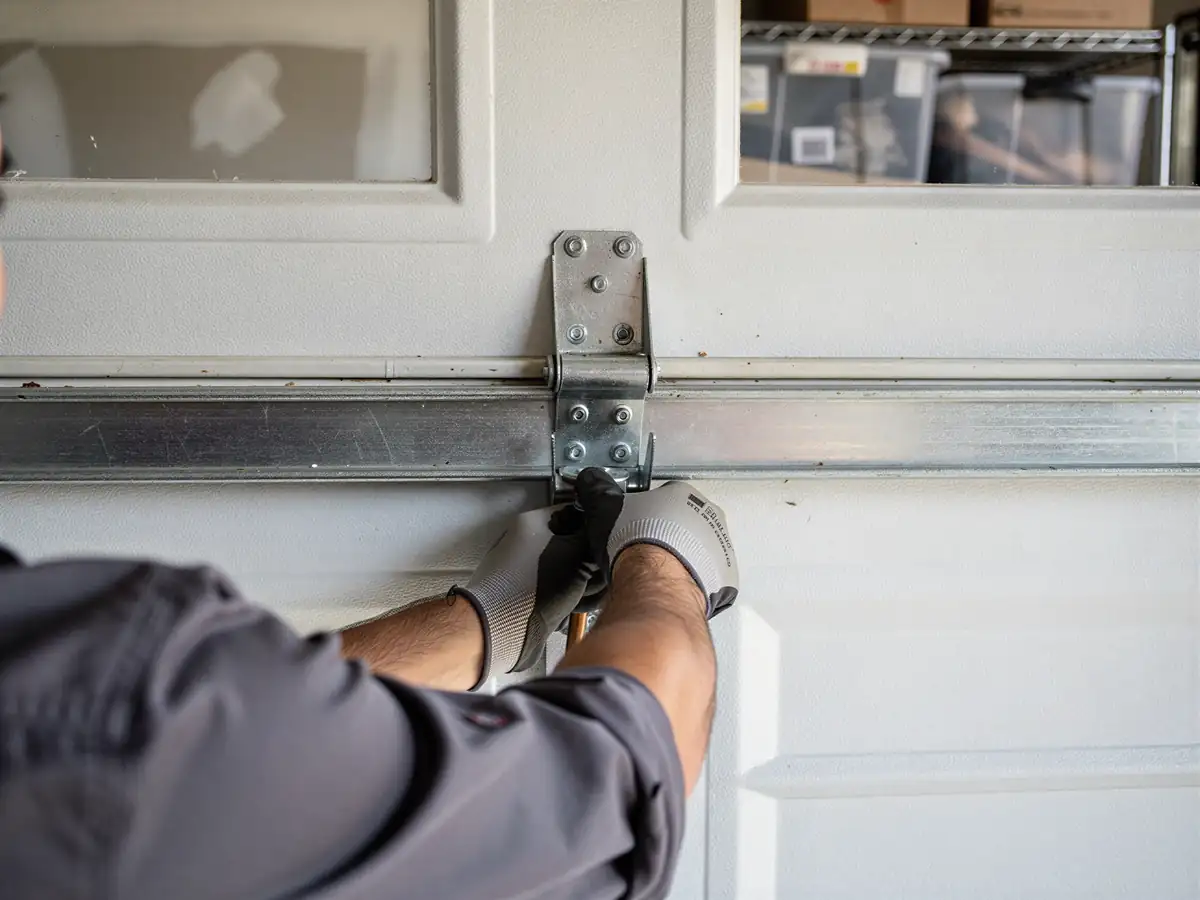
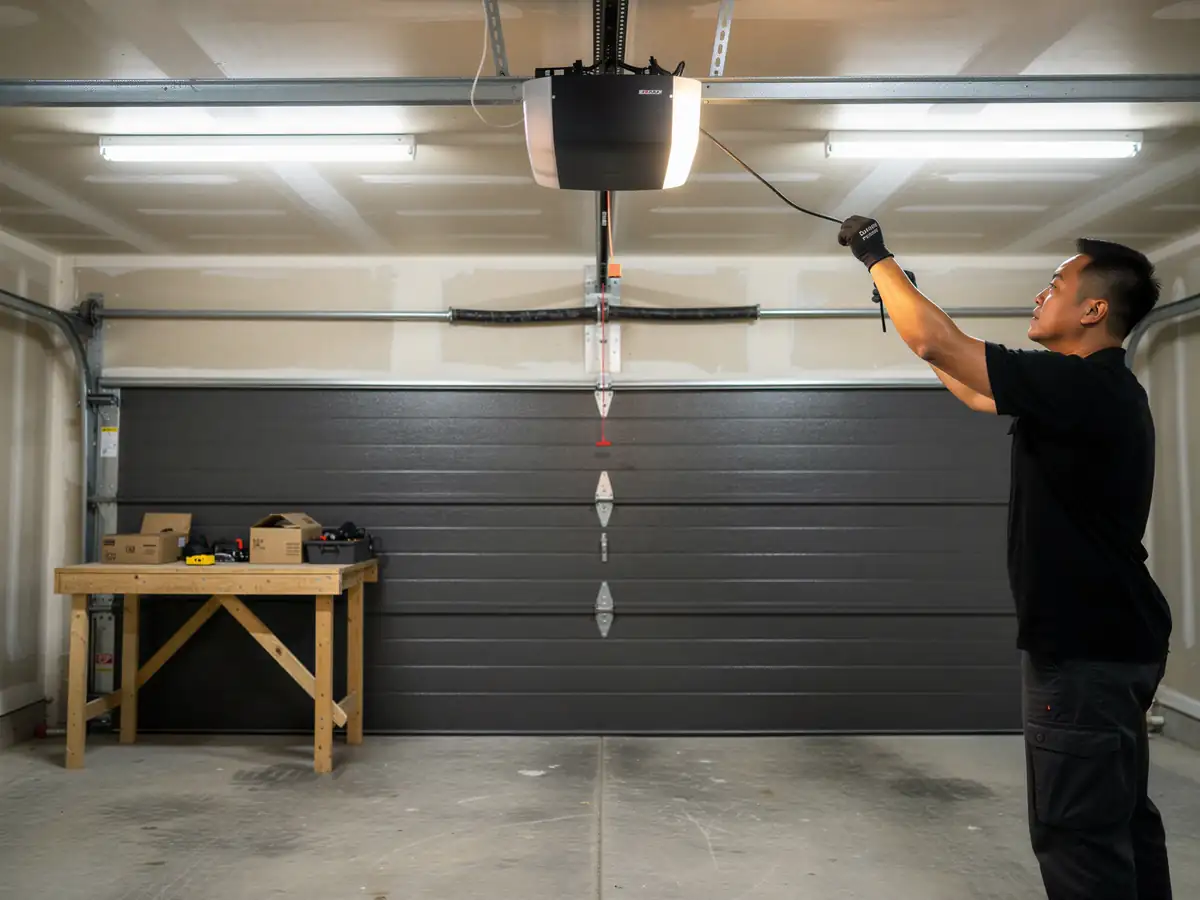
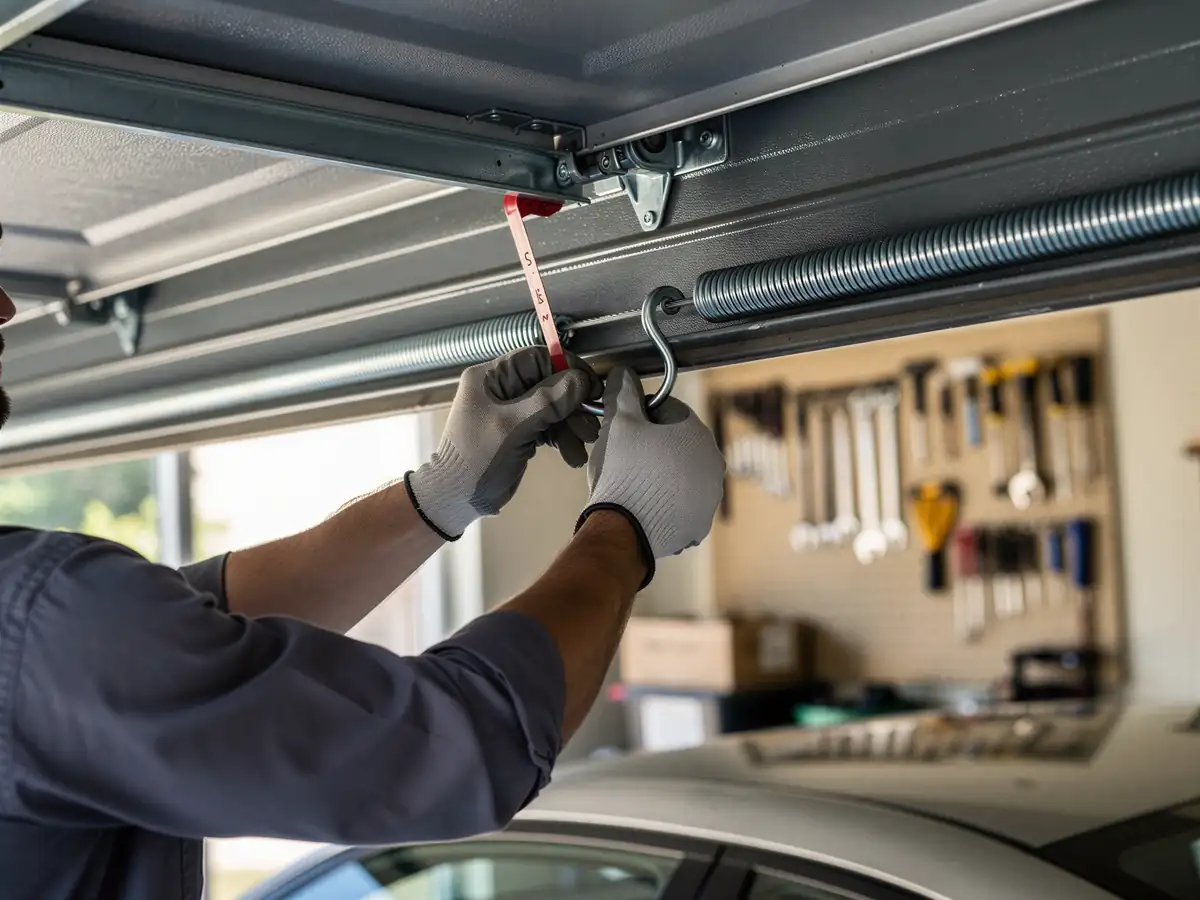
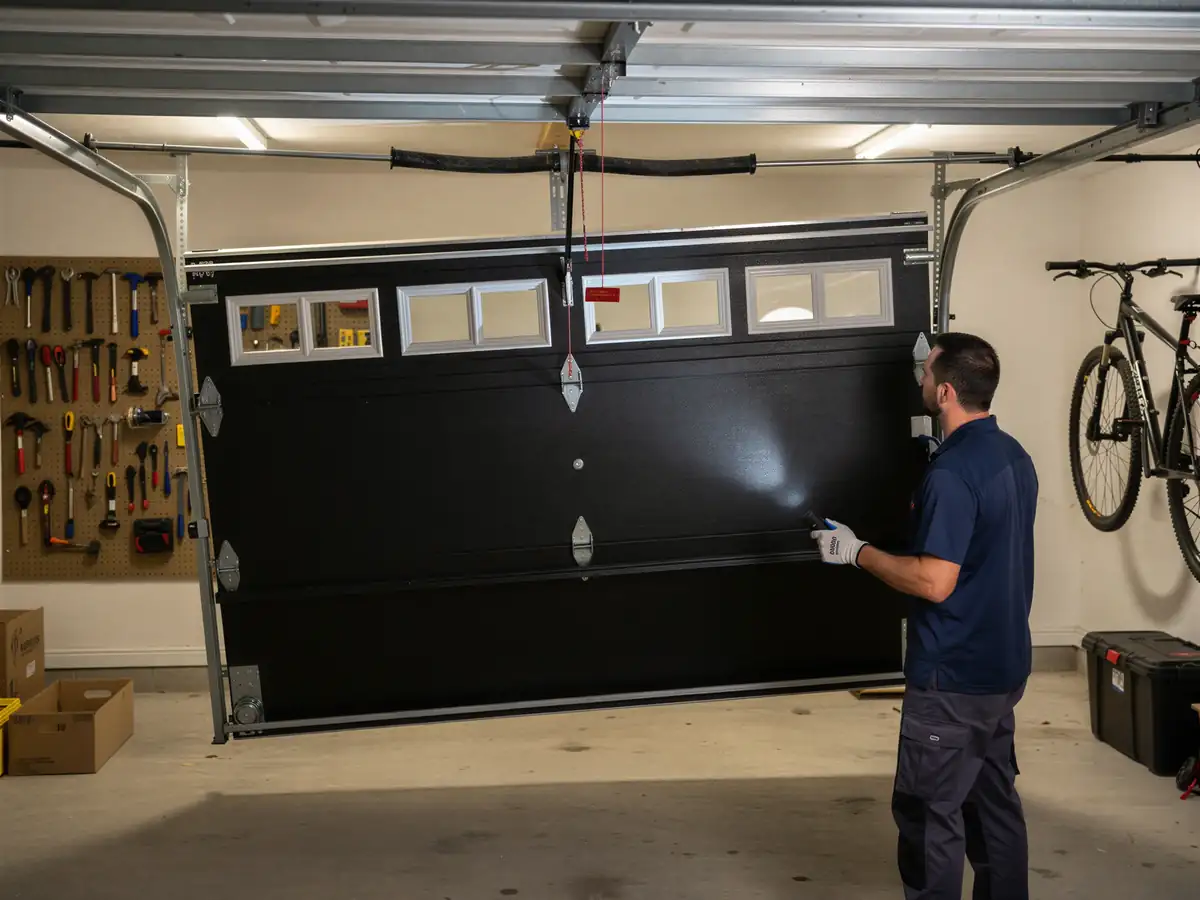
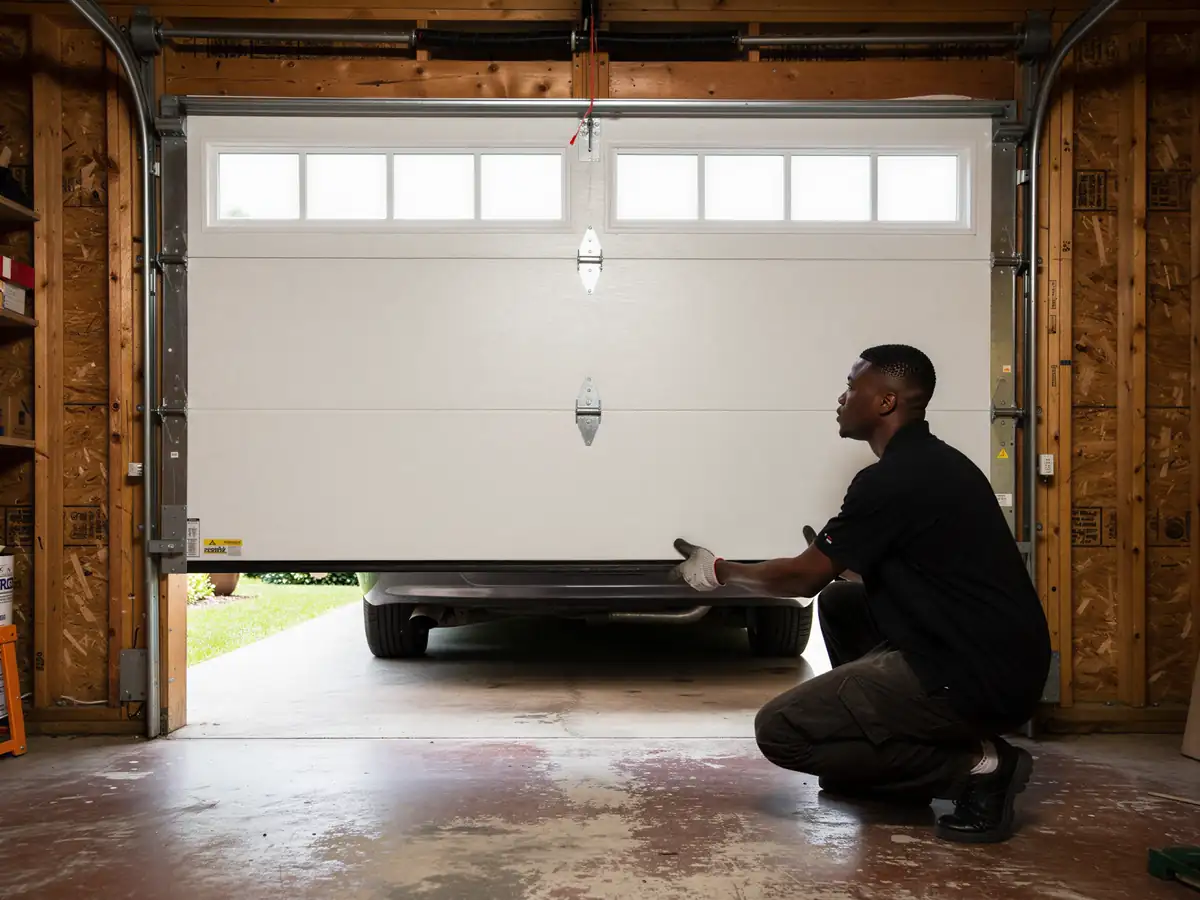
On a door that age, a tune-up is mostly inspection: spring tension, cable fray, track alignment, and whether the opener's force settings have drifted. If everything checks out, the visit stays short. If we find a spring near the end of its cycle count or a panel seam starting to separate, we'll say so on the spot rather than stretch the appointment to sell something.
The Complications
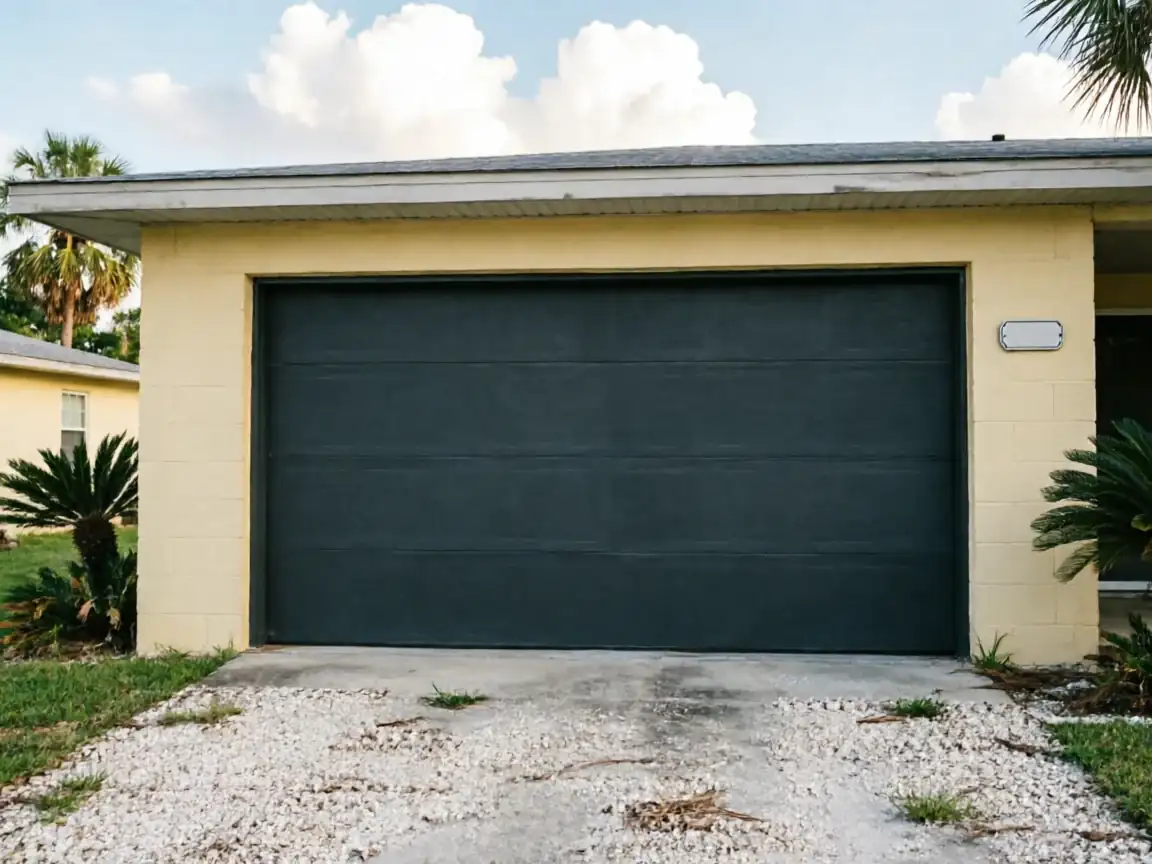
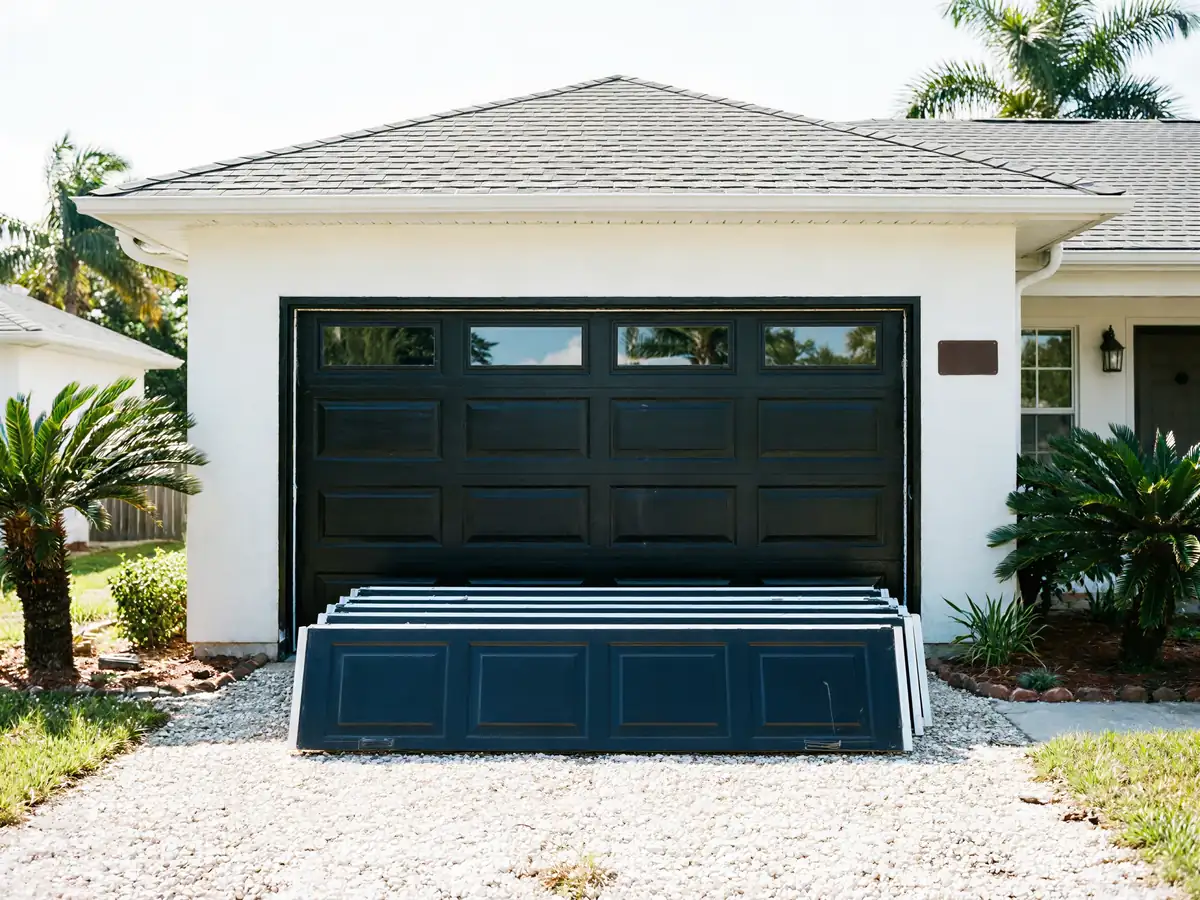
Because Princeton's housing stock clusters tightly around 2008, a lot of these doors and openers came from the same handful of builder-grade suppliers used across the development era. That means parts that fail tend to fail the same way across many houses at once - a particular opener gear or a specific roller type that was common in builder packages that year. The upside is we often know what we're looking at before we open the panel. The downside is that builder-grade hardware isn't built for a long service life, so a door that's never had anything replaced isn't a sign of quality - it's a sign nobody's looked at it yet.
Humidity in this mild temperate climate also plays a role over fifteen-plus years: condensation inside the opener housing and rust creep on exposed spring coils, even without any single storm event to point to. It's slow wear, not damage, which is why it goes unnoticed until the day the door won't lift.
Why This Fails Locally
Princeton isn't an old neighborhood with a mix of eras
It's a newer build concentrated around one window of time, 2008 give or take a few years on either side. That uniformity means the failure point isn't a cracked wood panel or an obsolete one-piece door like you'd find in older stock closer to Homestead's 1957 end of the range. It's almost always the moving hardware: torsion springs rated for a set number of cycles, nylon rollers that go brittle, or an opener logic board from an early-2000s production run that's simply reaching its working life.
With a median household income of $82,130 and 11,947 households in Princeton
Most homes here were bought as finished product, not built custom - so the hardware choices were the builder's, not the owner's. That's useful information when we're sourcing a replacement part: we're often matching a known builder spec rather than guessing.
- $82,130 median household income
- 11,947 households
The DIY Question
Lubricating hinges and checking the manual release are fine to do yourself and we'd rather you did that than nothing. Where we draw the line is the torsion spring and anything under tension - on a door this age, a spring that's seventeen years into its cycle life can let go without warning, and that's not a repair to learn on. If your opener is original to a 2008-era build, replacing the logic board or the drive gear usually costs less than people guess, and we'll tell you when a full opener swap beats a parts repair instead of running up a bill on an old unit.
One honest limit: if a part is specific to a discontinued builder-grade model, we may need to order it rather than carry it on the truck, and that can push a same-day job into a return trip.
What Is on the Truck
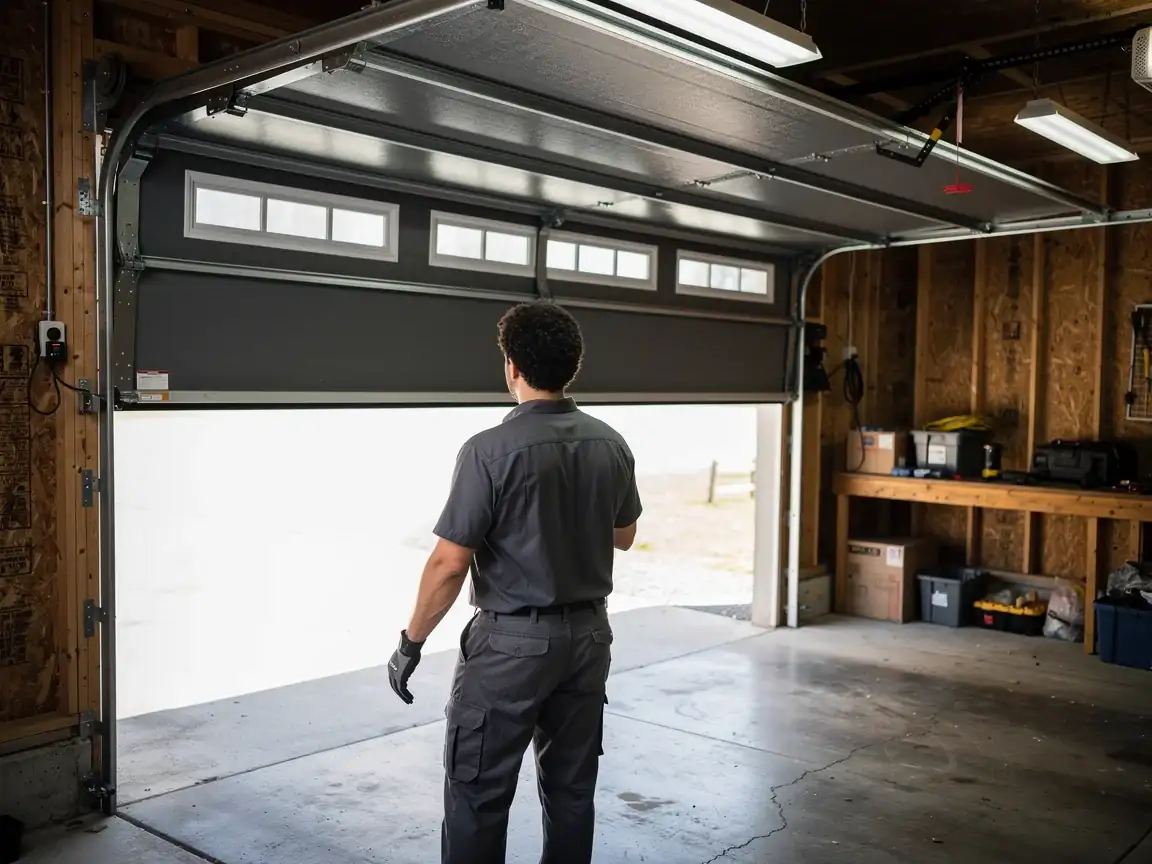
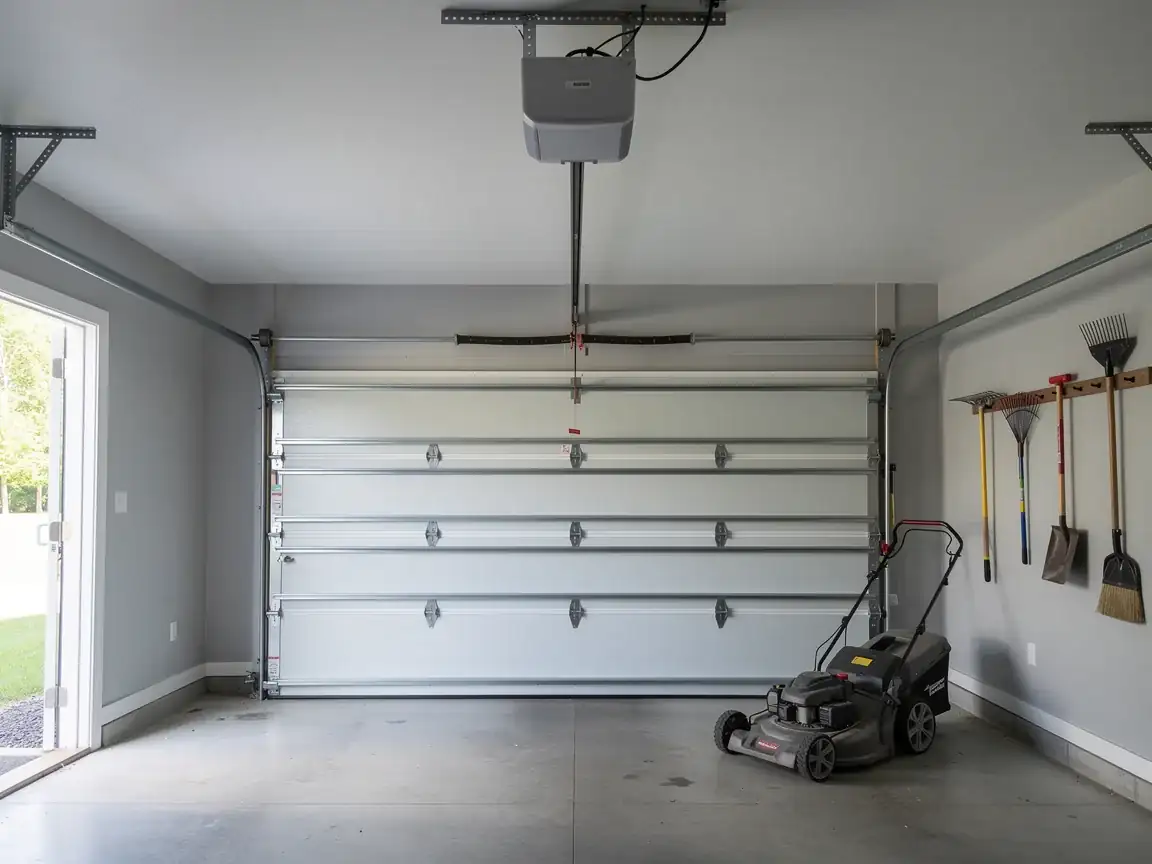
For a Princeton service call we load for 2008-era builder hardware specifically - the roller and hinge sizes common to that construction window, standard torsion springs in the cycle ratings those doors typically take, and the opener gears and sensors that match the production years clustered around this neighborhood's build date. We're carrying stock for houses with original equipment, not houses that have already been through a few owners' worth of upgrades, since that's what Princeton's housing mostly still is.
We come out from Homestead, 6 miles away, so the truck is stocked before we leave rather than restocked mid-route. If what we find on the door doesn't match what's loaded - say, an aftermarket opener someone installed later - we'll tell you what we need to order rather than force a mismatched part onto the track.