How Long It Takes
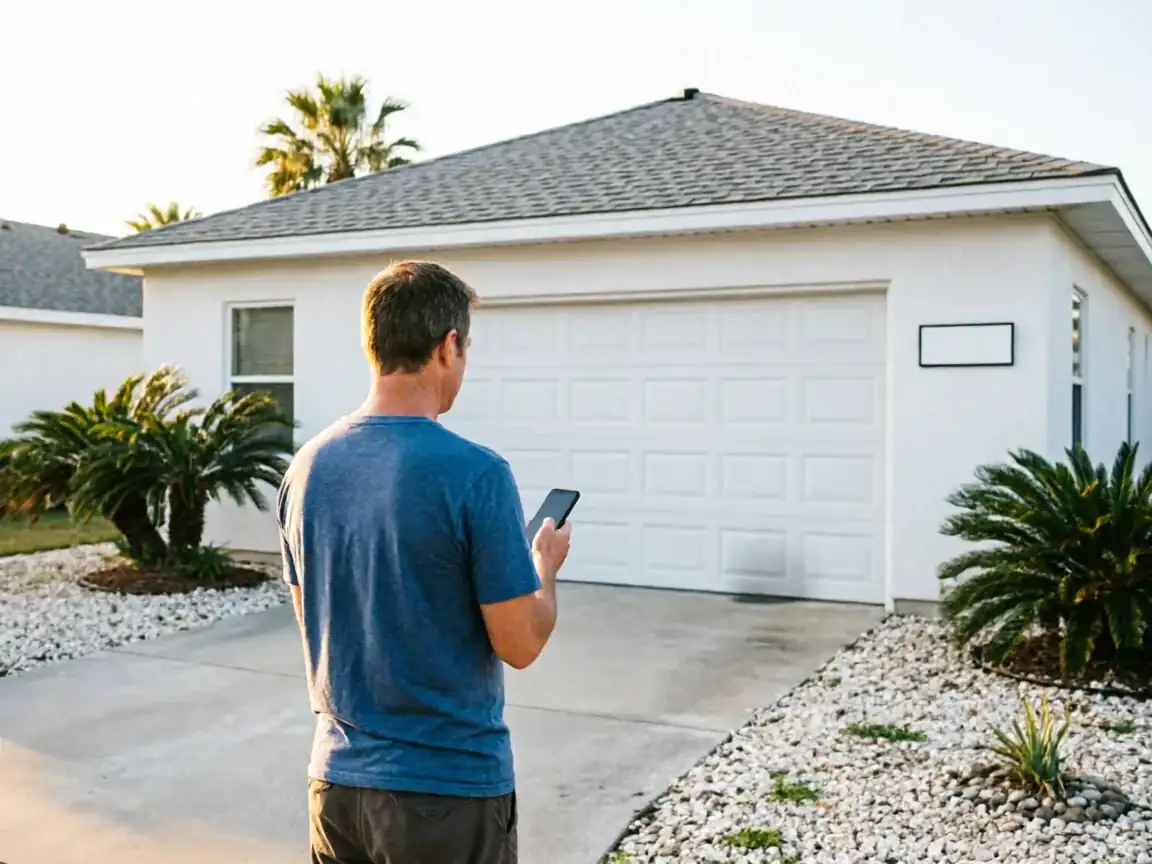
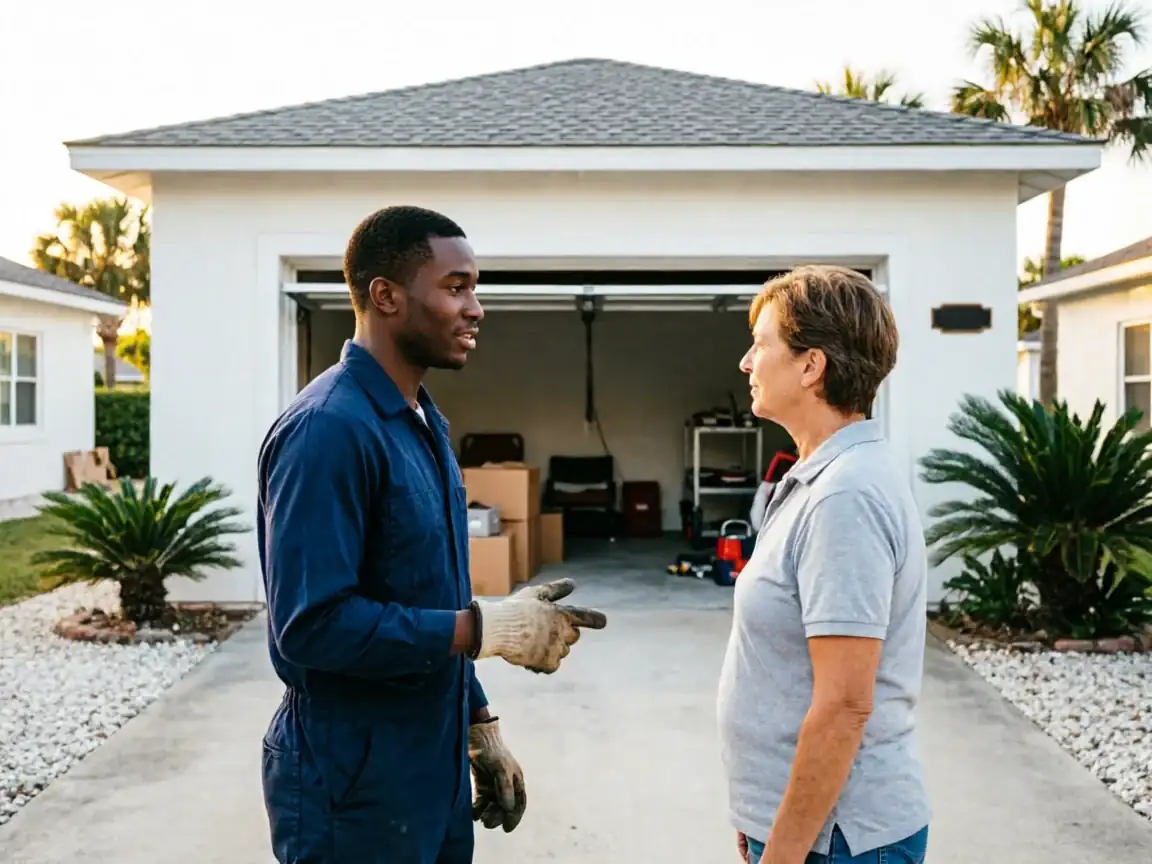
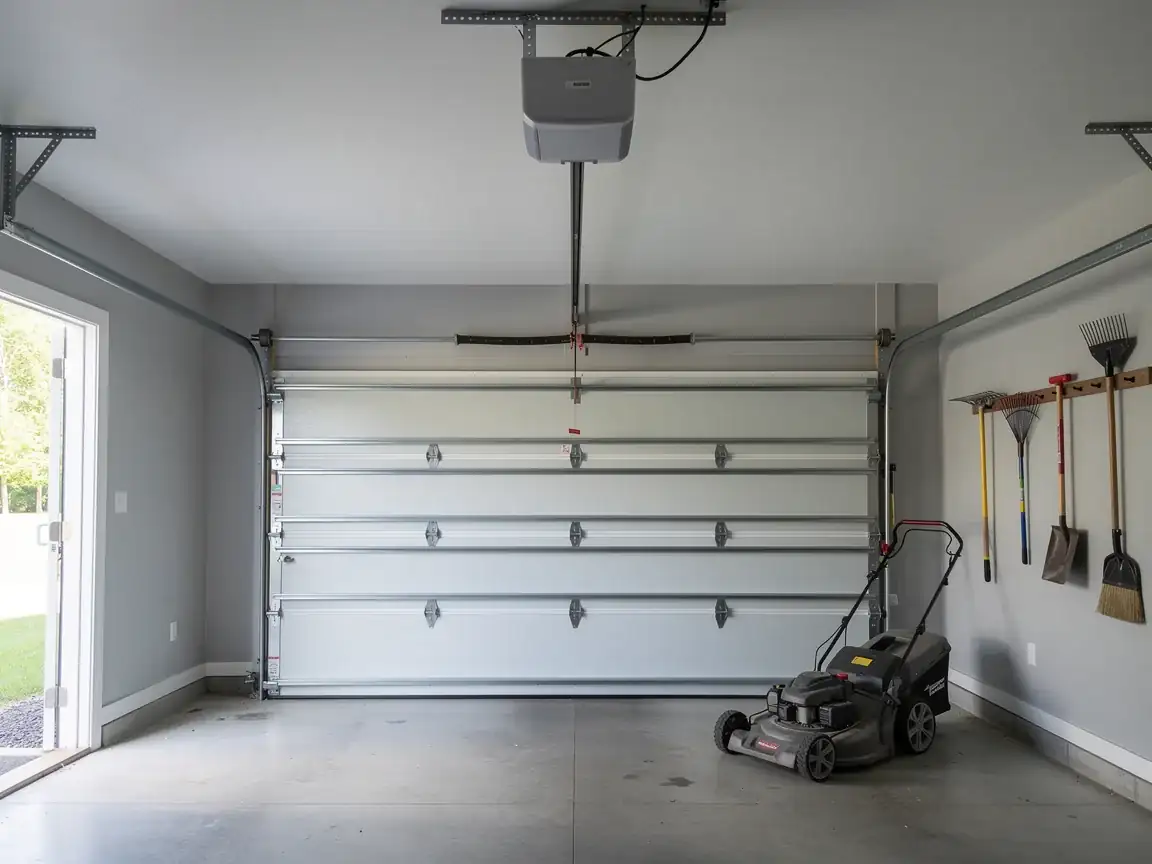
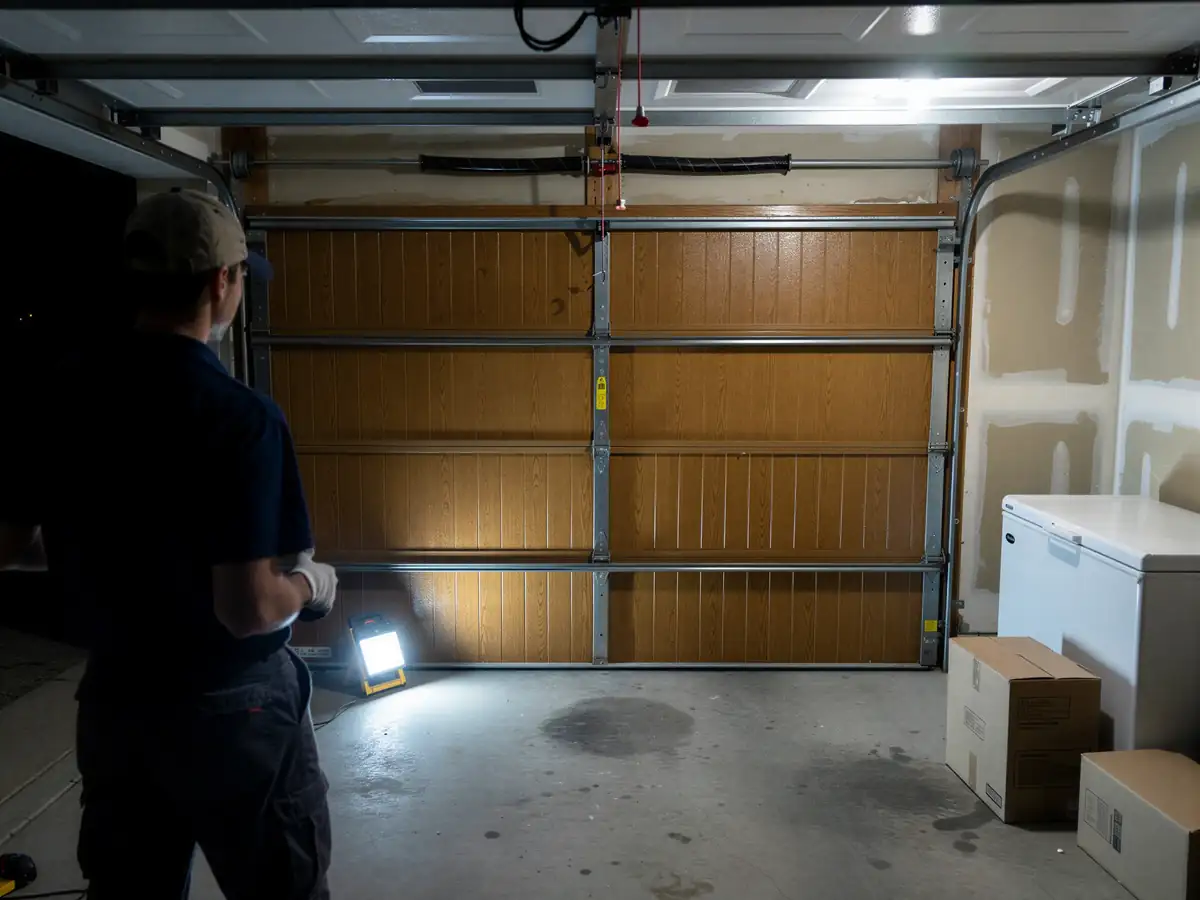
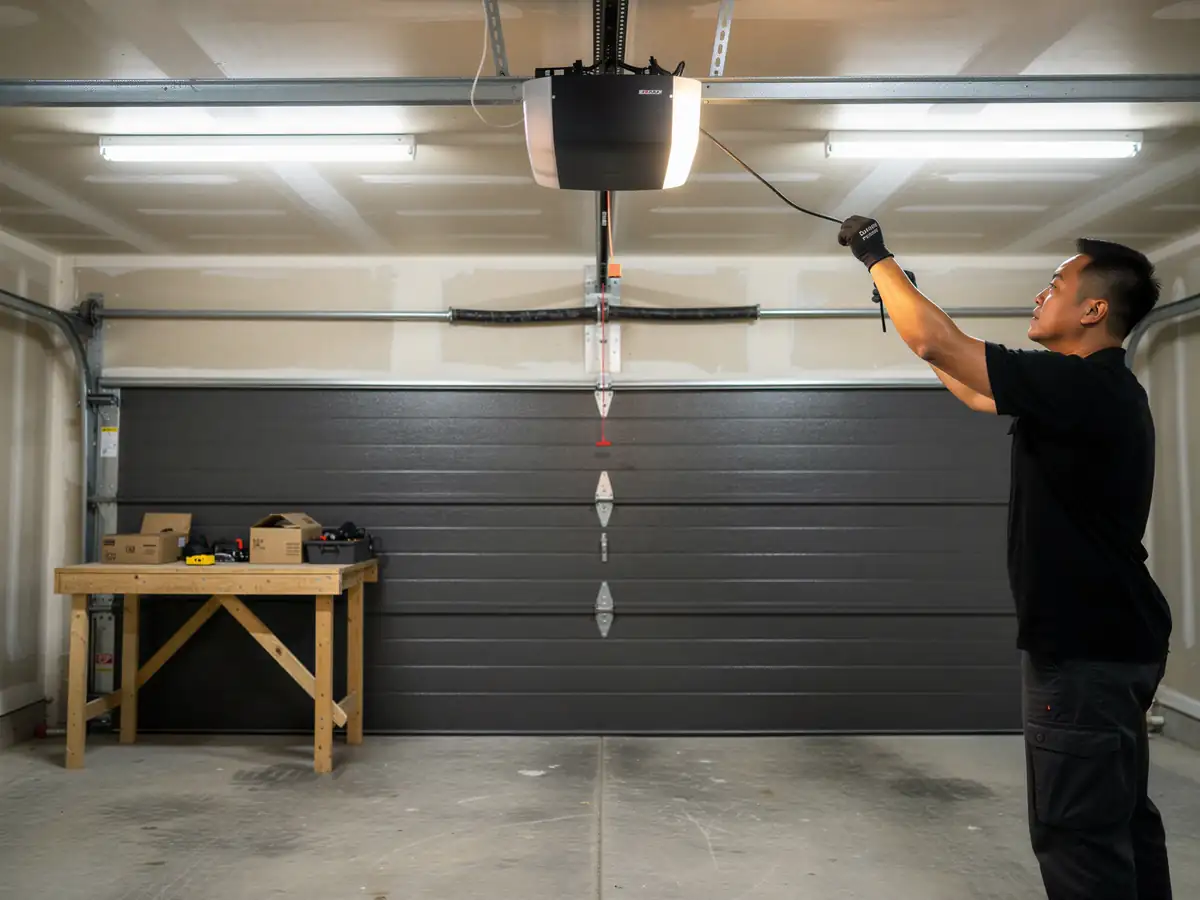
A straight swap on a 2008-era home, same mounting points, same rail length, same door weight, is usually a half-day job once we're on site. Princeton's housing stock skews newer than most of the service area we cover from Homestead - the median build year here is 2008, compared to 1979 across the wider territory - so we're rarely fighting old bracket patterns or a header that was never built to carry a modern unit. The time sink isn't the install, it's the trip: Princeton sits about 6 miles out, and we build that into the schedule rather than squeeze it between closer jobs. If the existing opener is original to the house, the bracket and rail are almost always still good, which cuts labor. If a wall control or safety sensor has to be relocated because a prior owner added shelving or a workbench in the way, add time for that. We tell you the real number on the phone once we know the door and the opener you're replacing, not a generic window that doesn't hold up once we're in the garage.
The Complications
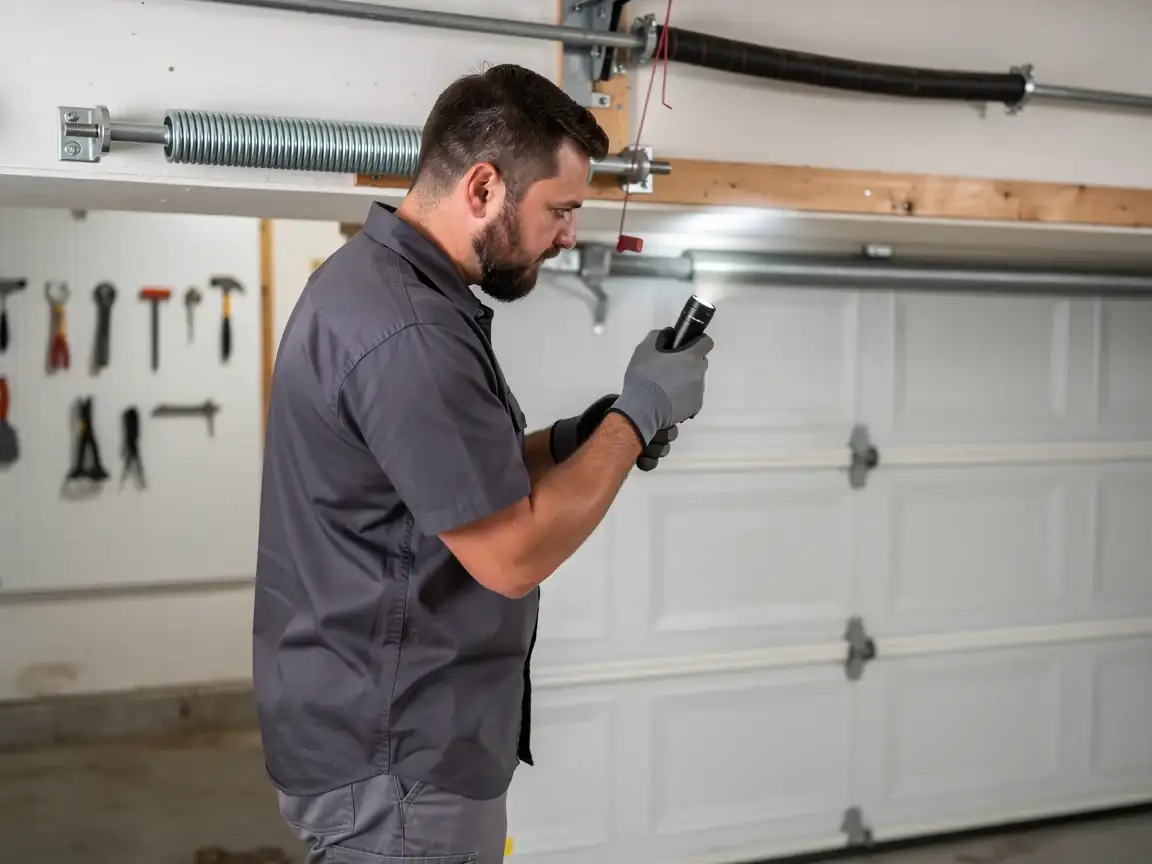
Newer construction brings its own short list of problems, different from the ones we see on 1970s stock elsewhere in the area. Houses built around 2008 were wired for garage openers from the start, so the outlet and the switch are usually in the right place - but builder-grade openers from that era are often lower-horsepower chain units that were adequate for the door weight at the time and are now straining, especially if the door itself was ever upgraded to a heavier insulated model without anyone touching the opener. We also see circuit boards from that generation failing before the motor does, which looks like a dead opener but isn't a full-replacement problem. And because Princeton is newer-built, the openers going in today are the first replacement most of these houses have ever had - there's no history of prior repairs to read, no clues from an old sticker on the housing. We have to diagnose from scratch every time, which takes a few extra minutes but isn't a complication we charge extra for.
The DIY Question
A boxed opener from a hardware store will physically bolt into a 2008-era bracket without much trouble - the mounting hardware hasn't changed much. Where people get stuck is the safety reversal and photo-eye alignment, especially on houses where the garage floor isn't perfectly level with the door frame, which is more common than people expect on newer slab construction. Get that out of true and the opener either won't close or reverses every time, and most DIY installers end up calling someone anyway after the return trip to the store. If you're comfortable with basic wiring and have a helper to hold the rail steady, the physical install isn't out of reach. We'd rather be honest that it's doable than oversell the difficulty just to get the call.
What Is on the Truck
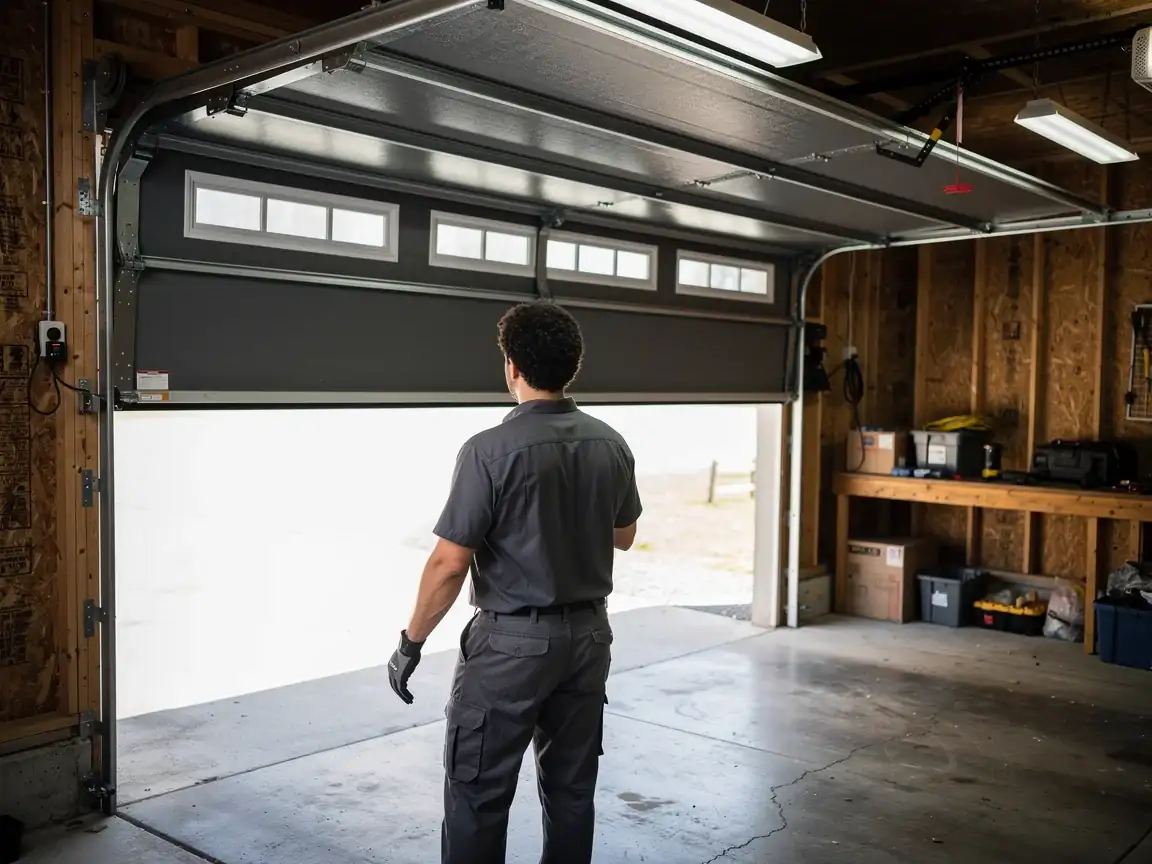
We carry a working range of opener drive types - belt, chain, and screw - rather than one brand, because matching the opener to the door and the garage's actual mounting conditions matters more than loyalty to a name. For Princeton specifically, where builder-grade chain units from the 2008 construction wave are the most common thing we're pulling out, we stock the brackets and rail lengths that match that generation of garage. We don't carry every rail length or every remote model on the truck, so on an unusual setup - a vaulted ceiling clearance issue, for instance - we may need to order a part and come back, and we'll tell you that up front rather than make a second trip look like it was always the plan.