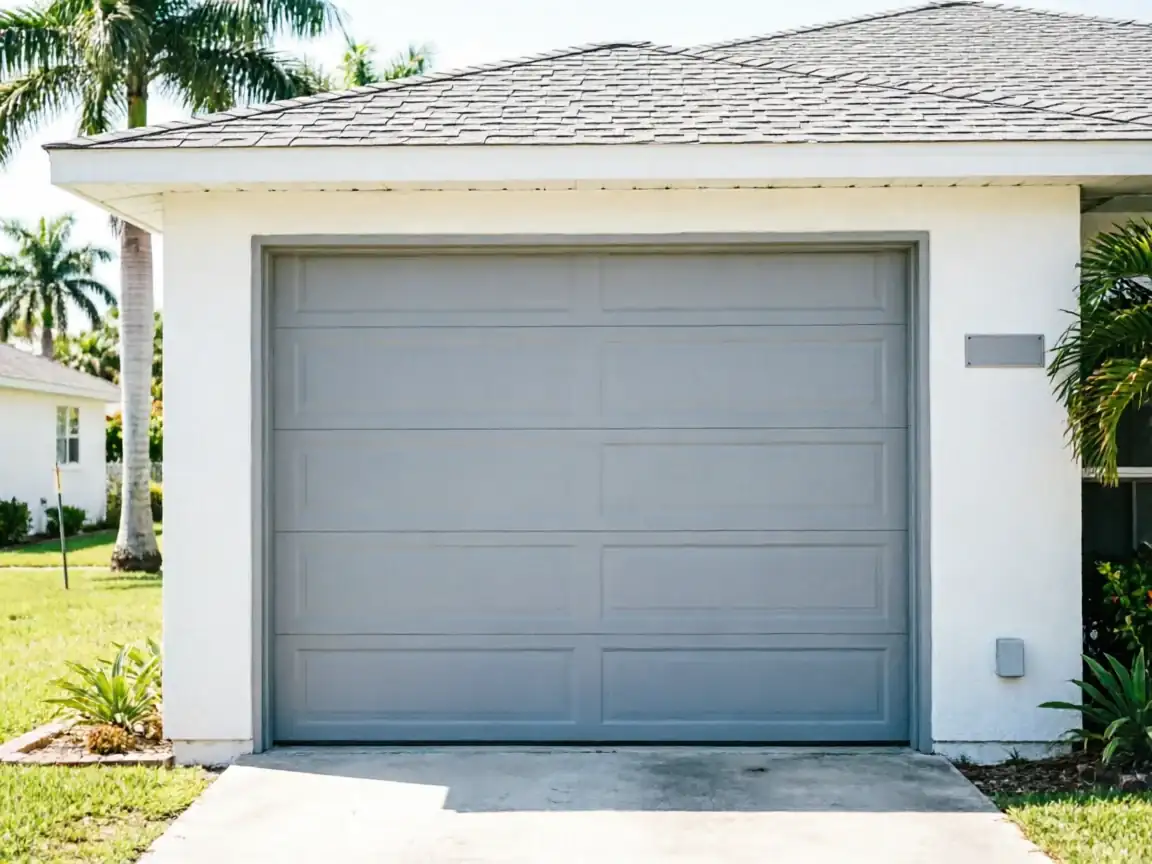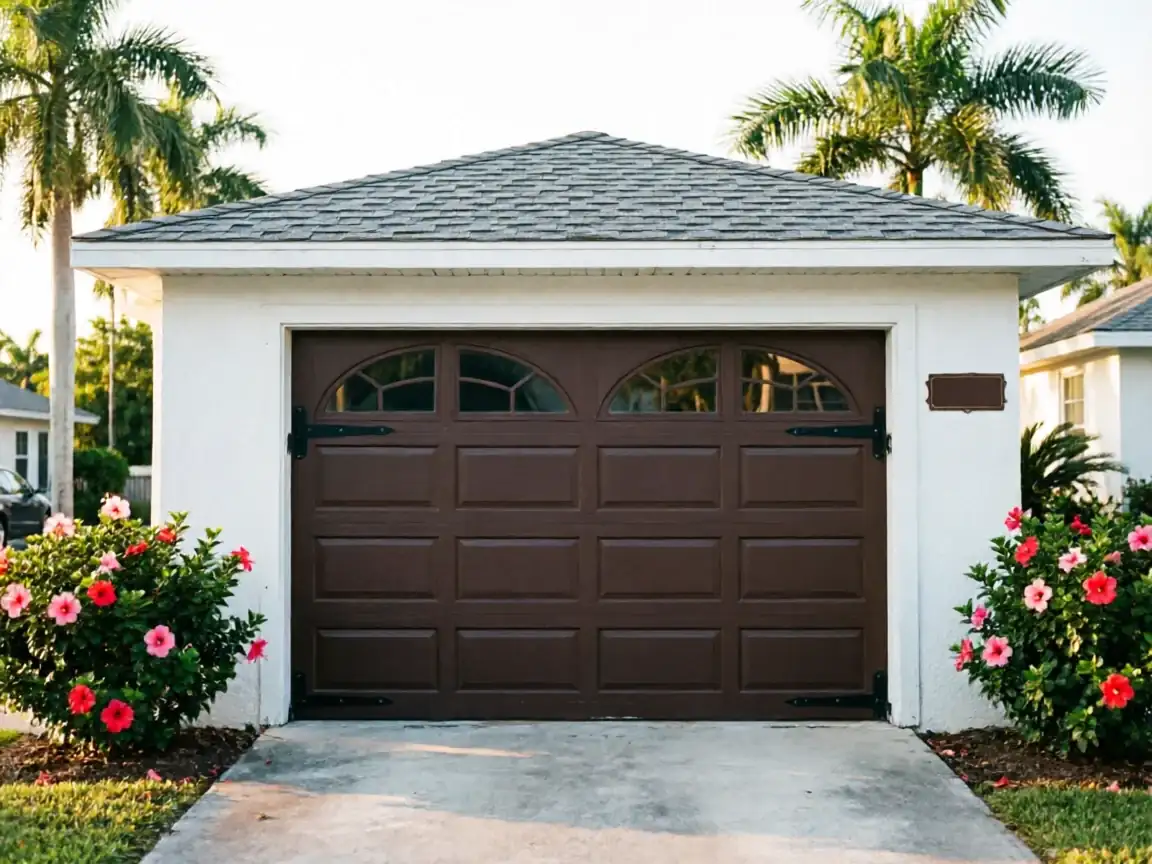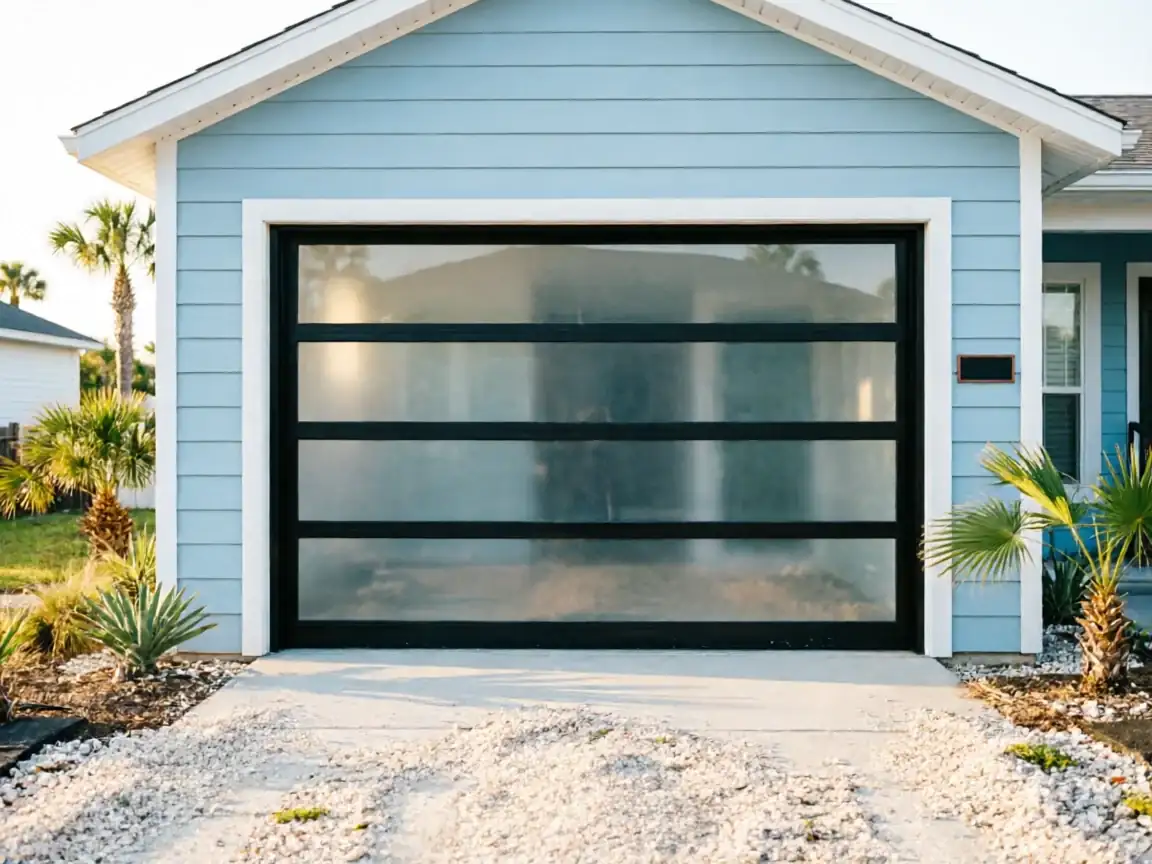
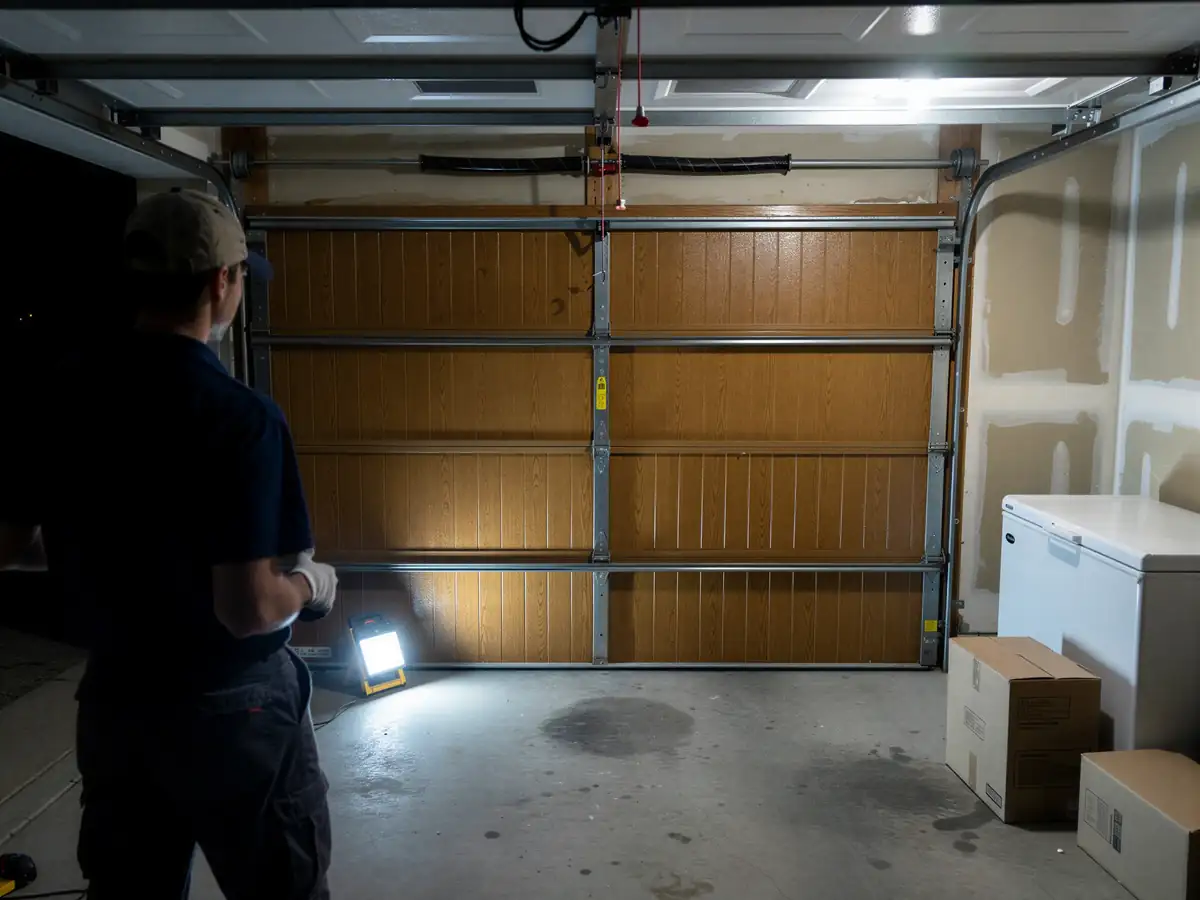
How Long It Takes
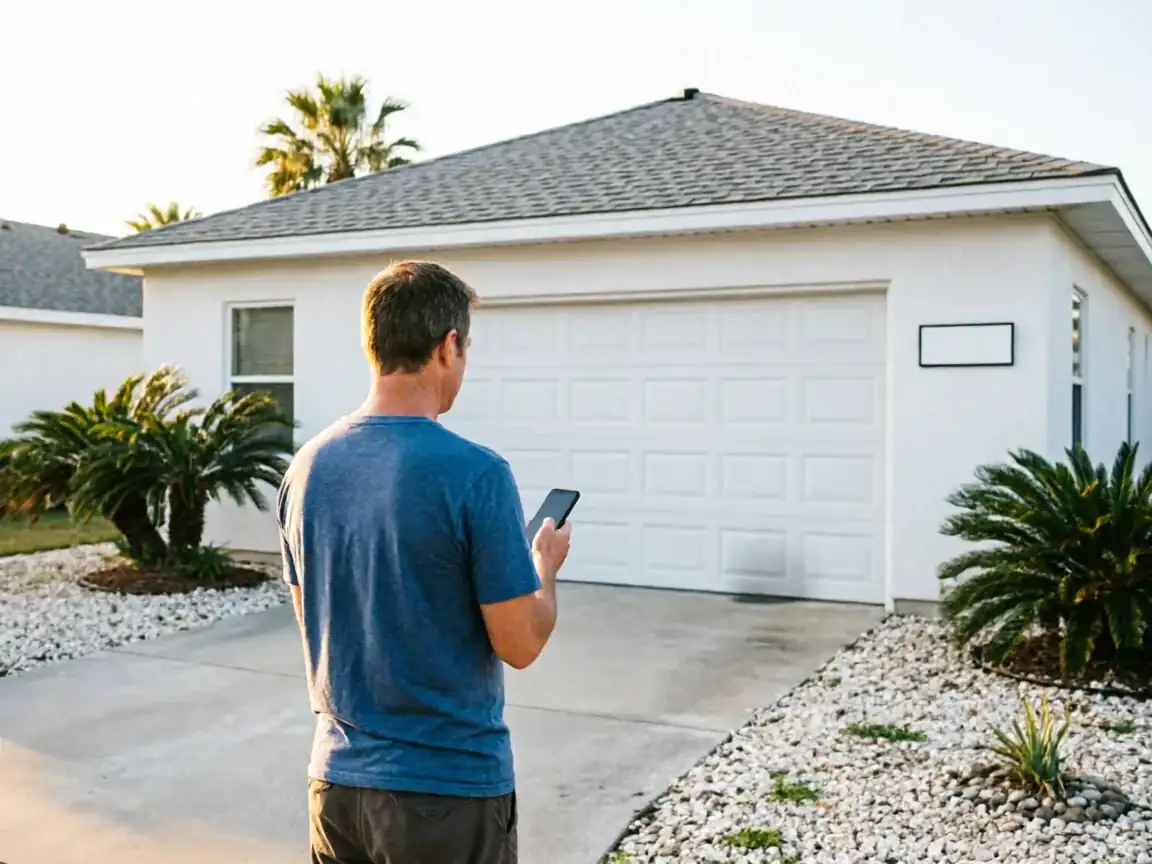
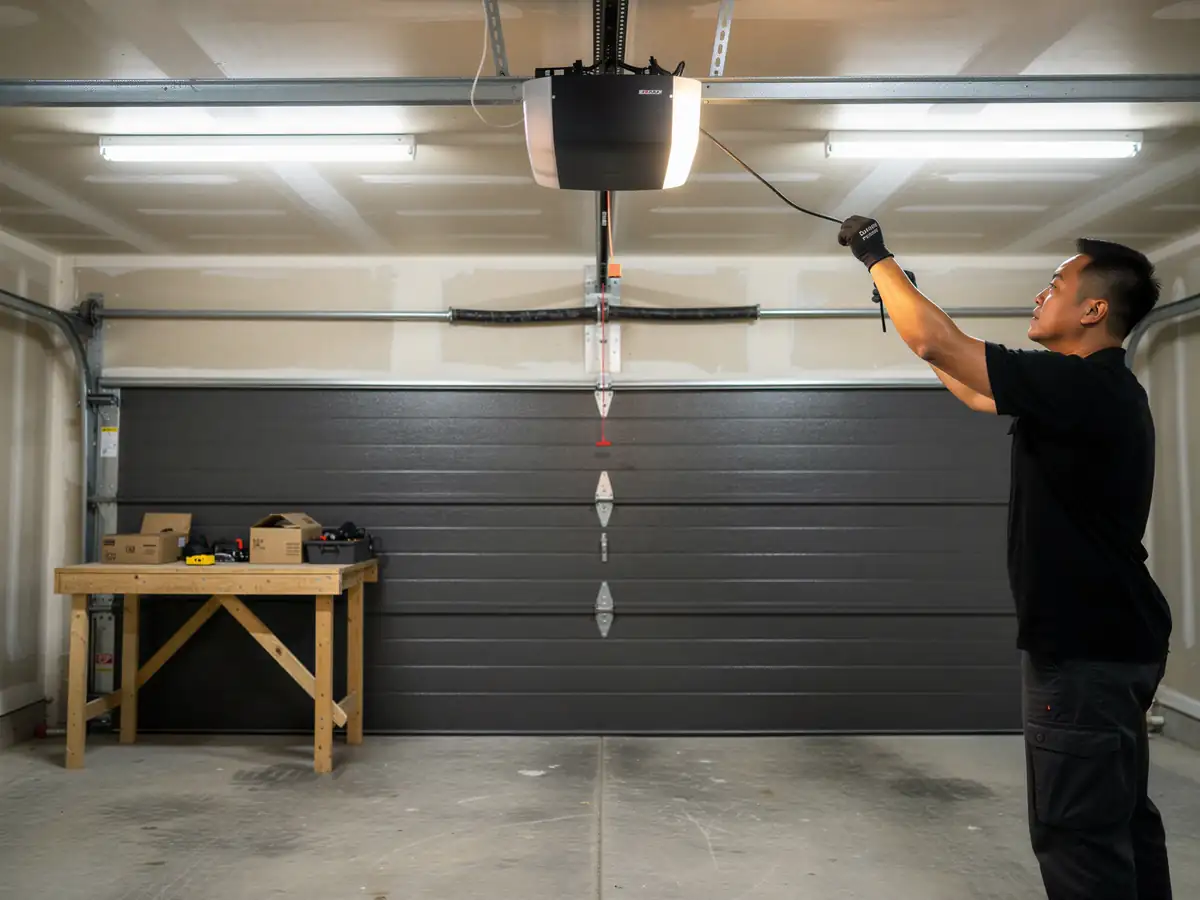
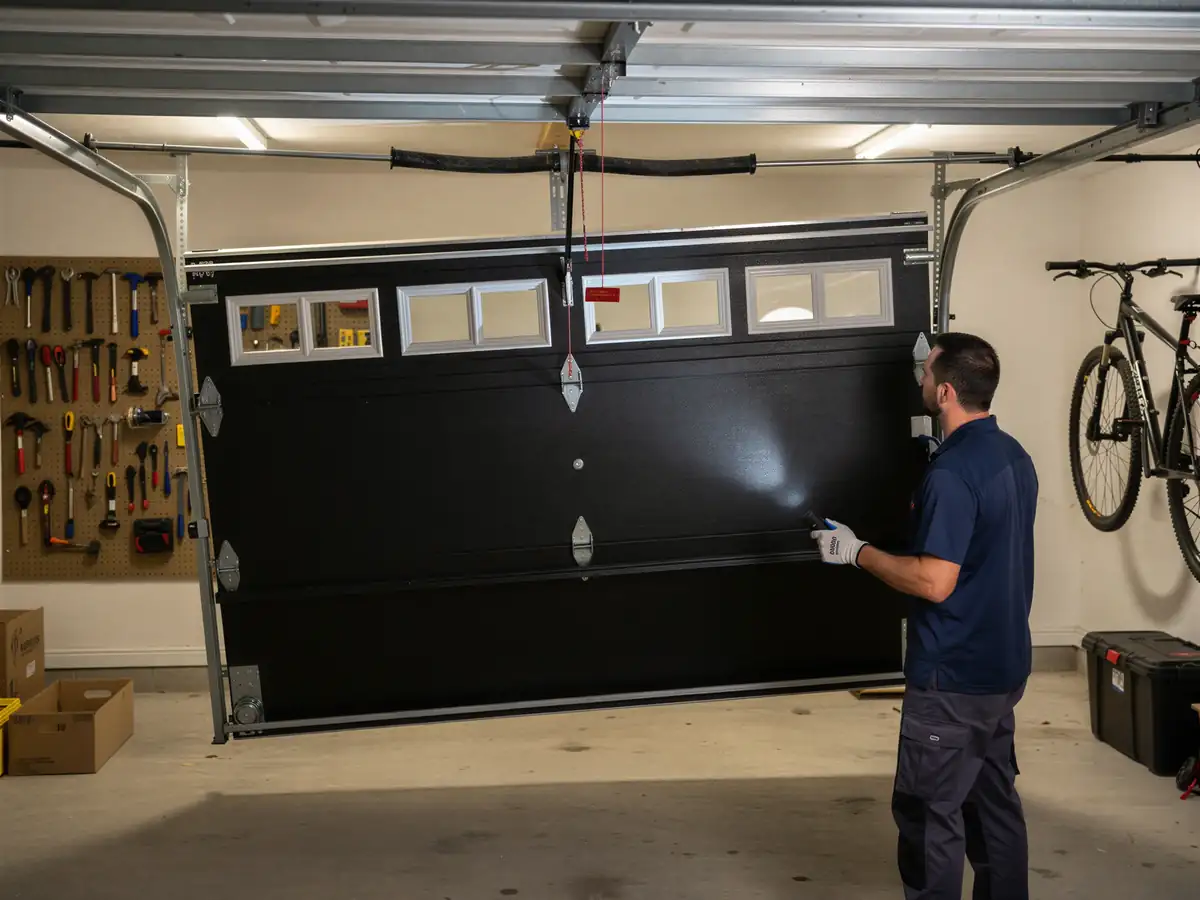
Princeton is a newer build-out than most of the service area. Houses here cluster around a median build year of 2008, while the broader territory we cover runs from 1957 up through 2008 with a median closer to 1979. That gap matters more than people think. A torsion spring on a door installed in the last fifteen-odd years is almost always a standard modern size, with cable routing and drum spacing that match what we already carry. We're not hunting for an obsolete part or measuring twice because the track was hand-fit decades ago. We load the truck, make the 6-mile run from Homestead, and go straight to the fix instead of improvising one. The one thing that slows a job down here isn't the drive, it's finding out the opener itself is the problem rather than the door - electronics take longer to diagnose than a snapped cable. We don't pad quotes with guesswork; if the fix needs a part we don't have on the truck, we say so before we start, not after.
The Complications
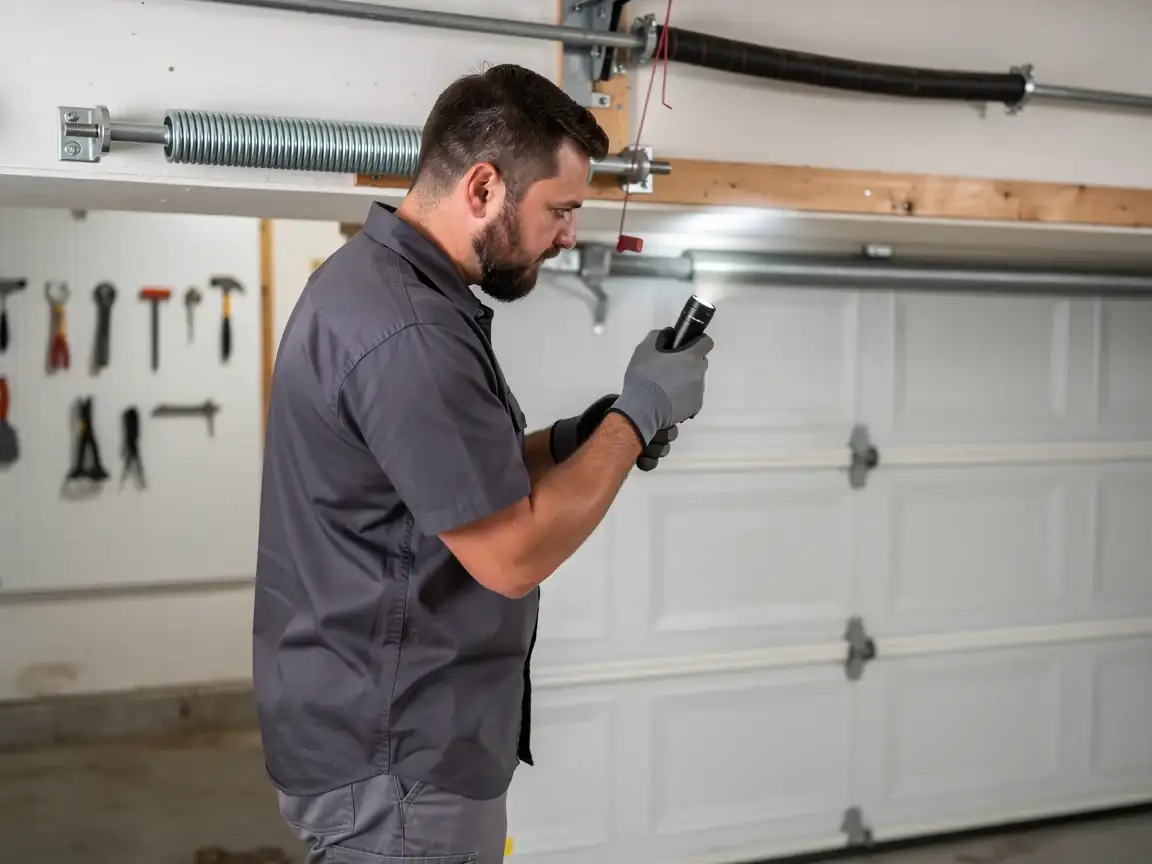
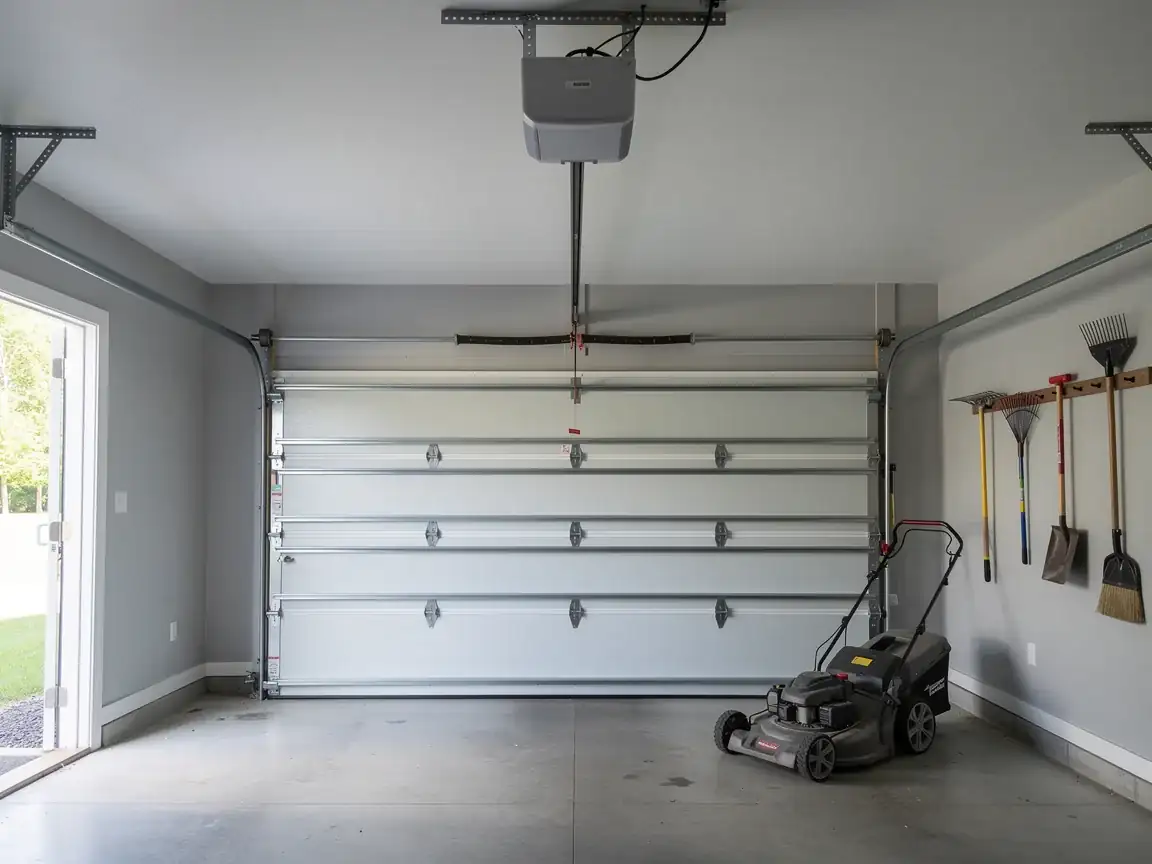
A lot of Princeton went up in the same construction window, which means a lot of garage door openers went in around the same time too. Openers have a working life, and when a whole stretch of a neighborhood was built within a few years of 2008, their logic boards and photo-eye sensors tend to age out in the same few years as well - not all at once, but in a cluster, which is why we see runs of opener calls from the same pocket of streets rather than one house at a time. The mild climate here spares these doors the freeze-swell problems that crack panels and seize tracks in colder regions, so when something does fail on a newer Princeton door, it's rarely the wood or the weatherstrip - it's almost always the opener's electronics or a roller that's worn out from plain use. That's a narrower set of likely culprits than on an older door, which actually makes the diagnosis faster, not slower, once we know the build era we're dealing with.
The DIY Question
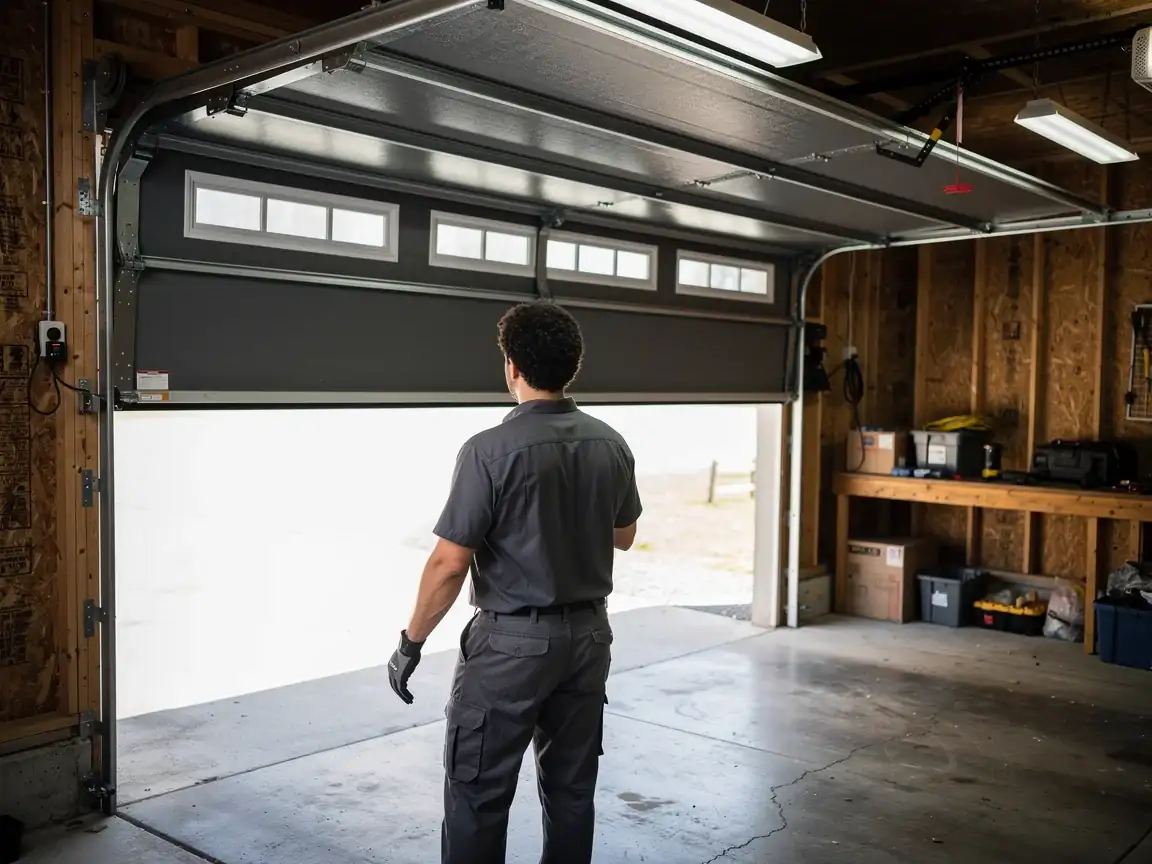
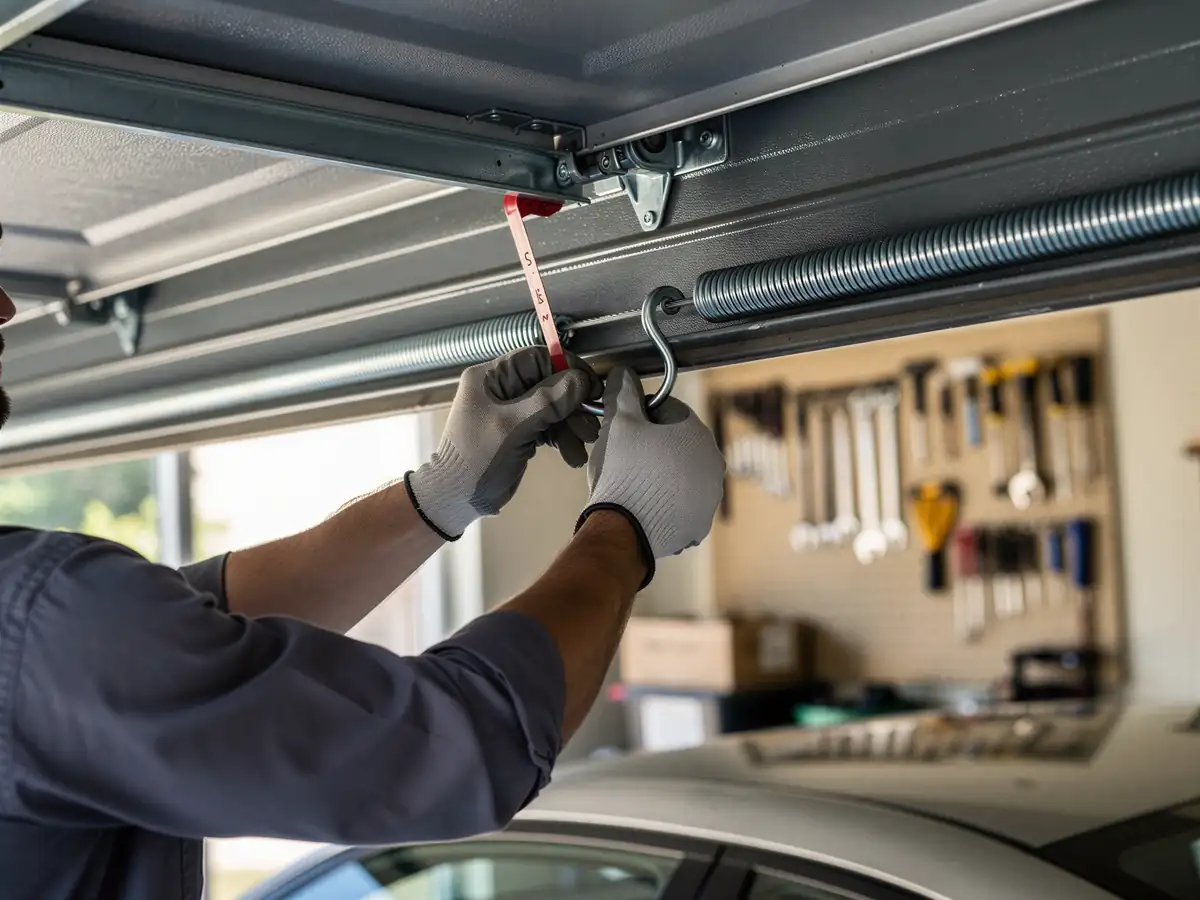
Some of this you can handle yourself. Lubricating rollers, tightening loose hinge bolts, replacing a dead remote battery - fine, go ahead. What you shouldn't touch is the torsion spring. It doesn't matter that your door was built in 2008 instead of 1979; a wound spring under tension can break a wrist or worse, and that risk doesn't scale down because the house is newer. Here's the honest limit on our end too: if the opener's control board is the culprit and it's a model we don't stock, we may need to order the part rather than swap it on the spot, and we'll tell you that up front instead of pretending otherwise. If your garage door is simply at the end of its working life rather than needing one more patch, we'll say that plainly - sometimes replacement costs less over a year than another round of emergency parts.
What Is on the Truck
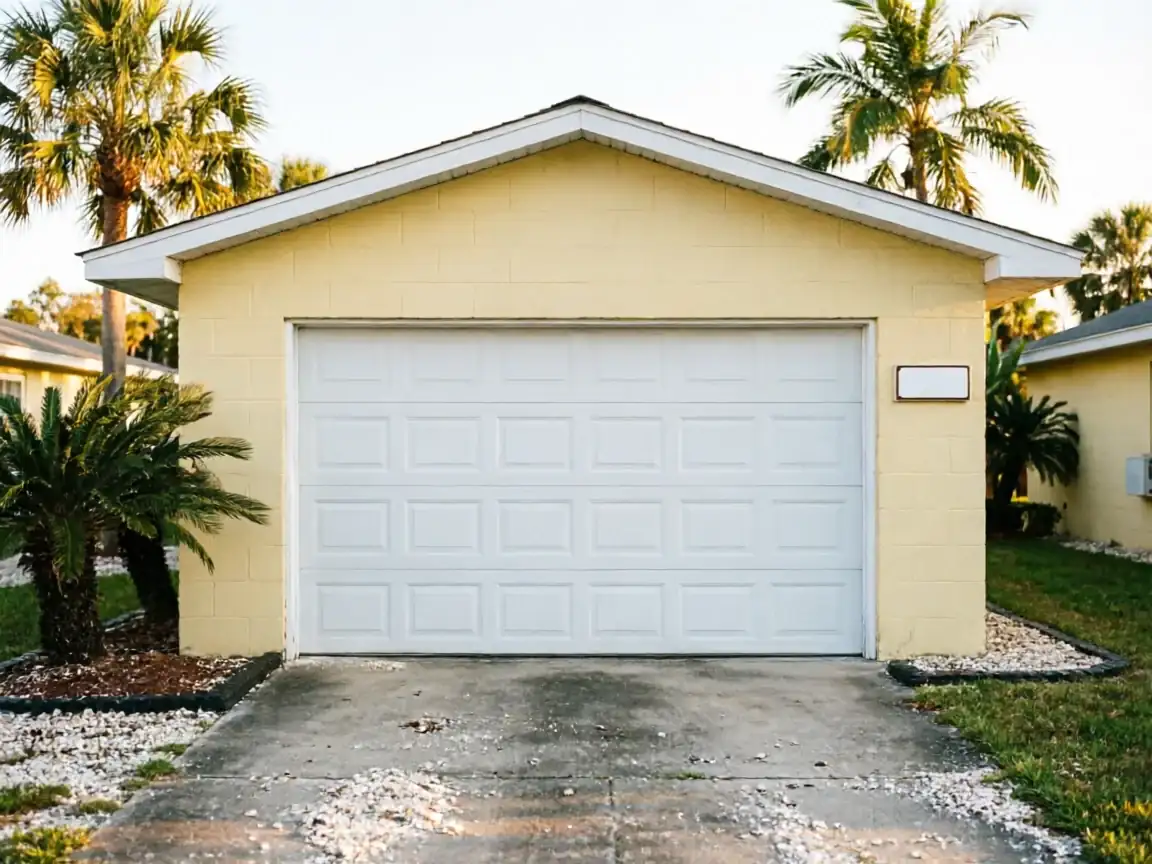
For a service area built mostly between 1957 and 2008, we stock the torsion spring sizes, cable gauges, and roller types that actually show up across that range, which covers Princeton's newer 2008-era stock without much guesswork. We carry common opener logic boards and photo-eye sensors suited to units installed in the mid-2000s through today, since that's the failure point we see most in this part of the territory. What we don't carry as standard stock are parts for the oldest doors in the wider service area, the ones closer to the 1960s-70s end of the range - those sometimes need a special order, and we'll tell you that before we quote the job, not after we've already made the drive from Homestead.