How Long It Takes
Princeton sits 6 miles from our Homestead base, and that drive time is the first thing to plan around - there's no branch out here, so every job starts with a truck coming from Homestead. Once a tech is on site, the bigger factor is what's actually wrong, and that depends heavily on the age of the door in front of us.
Median household income in Princeton runs $82,130, close to the $82,726 median across the wider service area. That number matters more than people expect: it's roughly the line where a homeowner can absorb a $400-600 spring or opener repair without blinking, but starts asking hard questions about a $1,500+ full door replacement. We tell people straight when a repair is the better math and when it isn't - we don't pad a small job into a bigger one to hit a number.
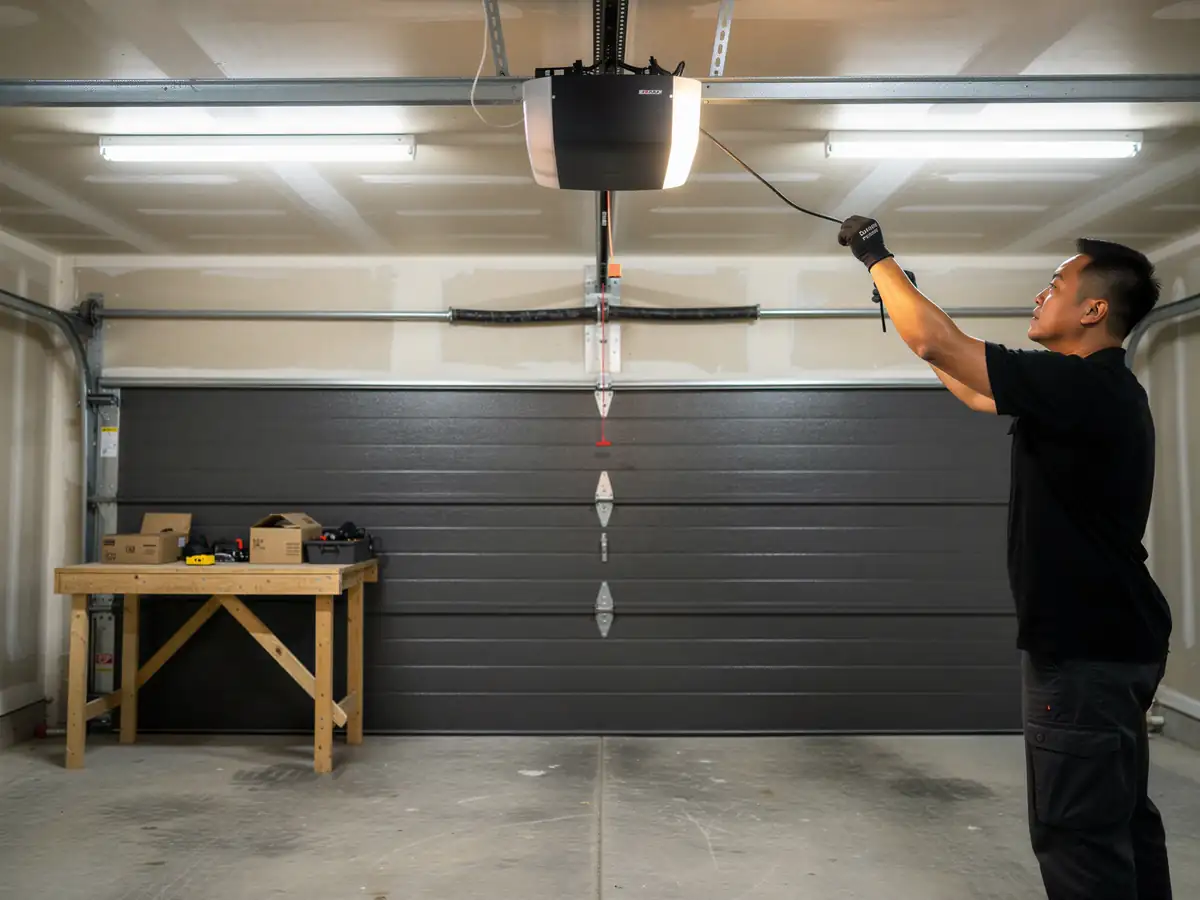
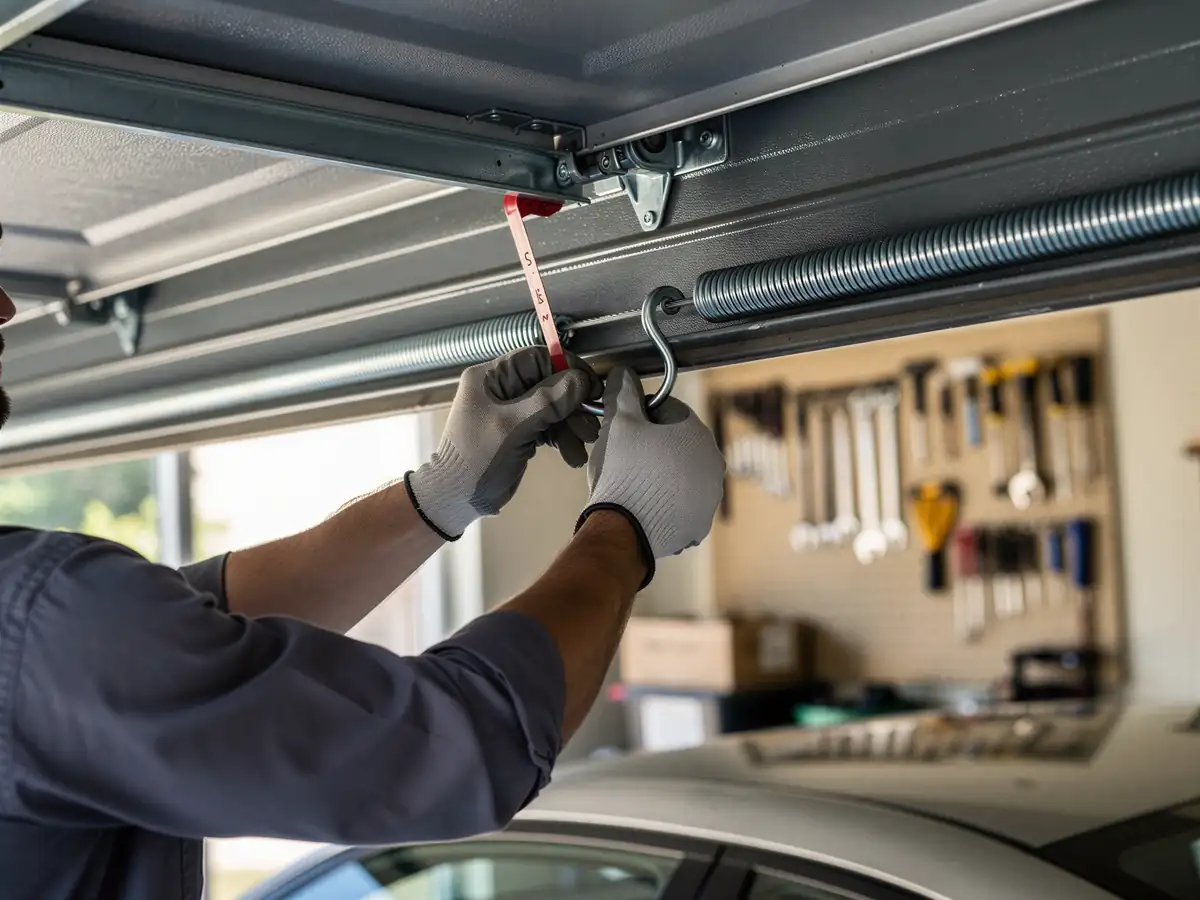
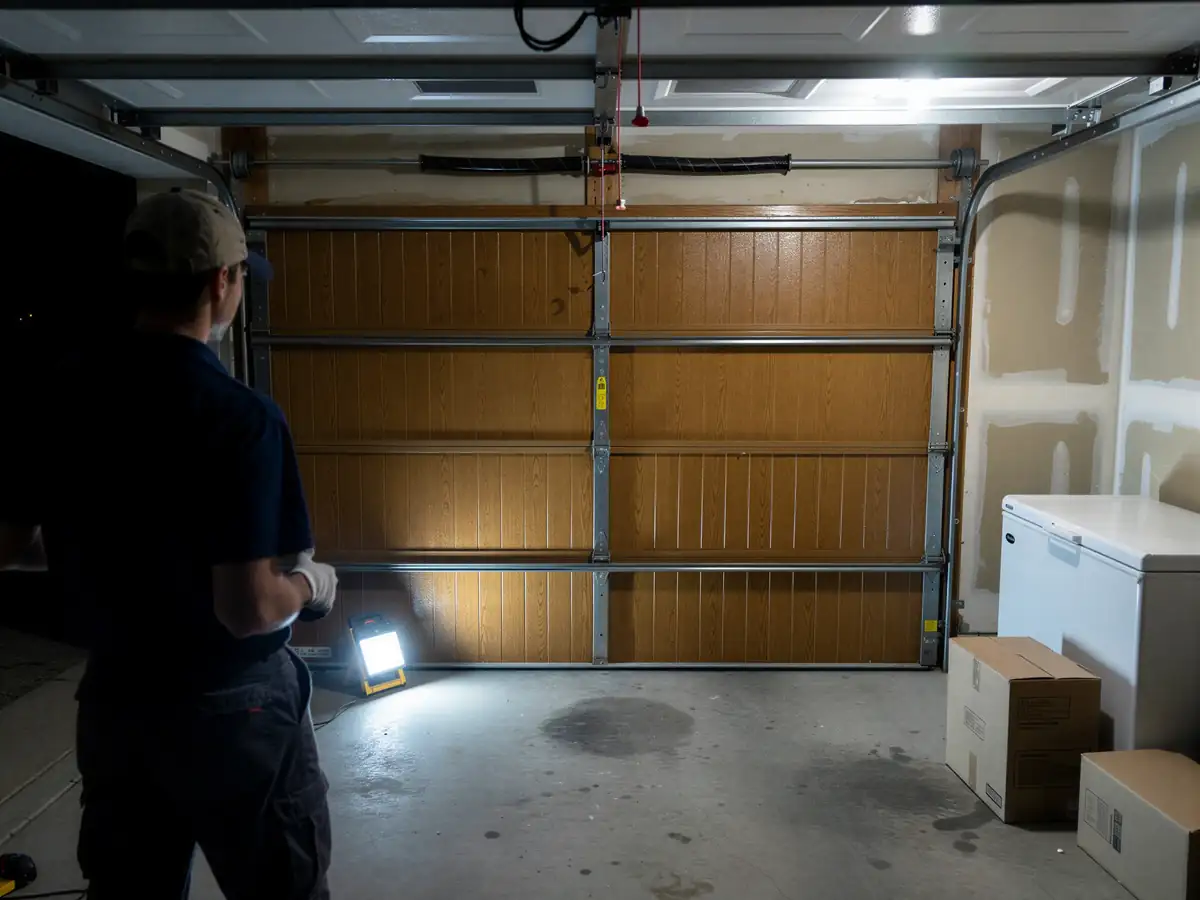
A spring swap or cable replacement on a standard door is usually a same-visit job once the tech has parts on the truck. Opener boards, broken rollers, and track realignment are also same-visit work most of the time. What takes longer is anything needing a special-order panel, which we'll flag before we start.
The Complications
Here's the housing detail that actually separates Princeton from a lot of the rest of the area: the median year built here is 2008, while the service area as a whole has a median closer to 1979, with most stock dating from the 1957-2008 window and a heavy concentration in 1960s-70s builds. Princeton skews newer.
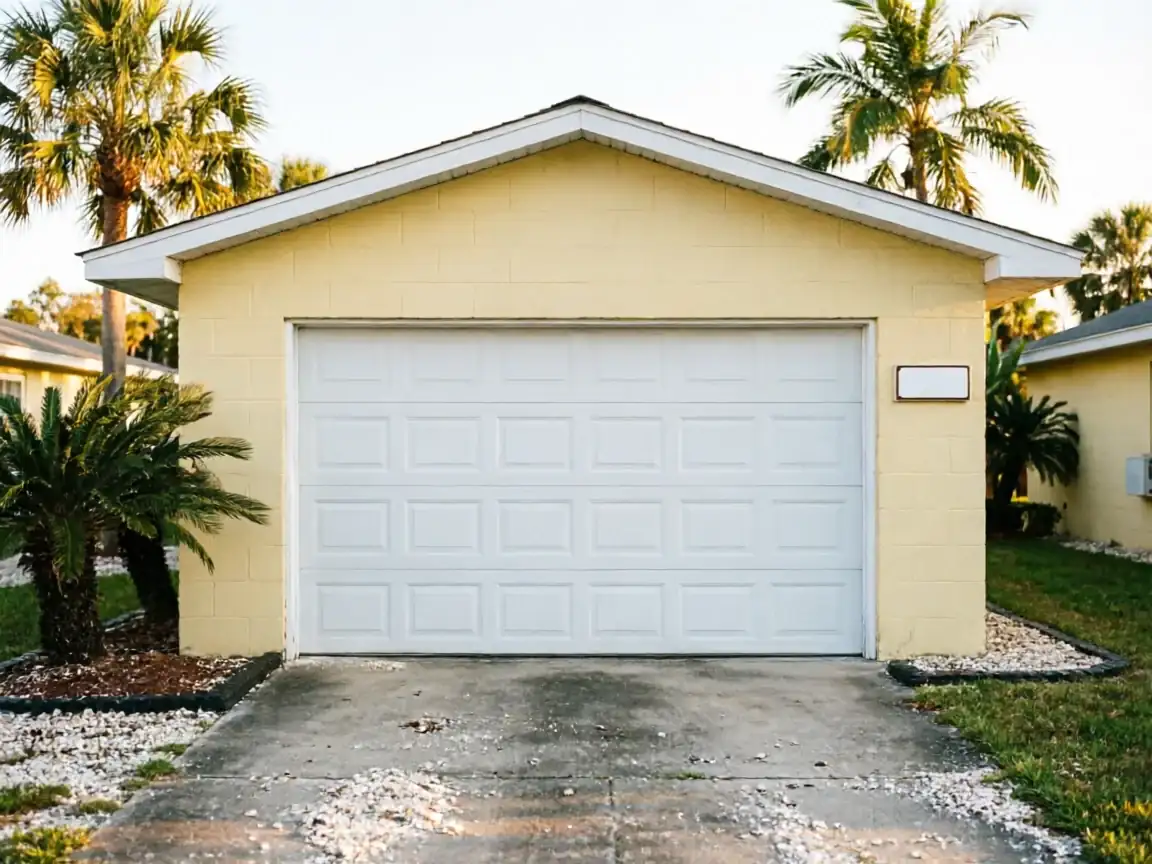
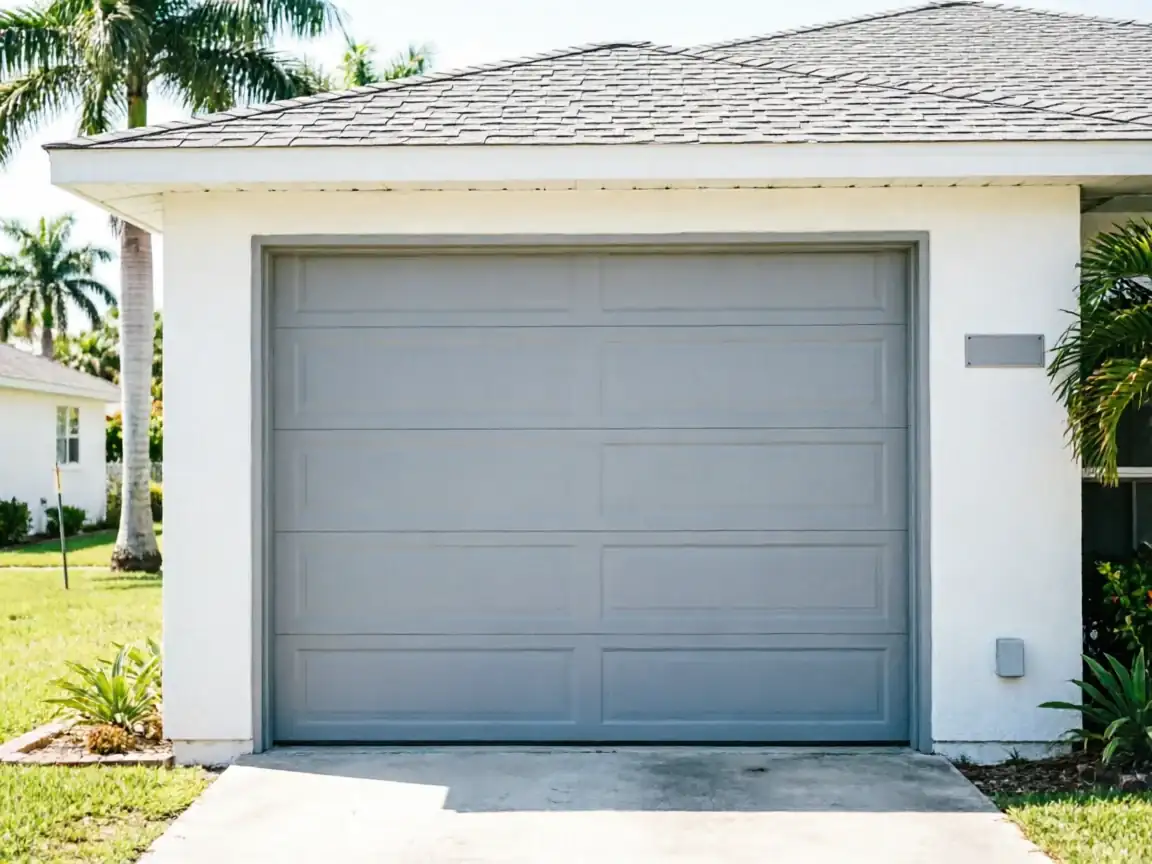
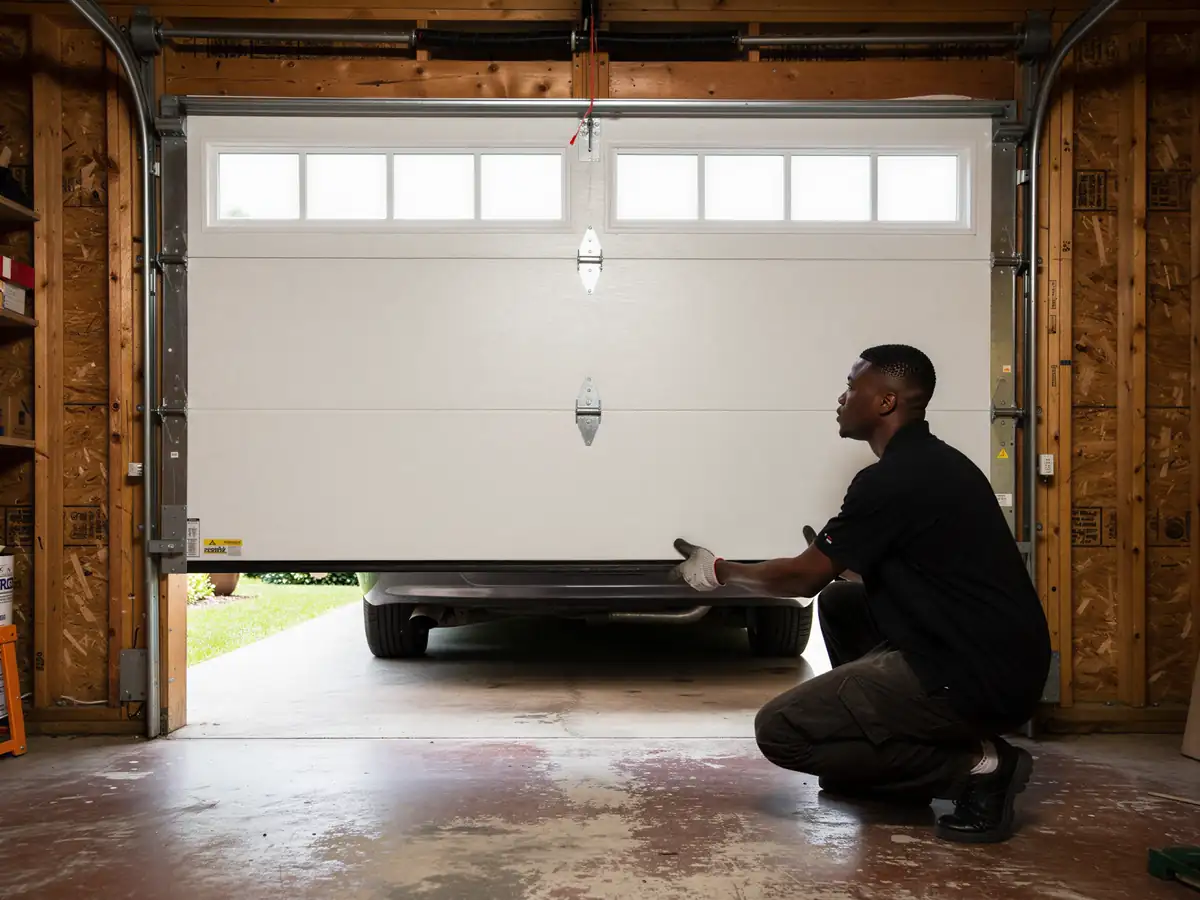
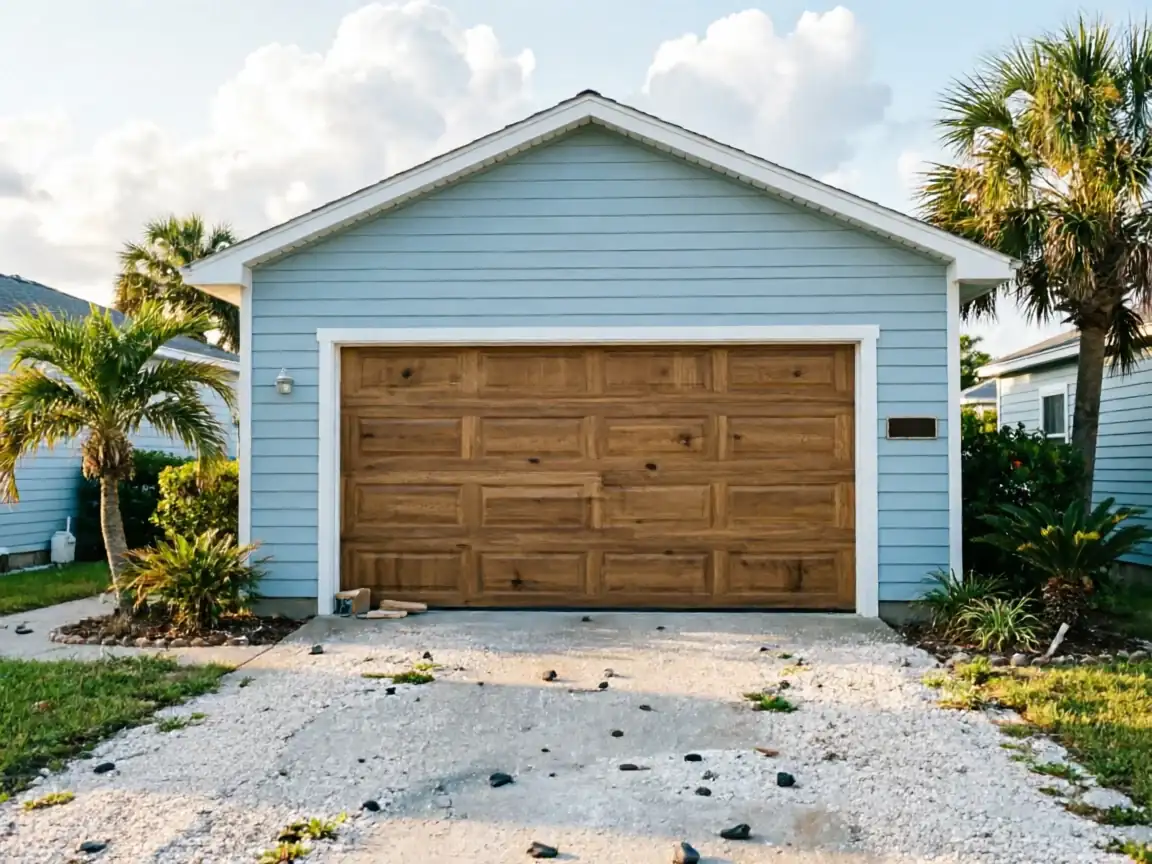
That means fewer of the original one-piece, side-mounted torsion setups that show up on the older side of the service area, and more builder-grade sectional steel doors with factory openers installed in the 2000s. The complication with newer builder-grade doors isn't rusted-out tracks - it's cheaper stamped hardware, lighter-gauge springs sized to a budget, and openers with early circuit boards that are now 15-20 years into their service life and starting to fail in ways that look electrical but are actually a worn limit switch or a logic board nobody makes anymore for that model.
We also see more plastic idler pulleys and lighter rollers on these builds, which wear faster than the steel ones from older construction. It's not a worse door, it's a different failure pattern, and it changes what we bring on the truck before we even ring the bell.
Why This Fails Locally
A door built as part of a 2000s-era development batch was speced to a contractor's price point
Not to a homeowner's long-term use. Multiply a few dollars of savings across a subdivision and you get openers with lighter-duty gear sets and springs sized tight to the door weight with little margin. Fifteen to twenty years later, with the mild temperate climate here keeping humidity and temperature swings moderate rather than extreme, the failure isn't corrosion - it's straightforward fatigue. Springs lose tension gradually rather than snapping dramatically, and openers stall instead of burning out.
This is different from what we see on the older housing stock elsewhere in the service area
Where original torsion hardware from the 1960s and 70s is the issue - different parts, different failure mode, same truck but a different bin. On a 2008-era Princeton door, the limiting factor is usually the opener logic board or the gear and sprocket assembly wearing out before the door itself gives any real trouble. That's a repair, not a replacement, in most cases we see.
The DIY Question
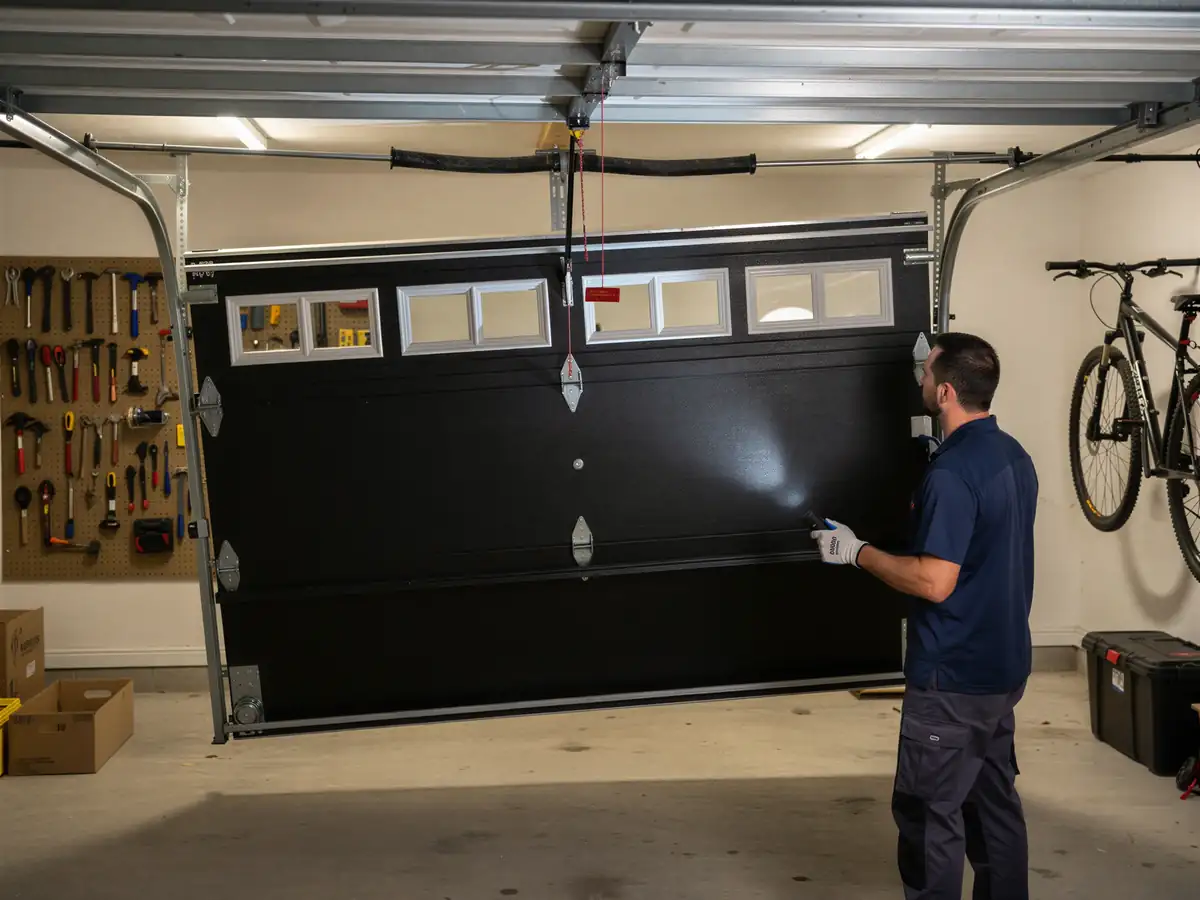
A sagging section or a door that reverses halfway up is tempting to chase yourself, especially on a door that's only 15-20 years old and otherwise looks fine. Lubricating rollers, tightening loose hardware, and clearing the photo-eye sensors are reasonable DIY tasks and won't void anything.
What isn't worth doing yourself: adjusting torsion spring tension, or diagnosing an opener board fault by swapping parts at random. Torsion springs store enough force to break a hand or worse, and a misdiagnosed opener board can get replaced twice before the real problem - often a worn limit switch, not the board - gets found. We'll say plainly when a job is a five-minute fix a homeowner could've done themselves; we're not going to invent urgency that isn't there.
What Is on the Truck
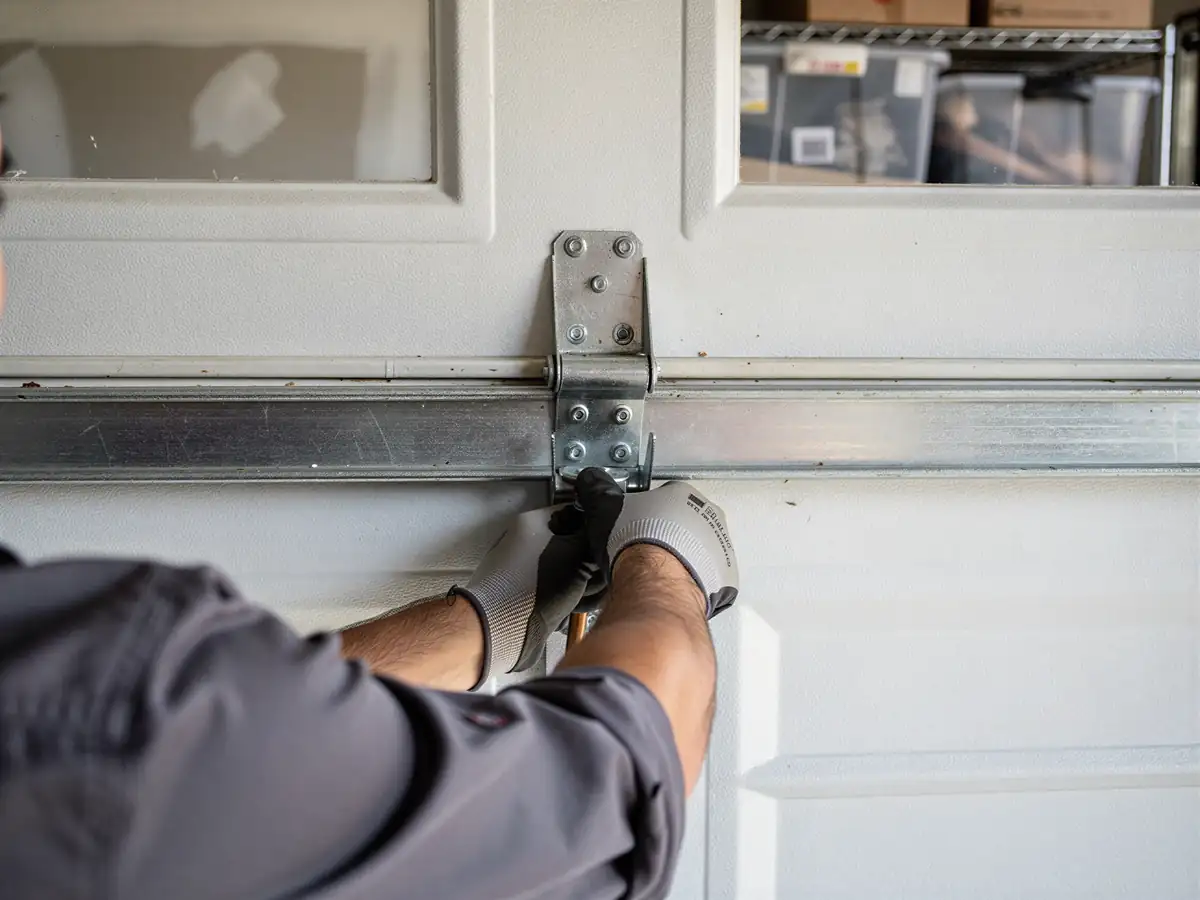
For Princeton calls we carry parts matched to the newer builder-grade stock that's common here: standard torsion springs sized for lighter sectional doors, replacement gear-and-sprocket kits for common opener models from the 2000s, and steel rollers to swap out the plastic idler pulleys that tend to wear first on these builds.
We also carry photo-eye sensor pairs and limit switch assemblies, since those two parts account for a lot of the