How Long It Takes
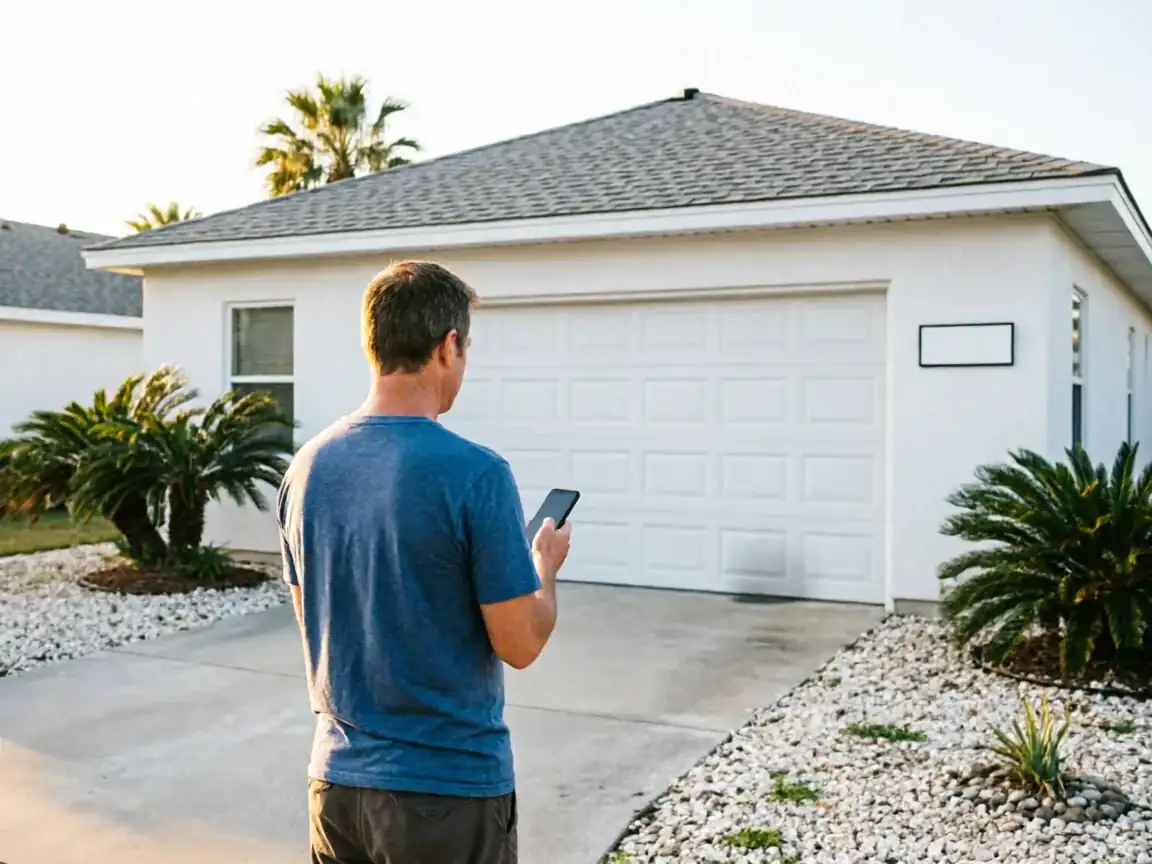
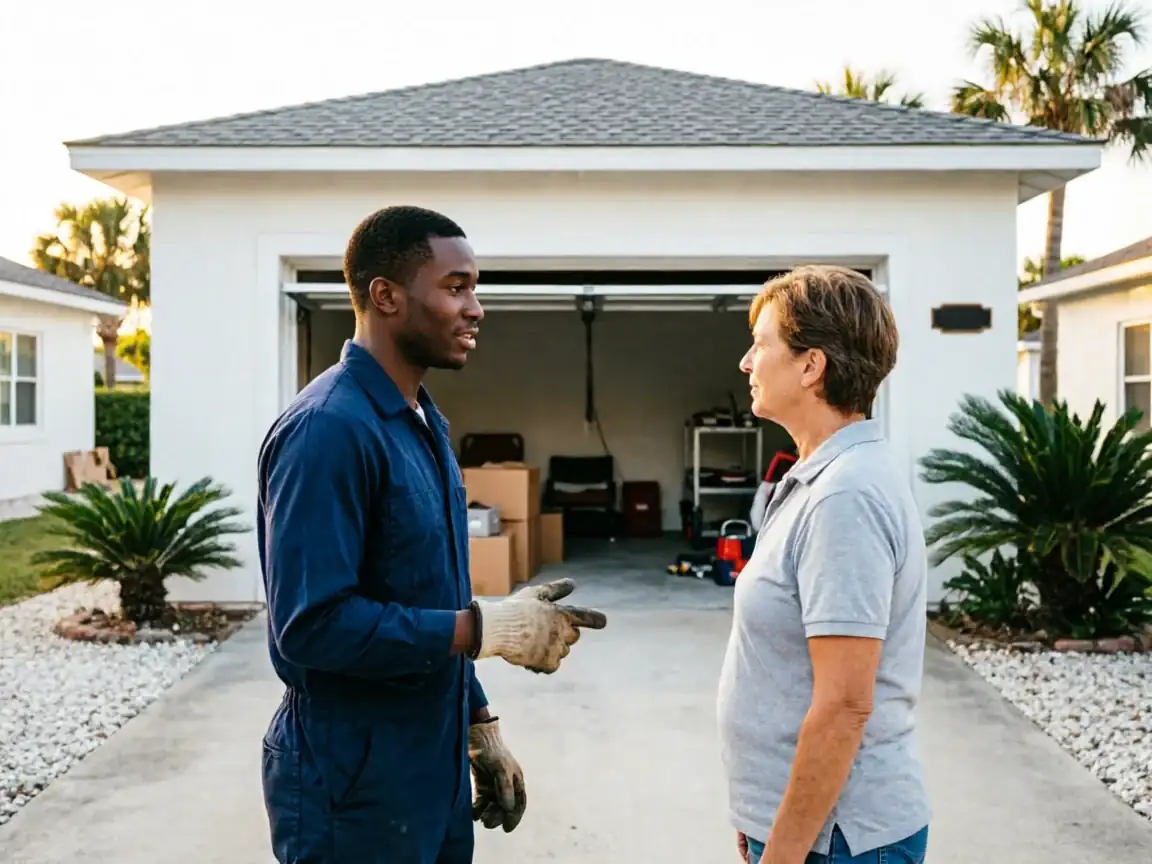
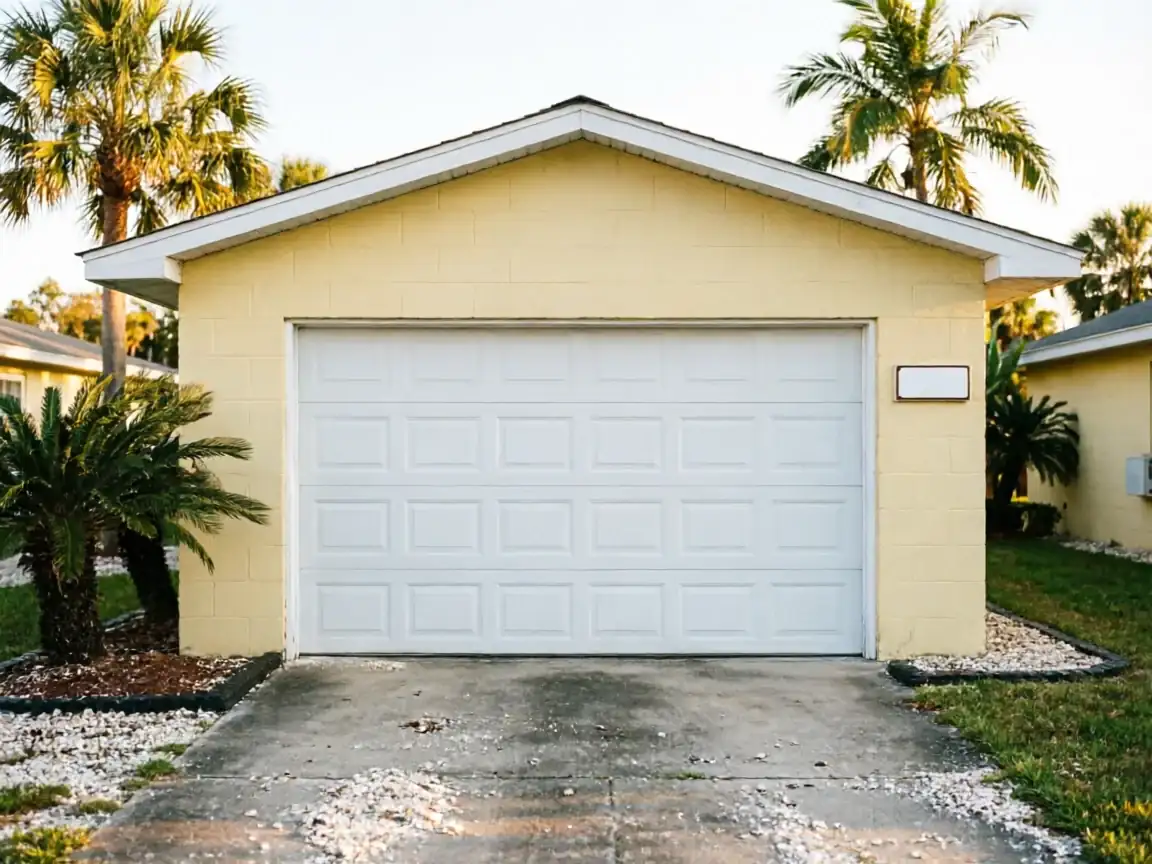
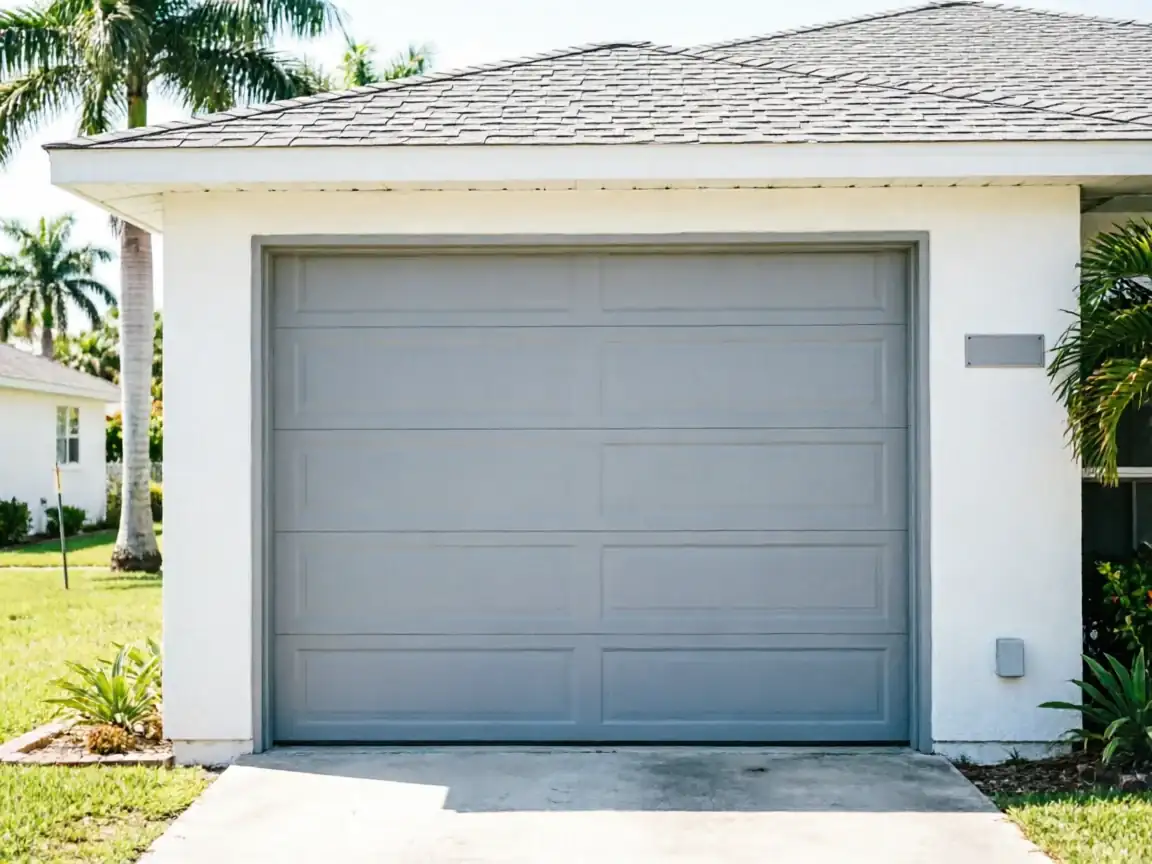
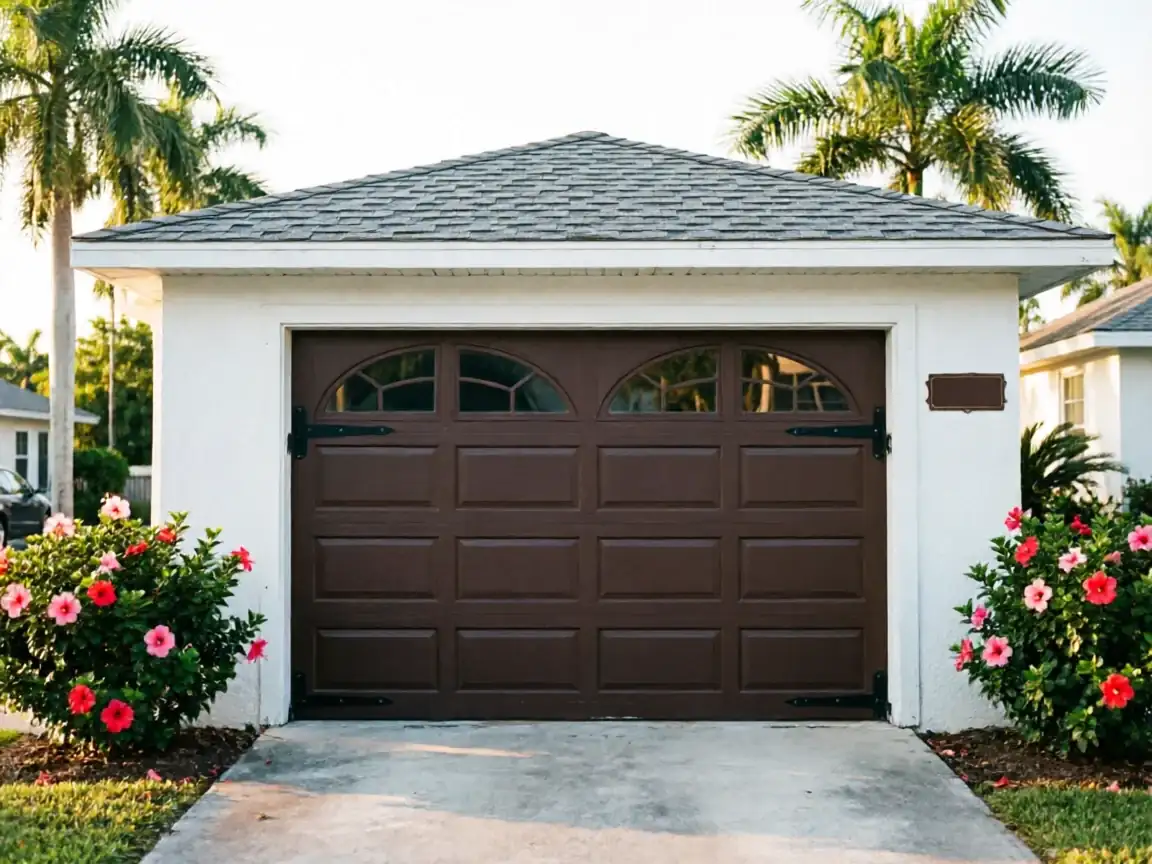
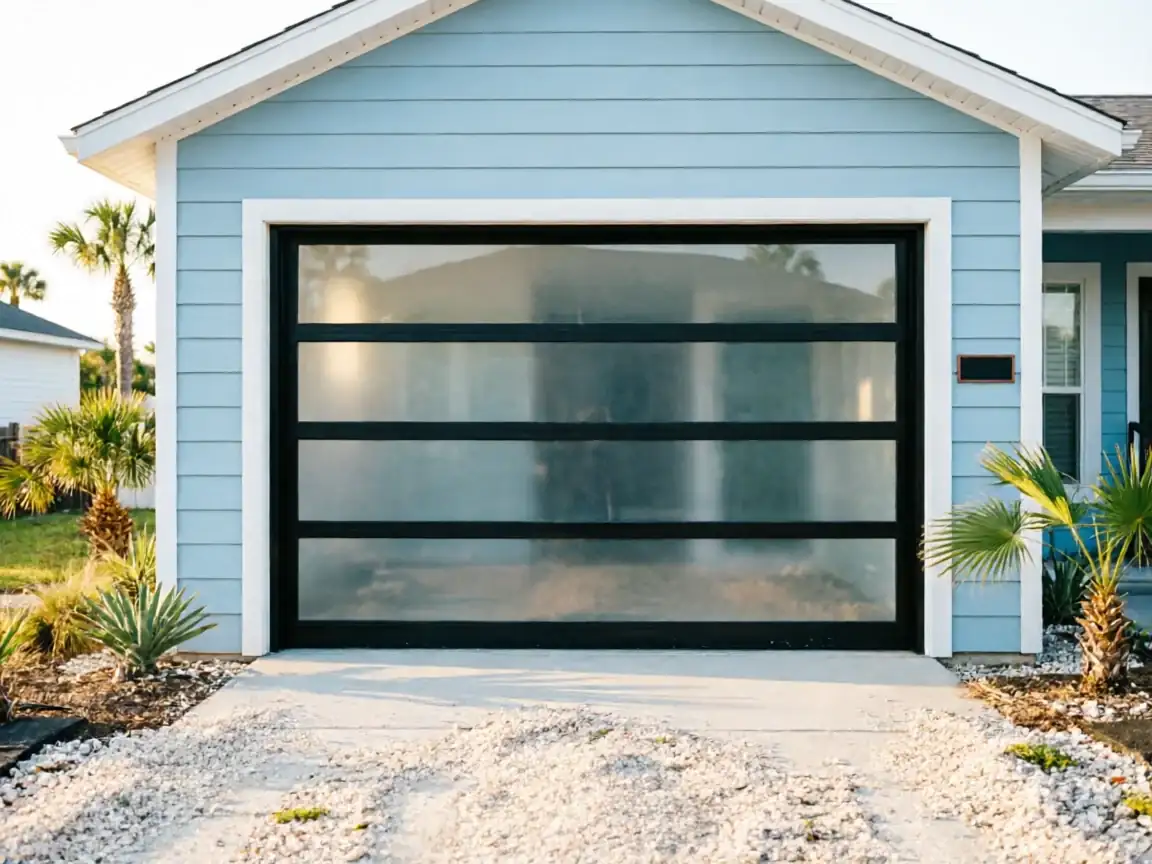
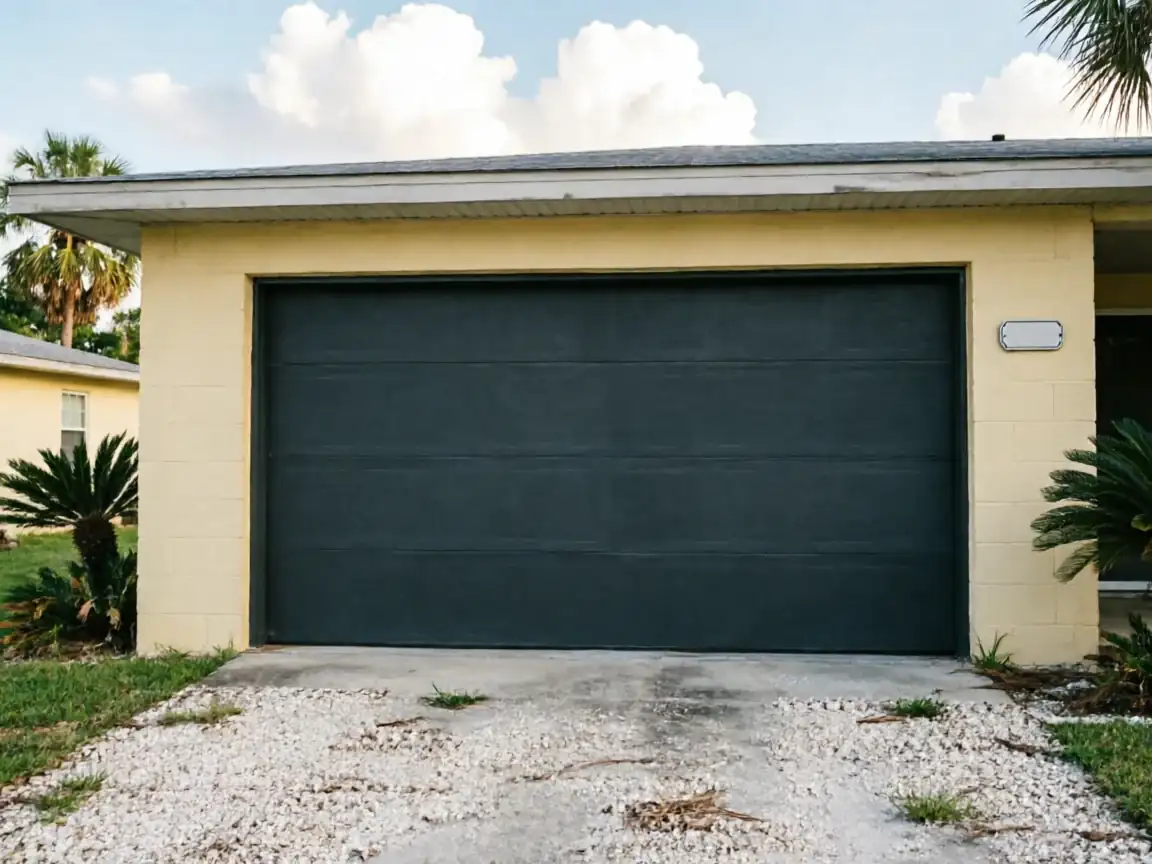
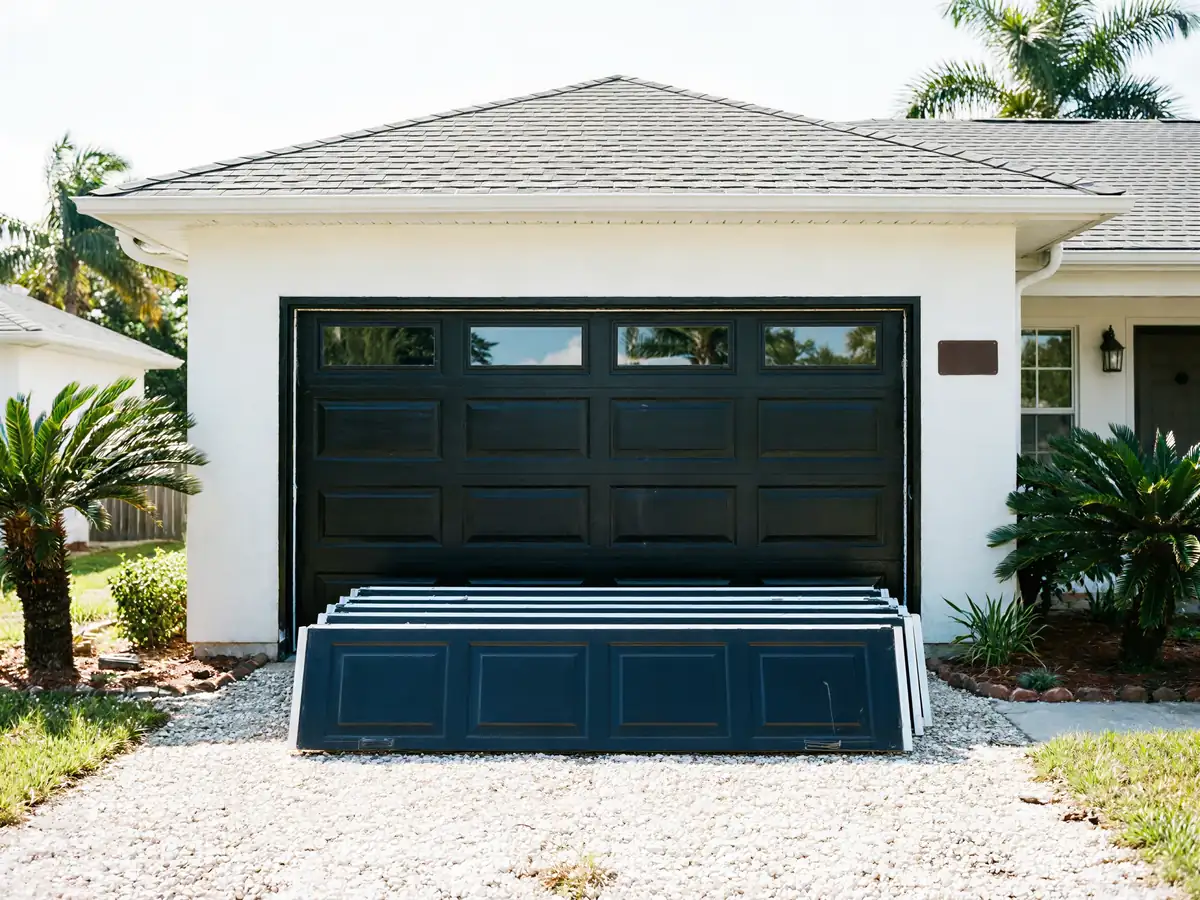
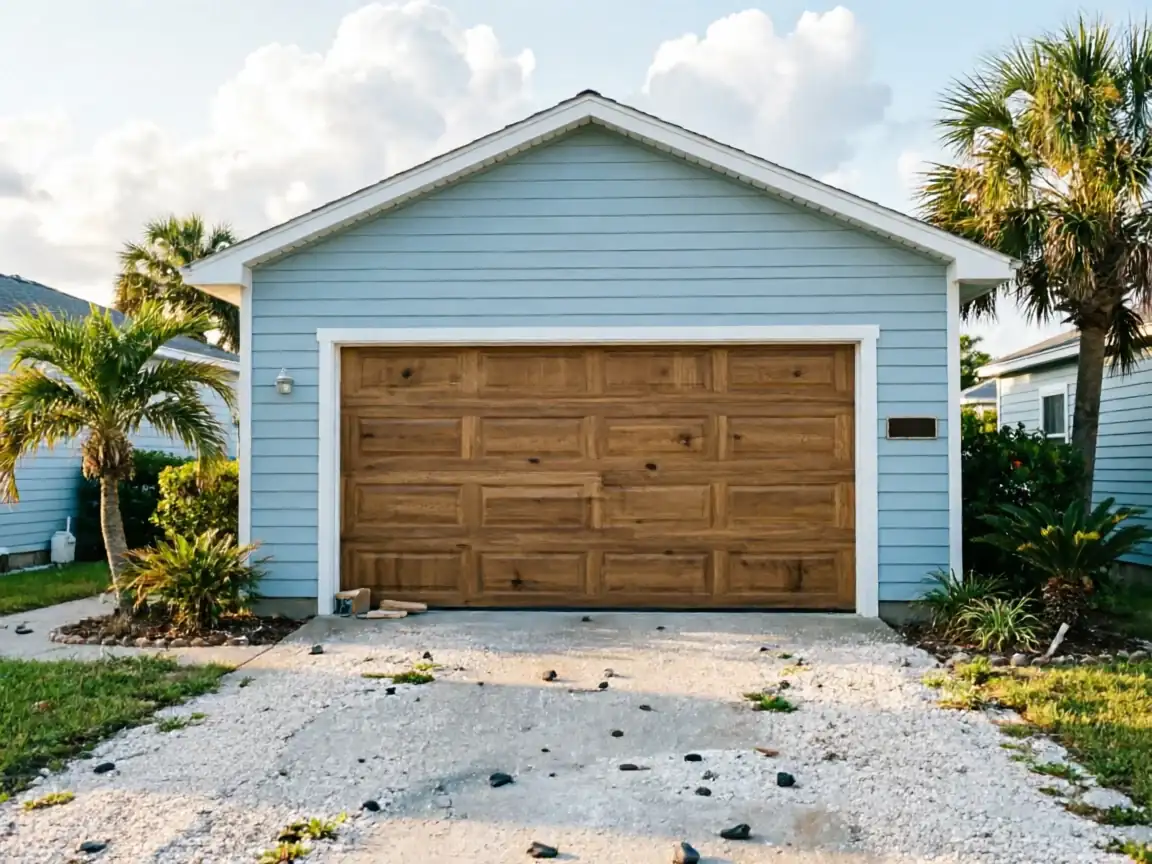
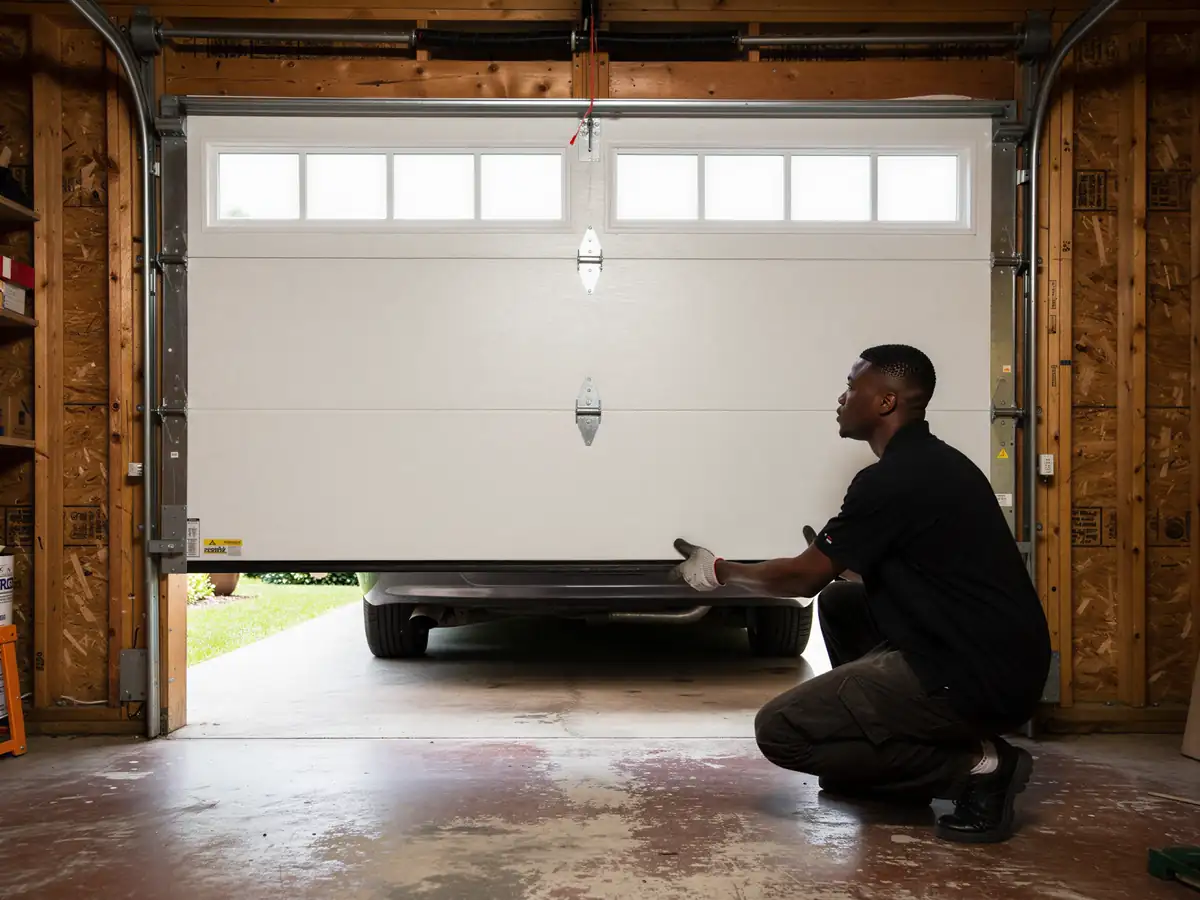
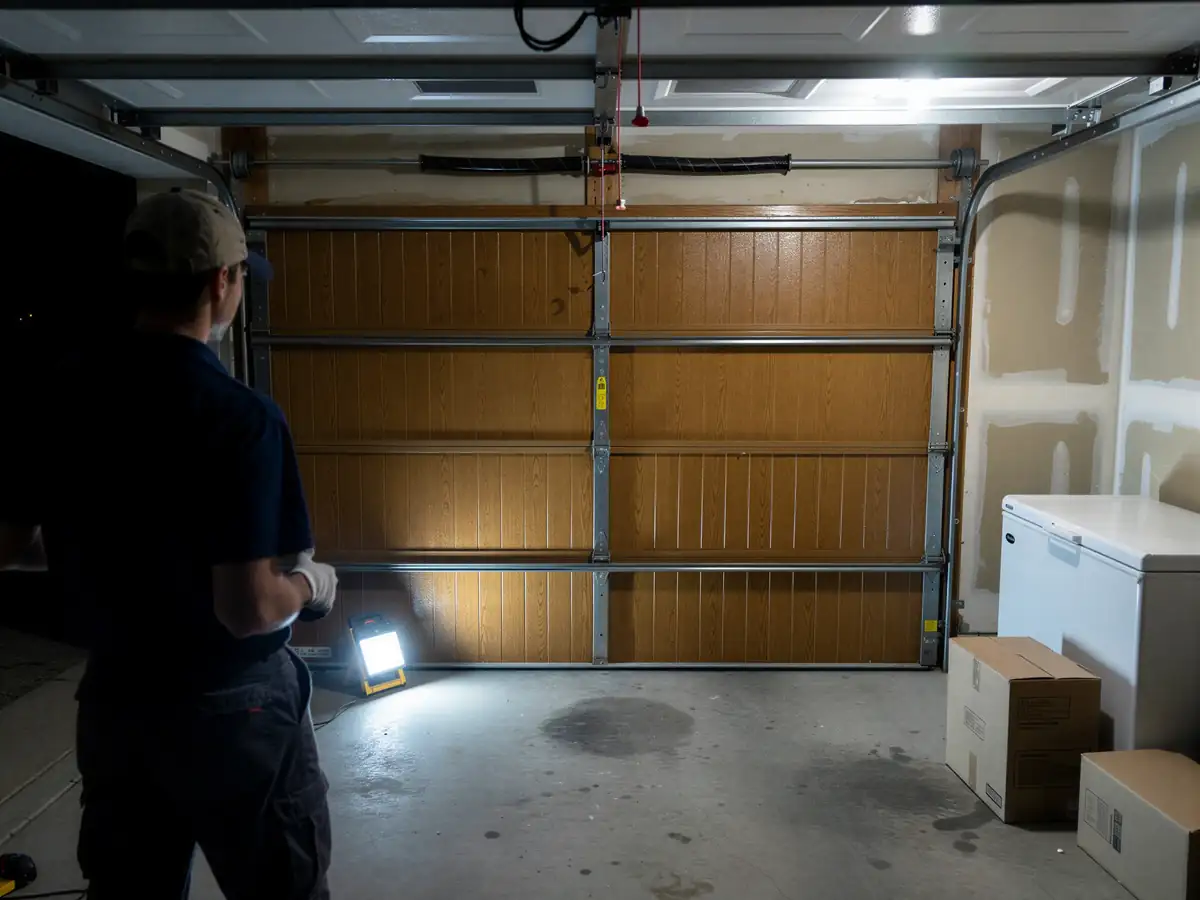
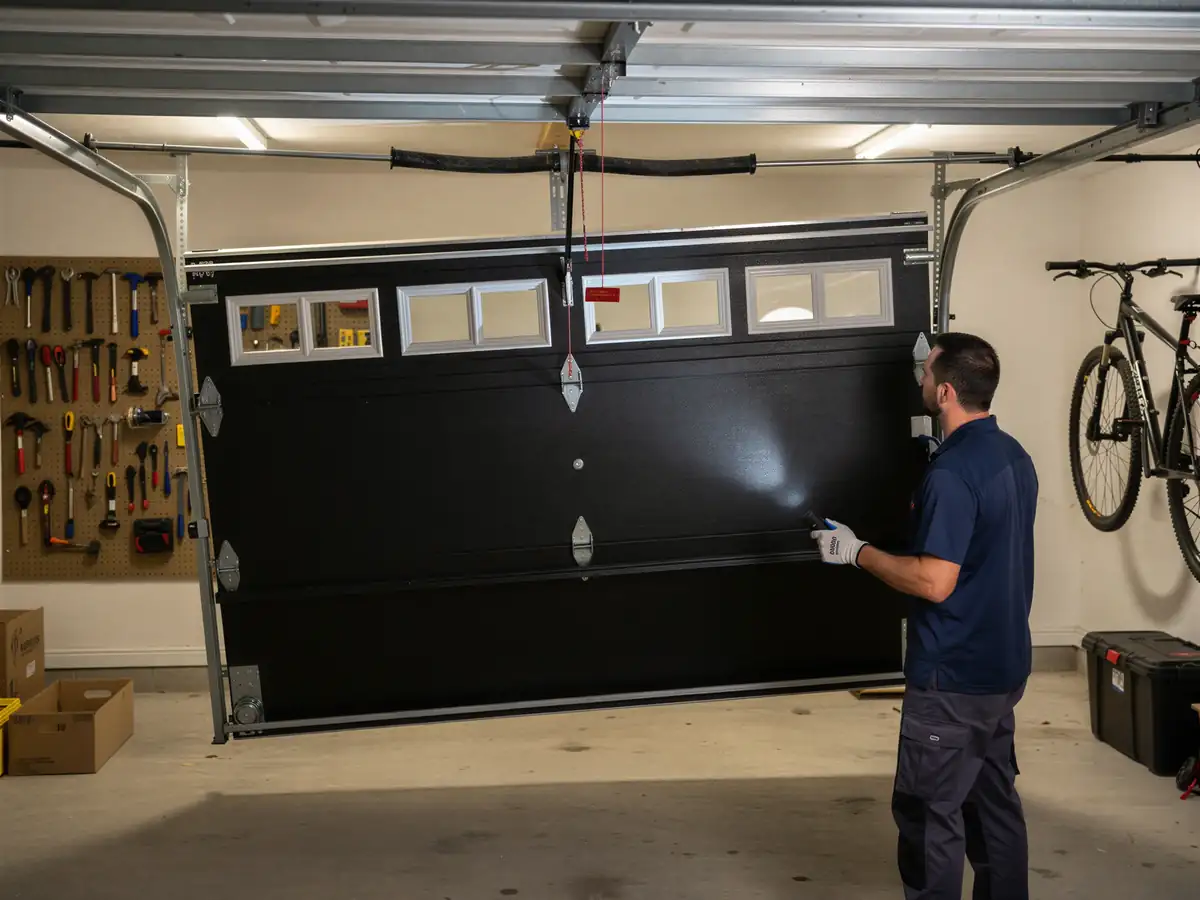
Princeton's housing stock runs newer than most of the area around it - median build year 2008, which means the typical garage door here is a wide steel sectional on a two-car opening, not the narrow single-car door common in the older sections nearby. That size matters. A 16-foot door carries more track, more rollers, and more weight on each hinge than the 8 or 9-foot doors common in housing built decades earlier across the wider service area. When one of those wide doors jumps track, there's more door to wrestle back into the channel, and more hardware to inspect before you run it again. A straightforward derail - one roller out, track otherwise true - is usually a same-visit fix once we're on site. A door that's been forced off-track and run anyway, bending the track or racking the panel, takes longer because we're straightening or replacing hardware, not just resetting a roller. We drive the 6 miles from Homestead to get here, so the clock starts when the truck leaves, not when you call.
The Complications
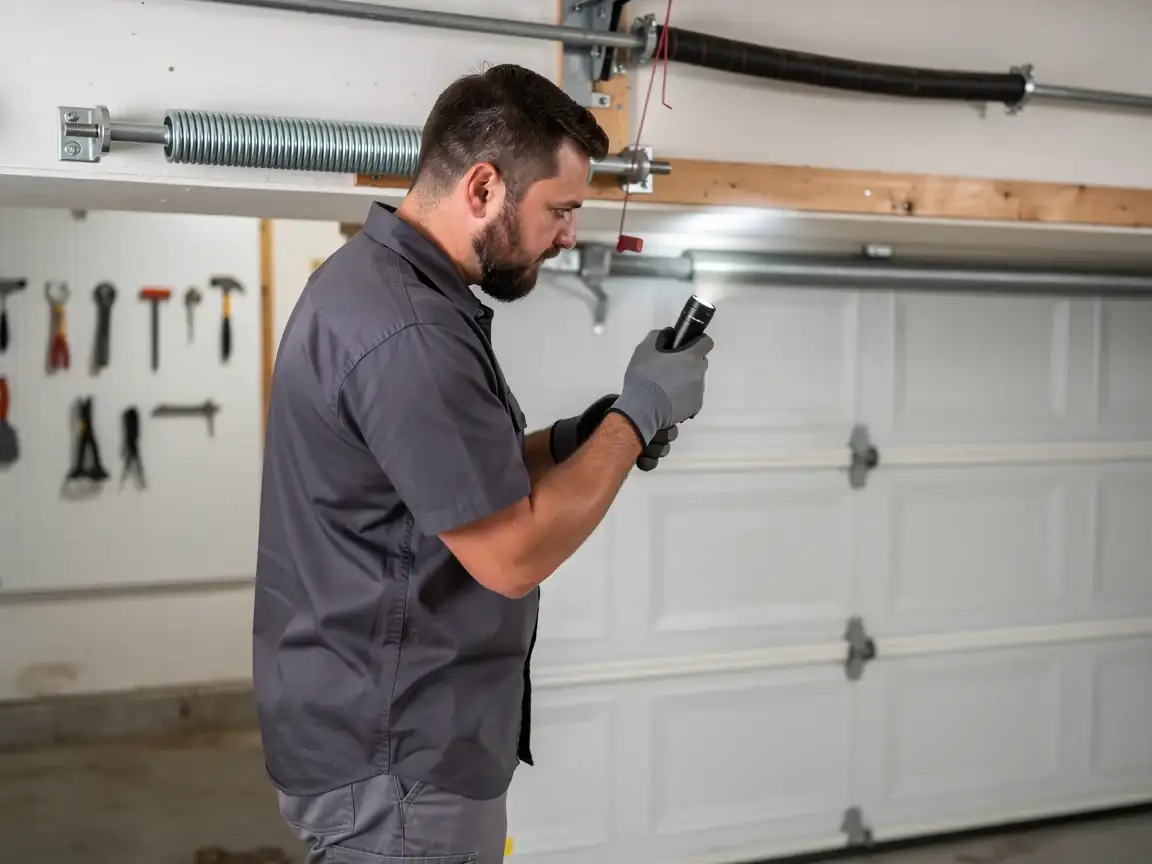
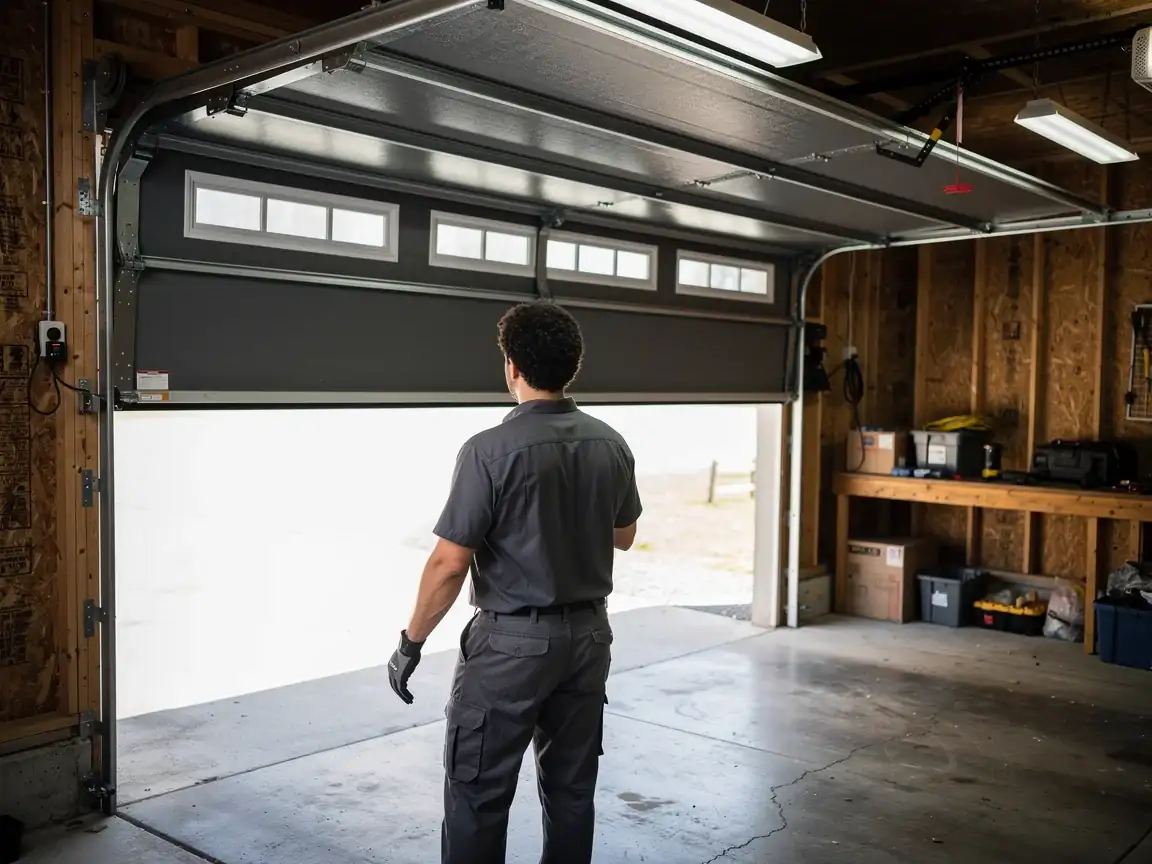
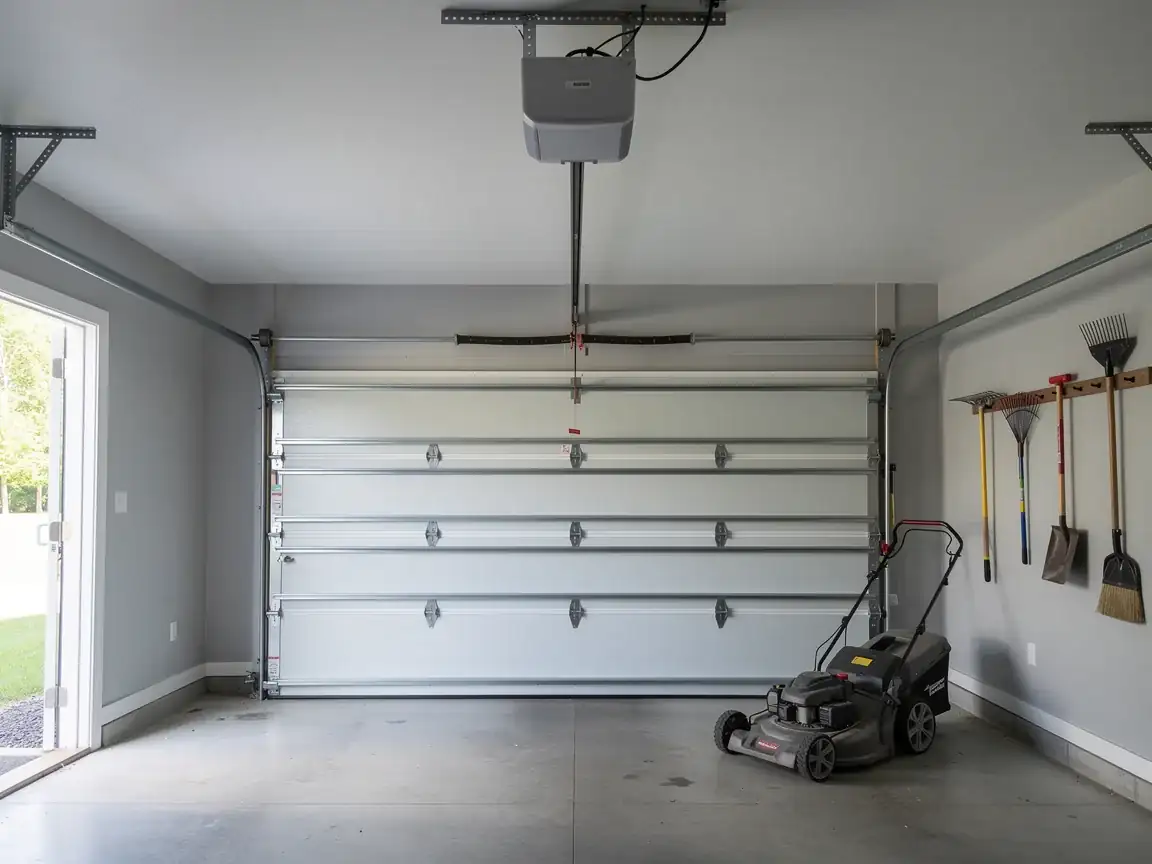
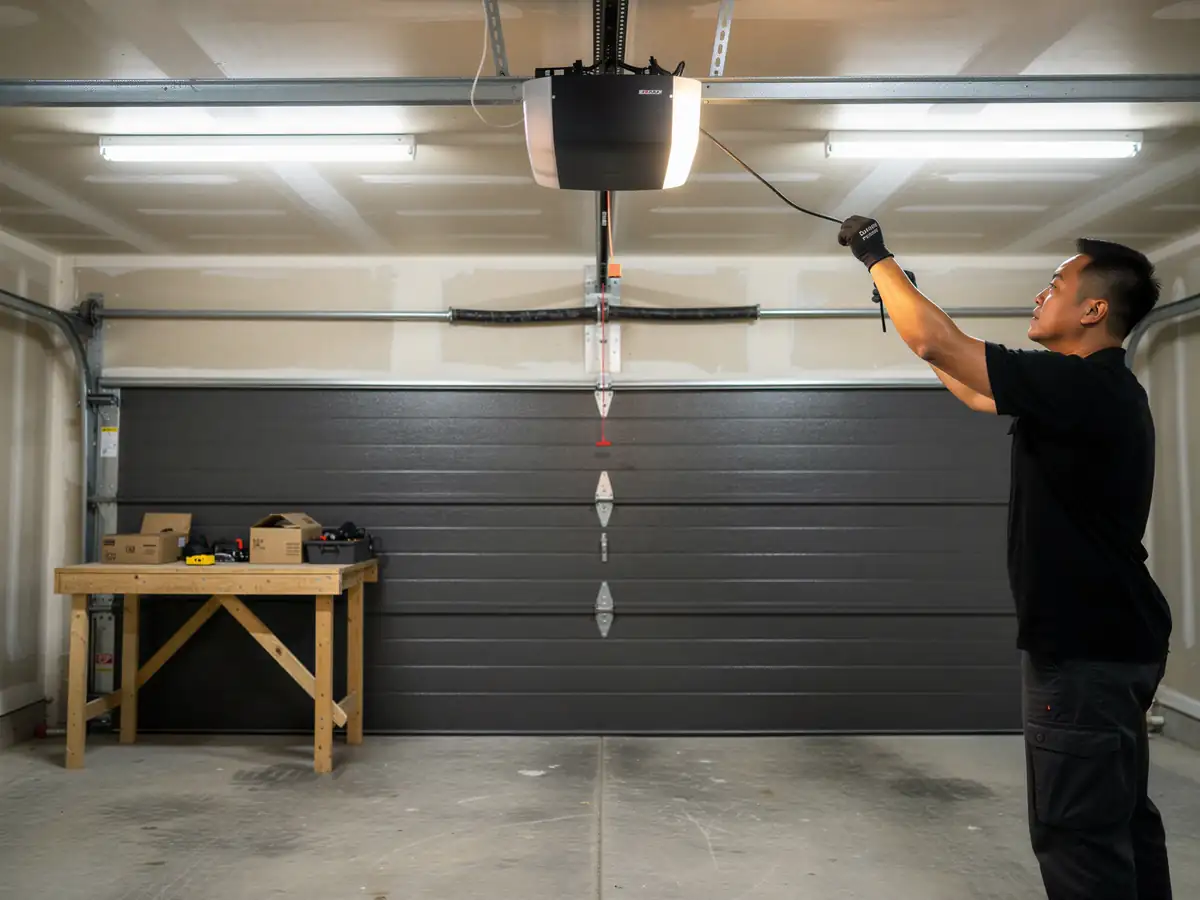
Newer doors mean newer opener hardware too, and that's where off-track jobs in Princeton tend to get complicated. A 2008-era door is more likely to be on a belt or chain opener with safety sensors and a travel-limit setting than the pulley-and-spring-only setups on much older doors. When the door comes off track, those sensors often shut the opener down mid-cycle or throw it into a fault state, which can mask whether the real problem is a bent track, a broken roller bracket, or a cable that slipped its drum. We check all three before touching the opener settings, because resetting travel limits on a door that's still physically off-track just hides the fault until it fails again, usually worse. The area's mild temperate climate isn't a big factor in why these doors derail - it's rarely weather-driven here the way it can be with ice or extreme heat elsewhere. More often it's a bracket that worked loose on a wide door carrying more weight than the hardware was torqued for at install.
The DIY Question
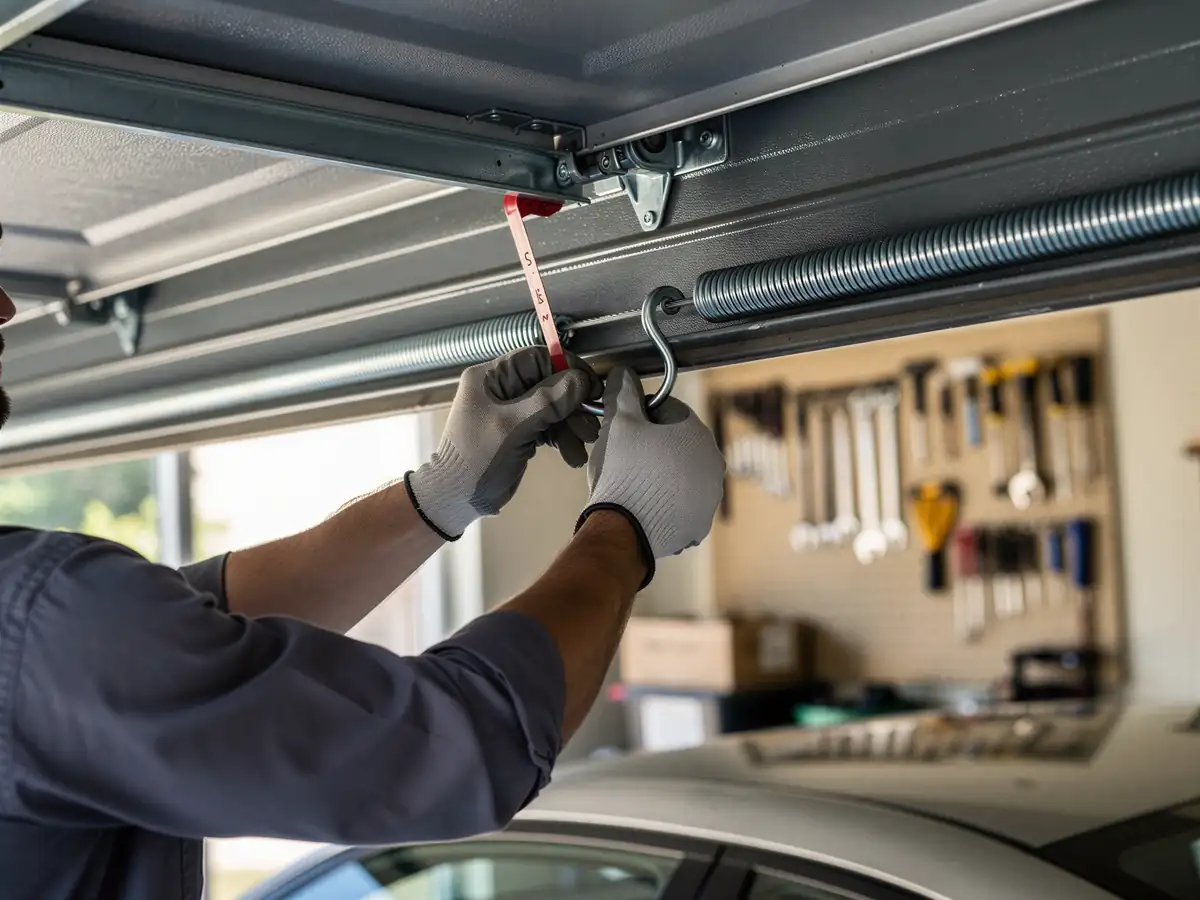
Don't try to force a door back onto its track yourself, especially a wide two-car door - the panel is heavier than it looks and a cable or spring still under tension can let go while you're working near it. What you can safely do: unplug or disconnect the opener so it can't cycle, and leave the door where it sits. If it's only part-way off, don't keep running the opener hoping it'll correct itself; that's what bends track and strips roller brackets, turning a quick fix into a parts job. One honest limit here: if the track is badly bent or a bracket has pulled clean out of the jamb stud, we're not patching it in place - replacing that section is faster and more reliable than fighting bent steel back into true, and we'll tell you that on site rather than billing hours to avoid it.
What Is on the Truck
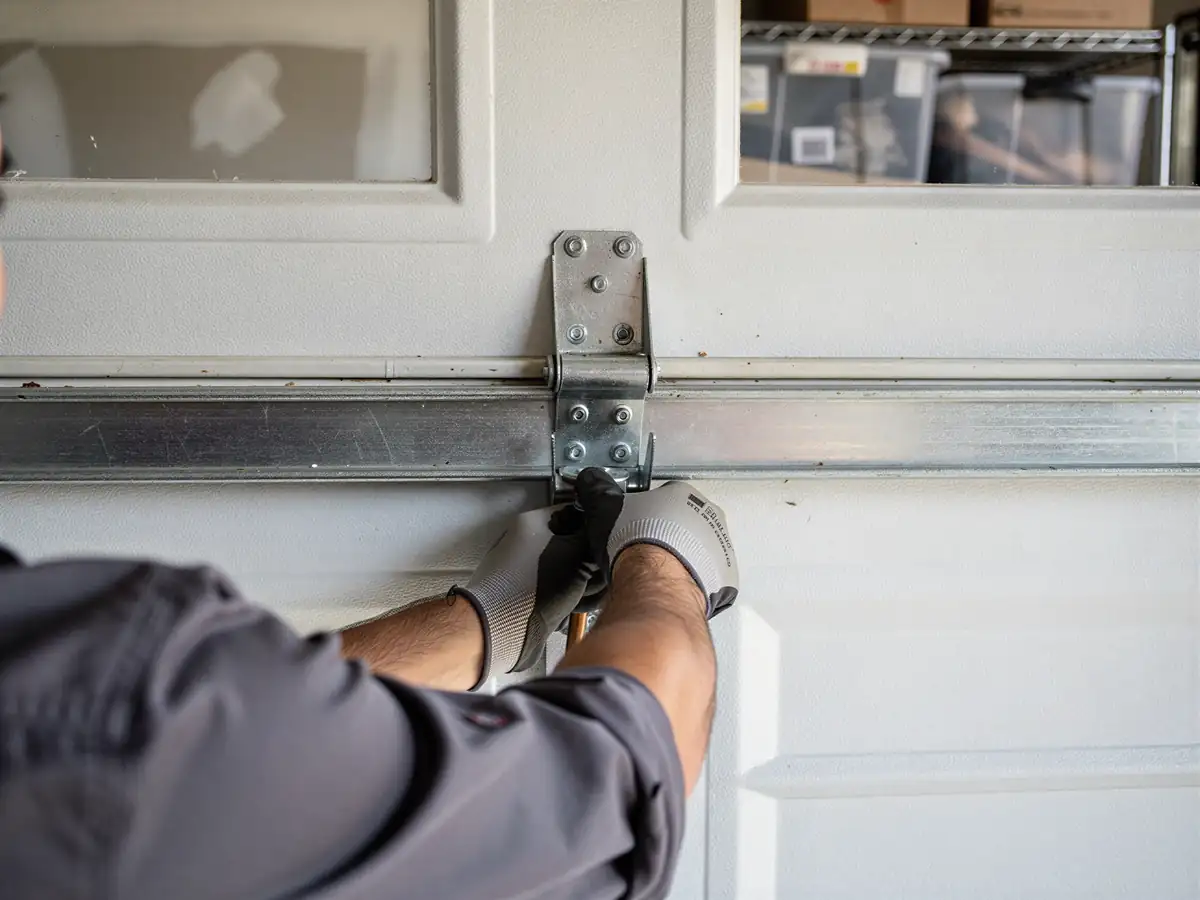
For the kind of off-track calls we see out of Princeton's newer housing, the truck carries roller brackets and rollers sized for wider sectional doors, replacement track sections, and the fasteners that hold brackets to jamb studs built to 2000s-era framing. We also carry the sensor brackets and alignment tools for belt and chain openers, since getting the safety sensors re-aligned after a track repair is part of finishing the job correctly, not an afterthought. What we don't stock on the truck is anything custom - a non-standard door width or an obsolete opener model may mean a return trip once the part's ordered. We'll tell you straight if that's the case rather than guessing at a fix that won't hold.