Why This Fails Locally
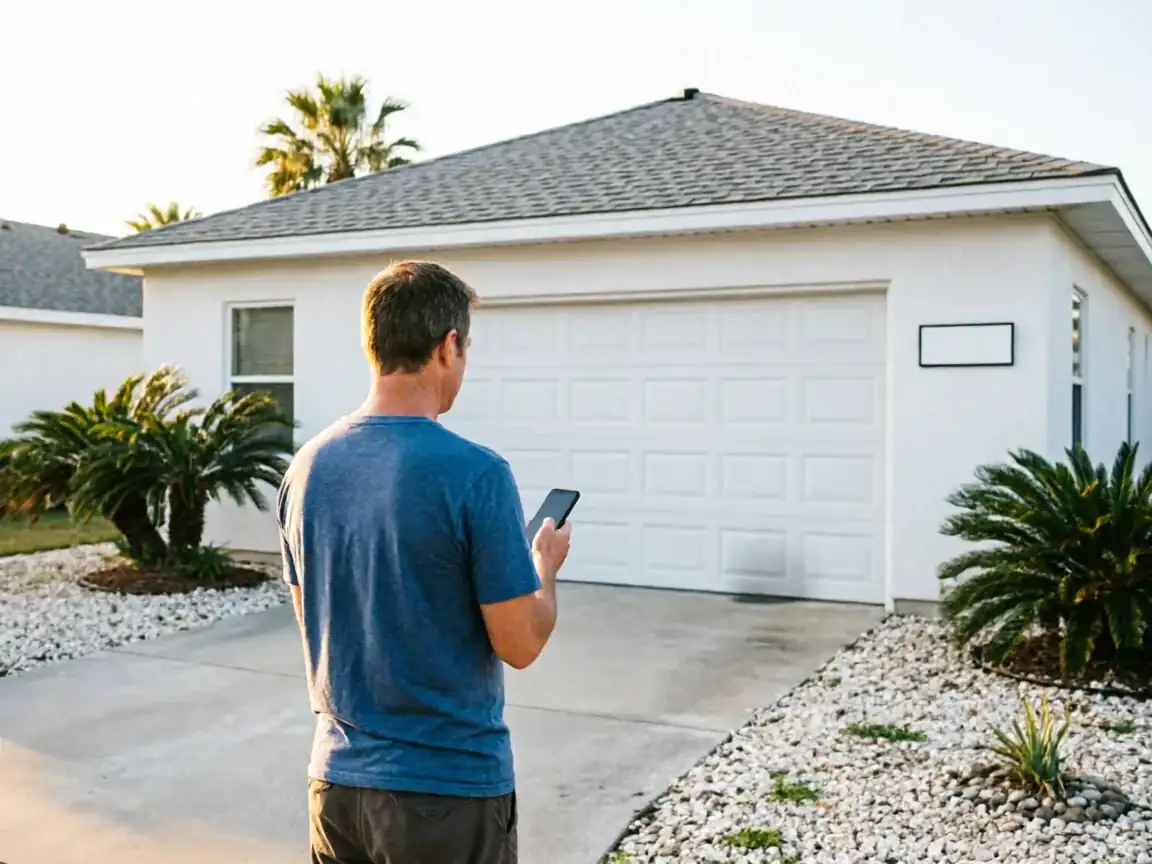
The Hammocks sits 14 miles out from our shop in Homestead, which matters more than it sounds like it should. It's far enough that we don't swing by on a whim between jobs - a visit out here gets scheduled, not squeezed in. That drive shapes how we quote and how we show up: one trip, full toolkit, because doubling back isn't something either of us wants to pay for.
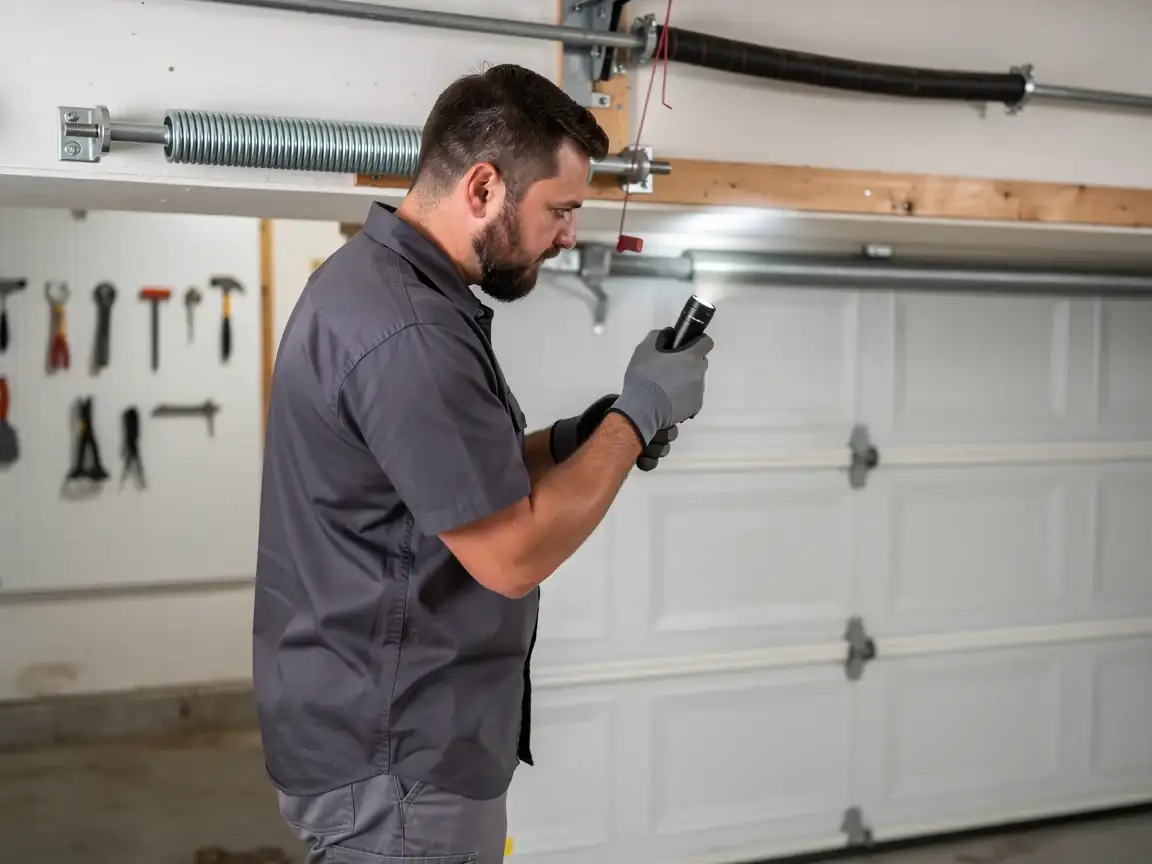
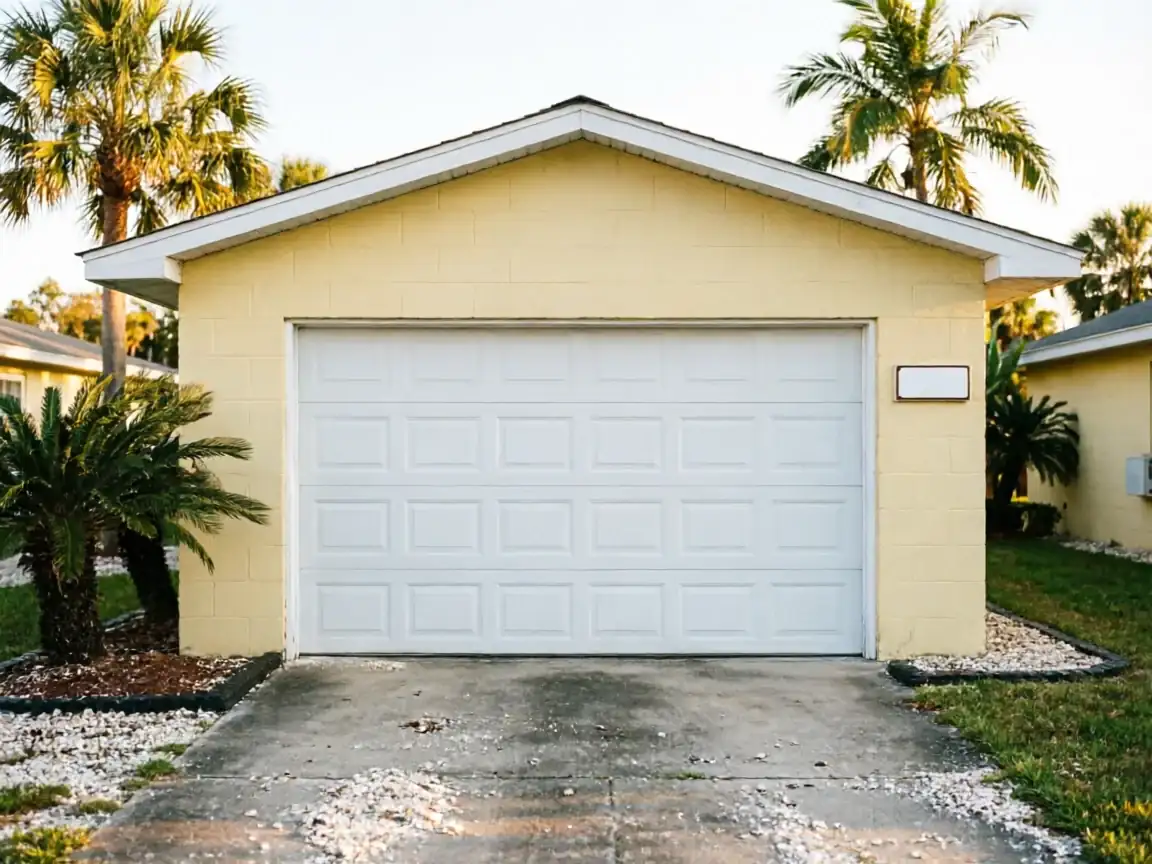
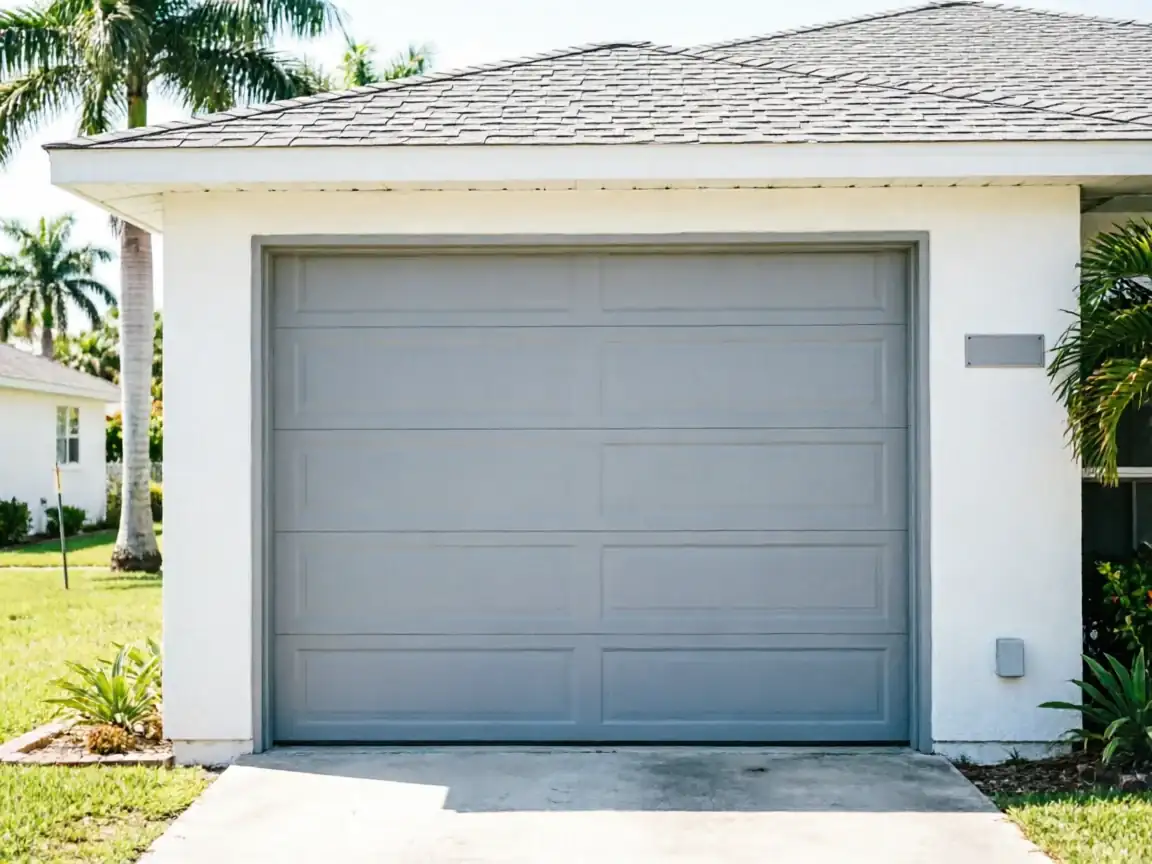
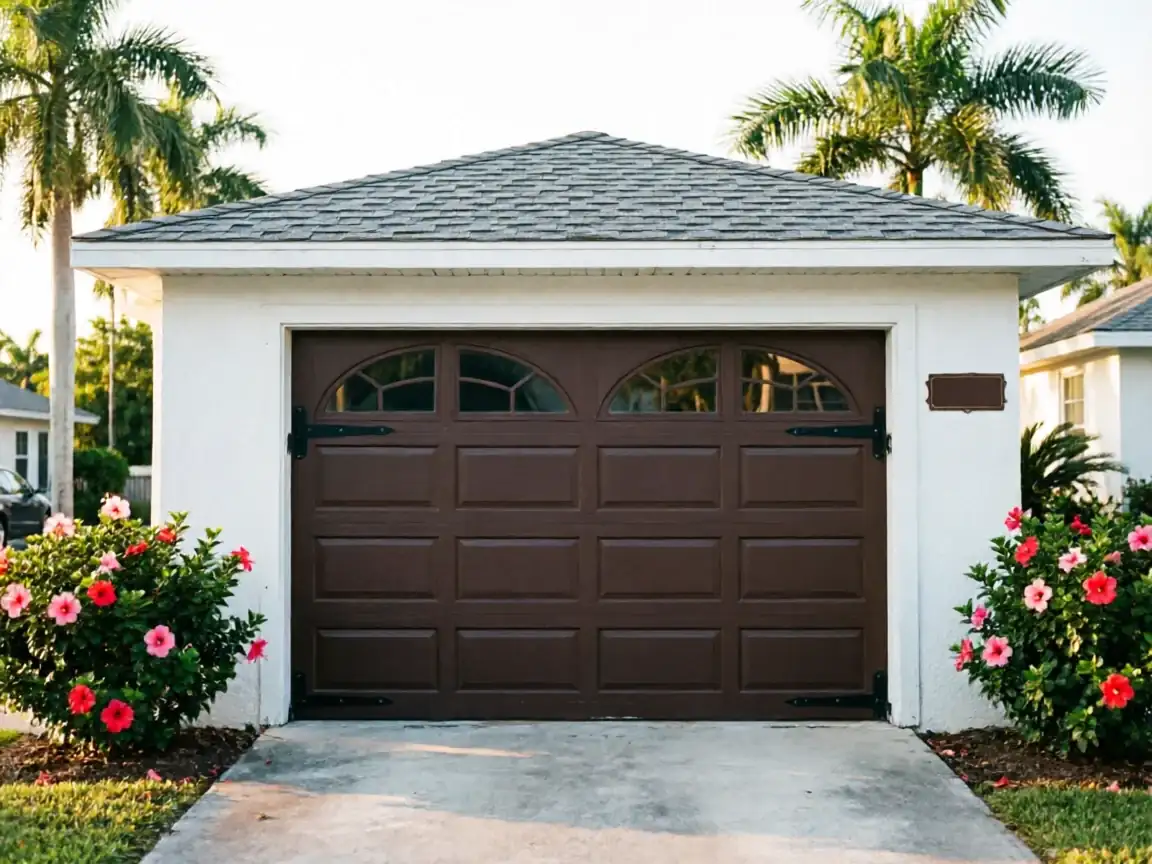
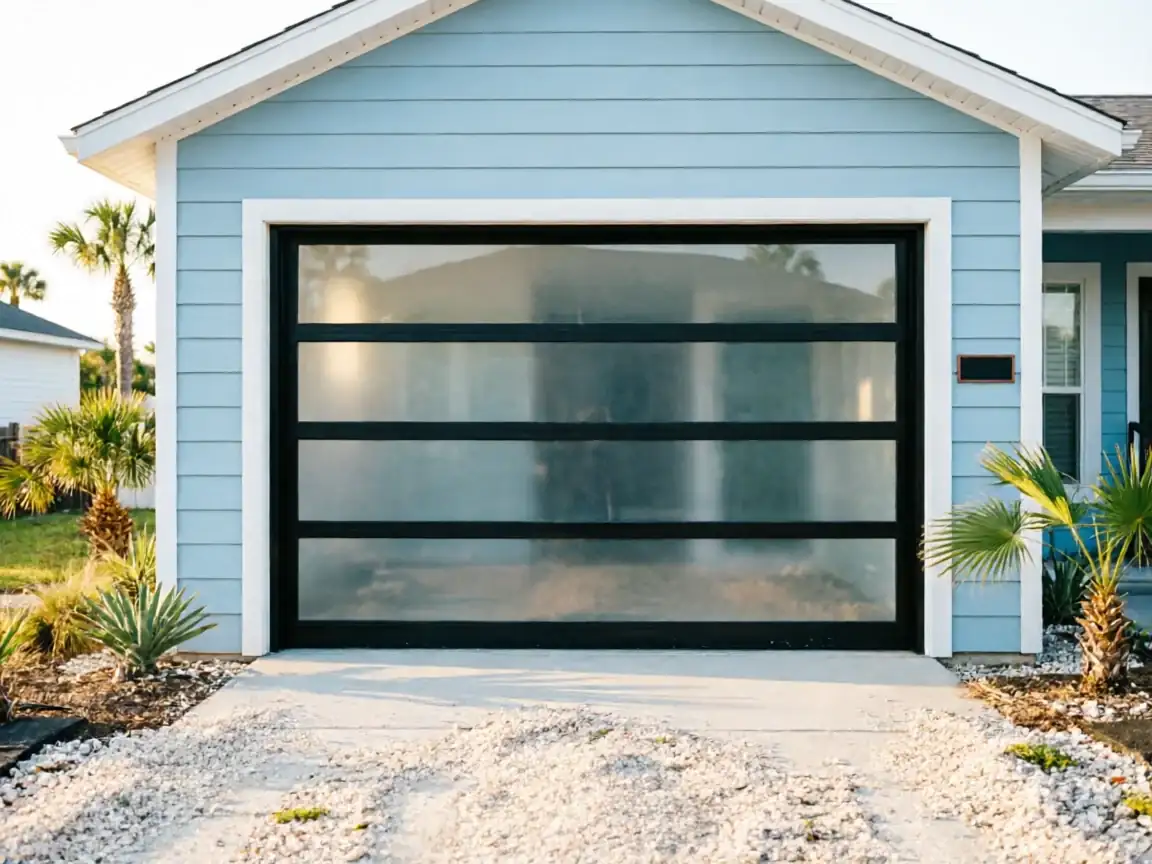
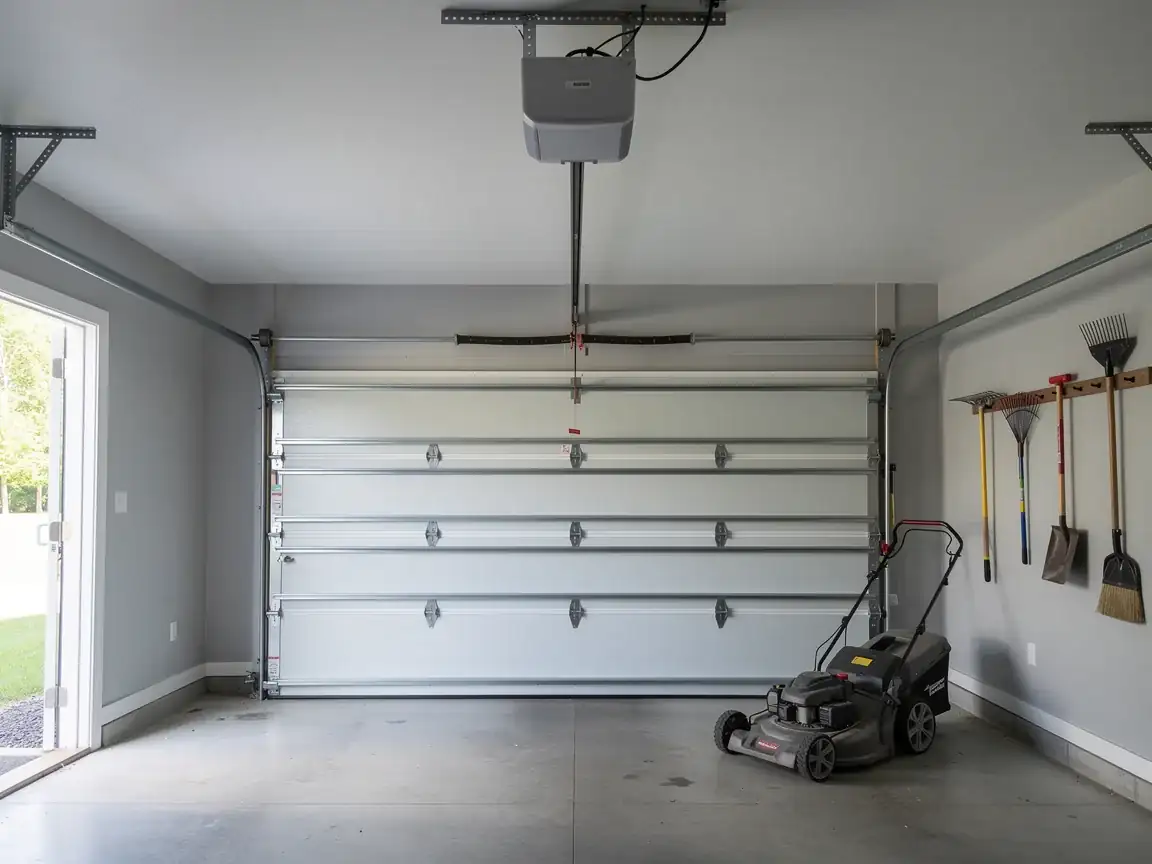
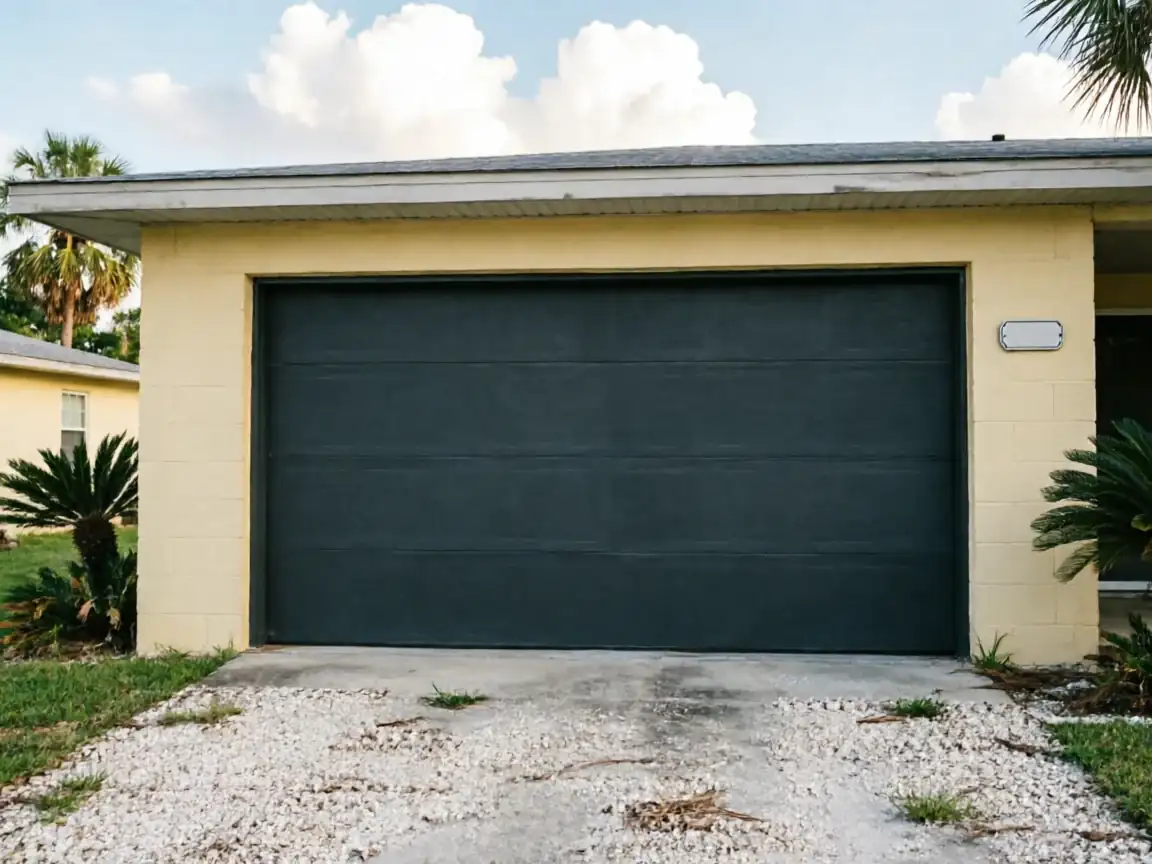
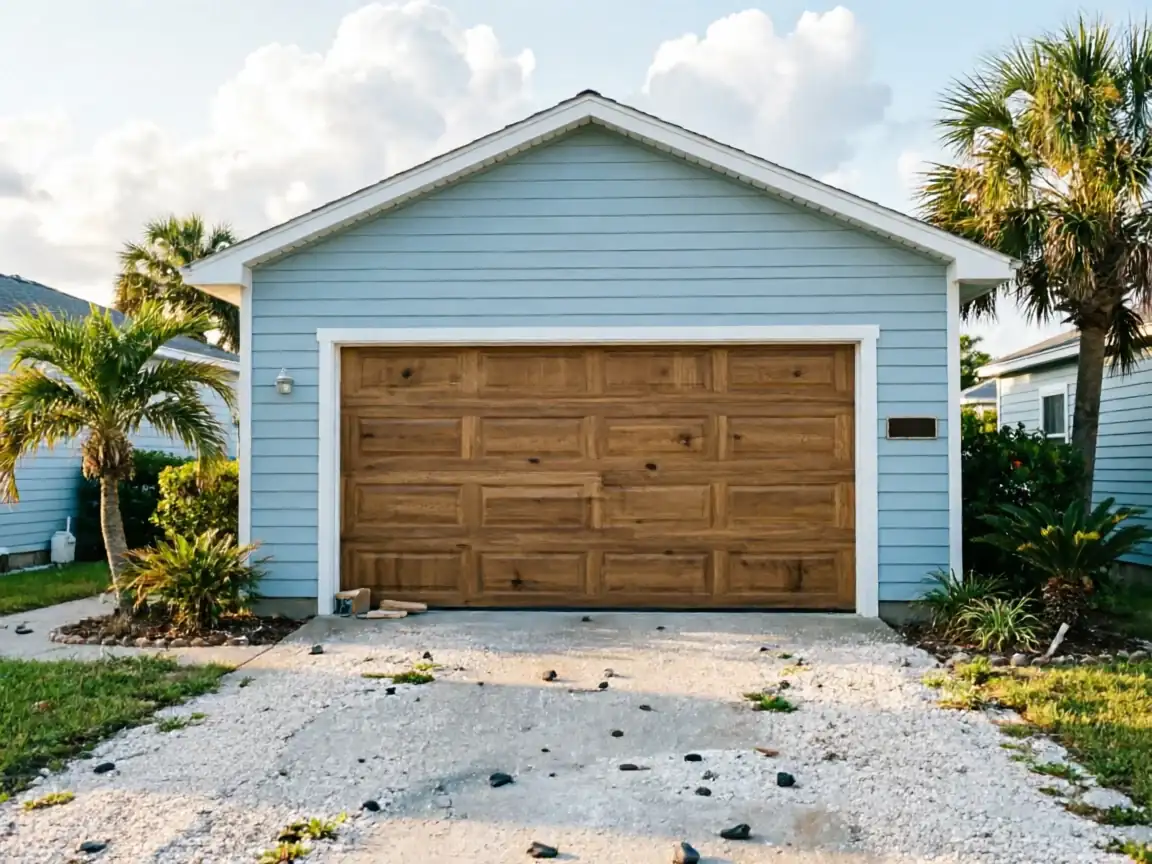
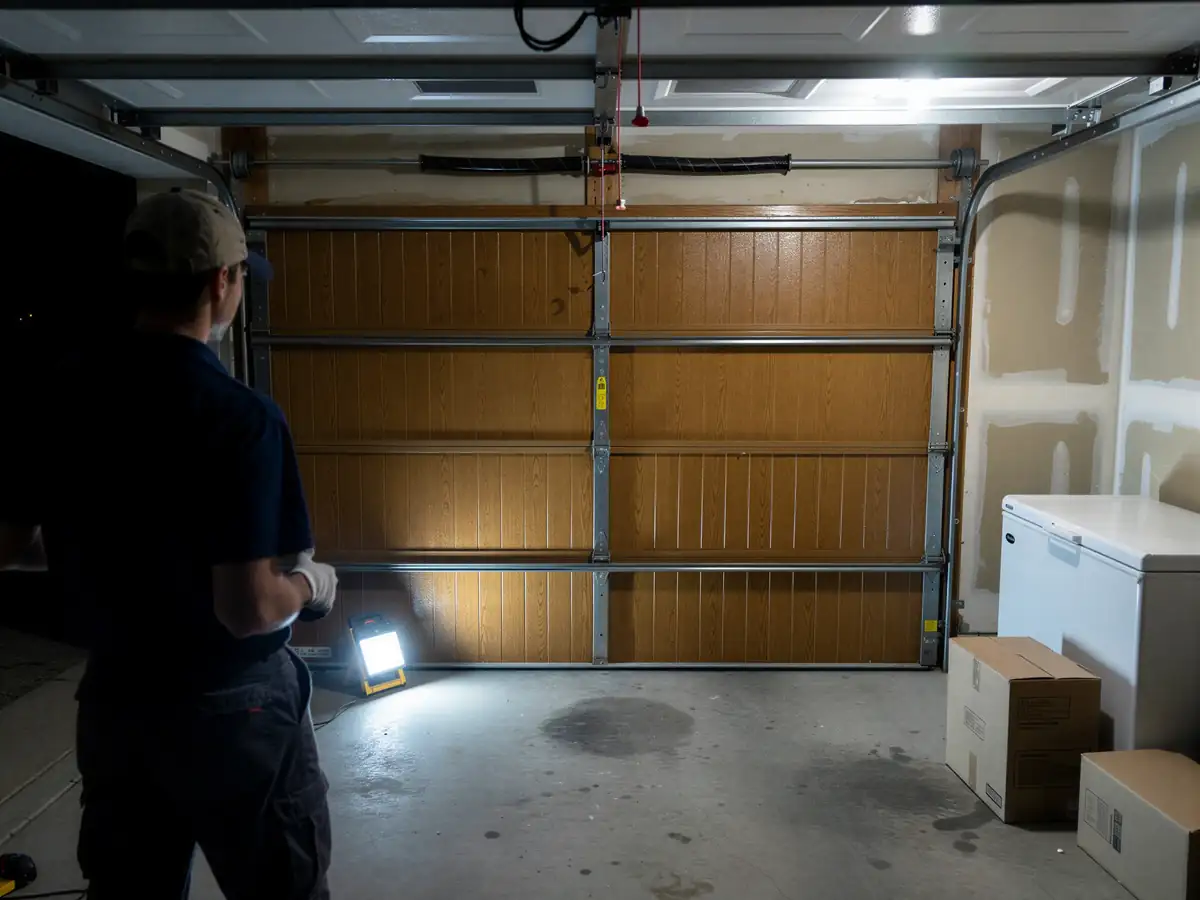
The houses themselves tell a different story than the older stock closer to Homestead. Median year built in The Hammocks runs around 1991, newer than a lot of the surrounding service area where construction dates back to the 1960s and 70s. That means most garage doors here are original builder-grade units from the early 90s - steel sectional doors on torsion springs sized for a lighter door than what's sold today. When those doors start sagging or the opener strains to lift them, it's usually the door itself that's failed, not just a part on it. A 30-plus-year-old door has outlived its spring cycle count more than once already, and the track hardware wasn't built to the same tolerances as current models.
Booking a Visit
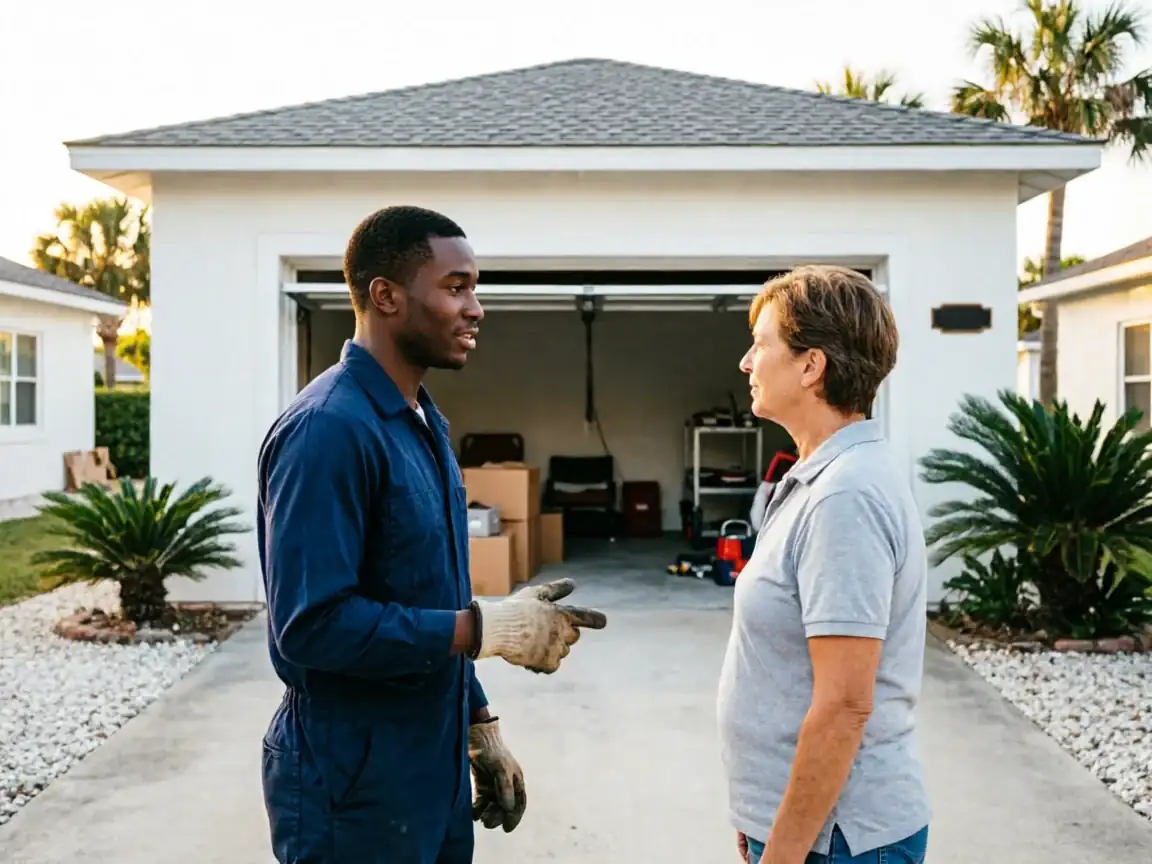
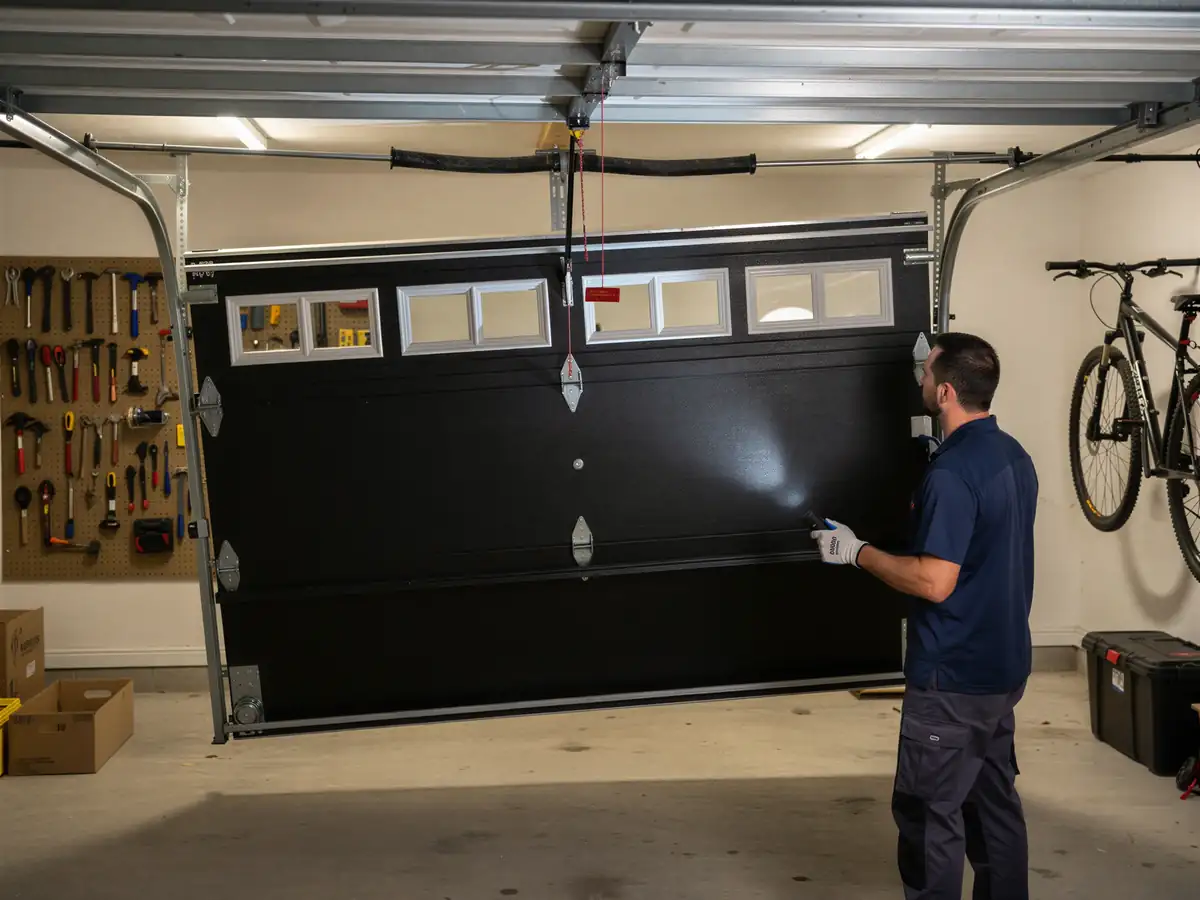
Because we're coming from Homestead, we book installs in The Hammocks as a full appointment window rather than a drop-in. We'll ask what you're seeing - a door that won't seal, panels that have started to bow, an opener that groans - before we load the truck, so we bring the right door and hardware on the first trip instead of guessing. If you're not sure whether you need a repair or a full install, tell us that too; we'd rather talk it through on the phone than show up with the wrong assumption.
What You Are Seeing
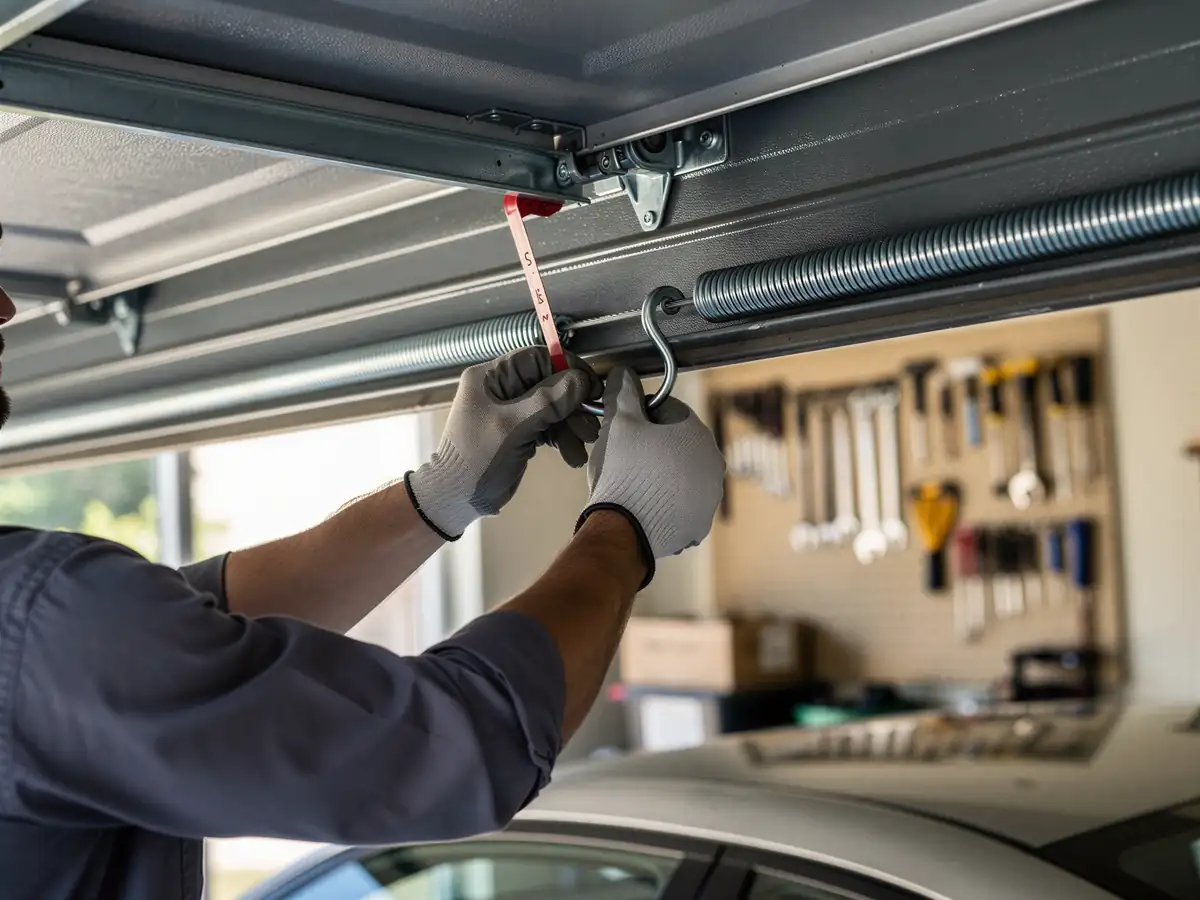
In a neighborhood built mostly around 1991, the complaints tend to cluster: steel panels with surface rust starting at the bottom seam, torsion springs that have gone well past their rated cycle count, and openers original to the house that now take two or three tries to lift the door all the way. None of that is unique to one house - it's what happens to a door that's been doing its job since before a lot of current owners moved in. The mild year-round climate here doesn't stress doors the way freeze-thaw regions do, so when a door this age fails, it's almost always fatigue and wear rather than weather damage.
How Long It Takes
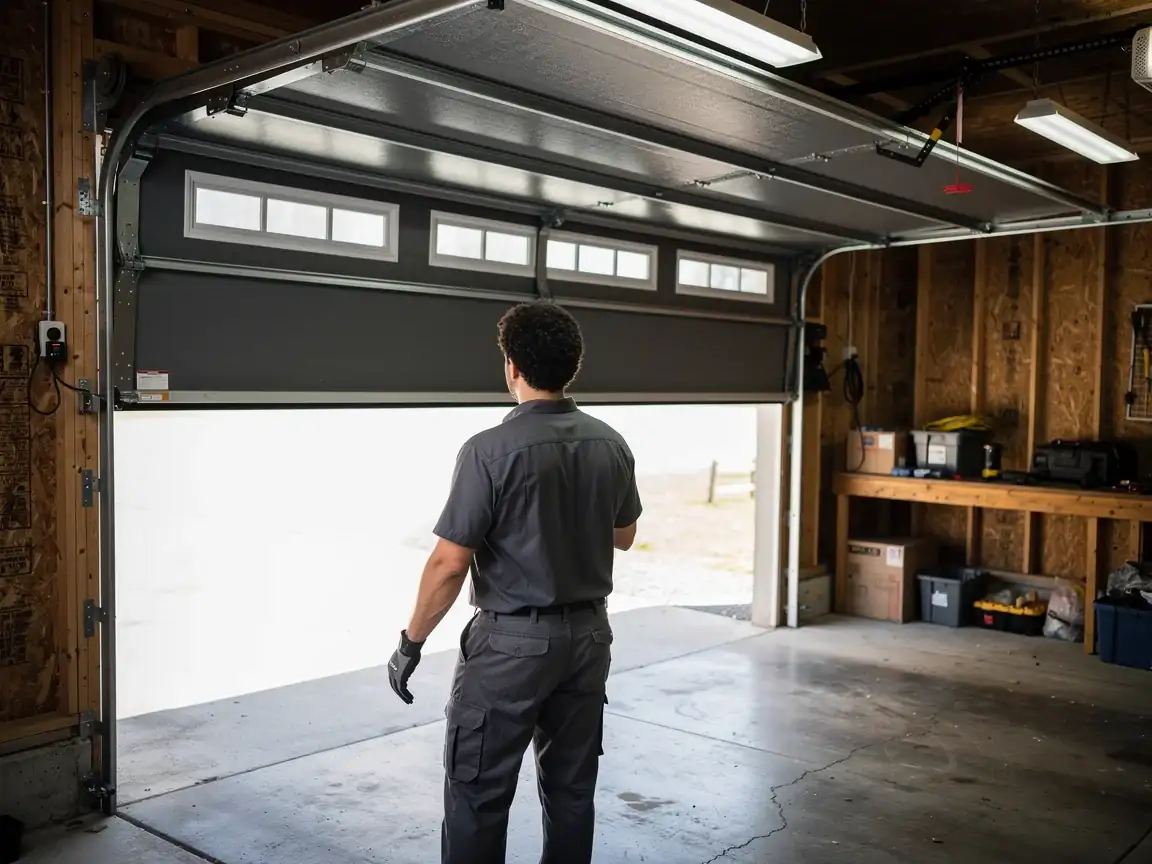
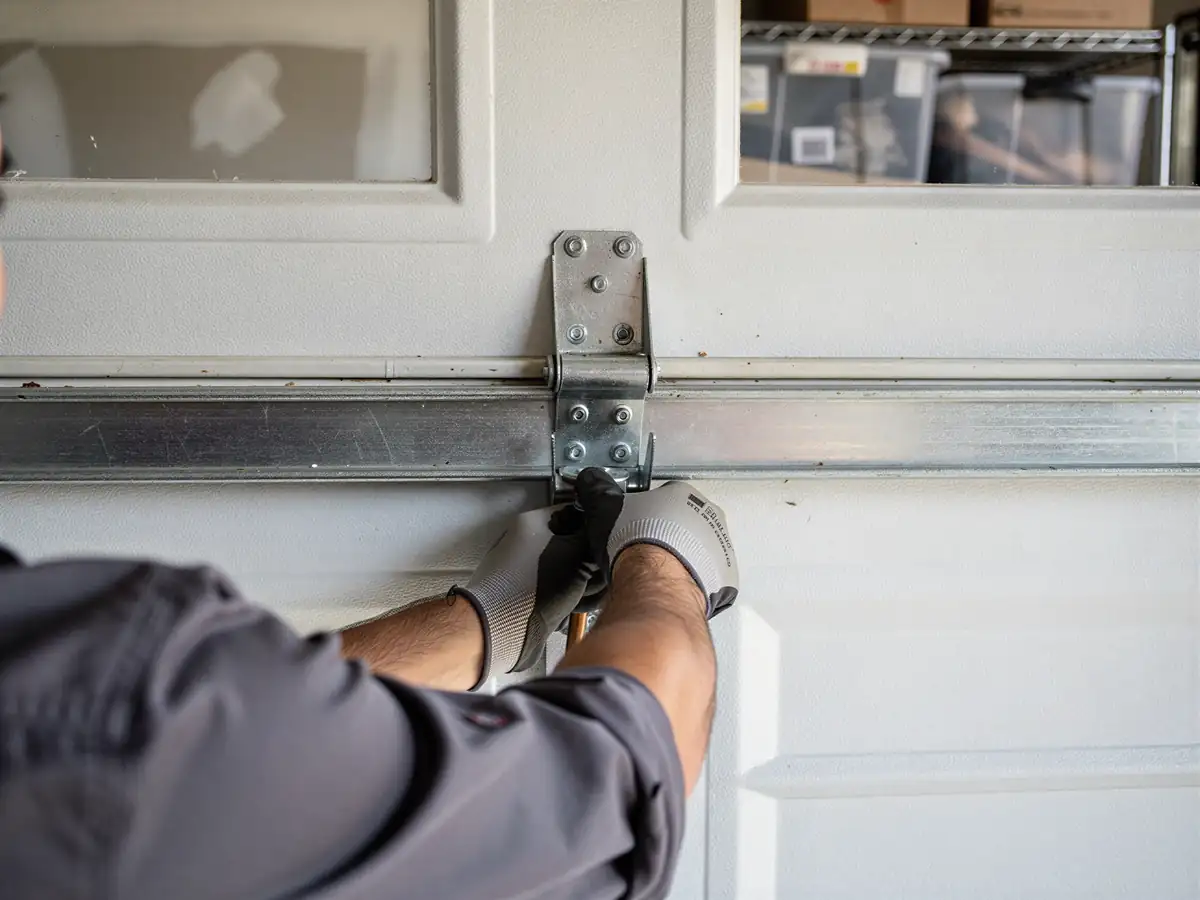
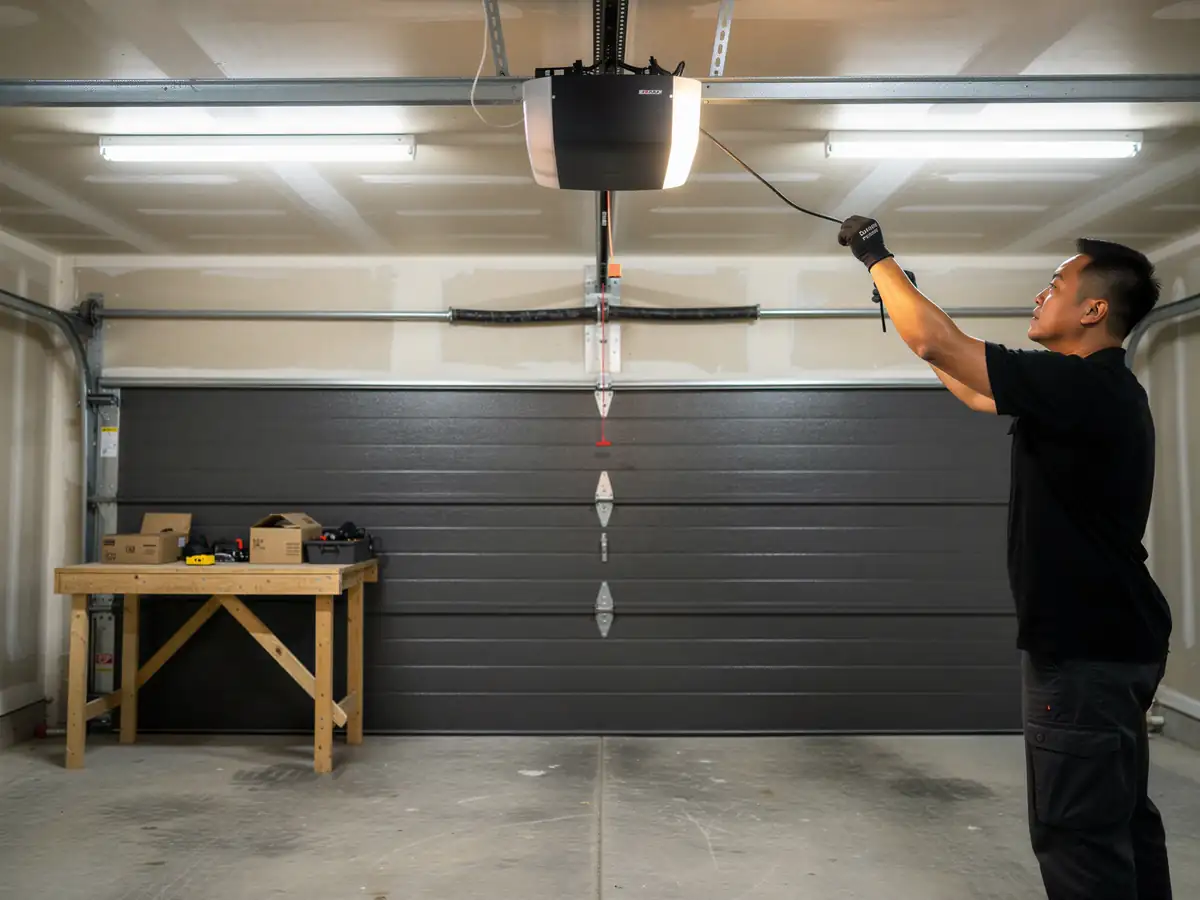
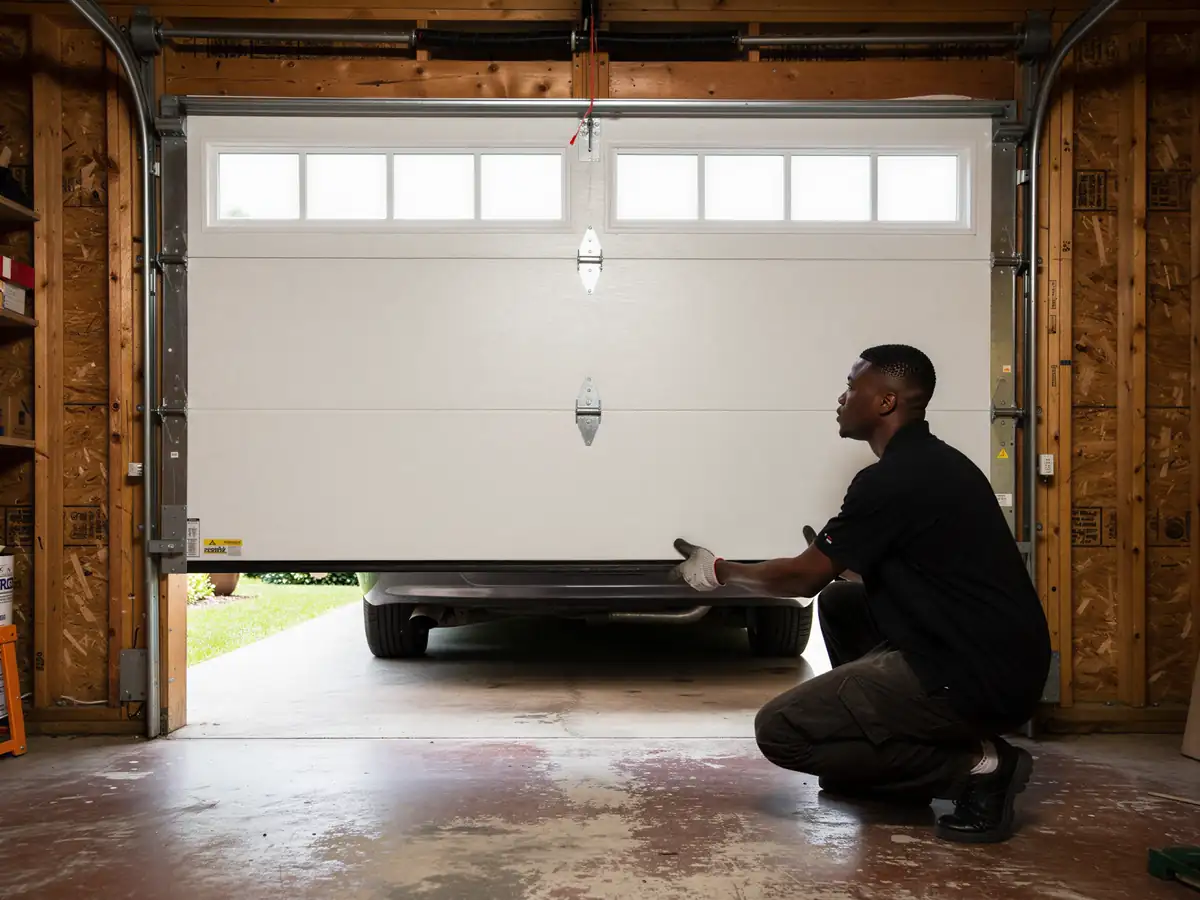
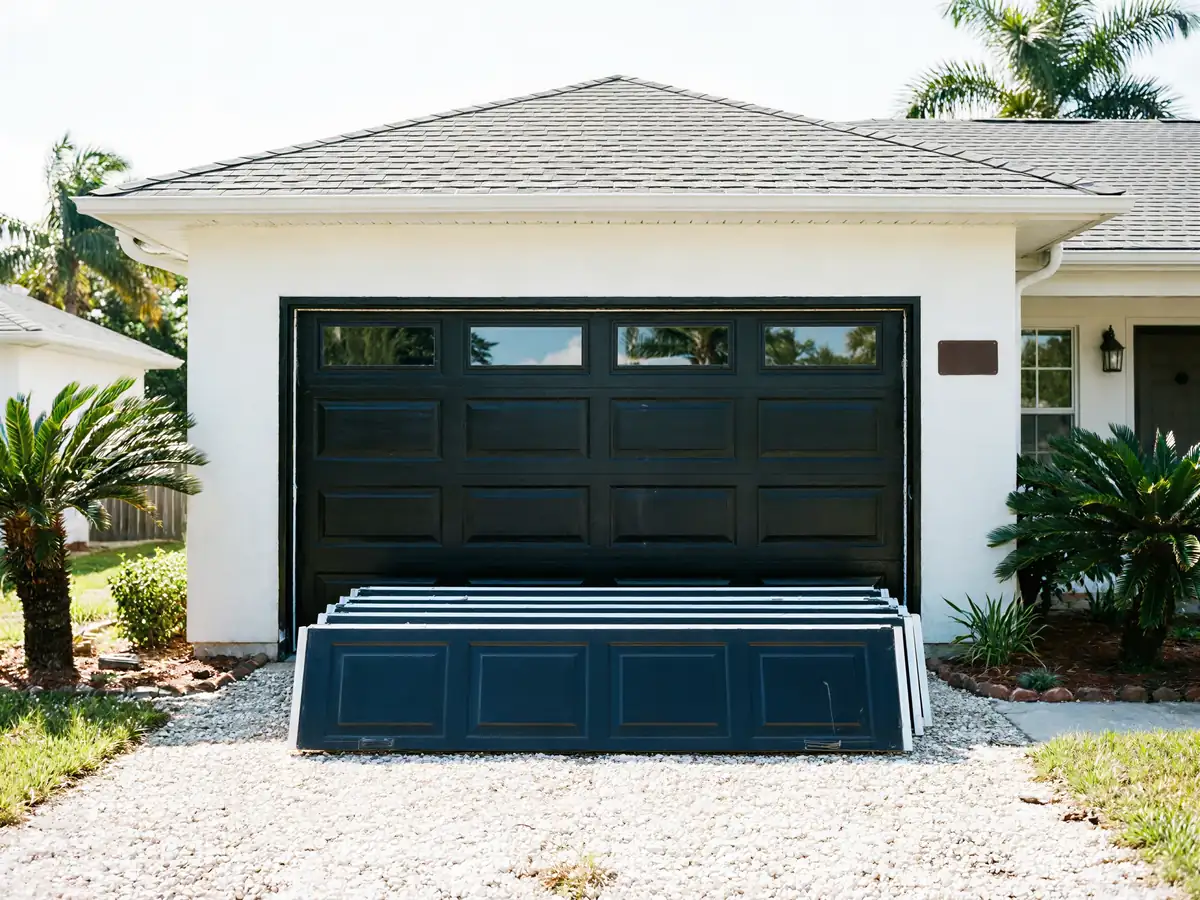
Install day itself usually runs a few hours once we're on site - removing the old door and track, setting new jambs if the opening needs it, hanging the new sections, and balancing the springs to the door's actual weight. What varies more is getting the right door to The Hammocks in the first place; given the 14-mile trip from Homestead, we schedule the install once the door and hardware are in hand rather than making a separate measuring trip and a separate install trip. That keeps the on-site time predictable even if the lead time on the door itself isn't something we control.