Why This Fails Locally
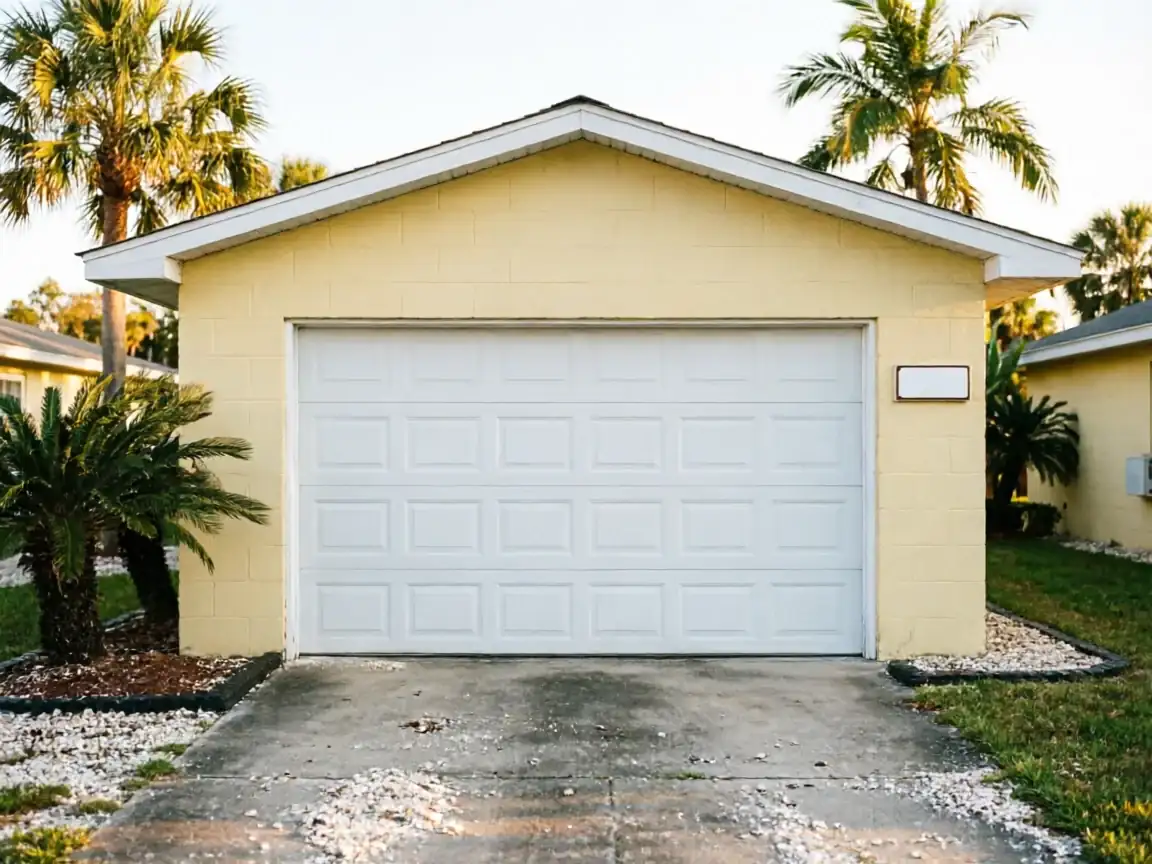
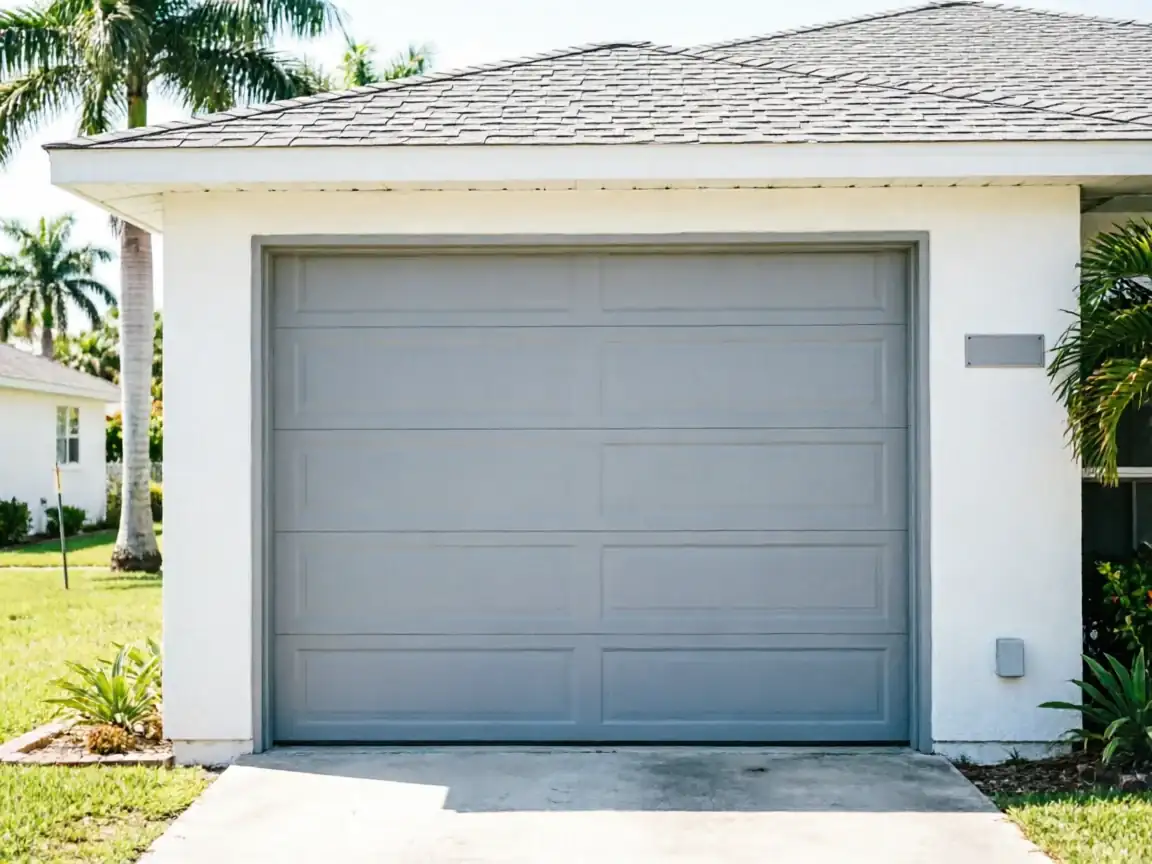
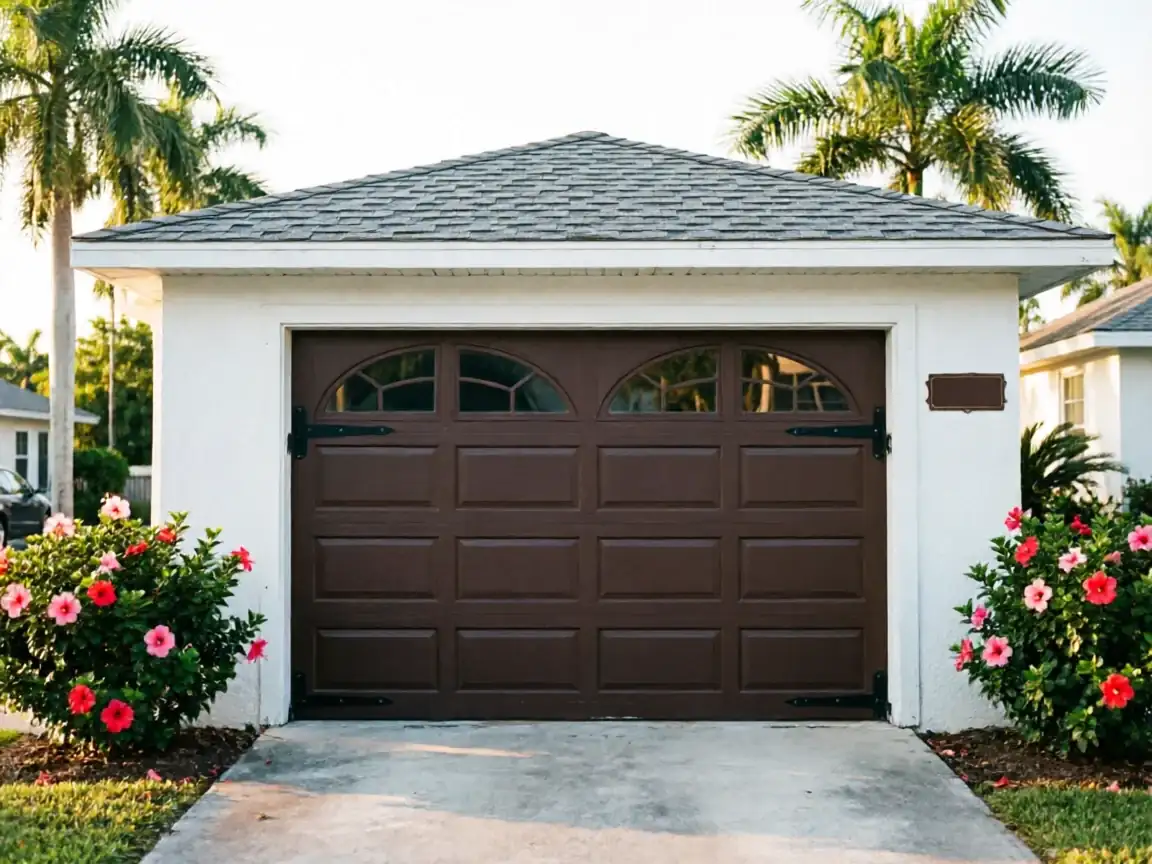
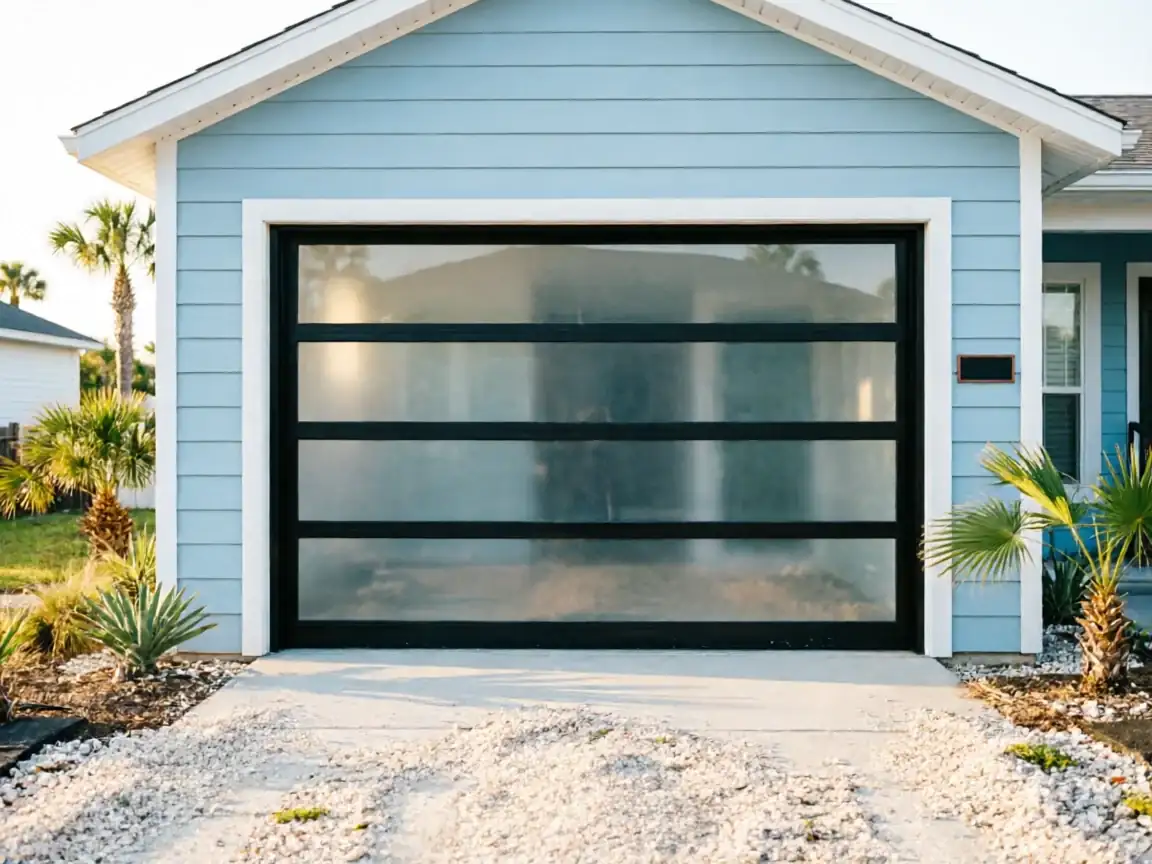
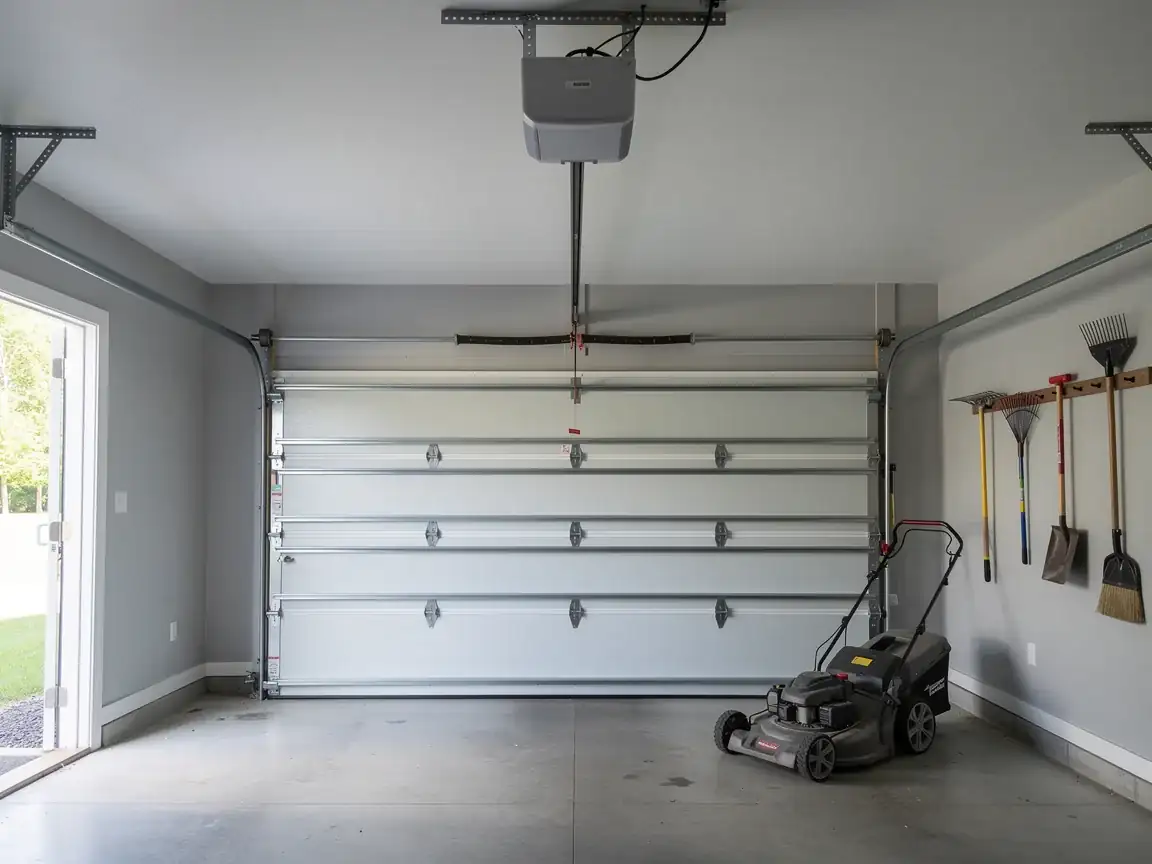
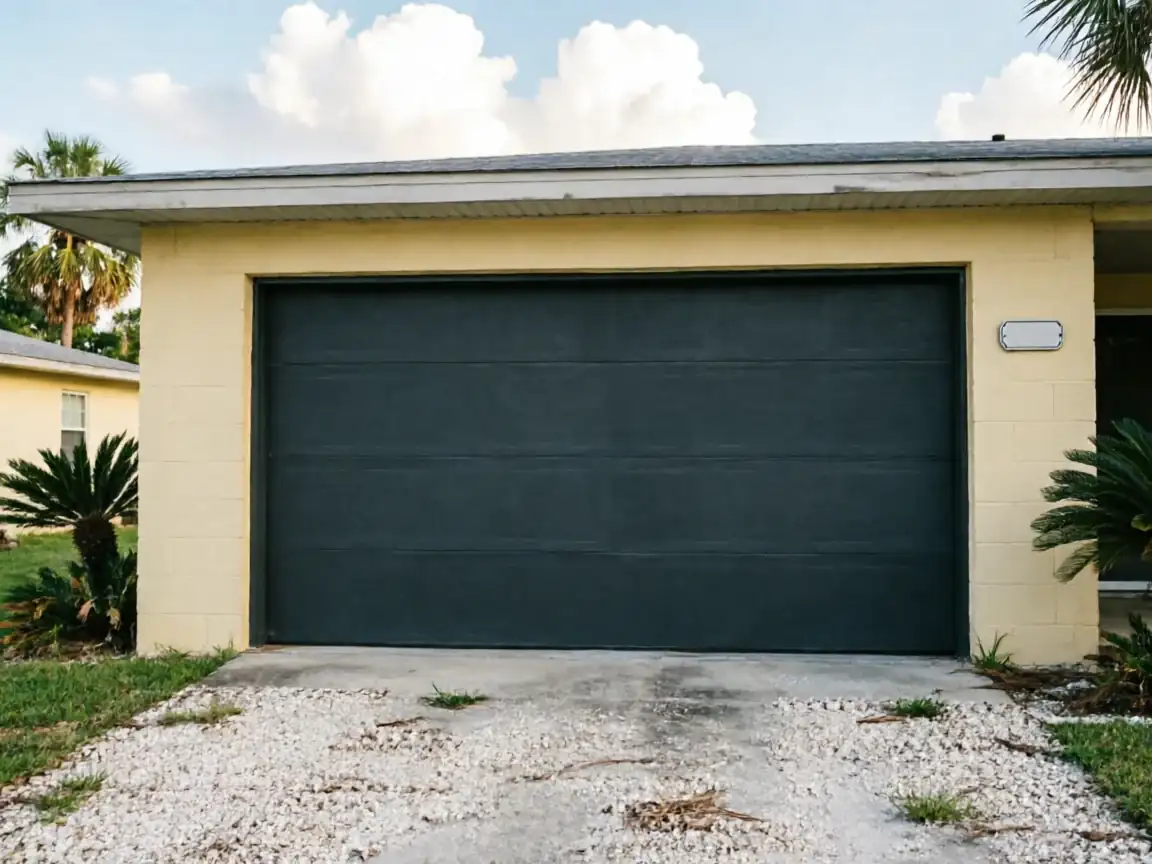
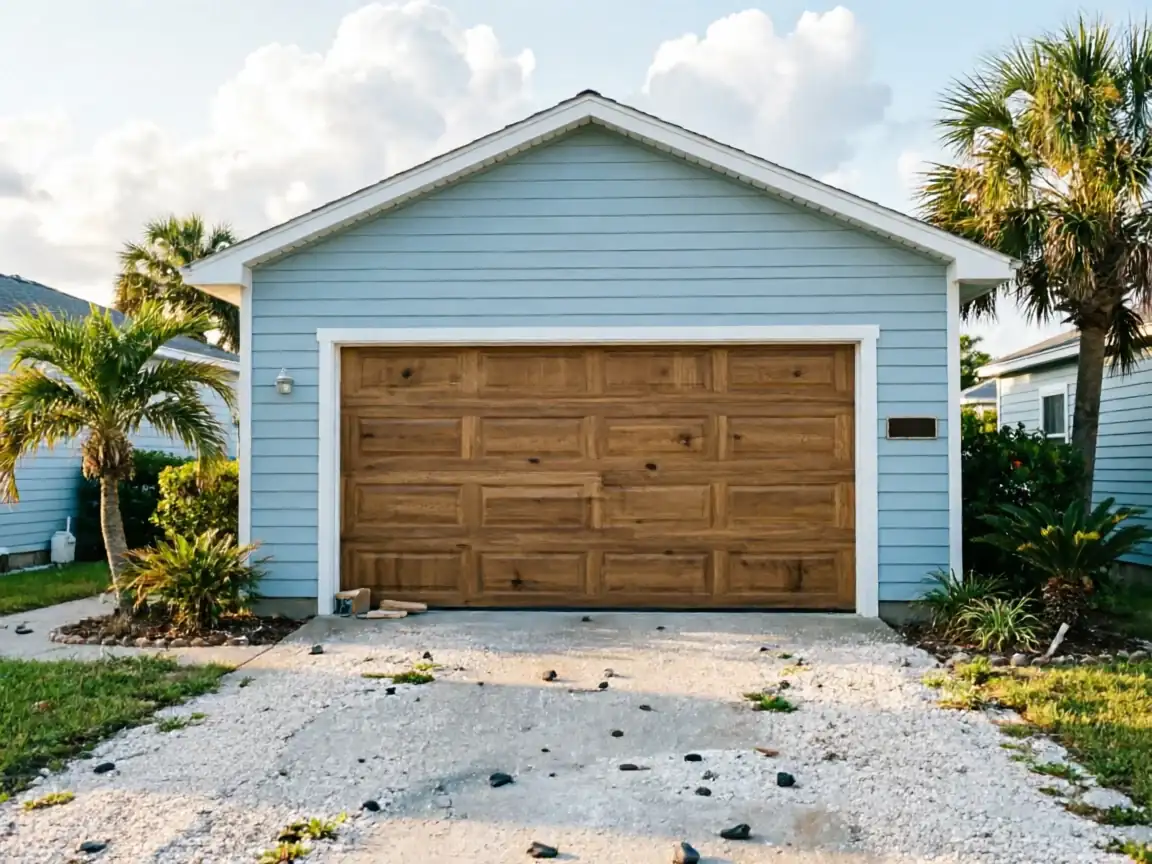
The Hammocks has about 19,593 households, a good-sized pocket inside the wider Homestead service area, and that size matters because it means a steady, predictable stream of the same handful of failures rather than anything exotic. What sets this neighborhood apart is timing: the median home here was built in 1991, well after the 1979 median across the broader area and later than the 1960s-70s stock that makes up most of the 28 named communities we cover. That later build date means most garage doors in The Hammocks are steel sectional doors on torsion spring systems, not the older one-piece or extension-spring setups you find in the oldest pockets of the service area. The failures that show up here tend to be torsion spring fatigue, worn nylon rollers, and opener logic boards aging out after two or three decades of daily cycles in a mild coastal climate. You're less likely to run into the seized, undersized hardware that plagues the 1960s housing stock, and more likely to see a door that's simply reached the end of its factory spring's cycle count. That's a different diagnosis and a different fix, and it's worth knowing before anyone quotes you a repair.
Booking a Visit
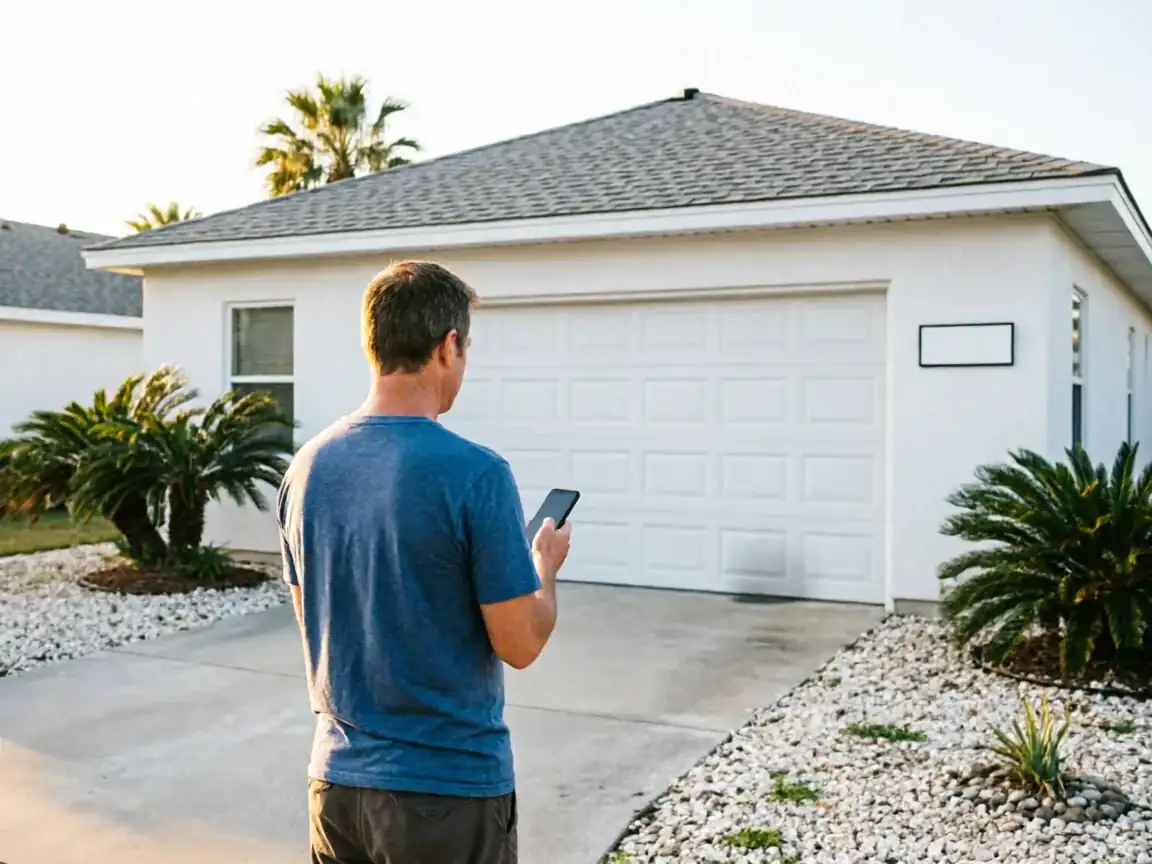
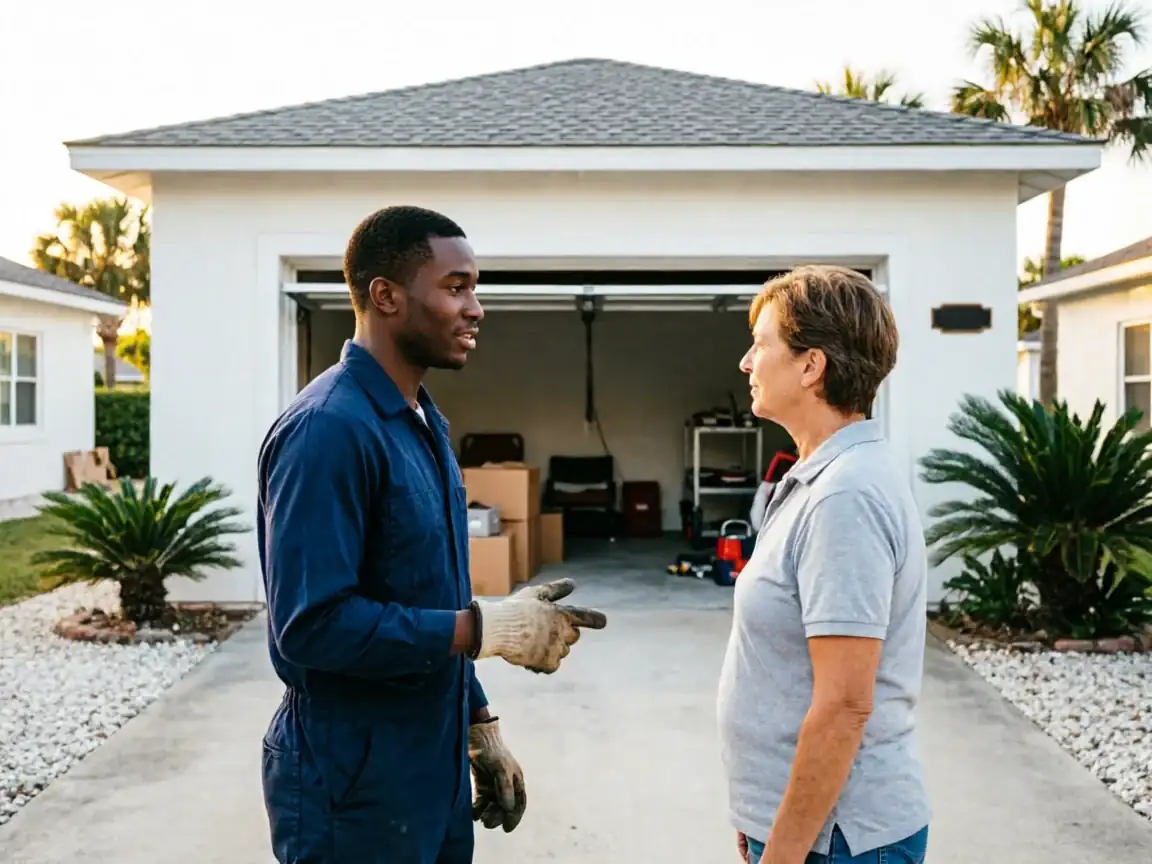
We run out of Homestead, about 14 miles from The Hammocks, and we don't keep a separate branch or dispatch point in the neighborhood. That distance means we plan the drive into the visit rather than pretending we're already around the corner. Tell us what the door is doing when you call - won't open, won't close, off its track, making a bang - so the truck that comes out is loaded with the right springs and cable for the job instead of a generic kit. If you've got the door's brand or a photo of the spring setup, that helps even more, since a torsion spring repair and a cable repair need different hardware on the truck. We'd rather ask a few questions up front than show up twice.
What You Are Seeing
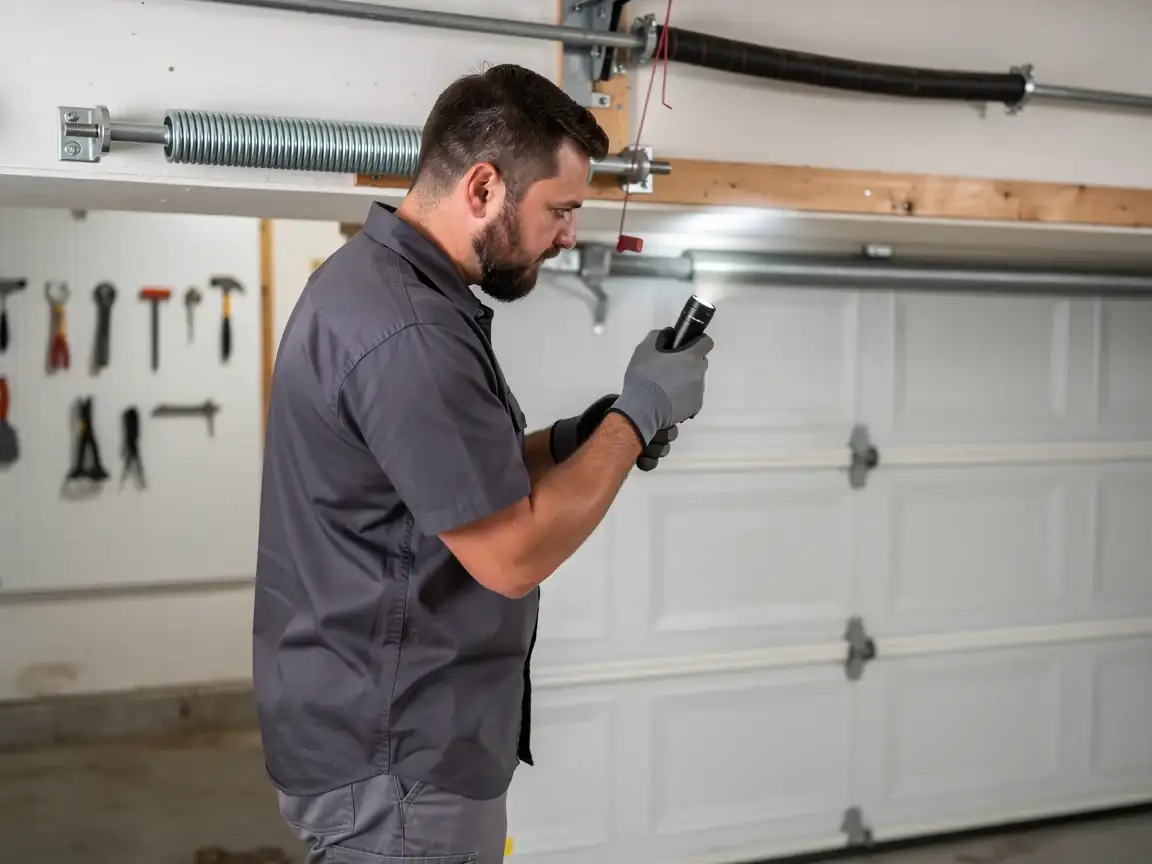
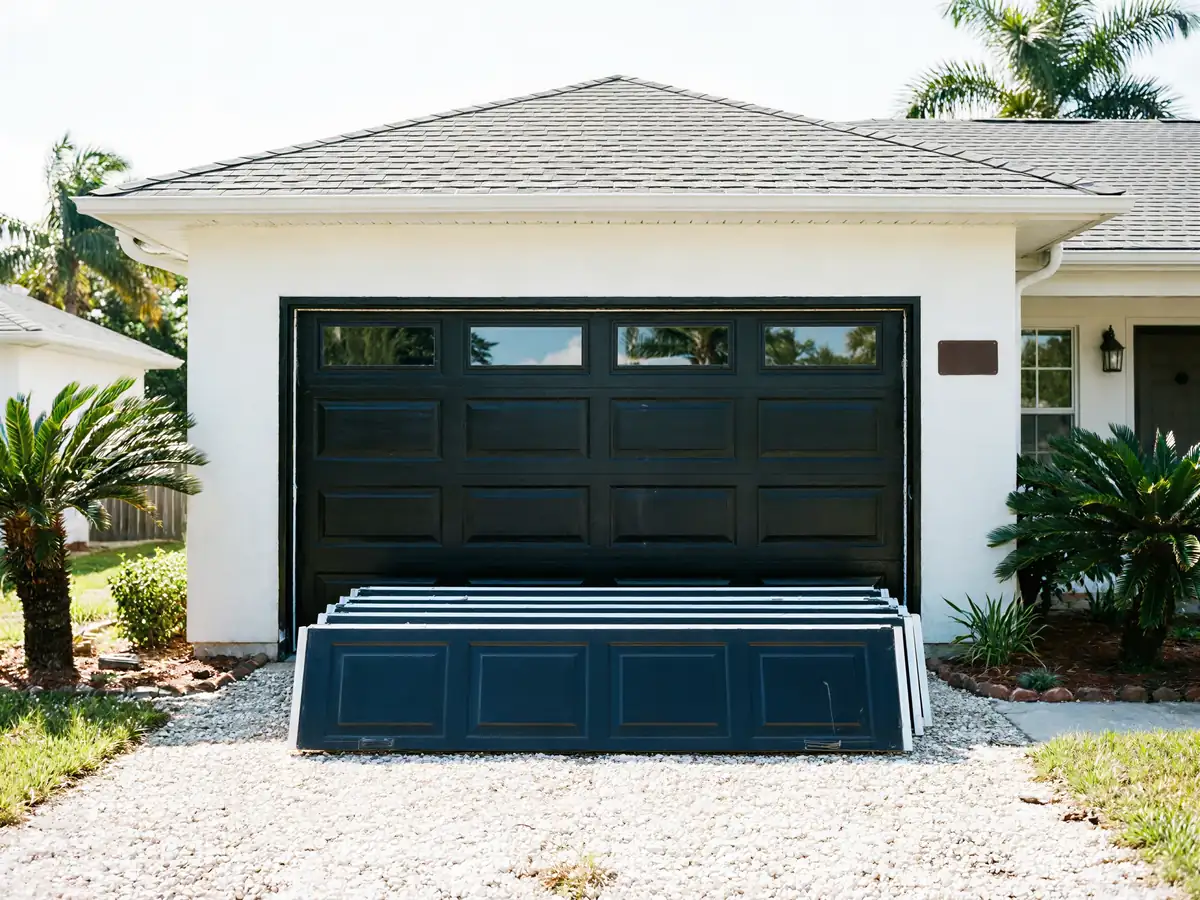
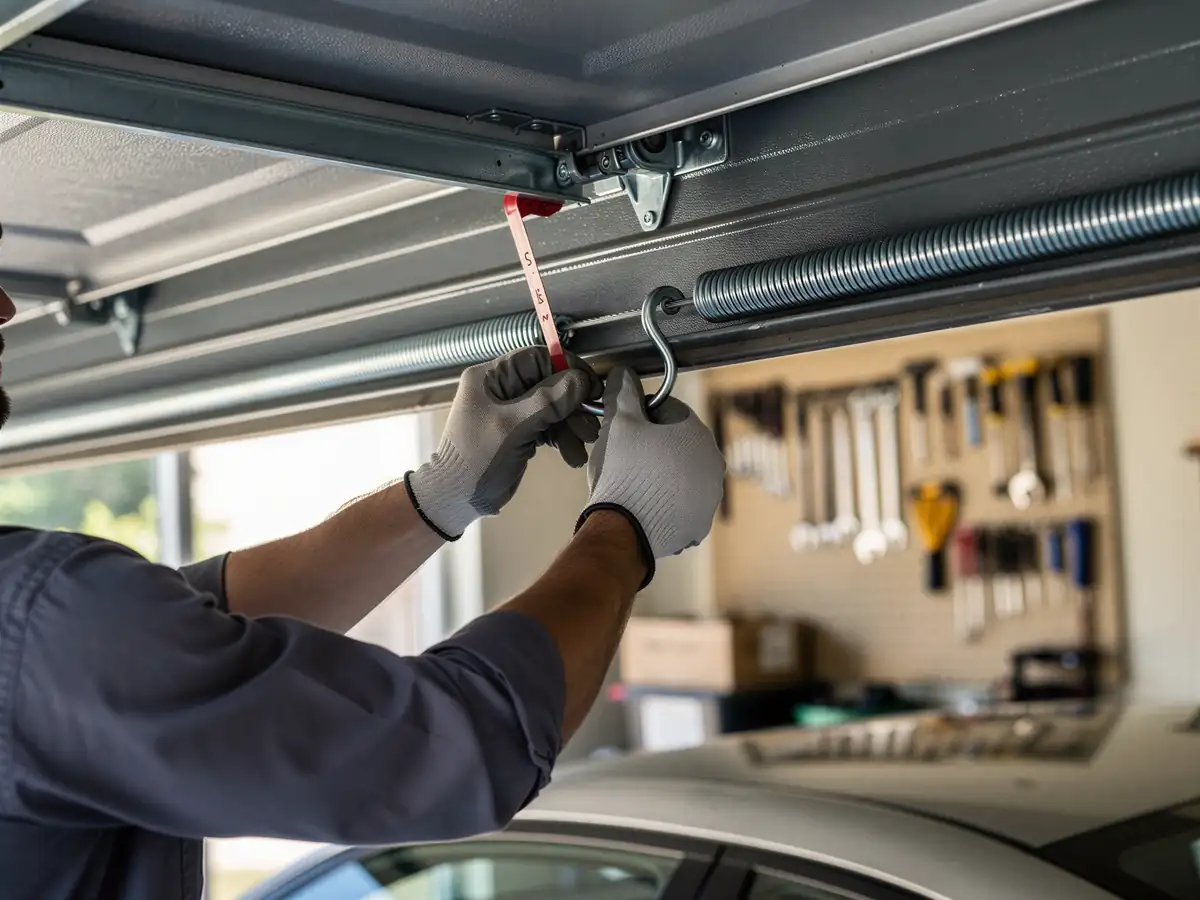
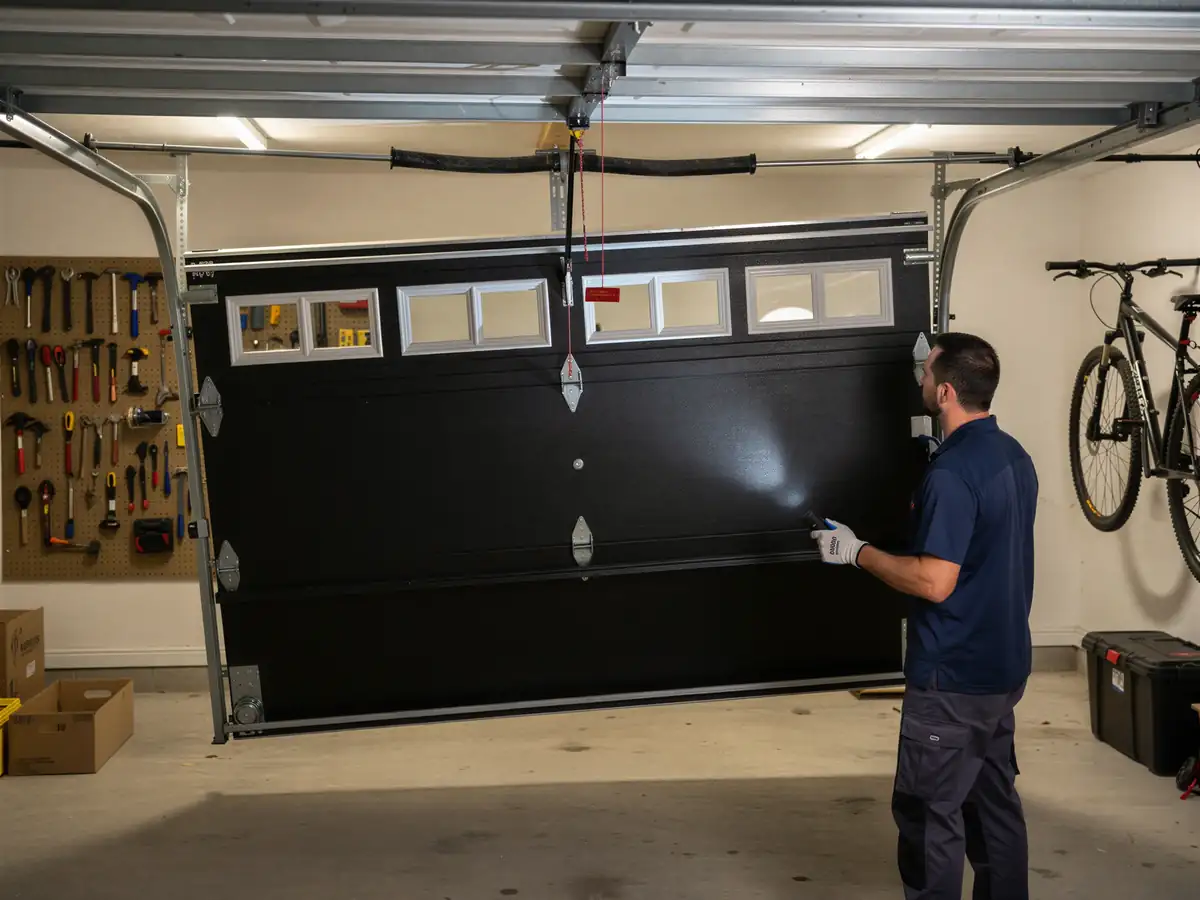
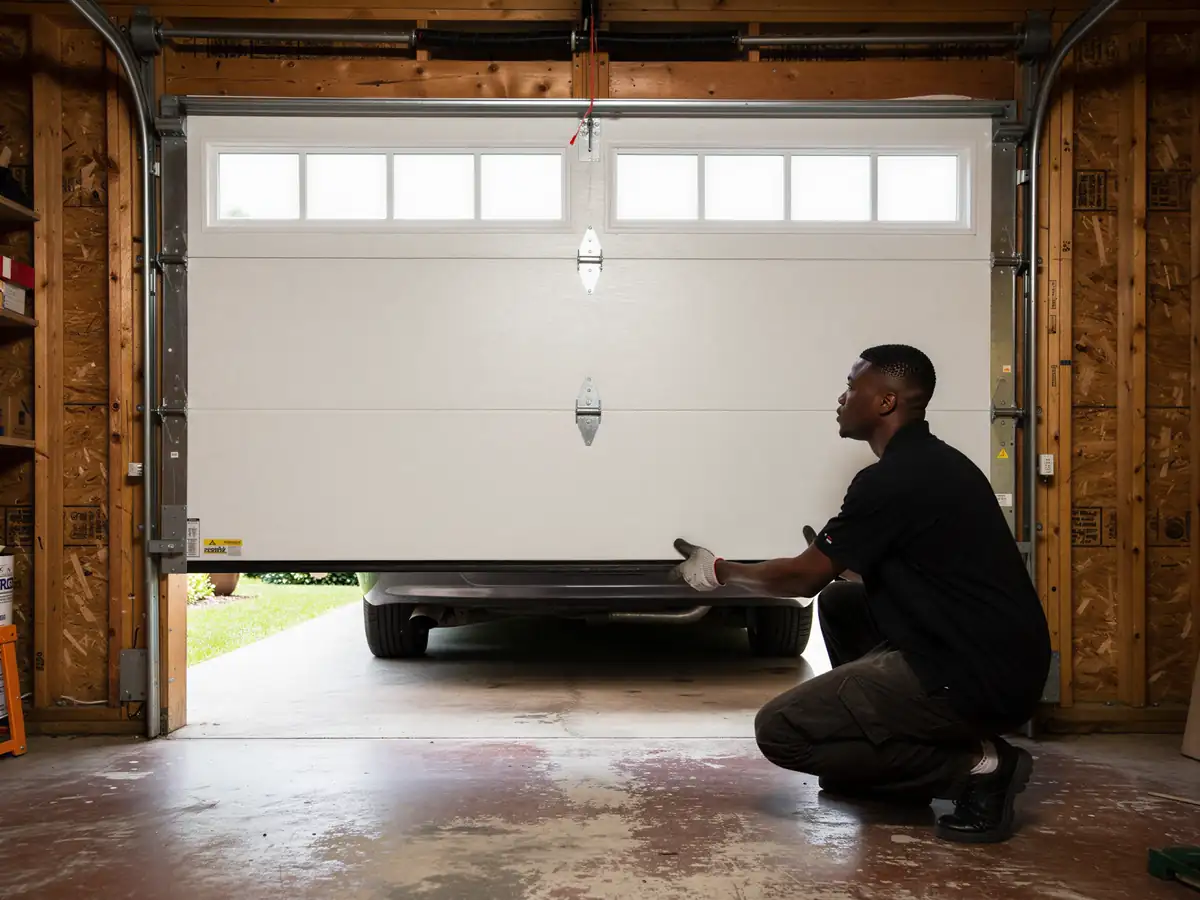
With 1991 as the median build year here, a lot of the doors we see on these calls are original or close to it - thirty-plus years on a torsion spring is near or past typical fatigue life, so a spring that lets go without warning isn't unusual. Other common calls: an opener that runs but the door barely moves (usually a worn drive gear or a spring that's lost tension gradually rather than snapping), a door that's visibly crooked in the track (one cable has slipped off its drum), and panels showing wear at the bottom where moisture and the mild coastal humidity have worked at the seams over the years. Noisy operation - grinding or popping on the way up - usually points to rollers rather than springs, and it's a cheaper fix if you catch it before the roller fails completely and drops the door on one side.
How Long It Takes
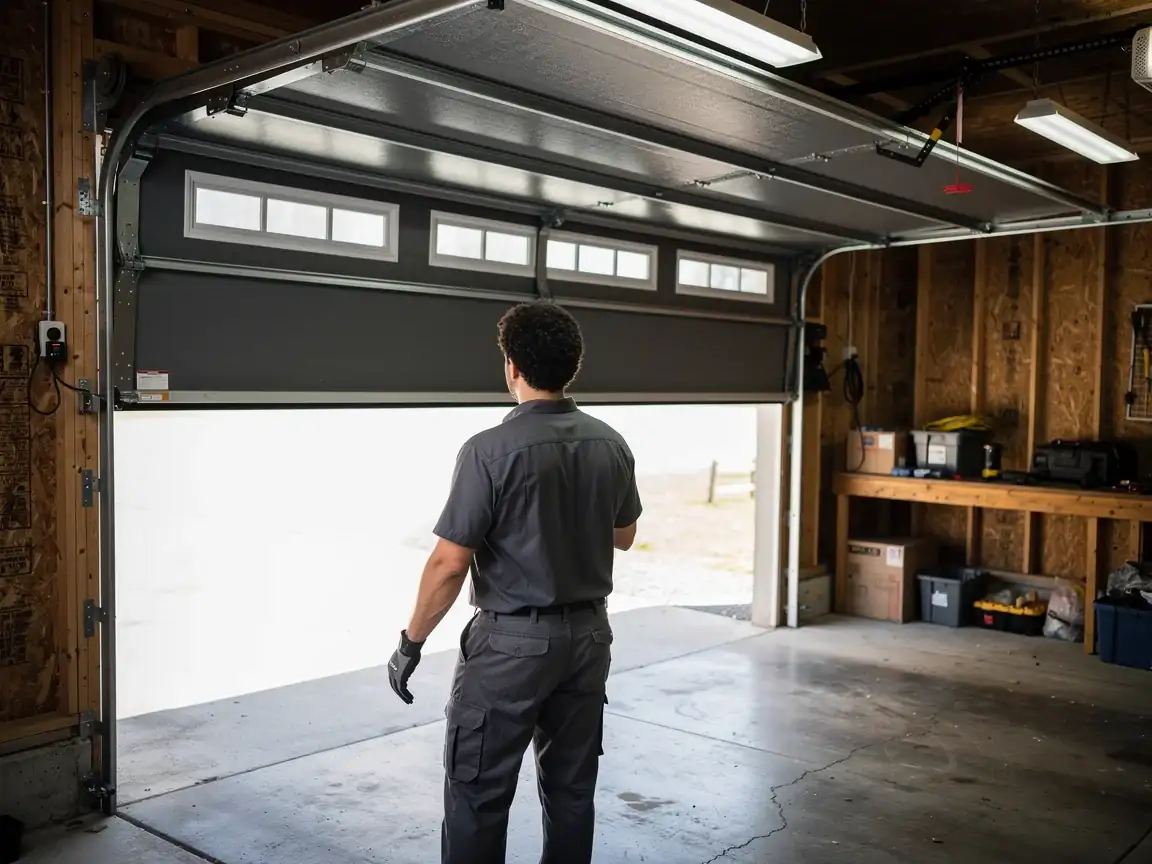
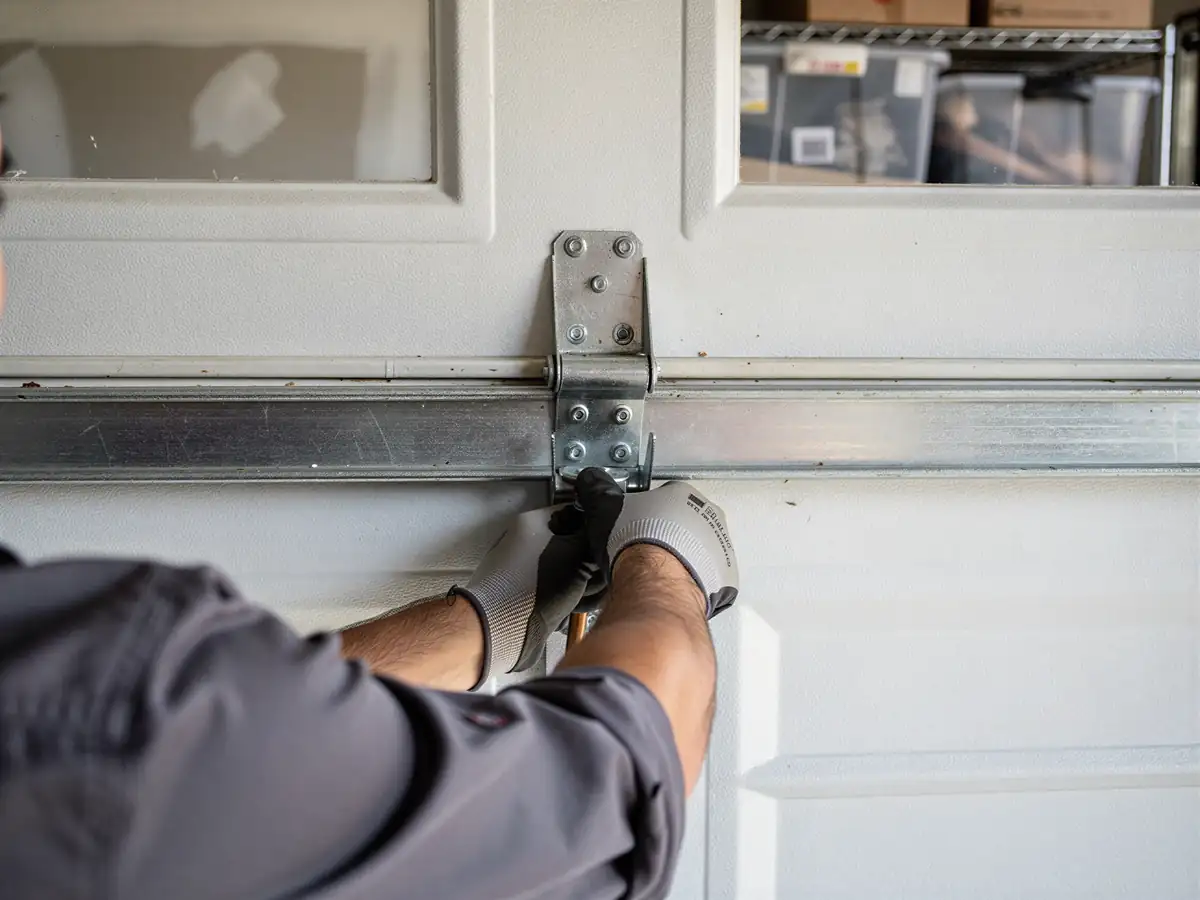
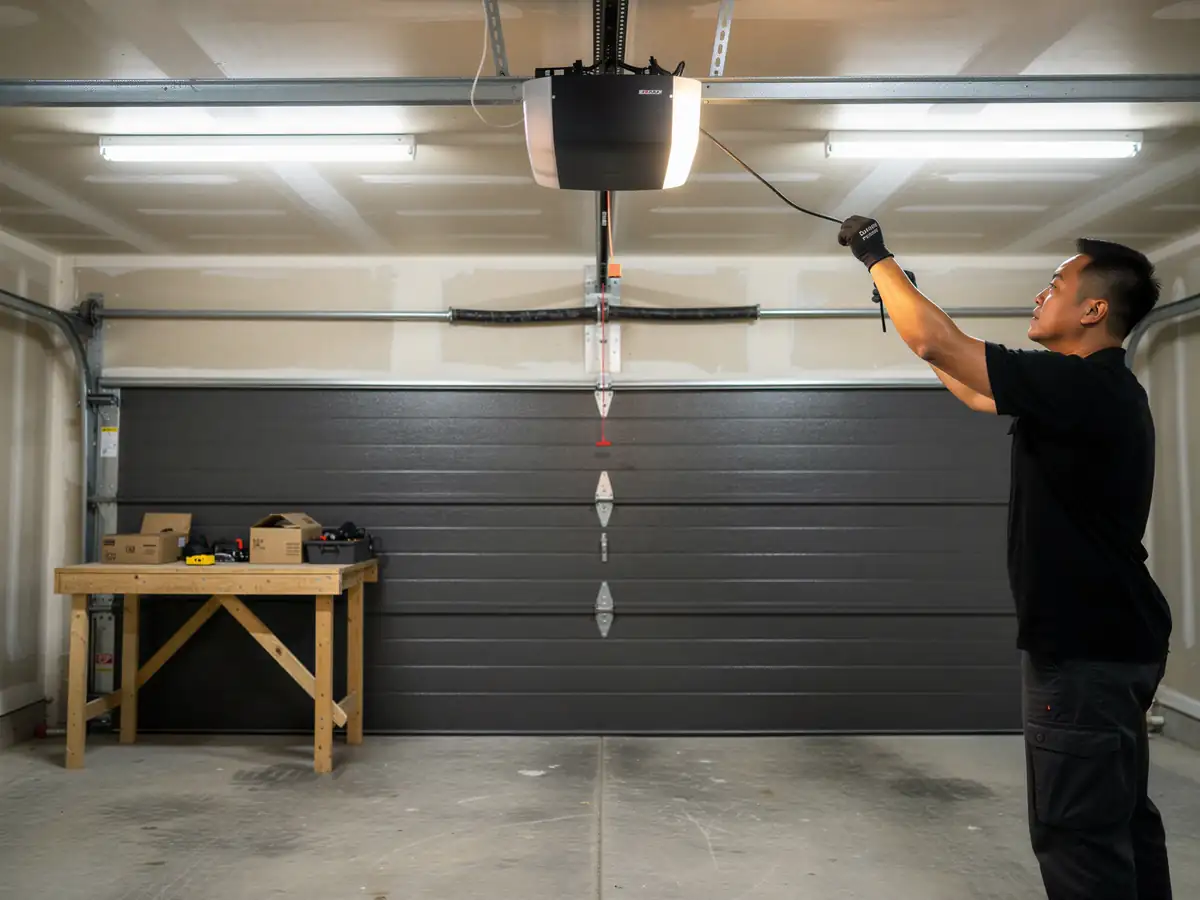
Spring replacement on a standard double door, once the right springs are on the truck, is usually the shortest job we run. Cable and roller work takes longer because it often means lifting the door off its track to access the drums. Opener board or circuit issues can go either way - sometimes it's a quick reset or sensor realignment, sometimes the board itself needs replacing and we won't have one in stock on the truck for every brand, which can mean a return trip. We're not going to promise a universal time window here since it depends entirely on what's actually broken and whether the part is one we carry standard.