The Complications
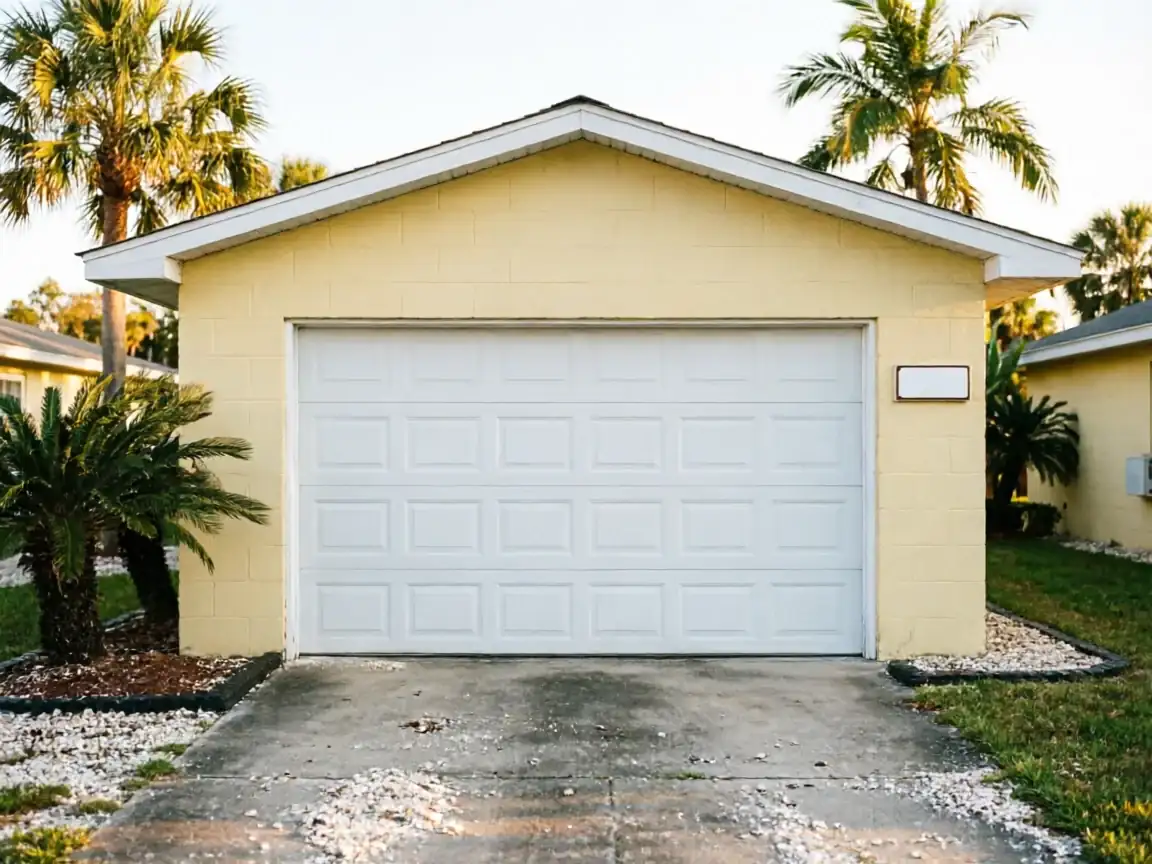
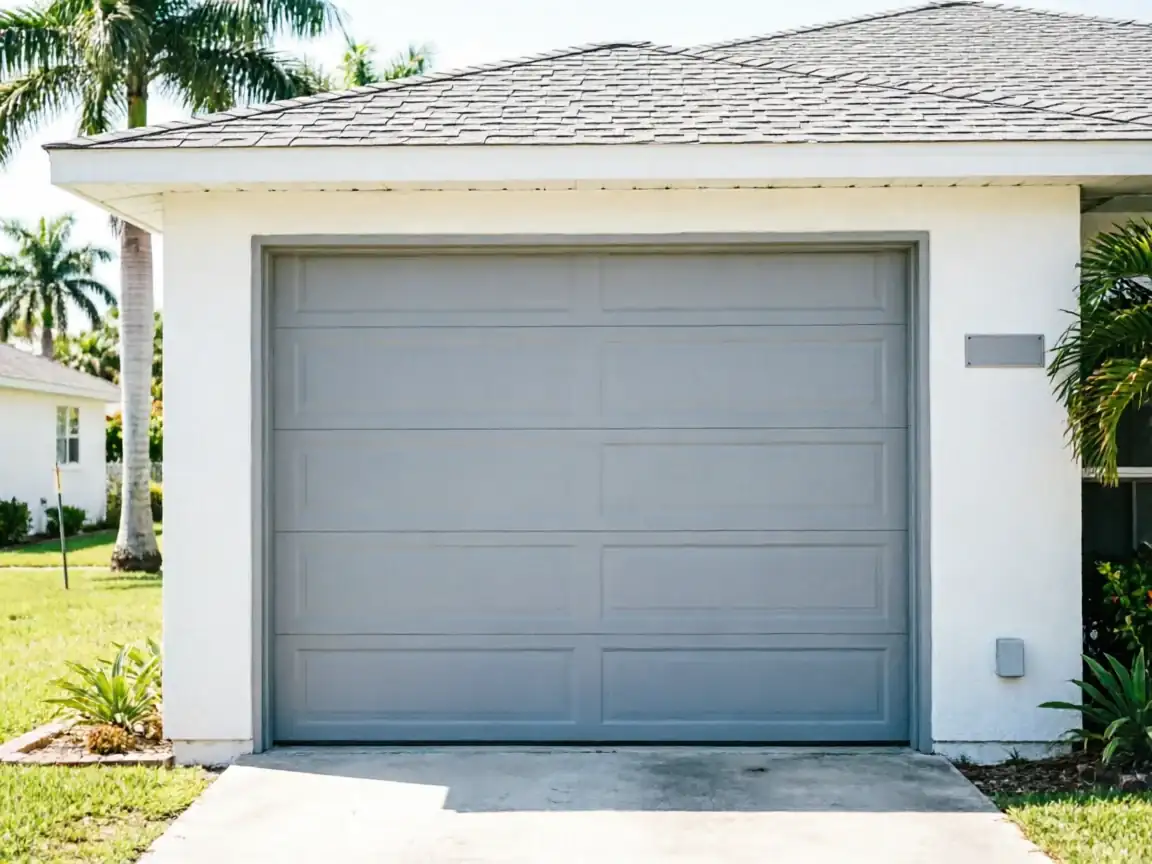
Cutler Bay sits about 10 miles from our Homestead base, which matters more for spring repair than it sounds like it should. A broken torsion spring doesn't wait for a convenient day, and the drive down means we load the truck with the right spring sizes before we leave rather than guessing once we're on site. That's the difference between one trip and two.
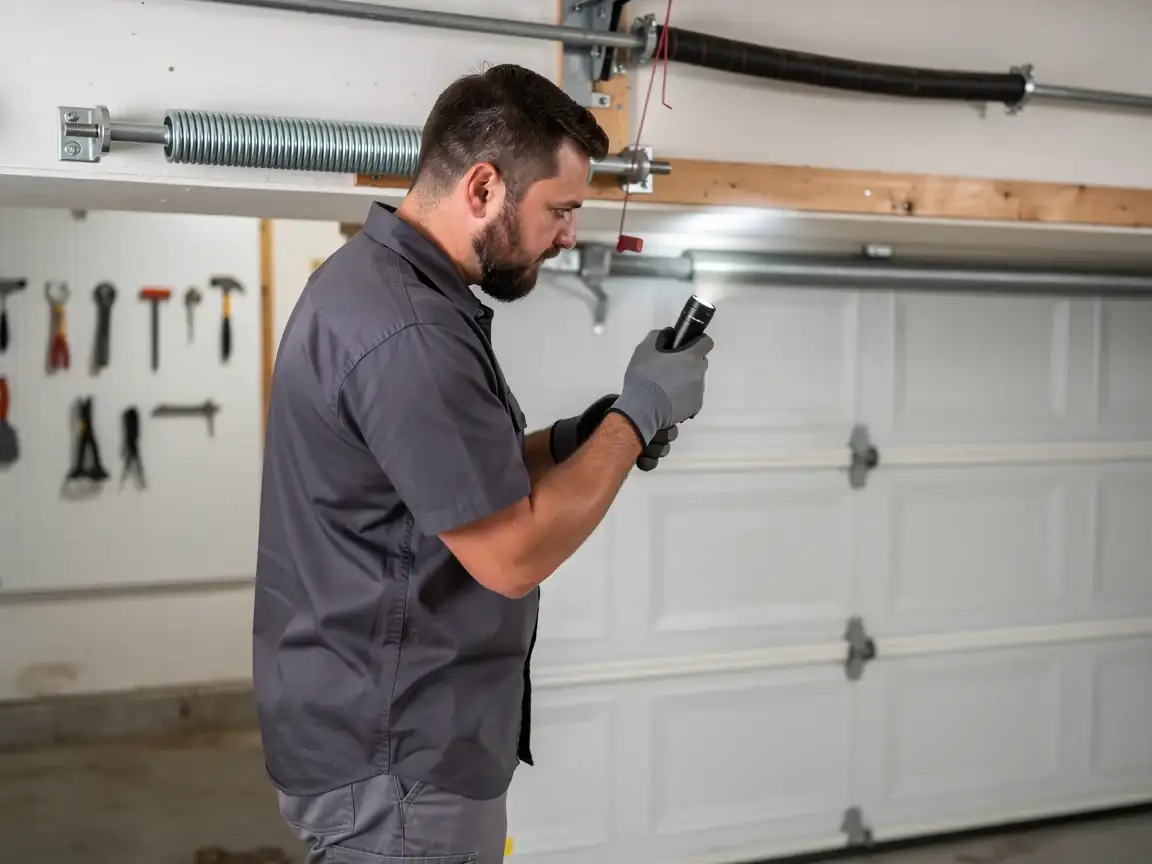
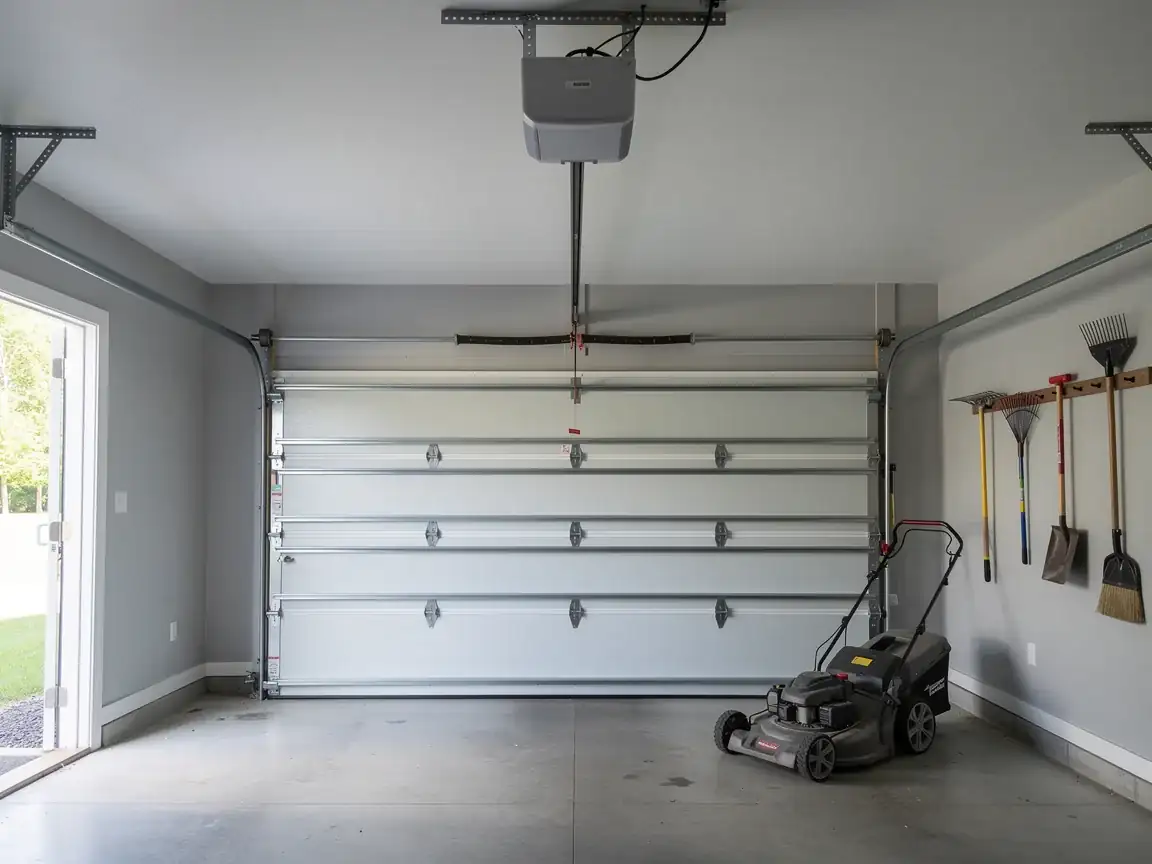
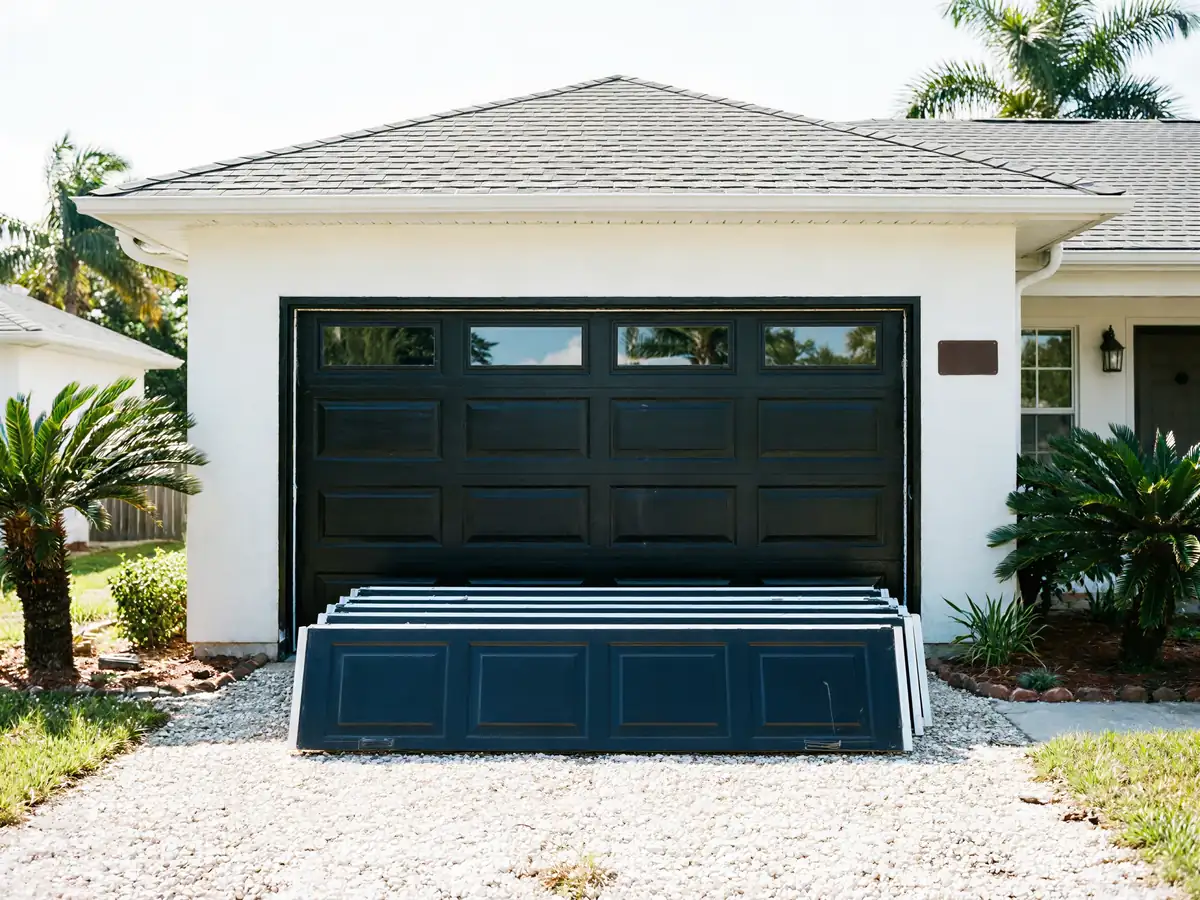
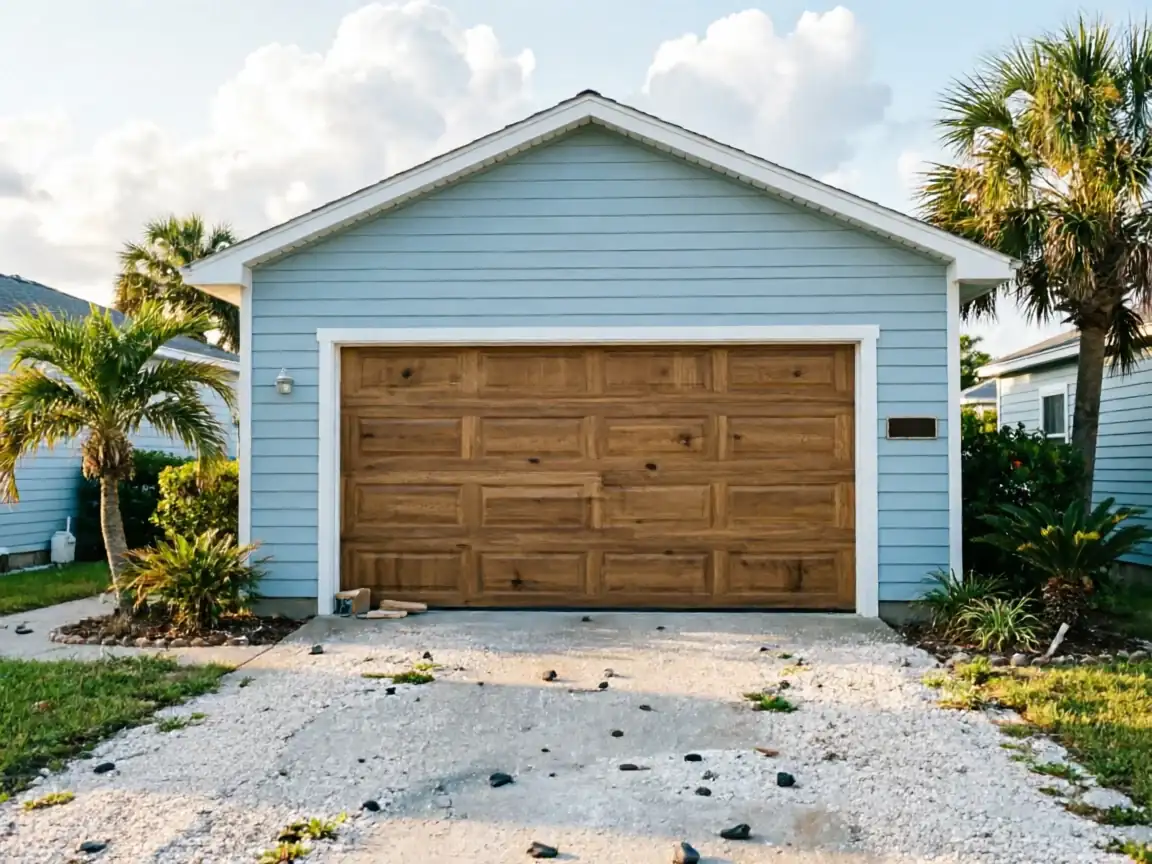
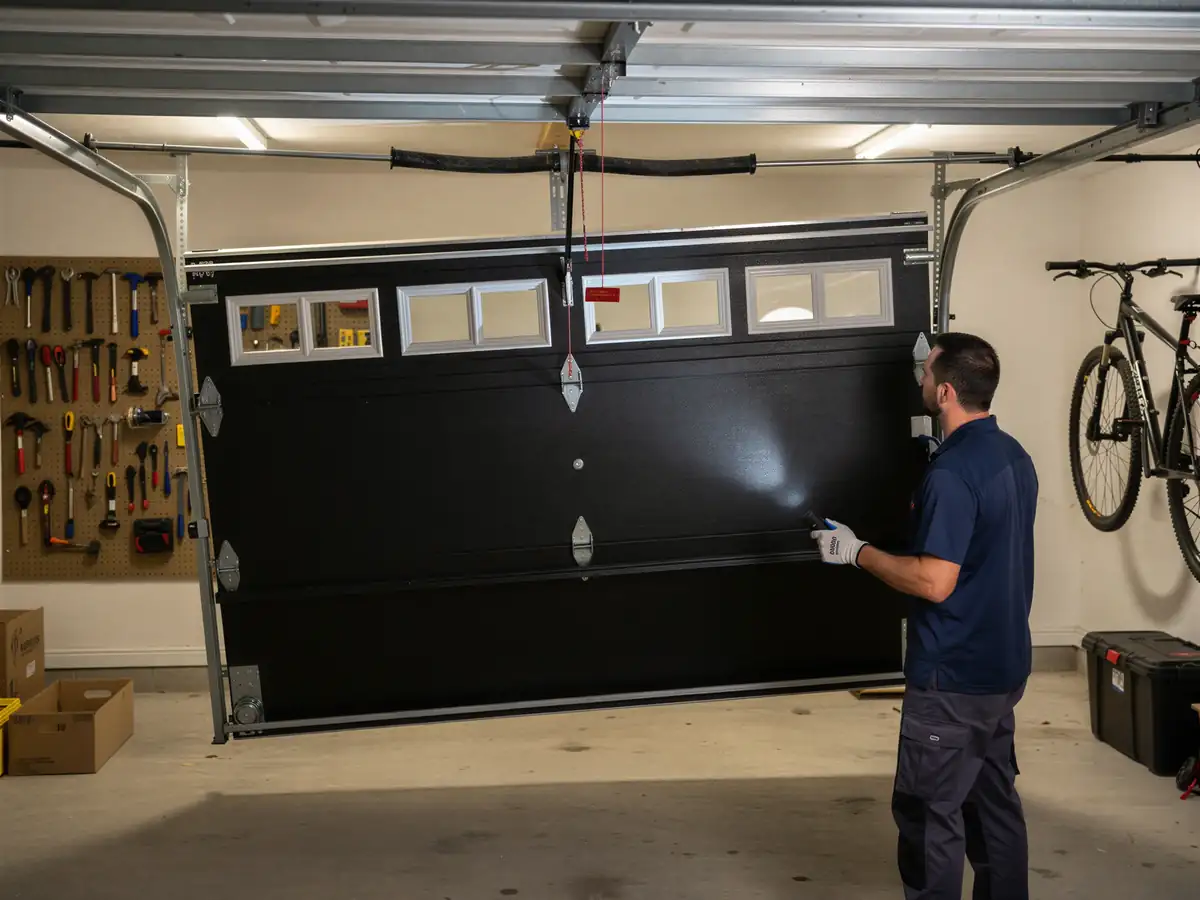
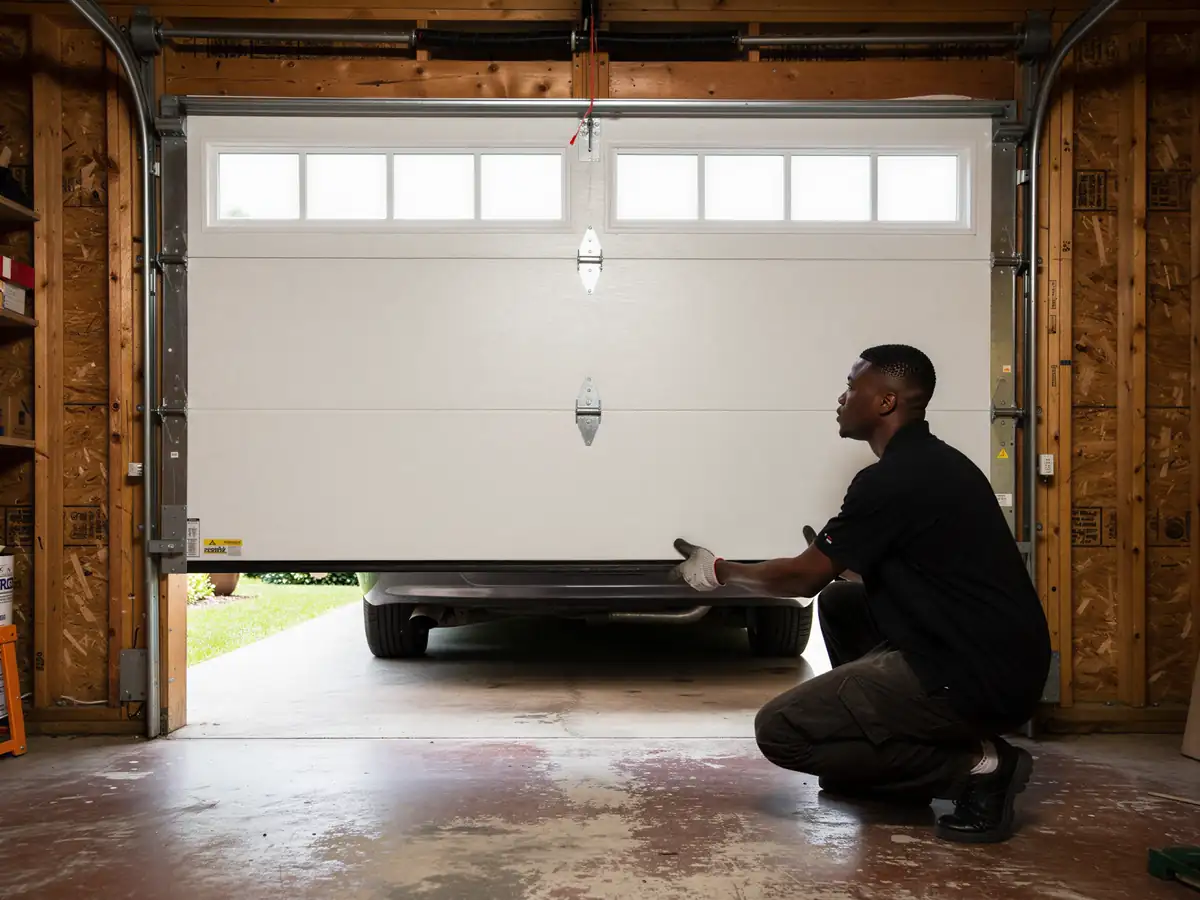
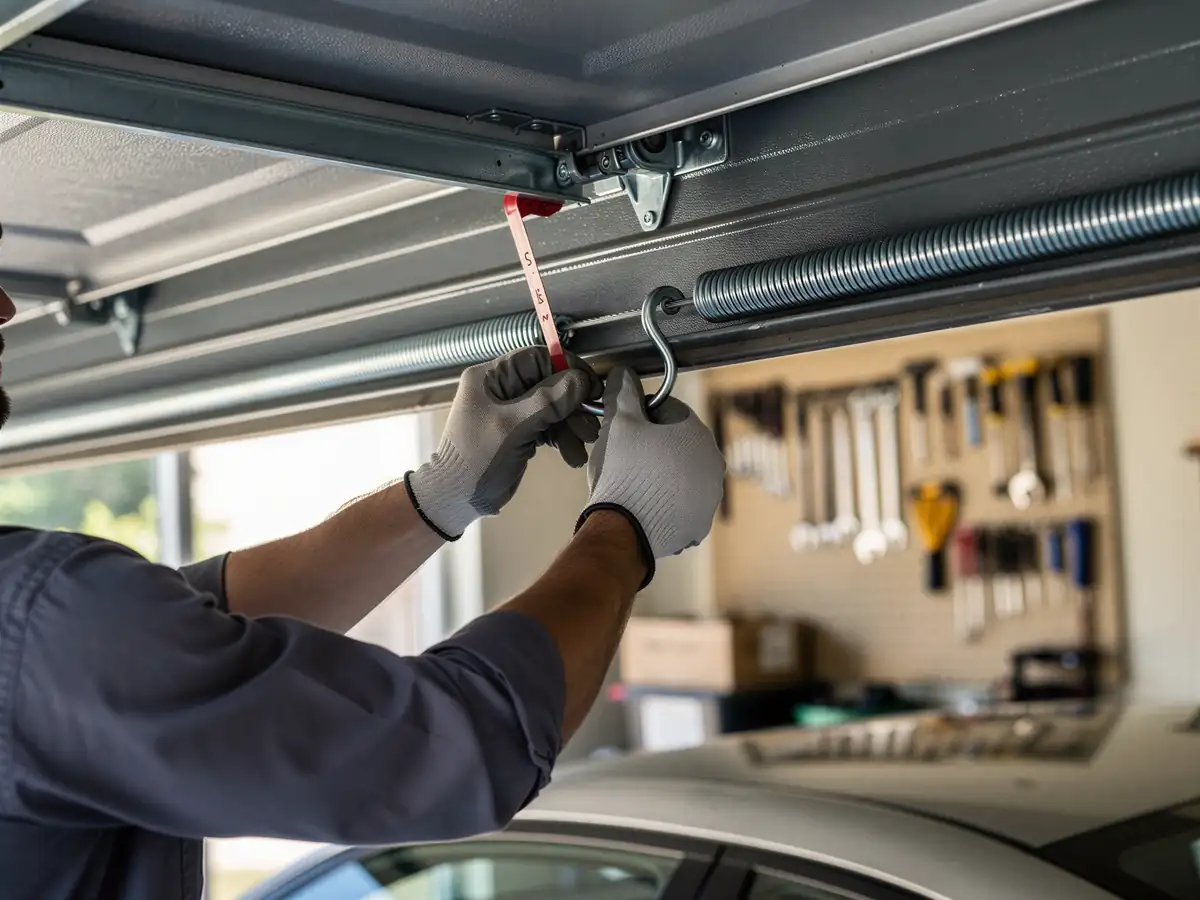
The houses here mostly date to around 1985, which puts Cutler Bay a bit newer than the older pockets closer to Homestead where doors can run back into the 1960s and 70s. That later build date usually means steel sectional doors on torsion springs rather than the older extension-spring setups you still find on some of the earliest houses in this part of the county. Torsion springs under tension are not a DIY fix - the wire gauge and wind count have to match the door's weight exactly, or you get a spring that either won't lift the door or cycles itself to failure in a few months.
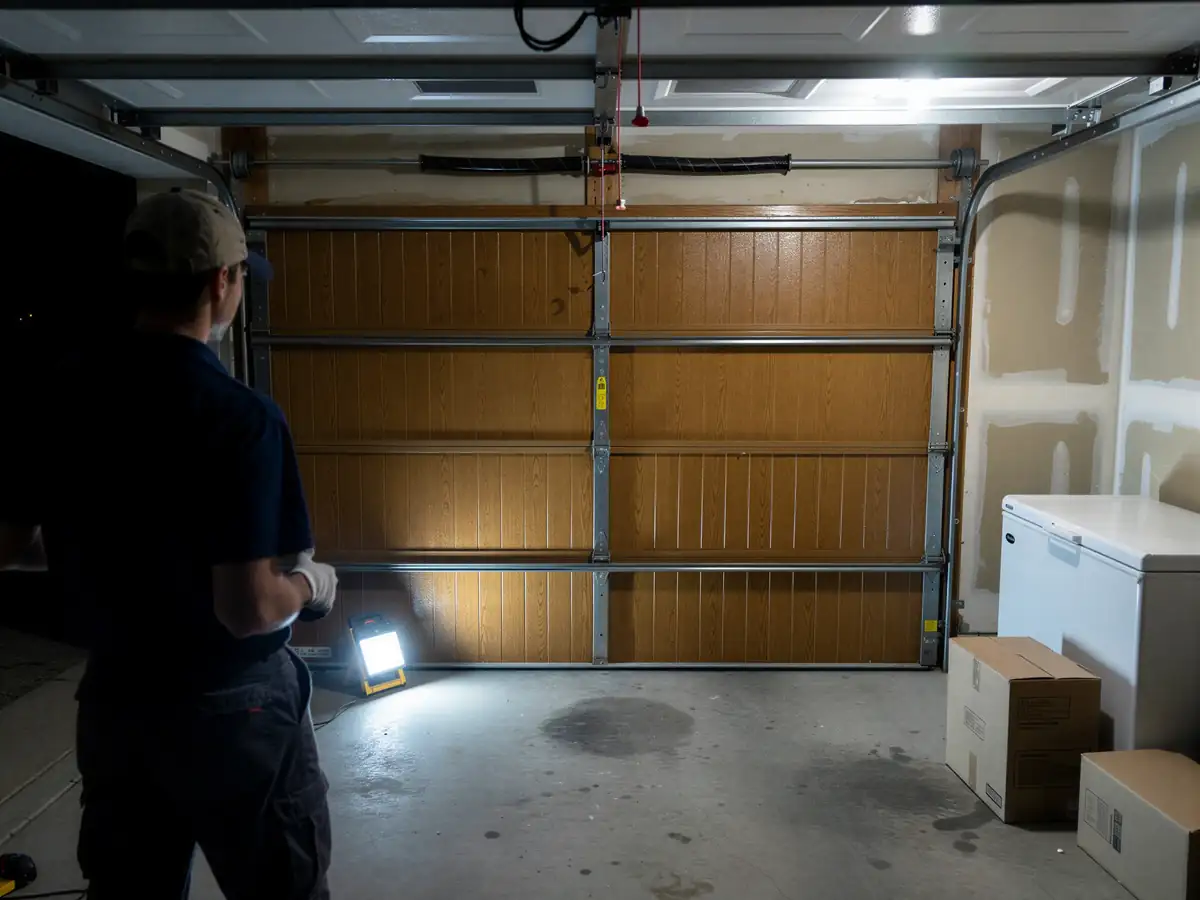
Salt air and heat cycling do their slow work on spring coating and cable zinc year-round in this mild temperate climate, so corrosion on the spring ends and the bottom brackets is something we check for even on a door that's otherwise working fine.
How Long It Takes
Most spring jobs here run under two hours once we're on site - that part doesn't change with the address. What does change is trip planning. Because Cutler Bay is a 10-mile run from where the truck is stocked, we try to confirm the spring size and door weight over the phone before we're on the road, rather than finding out we need a part we didn't bring. That's not a Cutler Bay problem specifically, it's a distance problem, and it's one we plan around rather than promise away.
We don't give a fixed response-time window for this area because we haven't published one, and I'd rather tell you that than make one up. What I can tell you is that a same-day job is realistic when the spring size is known ahead of time.
How We Fix It
We don't patch a broken torsion spring
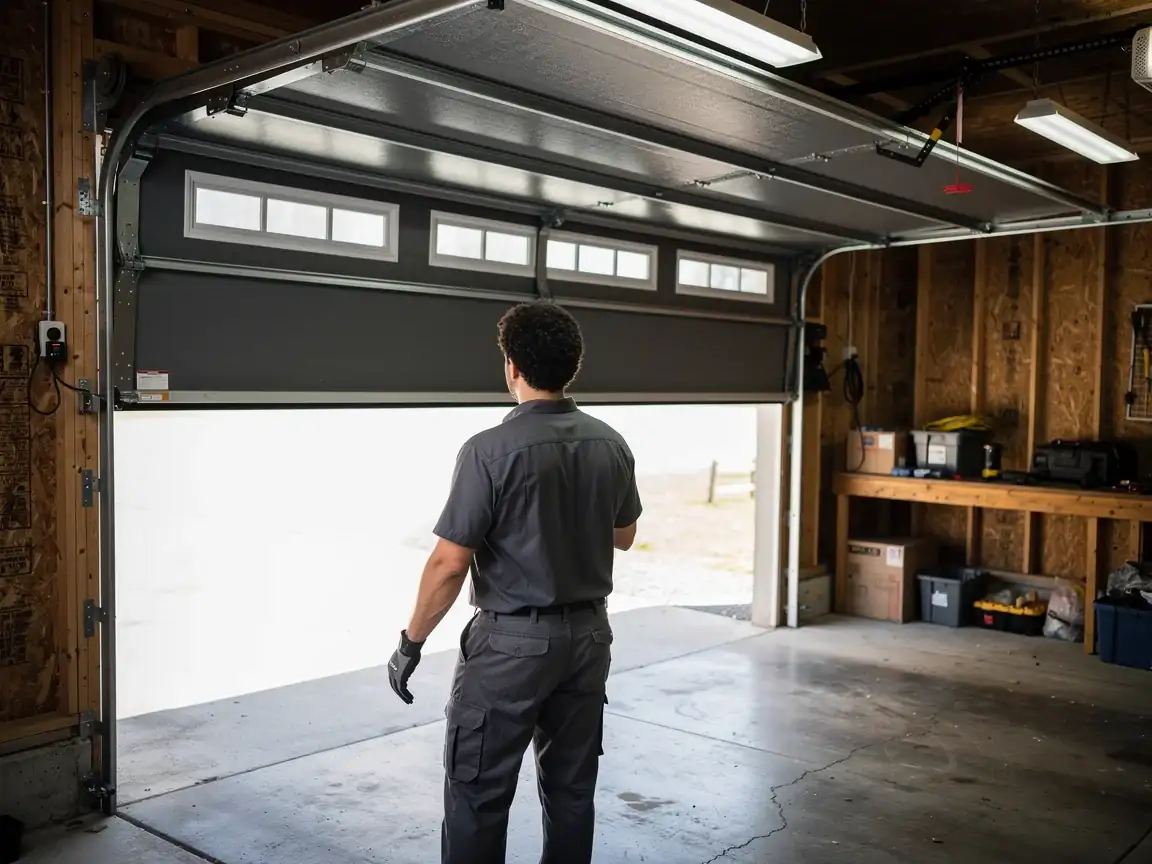
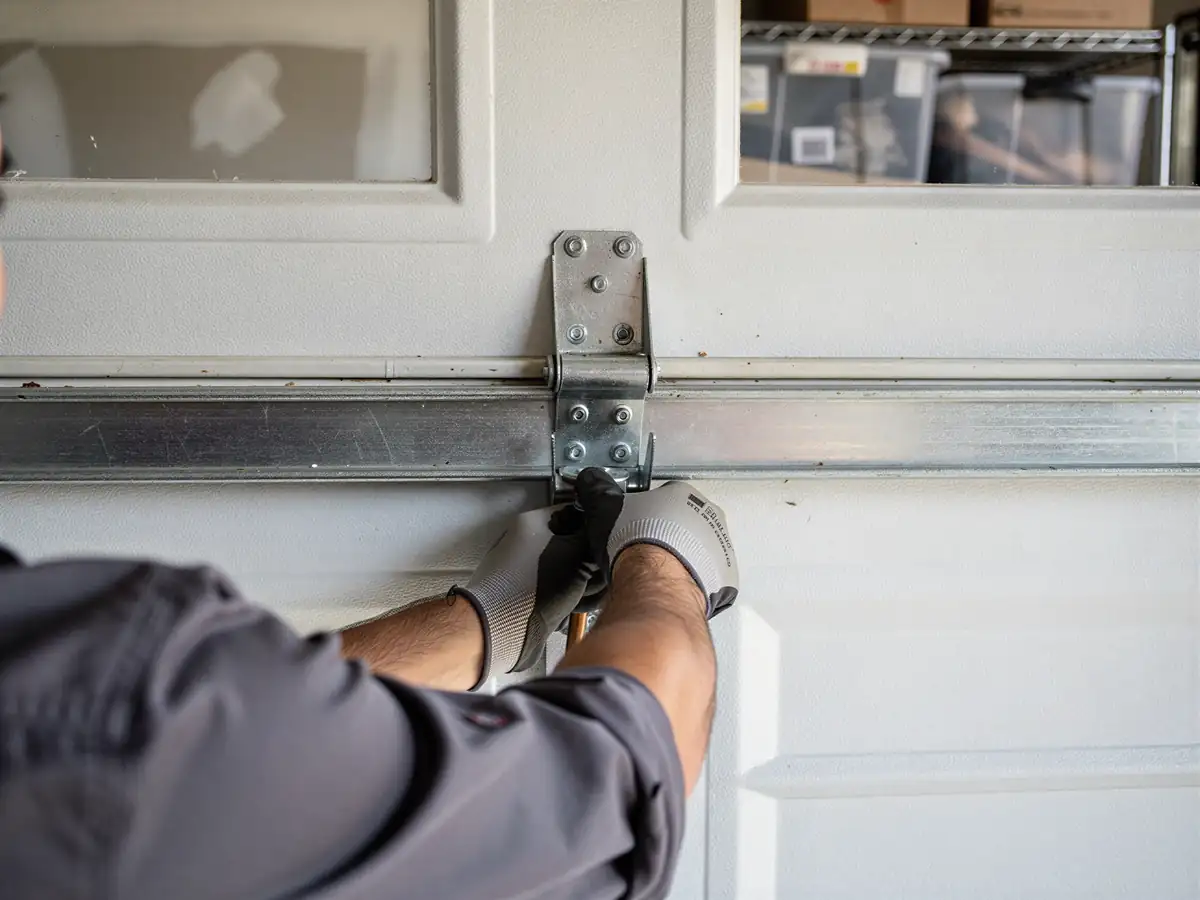
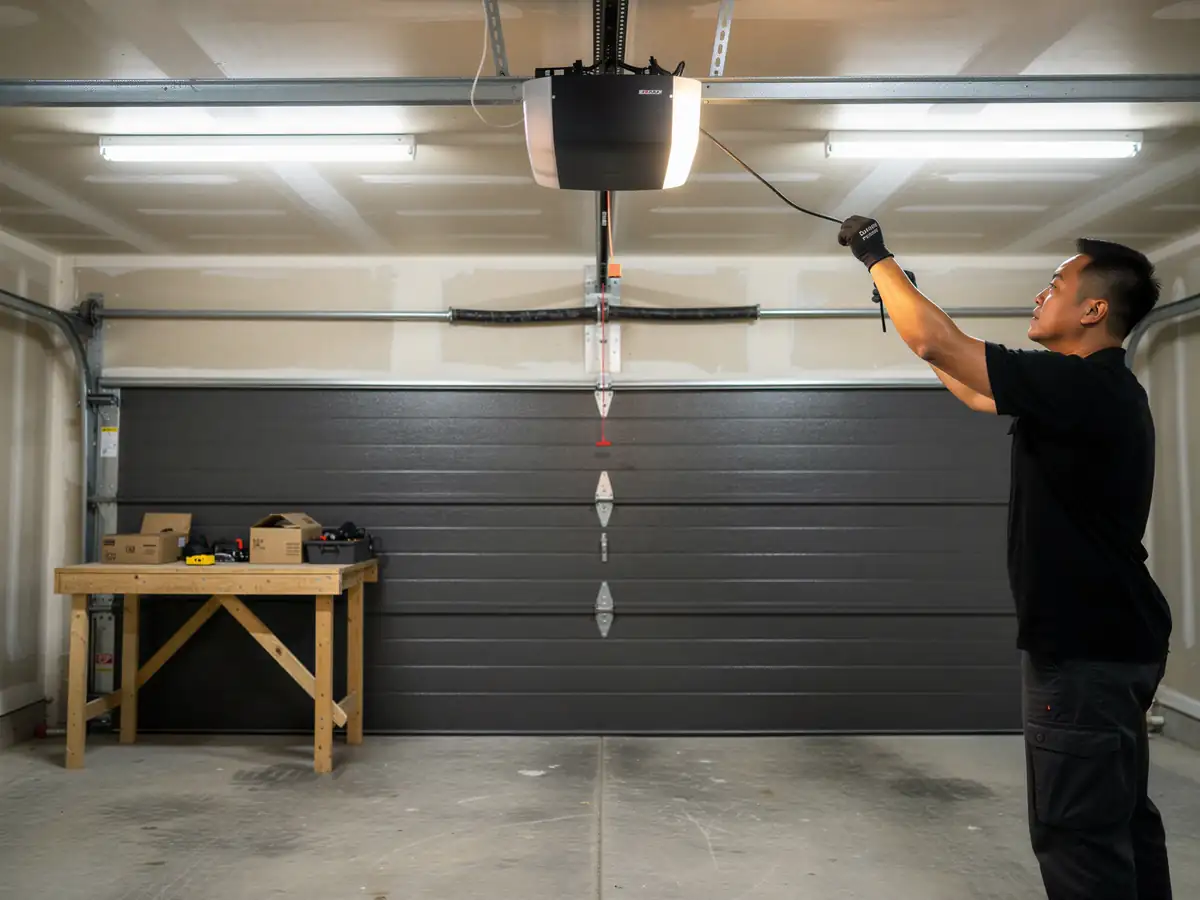
We replace it, and on a double door we replace both springs even if only one let go, because the other is on the same age and tension cycle and tends to follow within weeks. The old spring comes off the center bracket, we check the shaft and bearing plates for wear, swap in springs matched to the door's weight and the drum size, and wind them to the right number of turns for the door's height. Then we cycle the door by hand before touching the opener, because a spring that's wound wrong will fight the opener and burn it out early.
For houses built nearer 1985, steel sectional doors on torsion hardware are the norm
And that's what most of this work looks like out here. If a door is on an older extension-spring setup, the fix is different - new safety cables matter more there, since extension springs that snap without a cable can travel.
One honest limit: if the torsion shaft itself is bent or the bottom brackets are rusted through
Spring replacement alone won't fix the door, and we'll say so rather than sell a spring job that won't hold.
What Is on the Truck
We stock torsion springs across the common wire-gauge and wind-count combinations that fit steel sectional doors from the 1980s and 90s build era, since that's what a lot of Cutler Bay's roughly 14,535 households are living behind. We also carry extension springs and safety cables for the older setups still found on earlier houses in the wider service area. Before the 10-mile drive out, we try to pin down door weight and spring length so the truck is loaded right the first time - a wasted trip costs you a day, not just us.
What we don't carry is every spring size for every custom or oversized door on the market. If a door is an unusual width or a heavier insulated model, we may need to order a spring, and we'll tell you that up front rather than discover it on site.