The Complications
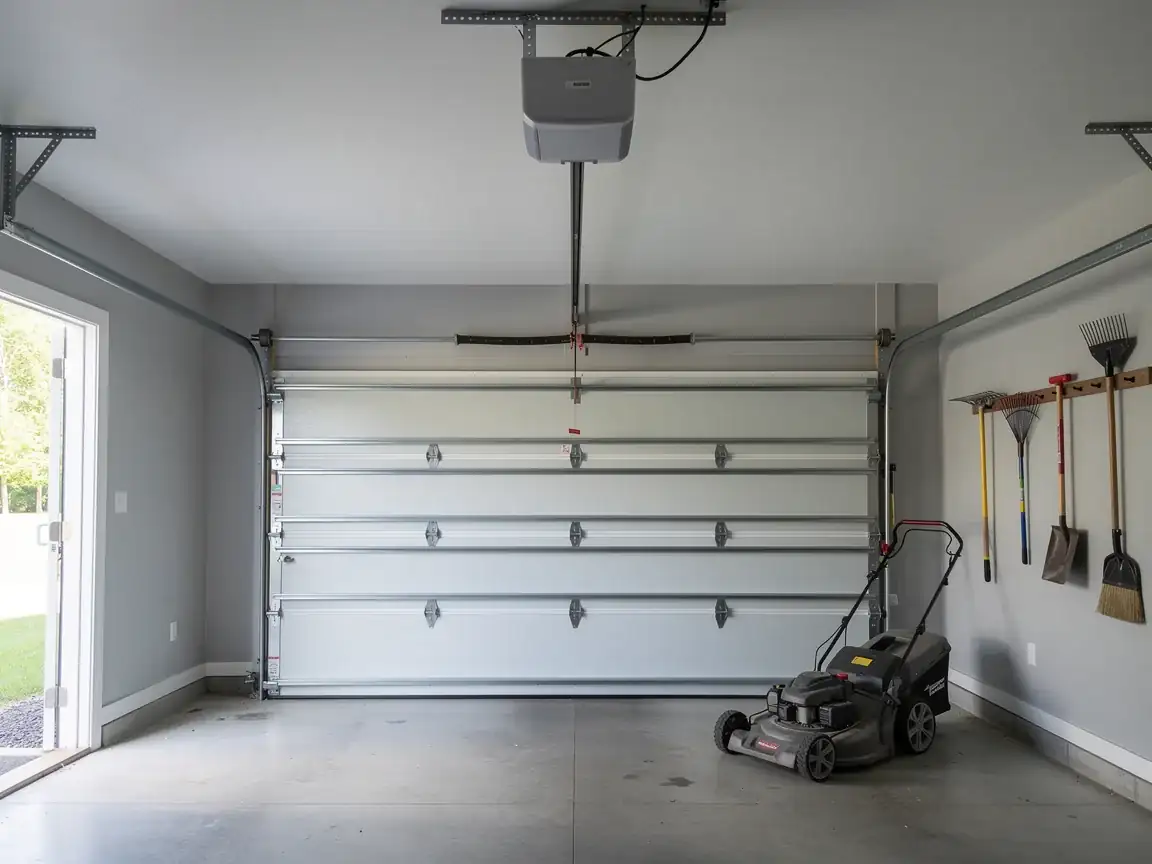
Cutler Bay's housing stock centers on 1985, which puts it noticeably newer than the 1979 median across the territory we cover out of Homestead. That six-year gap matters more than it sounds. Homes from the late 1970s in other parts of the service area often still carry original steel sectional doors on extension-spring hardware that was already dated when it went in. Cutler Bay's 1985-era construction more often means an early torsion-spring setup and a chain-drive opener from a period when insulation specs and track clearances were already shifting toward what you'd recognize in a door today.
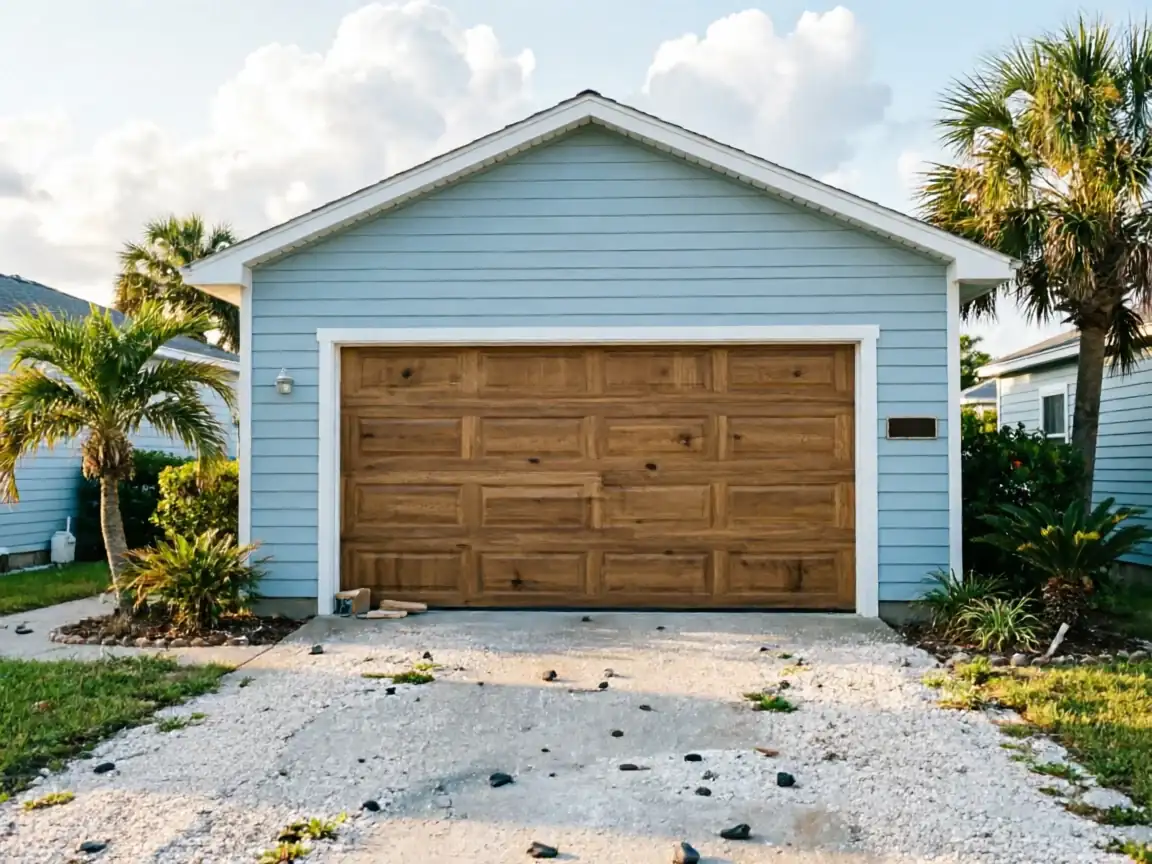
That doesn't mean the job is simpler. A 1985 opening was framed to codes and header heights that were standard then, and not every new door on the market drops in without header or track modification. We've also found that a lot of 1985-era double openings were sized a notch narrower than what builders use now, so a straight swap for a modern 16-footer sometimes needs jamb work first.
The other wrinkle is climate, not age. The service area sits in a mild temperate band, so we're not fighting the freeze-thaw cycles that crack old tracks up north, but humidity and UV still take a toll on panel finish and weatherstripping over three or four decades. A door that looks structurally fine can still be shedding its seal.
How Long It Takes
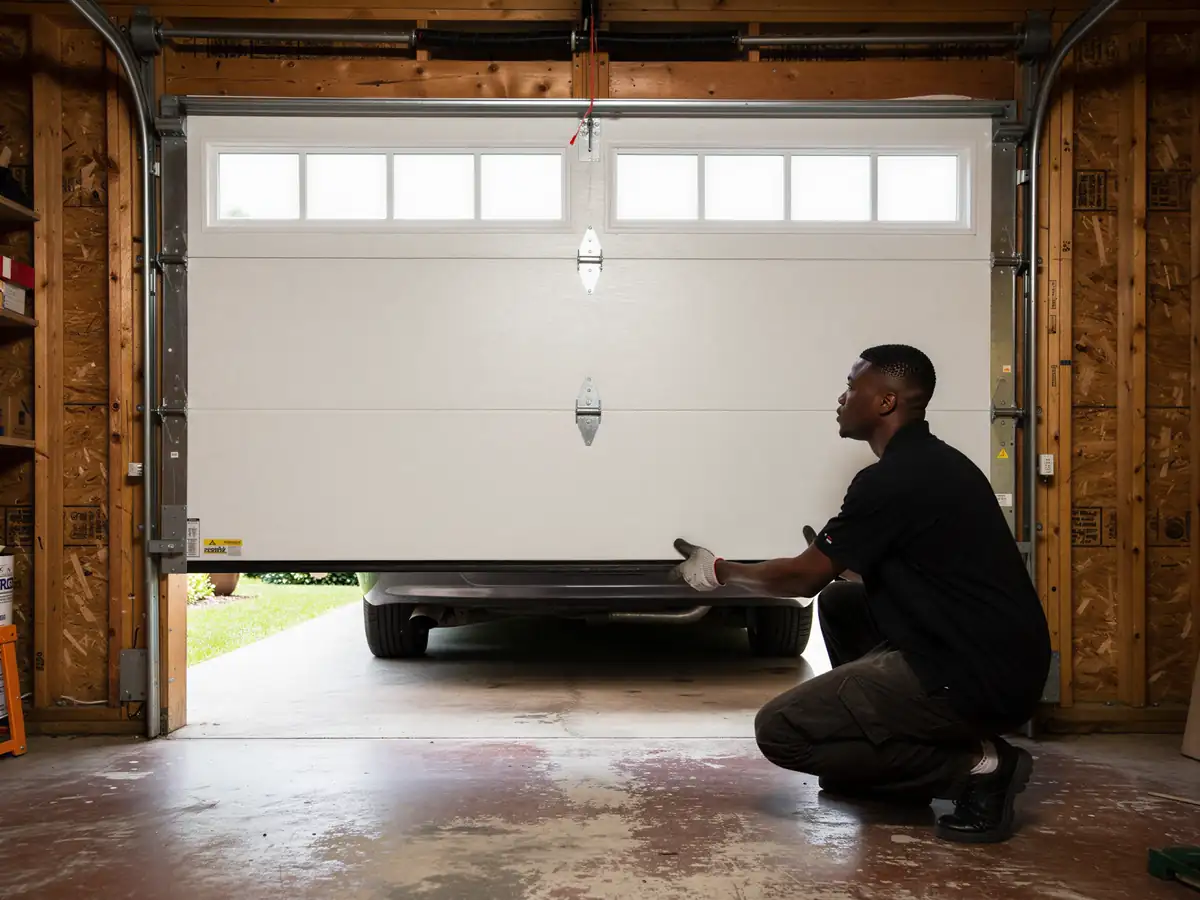
We run this job from Homestead, 10 miles out, so the drive itself isn't the variable - the opening is. A straightforward swap, same size opening, no header or track rework, is a one-visit job. Where Cutler Bay's 1985-era framing doesn't match a stock door width or height, we're back a second time once jamb or header adjustments are done, because that work needs to cure or settle before the new door hangs square.
We don't quote a install window without seeing the opening. Anyone who tells you a firm number over the phone for a house they haven't measured is guessing. What we can tell you is that most single-door jobs on this kind of housing stock finish same day, and most double-door jobs with any framing surprise take two trips.
How We Fix It
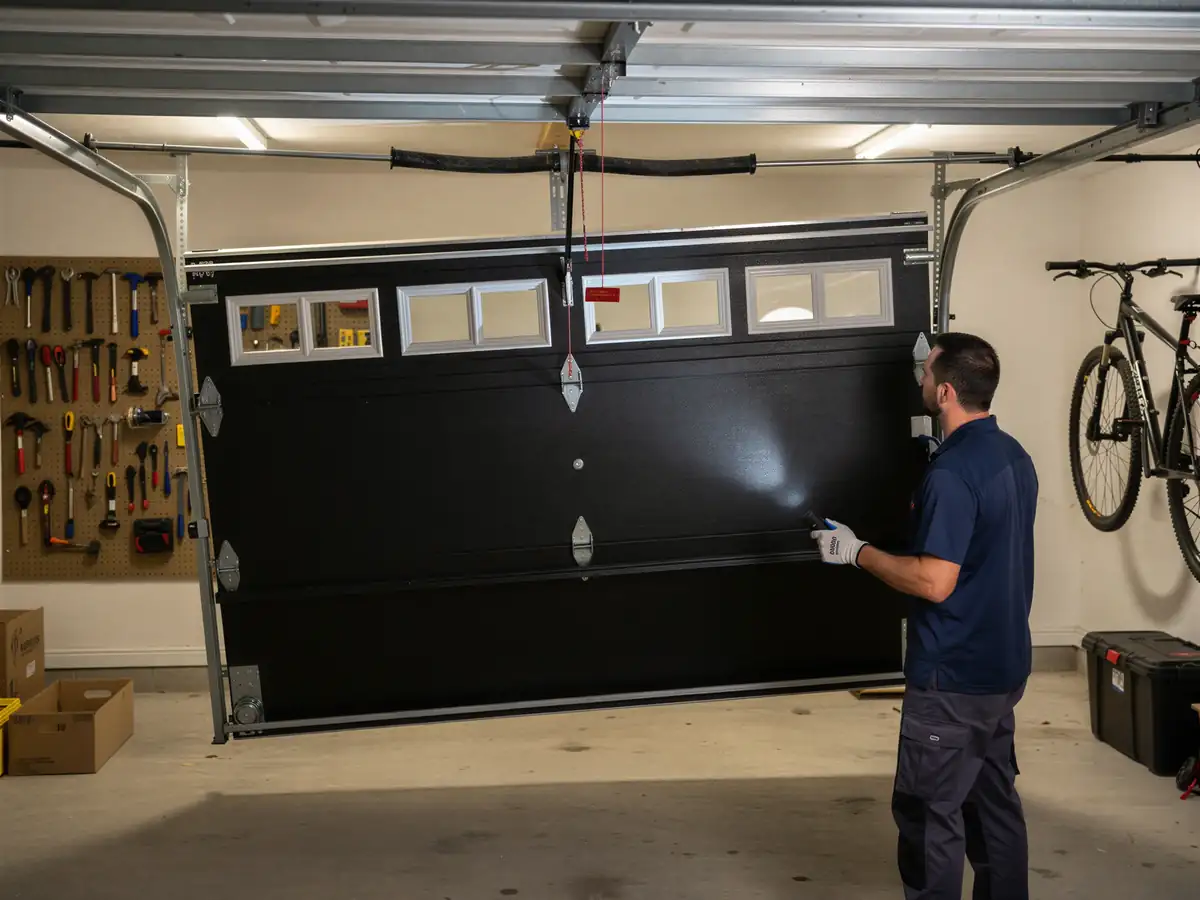
We start by measuring the actual rough opening against the door you want
Not the other way around. On 1985-era construction that usually means checking header height and track clearance before we ever order hardware, because a mismatch there is the single most common reason a new door install stalls halfway through.
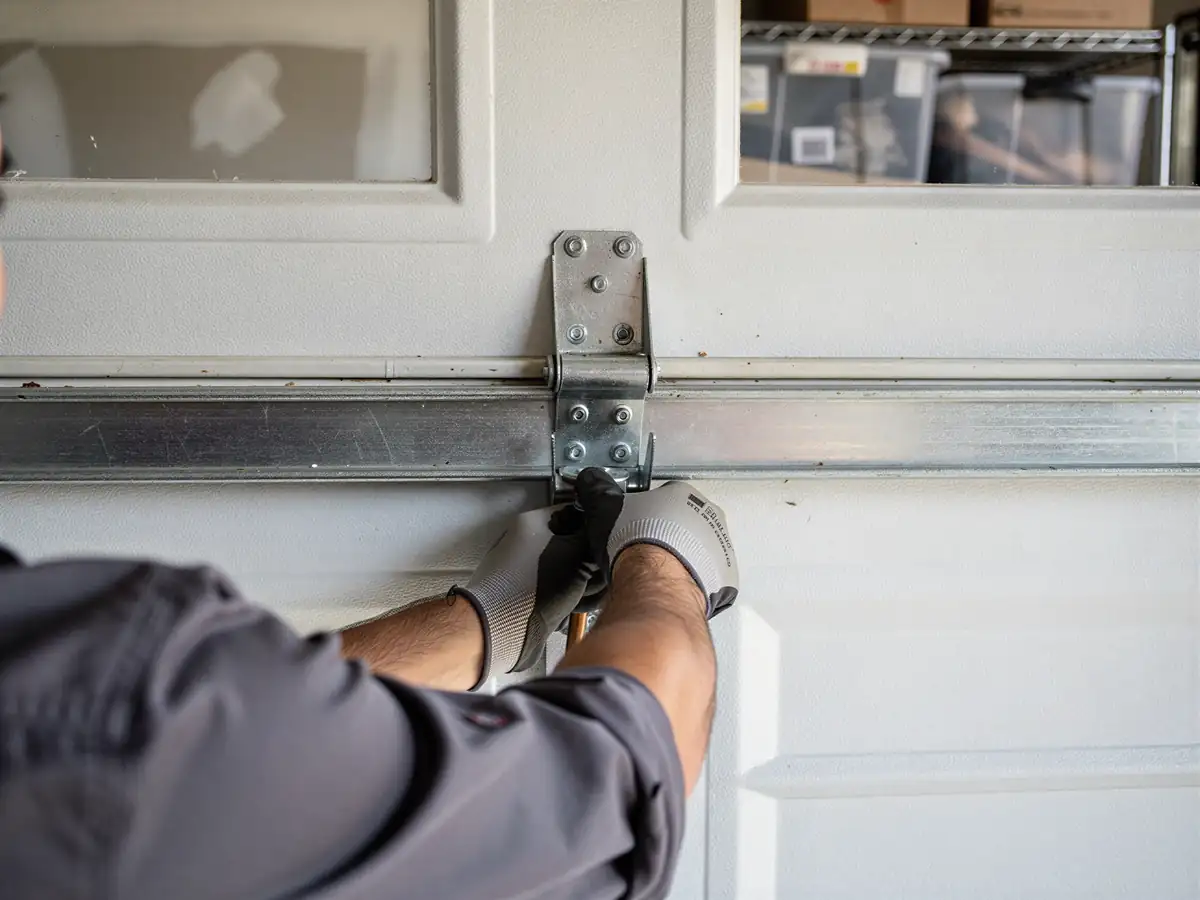
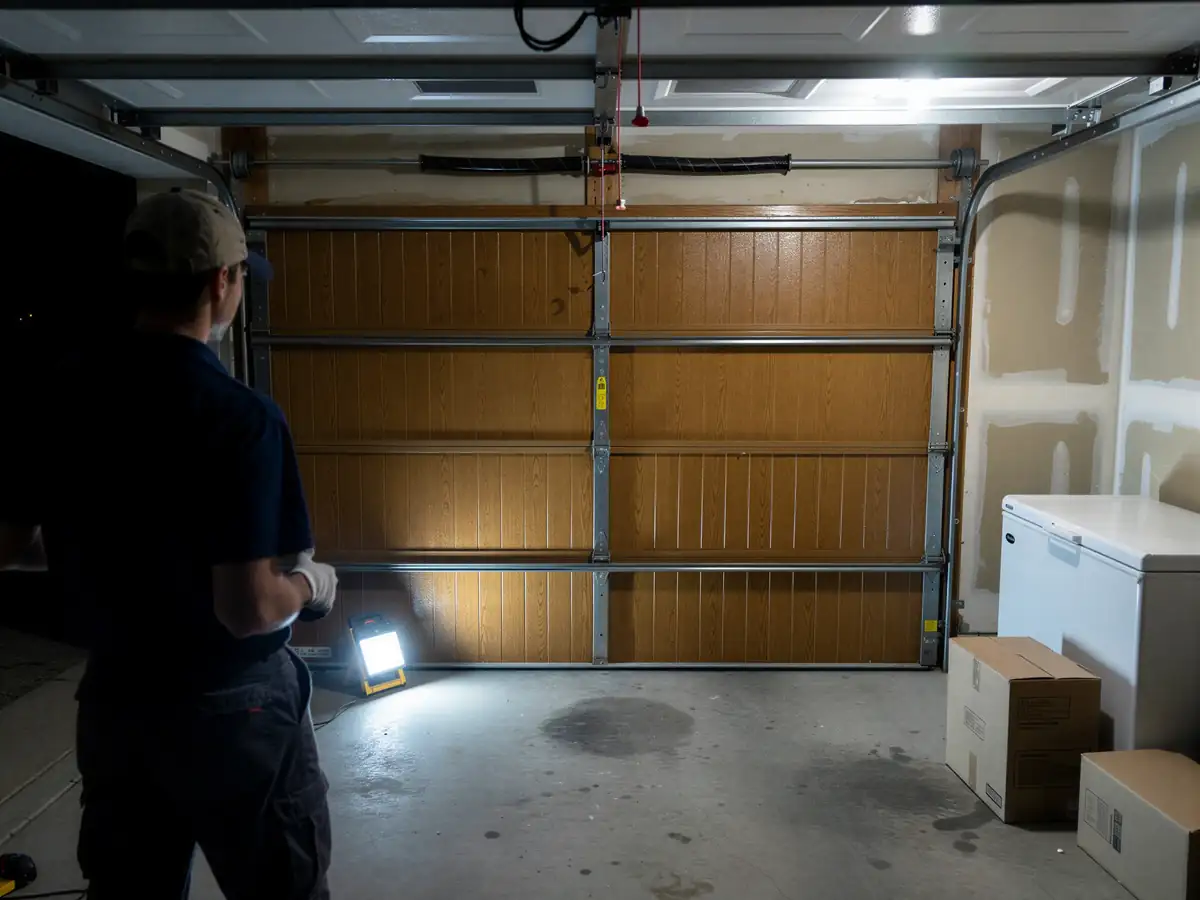
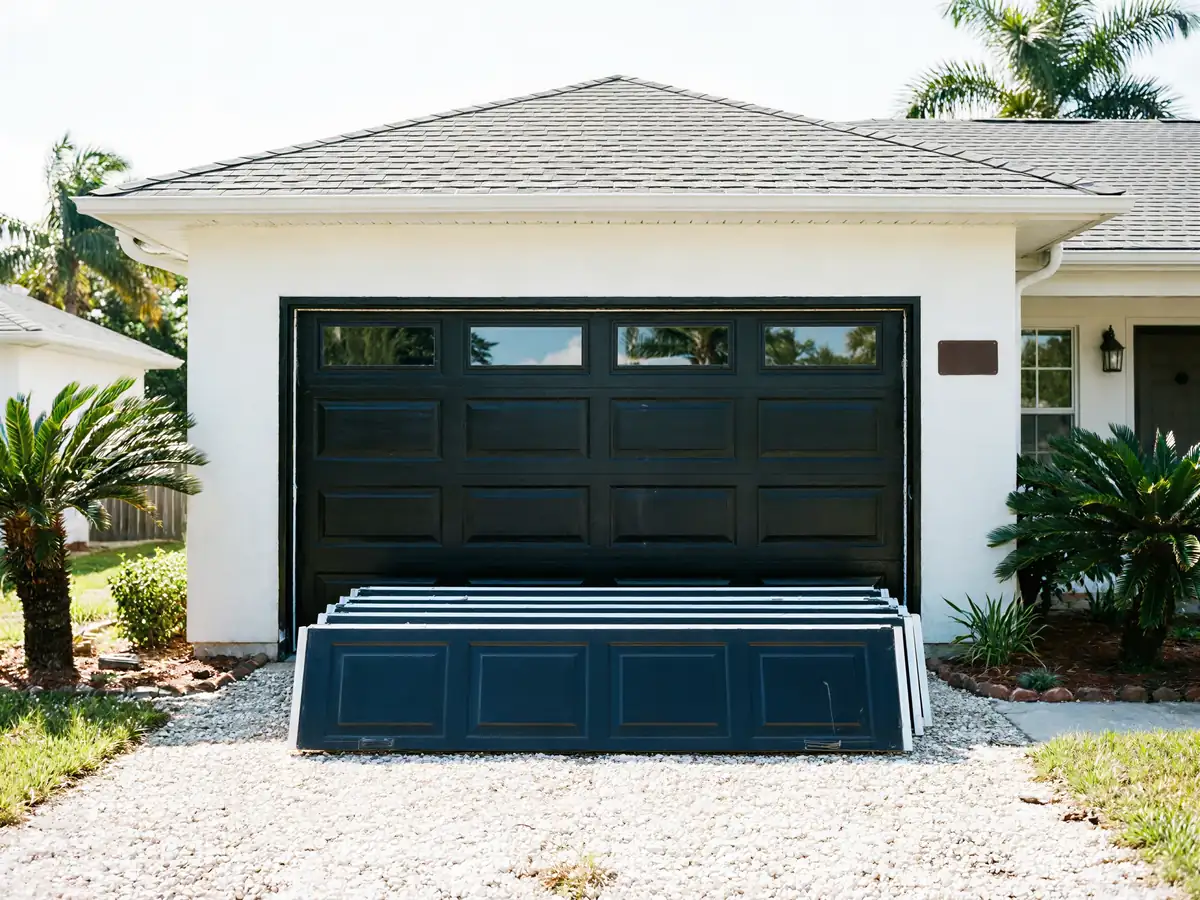
Once the opening's confirmed, we pull the old door, spring assembly, and track as one job rather than piecemeal
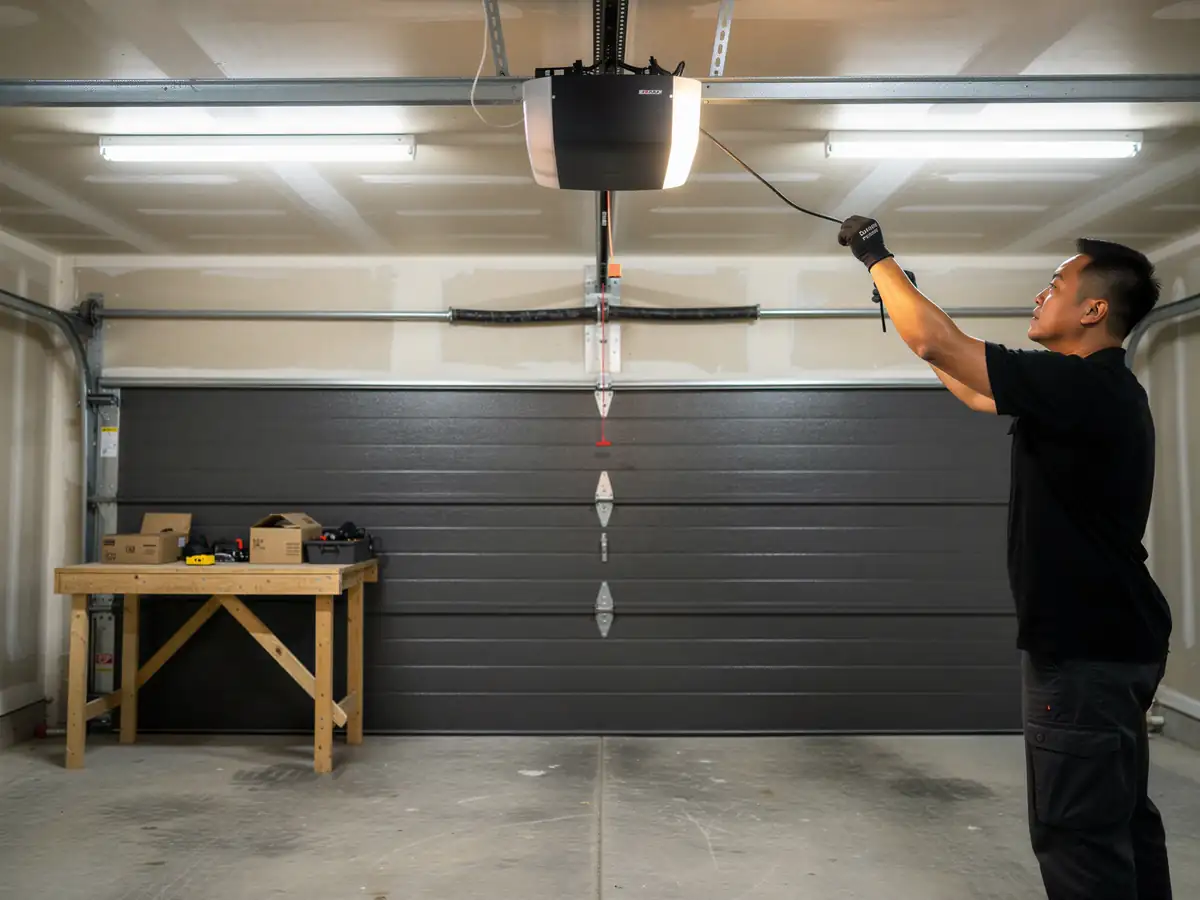
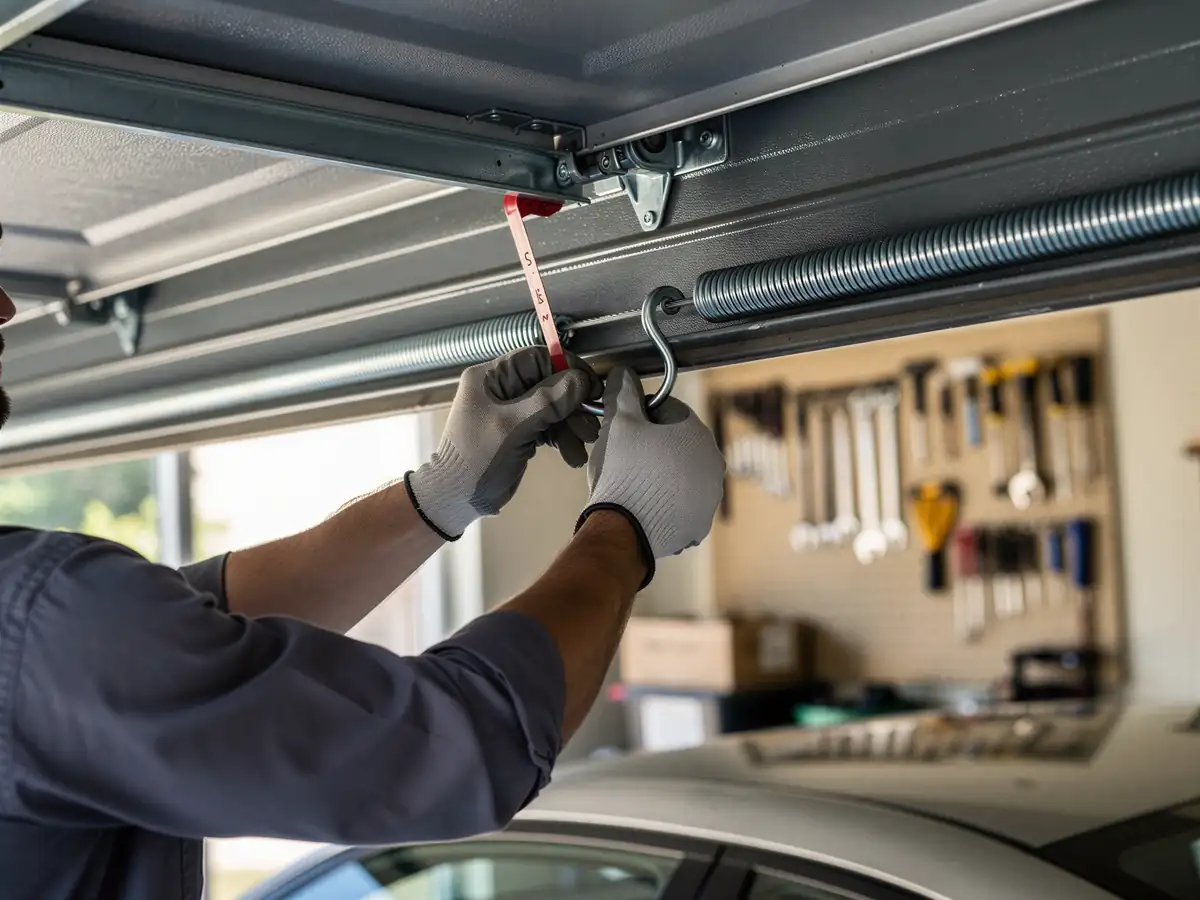
Reusing old track on a new door is a false economy that shows up as noise and wear within a year. New torsion springs get sized to the actual door weight, not a generic chart number, and we set the opener's travel limits and force settings by hand rather than trusting factory defaults, which matter more on an opening that's 40 years old and may have settled slightly out of square.
- 40 years
One honest limit: if your opening needs structural framing work
Not just trim, but header or jamb replacement - that's a carpentry job we don't do ourselves. We'll tell you plainly if that's what you're looking at before we order a door, not after.
What Is on the Truck
Because we're driving in from Homestead rather than working out of a local yard, the truck carries what covers the range of openings we see across the territory - standard 8-foot and 16-foot steel sectional doors in common insulation grades, torsion springs across the weight range those openings need, and both chain and belt-drive openers. What we don't stock is custom-width doors or anything built to a non-standard header height; those get special-ordered once we've measured your opening, which is the usual reason a second visit gets scheduled.
For a neighborhood built mostly in the mid-1980s, the parts that go out the door most often are standard torsion hardware and openers with updated safety reversal - the kind of replacement that matches what's already there rather than anything exotic.