The Complications
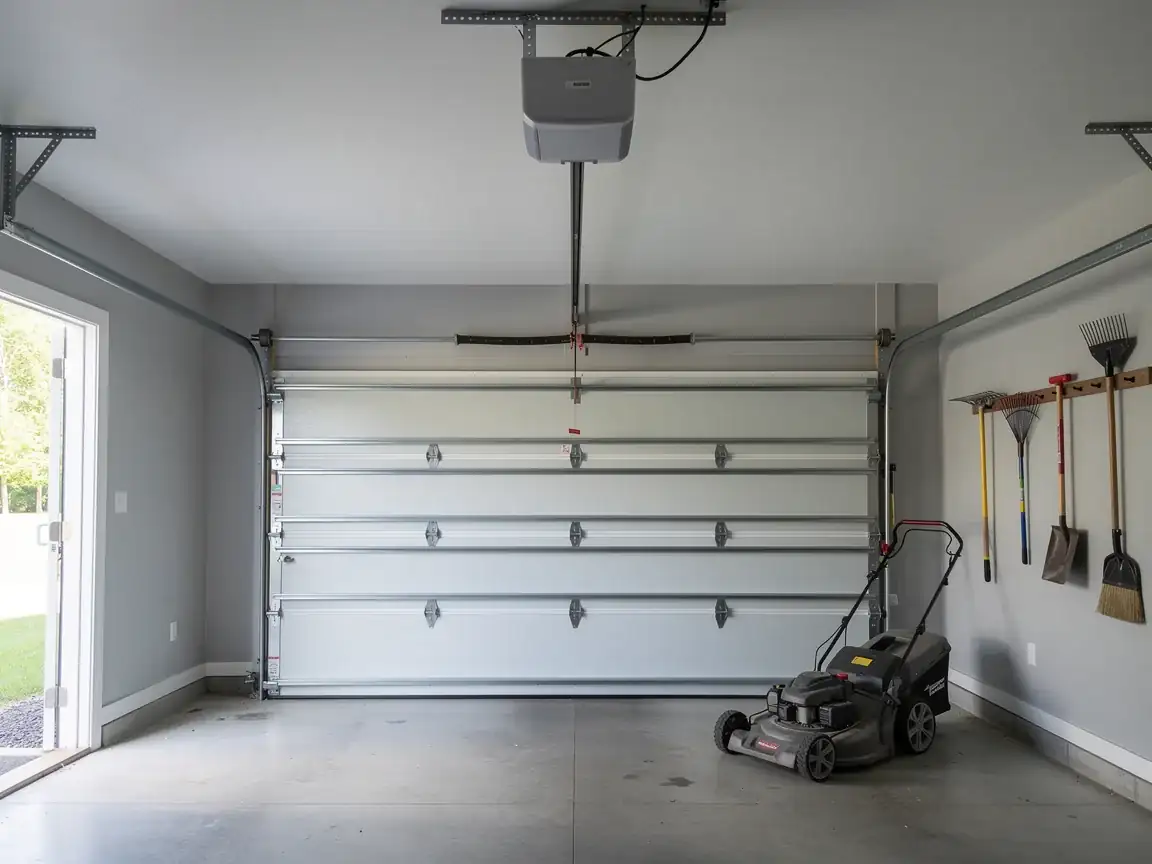
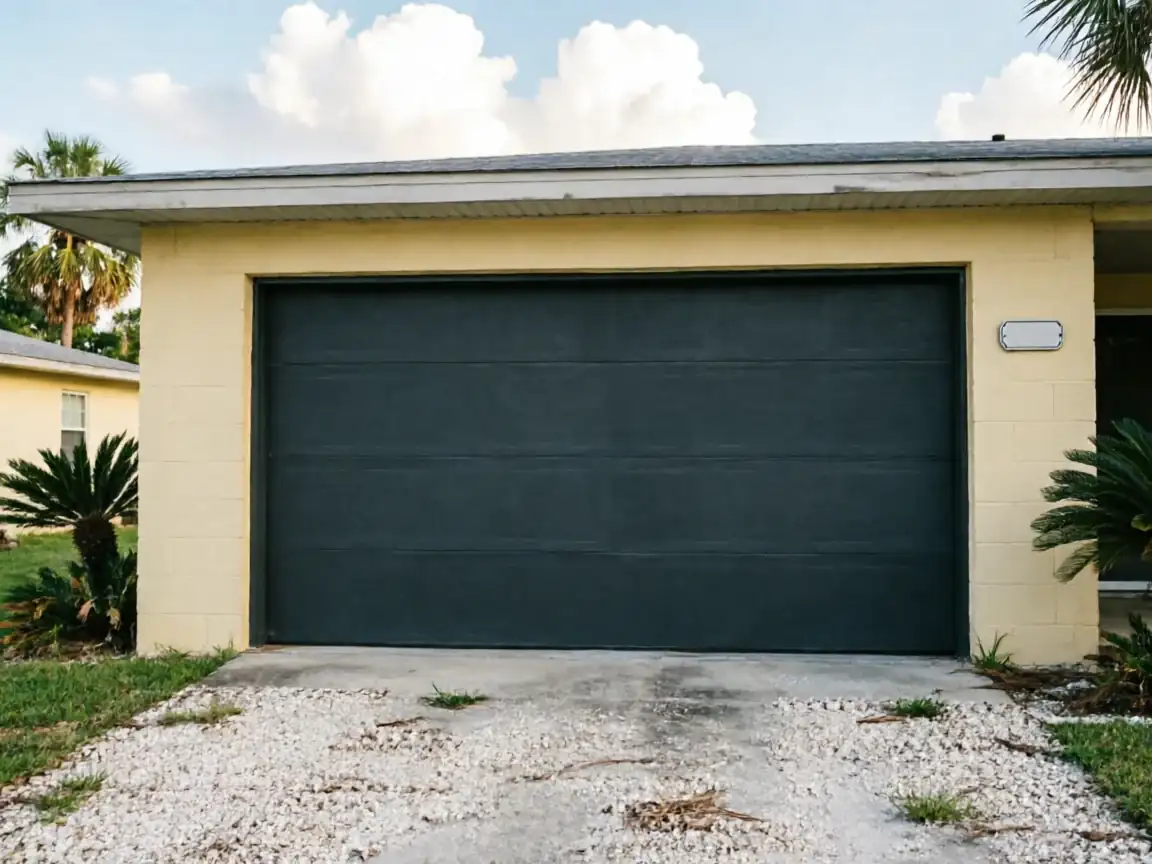
Cutler Bay's houses cluster around a 1985 build date, which puts them a decade newer than the median across the rest of the area we cover out of Homestead. That gap matters more than it sounds. Doors and openers from the mid-80s were built to lighter spec than what you'd find on a house from the 60s or 70s - thinner panel gauge, smaller header clearance, and brackets sized for the motor units sold at the time. When a homeowner here wants to swap in a modern opener, the first problem usually isn't the opener itself, it's the header. A lot of these garages have less clearance above the door than today's standard units expect, especially if the house still has its original frame.
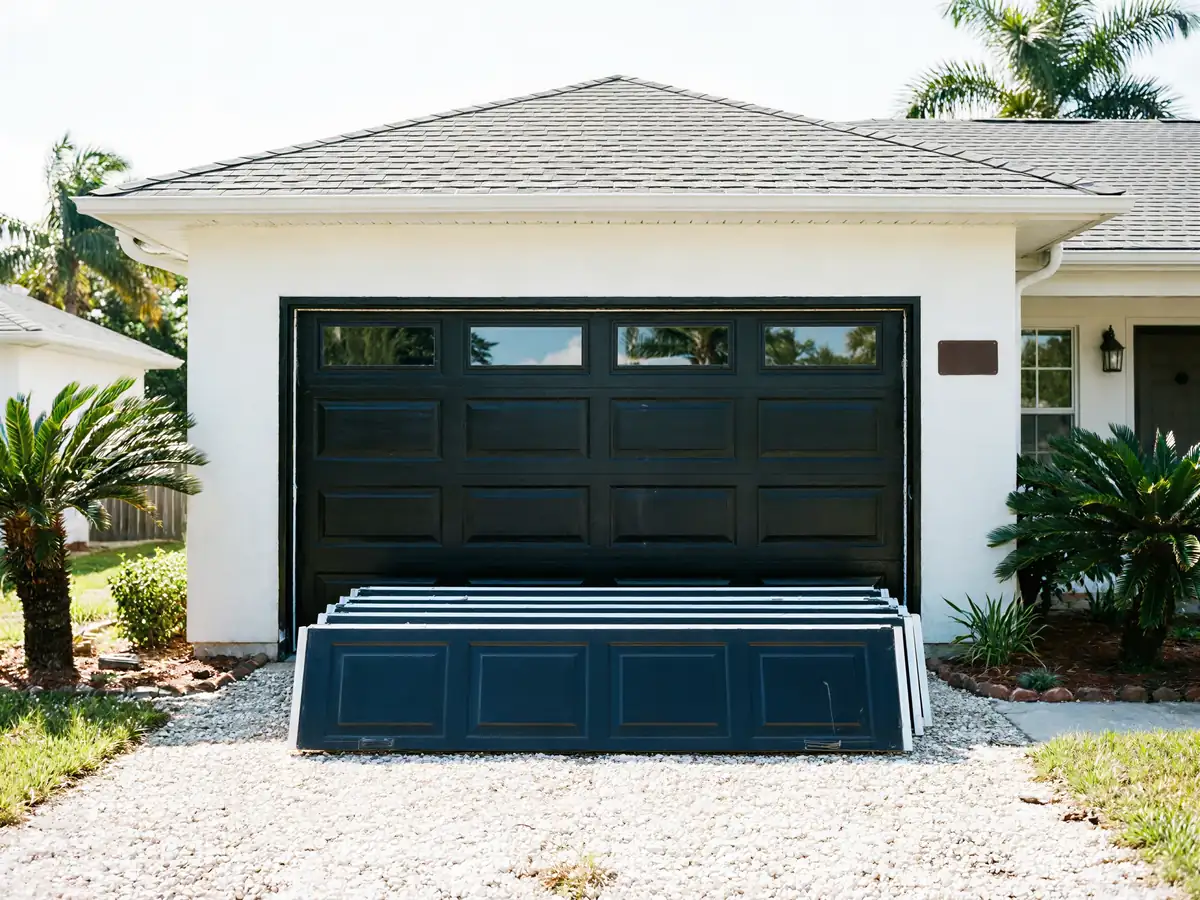
The other wrinkle is the door itself. If the door hasn't been replaced since the house was built, it's likely a single-layer steel door without the reinforcement modern openers assume is there for the lift. Bolting a heavier-duty opener to a light 1985 door can rack the top panel over time. We check the door before we touch the opener - not because we're trying to upsell a door, but because an opener install on hardware that can't take it just means a return call in a year.
We don't carry every bracket size on the truck for every garage built in that window, so some jobs need a short order before we can finish the header mount.
How Long It Takes
A straight swap - same opener type, same mounting points, door structurally sound - is a same-visit job once we're on site. Where it runs long is the header and bracket fit we mentioned above. If the existing frame needs a new mounting plate cut to match a 1985-era header, that's additional time on the same visit in most cases, but if a part isn't on the truck, the job splits into two trips.
We travel the 10 miles from our Homestead shop to reach Cutler Bay, which we fold into our regular routing rather than treating as a separate dispatch. That doesn't buy you a guaranteed same-day slot, but it does mean a Cutler Bay opener job gets scheduled the same way a Homestead one does - no separate waitlist for being farther out.
How We Fix It
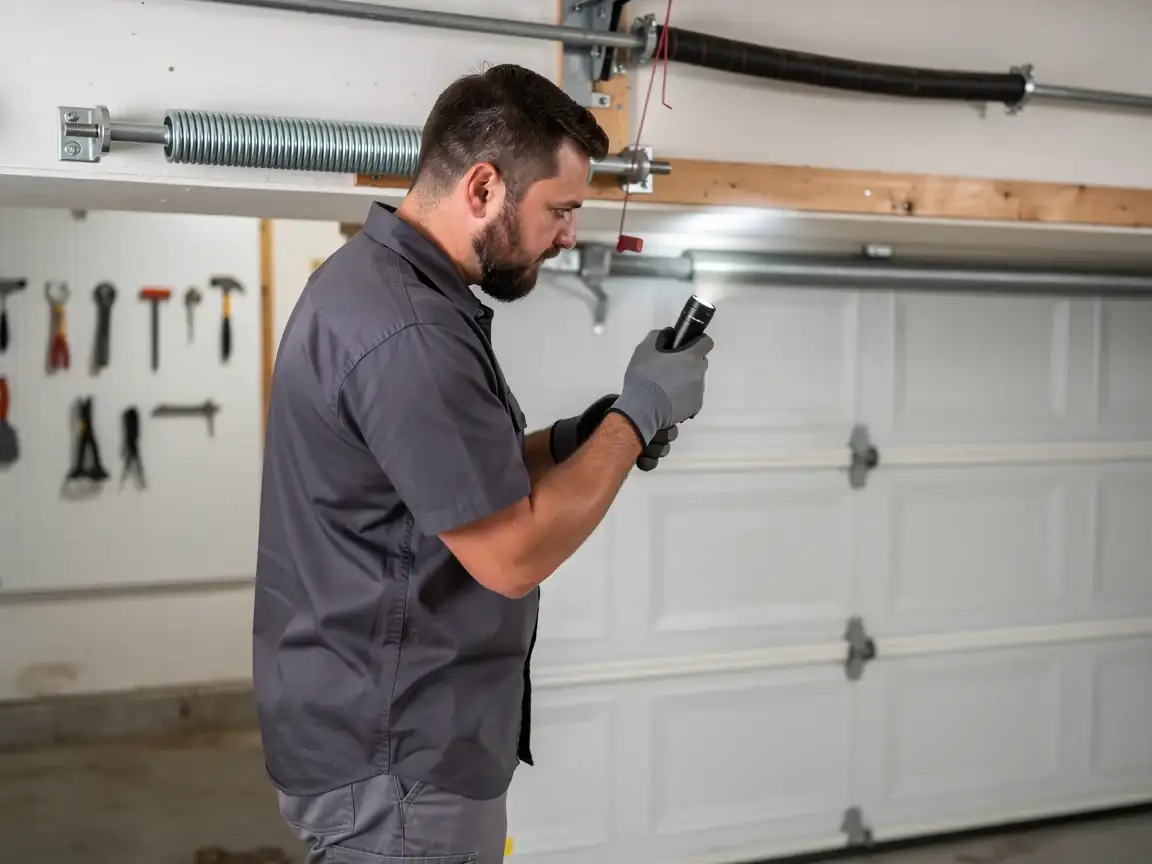
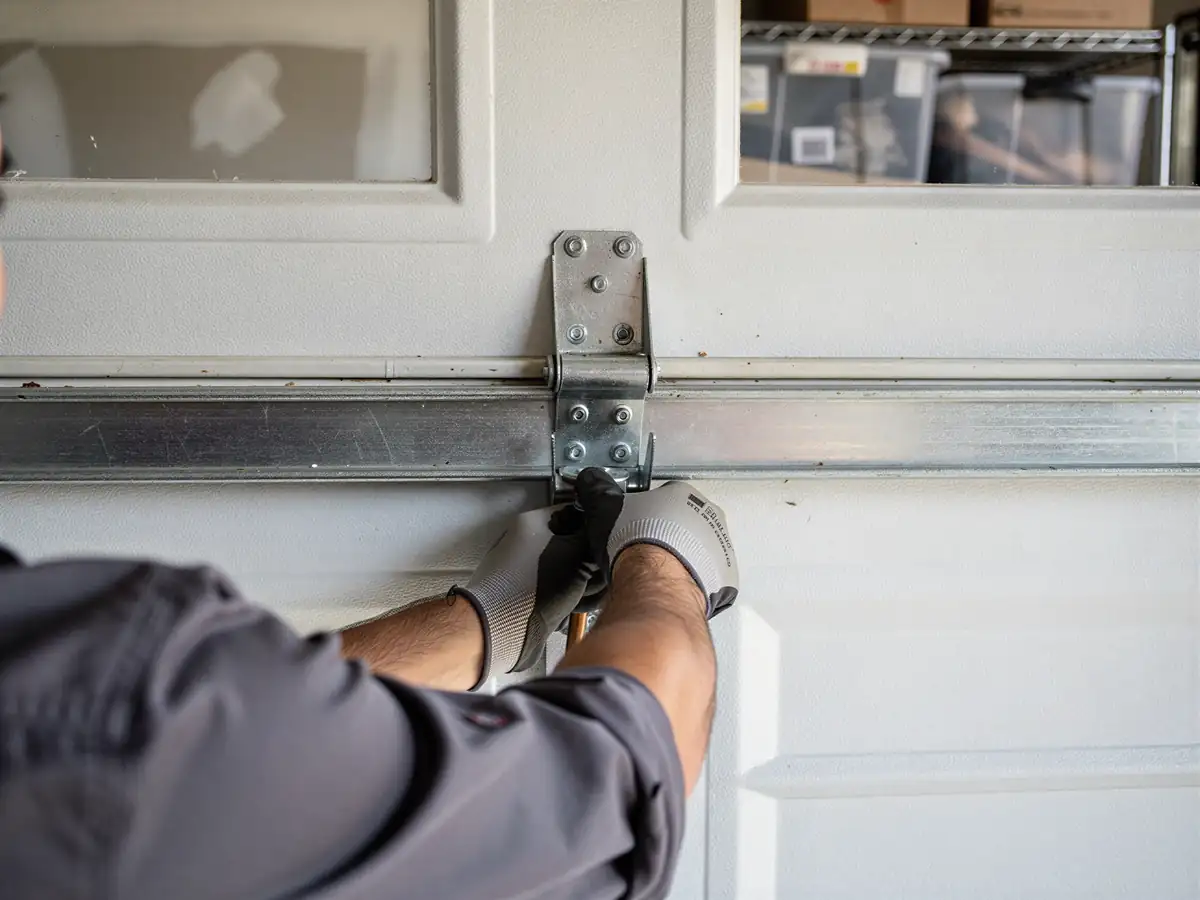
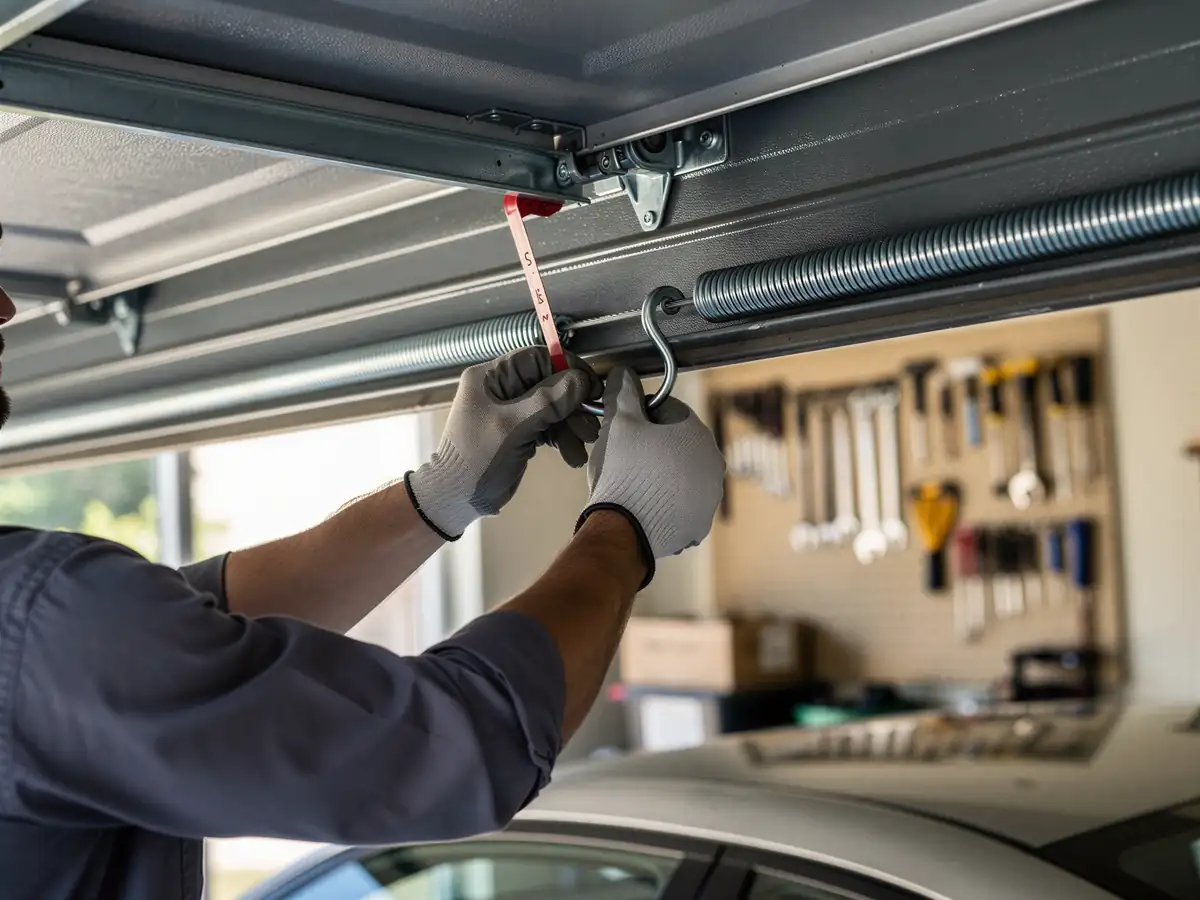
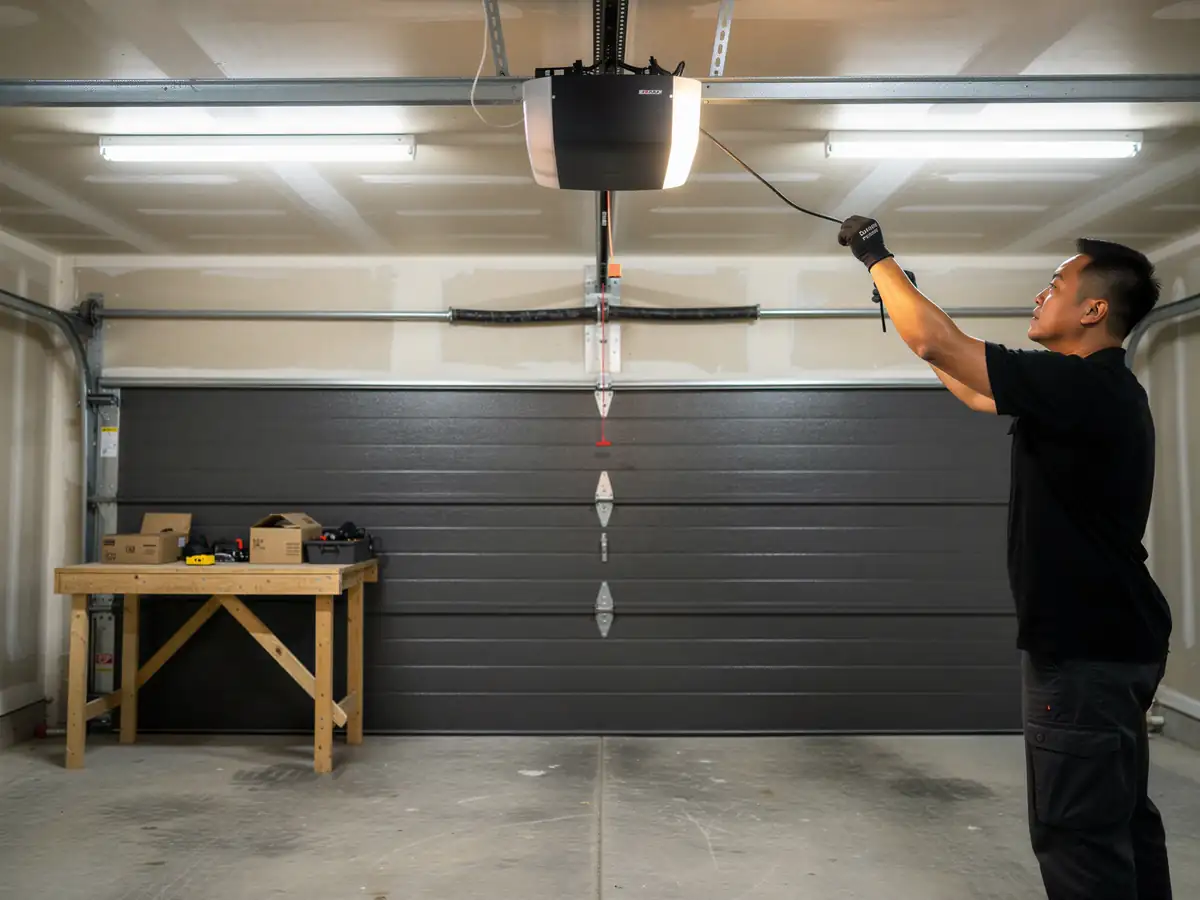
We start by pulling the old opener and inspecting the header and the top section of the door before anything new goes up
If the door's reinforcement is sound, the new opener mounts straight to existing points. If it isn't, we add a bracket or plate rated for the unit going in, rather than forcing a heavier motor onto a frame that wasn't built for it.
Given the mild year-round climate here, we're not building in extra tolerance for temperature swings the way a shop in a colder region would
The drive components don't see the thermal stress that cracks gears or stiffens chains elsewhere. That's one less variable we have to account for on install day, which simplifies the actual mounting and wiring work.
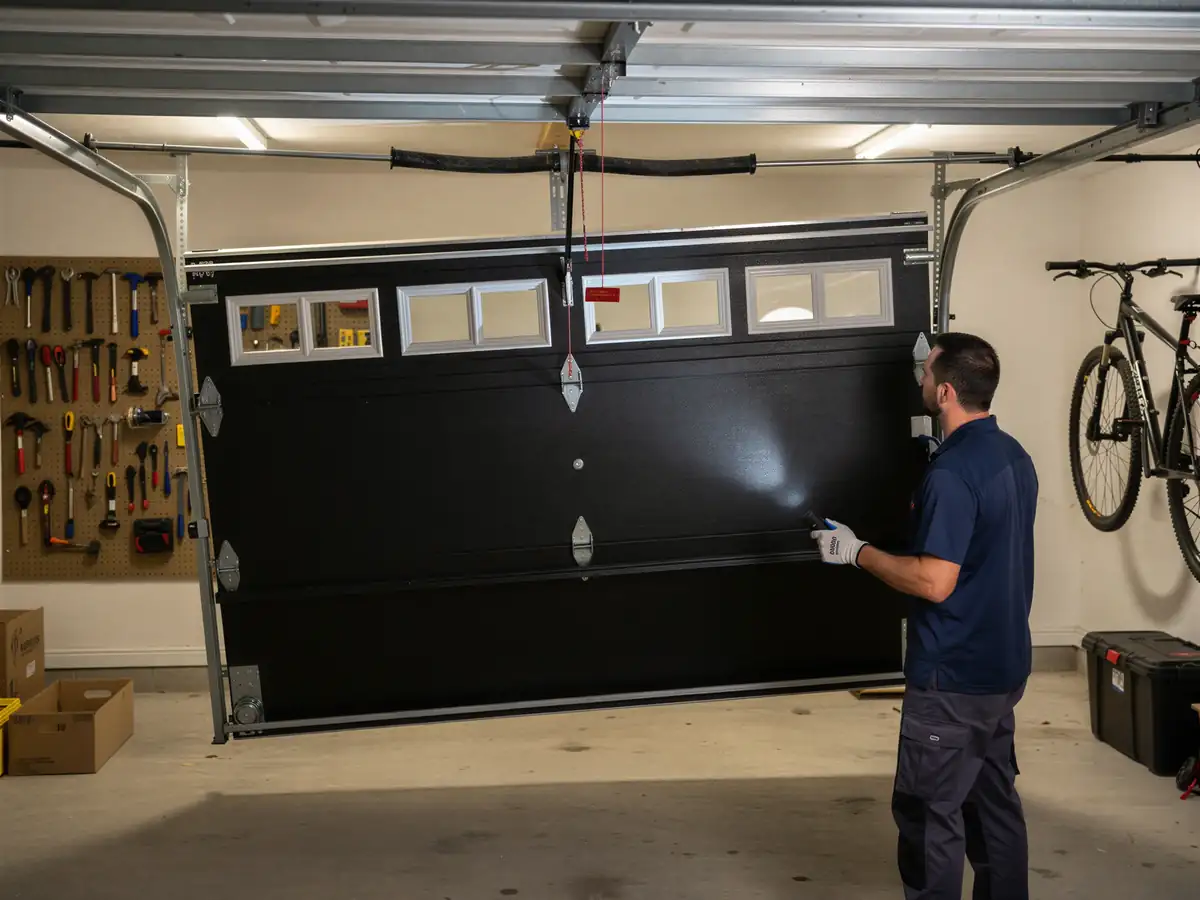
We set the travel limits and force settings to match the door's actual weight, not a factory default
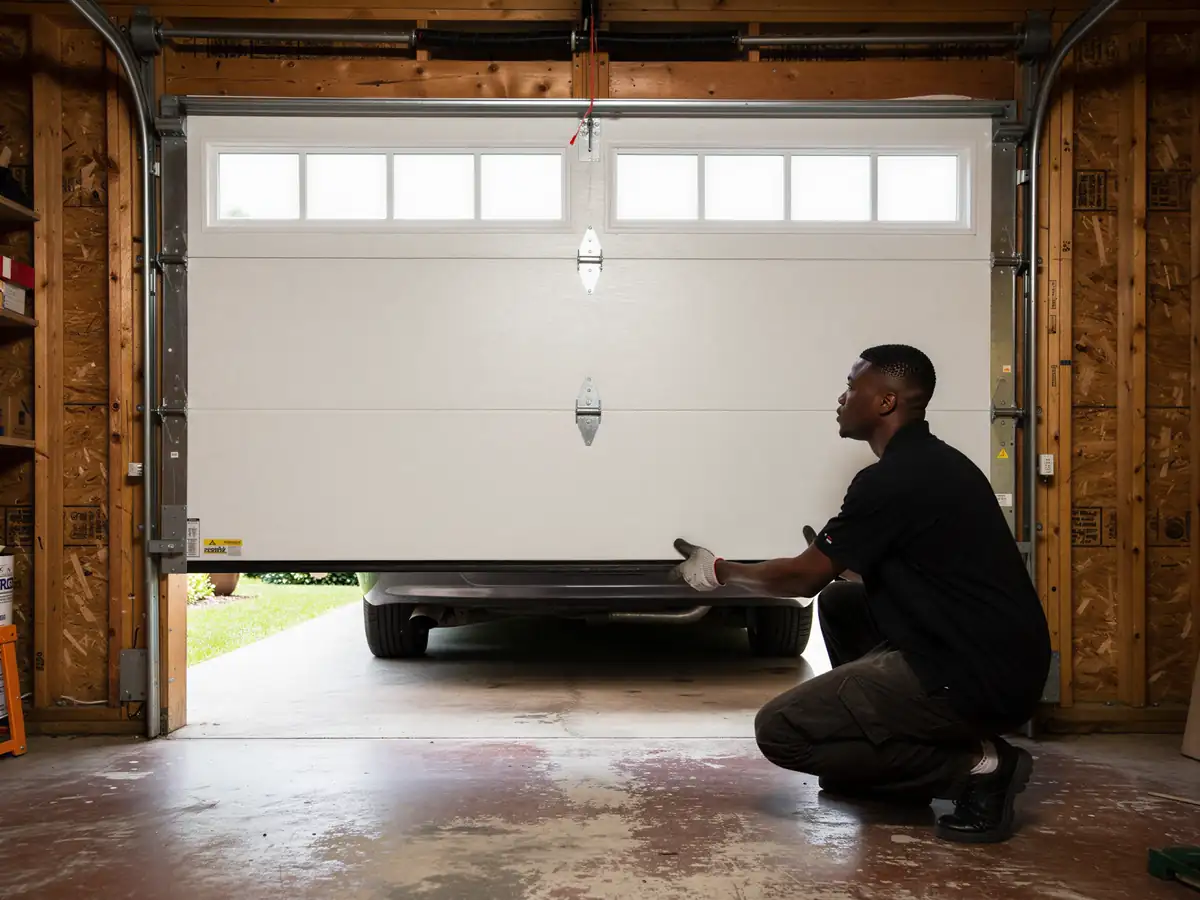
Since a 1985 door and a 2015 door of the same width can differ by twenty pounds or more. We test the reversal and manual release before we call the job done, every time, no exceptions.
What Is on the Truck
Across the roughly 14,535 households in Cutler Bay, and a median income close to the area-wide $82,726 figure, we see a fairly consistent pattern in what people choose: mid-tier belt-drive openers are the most common upgrade request, usually replacing an older chain-drive unit nobody's touched since the house was built. We stock standard mounting hardware, drive belts, and the rail lengths that fit the typical door widths out this way.
What we don't always carry is a bracket plate sized for an odd 1985 header depth - those garages weren't all framed the same, even within a few years of each other. When that's the case, we'll tell you on site rather than force a fit, and we'll come back once the part's in.