Booking a Visit
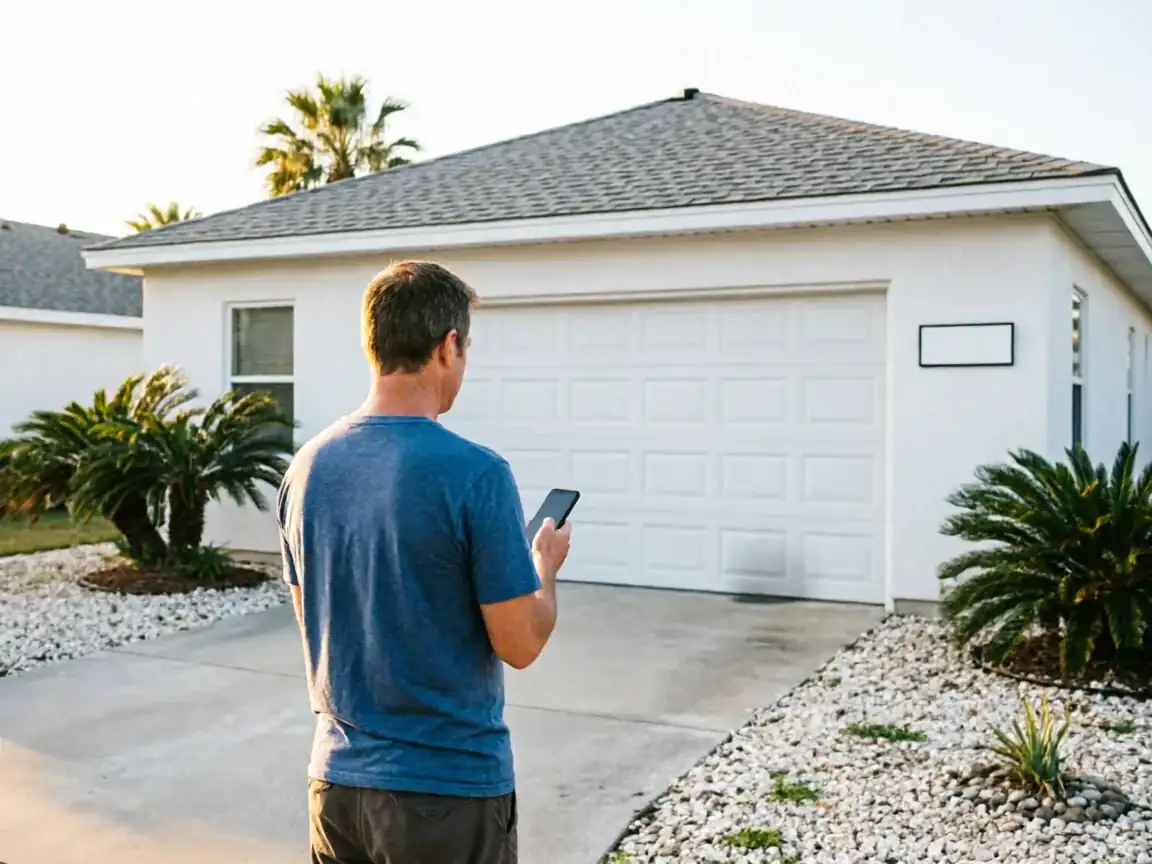
Country Walk sits about 12 miles from our Homestead base, so when you call about a door that won't open or a spring that's let go, we're routing a truck from there, not from a yard down the street. We don't carry a crew stationed in Country Walk and we won't pretend otherwise. What we can do is get the right parts on the truck before we leave, because most of what breaks here is predictable once you know the neighborhood's age.
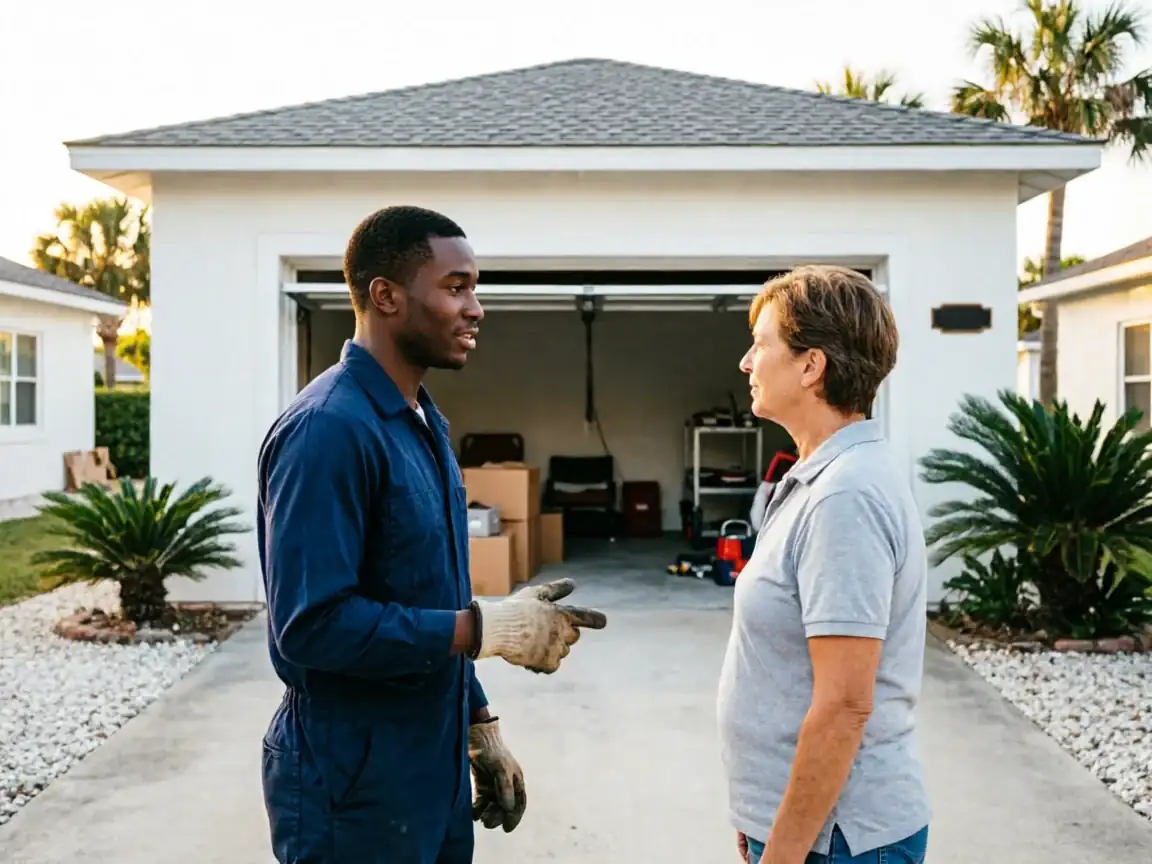
Tell us the door's size, whether it's one spring or two, and whether the opener still hums but the door won't move, or the whole thing is dead quiet. That's the difference between a spring job and a board or capacitor problem, and it changes what rides on the truck. We'd rather ask three questions on the phone than show up short a part and have you wait on a second trip.
If the door is a two-car, heavier steel panel - which is what most of Country Walk has - the spring sizing is different from the lighter single-car doors common in older parts of the service area, and we bring that into account before we're on the road.
What You Are Seeing
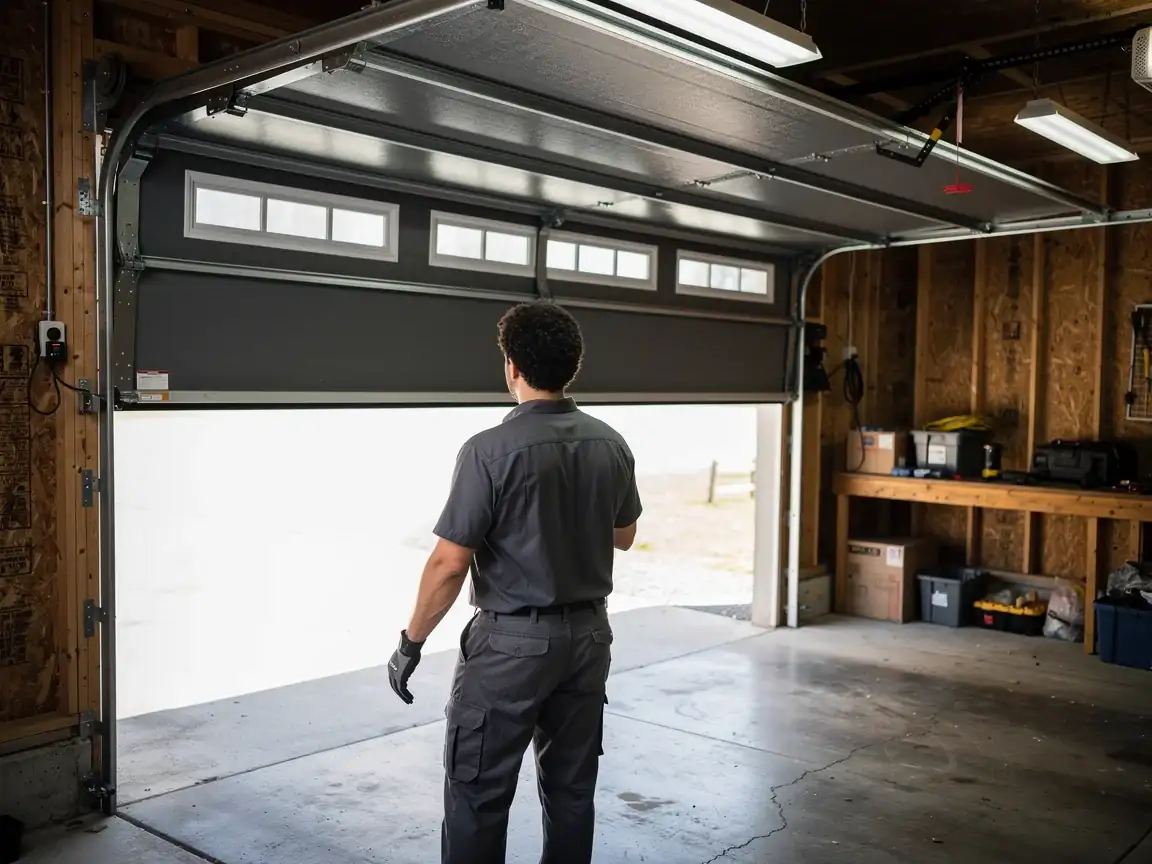
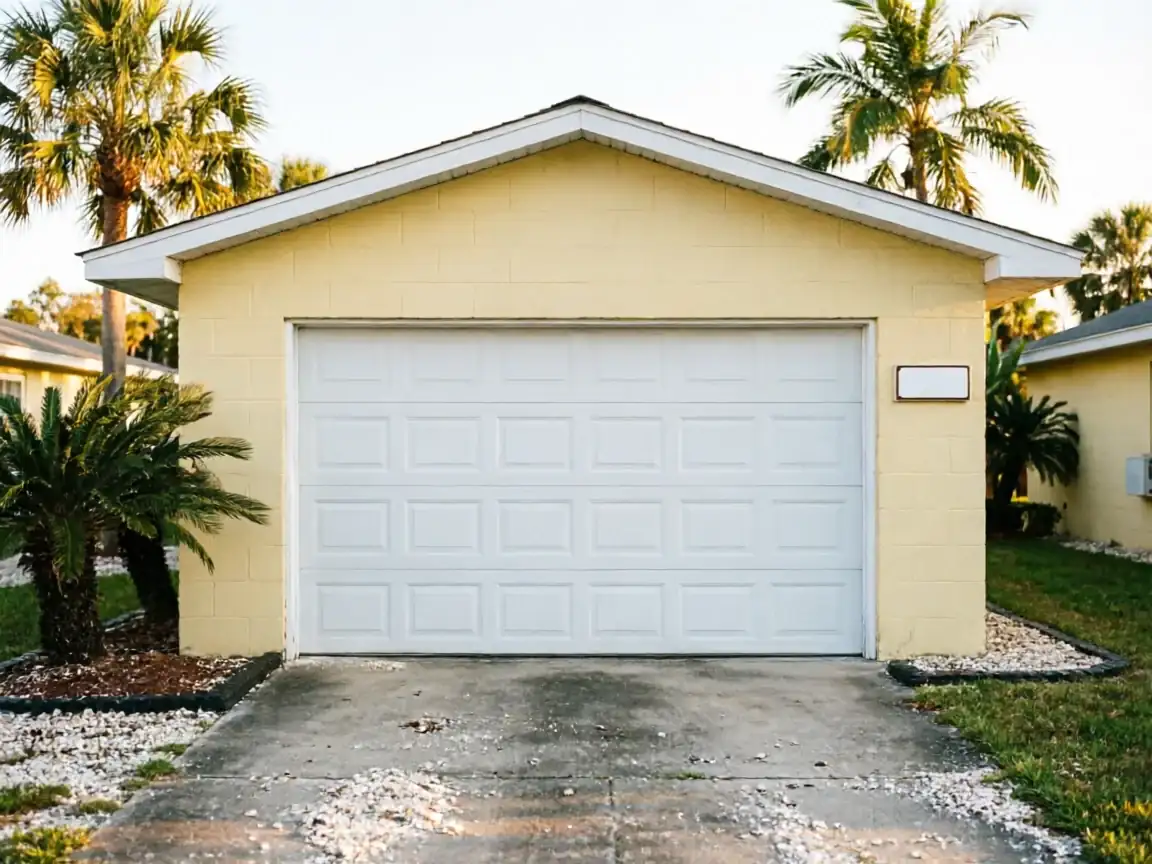
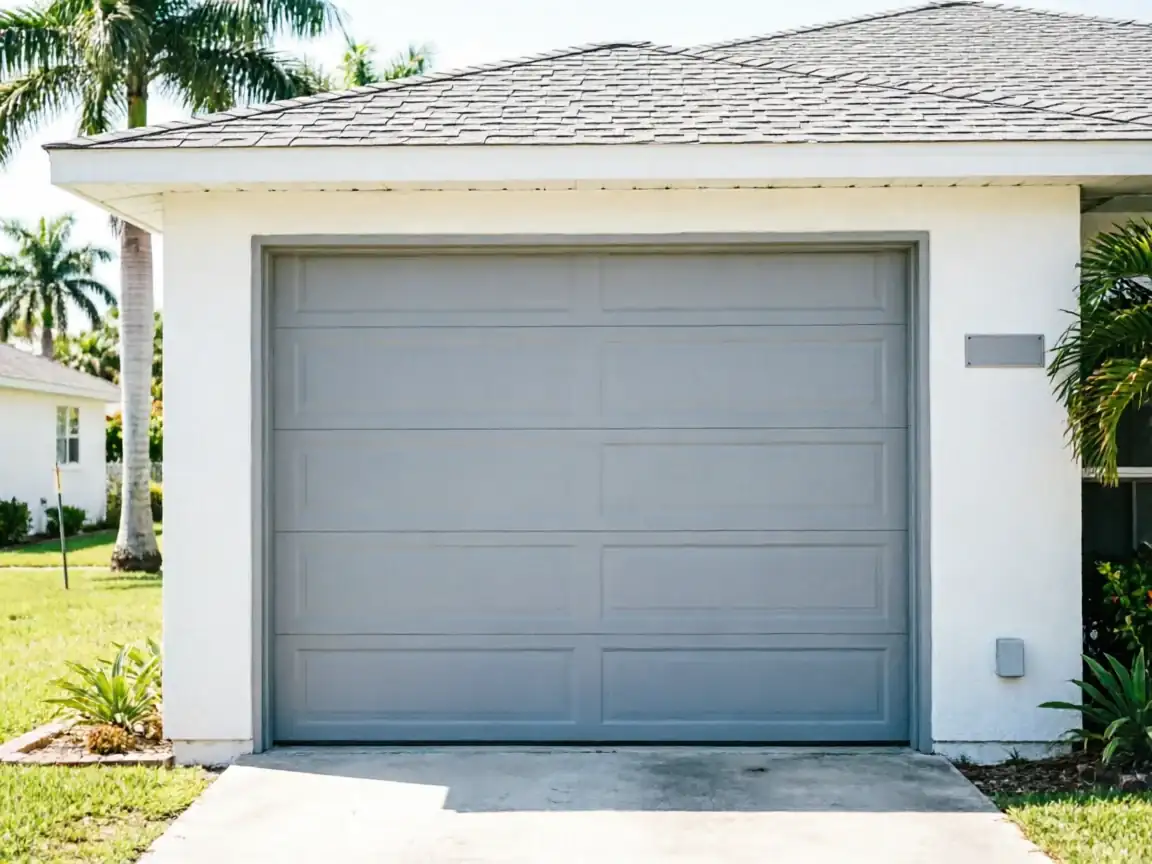
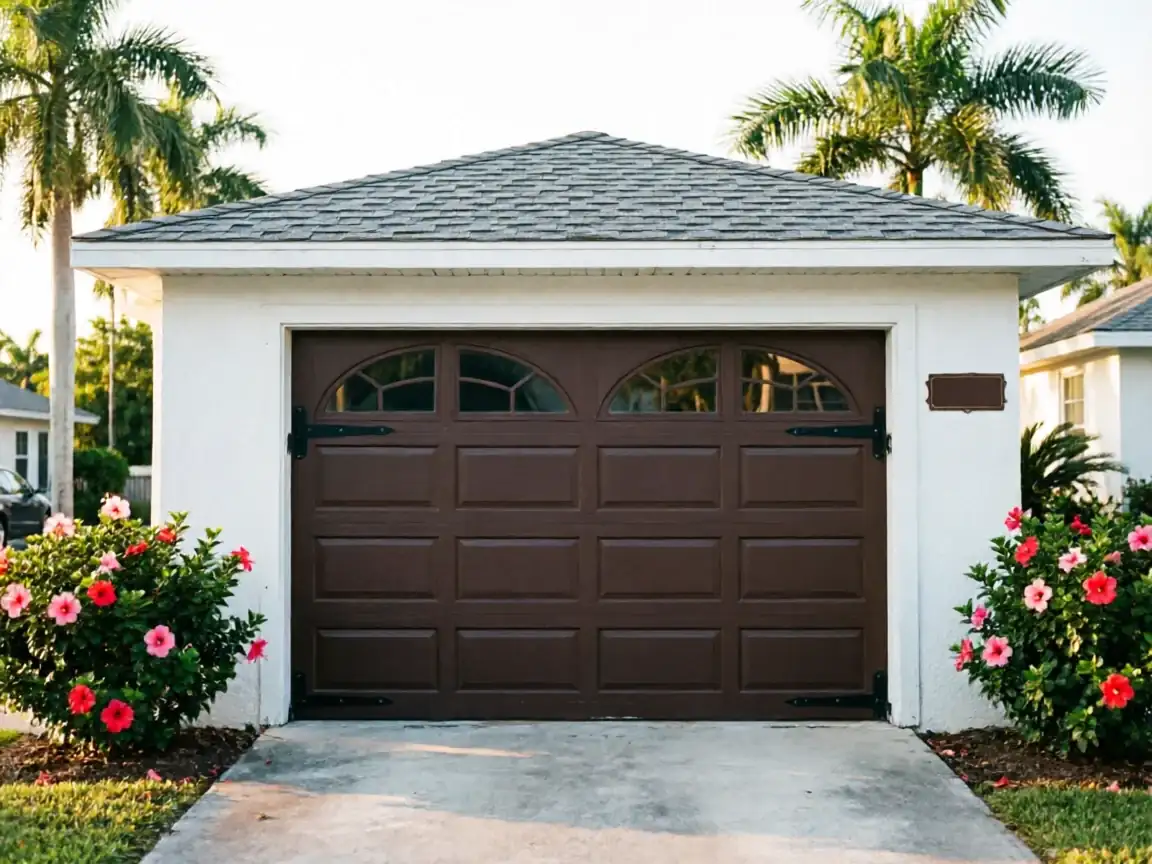
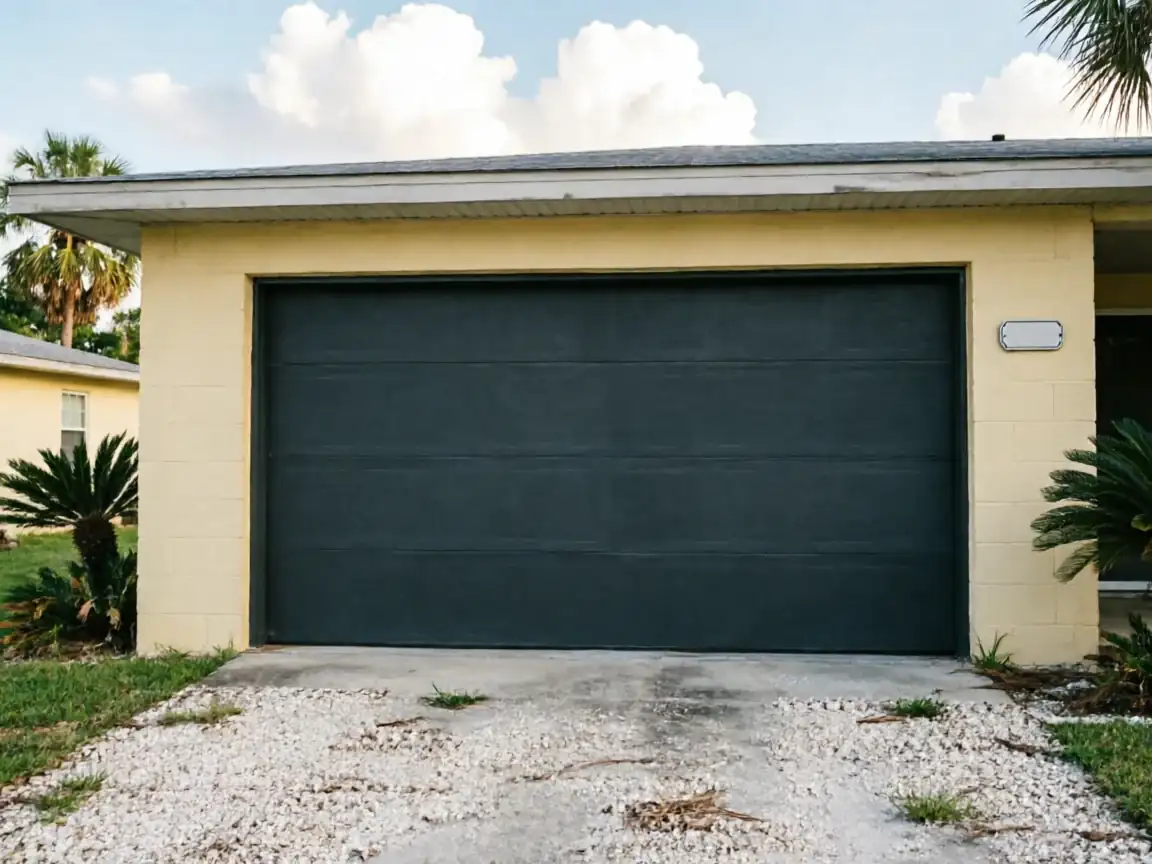
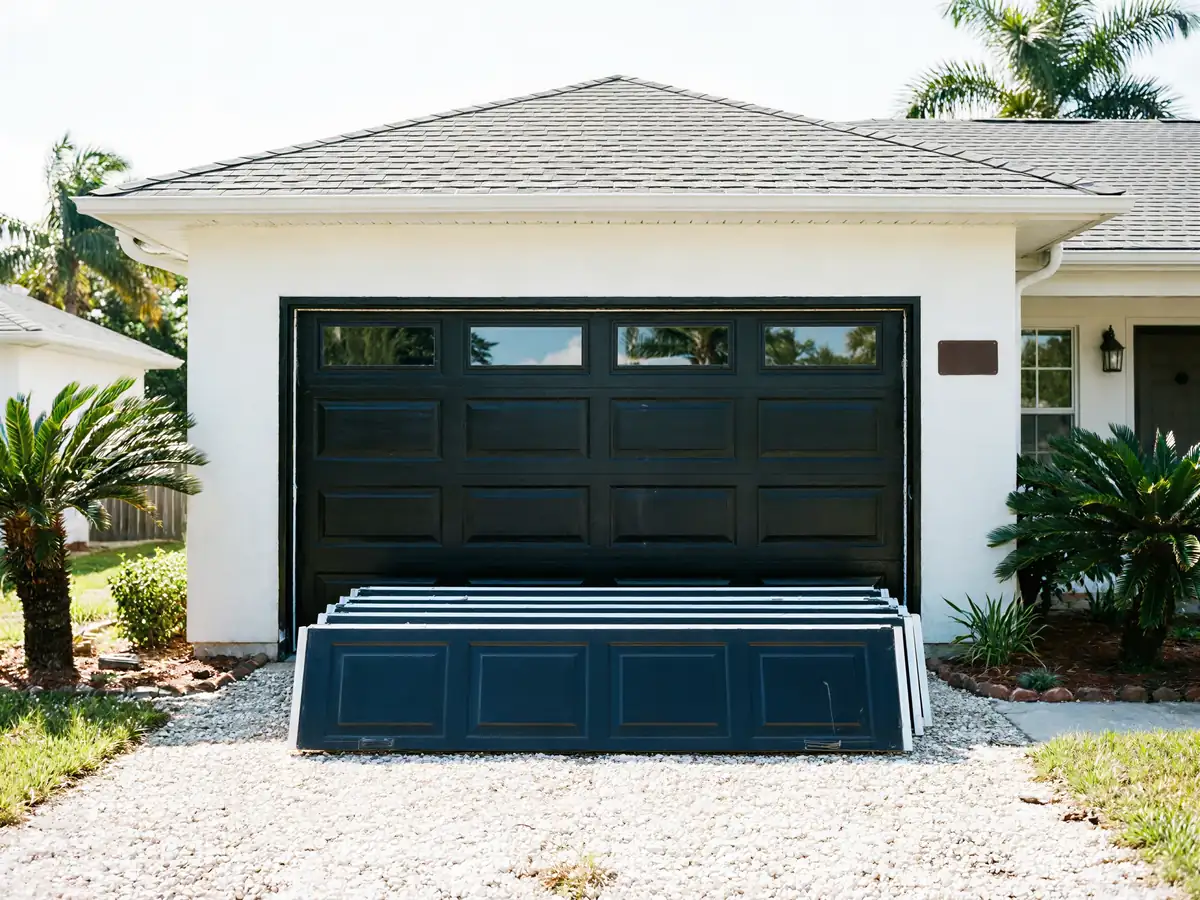
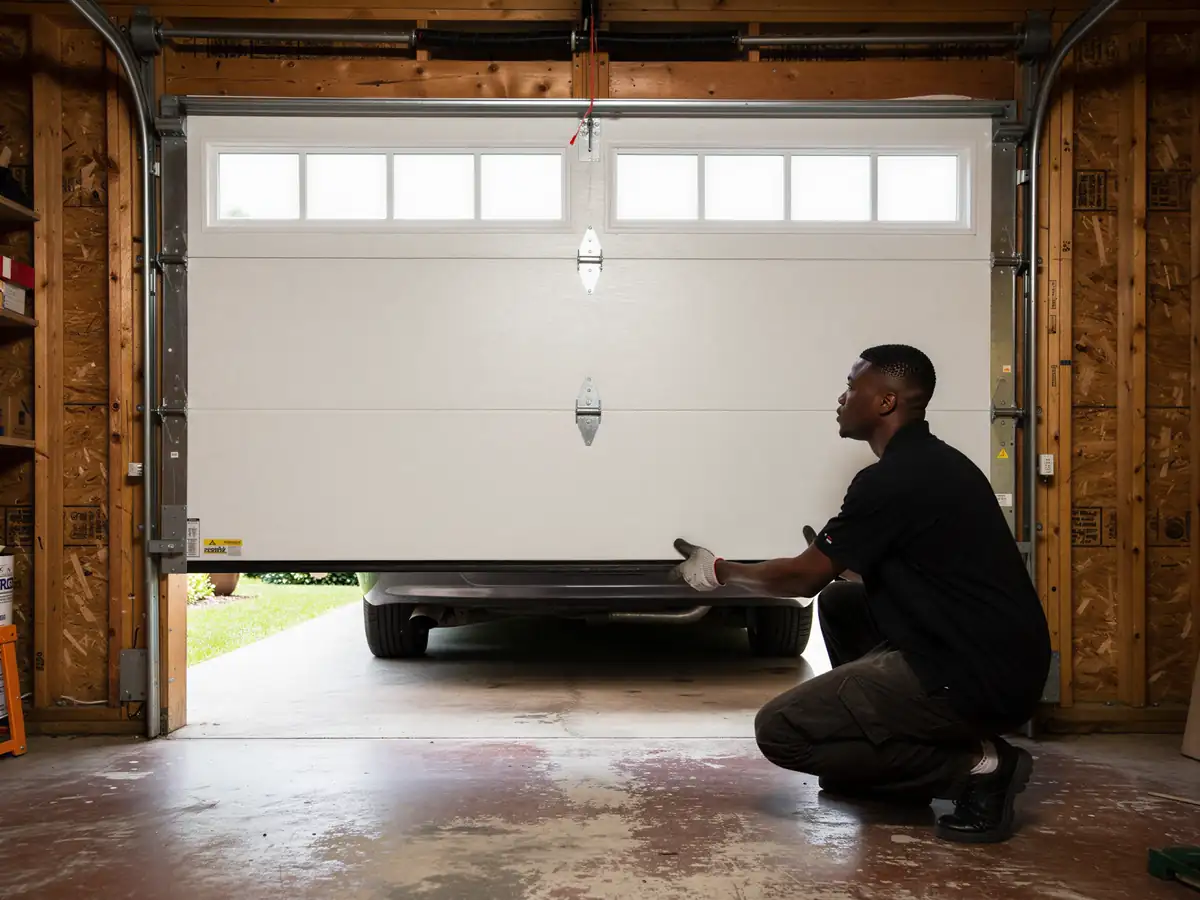
Most houses in Country Walk were built around 1996, which puts the neighborhood a couple of decades newer than the 1979 median across the wider service area. That matters for the door itself: you're mostly looking at steel sectional doors on a two-car opening, running on extension or torsion springs sized for a heavier panel than the older single-car wood or light steel doors found in the earlier-built pockets we cover.
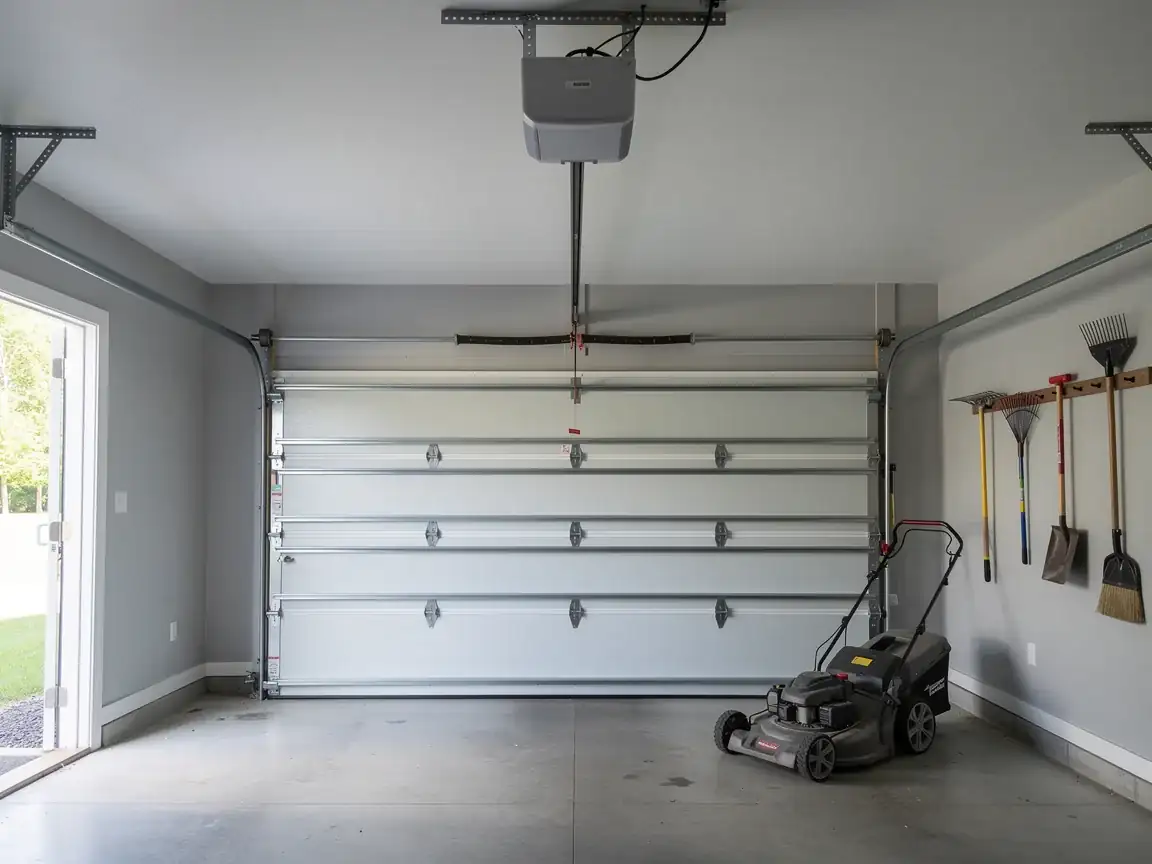
The openers are chain or belt drive units from the 1990s through the 2000s, often the first owner's original unit, now old enough that the circuit board or capacitor is as likely to be the problem as the mechanical parts. A door that opens three inches and stops, or reverses right back down, usually points to the opener's logic board or a failing sensor, not the spring.
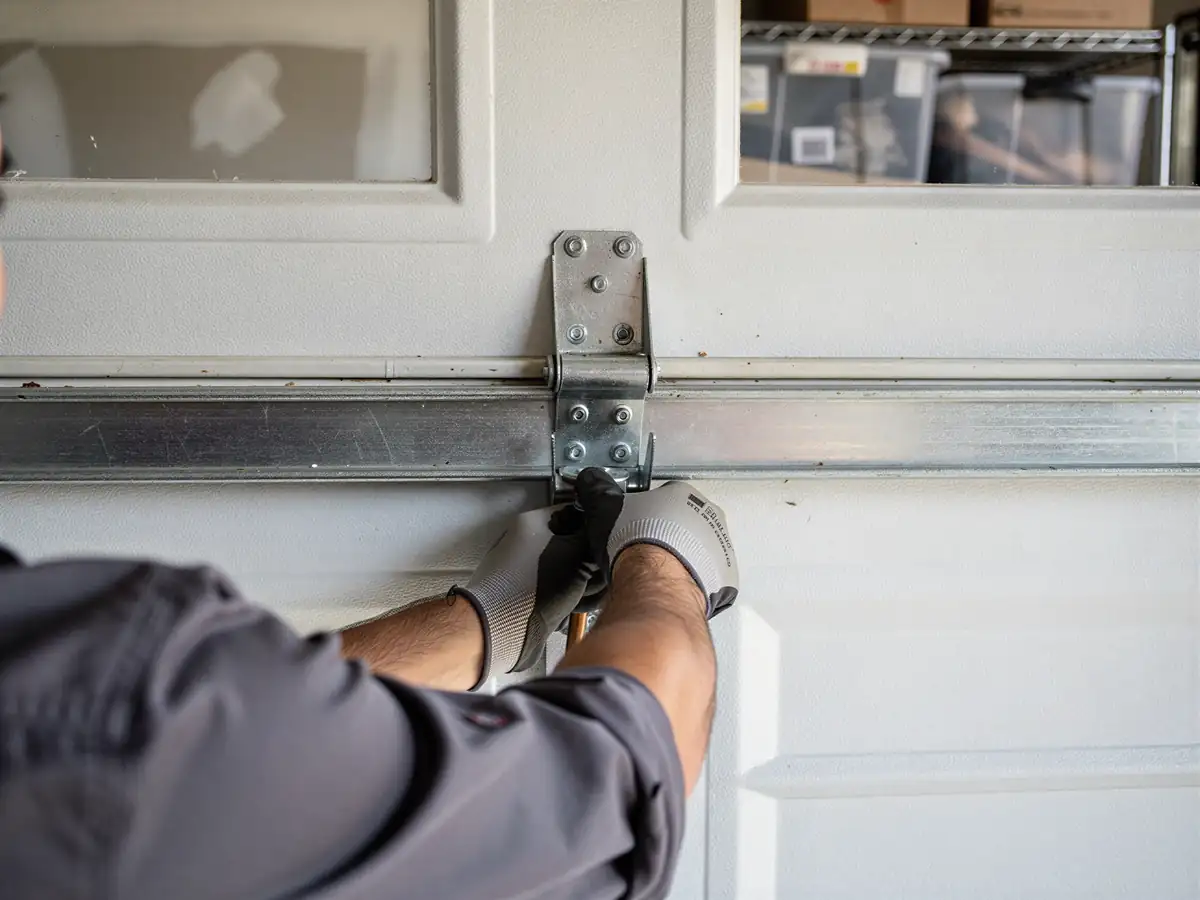
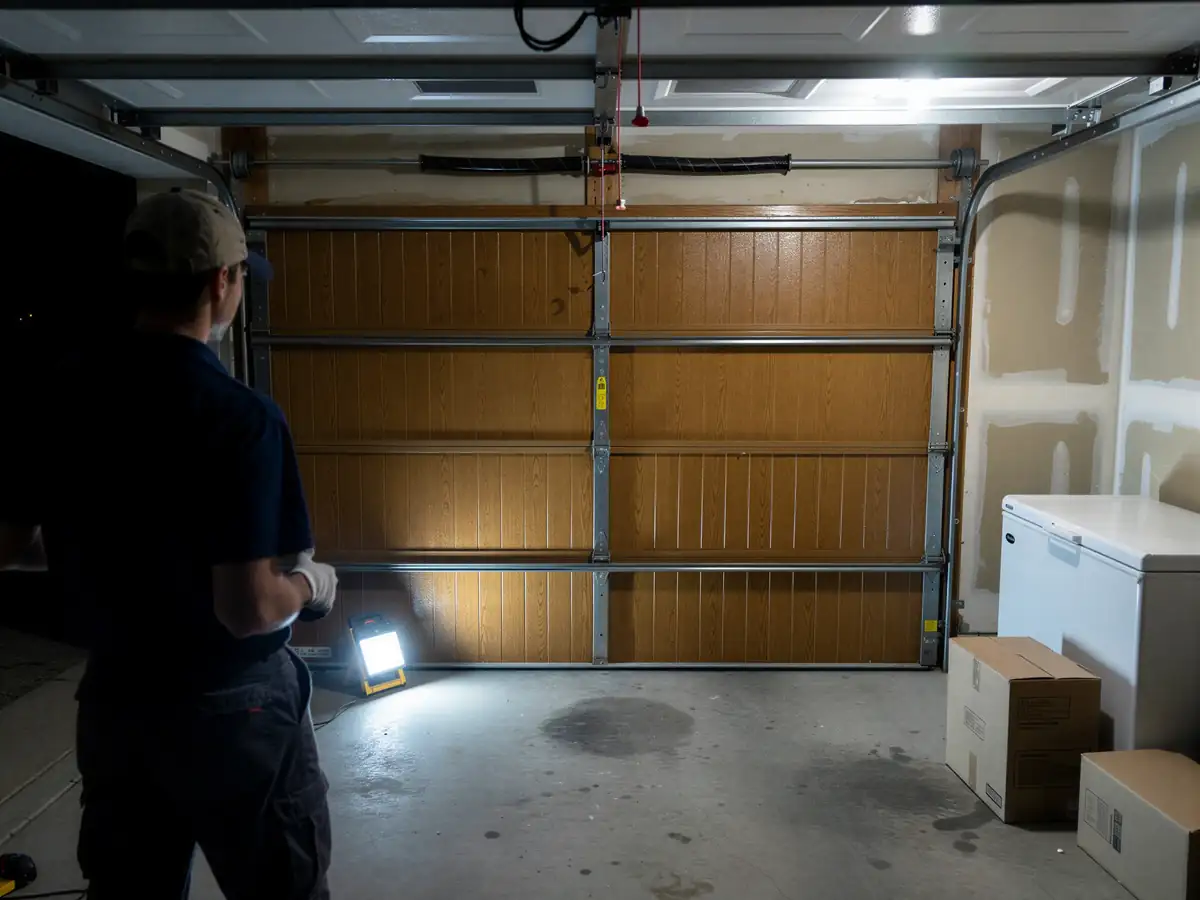
Track and roller wear shows up as a door that shudders or binds partway through its travel. On a two-car door that's a lot of steel moving on worn rollers, and it puts more strain on the cables than the same wear would on a lighter single door.
Why This Fails Locally
With Country Walk's housing dating mostly from the mid-1990s
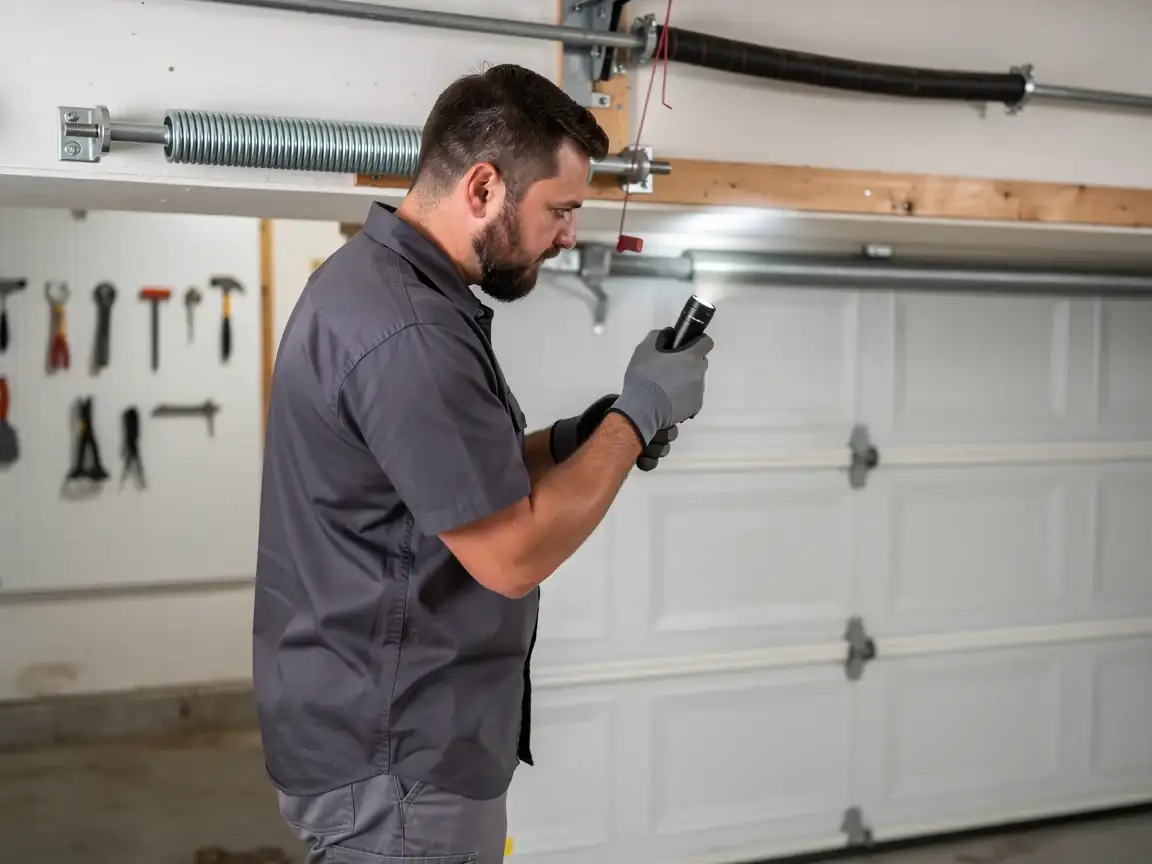
A lot of these doors and openers are coming up on 25 to 30 years old at the same time, which is exactly when torsion springs reach the end of their cycle count and openers start failing electronically rather than mechanically. A spring rated for thousands of cycles doesn't care what year it is, it cares how many times it's lifted that door, and a heavier two-car panel uses up that count faster than a lighter one.
- 30 years
The mild year-round climate here means these failures aren't weather-driven the way they might be somewhere with hard freezes or big swings
No ice locking a track, no wood door swelling shut. What you get instead is straightforward fatigue: a cable that's frayed from a few thousand lifts, a spring that finally lets go on an ordinary Tuesday, nothing dramatic triggering it.
Higher household income in Country Walk compared to the wider service area also means more of these are original builder-grade openers that were never upgraded
Since there was never a forced reason to replace a unit that still mostly worked.
The Complications
A two-car steel door on a 1990s-era torsion system takes heavier springs than a single door, and we don't always carry every size on the truck. If the spring on your door is an odd length or wind, that can mean a second visit while we source it, and we'll tell you that on the phone rather than let you find out when we're standing in your driveway.
We also won't tell you a board swap will fix an opener problem if the real issue is a worn sensor or loose wiring; it's cheaper to check the simple things first, even if it takes a few extra minutes on site.
One honest limit: if the opener is original to a 1996 build and the board is dead, replacement parts for that specific model may no longer be made, and a new opener ends up being the faster and more sensible fix than hunting for a part that doesn't exist anymore. We'll say so rather than charge you for a search that won't end well.